How To Make Soft Top For Cold Brew
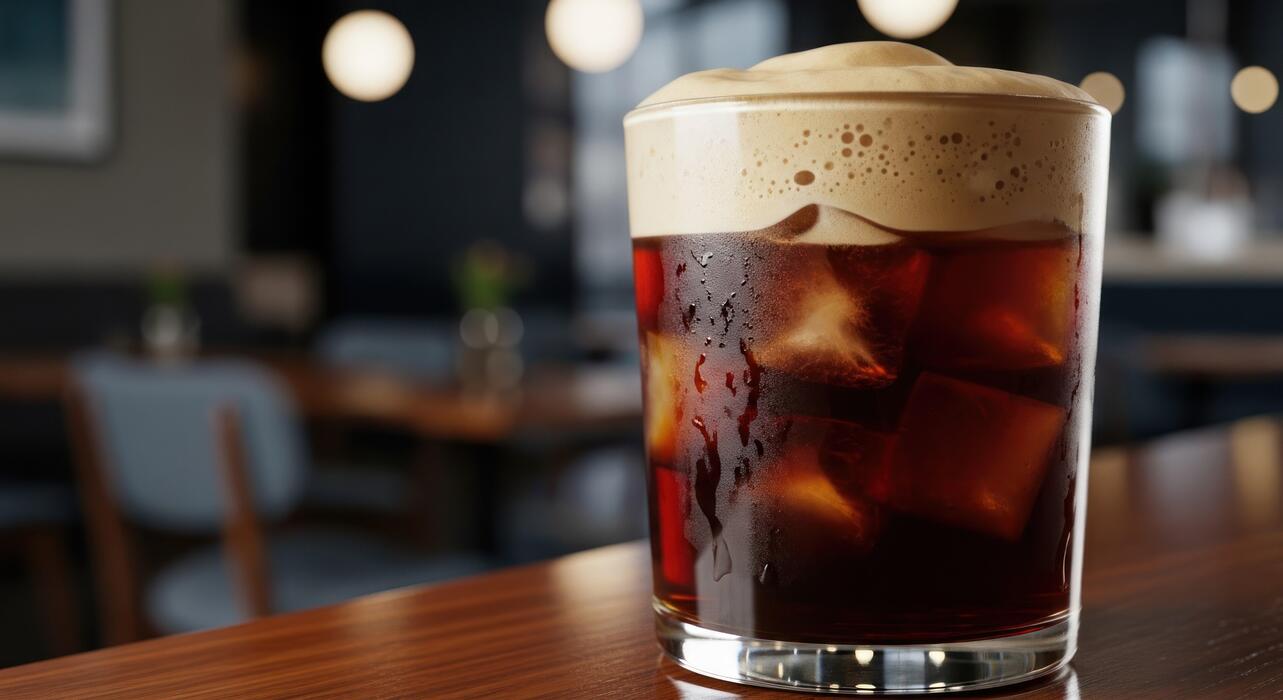
How to make soft top for cold brew is one of the most common questions for coffee lovers who crave that creamy, foamy finish without a dairy-heavy latte. You’re likely tired of watery cold foam or complicated recipes that don’t deliver. The solution is simple: a stable, airy top made from heavy cream, milk, and a touch of sugar, blended until thick but pourable. You’ve come to the right place—this method guarantees a silky, lasting layer every time.
What Is a Soft Top for Cold Brew?
Definition and texture differences from standard cold foam
A soft top for cold brew is a luscious, creamy layer that sits atop your iced coffee, distinct from the airy, stiff foam you might get from a standard latte.
Unlike cold foam, which is often made with nonfat milk and blended to a dense, frothy consistency that holds its shape for a long time, a soft top is intentionally lighter and more pillowy.
It’s designed to gently cascade into your cold brew, creating a silky mouthfeel that blends with the coffee as you drink. The texture is achieved by using whole milk, cream, or plant-based alternatives like oat milk, and blending for a shorter duration.
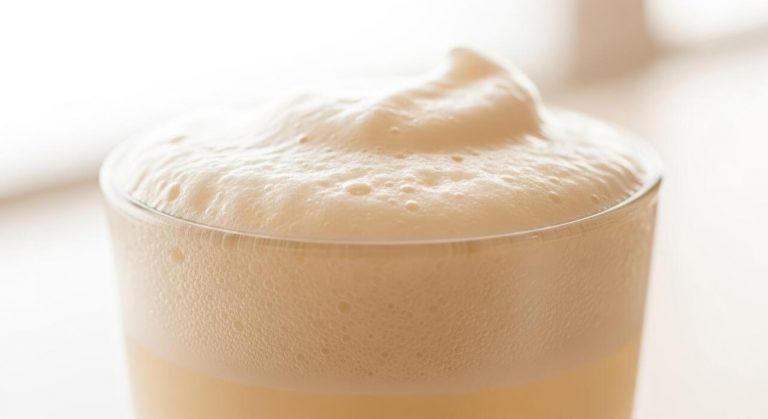
This results in a velvety, almost liquid-like foam that doesn’t hold stiff peaks. The key difference is that a soft top is meant to be an integrated part of the experience, not a separate layer, making each sip a harmonious mix of creamy and bold coffee flavors.
Why soft tops improve cold brew flavor and mouthfeel
Soft tops dramatically elevate cold brew by addressing two core aspects: flavor balance and texture. Cold brew is naturally smooth but can taste overly acidic or bitter when undiluted.
A soft top, with its rich dairy or plant-based fats, coats your palate, softening the coffee’s acidity and creating a more rounded, dessert-like taste. The creamy mouthfeel adds a luxurious, silky sensation that contrasts with the cold brew’s crispness, making each sip more indulgent.
Unlike heavy syrups, a soft top doesn’t overpower the coffee; instead, it enhances the inherent notes of chocolate, nuts, or caramel in the brew. For texture, the airy foam slowly dissolves into the drink, providing a dynamic drinking experience from first sip to last.
This gradual integration prevents the coffee from feeling watery, ensuring a consistent, velvety finish that makes your cold brew feel like a barista-crafted treat at home.
Common ingredients used in soft top recipes
Crafting a perfect soft top starts with choosing the right base. Heavy cream or whole milk are top choices for their high fat content, which creates a stable, silky foam.
For a dairy-free option, oat milk is ideal due to its natural creaminess and ability to froth well, while coconut cream adds a tropical twist. Sweeteners like vanilla syrup, honey, or maple syrup can be blended in for flavor, but keep them minimal to avoid overpowering the cold brew.
A pinch of salt enhances the sweetness and balances bitterness. For texture, add a splash of milk or water to adjust consistency—too thick and it won’t pour, too thin and it won’t hold. Some recipes include a dash of cinnamon or cocoa powder for extra depth.
The key is to use a high-fat base and blend just until smooth and slightly thickened, avoiding over-blending that leads to stiff peaks. Experiment with ratios to find your ideal creamy, cloud-like top.
Tools You Need to Make Soft Top at Home

Essential equipment: frother, blender, or shaker bottle
To create a soft top at home, you need a tool that aerates milk into a light, frothy layer that floats on cold brew. A handheld milk frother is the most accessible option—simply submerge it in warm milk and froth for 30–60 seconds until doubled in volume.
For a thicker, more stable foam, use a countertop blender: blend milk on high for 20–30 seconds until it forms stiff peaks. A French press also works—pump the plunger vigorously for 30 seconds to incorporate air.
If you prefer a no-electricity method, a shaker bottle with a wire whisk ball works: shake warm milk vigorously for 45 seconds. For best results, heat milk to 140–150°F (not boiling) before frothing, as warmer milk creates denser foam. Always clean tools immediately after use to prevent residue.
Avoid using cold milk directly—it produces thin, watery foam that dissolves quickly.
Best milk types for a stable soft top
For a stable, long-lasting soft top, choose milk with higher fat and protein content. Whole milk (3.25% fat) produces the creamiest, most voluminous foam that holds for 10–15 minutes.
Barista-style oat milk (like Oatly or Califia) is the top non-dairy option—its added oils and stabilizers create thick, microfoam that mimics dairy. Coconut milk (canned, full-fat) whips into dense foam but has a distinct flavor. Avoid skim milk, almond milk, or rice milk—they produce thin, bubbly foam that collapses quickly.
For extra stability, add 1 teaspoon of gelatin or agar-agar per cup of milk (dissolve in warm milk before frothing). If using plant-based milks, shake the carton well before pouring, as separation reduces foam quality.
Always use cold milk for frothing with a blender or shaker, but warm milk (140°F) for handheld frothers—this temperature optimizes protein bonding for lasting foam.
Optional add-ins for flavor and sweetness
Enhance your soft top with flavorful add-ins without compromising foam stability. For sweetness, stir in 1–2 teaspoons of maple syrup, honey, or agave into the milk before frothing—avoid granulated sugar as it can weigh down foam.
For vanilla flavor, add 1/4 teaspoon of vanilla extract or vanilla bean paste; for a spicy kick, use cinnamon, nutmeg, or pumpkin pie spice (sprinkle on top after frothing). Cocoa powder or melted dark chocolate (1 tablespoon) creates a mocha soft top—blend with milk before frothing.
For a dairy-free twist, coconut cream (2 tablespoons) adds richness and tropical flavor. Sea salt (a pinch) enhances sweetness and balances bitterness. For a protein boost, add 1 scoop of unflavored or vanilla protein powder—mix with a little milk first to avoid clumps.
Avoid acidic add-ins like lemon juice or vinegar, which can curdle milk. Experiment with lavender syrup, caramel sauce, or chai concentrate for gourmet variations.
How to Make Soft Top for Cold Brew with a Frother
Step-by-step frothing technique for thick foam
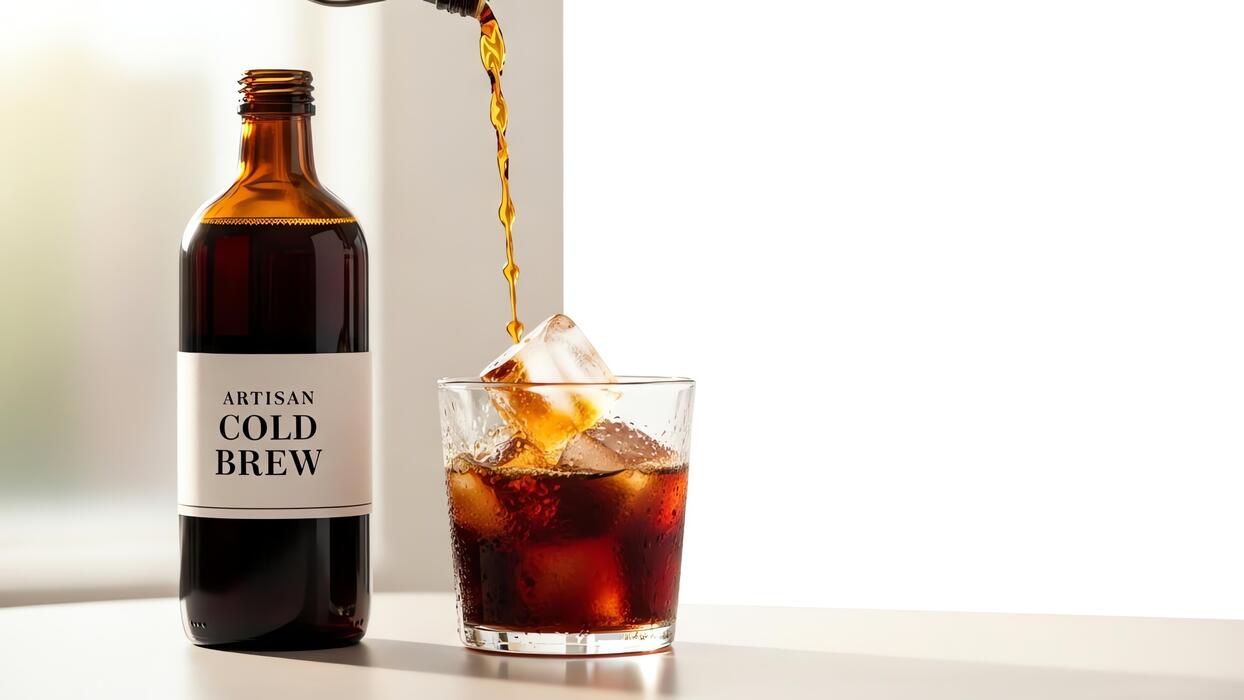
To create a luxurious soft top on your cold brew, start with cold, full-fat milk or a barista-grade plant-based alternative like oat milk. Pour your cold brew into a tall glass, leaving at least 2 inches of space for the foam.
For the frother, use a handheld electric frother or a countertop model. Insert the frother just below the surface of the milk, not at the bottom.
Begin frothing at a slow speed for 5-10 seconds to incorporate air, then gradually tilt the frother at a 45-degree angle and move it in a gentle circular motion. This action pulls air into the liquid, creating microfoam rather than large bubbles.
Continue for 20-30 seconds until the milk doubles in volume and has a thick, creamy consistency. Immediately spoon the foam onto your cold brew, using the back of the spoon to create a smooth, pillowy top. Avoid over-frothing, which can make the foam stiff and dry.
For extra thickness, use cold heavy cream or a splash of coconut cream mixed with your milk. This technique yields a dense, stable soft top that sits beautifully on the cold brew.
Temperature tips for best results
Temperature plays a crucial role in achieving a soft top that holds its structure. Always use cold ingredients directly from the refrigerator—milk or alternatives should be around 35-40°F (2-4°C). Cold liquids trap air better during frothing, resulting in denser, creamier foam.
Avoid using room-temperature or warm milk, as it will produce large, unstable bubbles that collapse quickly. If you prefer a slightly warmer soft top, you can briefly microwave the milk for 10-15 seconds to take the chill off, but never exceed 60°F (15°C) to maintain foam integrity.
For the cold brew itself, ensure it is chilled but not icy—serve it over ice or straight from the fridge. The contrast between the cold brew and the cool foam enhances the texture.
If you want a thicker foam, chill your frother attachment in the freezer for 5 minutes before use. This extra cold surface helps stabilize the foam. After frothing, let the foam rest for 10 seconds to set before spooning onto your cold brew. This step prevents it from dissolving immediately.
Troubleshooting common frother issues
If your soft top turns out watery or flat, check your frother’s power and technique. Weak frothing often occurs with low-voltage or battery-operated frothers—ensure batteries are fresh or use a plug-in model with at least 10 watts.
For handheld frothers, keep the tip fully submerged during the first 10 seconds to avoid splashing, then lift slightly to incorporate air. If you see large bubbles, you are frothing too vigorously or at too high a speed—switch to a slower setting.
Another issue is milk that won’t foam—this happens with skim or ultra-pasteurized milks, which lack the protein structure for stable foam. Switch to whole milk or barista oat milk. If the foam collapses quickly, your milk may be too warm or you over-frothed—aim for 20-30 seconds max.
For clumpy foam, blend it with a spoon before adding. Lastly, if your frother leaves residue, clean it immediately with warm soapy water. A dirty frother can hinder performance. For persistent issues, try a manual frother or French press as a backup method—both can create excellent soft tops with practice.
How to Make Soft Top for Cold Brew Without a Frother
Using a mason jar and shaking method
To create a soft top for cold brew without a frother, start with a clean, tight-sealing mason jar. Pour in about ¼ cup of cold brew concentrate and add ¼ cup of cold milk or non-dairy alternative.
Ensure the jar is no more than half full to allow room for shaking. Screw the lid on tightly, then shake vigorously for 30-60 seconds until the mixture becomes frothy and doubles in volume.
For best results, use a jar with a wide mouth to avoid spills and shake in a steady, up-and-down motion rather than side-to-side. After shaking, remove the lid and microwave the jar for 15-20 seconds (if using a microwave-safe jar) to stabilize the foam.
Pour the frothed mixture over ice and your cold brew. The foam will be light and creamy, mimicking a soft top. For added thickness, use whole milk or oat milk, which froth more easily. This method is quick, requires no special equipment, and gives you a barista-style finish in minutes.
Blender technique for airy soft top
For an airy, velvety soft top, use a standard countertop blender. Combine ½ cup of cold brew concentrate with ½ cup of cold milk, cream, or a plant-based milk like almond or coconut.
Add the liquids to the blender jar, ensuring the lid is secure, and blend on high speed for 20-30 seconds. The rapid spinning incorporates air, creating a thick, foamy layer that separates from the liquid.
For a richer foam, add 1-2 tablespoons of heavy cream or a teaspoon of maple syrup to stabilize the bubbles. After blending, let the mixture sit for 10 seconds to allow the foam to rise.
Pour it over a glass of ice and cold brew, using a spoon to hold back the foam until the end, then spoon the soft top on top. This technique yields a consistent, cafe-quality foam that’s thicker than shaking. Cleanup is easy—just rinse the blender immediately.
Adjust milk ratios for desired foam density; less milk yields a denser top.
Whisking by hand for a quick fix
If you lack appliances, a simple hand whisk can still create a soft top. In a small bowl, combine ¼ cup cold brew concentrate with ¼ cup cold milk.
Use a wire whisk and vigorously whisk in a circular motion for 2-3 minutes until the mixture becomes frothy and doubles in volume. For faster results, warm the milk slightly (not hot) to help it froth more easily.
Tilt the bowl to one side to increase surface area and whisking efficiency. Add a pinch of salt or a dash of vanilla extract to enhance the foam’s stability. Once frothy, let it rest for 30 seconds, then pour over ice and cold brew.
The foam will be slightly thinner than machine-made but still satisfyingly airy. This method works best with whole milk or barista-style oat milk due to their higher fat content. It’s ideal for small batches and requires zero cleanup beyond a whisk and bowl.
Perfect for a quick morning fix without any gadgets.
Best Milk and Cream Ratios for a Perfect Soft Top

Whole milk vs. heavy cream: texture and stability
For a stable, velvety soft top that holds its form without being too heavy, use a 2:1 ratio of whole milk to heavy cream. Whole milk provides the base volume and a lighter mouthfeel, while heavy cream adds the fat content necessary for thick, lasting foam.
Too much heavy cream (e.g., 1:1) creates a dense, almost whipped topping that can feel greasy and overpower the cold brew’s flavor. Too little (e.g., 3:1 milk to cream) results in a thin, watery foam that dissipates quickly.
For best results, chill both liquids thoroughly before frothing—cold fats whip up more efficiently. If you want extra stability, use cold heavy cream alone (no milk) but only froth for 15-20 seconds to avoid over-whipping into butter. This yields a rich, mousse-like layer that sits perfectly on top.
Always pour the frothed mixture over the cold brew slowly to preserve the separation.
Non-dairy options: oat, almond, and coconut milk
For a dairy-free soft top, oat milk is your best bet for foam stability and neutral flavor. Use full-fat oat milk (like Oatly Barista or Chobani Extra Creamy) and froth it until thick and silky—it mimics whole milk’s texture without curdling.
For a richer, dessert-like top, blend coconut cream (the solid part from a can of full-fat coconut milk) with a splash of oat milk at a 2:1 ratio (coconut cream to oat milk). This creates a lush, stable foam that adds a subtle tropical sweetness.
Almond milk, though lower in calories, often produces a thin, watery foam that separates quickly; if using it, add a teaspoon of tapioca starch or xanthan gum per cup to improve body.
Avoid low-fat or unsweetened varieties of any non-dairy milk, as they lack the fat and sugar needed for a lasting soft top. Always shake the carton well before frothing.
How to adjust ratios for sweetness and thickness
To customize sweetness and thickness, start with a base ratio of 1 part heavy cream to 2 parts milk (dairy or non-dairy), then tweak based on your preference.
For a sweeter soft top, add 1 to 2 teaspoons of simple syrup, maple syrup, or vanilla syrup directly to the milk mixture before frothing—this dissolves evenly and boosts body.
For extra thickness without added sugar, increase the heavy cream proportion to 1:1 (cream to milk) but reduce frothing time to 20 seconds to avoid over-whipping.
If you prefer a lighter, airier top, use only whole milk (or oat milk) and froth until doubled in volume—this yields a foamy, cloud-like layer that’s less caloric.
For a dairy-free thick top, blend 1/2 cup coconut cream with 1/4 cup oat milk and 1 tablespoon of maple syrup; the natural sugars and fats create a rich, spoonable foam. Always taste-test before pouring.
Flavor Variations for Your Cold Brew Soft Top
Vanilla and caramel sweetened soft top
Elevate your cold brew with a vanilla or caramel sweetened soft top by infusing the cream base with rich, complementary flavors. Start with 1 cup heavy cream, 2 tablespoons powdered sugar, and 1 teaspoon vanilla extract.
For a caramel twist, replace vanilla with 2 tablespoons homemade or store-bought caramel sauce (ensure it’s smooth and not too thick). Whisk or use a milk frother until soft peaks form—avoid over-whipping to keep it pourable. For deeper sweetness, add 1 tablespoon brown sugar to the caramel version.
Spoon over cold brew and let it slowly blend. For a vanilla bean option, scrape half a vanilla pod into the cream for specks and intense aroma. Drizzle extra caramel on top for visual appeal. This variation balances the bold coffee with creamy, dessert-like notes without overwhelming the brew.
Serve immediately for best texture.
Spiced options: cinnamon, nutmeg, or pumpkin
Transform your soft top into a warm, spiced delight perfect for fall or cozy mornings. Begin with 1 cup heavy cream, 2 tablespoons powdered sugar, and 1/2 teaspoon ground cinnamon. For nutmeg lovers, use 1/4 teaspoon freshly grated nutmeg (pre-ground works too).
For a pumpkin spice version, add 1 tablespoon pumpkin puree, 1/4 teaspoon pumpkin pie spice, and a pinch of cloves. Whisk or froth until soft peaks form—pumpkin puree may require a bit more whipping. The spices should be subtle, not overpowering, so taste and adjust.
Spoon over cold brew; the cream will carry hints of warmth that meld with the coffee’s chill. For extra depth, sprinkle a tiny pinch of cinnamon or nutmeg on top. These spiced tops pair beautifully with vanilla or maple syrup in the brew. Serve immediately to enjoy the aromatic contrast.
Chocolate or mocha soft top recipes
Indulge in a chocolate or mocha soft top that turns your cold brew into a decadent treat. For a chocolate version, melt 2 ounces dark chocolate (70% cocoa) and let cool slightly.
Whisk with 1 cup heavy cream and 1 tablespoon powdered sugar until soft peaks form—the chocolate will thicken it, so stop early. For a mocha twist, add 1 teaspoon instant espresso powder to the cream before whipping, along with 1 tablespoon cocoa powder and 2 tablespoons powdered sugar.
Use a frother or whisk; the espresso amplifies the coffee notes. Spoon over cold brew; the rich, silky top will slowly cascade. For a white chocolate mocha, use 2 ounces melted white chocolate and skip cocoa. Drizzle with chocolate syrup or sprinkle cocoa nibs.
This variation is bold yet balanced, ideal for those craving a dessert-like coffee experience. Serve immediately for best consistency.
Tips for Serving and Storing Soft Top Cold Brew
How to layer soft top without sinking
To create a perfect layered soft top cold brew, start with a thoroughly chilled cold brew base—warm coffee will immediately dissolve the soft top. Pour your cold brew into the glass first, leaving at least two inches of headroom.
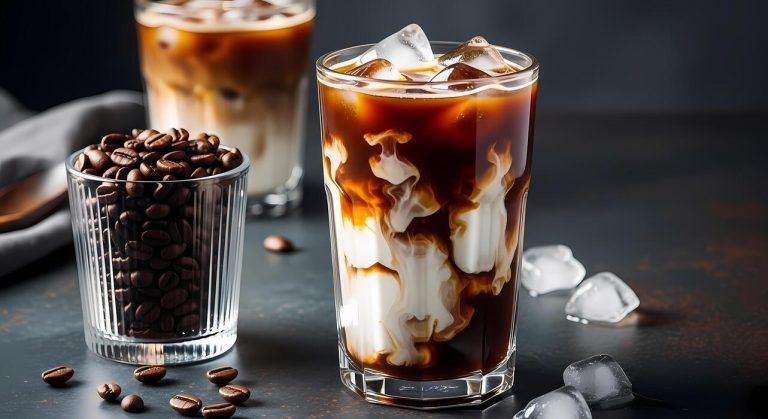
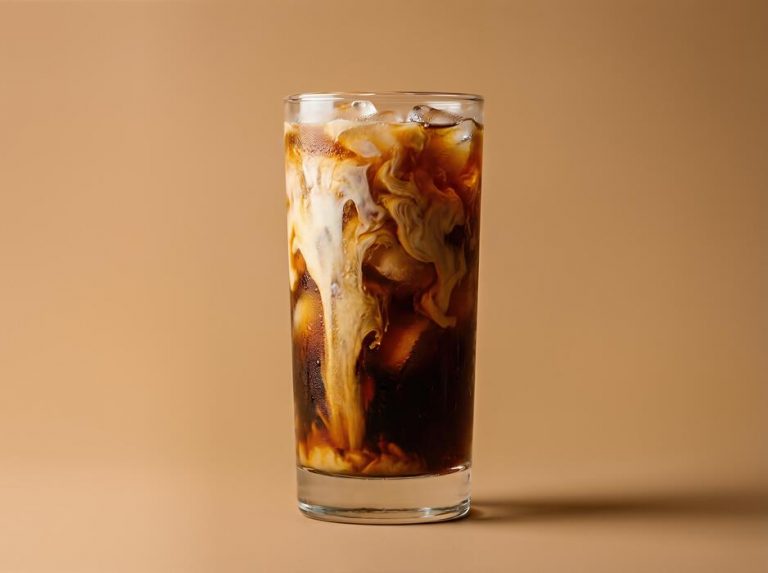
Using a large spoon, gently pour the soft top over the back of the spoon held just above the coffee’s surface. This technique slows the flow and prevents the denser soft top from plunging.
For best results, ensure your soft top is thick and stable by whipping it to soft peaks; a runny soft top will mix. Avoid stirring or tapping the glass, as vibrations cause sinking. If layering over ice, use larger cubes to reduce dilution and keep the cold brew cold.
Practice patience—slow, steady pouring is your key to a distinct, Instagram-worthy separation.
Best glassware for presentation
The right glassware elevates the visual appeal of your soft top cold brew. Clear, tall glasses are ideal because they showcase the distinct dark coffee and creamy white soft top layers.
A 16-ounce tulip or stemless wine glass offers a wide mouth for easy pouring and enough height to prevent the soft top from spilling. Avoid short, wide tumblers that compress the layers and make the soft top look flat.
Double-walled glasses also work beautifully, keeping your drink cold while preventing condensation from hiding the layers. For a rustic touch, use a mason jar, but ensure it’s clean and dry to avoid bubbles. Thin-rimmed glassware enhances the drinking experience, letting the soft top glide smoothly.
Remember, presentation isn’t just for photos—it makes each sip feel special, so choose glassware that highlights your hard work.
Storing leftover soft top and reheating methods
Leftover soft top can be stored, but it’s best used within 24 hours. Refrigerate it in an airtight container to prevent absorbing fridge odors; the texture will remain stable if not over-whipped. Avoid freezing, as thawing causes separation and a watery consistency.
To reheat, gently warm it in a double boiler or microwave in 10-second bursts at 50% power, stirring between intervals. Do not boil—high heat will curdle the soft top. If it thins out, re-whip it briefly with a hand frother to restore volume.
For a quick fix, add a splash of fresh cream before reheating to revive richness. Never reheat more than once, as repeated temperature changes ruin the silky texture. Always discard soft top that smells off or has visible separation.
With proper storage, you can enjoy a second cup of perfectly layered cold brew.
Frequently Asked Questions
What is a soft top for cold brew?
A soft top is a frothy, creamy foam layer that sits on top of cold brew coffee, similar to the foam on a latte but made without dairy or with alternative milk. It’s created by aerating cold brew with milk or a milk substitute, often using a frother or shaker, to achieve a light, airy texture.
How do I make a soft top for cold brew without a frother?
You can make a soft top by shaking cold brew and milk vigorously in a sealed jar for about 30 seconds, then pouring it over ice. For best results, use whole milk or oat milk, as they create more foam, and ensure the jar is tightly closed to avoid spills.
What type of milk works best for a soft top?
Whole milk or barista-style oat milk works best because their higher fat and protein content create a stable, creamy foam. Non-dairy alternatives like almond or coconut milk may produce thinner foam, but adding a splash of cream or using a frother can improve results.
Can I make a soft top with cold brew concentrate?
Yes, use a 1:1 ratio of cold brew concentrate to milk for a balanced flavor, then froth or shake the mixture. The concentrate’s strong flavor holds up well against the creamy foam, ensuring the coffee taste isn’t diluted.
Why isn’t my soft top foaming properly?
This often happens if the milk is too cold or too warm—use cold milk straight from the fridge, but avoid ice-cold temperatures. Also, ensure your cold brew is not overly diluted; using a concentrate and shaking vigorously for at least 30 seconds helps create better foam.
How do I add flavor to my soft top cold brew?
Stir in a teaspoon of vanilla extract, cinnamon, or a flavored syrup into the milk before frothing or shaking. For a sweeter option, add a touch of honey or simple syrup to the cold brew base, then top with the flavored foam.
Can I make a dairy-free soft top for cold brew?
Yes, use barista-grade oat milk or a high-fat coconut cream blended with a little water, then froth or shake. These options create a thick, creamy foam similar to dairy, but avoid low-fat plant milks as they won’t froth well.
Conclusion
Creating a soft top for cold brew is simple: froth heavy cream with a bit of sugar until airy, then gently spoon it over your chilled concentrate. The key is using full-fat dairy for stability and avoiding overmixing. This transforms your morning coffee into a velvety, café-style treat. Don’t be afraid to experiment with vanilla or cinnamon for extra flavor. Now, go ahead and elevate your next cold brew—your taste buds will thank you.