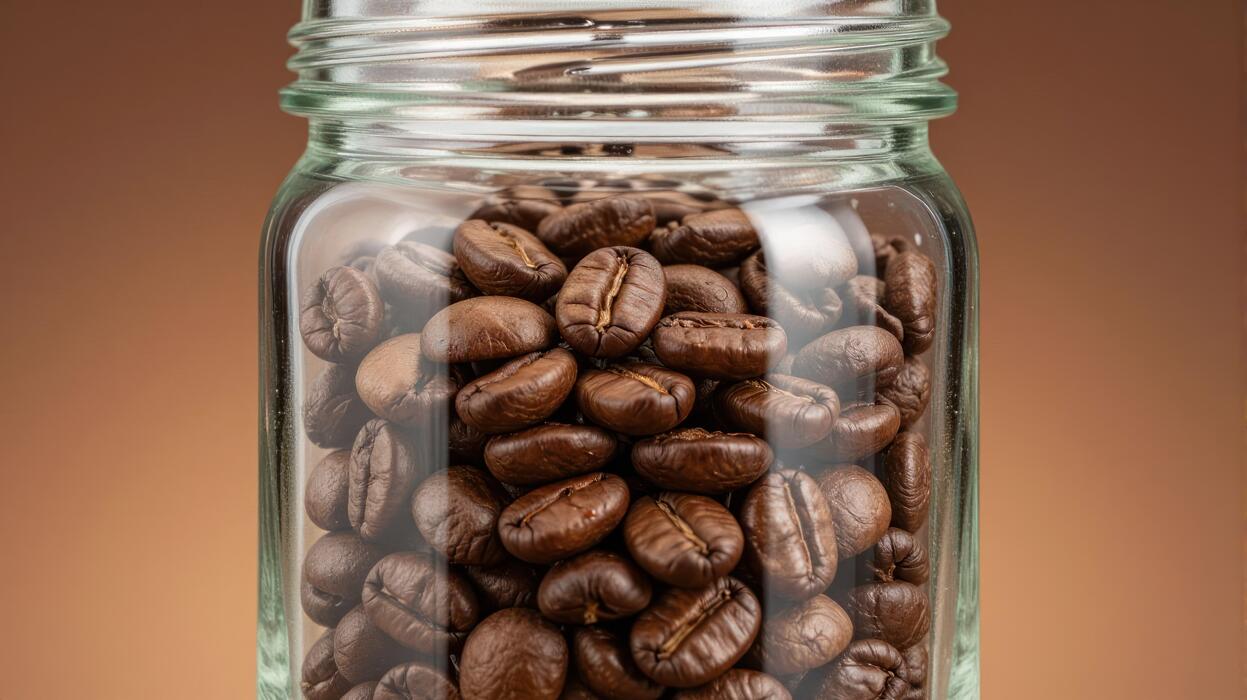
Best Way To Store Coffee Beans After Opening
The best way to store coffee beans after opening is to keep them in an airtight, opaque container in a cool, dry place, away from light, heat, and moisture. Once exposed to air, coffee quickly loses flavor, so storage matters if you want fresher, better-tasting brews. In this guide, you’ll learn what works, what doesn’t, and how to keep beans at their peak for as long as possible. After opening every detail matters for flavor here.
How to Store Coffee Beans After Opening
Use an airtight container
The best way to store coffee beans after opening is to move them into an airtight container as soon as possible. Original bags often let in too much air, which speeds up staling and dulls flavor.
Choose a container with a tight-sealing lid and, if possible, a one-way valve to release built-up gas without letting oxygen in.
For the freshest results, keep only the amount you expect to use within the next one to two weeks in the container, and leave the rest sealed in its original package if it has a good resealable closure.
Avoid repeatedly opening the container longer than necessary, because every exposure to air affects aroma and taste. Also, make sure the container is clean and completely dry before adding beans, since moisture can damage them.
A dark glass, ceramic, or opaque stainless-steel container is ideal because it helps protect beans from light as well as air.
Keep beans in a cool, dark place
After opening, coffee beans stay freshest when stored in a cool, dark place away from heat and sunlight. A pantry, cupboard, or closed cabinet is usually the best option because it helps keep temperature changes to a minimum.
Heat speeds up the oxidation process, which causes beans to lose their rich aroma and develop flat, bitter flavors. Direct sunlight is also harmful because it warms the beans and exposes them to light, both of which reduce quality.
Try to place the container away from the stove, oven, dishwasher, or any appliance that gives off heat or steam. Stable conditions matter more than extreme cold, so aim for a consistent room temperature rather than moving the beans around the kitchen.
If you buy specialty coffee, you may also want to keep it in its original bag inside the airtight container for extra protection. Simple storage habits make a noticeable difference in preserving freshness and flavor.
Avoid the fridge and freezer for daily use
For daily storage, it is usually best to avoid the fridge and freezer. Coffee beans can absorb moisture, odors, and flavors from other foods, which can weaken their natural taste.
Every time you remove beans from a cold environment, condensation can form on the surface, introducing unwanted moisture that harms freshness.
Freezing can work for long-term storage only if you portion the beans carefully, seal them very well, and thaw them only once, but that is not practical for everyday use.
Instead, keep your beans in a sealed, opaque container at room temperature and buy smaller amounts more often so you use them while they are still fresh. If you do choose to freeze beans for later, divide them into single-use portions before freezing and never refreeze them after thawing.
For the best flavor in your cup, focus on air, light, heat, and moisture control rather than refrigeration.
Best Containers for Coffee Beans
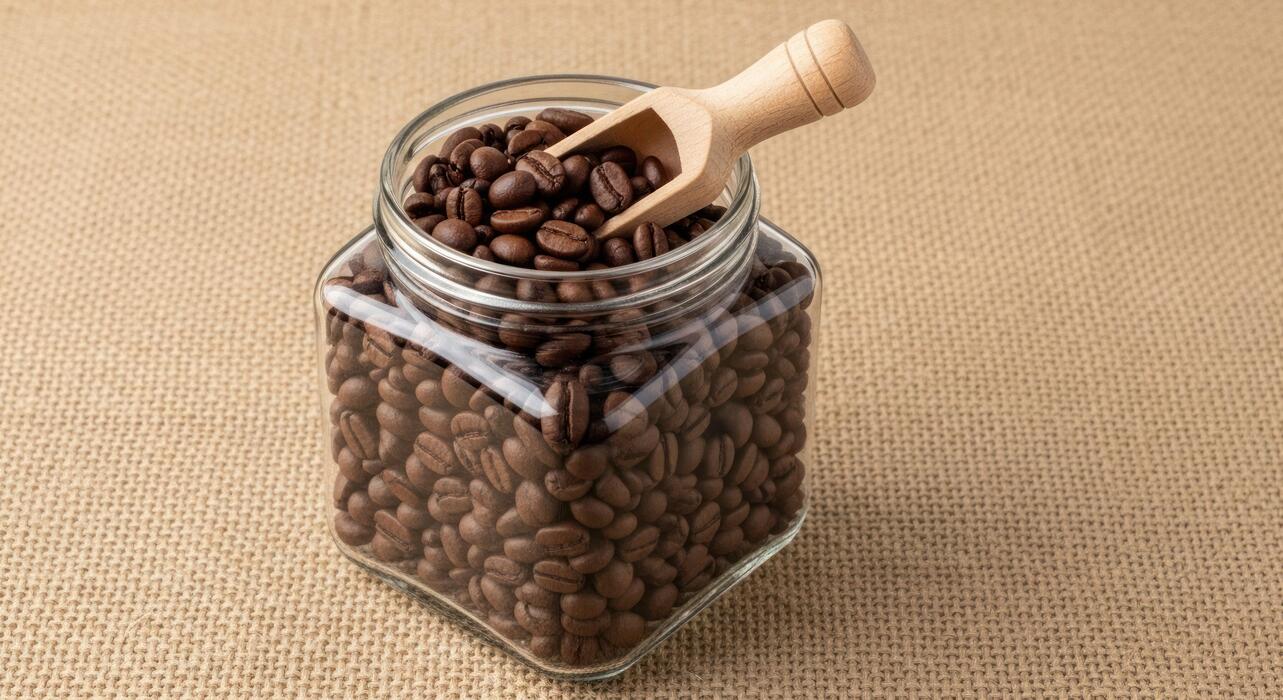
Airtight canisters with one-way valves
For the best way to store coffee beans after opening, choose an airtight canister with a one-way valve. These containers help limit oxygen exposure, which is one of the biggest causes of stale coffee.
The valve lets carbon dioxide escape from freshly roasted beans without allowing air back in, so the beans stay fresher longer. Look for a container with a rubber or silicone gasket, a tight-locking lid, and a size that leaves minimal empty space once your beans are inside.
Store the canister in a cool, dry cabinet away from heat and sunlight rather than on the counter near the stove or window. For best results, transfer beans from the original bag soon after opening and keep the lid closed between uses.
If you buy coffee in larger amounts, consider dividing it into smaller canisters so you only expose one batch at a time.
Opaque glass, ceramic, or stainless steel containers
If you want a simple everyday option, opaque glass, ceramic, or stainless steel containers are excellent choices for storing opened coffee beans. The key advantage is blocking light, which can speed up flavor loss and make coffee taste flat sooner.
Opaque containers also tend to be more durable and easy to clean, making them practical for daily use. Choose a container with an airtight seal rather than one that only looks attractive.
Stainless steel is especially good for protecting beans from both light and temperature swings, while ceramic offers a stylish countertop-friendly option if it has a secure lid. If you use glass, make sure it is dark-colored or fully opaque.
For the best flavor, store only the amount of beans you plan to use within one to two weeks, and keep the rest sealed in a separate container or bag to reduce repeated air exposure.
What to avoid: plastic bags and clear jars
When deciding on the best way to store coffee beans after opening, avoid plastic bags and clear jars whenever possible. Thin plastic bags do not create a reliable seal, so air, moisture, and odors can sneak in quickly.
They also allow beans to get crushed, which can affect freshness and make dosing messy. Clear jars look neat, but they let in light, which can speed up oxidation and weaken flavor.
If you must use a temporary solution, keep beans in the original bag only if it has a resealable zipper and a one-way valve, then place that bag inside a darker, airtight container. Never store beans in the fridge, where condensation can form and damage flavor.
Instead, keep them in a cool, stable pantry and only grind what you need right before brewing. The goal is to protect beans from air, light, heat, and moisture as much as possible.
Where to Keep Coffee Beans in Your Kitchen
Choose a cupboard away from heat
The best way to store coffee beans after opening is to keep them in a cool, dry cupboard that stays at a steady temperature. Pick an upper or middle cabinet that is far from appliances that warm up the kitchen and avoid shelves that feel hot to the touch.
A dark cupboard helps slow flavor loss because coffee beans quickly lose freshness when exposed to changing temperatures. For the best results, leave the beans in their original bag with the one-way valve if it seals well, or transfer them to an airtight container made for food storage.
Keep the container tightly closed after each use so air does not rush in and stale the beans. If you buy larger amounts, consider dividing the coffee into smaller portions so you only open what you need. That simple habit helps preserve aroma, taste, and freshness for longer.
Keep beans away from sunlight and windows
Coffee beans stay fresher when they are kept out of direct sunlight and away from bright windows. Light, especially strong natural light, can speed up the breakdown of the oils and compounds that give coffee its rich flavor.
The most practical storage spot is a closed cabinet or pantry shelf that does not get sun during the day. If your kitchen has open shelving, use a light-blocking, airtight canister and place it in a shaded area instead of on display.
Avoid clear jars unless they are kept inside a cupboard, because visible light can slowly damage freshness. It also helps to store beans in a place with low humidity, since moisture and heat together can make coffee go stale faster.
After opening a bag, close it tightly every time and keep it away from bright counters, window ledges, and glass-front cabinets where sunlight can reach it.
Avoid spots near the stove, oven, or dishwasher
Do not store opened coffee beans near the stove, oven, or dishwasher, because these areas create heat, steam, and temperature swings that shorten freshness. The space next to cooking appliances may seem convenient, but it is one of the worst places for coffee storage.
Steam from the dishwasher can add moisture, while the stove and oven can warm the beans every time you cook. That repeated exposure can dull flavor quickly. Instead, choose a stable cabinet or pantry section that stays relatively cool throughout the day.
If the only available cabinet is near an appliance, keep the beans in a well-sealed opaque container and move them farther away when possible. Also avoid leaving coffee beside the sink, where humidity is common.
A small change in placement can make a big difference: keeping beans in a dry, shaded, low-traffic spot helps protect aroma, taste, and quality after opening.
How Long Coffee Beans Stay Fresh After Opening
Whole beans vs ground coffee freshness
Whole beans stay fresh longer than ground coffee because less surface area is exposed to air, light, and moisture. If you want the best flavor after opening, buy whole beans and grind only what you need right before brewing.
Store them in an airtight, opaque container placed in a cool, dry cupboard away from the stove, sunlight, and humidity. Avoid leaving beans in the original bag unless it has a strong resealable zipper and a one-way valve; even then, transferring them to a better container is usually smarter.
Do not store coffee in the fridge because moisture and odors can affect taste. For maximum freshness, keep beans in a small container that limits extra air space, and close it tightly after every use.
Whole beans commonly taste best within 2 to 4 weeks after opening, while ground coffee can lose noticeable flavor in just days.
Signs coffee beans are losing flavor
The easiest way to tell coffee beans are aging is by taste and smell. Fresh beans should have a strong, pleasant aroma; if they smell faint, flat, or a little stale, they are likely past their best.
You may also notice the brewed coffee tastes thin, dull, woody, or bitter without much sweetness. Another clue is appearance: beans that look dry, oily in a greasy way, or unevenly aged can be losing quality.
If the coffee no longer produces a lively aroma when ground, freshness is dropping fast. To slow this down, store beans in an airtight container, keep them out of direct light, and only open the container when needed.
Avoid scooping over steam, the sink, or a warm appliance, because heat and moisture speed up staling. If beans still smell okay but taste weak, use them quickly in stronger brew methods like espresso, French press, or cold brew.
When to buy smaller bags for better taste
Buying smaller bags is often the best way to store coffee beans after opening because it helps you finish them before they lose flavor. If you drink coffee slowly, a 12-ounce or smaller bag is usually better than a large bulk bag.
The goal is to buy only what you can use within 2 to 4 weeks for whole beans, or even sooner if you buy ground coffee. Smaller bags also reduce the number of times you expose the coffee to air, which helps preserve aroma and taste.
If you like trying different origins or roast levels, smaller bags let you keep beans fresher and rotate flavors without waste. For households with multiple coffee drinkers, it can help to buy more frequent, smaller purchases instead of stocking up.
Once opened, seal the bag tightly or move the beans to an airtight, opaque container and store them in a cool pantry, not the fridge or freezer for daily use.
Tips for Storing Coffee Beans to Preserve Flavor
Only grind what you need
For the best flavor, grind coffee beans only right before brewing and keep the rest whole. Once beans are ground, they expose much more surface area to oxygen, moisture, heat, and light, which makes the flavor fade faster.
If you brew daily, measure out just the amount you need for that cup or pot instead of pre-grinding a full week’s supply. A small grinder makes this easy and helps you keep each brew fresher.
If you already have some ground coffee left, store it in an airtight container and use it quickly, but treat whole beans as the better long-term option. To make this habit simpler, keep your grinder next to your brewer and set up a repeatable routine.
That way, freshly ground coffee becomes automatic, and you preserve the aroma, sweetness, and complexity that make better beans worth buying in the first place.
Seal the bag tightly after each use
After opening, the best way to store coffee beans is to keep them sealed as tightly as possible every time you use them.
Push out excess air, fold the top of the bag down firmly, and close it with the original one-way valve seal, a clip, or a zip closure if the bag has one. For even better protection, transfer the beans to an airtight container made for pantry storage.
Choose an opaque container if possible, because light can damage freshness as well. Keep the container in a cool, dry cupboard away from the stove, dishwasher, or sunny windowsill. Avoid the refrigerator, since repeated temperature changes can create condensation and dull the flavor.
Small, consistent steps matter here: open the container briefly, scoop what you need, and reseal it immediately. This simple routine helps preserve the bean’s natural oils and keeps each brew tasting cleaner, brighter, and more balanced.
Buy beans in small batches
One of the smartest ways to keep coffee tasting great is to buy smaller amounts more often. Coffee beans are at their best soon after roasting, so purchasing a large bag can mean the last portion tastes flatter and less aromatic.
If you drink coffee daily, aim to buy enough for one to three weeks at a time, depending on your brewing pace. That reduces how long the beans sit after opening and makes it easier to enjoy them while they are still fresh.
Look for roast dates, not just expiration dates, and choose beans from roasters that package them well. If you find a favorite origin or blend, you can still stock up occasionally, but store unopened bags in a cool, dark place and open only what you will use soon.
Smaller batches mean less waste, better flavor, and a more consistent cup from the first brew to the last.
Common Coffee Storage Mistakes to Avoid
Storing beans in the fridge
Avoid the fridge when deciding the best way to store coffee beans after opening. A refrigerator is a humid environment, and coffee beans can absorb both moisture and food odors, which quickly dulls flavor.
Every time you open the door, temperature changes can cause condensation inside the container, speeding up staling. Instead, keep beans in a cool, dry pantry or cabinet away from the stove, sink, or sunny windows.
If you buy more coffee than you can use in one to two weeks, divide it into small portions and freeze only the extras in truly airtight packaging; keep the daily-use portion out at room temperature.
The key is consistency: coffee stays fresher when it is protected from heat, light, air, and moisture. For opened beans, a stable pantry spot is usually far better than the fridge and preserves aroma, sweetness, and balance much longer.
Leaving beans exposed to air
One of the biggest mistakes is leaving opened beans in the bag with the top loosely folded or, worse, uncovered. Oxygen is a major enemy of freshness, so exposed beans lose their aroma oils and develop a flat, stale taste faster.
The best way to store coffee beans after opening is to transfer them into a container that closes tightly and to remove only the amount you need each time.
Try not to keep opening the container for long periods, and avoid scooping with wet or warm utensils, which can introduce moisture. If your coffee came in a bag with a one-way valve, that helps before opening, but once opened, it is not enough on its own.
Choose a routine: seal the bag tightly, or move the beans to a proper storage vessel immediately. Limiting air exposure is one of the simplest ways to preserve freshness, crema potential, and flavor clarity for as long as possible.
Using containers that let in light or moisture
Clear jars, thin plastic tubs, and loosely sealed canisters can all undermine freshness because they allow light and moisture to reach the beans. Light speeds up the breakdown of delicate compounds, while moisture can damage the beans’ surface and make flavors taste muted or uneven.
For the best way to store coffee beans after opening, use an opaque, airtight container made from ceramic, stainless steel, or quality food-safe material with a reliable gasket seal. Keep the container in a dark cabinet rather than on the countertop, especially near appliances that create heat or steam.
Also, make sure the container is completely dry before adding beans; even a small amount of water can affect flavor and shelf life. If you want the best results, store only the amount you expect to use soon and keep the rest sealed separately.
Good container choice protects coffee from the two storage problems that cause the fastest quality loss.
Best Way to Store Coffee Beans for Different Needs
Daily drinkers: countertop airtight storage
For coffee you use every day, the best way to store coffee beans after opening is in a small, opaque, airtight container kept on the counter in a cool, dark, dry spot. This limits exposure to oxygen, light, heat, and moisture, which are the main reasons beans go stale.
Choose a container that holds about a week’s worth of beans, because leaving a large empty air space inside can speed up oxidation. Avoid clear jars, open canisters, and storing beans near the stove, oven, or windowsill.
If your bag has a strong one-way valve and a good zip seal, you can also keep the beans in the original bag and place that inside a tight container for extra protection.
Only grind what you need right before brewing, since ground coffee loses flavor much faster than whole beans. This simple setup keeps flavor fresh while staying convenient for everyday use.
Occasional drinkers: portion and seal smaller batches
If you only brew coffee a few times a week, the smartest move is to divide the beans into smaller portions right after opening.
Put one small batch in your daily container and seal the rest in separate airtight bags or containers so you are not repeatedly exposing the full supply to air. This is often the best way to store coffee beans after opening for people who want better flavor without overcomplicating things.
Use containers sized close to each portion, since less empty space means less oxygen contact. Store the sealed extras in a pantry or cupboard away from heat, moisture, and strong odors.
If you open and close the same large bag every day, freshness drops faster because each opening adds new air and humidity. Portioning also makes it easier to track how long beans have been open. For convenience, label each batch with the opening date and use the oldest portion first.
Longer storage: freezer tips for unopened extras
For beans you will not use soon, freezing can help preserve freshness, but it works best for unopened extras or tightly portioned batches. The key is to freeze only dry, airtight packages so moisture cannot reach the beans.
Divide coffee into small freezer-safe bags or vacuum-sealed packs, press out as much air as possible, and freeze only what you will need later. Keep the bags in a stable part of the freezer to reduce temperature swings.
Do not repeatedly remove and return the same package, because condensation can damage flavor. When you are ready to use a portion, let it thaw completely while still sealed before opening it, which helps prevent moisture from forming on the beans.
Freezing is not ideal for the daily bag you open every morning, but it is a strong option for backup coffee you want to keep for weeks or months. Pair this method with clear labels so you can rotate stock and avoid forgotten beans.
Frequently Asked Questions
What is the best way to store coffee beans after opening?
Store coffee beans in an airtight container in a cool, dark, dry place, away from heat, light, and moisture. Keep them at room temperature and only grind what you need right before brewing for the best flavor.
Should coffee beans be kept in the fridge or freezer after opening?
The fridge is not recommended because condensation and odors can affect the beans. The freezer can work for long-term storage if the beans are sealed very tightly and portioned before freezing, but for daily use room-temperature storage is usually better.
What kind of container is best for opened coffee beans?
Use an opaque, airtight container made of ceramic, metal, or dark glass. A container with a one-way valve is even better because it helps release gas while limiting oxygen exposure.
How long do coffee beans stay fresh after opening?
For best flavor, coffee beans are typically freshest for about 1 to 3 weeks after opening if stored properly. They can still be safe to use later, but the aroma and taste will gradually decline.
Should I keep coffee beans in the original bag?
You can keep them in the original bag if it has a resealable zipper and a one-way valve, but transfer them to a better airtight container for stronger protection. If you do use the bag, squeeze out excess air and seal it tightly after each use.
What should I avoid when storing coffee beans?
Avoid clear containers, open bags, and storing beans near the stove, window, or sink. Also avoid frequent opening of the container and never store beans where they can absorb strong odors or moisture.
Conclusion
To keep coffee beans fresh after opening, store them in an airtight container away from light, heat, moisture, and air. With the right storage habits, you can preserve flavor, aroma, and quality for longer.