How Long Do Fresh Coffee Beans Last
how long do fresh coffee beans last depends on roast date, storage, and whether the bag stays sealed, but most whole beans taste best within two to six weeks after roasting. If you are wondering when flavor starts fading, how to store beans properly, and when they are no longer worth brewing, you are in the right place. This guide explains the real freshness window, the biggest mistakes to avoid, and how to keep your coffee tasting its best longer.
How long do fresh coffee beans last after roasting
How freshness changes from day 1 to day 30
Fresh coffee beans change quickly after roasting, so timing matters. In the first 1 to 3 days, beans release a lot of carbon dioxide, a process called degassing. During this stage, coffee can taste sharp, uneven, or overly gassy, especially for espresso.
From about day 4 to day 14, most beans settle into a sweeter, clearer balance, with better aroma and more reliable extraction. This is often the period when flavor notes are easiest to taste.
Between day 15 and day 30, beans usually remain enjoyable, but they gradually lose some brightness and complexity. You may notice the aroma fading first, then a flatter cup. To keep them fresher through this window, store beans in an airtight, opaque container, away from heat, moisture, and sunlight.
Avoid opening the container constantly, and only grind what you need right before brewing to preserve as much flavor as possible.
When whole beans taste best for most brewing methods
For most brewing methods, whole coffee beans taste best after a short rest and before noticeable staling begins. A good rule is to brew filter coffee, pour-over, drip, French press, or AeroPress with beans that are about 4 to 21 days post-roast.
In this range, flavors are usually balanced, aromatic, and easier to extract consistently. Espresso often benefits from a slightly longer rest, commonly 7 to 14 days, because freshly roasted beans can produce too much gas and cause uneven shots.
Lighter roasts may continue improving a little longer, while darker roasts can peak sooner. The roast date matters more than the purchase date, so always check the bag if possible.
For best results, buy enough coffee to finish within 2 to 4 weeks, keep it as whole beans, and grind just before brewing. This simple routine helps you get the fullest sweetness, clearer tasting notes, and better overall cup quality.
How long coffee beans stay good enough to drink
Whole coffee beans usually stay good enough to drink for about 4 to 8 weeks after roasting if stored properly, though the best flavor often comes earlier. After the first month, the coffee will not automatically become unsafe or unusable; it simply starts tasting duller, less aromatic, and less vibrant.
Many people still enjoy beans at 6 weeks, especially in milk drinks, cold brew, or everyday drip coffee where tiny flavor losses are less obvious.
If beans are kept in a sealed bag with a one-way valve or an airtight container in a cool, dark place, they can remain acceptable longer than beans exposed to air. Signs that beans are past their prime include weak aroma, flat flavor, and a papery or stale finish.
If you want the best balance of freshness and convenience, aim to use whole beans within 30 days, and freeze portions only if you need to store them longer.
What affects how long coffee beans stay fresh
How oxygen, light, heat, and moisture speed up staling
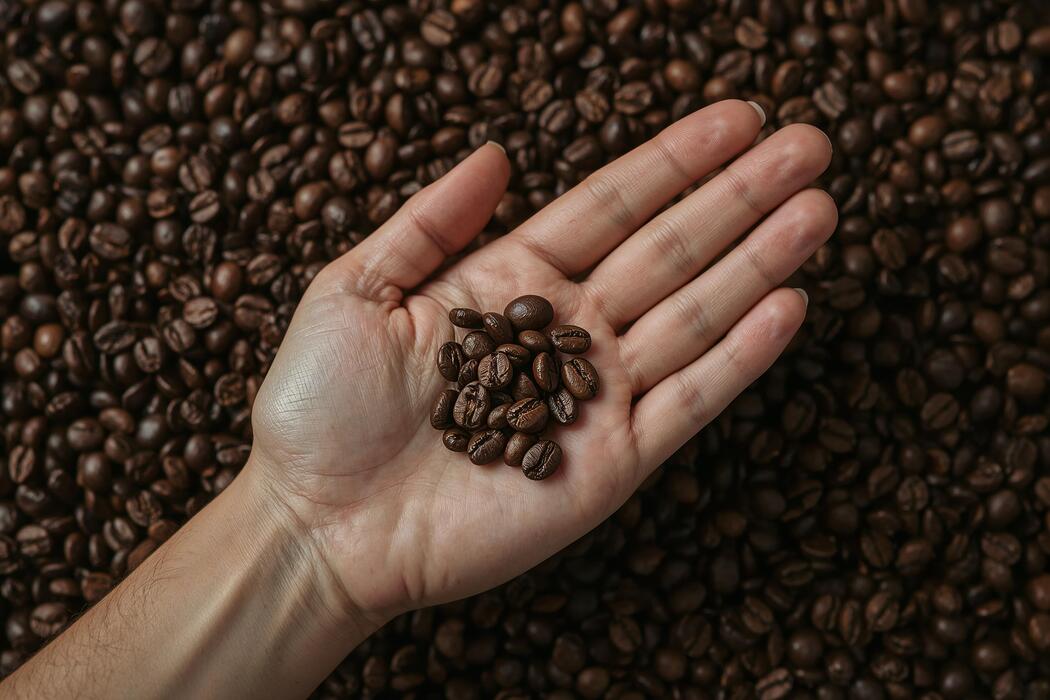
Fresh coffee beans usually taste their best for about 2 to 6 weeks after roasting once opened, but storage conditions can shorten that window fast. The biggest culprit is oxygen, which causes oxidation and gradually strips away aroma, sweetness, and complexity.
Light and heat also accelerate chemical breakdown, making beans taste flat or woody sooner than expected. Moisture is especially damaging because beans can absorb humidity from the air, which dulls flavor and may even encourage spoilage in extreme conditions.
To keep beans fresher longer, store them in an airtight, opaque container in a cool, dry cupboard away from the stove, windows, and fridge humidity. Avoid leaving coffee in the original bag open on the counter, and only open the container when needed.
If you want the longest-lasting flavor, buy smaller amounts and use them steadily rather than letting a large bag sit for months.
Why roast level can change shelf life
Roast level can influence how long coffee beans stay fresh because darker roasts are generally more porous and oilier than lighter roasts. That added surface oil and increased brittleness can make them lose flavor faster after opening, especially if they are exposed to warm air or sunlight.
Lighter roasts often hold onto their character a bit longer because their structure is less broken down, though they still stale over time.
In practical terms, a dark roast may be most enjoyable within 2 to 4 weeks of opening, while a light or medium roast can sometimes stay vibrant a little longer if stored well. The key is not to assume one roast is immune to staling.
Protect all beans the same way: keep them sealed, cool, dark, and dry. If you prefer dark roasts, consider buying smaller bags more often so you enjoy the bold flavors before the oils begin to turn dull or rancid.
How packaging and roast date affect freshness
If you want to know how long fresh coffee beans last, start with the roast date, not just the best-by date. Beans are typically at their best after a short rest following roasting, then remain most flavorful for roughly 2 to 6 weeks, depending on storage and roast style.
Packaging matters because a quality coffee bag with a one-way valve lets carbon dioxide escape without letting oxygen back in, which helps preserve flavor longer. Once that bag is opened repeatedly, freshness declines more quickly.
For the best results, choose coffee with a clearly printed roast date, avoid bags with no roast information, and transfer opened beans to an airtight container if the original bag does not seal well. Buying coffee in quantities you can finish within a few weeks is often smarter than stockpiling.
Good packaging slows staling, but freshly roasted beans used promptly will almost always taste better than older beans stored for months.
How long whole bean coffee lasts vs ground coffee
Why whole beans keep flavor longer
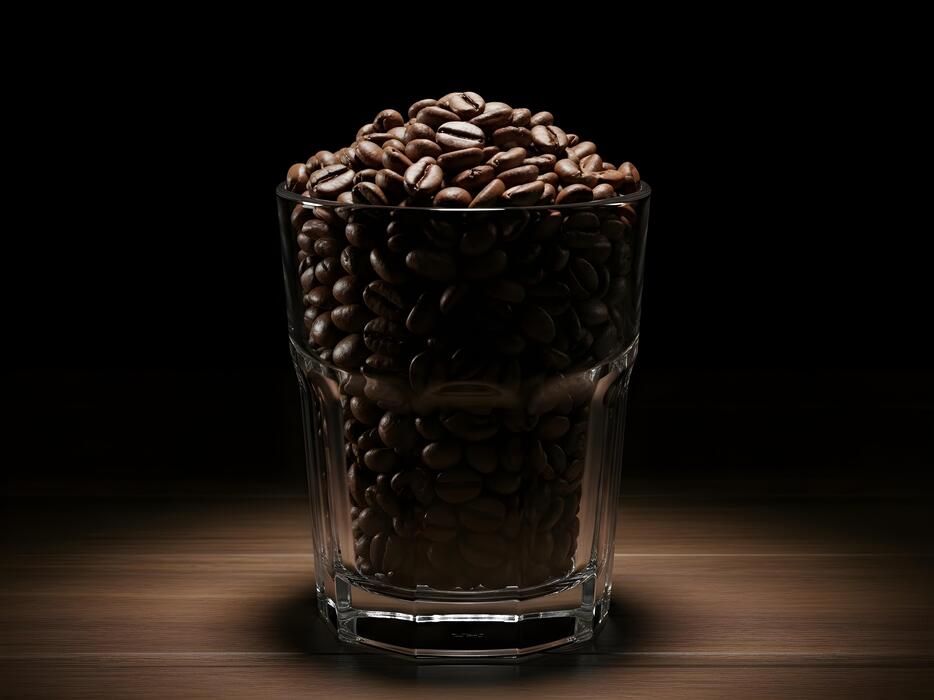
Whole coffee beans usually stay noticeably fresher than ground coffee because their outer structure protects the flavorful oils and aromatic compounds inside.
If you are wondering how long fresh coffee beans last, a practical rule is that whole beans taste best within 2 to 6 weeks after roasting once opened, though they often remain acceptable for up to 2 to 3 months if stored well.
The biggest enemies are oxygen, light, heat, and moisture, all of which speed up staling. To make beans last longer, keep them in an airtight, opaque container in a cool, dry cupboard, not on the counter in sunlight and not in the fridge where condensation can form.
Buy smaller amounts you can finish within a few weeks, and check the roast date instead of only the best-by date. For the best flavor, grind only what you need right before brewing.
How fast ground coffee loses aroma after opening
Ground coffee loses aroma much faster because grinding dramatically increases the surface area exposed to air, allowing delicate flavor compounds to escape quickly.
After opening, ground coffee often starts losing its best aroma within minutes to days, and for most people it tastes most vibrant only during the first 1 to 2 weeks when stored properly.
It may still be safe to drink well beyond that, but the cup will often taste flatter, duller, and less sweet. If you need to use pre-ground coffee, limit exposure by sealing the bag tightly or transferring it to an airtight container immediately.
Store it in a cool, dark, dry place, and avoid scooping with a wet spoon or leaving the package open during brewing. A useful habit is to buy smaller bags more often rather than a large supply that sits for months.
If aroma matters to you, ground coffee is best used quickly.
Which option is best for flavor, convenience, and shelf life
If your goal is the best cup, whole bean coffee is the clear winner for flavor and shelf life, while ground coffee wins on convenience. Whole beans let you preserve freshness longer and adjust grind size for espresso, drip, pour-over, or French press, which improves extraction and taste.
For most home brewers, the best balance is to buy whole beans in small batches and use a grinder at home, even a simple burr grinder. That approach gives you better aroma, more control, and less staleness.
Ground coffee makes sense if you value speed, travel often, or only brew occasionally, but it should be purchased in quantities you can finish quickly. In simple terms, fresh whole beans last longer and taste better, while pre-ground coffee is easier but fades faster.
If you want the strongest mix of flavor, freshness, and practical shelf life, choose whole beans and grind just before brewing.
Best ways to store fresh coffee beans at home
How to use an airtight container the right way
Fresh coffee beans usually taste best within 2 to 4 weeks after roasting once opened, though they can still be enjoyable for several weeks longer if stored well. The simplest way to extend that window is to use an airtight, opaque container that limits oxygen, light, and moisture exposure.
Transfer beans from a loosely folded retail bag only if the bag does not have a strong one-way valve and reliable seal; otherwise, keep them in their original bag inside a canister. Store only whole beans, because ground coffee loses freshness much faster.
Fill the container as close to full as practical to reduce trapped air, and open it only when needed rather than repeatedly checking the aroma. Avoid clear jars on the counter, even if they look attractive.
If you buy larger amounts, divide beans into several smaller airtight containers so your main supply stays sealed longer and flavor lasts closer to its peak.
Where to keep coffee beans away from heat and sunlight
If you are wondering how long fresh coffee beans last, storage location matters almost as much as the container. Beans kept in a cool, dark, dry cupboard will stay flavorful longer than beans left near a stove, toaster, kettle, or sunny window.
Heat speeds up the loss of aromatic oils, while sunlight and humidity can quickly flatten the cup. A pantry shelf away from appliances is usually ideal, especially if room temperature stays steady.
Avoid storing beans in the refrigerator for daily use, because condensation and food odors can damage flavor every time the container is opened and closed. Freezing can work for unopened backup portions, but only if they are tightly sealed and thawed once before use.
For your everyday beans, the best rule is simple: choose a spot with stable temperature, no direct light, and low moisture so the beans remain fresher for as long as possible.
Tips for storing small batches for daily use
A practical way to make fresh coffee beans last longer at home is to keep only a small working supply accessible each day and protect the rest from repeated air exposure.
Instead of opening one large bag over and over, split your purchase into several portions sized for 3 to 7 days of brewing. Keep one small airtight container in use, and leave the remaining portions sealed until needed.
This helps preserve the aroma of your reserve beans and gives you more consistent flavor from the first cup to the last. Buy only what you can reasonably finish within 4 to 6 weeks of the roast date for best quality, especially if you brew coffee daily.
Label each portion with the roast date and open date so you can track freshness instead of guessing. Most importantly, grind only what you need right before brewing, because whole beans hold their freshness far longer than pre-ground coffee.
Should you refrigerate or freeze coffee beans
Why the fridge is usually a bad idea
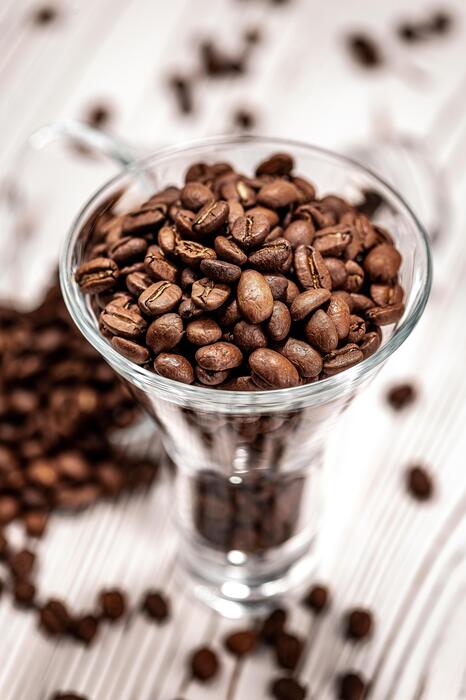
Refrigerating coffee beans sounds smart, but it usually shortens quality rather than protecting it. Coffee beans are porous, so they absorb moisture and nearby food odors very easily. Every time the container comes out of the fridge, temperature swings create condensation, which can dull aroma and speed flavor loss.
If you are wondering how long fresh coffee beans last, whole beans are typically at their best for about 2 to 4 weeks after opening when stored in a cool, dark cupboard in an airtight container.
Unopened bags with a one-way valve can stay good longer, but freshness still gradually declines. Instead of using the fridge, keep beans away from heat, sunlight, and humidity, and buy only what you can use within a few weeks.
For daily coffee drinkers, room-temperature pantry storage is usually the best balance of convenience, flavor protection, and consistency.
How to freeze coffee beans without ruining flavor
If you need to freeze coffee beans, do it in a way that limits air, moisture, and repeated thawing. Divide beans into small portions that match what you will use in a few days, then seal each portion in an airtight freezer bag or vacuum-sealed pouch.
The goal is to prevent oxygen exposure and freezer moisture from reaching the beans. When you are ready to use one portion, remove only that packet and let it come fully to room temperature before opening it. This helps avoid condensation forming directly on the beans.
Do not keep taking the same container in and out of the freezer, because repeated temperature changes damage flavor faster. Frozen beans can hold up reasonably well for about 1 to 3 months, though the best taste usually comes from fresher storage.
For everyday use, keep one small supply at room temperature and the rest sealed until needed.
When freezing makes sense for long-term storage
Freezing makes sense when you bought more coffee than you can finish during peak freshness or when you want to save a special roast for later.
If you ask how long fresh coffee beans last, the practical answer is that whole beans usually taste best within a few weeks of opening, so freezing is useful only when that timeline will be exceeded.
It is especially helpful for bulk purchases, limited-edition beans, or infrequent coffee drinkers who do not go through a bag quickly. Freeze beans as early as possible, ideally soon after purchase, rather than waiting until they already taste flat. Still, freezing is a backup plan, not a perfect freshness lock.
Expect good results when the beans are well sealed and left undisturbed, but not the exact same character as a just-roasted bag. For the best flavor, buy smaller amounts more often and freeze only your excess.
How to tell if coffee beans are no longer fresh
Signs your beans have lost aroma and flavor
Fresh coffee beans usually stay at their best for about 2 to 4 weeks after roasting once opened, though they can remain usable longer if stored well. One of the easiest ways to tell they are no longer fresh is by smell.
Open the bag or container and check for a strong, sweet, rich aroma. If the scent is faint, flat, woody, or barely noticeable, the beans have likely lost much of their freshness. Also look at the beans themselves.
Fresh beans often have a slight sheen from natural oils, while stale beans can appear dry, dull, and lifeless. During grinding, fresh beans release an immediate burst of fragrance; older beans smell muted even when crushed.
If your coffee routine suddenly feels less vibrant despite using the same brew method, it is often a sign the beans are past peak freshness rather than a problem with your grinder or machine.
What stale coffee tastes like in the cup
If you are wondering how long fresh coffee beans last, taste is often the clearest clue. Even when beans are not technically spoiled, they can become stale and disappointing after several weeks of exposure to air, light, heat, or moisture.
In the cup, stale coffee tends to taste flat, dull, papery, or dusty, with very little sweetness or complexity. You may also notice the finish disappears quickly instead of lingering pleasantly. Bright fruity notes, chocolate richness, or nutty depth become harder to detect, and the coffee can seem oddly hollow.
Some old beans also produce a brew that tastes more bitter yet less flavorful at the same time. If you find yourself adding extra sugar, syrups, or milk just to make it enjoyable, your beans may be the issue.
Compare them side by side with a freshly roasted bag if possible; the difference in clarity and liveliness is usually obvious.
When old coffee beans should be replaced
A practical rule is to replace beans when they no longer give you the flavor and aroma you expect, even if they are still safe to brew.
For most coffee drinkers, whole beans are best used within 2 to 6 weeks after roast date, and ideally within 3 to 4 weeks after opening for peak taste.
If the beans smell weak, brew cups that taste consistently bland, or have been sitting in a cupboard for a couple of months, it is usually time for a fresh bag.
Replace them sooner if they were stored poorly in a warm kitchen, near sunlight, or in a container that was opened frequently. If you ever notice mold, unusual moisture, or a rancid oil smell, discard them immediately rather than trying to use them up.
To make beans last as long as possible, store them in an airtight, opaque container in a cool, dry place and buy smaller amounts more often.
Tips for buying coffee beans so they last longer
How much coffee to buy at one time
If you want coffee to taste fresh for as long as possible, buy only what you can use within 2 to 4 weeks after opening. Whole beans usually stay at their best longer than ground coffee, but even fresh beans gradually lose aroma once exposed to air.
A practical rule is to purchase small bags, such as 250g to 500g, unless you brew for several people every day.
If you are asking how long do fresh coffee beans last, unopened bags can remain good for weeks beyond roast, but flavor is usually best within about 4 to 6 weeks of the roast date.
Buying less at a time helps you finish the beans while the oils, sweetness, and origin notes are still vibrant.
What to look for on the bag before you purchase
Before buying, check the bag for a clear roast date, not just a best-before date. The roast date tells you how fresh the coffee actually is, which matters more when judging how long fresh coffee beans last.
In most cases, choose beans roasted within the last 7 to 21 days for the best balance of freshness and flavor. Also look for one-way valve packaging, which lets carbon dioxide escape without letting oxygen in. This helps preserve the beans during storage.
Bags with airtight seals or resealable closures are also useful once opened. Finally, avoid bags sitting in direct light or warm display areas, because heat and sunlight speed up staling even before you bring the coffee home.
Best ways to match bean quantity to your brewing routine
The smartest way to keep beans fresh is to match your purchase size to how much coffee you actually brew each week. If you make one cup a day, a large 1kg bag may stay open too long and lose flavor before you finish it.
Instead, estimate your use: a standard cup often needs 15 to 18 grams of beans, so 250g gives roughly 14 to 16 cups. If your household brews multiple cups daily, larger bags can still make sense because they will be used quickly.
For occasional drinkers, smaller bags or more frequent purchases are usually the better value because less coffee goes stale. This approach ensures you enjoy beans while they are still aromatic, balanced, and closest to their intended flavor profile.
Common mistakes that make fresh coffee beans go stale faster
Several common storage mistakes shorten how long fresh coffee beans last. The biggest issue is exposure to air, so avoid transferring beans in and out of containers unnecessarily. Store them in an opaque, airtight container in a cool, dry cupboard, not next to the oven, dishwasher, or sunny window.
Another mistake is buying too much coffee at once and then opening the bag repeatedly for months. Heat, light, moisture, and frequent opening all speed up staling. Many people also store beans in the fridge, but that can introduce condensation and unwanted odors.
Freezing can work only if done carefully in small, sealed portions, but for everyday use, room-temperature airtight storage is simpler and more reliable.
Frequently Asked Questions
How long do fresh coffee beans last after roasting?
Fresh coffee beans are usually at their best from about 5 days to 4 weeks after roasting, depending on the bean and roast level. They often remain usable for 2 to 3 months if stored well, but flavor and aroma gradually fade over time.
How long do whole coffee beans stay fresh once opened?
Once opened, whole coffee beans generally taste best within 2 to 4 weeks if kept in an airtight container away from heat, light, and moisture. They do not suddenly go bad, but they lose freshness and complexity as oxygen exposure increases.
Do coffee beans expire or just go stale?
Coffee beans usually go stale rather than truly expire, especially if they stay dry and free from contamination. Over time, the oils and aromatic compounds break down, which makes the coffee taste flat, dull, or less sweet.
What is the best way to store fresh coffee beans?
Store coffee beans in an opaque, airtight container at room temperature in a cool, dry place like a pantry. Avoid clear containers, humid areas, and frequent opening if you want to preserve flavor as long as possible.
Should I keep fresh coffee beans in the fridge or freezer?
The fridge is usually not recommended because coffee can absorb moisture and food odors. Freezing can work for long-term storage if the beans are sealed in small airtight portions and thawed only once before use.
How can I tell if my coffee beans are no longer fresh?
Signs of stale beans include a weak aroma, flat or bitter taste, and less crema when brewing espresso. If the beans smell faint or papery instead of rich and fragrant, they have likely lost much of their freshness.
Do whole beans last longer than ground coffee?
Yes, whole beans stay fresh much longer than ground coffee because less surface area is exposed to oxygen. Ground coffee often starts losing noticeable freshness within days, while whole beans can hold quality for several weeks.
Conclusion
Fresh coffee beans typically last longer than ground coffee, but their peak flavor depends on proper storage and how quickly they’re used after roasting. For the best taste, keep beans in an airtight container away from heat, light, and moisture, and aim to use them within a few weeks of opening. With smart storage habits, you can enjoy richer, fresher coffee in every cup and make the most of every bag.