How Long Do Coffee Grounds Stay Fresh
how long do coffee grounds stay fresh depends on storage, roast date, and whether the bag has been opened. In most cases, ground coffee tastes best within one to two weeks after opening, though it remains usable longer. If you are wondering how to keep flavor, aroma, and freshness from fading too quickly, you are in the right place.
How Long Do Coffee Grounds Stay Fresh After Opening?
How long packaged coffee grounds last unopened
Unopened packaged coffee grounds usually stay at their best for 3 to 5 months past the roast date if the bag is sealed well and stored correctly.
If the package only lists an expiration or best-by date, the coffee may still be safe after that point, but flavor and aroma gradually decline over time. For the best results, keep unopened grounds in a cool, dark, dry place away from heat, sunlight, and moisture.
Avoid storing them near the stove or refrigerator door, where temperature changes are common. If you want the freshest cup possible, prioritize buying smaller bags and checking for a clear roast date, since that gives you a much better idea of real freshness than general shelf-life labeling.
How long coffee grounds stay fresh after opening
After opening, coffee grounds are usually at their best for about 1 to 2 weeks, though they can remain drinkable for 3 to 4 weeks if stored properly. Once air reaches the grounds, they start losing the oils and aromatics that create a rich, flavorful cup.
To keep them fresher longer, transfer the coffee to an airtight, opaque container and store it in a cool, dry cabinet. Try to limit how often the container is opened, and avoid scooping with a wet spoon.
While old grounds may not become unsafe right away, the taste often turns flat, dull, or stale. If you care about flavor, buy only what you can finish quickly after opening.
How freshness changes after grinding
Freshness drops much faster after grinding because more surface area is exposed to oxygen, which speeds up flavor loss. Whole beans hold onto their aroma and natural oils much longer, while pre-ground coffee begins to fade soon after it is ground.
That is why coffee experts often recommend grinding only what you need right before brewing. Even high-quality grounds can lose much of their brightness and complexity within days of opening, especially if they are not stored carefully.
If you want noticeably better flavor, consider buying whole beans and a burr grinder. If that is not practical, use pre-ground coffee quickly, keep it tightly sealed, and choose smaller bags so you are always brewing from a fresher supply.
Why roast date matters more than expiration date
The roast date tells you when the coffee was actually prepared for brewing, which makes it far more useful than an expiration date. Expiration dates are often set far into the future and focus more on shelf stability than on peak taste.
Coffee can still be safe months later, but that does not mean it will taste fresh. For the best flavor, many people aim to use coffee within 2 to 6 weeks of the roast date, depending on whether it is whole bean or ground.
When shopping, choose brands that print a clear roast date and avoid bags with no freshness information. If your goal is great coffee rather than just usable coffee, roast date should guide your decision.
What Affects How Long Coffee Grounds Stay Fresh?
How air, moisture, heat, and light speed up staling
Ground coffee usually tastes best within 1 to 2 weeks after opening when stored well, but exposure to the environment can make it go stale much faster. Air is the biggest freshness killer because oxygen breaks down the aromatic oils that give coffee its flavor.
Moisture can cause clumping, dull taste, and even mold risk if the grounds are stored poorly. Heat and light also speed up flavor loss by degrading delicate compounds.
To keep grounds fresh longer, store them in an airtight, opaque container and keep them away from steam, direct sunlight, and warm appliances. If your coffee smells flat or less fragrant, that is a strong sign the grounds have already started losing their peak flavor.
Why grind size can change freshness
The finer the coffee is ground, the faster it tends to lose freshness. That is because smaller particles have more surface area, which gives oxygen more room to interact with the coffee oils and aroma compounds.
Fine grounds for espresso usually stale faster than coarser grounds for French press or cold brew. This does not always change food safety, but it does change taste, making coffee seem dull, bitter, or weak sooner.
If you want the longest-lasting flavor, buy whole beans and grind only what you need right before brewing. If you already use pre-ground coffee, choose the grind size that matches your brewer and aim to finish the bag quickly, ideally within a couple of weeks of opening for best results.
How packaging affects shelf life
Packaging plays a major role in how long coffee grounds stay fresh because it controls how much oxygen, light, and humidity reach the coffee. Grounds stored in a vacuum-sealed or nitrogen-flushed bag usually keep flavor longer before opening than coffee in simple paper or loosely sealed plastic packaging.
After opening, the original bag may not be enough unless it has a strong resealable closure and a one-way valve. For better results, transfer the grounds to an airtight container with minimal empty space to reduce air exposure.
If you buy in bulk, divide coffee into smaller portions so you only open what you need. Less repeated opening and closing means less oxidation, which helps preserve aroma and taste for a longer period.
Why storage location makes a difference
Where you keep your coffee grounds can matter almost as much as the container itself. A poor storage spot, like next to the stove, above the dishwasher, or near a sunny window, exposes coffee to heat, steam, and temperature changes that quickly reduce freshness.
The best place is a cool, dark, dry cupboard away from strong odors, since coffee can absorb nearby smells over time. Avoid storing grounds in the refrigerator because condensation and moisture can damage flavor each time the container is opened.
Freezing can work only if the coffee is sealed in small, airtight portions and not repeatedly thawed and refrozen. In everyday use, a stable pantry location is usually the simplest way to help grounds stay fresher for longer.
How to Tell If Coffee Grounds Are No Longer Fresh
Signs your coffee grounds have gone stale
Coffee grounds usually taste best within 1 to 2 weeks after opening if stored well, though unopened packs can stay fresher for months. The easiest way to tell they are stale is by checking for weaker smell, flat taste, and dull appearance.
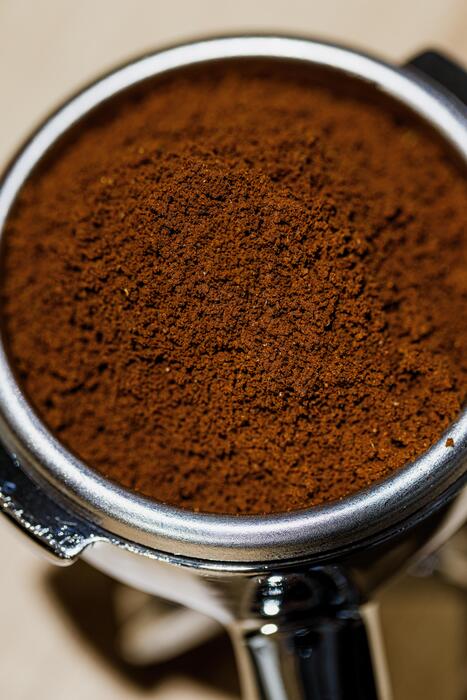
Fresh grounds should have a rich, noticeable aroma as soon as you open the container. If you have to get very close to smell anything, freshness has likely faded. You may also notice the grounds look less vibrant and brew coffee that tastes muted instead of bold.
A good habit is to label the bag or container with the opening date so you can track how long they have been exposed to air. Stale grounds are not always dangerous, but they will make noticeably less satisfying coffee.
How aroma, flavor, and texture change over time
As coffee grounds age, oxygen, light, heat, and moisture slowly break down the oils and compounds that create flavor. The first change is usually the aroma: fresh grounds smell strong, complex, and inviting, while older grounds smell faint, dusty, or oddly bland. Flavor follows the same pattern.
Instead of tasting bright, chocolatey, nutty, or rich, stale coffee often tastes flat, bitter, papery, or lifeless. Texture can shift too. Grounds that have absorbed moisture may feel slightly clumpy rather than dry and loose.
If the coffee has been stored near steam or in a humid kitchen, that change can happen faster. For the best results, keep grounds in an airtight container in a cool, dark place and buy smaller amounts that you can finish quickly.
When coffee grounds are still safe to drink
Coffee grounds can remain safe to brew after they stop being peak-fresh, as long as they have been stored properly and show no signs of contamination. If the grounds smell weaker but still clean and normal, they are usually fine to drink even if the flavor is not ideal.
This often happens after a few weeks in an opened container. Safety depends less on perfect freshness and more on whether the grounds stayed dry, sealed, and free from mold or pests.
If there is no unusual odor, visible growth, or exposure to water, you can still brew them and decide based on taste. To get better results from older grounds, try using slightly more coffee per cup or brewing methods that produce a fuller body, such as French press or drip.
When to throw coffee grounds away
Throw coffee grounds away if you notice any clear signs of spoilage, especially mold, moisture, sour odor, or pest contamination. Grounds should never smell musty, rotten, or strangely fermented. If they were exposed to water or stored in a damp place, discard them rather than risk brewing contaminated coffee.
You should also toss them if there are visible white, green, or fuzzy spots, or if bugs got into the container. Even without spoilage, many people choose to replace grounds once they are several weeks past opening because the quality drops so much.
If your brewed coffee tastes consistently dull and unpleasant despite adjusting the recipe, fresh grounds are the better option. When in doubt, use the simple rule: bad smell, visible moisture, or mold means it is time to throw them out.
Best Ways to Store Coffee Grounds for Maximum Freshness
How to use airtight containers the right way
Ground coffee loses aroma quickly because more surface area is exposed to oxygen. For the best flavor, aim to use coffee grounds within 1 to 2 weeks after opening, though they remain safe longer if stored well.
Transfer grounds into a small, airtight, opaque container that limits air and light exposure. Choose a container sized close to the amount of coffee you have, since extra empty space traps more oxygen inside. Open it only when needed and avoid repeatedly leaving it uncapped while brewing.
If you buy in bulk, split grounds into smaller portions so your daily supply is opened often while the rest stays sealed. This simple habit helps preserve aroma, taste, and freshness much better than casual countertop storage.
Best places to store coffee grounds at home
The ideal storage spot is cool, dark, and dry, such as a pantry, cupboard, or cabinet away from the oven, dishwasher, and sunny windows. Coffee grounds stay freshest when protected from heat, light, air, and humidity, all of which speed up flavor loss.
If you are wondering how long coffee grounds stay fresh, expect the best taste for about 1 to 2 weeks after opening when stored properly at room temperature. Avoid keeping them near the stove or on open shelves where temperature changes happen often.
A closed kitchen cabinet that stays consistently cool is usually best. If your kitchen is humid, pick a storage area farther from the sink and kettle to reduce moisture exposure and help the grounds hold their aroma longer.
Should you keep coffee grounds in the original bag?
You can keep coffee grounds in the original bag if it has a strong zipper seal and one-way valve, but many bags are not ideal for long-term freshness after opening.
Once exposed to air, grounds start losing their peak flavor quickly, so for the best results they should be used within 1 to 2 weeks. If the bag is thin, flimsy, or hard to reseal tightly, place it inside an airtight container rather than rolling it closed with a clip.
This gives extra protection against oxygen, light, and kitchen odors. If you do keep the original bag, press out excess air before resealing it each time. The key is not the packaging itself, but whether it creates a tight, dry, low-light environment.
Tips for avoiding moisture and odor transfer
Coffee grounds act like a sponge, so they can easily absorb moisture and surrounding odors from spices, onions, or strong-smelling foods. To protect freshness, always use a completely dry scoop and never return unused grounds to the container after they have been near steam or wet surfaces.
Keep the container away from the fridge unless it is fully sealed and only stored there briefly, since refrigerators often introduce both condensation and food smells. For maximum flavor, store grounds in a sealed, odor-resistant container and open it only long enough to measure what you need.
Even with good storage, coffee grounds are at their best for about 1 to 2 weeks after opening, so buying smaller amounts more often can outperform any storage trick.
Should You Freeze or Refrigerate Coffee Grounds?

When freezing coffee grounds helps
Freezing can help if you bought more coffee grounds than you can use within 1–2 weeks. In general, coffee grounds taste best when used quickly because grinding exposes more surface area to air, which speeds up flavor loss.
If stored in a sealed container at room temperature, grounds are usually fresh for about 1 to 2 weeks, though they remain safe longer. Freezing is most useful for long-term storage, especially if you purchased coffee in bulk or only brew occasionally.
The key benefit is slowing oxidation, which helps preserve aroma and flavor better than leaving the bag open in the pantry. For everyday use, however, keeping a small amount accessible and freezing the rest is usually smarter than freezing the entire supply you open repeatedly.
Why the fridge is usually a bad idea
Refrigerating coffee grounds is usually a poor choice because the fridge exposes them to moisture, temperature swings, and food odors. Coffee is highly porous, so it can easily absorb smells from onions, leftovers, or other strong foods, which can affect the taste of your brew.
The refrigerator also creates condensation when the container is taken in and out, and that moisture speeds up staling rather than preventing it. If your goal is to keep grounds fresh, the fridge often does the opposite.
For most people, a better option is storing coffee grounds in an airtight, opaque container in a cool, dry cupboard and using them within 7 to 14 days for the best flavor. Refrigeration rarely improves freshness and often reduces quality.
How to freeze coffee grounds without ruining flavor
If you decide to freeze coffee grounds, portion them first so you only thaw what you need. Divide the grounds into small, single-use or weekly-use amounts, then seal each portion in an airtight freezer bag or vacuum-sealed pouch.
Removing as much air as possible is important because oxygen causes staling even in the freezer. Use a second protective layer, such as placing small bags inside a rigid container, to guard against moisture and odor transfer. Label each package with the freeze date so you can rotate stock easily.
For best results, freeze grounds as soon as possible after opening. While frozen coffee can stay usable for months, flavor is typically best if used within 1 to 2 months. Avoid repeatedly opening one large frozen bag, since temperature changes can harm freshness.
Best thawing tips for frozen coffee grounds
The best thawing method is to let the sealed portion come to room temperature before opening it. This prevents condensation from forming directly on the grounds, which can dull flavor and create clumping. Once thawed, use that portion promptly instead of returning it to the freezer.
Re-freezing exposes coffee to repeated moisture and temperature shifts, which can strip away aroma. If you packaged coffee in small portions, you can simply move one bag from the freezer to the counter the night before brewing or let it sit for a short time the same day.
Another practical tip is to keep thawed grounds in an airtight container away from heat and light and finish them within a few days. For the freshest taste, thaw only what you will realistically use soon.
Whole Beans vs Ground Coffee: Which Stays Fresh Longer?
Why whole beans keep flavor longer
Whole beans stay fresh longer because less surface area is exposed to oxygen, light, heat, and moisture. Once coffee is ground, thousands of tiny particles are created, and each one starts losing aromatic oils and flavor compounds almost immediately.
In practical terms, whole beans can hold peak flavor for about 2 to 4 weeks after opening when stored well, while still tasting decent beyond that. To make them last, keep beans in an airtight, opaque container at room temperature, away from the stove or sunlight.
Avoid the fridge, where moisture and odors can affect taste. If your goal is the freshest possible cup, buy smaller amounts of whole beans and grind only what you need right before brewing.
How quickly ground coffee loses freshness
If you are wondering how long coffee grounds stay fresh, the short answer is: ground coffee is best within about 1 to 2 weeks after opening, and ideally within minutes of grinding for peak aroma.
It does not become unsafe right away, but the flavor drops fast because oxygen reaches far more of the coffee at once. You may notice a flatter smell, weaker body, and less sweetness after just a few days.
To slow the decline, store grounds in an airtight container in a cool, dark place and keep the lid closed as much as possible. For best results, avoid buying oversized bags unless you drink coffee quickly. Smaller portions help preserve freshness and reduce waste.
When pre-ground coffee still makes sense
Pre-ground coffee can still be a smart choice if convenience, consistency, and speed matter more than maximum freshness. It works well for busy mornings, office setups, travel, or households that do not want to invest in a grinder.
It also makes sense if you finish a bag quickly, since freshness loss matters less when coffee is used within a week or two. To get the best results, choose smaller bags, check for a recent roast date if available, and match the grind to your brewing method.
Vacuum-sealed packaging can also help preserve flavor before opening. While pre-ground coffee may not deliver the same aromatic punch as freshly ground beans, it can still make a satisfying cup when stored properly and used promptly.
Is grinding coffee at home worth it?
For most coffee drinkers, grinding coffee at home is worth it because it gives you better flavor, stronger aroma, and more control over brewing. Fresh grinding helps preserve delicate oils and compounds that fade quickly once beans are ground, so your cup tastes fuller and more vibrant.
It also lets you adjust grind size for French press, drip, pour-over, or espresso, which can improve extraction and consistency. You do not need expensive equipment to start; even a basic burr grinder is usually a meaningful upgrade over buying pre-ground.
If you drink coffee regularly, the improvement is noticeable enough to justify the extra step. The biggest benefit is simple: grind right before brewing, and you get closer to the coffee’s best possible taste every day.
Tips for Making Coffee Grounds Stay Fresh Longer
How much coffee to buy at one time
If you want coffee grounds to taste fresh, buy only what you can use in 1 to 2 weeks after opening. Pre-ground coffee usually delivers its best flavor for about 7 to 14 days once exposed to air, even if it remains safe longer.
A practical rule is to match your purchase size to your routine: if you brew one or two cups daily, choose a smaller bag instead of a bulk container. This reduces how often the grounds are opened and exposed to oxygen, moisture, heat, and light, which all speed up staling.
If you drink coffee less often, consider buying whole beans and grinding as needed, since they stay fresh longer than grounds. Smaller, more frequent purchases usually give better flavor than stocking up.
Best ways to portion coffee for daily use
To keep coffee grounds fresher longer, portion out only what you need for a few days at a time and leave the rest sealed. Repeatedly opening a large bag lets in air and humidity, which quickly dull aroma and flavor.
A smart method is to divide fresh grounds into small airtight containers or sealed packets sized for daily or every-other-day brewing. This limits exposure to the main supply and makes your routine easier. Keep your active portion in a cool, dark cupboard, not on the counter near sunlight or steam.
If you buy a larger amount, portion it immediately after opening rather than scooping from the original bag all week. Using a dedicated scoop and sealing containers right away helps preserve freshness and consistent taste.
Common storage mistakes to avoid
The biggest mistake people make is storing coffee grounds where they face air, heat, moisture, or light. Avoid keeping them in the fridge, where condensation and food odors can affect flavor.
The freezer can work only if grounds are sealed in small, truly airtight portions and not opened until fully used, but frequent thawing and refreezing harms freshness.
Another common error is leaving grounds in the original bag after it has been loosely folded or clipped; once opened, transfer them to an opaque airtight container if the bag does not seal well. Do not store coffee above the stove or beside a kettle, dishwasher, or sunny window.
Even a clear jar can shorten peak flavor if left in light. Stable, dry, dark storage is the safest approach.
Quick answers to freshness questions people ask most
For most people asking how long coffee grounds stay fresh, the short answer is this: best flavor lasts about 1 to 2 weeks after opening if stored well. Unopened grounds can last much longer, often until the printed date, but they still slowly lose aroma over time.
If your coffee smells flat, weak, or slightly papery, it is likely stale rather than unsafe. Coffee grounds do not usually spoil quickly in the food-safety sense if kept dry, but freshness and flavor drop fast once air gets in. Can you still use older grounds?
Yes, especially for cold brew or baking, though the cup may taste duller. The best rule is simple: keep grounds airtight, cool, dark, and dry, and buy amounts you will finish quickly.
Frequently Asked Questions
How long do coffee grounds stay fresh after opening?
Coffee grounds are usually at their best for about 1 to 2 weeks after opening if stored properly. They are still safe to use after that, but flavor and aroma fade quickly because ground coffee is exposed to more air.
How long do unopened coffee grounds stay fresh?
Unopened coffee grounds can stay relatively fresh for several months, often until the best-by date on the package. Quality depends on the packaging, especially if it is vacuum-sealed or nitrogen-flushed.
Do coffee grounds go bad or just lose freshness?
Coffee grounds usually lose freshness before they truly go bad. Over time they become stale, flat, or dull in flavor, though they can spoil faster if exposed to moisture, heat, or air.
What is the best way to store coffee grounds to keep them fresh longer?
Store coffee grounds in an airtight container in a cool, dark, and dry place. Avoid keeping them near heat, sunlight, or humidity, since those conditions speed up flavor loss.
Should coffee grounds be stored in the fridge or freezer?
For daily use, a pantry in an airtight container is usually better than the fridge, which can introduce moisture and odors. Freezing can help for long-term storage if the grounds are sealed well and only thawed once.
How can I tell if coffee grounds are no longer fresh?
Stale coffee grounds often smell weak or dull instead of rich and aromatic. When brewed, they may taste flat, bitter, or lacking in complexity compared with fresh grounds.
Do whole coffee beans stay fresh longer than ground coffee?
Yes, whole beans stay fresh longer because less surface area is exposed to oxygen. Grinding just before brewing usually gives the best flavor and helps preserve freshness.
Conclusion
Coffee grounds stay freshest for about one to two weeks after opening when stored properly in an airtight container away from heat, light, and moisture. While they may still be safe to use longer, their flavor and aroma gradually fade. For the best cup, buy only what you’ll use soon and store it carefully. With a few simple habits, you can enjoy richer, fresher-tasting coffee every day.