How To Make Cold Coffee From Hot Coffee
If you’re wondering how to make cold coffee from hot coffee, the core challenge is avoiding a watery, bitter brew. You’ve got leftover hot coffee and want it iced without sacrificing flavor. You’re in the right place. The solution is simple: brew it double-strength, then chill it rapidly over ice. This method preserves bold taste and prevents dilution, giving you café-quality iced coffee in minutes.
Why Make Cold Coffee from Hot Coffee?
Save time by using leftover coffee
Making cold coffee from hot coffee is a huge time-saver because you don’t need to brew a separate batch and wait for it to cool. Simply use leftover hot coffee from your morning pot or a recent brew.
After brewing, let it cool to room temperature for about 20-30 minutes, then refrigerate it in a sealed container. This method eliminates the extra steps of grinding beans, measuring, and cleaning up again.
You can prepare a larger quantity of hot coffee in advance, store it in the fridge, and have ready-to-use cold coffee for days. For best results, use coffee that’s less than 24 hours old to maintain freshness.
If you’re in a hurry, pour hot coffee directly over ice—just use double-strength coffee to compensate for dilution. This approach turns your existing hot brew into a refreshing iced drink with minimal effort, perfect for busy mornings or when you crave a cold coffee fix without the wait.
Avoid watering down your drink
A common problem with traditional iced coffee is that melting ice cubes dilute the flavor, making it watery. By starting with hot coffee and cooling it down before serving, you control the dilution factor.
Instead of pouring hot coffee directly over ice, chill the hot coffee first in the fridge or by using an ice bath. Then, when you’re ready to drink, add ice cubes sparingly or use coffee ice cubes (frozen leftover coffee) to maintain strength.
This method ensures your cold coffee retains its bold, rich taste without becoming bland. For an even stronger result, brew your hot coffee at a higher coffee-to-water ratio (e.g., 1:10 instead of 1:15) before cooling. This concentrated brew will hold up better against any ice you add later.
By avoiding immediate dilution, you get a crisp, full-bodied cold coffee experience that rivals any café version, all from your existing hot pot.
Control flavor and strength
Starting from hot coffee gives you complete control over flavor and strength before it becomes cold. You can adjust the brew time, grind size, or coffee-to-water ratio to suit your taste. For a stronger cold coffee, use a finer grind or longer steep when making the hot batch.
If you prefer a milder flavor, opt for a lighter roast or shorter brew. Once cooled, you can also customize by adding milk, cream, sweeteners, or syrups directly to the cold coffee without worrying about heat altering the taste.
This method allows you to experiment with different profiles—like a bold dark roast for an iced latte or a fruity light roast for a refreshing black cold brew. Plus, you can batch-prepare a large amount of hot coffee, cool it, and then portion it out for consistent drinks all week.
This flexibility ensures your cold coffee always matches your mood and preferences, turning a simple leftover into a tailored treat.
How to Cool Hot Coffee Quickly for Cold Coffee

Use an ice bath method
To rapidly cool your hot coffee without diluting its rich flavor, prepare an ice bath by filling a large bowl or sink with equal parts ice and cold water. Place your hot coffee in a smaller, heat-safe metal or glass container, then submerge it into the ice bath.
Stir the coffee continuously with a clean spoon for about 1–2 minutes—this agitation speeds up heat transfer by moving the warmer liquid to the surface. For even faster results, add a pinch of salt to the ice water (this lowers its freezing point, making the bath colder).
Once the coffee reaches room temperature or slightly cooler, remove it from the bath. This method preserves the coffee’s original strength and acidity, as no extra water is introduced. It’s ideal for making concentrated cold coffee that can later be poured over ice or mixed with milk and sweeteners.
The key is to use a wide, shallow container for the coffee to maximize surface area exposed to the cold bath, reducing cooling time to under 5 minutes.
Pour over ice cubes directly
The quickest way to turn hot coffee into a chilled beverage is to pour it directly over a generous amount of ice cubes in a sturdy glass.
To prevent a watery drink, use double-strength coffee by brewing with twice the usual coffee grounds—this ensures that when the ice melts, the flavor remains robust. Fill your glass completely with ice cubes, then slowly pour the hot coffee over them.
The rapid temperature drop locks in the coffee’s volatile aromatics, creating a bright, less acidic taste compared to slow cooling. For a creamy variation, substitute half the ice with frozen milk cubes or coffee ice cubes (pre-made from leftover coffee).
Stir vigorously for 10–15 seconds to fully incorporate the melting ice and chill every drop. If you prefer a stronger flavor, use less ice and top off with cold milk or cream afterward.
This method is perfect for instant gratification and works with any brew method, from drip to French press.
Refrigerate in a shallow container
For a hands-off cooling approach that avoids dilution, transfer your hot coffee into a wide, shallow container (like a baking dish or pie plate) to maximize surface area. The larger the exposed surface, the faster the heat dissipates.
Place the container uncovered in the refrigerator for 15–20 minutes, stirring occasionally to distribute the cold evenly. For accelerated cooling, set the dish on a metal cooling rack inside the fridge to allow air circulation underneath.
This method is ideal for batch-prepping cold coffee for the next day, as it slowly chills without altering the brew’s original concentration. To prevent absorbing fridge odors, cover the container with a clean kitchen towel or perforated plastic wrap once it reaches room temperature.
After 30 minutes, you’ll have perfectly chilled coffee ready to pour over ice or blend into a frappé. The shallow container technique is especially effective for large volumes and retains the coffee’s nuanced flavors better than rapid ice methods.
Best Ways to Chill Hot Coffee Without Losing Flavor

Brew double-strength coffee first
To make cold coffee from hot coffee without losing flavor, start by brewing your coffee at double strength. Use twice the amount of coffee grounds you normally would for the same volume of water. This compensates for the dilution that occurs when you add ice or chill the coffee.
For example, if you usually use 2 tablespoons of grounds per cup, use 4 tablespoons for the same cup of water. The resulting hot coffee will be intensely flavored, but once cooled and served over ice, it will mellow to the perfect strength.
This method preserves the complex notes of your coffee beans, preventing a watery or bland taste. After brewing, let the hot coffee cool slightly before pouring it over a full glass of ice.
Stir gently to integrate the flavors as the ice melts, and you’ll enjoy a rich, bold cold coffee that tastes freshly made, not reheated or diluted.
Add milk or cream before cooling
Adding milk or cream to hot coffee before cooling it down is a simple trick to lock in flavor and improve texture. When you add dairy directly to the hot coffee, it integrates smoothly, creating a creamy consistency that won’t separate or curdle as it chills.
This is especially effective if you plan to serve the coffee over ice, as the fat in milk or cream helps coat your palate and carry the coffee’s natural flavors.
For best results, use whole milk or heavy cream for a richer taste, or opt for oat milk for a dairy-free version that blends well. Stir the milk into the hot coffee immediately after brewing, then let the mixture cool to room temperature before refrigerating.
The result is a cold coffee that is velvety, balanced, and free from the sharp or acidic notes that can occur when cooling black coffee. This method also reduces the need for added sugar, as the milk’s natural sweetness enhances the coffee’s profile.
Use coffee ice cubes for dilution control
Prevent your cold coffee from getting watery by using coffee ice cubes instead of regular ice. Simply brew a batch of your favorite hot coffee, let it cool to room temperature, and pour it into ice cube trays.
Freeze until solid, then use these cubes to chill your hot coffee without diluting the flavor. When you pour freshly brewed hot coffee over coffee ice cubes, the cubes melt slowly, adding concentrated coffee flavor rather than water.
This technique is perfect for iced lattes or black cold coffee, as it maintains the original strength and aroma from the first sip to the last. For an even more flavorful twist, you can sweeten the coffee before freezing or add a splash of vanilla extract.
Prepare a tray of coffee cubes in advance so you can quickly make cold coffee anytime. This method gives you full control over the final taste, ensuring every glass is robust and satisfying.
Step-by-Step Recipe: Hot Coffee to Cold Coffee
Brew and cool your hot coffee
Start by brewing a strong batch of hot coffee using your preferred method—drip, French press, or pour-over all work well. Since ice will dilute the coffee, use double the usual coffee grounds to water ratio (e.g., 2 tablespoons per 6 ounces of water).
Once brewed, cool it quickly to preserve flavor and prevent bitterness. Pour the hot coffee into a heat-safe container, then place it in an ice bath—a large bowl filled with ice and water—and stir occasionally.
Alternatively, let it cool at room temperature for 30 minutes, then refrigerate in a sealed glass container for up to 2 hours. Avoid leaving it on the counter too long, as oxidation can stale the taste.
For an even faster method, pour the hot coffee directly over a cup of ice, but be aware this will water it down slightly. The goal is to achieve a chilled, concentrated base that stays bold and smooth when iced.
Sweeten and flavor while warm
While your hot coffee is still warm (but not boiling), stir in any sweeteners or flavors—they dissolve much more easily than in cold liquid. Add simple syrup (equal parts sugar and water, heated until dissolved), honey, maple syrup, or your preferred zero-calorie sweetener to taste.
For a classic touch, mix in vanilla extract, cinnamon, or a pinch of salt to enhance richness. Want a mocha vibe? Whisk in cocoa powder or chocolate syrup until smooth. If you prefer dairy, stir in a splash of heavy cream or condensed milk for sweetness and creaminess.
For a coffee shop twist, add a few drops of almond or caramel extract. Use about 1-2 teaspoons of sweetener per cup, adjusting based on your preference. This step ensures every sip is evenly flavored, avoiding gritty sugar at the bottom.
Once mixed, let the coffee cool completely before serving over ice.
Serve over ice with your favorite additions
Fill a tall glass with ice cubes—use large cubes or coffee ice cubes (frozen leftover coffee) to minimize dilution. Pour your cooled, sweetened coffee over the ice, filling about three-quarters of the glass. Customize with toppings like a splash of milk, oat milk, or half-and-half for creaminess.
For a frothy finish, shake the coffee with ice in a cocktail shaker for 10 seconds, then strain into the glass—this creates a light, foamy texture. Add a dollop of whipped cream, a drizzle of chocolate or caramel sauce, or a sprinkle of cinnamon or cocoa powder.
For a refreshing twist, stir in a few drops of peppermint or coconut extract. Garnish with a cinnamon stick or orange peel for aroma. Stir gently, taste, and adjust sweetness or milkiness as needed.
This final step transforms your cooled brew into a personalized, café-quality iced coffee ready to enjoy immediately.
Tips for Making Iced Coffee from Hot Coffee
Avoid cloudy coffee by cooling slowly
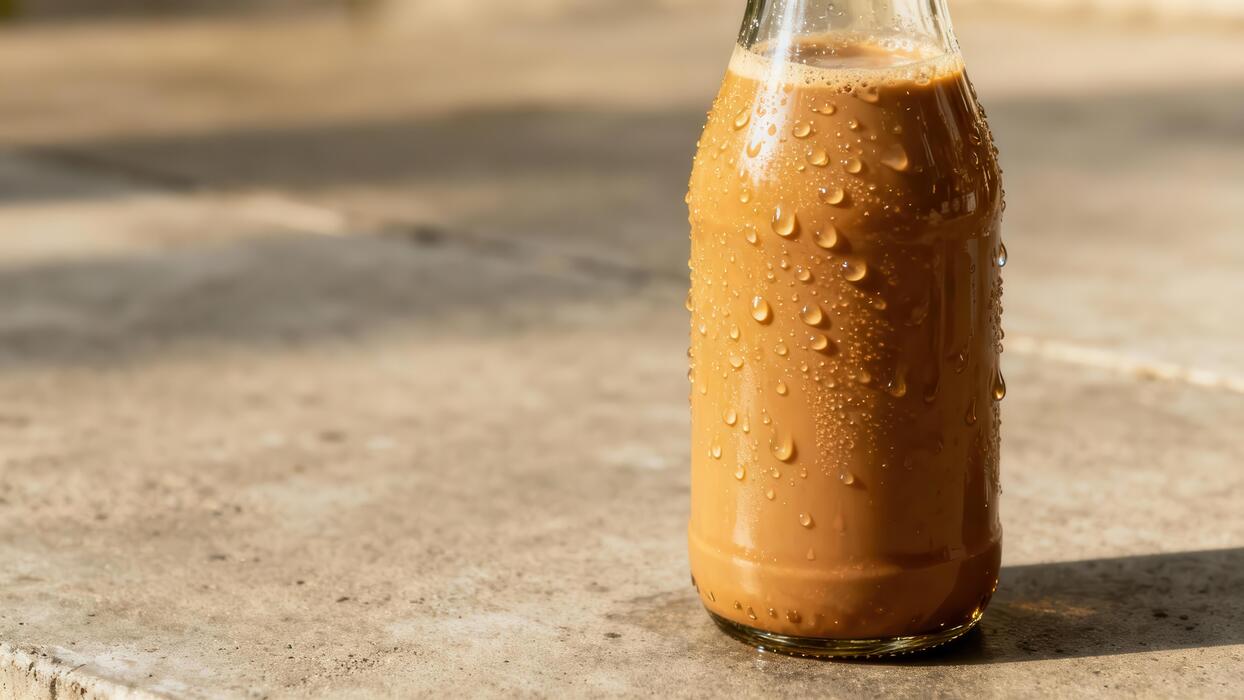
One of the most common issues when making iced coffee from hot coffee is a cloudy or murky appearance, which happens when hot coffee is rapidly chilled. To prevent this, cool your hot coffee slowly before adding ice.
After brewing, let it sit at room temperature for about 20–30 minutes, then transfer it to the refrigerator for another hour until it’s fully chilled. This gradual cooling process helps oils and acids remain stable, preserving clarity and flavor.
Alternatively, you can brew coffee directly over ice by using a double-strength brew ratio (e.g., twice the coffee grounds) and pouring it over a full glass of ice—this dilutes the coffee as it cools, preventing cloudiness.
Avoid pouring hot coffee directly onto ice cubes, as the sudden temperature shock creates micro-particles that scatter light, causing haze. For best results, use filtered water and clean equipment to minimize impurities.
Once cooled, store your coffee in an airtight container in the fridge for up to 24 hours, and enjoy a clear, crisp iced coffee that looks as good as it tastes.
Use whole milk or cream for richness
When turning hot coffee into iced coffee, the right dairy choice can transform the texture and taste. Whole milk or heavy cream provides a velvety richness that stands up to dilution from ice, preventing a watery or thin result.
Whole milk contains about 3.25% milk fat, which emulsifies smoothly with coffee oils, creating a creamy mouthfeel without overpowering the coffee’s natural flavors. For an even more indulgent experience, use half-and-half or heavy cream—these add a luxurious body that balances the bitterness of chilled coffee.
If you prefer a dairy-free option, full-fat oat milk or coconut cream mimics this richness due to their higher fat content and stable emulsifiers. Avoid skim milk or low-fat alternatives, as they can separate or taste chalky when cold.
To incorporate, pour your cooled coffee over ice, then add milk to taste—start with 2 tablespoons per 8 ounces and adjust. Stir gently to combine, and consider frothing the milk beforehand for a cafe-style texture. This approach ensures your iced coffee remains satisfyingly smooth and decadent with every sip.
Add syrups or spices for variety
Elevate your iced coffee from simple to spectacular by incorporating syrups or spices that complement the cold brew’s profile. Simple syrups—made by dissolving equal parts sugar and water over heat—are ideal because they blend seamlessly without grittiness, unlike granulated sugar.
Flavor options are endless: vanilla, caramel, hazelnut, or even lavender add sweetness and aroma. For a healthier twist, use honey or agave syrup, which dissolve well in warm coffee before cooling.
Spices like cinnamon, nutmeg, or cardamom bring warmth and complexity; sprinkle a pinch directly into the hot coffee after brewing, then chill. For a seasonal touch, try pumpkin pie spice or a dash of cocoa powder for a mocha vibe.
To incorporate, stir in 1–2 tablespoons of syrup per 8-ounce serving while the coffee is still warm, ensuring even distribution. Alternatively, rim your glass with cinnamon sugar or add a cinnamon stick as a garnish.
These additions not only customize your drink but also mask any bitterness from chilling, making each sip a personalized delight. Experiment with combinations like vanilla-cinnamon or caramel-sea salt for a gourmet experience at home.
Common Mistakes When Turning Hot Coffee Cold
Pouring hot coffee directly over ice
A common rush is to pour freshly brewed hot coffee straight over ice, but this leads to a weak, watery brew. Instead, cool the coffee first by letting it sit at room temperature for 10–15 minutes. This prevents the ice from melting too quickly and diluting the rich coffee oils.
For faster results, pour the hot coffee into a separate metal or glass container and place it in an ice bath—a bowl filled with ice and water—stirring occasionally. Once it’s warm but no longer steaming, pour it over fresh ice.
This method preserves the bold flavor profile and ensures a satisfyingly cold cup without the watery disappointment. Always aim for a gradual cooling process to lock in the coffee’s natural sweetness and acidity.
Using too much ice and diluting flavor
Adding excessive ice not only waters down your coffee but also masks its nuanced taste. The key is to balance ice quantity with coffee strength. Brew your coffee double-strength—use twice the usual coffee grounds for the same amount of water—so that even with melting ice, the final cup remains robust.
Alternatively, make coffee ice cubes: freeze leftover coffee in an ice tray and use those instead of regular ice. This ingenious hack ensures flavor stays concentrated while chilling your drink. Aim for a ratio of about 2 parts coffee to 1 part ice.
By controlling ice volume, you avoid the common pitfall of a bland, watery beverage and enjoy a perfectly chilled coffee that tastes just as rich as its hot counterpart.
Storing cooled coffee too long
Once your hot coffee has been cooled and refrigerated, it’s tempting to keep it for days, but this degrades quality. Refrigerate for no more than 24 hours to preserve freshness. After that, coffee develops stale, bitter notes due to oxidation and the breakdown of aromatic compounds.
For best results, cool your coffee quickly and store it in an airtight container to minimize exposure to air. If you’ve made a large batch, consider freezing individual portions in ice cube trays or small containers.
When ready to drink, simply thaw or blend with milk for a quick iced latte. Avoid leaving cooled coffee at room temperature for extended periods, as this invites bacterial growth.
By respecting storage time limits, you ensure every sip of your cold coffee is as vibrant and enjoyable as when it was first brewed.
How to Store Leftover Hot Coffee for Cold Drinks
Refrigerate in an airtight container
To keep leftover hot coffee fresh for cold drinks, pour it into an airtight container immediately after it cools slightly. Glass or BPA-free plastic jars with tight-sealing lids work best to prevent the coffee from absorbing other odors in the fridge.
Allow the coffee to reach room temperature for about 15-20 minutes before sealing to avoid condensation, which can dilute flavor. Once sealed, place it in the refrigerator for up to 24 hours.
This method preserves the coffee’s bold taste and acidity, making it perfect for iced coffee or cold brew-style drinks. Avoid leaving the container open, as exposure to air can lead to stale, bitter notes. When you’re ready to use it, simply pour over ice and add milk, sweetener, or flavorings.
For an extra-smooth result, consider straining the coffee through a fine-mesh sieve to remove any sediment that may have formed during storage. This approach ensures your cold coffee stays fresh and delicious.
Freeze in ice cube trays for later use
Freezing leftover hot coffee in ice cube trays is a game-changer for making cold drinks without dilution. Pour cooled coffee into standard ice cube trays and freeze until solid, usually 4-6 hours.
Once frozen, pop the cubes out and store them in a resealable freezer bag for up to 3 months. This method allows you to chill your cold coffee without watering it down, as the cubes are made of pure coffee.
For iced lattes or frappés, use these cubes instead of regular ice; they melt slowly, maintaining rich flavor. To use, simply add the frozen cubes to a glass of milk or creamer, or blend them with milk and sweetener for a creamy frozen treat.
Label the bag with the date to track freshness. For best results, use strong-brewed coffee, as freezing can slightly mute the taste. This hack ensures you always have a quick, flavorful base for cold coffee.
Use within 24 hours for best taste
For optimal flavor in your cold coffee drinks, use refrigerated leftover hot coffee within 24 hours. Beyond this window, the coffee’s volatile oils and aromatic compounds break down, leading to a flat, sour, or overly bitter taste.
To maximize freshness, store it properly in an airtight container and avoid adding milk or sugar until you’re ready to serve, as dairy can spoil faster. When making iced coffee, pour the chilled coffee over a glass filled with ice, then customize with your preferred add-ins.
For a quick iced latte, shake the coffee with milk and ice in a sealed jar for a frothy texture. Taste before using; if it seems dull, try adding a pinch of salt or a splash of vanilla extract to revive the flavor.
Remember, fresh coffee yields the best cold drinks, so plan to use your leftovers within a day. This simple practice ensures every sip is as vibrant as your original brew.
Frequently Asked Questions
What is the quickest way to turn hot coffee into cold coffee?
Pour the hot coffee over a glass full of ice cubes. This instantly chills it, though it may dilute the flavor slightly. For a stronger result, brew the coffee double-strength before pouring over ice.
Can I refrigerate hot coffee to make it cold?
Yes, let the hot coffee cool to room temperature first, then cover and refrigerate for 2-4 hours. This avoids condensation and keeps the flavor intact without dilution.
How do I make iced coffee from leftover hot coffee without it tasting bitter?
Cool the leftover coffee to room temperature, then pour it over ice. To reduce bitterness, add a pinch of salt or a splash of milk or cream before chilling.
What’s the best method to make cold brew-style coffee from hot coffee?
Brew a strong pot of hot coffee using double the coffee grounds, let it cool completely, then refrigerate it. Serve over ice with milk or sweetener for a cold brew-like taste.
How can I make cold coffee from hot coffee without ice?
Pour the hot coffee into a shallow container and place it in the freezer for 15-20 minutes, stirring occasionally. This chills it quickly without dilution, then serve over ice if desired.
Does adding hot coffee to ice affect the flavor?
Yes, it can cause rapid cooling that may release more acids, leading to a slightly sharper taste. Using ice made from coffee or chilling the coffee first helps maintain the original flavor.
Can I sweeten hot coffee before making it cold?
Absolutely, add sugar or syrup while the coffee is hot so it dissolves easily. Then cool and chill for a perfectly sweetened iced coffee.
Conclusion
Making cold coffee from hot coffee is simple and avoids waste. The key is to brew it double-strength, then cool it quickly with ice to prevent dilution. For best results, chill it in the fridge first, or use coffee ice cubes. This method gives you a smooth, refreshing drink in minutes. So next time you have leftover hot coffee, don’t pour it out—transform it into a delicious, cool treat.