How To Make Strong Cold Coffee At Home
How to make strong cold coffee at home is all about maximizing extraction without bitterness. You’re likely tired of weak, watery iced coffee that loses flavor to melting ice. The secret is a higher coffee-to-water ratio and cold brewing for 12-24 hours, which naturally smooths out acidity. This guide cuts through the noise, giving you a foolproof method for a bold, concentrated brew that stands up to milk or ice.
Why Homemade Cold Coffee Tastes Weak and How to Fix It
Common mistakes that dilute cold coffee flavor
If your cold coffee tastes weak, you’re likely making one of these mistakes. First, using standard hot brew ratios is a common error—cold brewing requires a much higher coffee-to-water ratio because cold water extracts flavor more slowly.
Second, adding ice to hot coffee instantly melts and waters it down, creating a watery, bitter brew. Third, not stirring or shaking your mixture leads to uneven extraction, leaving some grounds underused while others over-extract.
To fix this, always use double the coffee grounds you’d use for hot coffee, and opt for a cold brew method where grounds steep in cold water for 12-24 hours. Avoid pouring hot coffee over ice; instead, brew concentrate and chill it separately.
Finally, stir your grounds thoroughly at the start to ensure even saturation. These adjustments prevent dilution and yield a rich, bold flavor.
The role of coffee-to-water ratio for strength
The coffee-to-water ratio is the single most important factor for strong cold coffee. A weak brew usually means you’re using too much water relative to coffee.
For hot coffee, a standard ratio is 1:16 (coffee to water), but for cold coffee, you need a 1:4 to 1:5 ratio for a concentrate that stands up to ice and milk. For example, use 1 cup of coarsely ground coffee for every 4 cups of cold water.
This concentrate ensures bold flavor even after dilution. If you’re making cold brew, steep for 12-24 hours at room temperature or in the fridge, then strain. For iced coffee, brew hot with a 1:10 ratio and chill quickly to avoid over-extraction.
Always measure precisely with a scale or standard measuring cups—eyeballing leads to inconsistency. Adjust based on your taste: increase coffee for more intensity, or reduce slightly for a milder cup. This ratio is your foundation for strength.
Why ice melts and ruins your brew
Ice is the hidden culprit behind weak cold coffee because it melts and dilutes your drink. When you pour hot or room-temperature coffee over ice, the temperature difference causes rapid melting, watering down the flavor. Even with cold brew, large ice cubes melt slower but still add water over time.
To combat this, use coffee ice cubes—freeze leftover brew into cubes so they chill without diluting. Alternatively, chill your coffee completely before serving by refrigerating it for at least 2 hours or using a metal bottle for rapid cooling.
Double-strength brewing is another fix: make your coffee twice as strong so that even when ice melts, the flavor remains robust. Also, minimize ice quantity—use just enough to chill, not fill the glass.
For iced coffee, brew concentrate and add milk or water to taste, then add a few ice cubes. These strategies keep your cold coffee strong from first sip to last.
Best Coffee Beans for Strong Cold Coffee
Dark roast vs. medium roast for bold taste
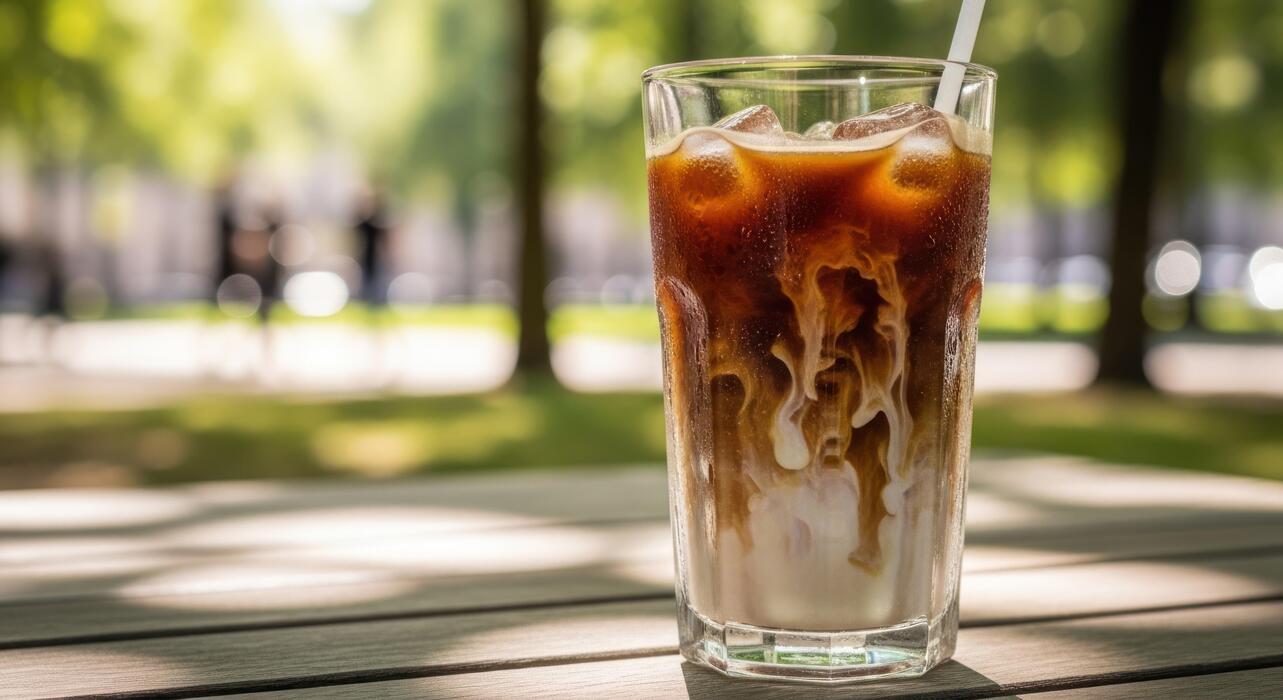
For the strongest cold coffee, dark roast beans are your best bet because they deliver a bolder, more intense flavor with lower acidity. The roasting process breaks down the bean’s cellular structure, making it easier to extract the deep, rich compounds you crave in cold brew.
However, medium roasts can surprise you: they retain more of the bean’s natural oils and sugars, which can create a smoother, yet still potent, brew with complex notes like chocolate or caramel. To maximize strength, avoid light roasts as they often taste sour or grassy when cold-brewed.
A pro tip: use a 1:4 coffee-to-water ratio for either roast—this is double the typical strength. If you prefer a punchy, dark chocolate profile, go with dark roast; if you want a balanced boldness with subtle sweetness, medium roast works perfectly. Always grind fresh for best results.
Single-origin vs. blend: which packs more punch
When aiming for maximum strength, single-origin beans from regions like Sumatra or Ethiopia often deliver a more pronounced, distinctive punch because their flavor profile is concentrated and unique. For example, Sumatran beans are known for their earthy, full-bodied intensity that shines in cold brew.
On the other hand, blends are engineered for consistency and balance—roasters combine beans to create a rounded, bold flavor that avoids any single note overwhelming the cup. A blend might use robusta beans (which have higher caffeine content) mixed with arabica to boost strength.
If you want a straightforward, powerful taste, choose a single-origin dark roast. For a more complex, layered boldness that’s still strong, a blend with robusta can work wonders. Experiment with both to see which gives you the caffeine kick and flavor depth you love.
Grind size: why coarse matters for cold brew
A coarse grind is non-negotiable for strong cold coffee because it prevents over-extraction, which can make your brew bitter and muddy. When coffee grounds are too fine, they release too many tannins and harsh compounds during the long steeping process (12–24 hours), ruining the smooth, potent flavor you want.
Coarse grounds, resembling breadcrumbs, allow water to slowly extract the desirable oils and caffeine without pulling out bitterness. This maximizes strength while preserving clarity—you get a concentrated, rich coffee that’s still clean-tasting.
For the strongest results, use a burr grinder set to the coarsest setting, or buy pre-ground cold brew coffee. A tip: aim for grounds that are slightly larger than sea salt.
If your brew tastes weak, grind slightly finer next time, but always start coarse to avoid a harsh, over-extracted mess.
How to Make Cold Brew Coffee at Home

Step-by-step cold brew recipe for maximum strength
To make strong cold coffee at home, use a 1:4 coffee-to-water ratio (e.g., 1 cup coarsely ground coffee to 4 cups cold, filtered water). Start with fresh, dark roast beans for a bold, low-acid concentrate. Grind them coarse—like sea salt—to avoid over-extraction and bitterness.
Combine grounds and water in a large jar or French press, stirring gently to saturate. Cover and steep at room temperature for 12–24 hours (see next step). After steeping, pour through a fine-mesh strainer lined with cheesecloth or a coffee filter to remove all grounds.
Press or squeeze gently to extract every drop of rich concentrate. This yields a potent, smooth base that’s perfect for diluting. For extra strength, reduce water to a 1:3 ratio, but note this will be very concentrated. Store in the fridge immediately and enjoy within two weeks for peak flavor.
How long to steep for a concentrated brew
Steeping time directly affects strength—12 hours at room temperature yields a balanced, strong concentrate, while 18–24 hours creates an ultra-brewed, almost syrupy result. For maximum caffeine and flavor extraction without bitterness, aim for 16–18 hours. Avoid steeping beyond 24 hours, as it can introduce undesirable bitter notes from over-extracted compounds.
Use a timer or overnight method: start in the evening, and by morning you’ll have a ready concentrate. Room temperature steeping is key for smoothness; refrigeration slows extraction and may require 24–36 hours for similar strength.
If you prefer a colder process, steep in the fridge for 24 hours, but expect a slightly milder profile. Always taste-test after straining—if it’s too weak, steep longer next time. Adjust based on your grind size: finer grinds extract faster, so reduce time slightly.
The goal is a bold, non-bitter concentrate that you can tailor to your taste.
Storing and diluting cold brew concentrate
Store your cold brew concentrate in an airtight glass container in the refrigerator for up to two weeks—avoid plastic, which can absorb odors. The concentrate is extremely potent, so always dilute before drinking.
For a standard iced coffee, mix 1 part concentrate with 2 parts water or milk (adjust to preference). For a stronger drink, use a 1:1 ratio. Add ice cubes made from coffee concentrate to prevent watering down. Shake or stir well before each use, as sediment may settle.
To customize, experiment with flavored syrups, vanilla extract, or a pinch of salt to enhance richness. For a hot version, dilute with hot water or milk. Never freeze the concentrate, as it can alter flavor. Label the container with the date to track freshness.
This method ensures you always have barista-quality, strong cold coffee ready in seconds—perfect for busy mornings or iced coffee cravings without daily brewing.
How to Make Strong Iced Coffee Quickly
Hot brew method: double-strength coffee for ice
For a fast and robust iced coffee, brew a double-strength hot batch using your regular drip machine or pour-over. The key is to use twice the amount of coffee grounds you normally would for the same volume of water.
For example, if you usually use 2 tablespoons per cup, use 4 tablespoons. Brew directly into a heatproof carafe. Immediately pour the hot, concentrated coffee over a full glass of ice. The ice will melt and dilute the concentrate, bringing it to a normal strength.
To prevent excessive dilution, use large ice cubes or even frozen coffee cubes. This method delivers a bold, clean flavor in under 5 minutes. For extra strength, let the coffee steep for an additional 30 seconds before pouring over ice.
This technique is ideal when you want a quick, no-fuss solution that still packs a powerful caffeine punch.
Using a French press for bold iced coffee
The French press is excellent for making bold, full-bodied iced coffee quickly. Start by adding coarsely ground coffee to your press—use a ratio of 1:4 coffee to water for a concentrated brew. Pour hot water (just off the boil) over the grounds, stir, and let steep for exactly 4 minutes.
Press the plunger down slowly. While it steeps, fill a glass with ice. Pour the pressed coffee directly over the ice. The French press retains natural oils and fine particles, giving your iced coffee a rich, velvety mouthfeel and intense flavor.
For an even stronger result, use a 1:3 ratio and steep for 5 minutes. This method avoids paper filters, preserving the coffee’s full character. Serve immediately to enjoy a deeply satisfying, quick iced coffee that rivals café quality.
Flash chilling technique to avoid dilution
Flash chilling is the fastest way to make strong iced coffee without dilution. Brew a double-strength hot coffee as described, but instead of pouring over ice, chill it rapidly by pouring it into a metal container or a cocktail shaker filled with ice.
Shake vigorously for 10-15 seconds, then strain immediately into a glass with fresh ice. This technique cools the coffee so fast that minimal ice melts, preserving its intense flavor. Alternatively, use a chilled glass and pre-freeze your serving glass.
The result is a crisp, bold, and undiluted iced coffee in under 2 minutes. For added convenience, brew the double-strength coffee ahead and store it in the fridge. When ready, flash chill a small portion for an instant, powerful iced coffee that never tastes watery.
Tips for Boosting Cold Coffee Strength Without Bitterness
Adding a pinch of salt to enhance flavor
A tiny pinch of salt can dramatically improve your strong cold coffee by neutralizing bitterness and amplifying natural sweetness. Salt interacts with taste receptors on your tongue, suppressing bitter notes while allowing richer, smoother flavors to shine through.
For a single serving, add just a few grains of flaky sea salt or a tiny pinch of table salt to your coffee grounds before brewing, or stir it into the finished cold brew.
This technique works especially well with dark roast or concentrated cold brew, which can sometimes taste harsh. Salt also helps balance the acidity, making the coffee feel rounder and less sharp on the palate.
Start with less than 1/8 teaspoon per cup, then adjust to taste—too much salt will ruin the drink. This simple trick costs nothing but transforms a bitter brew into a pleasantly bold, well-rounded cold coffee.
Using milk alternatives for creamier texture
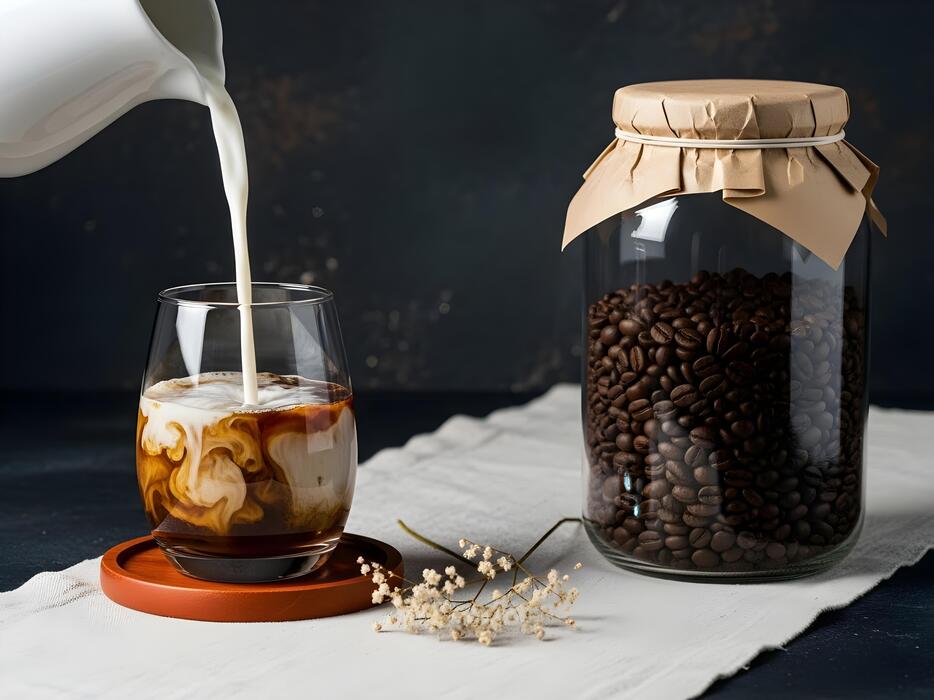
To boost the strength of your cold coffee without bitterness, choose milk alternatives that mask harsh flavors and add velvety richness. Oat milk is a top pick because its natural sugars and creamy consistency smooth out acidic notes while complementing coffee’s boldness.
Barista editions of oat or almond milk contain added stabilizers for a silky, non-watery texture that doesn’t dilute the coffee’s intensity. For a protein-packed option, use unsweetened soy milk, which has a thicker mouthfeel and neutral taste that absorbs bitterness. Avoid watery, low-fat alternatives that thin out your brew.
Instead, opt for full-fat coconut milk (from a can) for an indulgent, tropical twist that softens sharp edges. Always shake or blend your milk alternative before adding to cold coffee to ensure a smooth, homogeneous consistency. This approach lets you enjoy robust coffee flavor without the sharp, bitter aftertaste.
Sweeteners that complement strong coffee
Choosing the right sweetener can counteract bitterness and enhance the coffee’s natural depth without overpowering it. For strong cold coffee, liquid sweeteners like agave syrup or maple syrup dissolve instantly in cold liquid, ensuring even sweetness without grainy residue.
A small amount of honey (especially darker varieties like buckwheat) adds a rich, floral note that balances bold roast flavors. If you prefer zero-calorie options, stevia drops or monk fruit syrup work well because they don’t add bitterness themselves.
Avoid white sugar, which can leave a gritty texture and fail to mask harsh notes. For a caramel-like depth, try coconut sugar dissolved in a little warm water before mixing in. The key is to sweeten gradually—start with half a teaspoon, stir, taste, and adjust.
This careful approach ensures your cold coffee remains strong and satisfying but never bitter.
Tools and Equipment for Perfect Cold Coffee
Best cold brew makers and pitchers
For strong cold coffee at home, a dedicated cold brew maker simplifies the process. Choose a model with a fine mesh filter, like the Takeya or OXO pitchers, which steep grounds directly in water and require no paper filters.
These pitchers produce a concentrated brew that you can dilute to your preferred strength. Alternatively, a French press works well: add coarse grounds and cold water, steep for 12-24 hours, then press the plunger. For larger batches, a glass or BPA-free plastic pitcher with a separate filter system is ideal.
Avoid using a standard drip coffee maker; cold brewing requires immersion without heat. The key is a tight seal to prevent oxidation and a wide mouth for easy cleaning. Always use coarse grounds to avoid over-extraction and bitterness.
A simple mason jar with a nut milk bag also works, but a purpose-built pitcher ensures consistent results and less mess. Start with a 1:4 coffee-to-water ratio for a concentrate that you can adjust to taste.
Why a kitchen scale improves consistency
A digital kitchen scale is your most reliable tool for replicating that perfect strong cold coffee every time. Unlike measuring spoons, which vary with grind size and compaction, a scale gives precise gram measurements for both coffee and water.
This accuracy is crucial for cold brew, where the 1:4 or 1:5 ratio of coffee to water determines strength. Without a scale, you risk a weak brew or an overly bitter concentrate.
To use it, place your brewing vessel on the scale, tare it, then add coffee grounds until you reach your target weight (e.g., 100g for 400ml water). Then tare again and pour water to the exact gram. This eliminates guesswork and ensures your extraction is consistent from batch to batch.
For strong coffee, aim for a higher coffee-to-water ratio (like 1:3) and let the scale guide you. A scale with a 0.1g resolution and a tare function is ideal for small adjustments.
Filters and strainers for smooth results
The final step to a silky, sediment-free strong cold coffee is proper filtration. Start with a coarse-mesh strainer to remove large grounds, then use a fine-mesh sieve or a nut milk bag for the initial pour.
For ultimate smoothness, a paper filter (like a Chemex or V60 filter) or a metal filter with micron-level pores will catch fine particles and oils that cause bitterness. A reusable stainless steel filter is eco-friendly and works well for cold brew, but paper filters produce the clearest, cleanest cup.
If using a French press, its built-in mesh may still let some sediment through; pour the concentrate through a paper-lined funnel into a bottle. For large batches, a cold brew filter bag (like a reusable cotton or nylon sack) simplifies the entire process.
Always rinse paper filters with water first to avoid papery taste. Store filtered concentrate in a sealed glass container in the fridge for up to two weeks.
How to Customize Your Strong Cold Coffee Recipe
Adding spices like cinnamon or vanilla
Elevate your strong cold coffee by infusing it with warm spices or natural flavors. For a simple upgrade, add a pinch of ground cinnamon or nutmeg directly to your coffee grounds before brewing, or stir a dash into the finished drink.
For a deeper, aromatic flavor, simmer a cinnamon stick in a small amount of water for 5 minutes, then let it cool and add that infused water to your coffee.
Vanilla extract is another excellent choice—stir in 1/4 to 1/2 teaspoon of pure vanilla extract per cup for a sweet, creamy note without added sugar. You can also create a vanilla simple syrup by dissolving equal parts sugar and water with a split vanilla bean.
For a spicy kick, try a pinch of cardamom or a dash of chili powder. Always start with a small amount and taste as you go, as spices can quickly overpower the bold coffee flavor.
These additions not only enhance taste but can also reduce bitterness, making your cold coffee more enjoyable and customized to your palate.
Making a protein-packed cold coffee
Turn your strong cold coffee into a nutritious, energy-boosting meal replacement by adding protein. The easiest method is to blend your cold coffee with a scoop of your favorite protein powder—chocolate, vanilla, or unflavored work best. Use a high-speed blender for 20-30 seconds until smooth and frothy.
For a creamier texture, add 1/2 cup of milk (dairy or plant-based) and a handful of ice cubes. To avoid clumps, mix the protein powder with a small amount of milk first before adding the coffee.
For a natural protein boost, use Greek yogurt—blend 1/2 cup of plain Greek yogurt with 1 cup of cold coffee and a teaspoon of honey or maple syrup. This adds creaminess and about 10-15 grams of protein. You can also incorporate collagen peptides, which dissolve easily without altering flavor.
For a vegan option, try silken tofu or a plant-based protein powder. This protein-packed version keeps you full and focused, making it perfect for post-workout recovery or a busy morning.
Serving suggestions for hot days
On scorching days, serve your strong cold coffee in ways that maximize refreshment and cooling. Start by filling a tall glass with large ice cubes (they melt slower) and pouring your coffee over them.
For an extra chill, freeze coffee into ice cubes using an ice tray—this prevents dilution as they melt. Add a splash of cold milk, oat milk, or coconut water for a lighter, hydrating twist.
To make it a frappé-style treat, blend the coffee with ice, milk, and a sweetener until slushy. Garnish with a sprinkle of cocoa powder, a cinnamon stick, or fresh mint leaves for aroma and visual appeal.
For a tropical variation, stir in a tablespoon of coconut cream and a dash of lime zest. If you’re outdoors, use an insulated tumbler to keep it cold longer. Serve immediately to enjoy the bold, undiluted flavor.
These serving ideas not only beat the heat but also make your strong cold coffee a delightful, customizable summer staple that you’ll look forward to all season long.
Frequently Asked Questions
What is the best coffee-to-water ratio for strong cold coffee?
For a strong brew, use a 1:4 coffee-to-water ratio (e.g., 1/4 cup ground coffee to 1 cup cold water). This is higher than regular cold brew, resulting in a concentrated, robust flavor.
How do I make strong cold brew coffee at home without a machine?
Combine coarsely ground coffee with cold water in a jar, stir, and let it steep in the fridge for 12-24 hours. Strain through a fine-mesh sieve or cheesecloth. The longer steeping time extracts maximum strength.
Can I use hot coffee to make strong iced coffee?
Yes, brew double-strength hot coffee by using twice the usual amount of grounds (e.g., 4 tablespoons per cup of water). Let it cool, then pour over ice. This yields a bold flavor that won’t get diluted.
What type of coffee beans make the strongest cold coffee?
Dark roast beans with a bold, low-acid profile, like French or Italian roast, produce the strongest flavor. Avoid light roasts, which are milder and more acidic.
How do I make strong cold coffee with instant coffee?
Mix 2-3 tablespoons of instant coffee with 1 cup of cold water, stir until dissolved, and refrigerate for 5-10 minutes. For extra strength, add more granules or use less water.
Does steeping time affect the strength of cold brew coffee?
Yes, steeping for 18-24 hours extracts more caffeine and flavor compounds, making it stronger. Shorter steeps (12 hours) produce a milder taste, so aim for the longer end for a powerful brew.
How can I make my cold coffee stronger without making it bitter?
Use a coarser grind and steep in the fridge, not at room temperature, to avoid over-extraction. Also, add a pinch of salt or a dash of cinnamon to enhance perceived strength without bitterness.
What is the best way to serve strong cold coffee for maximum flavor?
Serve over ice with a splash of milk or cream, but avoid adding too much water. For a concentrated kick, use coffee ice cubes made from leftover strong brew instead of regular ice.
Conclusion
Mastering strong cold coffee at home is simple: use a high coffee-to-water ratio, opt for coarse grounds with a long steep time for cold brew, or double-strength hot brew quickly chilled over ice. The key is controlling extraction to avoid bitterness. Experiment with ratios to find your perfect boldness. Ditch expensive cafes and enjoy a superior, custom-made brew from your own kitchen today.