How To Make Cold Brew Quickly
Love the smooth taste of cold brew but hate waiting twenty-four hours for a glass? You are in the right place. While traditional methods take all day, you do not have to wait until tomorrow for your caffeine fix. We have found the best shortcuts to speed up the process without sacrificing that signature flavor. This guide will show you exactly how to make cold brew quickly using simple techniques that deliver refreshing results in a fraction of the time.
The fastest ways to make cold brew coffee
The 5-minute French press method
While traditional cold brew requires a long steep, you can mimic the profile in minutes by using a modified French press technique. Start by grinding your beans to a coarse consistency to prevent over-extraction and bitterness.
Add the grounds to your carafe and pour in a small amount of hot water—just enough to bloom the coffee for thirty seconds. This release of gases unlocks flavors that cold water struggles to reach quickly.
Immediately after, fill the rest of the press with ice-cold filtered water and stir vigorously for one full minute. The agitation accelerates the extraction process significantly. Place the lid on and let it sit for another three minutes before pressing the plunger down slowly.
This method produces a clean, refreshing concentrate that maintains the low-acidity characteristics of cold brew without the eighteen-hour wait. It is the perfect solution for busy mornings when you crave a chilled caffeine kick but lack the foresight to prep a batch the night before.
Using a vacuum-sealed coffee maker
One of the most innovative ways to slash brewing time is by utilizing a vacuum-pressure coffee maker. These specialized devices work by creating a high-pressure environment that forces water through the coffee grounds at an accelerated rate. To begin, place your medium-coarse grounds into the chamber and add room-temperature water.
Once you seal the unit and initiate the vacuum cycle, the machine cycles through repeated pressure changes that draw out the oils and caffeine in as little as ten to fifteen minutes. This technology effectively mimics the natural diffusion process that usually takes a full day.
The result is a bold and full-bodied brew that lacks the harsh tannins found in hot-brewed iced coffee. If you are a frequent cold brew drinker, investing in a vacuum brewer is a game-changer for efficiency.
You get the same smooth, chocolatey notes associated with slow-steeping methods while saving hours of preparation time, making it an ideal choice for high-volume households or office settings where speed is essential.
The rapid agitation technique
If you do not have specialized equipment, the rapid agitation technique is the most effective manual shortcut available. This method relies on kinetic energy to speed up extraction by keeping the coffee grounds in constant motion.
Place your coffee and cold water in a large mason jar or airtight container, ensuring a ratio of roughly one part coffee to four parts water. Instead of letting it sit on the counter, you must shake the container vigorously for two-minute intervals, followed by short resting periods.
Repeat this cycle for about ten to fifteen minutes total. The constant movement ensures that fresh water molecules are always in contact with the coffee particles, preventing the saturation plateaus that occur during still steeping.
Once finished, strain the mixture through a fine-mesh sieve or paper filter to remove all sediment. This technique produces a surprisingly robust cold brew concentrate that tastes remarkably similar to the traditional version.
It is a cost-effective and simple hack that proves you do not need a full day to enjoy high-quality cold coffee.
How to use hot blooming for quicker extraction
Why hot water speeds up the process
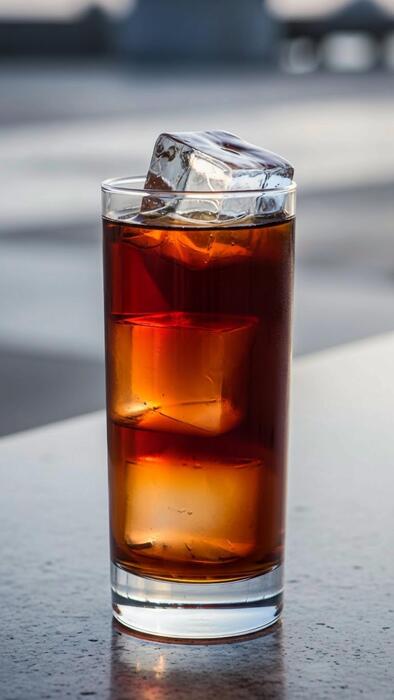
Traditional cold brewing relies on time to extract flavors because cold water is an inefficient solvent. By introducing hot water at the beginning, you utilize thermal energy to rapidly dissolve soluble solids and aromatic oils that typically take hours to release.
This ‘hot bloom’ technique triggers an immediate chemical reaction, breaking down the coffee particulates and ensuring that the most complex flavor profiles are extracted in seconds rather than hours. The heat specifically targets the bright acidity and floral notes that are often muted in standard cold water extractions.
Once these essential elements are released, the addition of cold water or ice stabilizes the temperature, preventing the over-extraction of bitter tannins. This hybrid method effectively bridges the gap between the speed of a standard drip and the smoothness of a slow steep.
By utilizing this scientific shortcut, you can reduce your total brewing time from eighteen hours down to just four, without sacrificing the rich body and low acidity that makes cold brew so popular among enthusiasts.
The ideal water-to-coffee ratio
To achieve a balanced concentrate using the hot bloom method, you must be precise with your measurements to avoid a watered-down result. Use a 1:5 or 1:6 coffee-to-water ratio to ensure a robust profile.
For the hot bloom phase, you should use approximately 15% to 20% of your total water volume in its heated state.
For example, if you are using 100 grams of coarsely ground coffee, you would bloom with roughly 150 milliliters of hot water before filling the rest of the vessel with cold filtered water.
This specific balance ensures that you have enough thermal mass to saturate all the grounds evenly without cooking the coffee or creating a harsh, bitter aftertaste. Maintaining this ratio allows the coffee to remain concentrated enough to be served over ice later.
It is vital to use coarsely ground beans similar to the texture of sea salt; this prevents the hot water from over-extracting the fine particles, which would result in a cloudy and overly silty beverage that lacks the desired clarity.
Step-by-step hot bloom instructions
Begin by placing your coarse coffee grounds into a glass carafe or dedicated cold brew maker. Heat your bloom water to approximately 195°F to 205°F, then pour it slowly over the grounds, ensuring every particle is fully saturated.
Let this mixture sit for exactly 30 to 60 seconds; you will see the coffee ‘bloom’ as gases escape and the aroma intensifies. Immediately after this window, pour in the remaining portion of cold, filtered water to drop the temperature and halt the rapid extraction process.
Stir the mixture gently with a long spoon to ensure an even distribution of the concentrate. Cover the vessel and let it steep at room temperature or in the refrigerator for 4 to 6 hours.
Because the initial heat jump-started the extraction, you do not need the standard 12-hour wait time. Once the time has elapsed, strain the coffee through a fine-mesh filter or paper pour-over bag.
The result is a clean, vibrant, and full-bodied cold brew ready to be enjoyed in a fraction of the usual time.
Best tools for making cold brew in under 2 hours

Automatic rapid cold brew machines
For those seeking professional results in record time, automatic rapid cold brew machines are the ultimate solution. These specialized devices, such as the Presto or Cuisinart models, utilize vacuum extraction technology or high-speed centrifugal force to accelerate the steeping process from twenty-four hours down to just fifteen or twenty minutes.
By creating a pressurized environment, these machines force water through the coffee grounds more efficiently than static submersion. To get the best results, you should use a medium-to-coarse grind to prevent the mesh filters from clogging during the rapid agitation cycle.
Simply add cold, filtered water to the reservoir, load your favorite beans, and select the desired strength setting. This technology eliminates the bitterness often associated with heat-brewed coffee while preserving the smooth, chocolatey notes of a traditional cold brew.
It is the most reliable way to achieve a full-bodied concentrate without planning a day in advance, making it perfect for busy mornings when you need a caffeine fix quickly.
Aeropress cold brew hack
The Aeropress cold brew hack is a favorite among coffee enthusiasts because it delivers a rich, smooth cup in approximately two minutes. Unlike the standard hot method, this technique requires you to use a fine-drip grind and room temperature water.
Start by adding two rounded scoops of coffee into the chamber, followed by water up to the number two mark. The secret to this quick extraction is vigorous agitation; you must stir the mixture continuously for at least sixty seconds.
This physical movement increases the surface area contact between the water and the grounds, mimicking the effects of a long soak. Once stirred, gently press the plunger down through a paper filter.
The resulting liquid is a highly concentrated brew that can be diluted with ice and cold water to reach your preferred strength.
This method is incredibly cost-effective and portable, allowing you to enjoy a low-acid cold brew experience without investing in bulky equipment or waiting overnight for a traditional slow-drip system to finish.
Nitro-style instant infusion bottles
If you want a cafe-quality experience at home, nitro-style instant infusion bottles or whipped cream siphons offer a unique chemical shortcut. This method uses nitrous oxide (N2O) chargers to apply intense pressure to a mixture of coffee grounds and water inside a sealed canister.
When the gas is released, it creates a vacuum effect that pulls the flavors out of the beans almost instantly. After shaking the canister and letting it sit for just a few minutes, you can vent the gas and strain the liquid.
The result is a velvety, nitrogen-infused cold brew with a creamy mouthfeel and a beautiful cascading foam head. This technique is particularly effective for highlighting floral or fruity notes in lighter roasts that might otherwise be lost in a long extraction.
Using an infusion siphon reduces the total brewing time to under five minutes while providing a texture that traditional steeping simply cannot replicate. It is a sophisticated, solution-focused approach for anyone who values both speed and the aesthetic appeal of a premium nitro draft coffee.
Tips for choosing the right coffee grind size
Why fine grinds extract faster
When you are trying to accelerate the traditional cold brew timeline, the surface area of your coffee beans becomes the most critical factor. Using a finer grind size increases the surface area exposed to water, allowing for a much more rapid exchange of flavor compounds and oils.
In a standard coarse-grind setup, water must penetrate deep into large chunks, which often takes eighteen to twenty-four hours. However, by shifting toward a medium-fine consistency, you can effectively slash your steeping time down to just six or eight hours.
This works because the water molecules do not have to travel as far to reach the center of the coffee particles. While traditionalists suggest coarse grinds to prevent over-extraction, a finer setting is the primary lever you can pull when speed is the priority.
This method ensures that the water extracts enough solutes to create a rich, robust concentrate in a fraction of the usual time, making your morning routine significantly more efficient.
Avoiding bitterness in quick brews
The main risk when using a finer grind to speed up cold brew is the potential for harshness or unwanted acidity. To counteract this, you must monitor your steeping time closely and avoid the common mistake of letting the grounds sit overnight.
Since the increased surface area accelerates extraction, a fine grind left for twenty hours will result in a bitter, over-extracted mess. Instead, aim for a controlled steep of five to seven hours at room temperature.
Another expert tip to maintain smoothness is to use a paper filter rather than a metal mesh. Fine grinds produce more sediment, which can contribute to a muddy mouthfeel and lingering bitterness if not properly strained.
By combining a faster extraction window with a high-quality filtration method, you can achieve that signature smooth and chocolatey cold brew profile without waiting an entire day.
This balance of agitation and filtration ensures your quick-batch coffee remains refreshing, sweet, and entirely free from the astringent notes often found in rushed preparations.
Adjusting your grinder for speed
To master the art of the quick cold brew, you need to move away from the ‘French Press’ setting on your grinder and move toward a medium-drip or table salt consistency.
If you have a burr grinder, look for a setting that sits right in the middle of the numerical scale. This specific calibration facilitates rapid saturation while still being large enough to be filtered out relatively easily.
If you notice your brew tastes weak or watery after six hours, try moving one or two clicks finer for your next batch. Conversely, if the coffee feels heavy or overly dry on the palate, coarsen the grind slightly.
The goal is to find the ‘sweet spot’ where the extraction rate aligns with your schedule. By taking the time to dial in your equipment for a faster workflow, you turn a day-long waiting game into a simple afternoon task.
Remember that consistency is key; using a high-quality burr grinder ensures uniform particle size, which prevents some grounds from over-extracting while others remain under-extracted.
How to make cold brew using instant coffee
Selecting high-quality instant crystals
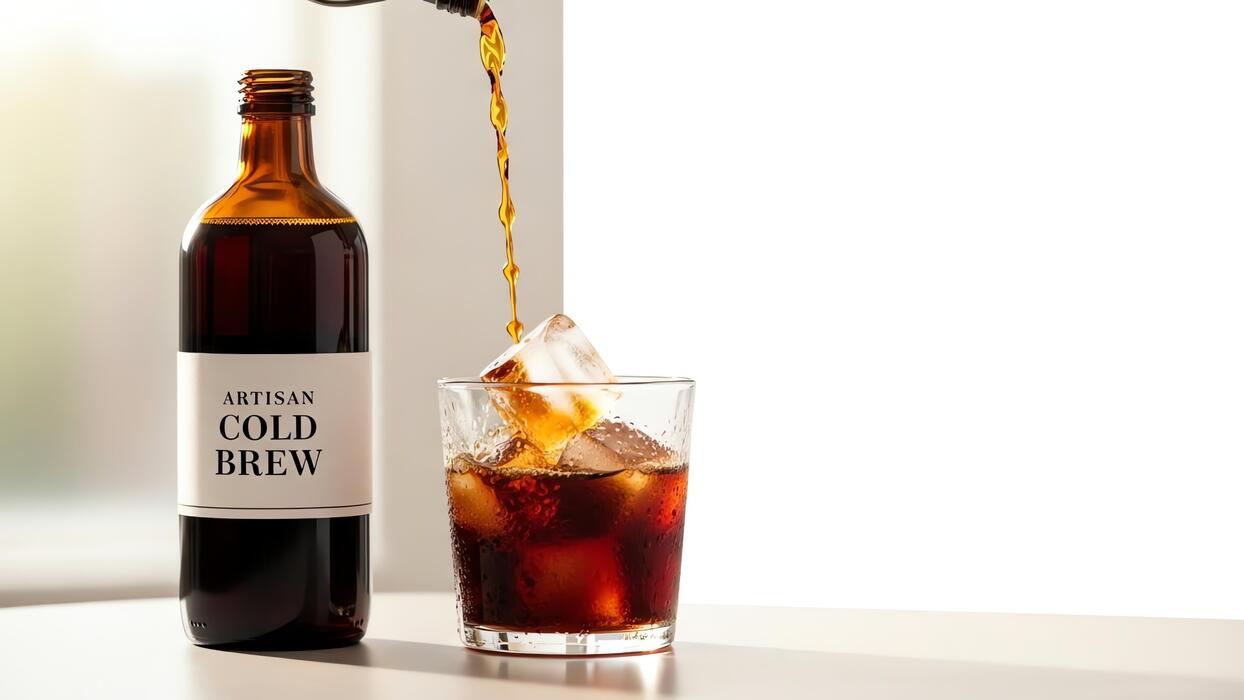
To replicate the nuanced profile of traditional cold brew in a fraction of the time, you must begin by selecting high-quality instant coffee crystals specifically labeled as dark roast or cold-brew compatible.
Standard supermarket powders often lack the depth required for a cold beverage, so look for freeze-dried varieties which preserve the essential oils and aromatic compounds better than spray-dried alternatives.
Opting for micro-ground coffee blends can bridge the gap between instant convenience and authentic taste, providing that signature chocolatey and nutty undertone associated with slow-steeped grounds. If you want to make cold brew quickly without the bitterness, prioritize 100% Arabica beans sourced from regions like Colombia or Ethiopia.
These premium crystals dissolve more cleanly and offer a smoother finish that mimics the low-acidity profile of a twenty-four-hour steep. Investing in a superior base ensures that your lightning-fast preparation does not sacrifice the rich, full-bodied experience that coffee enthusiasts crave during the warmer summer months.
Mixing for a smooth texture
The secret to achieving a velvety consistency when making cold brew quickly lies in the initial dissolution phase using a small amount of warm water.
While it may seem counterintuitive for a cold drink, starting with two tablespoons of lukewarm water helps to fully break down the granules and prevent the gritty sediment often found in rushed preparations.
Once you have created a concentrated sludge, vigorously whisk the mixture for thirty seconds to incorporate air, which lightens the texture and creates a more professional mouthfeel.
After the concentrate is perfectly smooth, fill the remainder of your glass with chilled filtered water and plenty of ice to drop the temperature instantly. Using filtered water is a critical step because it allows the clean flavor of the coffee to shine without interference from tap water minerals.
This hybrid method ensures your drink is completely free of clumps, resulting in a refreshing beverage that looks and tastes like it was prepared by a barista over several hours.
Adding flavors and sweeteners
Because instant coffee can sometimes have a sharper edge than traditional steeps, adding flavors and sweeteners is an excellent way to balance the final profile and enhance the cooling experience.
Since cold liquids do not dissolve granulated sugar efficiently, you should always utilize liquid sweeteners like simple syrup, agave nectar, or maple syrup to ensure an even distribution of sweetness throughout the glass.
For those looking to replicate a gourmet coffee house vibe, incorporating a splash of vanilla extract or almond milk can provide a creamy density that complements the robust coffee base.
If you prefer a bolder taste, consider a pinch of sea salt or cinnamon, which can neutralize any lingering bitterness and highlight the natural sweetness of the beans. Experimenting with flavored creamers or oat milk adds a luxurious layer of fat that carries the coffee notes across the palate.
By thoughtfully layering these components, you transform a quick instant preparation into a sophisticated, personalized cold brew that rivals any slow-steeped alternative.
Common mistakes when rushing cold brew
Using the wrong water temperature
When trying to speed up the cold brew process, the most frequent error is using boiling water to jumpstart the extraction.
While the flash-brew or hot-bloom method is a legitimate technique for making quick iced coffee, it is technically not cold brew and can result in a harsh, bitter profile if not managed carefully.
To accelerate the process safely, you should use room temperature water rather than refrigerator-cold water, as the slightly higher thermal energy helps dissolve solids faster without scorching the delicate oils.
Avoid the temptation to use scorching water, as this destroys the signature smooth, low-acid profile that defines the cold brew experience. Instead, focus on increasing the surface area of your coffee grounds to allow lukewarm water to penetrate more effectively.
If you must use heat, ensure it is only a small amount for a brief bloom period, followed immediately by cold water to maintain the integrity of the beverage while significantly reducing the standard twelve-hour wait time.
Over-extracting and acidity issues
Many people attempting to make cold brew quickly make the mistake of over-agitating the mixture or using an extremely fine grind size to force extraction.
While shaking the jar or using a finer grind can certainly reduce the brewing time from sixteen hours to four, it often leads to excessive bitterness and siltiness in the final cup.
When you rush the chemical process, you risk pulling out the astringent tannins that a slow, cold steep naturally leaves behind. To combat this, maintain a consistent medium-coarse grind and use a vacuum-sealed container or a specialized rapid brewer that utilizes pressure rather than just heat or friction.
This allows for a faster infusion without the unwanted acidity associated with over-extraction.
Remember that the goal of rapid cold brew is to achieve a concentrated flavor profile without the metallic or sour aftertaste that occurs when the coffee-to-water ratio is imbalanced or when the grounds are physically stressed by aggressive stirring or excessive heat application during the quick-steep phase.
Inconsistent filtering methods
In the hurry to finish a quick batch of cold brew, many enthusiasts overlook the importance of a thorough filtration process, leading to a cloudy and muddy drink.
Using a standard mesh sieve or rushing the pour through a paper filter can leave behind micro-sediments and fine particles that continue to extract even after you have separated the grounds. This results in a drink that becomes increasingly bitter as it sits in your refrigerator.
To ensure a clean finish when brewing fast, you should always double-filter your concentrate using a combination of a metal mesh for the bulk and a high-quality paper filter for the fines.
Forcing the liquid through the filter too quickly by pressing down on the grounds is another common mistake that releases trapped oils and bitter compounds.
Instead, allow gravity to do the work, or use a French press with a secondary paper sleeve to ensure the texture remains velvety and the flavors stay bright. Proper filtration is the secret to making a fast brew taste like a professional slow-steeped batch.
How to store and serve your quick cold brew
Best containers for freshness
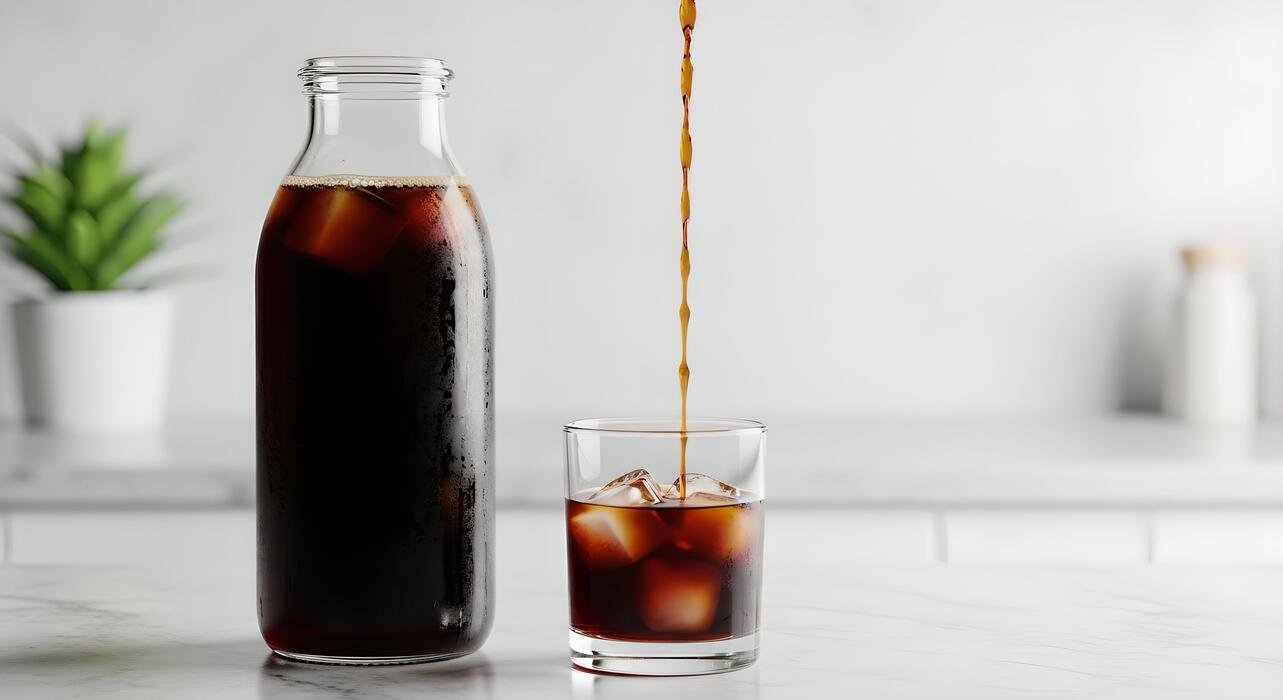
To maintain the delicate flavor profile of your quick cold brew, you must prioritize airtight storage solutions. Glass is the superior choice because it is non-porous and does not absorb odors or leach chemicals that could alter the taste.
Utilizing a glass mason jar or a specialized flip-top bottle creates a vacuum seal that prevents oxidation, which is the primary cause of coffee becoming stale or bitter. If you choose plastic, ensure it is BPA-free and high-grade to avoid metallic aftertastes.
Always fill your container as close to the top as possible to minimize the headspace where air can sit. Once sealed, place the brew in the back of your refrigerator where temperatures are most consistent.
Avoid the door shelves, as frequent opening causes temperature fluctuations that degrade the coffee’s quality quickly. When stored correctly in chilled, airtight conditions, your rapid cold brew concentrate will stay fresh and flavorful for up to seven to ten days, allowing you to enjoy a premium beverage every morning.
Diluting concentrate vs. ready-to-drink
Understanding the intensity of your quick cold brew is essential for achieving the perfect balance. Most rapid methods produce a potent concentrate rather than a ready-to-drink beverage.
To serve, you should generally mix one part coffee concentrate with one part water or milk, though you can adjust this ratio based on your personal strength preference. If you prefer a bolder, more caffeinated kick, a 2:1 ratio might be ideal.
Conversely, if you are making a light afternoon drink, adding more filtered water can soften the acidity. The beauty of a concentrate is its versatility; it serves as a robust base for iced lattes, protein shakes, or even culinary recipes.
If you have brewed your coffee at a lower ratio specifically for immediate consumption, you can skip the dilution step entirely. However, diluting right before serving ensures that the base remains stable in the fridge for a longer duration.
Always taste a small sip of the neat concentrate first to gauge the extraction level before adding your preferred mixers or diluents.
Serving over ice without watering it down
The biggest challenge with serving cold brew is preventing melting ice from ruining the rich texture. To solve this, consider freezing leftover coffee into ice cubes instead of using plain water. As these coffee cubes melt, they release more flavor into your glass rather than diluting the strength.
If you must use standard ice, opt for large, dense spheres or cubes which have less surface area and melt much slower than crushed ice. Another effective strategy is to pre-chill your glassware and the coffee itself before assembly.
Pouring room-temperature liquid over ice causes immediate melting, but using a chilled concentrate keeps the ice intact for much longer.
For those who enjoy a creamy texture, try shaking your cold brew with ice in a cocktail shaker before straining it into a fresh glass; this aerates the coffee and creates a silky mouthfeel without needing excess ice for cooling.
By controlling the temperature and the type of ice used, you ensure that the final sip of your quick cold brew is just as flavorful as the very first.
Frequently Asked Questions
Can I make cold brew in less than 12 hours?
Yes, you can accelerate the process by using the ‘hot bloom’ method, where you soak grounds in hot water for 30 seconds before adding cold water. This extracts flavor compounds faster, allowing for a 4-6 hour steep time instead of the traditional 12-24 hours.
How do I make cold brew in a French press quickly?
To speed up French press cold brew, use a slightly finer grind than usual and stir the mixture vigorously for one minute before steeping. If you leave it on the counter at room temperature instead of the fridge, it will be ready in about 6 to 8 hours.
Is there a way to make cold brew in minutes?
The fastest way to achieve a cold brew flavor instantly is using a ‘flash brew’ or ‘Japanese iced coffee’ method. Brew concentrated hot coffee directly over a large amount of ice; the immediate cooling preserves the brightness and sweetness associated with cold brew without the long wait.
Does shaking the container help cold brew steep faster?
Yes, agitation increases the extraction rate by ensuring all coffee grounds remain in contact with fresh water molecules. Shaking your jar or container every hour can reduce the total steeping time by several hours while maintaining a bold flavor profile.
Can I use a vacuum sealer to speed up cold brew?
Using a vacuum-sealed container or a specialized rapid cold brew machine can force water into the coffee grounds much faster. This pressurized environment can produce a full-bodied cold brew concentrate in as little as 10 to 30 minutes.
Does grind size affect how fast cold brew is ready?
Absolutely. While traditional cold brew uses a coarse grind, using a medium-coarse grind increases the surface area exposed to water, which speeds up extraction. Just be careful not to use a fine grind, as this can lead to over-extraction and a bitter taste.
Conclusion
Making cold brew quickly is possible when you adjust your technique. By using a vacuum sealer or the rapid agitation method, you can bypass the traditional twelve-hour steep time without sacrificing that signature smooth flavor. Remember to use a coarse grind and filtered water for the best results. Now that you know these time-saving secrets, you can enjoy a refreshing, homemade caffeine kick whenever cravings strike. Give these fast methods a try today and enjoy.