How To Make Brewed Iced Coffee At Home
Stop settling for watered-down drinks and learn how to make brewed iced coffee at home that tastes like it came from a high-end cafe. Whether you are rushing to work or relaxing on a sunny afternoon, crafting the perfect chilled cup is easier than you think. From choosing the right beans to mastering the cooling process, you will have all the answers quickly.
The Best Coffee Beans for Iced Brewing
Choosing Between Light and Dark Roasts
When learning how to make brewed iced coffee at home, the roast level is your most critical decision. Medium to dark roasts are generally preferred for traditional iced coffee because their bold, chocolatey, and nutty notes hold up exceptionally well against dilution.
As ice melts, it naturally waters down the brew; a robust dark roast ensures the coffee’s character remains prominent even when cream or sweeteners are added. Conversely, light roasts offer a complex, tea-like experience with higher acidity and floral notes.
While these can be refreshing, they often require a higher coffee-to-water ratio or the ‘flash chill’ method to prevent them from tasting thin or sour once iced. For beginners, starting with a full-bodied medium-dark roast provides a reliable foundation that mimics the rich profile found in professional coffee shops.
Experimenting with different levels will help you find the perfect balance between bitterness and brightness for your specific palate.
Why Freshly Ground Beans Matter
To achieve a cafe-quality result at home, using freshly ground whole beans is non-negotiable. Coffee begins to lose its volatile aromatic compounds almost immediately after grinding, leading to a flat and stale flavor profile. When brewing for ice, you need maximum flavor extraction to combat the chilling process.
Investing in a burr grinder allows you to control the particle size, which is essential for different brewing methods. For a standard drip or pour-over iced coffee, a medium-coarse grind is ideal to ensure a clean extraction without excess sediment.
Freshly ground beans retain the natural oils that provide a silky mouthfeel, something that is often lost in pre-ground varieties.
By grinding your beans just seconds before brewing, you ensure that the vibrant aromas and complex oils are captured in the liquid, resulting in a significantly more refreshing and potent iced beverage that tastes vibrant rather than dull or dusty.
Flavor Profiles That Work Well Over Ice
Selecting the right flavor profile can transform your home-brewed iced coffee from basic to extraordinary. Beans sourced from Central and South America often feature notes of milk chocolate, caramel, and toasted nuts, which are universally pleasant when served cold.
These profiles provide a smooth finish that pairs perfectly with milk or dairy alternatives. On the other hand, African beans, particularly those from Ethiopia or Kenya, offer bright, citrusy, and berry-like notes.
These ‘fruity’ profiles are incredibly refreshing during summer months and are best enjoyed black or with a splash of tonic water for a sophisticated twist. Look for descriptors like stone fruit, cocoa, or brown sugar on the packaging to guide your choice.
Ultimately, the best beans for iced brewing are those with distinctive and punchy flavor notes that can cut through the cold temperature, ensuring every sip is as flavorful as the first, regardless of how much ice is in your glass.
Essential Equipment for Home Iced Coffee
Standard Drip Machines vs. Pour Over
To master brewed iced coffee at home, choosing the right brewing method is the first critical step. A standard drip machine offers convenience, allowing you to brew a large batch directly into a carafe.
To prevent dilution when pouring over ice, you should use the flash brew method by replacing half of the brewing water with ice cubes in the pot. This instantly chills the coffee while preserving its aromatic profile. Alternatively, a pour over dripper provides more control over the extraction process.
By manually pouring hot water over fresh grounds, you can highlight the subtle floral or fruity notes of your coffee beans. Both methods require a higher coffee-to-water ratio than hot coffee to ensure the flavor remains bold once ice is added.
Whether you prefer the automated ease of a drip machine or the artisanal precision of a manual pour over, focusing on ratio adjustment is the key to avoiding a watery or weak final result.
The Importance of a Quality Burr Grinder
The secret to a professional-grade iced coffee lies in the consistency of your coffee grounds, which is why a quality burr grinder is an essential investment. Unlike blade grinders that chop beans into uneven fragments, burr grinders use two revolving abrasive surfaces to crush beans into a uniform particle size.
This uniformity ensures that every bit of coffee extracts at the same rate, preventing the bitter or sour flavors often found in poorly ground coffee. For brewed iced coffee, a medium-coarse setting is typically ideal to allow for a clean, crisp finish that tastes refreshing when chilled.
Freshness is equally important; grinding your beans immediately before brewing preserves the volatile oils and aromatics that are often lost in pre-ground bags.
By controlling the grind size, you can fine-tune the strength of your brew to stand up against melting ice, ensuring a full-bodied flavor that lasts from the first sip to the very last drop in your glass.
Heat-Resistant Glassware and Storage
Once your coffee is brewed, having the right vessels for serving and storage ensures both safety and flavor longevity. Heat-resistant borosilicate glassware is a must-have for the flash-brewing technique, as it can withstand rapid temperature shifts without cracking when hot coffee hits cold ice.
For those who prefer to brew in advance, an airtight glass carafe or pitcher is necessary to keep the coffee fresh in the refrigerator.
Oxygen is the enemy of brewed coffee, so a tight seal prevents the liquid from absorbing unwanted fridge odors and keeps the taste vibrant for up to 48 hours.
Additionally, consider using silicone ice cube trays to create large, slow-melting cubes or even coffee-based ice cubes to maintain total flavor concentration. Investing in double-walled insulated tumblers can also enhance your experience by keeping your drink icy cold for hours while preventing condensation from forming on the outside.
Proper storage and high-quality glassware transform a simple caffeine fix into a sophisticated, cafe-quality home experience.
How to Make Iced Coffee Using the Flash Brew Method
The Science of Brewing Directly Over Ice
Flash brewing, often referred to as Japanese-style iced coffee, is a superior method for making brewed iced coffee at home because it locks in delicate aromatic compounds that are usually lost during cold brewing.
By brewing hot coffee directly onto ice, you trigger an instantaneous chilling process that preserves the bright acidity and complex flavor profiles found in high-quality beans.
Unlike traditional methods where hot coffee sits at room temperature or in a fridge for hours, flash brewing prevents the oxidation that leads to a bitter, stale taste.
This rapid temperature drop ensures that the volatile oils remain intact, resulting in a crisp, clean beverage that tastes exactly like a fresh pour-over but at a refreshing temperature.
To achieve the best results, use freshly roasted beans with floral or citrus notes, as these characteristics are beautifully highlighted by the immediate cooling. This technique provides a vibrant and nuanced cup that is significantly more flavorful than standard iced coffee.
Calculating the Water-to-Ice Ratio
The most critical factor in mastering the flash brew method is adjusting your liquid balance to prevent a watery final product.
Since the ice serves as a portion of your total brewing water, you must replace approximately one-third to one-half of the hot water with ice cubes placed directly in the carafe.
A standard starting point is a 60:40 ratio, where 60% of your total weight is hot water used for extraction and 40% is ice used for cooling. For example, if your recipe calls for 500g of water, you would use 300g of hot water to brew over 200g of ice.
Because you are using less hot water to extract the same amount of coffee grounds, you should grind your beans slightly finer than a standard pour-over setting to increase surface area and ensure full extraction.
This careful calculation ensures that once the ice melts during the brewing process, your coffee reaches the perfect strength and dilution level for immediate enjoyment.
Step-by-Step Pour Over Instructions
To begin, place your preferred dripper over a carafe filled with your pre-measured ice and insert a rinsed paper filter. Add your finely ground coffee and start with a 30-second bloom using just enough hot water to saturate the grounds, which allows trapped gases to escape for better flavor.
Proceed to pour the remaining hot water in slow, concentric circles, maintaining a steady flow to ensure even saturation. As the hot concentrate drips onto the ice, it will flash-chill and dilute to the ideal drinking strength simultaneously.
Once the filtration is complete, give the carafe a gentle swirl to ensure all remaining ice has integrated and the temperature is uniform throughout the vessel. Pour the finished brew into a fresh glass filled with clean ice to maintain its chill.
This method allows you to enjoy cafe-quality iced coffee in under five minutes, offering a convenient and professional solution for any home barista looking to elevate their daily caffeine routine with precision and speed.
How to Make Traditional Iced Coffee with a Drip Machine
Brewing a Double-Strength Concentrate
To achieve a robust flavor that survives the addition of ice, you must start by brewing a double-strength concentrate. Standard drip coffee often becomes watery and flavorless when chilled, so the key is to adjust your coffee-to-water ratio.
Use the same amount of coffee grounds you would normally use for a full pot, but cut the water volume exactly in half. For example, if you typically use four scoops of grounds for four cups of water, use those same four scoops for only two cups of water.
This creates a powerful extraction that retains its bold profile and aromatic complexity even after dilution. Ensure your drip machine is clean to prevent off-flavors from interfering with the concentrated brew.
By intentionally making the coffee too strong to drink hot, you are providing a solid flavor foundation that will taste perfectly balanced once it is poured over a glass full of ice cubes later on.
Proper Cooling Techniques to Avoid Bitterness
Once your concentrated drip coffee has finished brewing, the way you cool it significantly impacts the final taste. Avoid the common mistake of pouring hot coffee directly onto ice immediately, as this causes rapid thermal shock that can lead to a sharp, bitter, or acidic aftertaste.
Instead, let the carafe sit at room temperature for about fifteen to twenty minutes to allow the temperature to drop naturally.
For a more professional approach, you can transfer the hot liquid into a stainless steel pitcher and place that pitcher into a larger bowl filled with ice and water, creating a simple ice bath. This method chills the liquid rapidly without adding extra water, preserving the integrity of the beans.
By managing the cooling process carefully, you prevent the oxidation and chemical breakdown that occurs when coffee stays hot for too long, ensuring your iced beverage remains smooth, refreshing, and free from any unwanted harshness or burnt notes.
Storing Your Brew in the Refrigerator
After the coffee has reached room temperature, it is time to move it to the refrigerator for long-term storage. For the best results, transfer your concentrate into an airtight glass container or a mason jar rather than leaving it in the plastic drip carafe.
Glass is non-porous and won’t absorb old odors, which helps keep the coffee tasting fresh for several days. Ensure the lid is sealed tightly to prevent the brew from absorbing the scents of other foods in your fridge, like onions or leftovers.
Most homemade iced coffee concentrates will stay flavorful for up to three to five days when stored correctly. When you are ready for a drink, simply fill a glass with fresh ice, pour in your chilled concentrate, and add your favorite milk or sweeteners.
Having a pre-made batch ready to go makes it incredibly easy to enjoy a cafe-quality experience at home without the wait, providing a convenient and cost-effective solution for your daily caffeine fix.
Tips for Perfecting Your Coffee Ice Cubes

How to Prevent Watered-Down Coffee
To ensure your homemade iced coffee remains bold and flavorful until the very last drop, the most effective strategy is to replace standard water ice with frozen coffee blocks.
When traditional ice melts, it introduces excess water that dilutes the caffeine content and mutes the complex flavor profile of your beans. By using concentrated coffee ice cubes, you maintain a consistent strength as they melt back into the liquid state.
To achieve the best results, brew your coffee at a higher concentration or double strength before pouring it into the trays, as the freezing process can slightly dampen the perceived intensity of the brew.
Additionally, ensure you use a silicone ice tray for easy removal and to prevent the cubes from cracking.
This simple swap transforms a standard cold drink into a professional-grade beverage that stays rich and satisfying even on the hottest summer days, effectively solving the common problem of watery, unappealing leftovers in your glass.
Freezing Leftover Brews
Waste not, want not is the perfect mantra for any home barista looking to optimize their morning routine and reduce kitchen waste. Instead of pouring that half-pot of cold morning coffee down the drain, let it reach room temperature and then transfer it directly into ice cube molds.
This practice provides a sustainable way to build a constant supply of coffee ice without requiring extra brewing sessions. For the highest quality, avoid freezing coffee that has been sitting on a heated burner for hours, as this can lead to a bitter or burnt aftertaste in your iced drinks.
Once the cubes are fully frozen, transfer them to an airtight freezer bag to prevent them from absorbing unwanted odors from other frozen foods like onions or fish.
This storage method also prevents freezer burn, ensuring that your emergency coffee stash remains fresh and ready for an instant caffeine boost whenever you need to assemble a quick and delicious chilled beverage at home.
Adding Flavors Directly to the Ice
Elevate your home brewing experience by infusing your coffee cubes with complementary flavors during the freezing stage. This technique allows you to customize each glass without needing expensive store-bought syrups.
Consider whisking in a touch of sweetened condensed milk or heavy cream before freezing to create creamy, marble-effect cubes that gradually whiten your coffee as they dissolve.
For those who prefer aromatic notes, adding a drop of vanilla extract or a dash of cinnamon directly into the coffee liquid creates a multi-sensory experience. You can even place a single cocoa bean or a piece of dark chocolate in the center of each mold for a mocha-inspired treat.
This proactive approach to flavoring ensures that the sweetness and aromatics are evenly distributed throughout the drink rather than sinking to the bottom.
Experimenting with these infusions allows you to recreate a high-end cafe atmosphere in your own kitchen while maintaining complete control over the ingredients and sugar levels in your daily refreshment.
Best Ways to Sweeten and Flavor Your Drink
Making Homemade Simple Syrup
One of the most effective ways to sweeten brewed iced coffee without dealing with undissolved sugar granules at the bottom of your glass is to prepare a homemade simple syrup.
Because granulated sugar does not dissolve well in cold liquids, creating a liquid sweetener ensures a consistent flavor profile from the first sip to the last. To make this at home, simply combine equal parts water and white sugar in a small saucepan over medium heat.
Stir the mixture constantly until the sugar is completely dissolved and the liquid appears clear. Once finished, let the syrup cool to room temperature before transferring it to a glass jar for refrigeration.
You can customize your syrup by using brown sugar for a richer, molasses-like depth or honey for a floral sweetness.
This method allows you to control the sweetness level perfectly, ensuring your iced coffee is never too bitter or overwhelmingly sugary, providing a professional coffeehouse experience right in your own kitchen.
Dairy and Plant-Based Milk Options
Achieving the perfect creamy texture in your home-brewed iced coffee depends heavily on your choice of whitening agent. For those who prefer traditional dairy, whole milk or half-and-half provides a rich, velvety mouthfeel that balances the natural acidity of coffee beans.
However, if you are looking for dairy-free alternatives, several plant-based options excel in cold beverages. Oat milk is widely considered the gold standard for iced coffee due to its natural sweetness and thick consistency that mimics dairy remarkably well.
Almond milk offers a lighter, nuttier finish but may separate if the coffee is too acidic, so it is best to pour it slowly over ice. For a more tropical twist, coconut milk adds a unique creaminess that pairs beautifully with darker roasts.
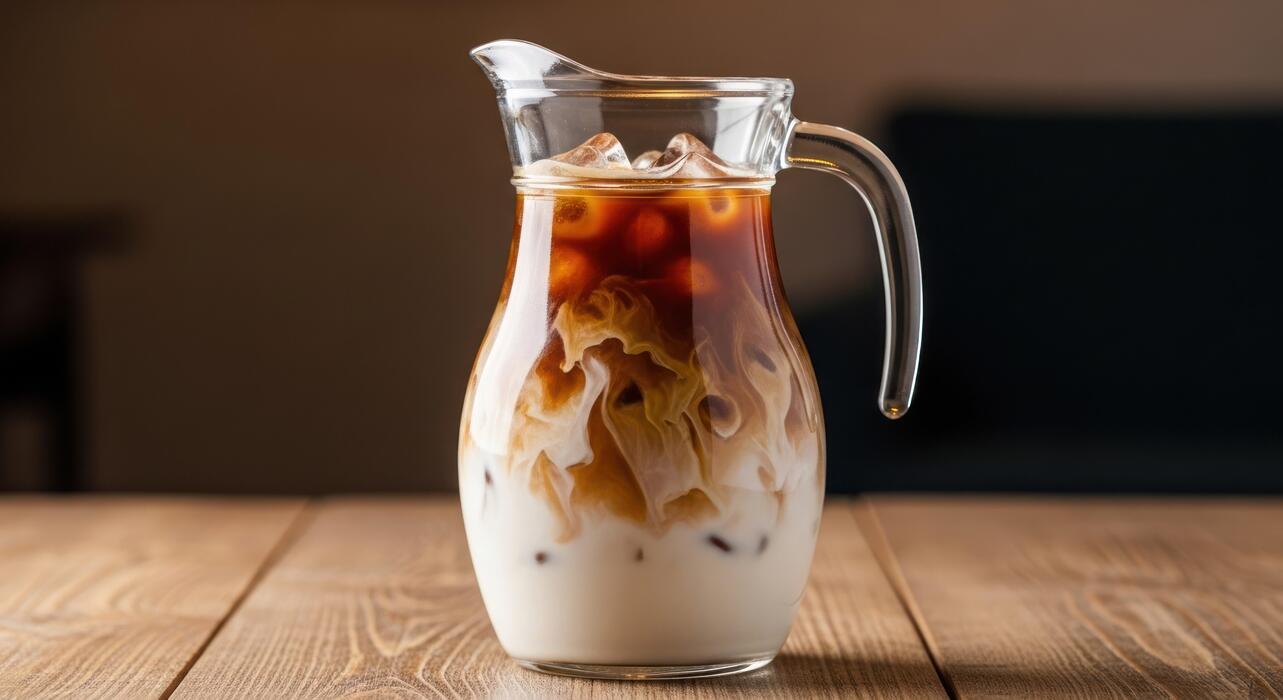
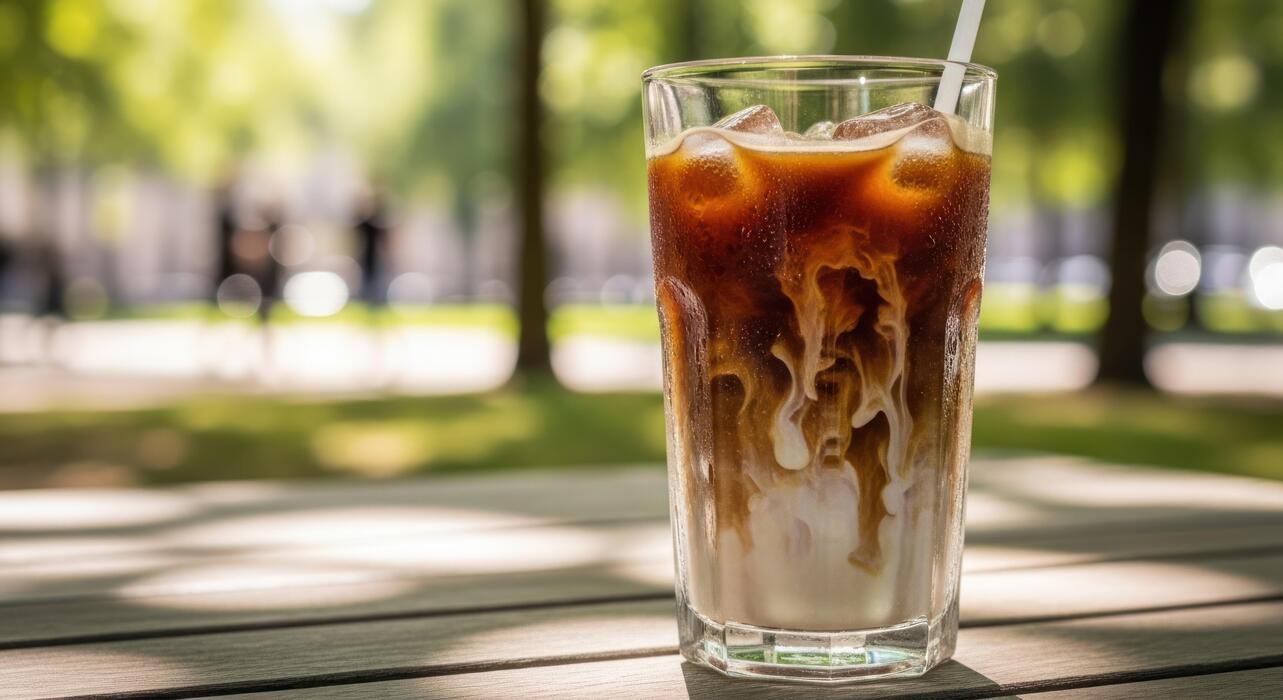
When adding your chosen milk, always pour it in last to watch the beautiful marbling effect, and remember that higher fat content usually leads to a smoother, more indulgent drink that masks any residual bitterness.
Natural Flavor Add-ins Like Vanilla and Cinnamon
Elevating your iced coffee beyond basic sweetness involves incorporating aromatic ingredients that provide depth without excessive calories. Vanilla extract is a versatile staple that adds a comforting, nostalgic aroma; simply whisk a few drops into your milk or syrup before pouring it over the ice.
If you prefer earthy tones, adding ground cinnamon directly to your coffee grounds before brewing allows the oils to infuse the liquid with a warm, spicy flavor. Another professional tip is to use a tiny pinch of sea salt, which can actually suppress bitterness and enhance the perception of sweetness.
For those who enjoy citrus notes, a small piece of orange zest expressed over the glass adds a bright, refreshing quality. You can also experiment with almond extract or cocoa powder to create complex flavor profiles.
By using these natural pantry staples, you can avoid artificial flavorings and preservatives found in commercial syrups, resulting in a cleaner, more sophisticated beverage that highlights the quality of your home-brewed coffee beans.
Common Mistakes to Avoid When Brewing at Home
Using the Wrong Water Temperature
One of the most frequent errors when learning how to make brewed iced coffee at home is using boiling water that scorches the delicate grounds. To achieve a smooth profile, you must maintain a water temperature between 195°F and 205°F.
If your water is too hot, it extracts bitter polyphenols that become even more unpleasant once the coffee is chilled. Conversely, using water that is too cool results in a sour, under-extracted brew that lacks the body needed to stand up to melting ice.
A helpful solution is to let your kettle sit for thirty seconds after reaching a boil before you begin the brewing process. This slight pause ensures you are in the optimal range for flavor extraction.
By mastering this thermal balance, you ensure that the natural sweetness of the beans is preserved, creating a refreshing base that remains delicious even as the temperature of the drink drops during consumption.
Incorrect Grind Size for Your Method
The texture of your coffee grounds dictates how quickly water extracts flavor, making the grind size a critical factor in your final result. Many home brewers mistakenly use a fine espresso grind for drip-based iced coffee, which leads to over-extraction and a muddy, silty texture.
For the best results, you should utilize a medium-coarse grind that resembles sea salt. This specific consistency allows the hot water to flow through the grounds at a steady pace, capturing the bright acidity without dragging out the harsh tannins.
If you find your iced coffee tastes watery, your grind might be too coarse; if it tastes unpleasantly ashy, it is likely too fine. Investing in a quality burr grinder allows for the precision necessary to tweak these settings.
Achieving the perfect particle size ensures that every drop of your concentrate is packed with clean, vibrant flavor that holds its integrity when diluted by ice cubes later.
Pouring Hot Coffee Over Small Amounts of Ice
A common mistake that ruins the texture of homemade iced coffee is pouring hot liquid over a standard handful of ice, which leads to instant dilution and a lukewarm drink.
To avoid a watery mess, you must use a significantly higher volume of ice than you would for a cold brew. The goal is to flash-chill the coffee so that the temperature drops instantly, locking in the aromatics before the ice has a chance to fully melt.
A professional tip is to fill your vessel to the brim with ice and brew your coffee at a double-strength concentration to compensate for the inevitable meltwater. This method ensures that the final beverage remains bold and flavorful rather than thin and weak.
Additionally, consider using coffee ice cubes made from leftover brew to maintain the intensity of your drink. By managing the ice-to-liquid ratio carefully, you can enjoy a crisp, refreshing beverage that tastes professional and stays cold.
Frequently Asked Questions
What is the best way to brew coffee for iced coffee at home?
The most effective method is brewing double-strength hot coffee using a drip machine or pour-over. By using twice the amount of grounds for the same volume of water, the coffee remains flavorful and bold even after being diluted by ice.
How do I prevent my iced coffee from tasting watery?
To prevent dilution, you can use coffee ice cubes made from leftover brewed coffee instead of regular water ice. Additionally, always allow your hot brewed coffee to cool to room temperature before pouring it over ice to slow down the melting process.
Can I use a regular coffee maker to make iced coffee?
Yes, you can use a standard drip coffee maker by simply adjusting the coffee-to-water ratio. Brew your coffee at a higher concentration and pour it directly into a heat-resistant pitcher or over a large amount of ice once it has finished brewing.
What is the ideal coffee-to-water ratio for iced coffee?
A standard recommendation for brewed iced coffee is a 1:8 ratio, which is roughly 2 tablespoons of coffee grounds for every 4 ounces of water. This creates a concentrate that stands up well to the addition of ice and milk.
How long does home-brewed iced coffee stay fresh in the fridge?
Brewed coffee can be stored in a sealed container in the refrigerator for up to 3 to 5 days. For the best flavor, it is recommended to consume it within 48 hours before it begins to lose its aromatic qualities and develops a bitter profile.
Should I add sugar and cream before or after adding ice?
It is best to stir in sugar or simple syrup while the coffee is still warm so the granules dissolve completely. Cream or milk should be added last, after the coffee has been poured over ice, to achieve the desired consistency and visual swirl.
Conclusion
Mastering the art of brewed iced coffee at home is both simple and rewarding. By selecting quality beans, experimenting with brewing methods, and using clever tricks like coffee ice cubes, you can enjoy a professional-grade beverage without the cafe price tag. Embrace the process, refine your technique to match your taste, and enjoy the refreshing satisfaction of your perfect homemade chilled creation.