How To Make Iced Coffee From Hot
Craving a refreshing caffeine fix but only have a steaming pot of joe? Don’t worry, you don’t have to wait hours for it to chill in the fridge. Learning how to make iced coffee from hot is surprisingly simple once you know the right techniques to avoid a watery mess. Whether you are in a rush or looking for the perfect flavor balance, this guide delivers quick, foolproof methods to transform your hot brew into a crisp, icy treat instantly.
How to make iced coffee from hot coffee quickly
The flash brew method
The flash brew method, often referred to as Japanese-style iced coffee, is the most effective way to lock in complex flavors while cooling your drink instantly. Unlike traditional cold brew which takes hours, this technique involves brewing your coffee at full temperature directly onto a specific volume of ice.
To start, calculate your total water weight and replace approximately one-third to one-half of that water with ice cubes placed directly in your carafe or mug.
As the hot coffee drips onto the ice, it undergoes immediate thermal shock, which preserves the bright acidity and aromatic oils that are often lost during slow cooling.
Use a slightly finer grind than usual to compensate for the lower amount of brewing water, ensuring a concentrated extraction that won’t taste watery once the ice melts.
This method is perfect for pour-over enthusiasts who want a crisp, refreshing beverage with professional-grade clarity and depth without waiting for a refrigerator cycle.
Using a cocktail shaker for instant cooling
If you have already brewed a standard cup of hot coffee and need it cold in under thirty seconds, a cocktail shaker is your best tool. This mechanical approach utilizes rapid aeration and maximum surface area contact to drop the temperature of the liquid almost instantly.
Simply fill a shaker halfway with large, solid ice cubes and pour your hot coffee over them. Secure the lid tightly and shake vigorously for about fifteen to twenty seconds until the exterior of the metal shaker feels frosty to the touch.
The agitation forces the heat out of the coffee and into the ice with incredible efficiency. Once finished, strain the coffee into a fresh glass filled with new ice to prevent further dilution.
This technique not only chills the drink but also creates a luxurious, frothy microfoam on the surface, giving your homemade iced coffee a texture similar to a nitrogen-infused brew found at high-end cafes.
The hyperchiller technique
For those who want the fastest possible cooling without any dilution from melting ice, the hyperchiller technique is the ultimate solution. A hyperchiller is a specialized device featuring internal stainless steel chambers surrounded by frozen water, creating a massive thermal sink.
You simply pour your hot coffee into the center chamber, where it is sandwiched between two layers of ice-cold metal without ever touching the ice itself. By swirling the liquid gently for about sixty seconds, you can lower the temperature by over 130 degrees Fahrenheit in less than a minute.
This allows you to maintain the exact strength and concentration of your original brew, making it ideal for those who prefer their coffee bold and undiluted.
Because there is no added water, you can even store the chilled coffee in the refrigerator for later use without worrying about it becoming thin. It is a game-changer for busy mornings when you need a premium iced experience on the go.
Best ways to prevent watered-down coffee

Making coffee ice cubes
One of the most effective strategies to maintain the integrity of your beverage is to freeze leftover coffee into ice cubes. Instead of using standard water-based cubes that dilute your drink as they melt, these specialized cubes release more coffee flavor into the glass.
To execute this perfectly, brew a fresh pot and allow it to reach room temperature before pouring it into a clean silicone tray. Once frozen solid, you can drop them into your hot coffee to chill it instantly without losing any aromatic intensity.
For an enhanced experience, consider adding a touch of sugar or vanilla extract to the liquid before freezing, ensuring your iced coffee remains sweet and bold until the very last sip. This method is particularly useful for those who enjoy drinking their beverages slowly over a long period.
By using coffee-based ice, you transform a potential watering-down problem into a way to actually deepen the flavor profile of your morning caffeine fix.
Brewing a double-strength concentrate
When you plan to pour hot coffee directly over ice, the immediate melting process is inevitable, which is why you must brew a double-strength concentrate. To achieve this, simply use the same amount of coffee grounds you normally would but cut the amount of brewing water in half.
This creates a highly concentrated liquid that is designed to be diluted. When the hot, intense brew hits the ice, the resulting meltwater acts as the second half of your recipe, bringing the drink to a perfectly balanced ratio rather than a thin, translucent mess.
This technique is often referred to as the flash-brew or Japanese iced coffee method. It preserves the delicate acidity and bright notes of the beans that are often lost in traditional cold brewing.
By accounting for the inevitable dilution beforehand, you ensure that the final product has the exact body and strength of a standard hot cup, providing a professional-quality beverage that tastes intentional and robust.
Using reusable plastic ice cubes
If you want to chill your hot coffee rapidly without adding a single drop of extra liquid, reusable plastic or stainless steel ice cubes are the ideal solution.
These accessories are filled with a non-toxic gel or purified water that stays sealed inside a food-grade shell, allowing them to absorb heat without melting into your drink.
To use them effectively, keep a stash in the back of your freezer so they are at the lowest possible temperature when needed. Simply drop several into your hot coffee, and they will lower the temperature significantly within minutes.
Because the cooling agent is completely contained, your coffee stays at its original strength from the first sip to the last. This is the best option for purists who want to enjoy the unadulterated flavor of specific roasts without the variables of melting ice.
Once you are finished, just rinse the cubes off, dry them thoroughly, and place them back in the freezer for your next refreshing glass of iced coffee.
Step-by-step guide to the pour-over method

Calculating the coffee-to-ice ratio
To master iced pour-over, you must adjust your standard recipe to account for dilution. The golden rule is to replace one-third to one-half of your total brewing water with ice. For a standard 300ml cup, use 150g of hot water and 150g of ice cubes.
Because you are using less hot water to extract the coffee, you should increase your coffee grounds dosage slightly or use a finer grind to ensure the brew remains robust.
This method, often called the Japanese flash-chill technique, ensures that the hot coffee hits the ice immediately, locking in delicate aromatics that are often lost in traditional cold brew. By precisely weighing your ice and water, you maintain the perfect concentration, preventing a watery or weak final result.
Always prioritize high-quality filtered water for both the ice and the brew to ensure the cleanest flavor profile possible. This balance creates a refreshing, vibrant beverage that maintains its intended complexity even as the ice melts during the drinking process.
Setting up your dripper and carafe
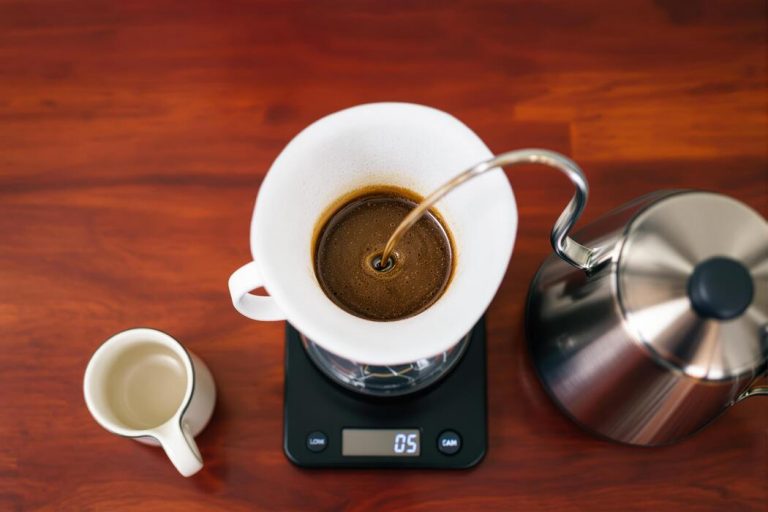
Begin by placing your preferred pour-over dripper, such as a V60 or Chemex, directly atop a heat-resistant glass carafe. Before adding coffee, rinse the paper filter with hot water to remove any papery taste and pre-heat the dripper; however, ensure you discard this rinse water from the carafe before proceeding.
Next, add your measured ice cubes directly into the carafe so the hot coffee drippings flash-chill upon contact. Place your medium-fine coffee grounds into the filter and level them to create a flat bed for even extraction.
Using a digital scale is critical here; tare the scale to zero once the ice and coffee are in place to ensure your water pours are accurate. This setup is designed to preserve the bright acidity and floral notes of the bean.
By chilling the extract instantly, you prevent the oxidation that typically occurs when hot coffee cools slowly at room temperature, resulting in a crisp, clean finish that highlights the unique characteristics of your chosen single-origin beans or specialty roast.
Pouring techniques for maximum flavor
Start the brewing process by pouring just enough hot water to saturate the grounds, then allow the coffee to bloom for 30 seconds. This release of carbon dioxide is vital for ensuring the remaining water can penetrate the grounds effectively.
After the bloom, continue with slow, circular pours to maintain a consistent temperature and even saturation. Since you are using a smaller volume of hot water, your total brew time should be slightly shorter than a standard hot pour-over, typically between two to three minutes.
Focus on pouring in steady, concentric circles while avoiding the very edges of the filter to prevent bypassing. As the concentrated coffee drips onto the ice, it will melt the cubes and reach the perfect dilution level instantly.
Once the liquid has finished draining, swirl the carafe gently to ensure the temperature is uniform and any remaining ice is integrated. This technique results in a bright, nuanced cup that captures the complexity of a hot brew with the refreshing chill of an iced beverage.
How to sweeten hot coffee for icing
Dissolving sugar in hot liquid
The most effective way to ensure your iced coffee is perfectly balanced is to add granulated sugar while the coffee is still piping hot. Granulated sugar, brown sugar, and even honey require high thermal energy to break down their crystalline structures efficiently.
When you stir sweeteners into a hot brew, the molecules disperse evenly, creating a homogenous solution that won’t leave gritty residue at the bottom of your glass once chilled.
If you wait until the coffee is cold to add these solids, they will simply sink and fail to incorporate, leading to a bitter drink with a mouthful of sand-like sugar at the end.
To master this technique, brew your coffee slightly stronger than usual to account for future dilution, then whisk in your chosen sweetener immediately after the brewing cycle finishes.
This foundational step ensures that every sip maintains a consistent profile, allowing the natural notes of the bean to harmonize with the sweetness before the cooling process begins.
Making simple syrups at home
If you prefer to sweeten your coffee after it has already cooled, liquid simple syrup is the ultimate professional solution. Because the sugar is already fully dissolved in water, it integrates instantly into cold liquids without the need for heat.
You can easily prepare a batch by combining equal parts water and white sugar in a small saucepan over medium heat. Stir the mixture until the liquid becomes completely clear, then remove it from the stove to cool.
For a richer texture, try a ‘rich simple syrup’ using a two-to-one sugar-to-water ratio. Once bottled and refrigerated, these syrups last for weeks and provide a smooth, consistent sweetness that mimics your favorite coffee shop experience.
You can even customize your base by adding a splash of vanilla extract or a pinch of sea salt. Using syrups allows you to fine-tune the sweetness level of your iced coffee incrementally, ensuring you never over-sweeten a batch while trying to achieve the perfect flavor balance for your palate.
Using flavored creamers and sauces
For those who enjoy a more indulgent, dessert-like beverage, flavored creamers and thick dessert sauces offer a dual benefit of sweetening and adding body. Unlike thin syrups, dairy-based or plant-based creamers contain fats that provide a silky mouthfeel which stands up well to the dilution of melting ice.
When turning hot coffee into an iced treat, try stirring in a tablespoon of sweetened condensed milk or a high-quality chocolate ganache while the liquid is warm to create a luxurious, integrated base.
If using store-bought liquid creamers, wait until the coffee has reached room temperature or is poured over ice to prevent the proteins from curdling. These products often contain stabilizers that help maintain a consistent flavor profile throughout the drinking experience.
Using sauces like caramel or white mocha allows you to layer flavors effectively, turning a standard cup of home-brewed hot coffee into a sophisticated iced latte.
Always remember to stir vigorously to ensure the heavier sauces don’t settle, maintaining a rich and flavorful composition from the first sip to the last.
Tips for choosing the right coffee beans

Why light roasts work for iced drinks
When you are learning how to make iced coffee from hot, selecting a light roast can significantly elevate the final profile of your beverage. Light roasts are prized for their high acidity and complex floral aromas, which remain remarkably distinct even after the coffee is rapidly chilled over ice.
Because these beans are roasted for a shorter duration, they retain more of the original characteristics of the coffee cherry, offering a tea-like quality that feels incredibly refreshing on a hot day.
To get the best results, use a pour-over method with extra grounds to ensure the melting ice does not dilute those delicate nuances.
Focusing on single-origin beans from East Africa often yields the brightest results, providing a crisp finish that mimics the experience of a cold brew but with the added complexity of a hot extraction.
This approach ensures your iced drink is vibrant rather than flat, highlighting the intrinsic fruit flavors that light roasts are famous for across the specialty coffee world.
The benefits of medium-dark roasts
Choosing a medium-dark roast is a strategic move when you want your iced coffee to stand up against heavy mixers like cream, sugar, or flavored syrups.
These beans undergo a longer roasting process that develops bold, caramelized sugars and a heavier body, which prevents the coffee from tasting thin or watery once it hits the ice cubes.
The natural oils present in darker roasts provide a velvety mouthfeel that is highly satisfying in a cold format, offering a classic ‘coffee’ flavor that many drinkers crave.
When brewing hot to serve cold, these roasts maintain their structural integrity and bitterness, ensuring that the caffeine kick is accompanied by a robust profile that isn’t easily masked by dilution. Look for beans labeled as Full City or Vienna roasts to achieve that perfect balance of smokiness and sweetness.
This choice is ideal for those who prefer a traditional, punchy iced coffee that remains flavorful from the first sip down to the very last drop.
Selecting beans with citrus or chocolate notes
To master the art of transitioning hot coffee into a cold masterpiece, you must pay close attention to the specific flavor notes listed on the bean packaging.
Beans with pronounced citrus or berry notes are fantastic for black iced coffee drinkers, as the cold temperature enhances the perceived brightness and mimics the snap of a cold lemonade or fruit juice.
Conversely, if you enjoy adding dairy or alternatives, selecting beans with deep chocolate or nutty undertones will provide a dessert-like richness that complements the milk perfectly. These flavor profiles are generally more stable during the cooling process, ensuring that the aromatic compounds do not turn sour when the temperature drops.
By matching your bean’s profile to your serving style, you can create a customized sensory experience that rivals any professional cafe.
Whether you prefer the zing of a lemon zest finish or the smooth comfort of a cocoa-heavy brew, the right bean selection is the foundation of a high-quality homemade iced coffee that never tastes diluted.
Common mistakes when cooling hot coffee
Putting hot glass in the freezer
One of the most dangerous mistakes when learning how to make iced coffee from hot is placing a freshly brewed glass carafe directly into the freezer.
This rapid temperature shift creates intense thermal shock, which can cause the glass to shatter or explode, potentially damaging your appliance and ruining your beverage.
Instead of relying on the freezer for an instant fix, you should allow the coffee to sit at room temperature for a few minutes or use a durable stainless steel container that can handle the transition.
If you must use the freezer, ensure the liquid has cooled significantly first and use tempered glassware designed for temperature fluctuations.
A better alternative is to utilize a metal cocktail shaker or a dedicated rapid-chilling vessel, which can safely conduct heat away from the liquid without the risk of structural failure. Prioritizing safety over speed ensures you enjoy your drink without a hazardous mess to clean up afterward.
Waiting too long to add ice
Timing is everything when you want to transform a hot brew into a refreshing cold drink. A frequent error is waiting until the coffee is lukewarm before introducing ice, which often leads to a flat and unappealing flavor profile.
To achieve the best results, you should use the flash-chilling method by brewing directly over ice or adding ice immediately after the brewing cycle finishes.
This technique helps to lock in the volatile aromatic compounds that give coffee its complex taste, preventing them from evaporating into the air as the liquid sits.
If you wait too long, the coffee begins to oxidize, resulting in a bitter or sour aftertaste that no amount of sweetener can fully fix. By acting quickly, you maintain the integrity of the bean’s profile.
Remember to brew your coffee at a higher concentration to account for the immediate dilution that occurs when the hot liquid hits the ice cubes, ensuring a bold and balanced finish.
Using low-quality tap water for ice
The quality of your ice is just as important as the quality of your beans when making iced coffee from hot. Many people overlook the fact that ice eventually melts, becoming a primary ingredient in the final drink.
Using low-quality tap water for ice cubes can introduce unwanted minerals, chlorine, or metallic tastes that clash with the delicate notes of your coffee.
To elevate your home setup, always use filtered or bottled water to freeze your ice, ensuring a clean and neutral base that allows the coffee’s natural sweetness to shine. Furthermore, consider making ‘coffee ice cubes’ by freezing leftover brew; this prevents any dilution whatsoever as the cubes melt.
If you stick to standard ice, ensure your freezer tray is clean and free from food odors, as ice easily absorbs scents from nearby items like onions or fish. Taking this extra step ensures that every sip remains crisp, refreshing, and entirely free from distracting off-flavors that ruin the experience.
Creative recipes for your iced coffee
Classic vanilla iced latte
To transform your freshly brewed hot coffee into a refreshing classic vanilla iced latte, start by stirring two teaspoons of sugar and a splash of vanilla extract into your hot mug so the granules dissolve completely.
The secret to avoiding a watery drink is to brew your coffee at double strength to compensate for the melting ice cubes later. Once the base is sweetened, let the coffee sit at room temperature for five minutes before placing it in the freezer for a quick ten-minute chill.
When you are ready to serve, fill a tall glass to the brim with large ice cubes and pour the concentrated coffee over the top. Leave enough space to add cold whole milk or oat milk, which provides a creamy texture that balances the bold acidity of the beans.
This method ensures a professional cafe-quality beverage that retains its rich flavor profile. Stir gently with a long spoon to incorporate the layers and enjoy a perfectly chilled vanilla treat immediately.
Salted caramel iced coffee
Creating a decadent salted caramel iced coffee from a hot brew requires a few strategic steps to maintain the integrity of the caramel notes.
Begin by brewing a dark roast and immediately whisking in a tablespoon of caramel sauce and a tiny pinch of sea salt while the liquid is still steaming. This ensures the caramel integrates smoothly without clumping at the bottom of the glass.
To speed up the cooling process without dilution, try the shaker method by placing the hot mixture into a cocktail shaker filled with ice and shaking vigorously for thirty seconds. This aerates the coffee and creates a beautiful froth while dropping the temperature instantly.
Strain the chilled liquid into a fresh glass filled with ice to keep it crisp. For an extra touch of luxury, drizzle additional caramel syrup along the inside walls of the glass before pouring.
This technique provides a sophisticated sweet and salty balance that rivals any high-end coffee shop offering during the warm summer months.
Mocha mint iced coffee
For a refreshing twist on a traditional mocha, you can easily adapt your hot coffee into a mocha mint masterpiece. While your coffee is still piping hot, stir in a tablespoon of high-quality cocoa powder and a drop of peppermint extract.
Using a handheld milk frother to blend the cocoa ensures a silky, lump-free consistency that is essential for an enjoyable iced beverage. If you have time, the best way to prevent a diluted drink is to use pre-frozen coffee ice cubes instead of regular water-based ones.
This allows you to pour your warm mocha mixture directly over the coffee cubes without losing any flavor intensity as they melt. Top the drink with a splash of heavy cream or coconut milk to complement the chocolate base.
The combination of cooling mint and rich chocolate creates a revitalizing sensation that is perfect for an afternoon pick-me-up. Garnish with a fresh mint leaf or chocolate shavings to elevate the visual appeal and enhance the aromatic experience of your homemade creation.
Frequently Asked Questions
Can I pour hot coffee directly over ice?
Yes, but it will dilute the flavor significantly as the ice melts. To prevent a watery drink, brew your coffee at double strength or use coffee ice cubes to maintain the bold flavor.
How can I quickly cool down hot coffee for iced coffee?
The fastest way is to pour the hot coffee into a metal cocktail shaker with ice and shake vigorously for 30 seconds. Alternatively, place the coffee container in an ice bath or the freezer for 15-20 minutes before serving.
What is the best ratio for making iced coffee from hot?
Use a 1:1 ratio of coffee grounds to water for a concentrated brew. Since half of your liquid volume will eventually come from melting ice, starting with a concentrated hot base ensures the final drink isn’t weak.
Should I add sugar to hot or cold coffee?
It is best to add sugar or sweeteners while the coffee is still hot so they dissolve completely. If the coffee is already cold, use a liquid simple syrup to avoid a grainy texture at the bottom of your glass.
How do I prevent my iced coffee from tasting bitter?
Bitterness often comes from over-extraction or pouring boiling water directly on grounds. Use water just below boiling and ensure you are using a clean filter to achieve a smooth, crisp taste once cooled.
How long does hot coffee take to cool in the fridge?
Hot coffee typically takes about 1 to 2 hours to reach a cool enough temperature in the refrigerator. To speed this up, transfer the coffee to a wide, shallow container to increase the surface area for heat loss.
Conclusion
Transforming a fresh pot of hot coffee into a refreshing iced beverage is simple when you use the right cooling techniques. Now that you have mastered these quick tips, it is time to experiment with your favorite syrups and creams. Go ahead, get creative, and enjoy your perfect homemade brew.