Nespresso Frother Latte Art
If you are wondering whether your Nespresso frother can create beautiful latte art, the answer is a resounding yes. While these machines are famous for thick foam, achieving that silky microfoam needed for designs just requires a simple technique adjustment. In this guide, we will show you exactly how to texture your milk using an Aeroccino or Barista device to pour hearts and rosettes like a pro.
Can You Make Latte Art With a Nespresso Aeroccino?
The Science of Microfoam vs. Macrofoam
To master latte art, you must understand that the Aeroccino is designed primarily for convenience, often producing thick macrofoam rather than the silky microfoam required for pouring designs.
Macrofoam consists of large, visible bubbles that sit stiffly on top of the coffee, whereas true microfoam is a liquid emulsion of milk and tiny air bubbles that creates a wet paint consistency.
When using an Aeroccino, the spinning whisk introduces air rapidly, which can lead to a separation of dry foam and hot milk. To bridge this gap, you must manually intervene by swirling the pitcher vigorously after the cycle finishes.
This integration technique helps incorporate the larger bubbles back into the liquid base. By focusing on creating a glossy surface sheen, you can transform standard frother output into a pourable medium.
Achieving this texture is the fundamental hurdle for any Nespresso user aiming for professional visual results at home without a traditional steam wand.
Why Standard Aeroccino Settings Often Fail
The primary reason the standard Aeroccino settings struggle with latte art is the fixed whisk speed and duration, which typically over-aerates the milk. Most users simply press the button and wait, resulting in a foam that is far too stiff to flow through the espresso crema.
To fix this, try removing the metal coil from the whisk attachment to reduce air intake, or manually stop the device about ten seconds before the cycle ends. Stopping the process early prevents the foam from becoming too rigid and dry.
Additionally, the type of milk used plays a critical role; whole dairy milk provides the best fat-to-protein ratio for stability. If you find your foam is still too thick, try pouring the milk into a separate stainless steel latte pitcher immediately after frothing.
This transfer helps break down the structural integrity of the macrofoam, allowing for a more fluid pour that can actually form hearts or rosettas on your coffee’s surface.
The Difference Between the Aeroccino 3, 4, and Spuma
When comparing models for latte art potential, the Aeroccino 4 is the superior choice because it offers four distinct settings, including a specific button for thin, silky foam. Unlike the Aeroccino 3, which is essentially an on-off system, the version 4 allows for more control over the final density.
The Aeroccino 3 often requires the ‘no-coil’ hack to get anywhere near a pourable consistency. Meanwhile, the Nespresso Barista Device (sometimes referred to in the Spuma category) utilizes an integrated app and specialized stirring patterns to mimic a cafe experience more closely.
If you are serious about aesthetics, the handle on the Aeroccino 4 provides a much better grip for the steady, controlled movements needed during a pour.
While the Aeroccino 3 is a classic for cappuccinos, those looking to graduate to complex designs will find the versatility of the newer models much more conducive to achieving the delicate balance of heat and aeration required for high-end latte art.
Best Milk Choices for Nespresso Latte Art

Why Whole Milk is the Gold Standard
For anyone using a Nespresso Aeroccino or steam wand to create intricate latte art, whole dairy milk remains the undisputed champion. The primary reason is its balanced chemical composition, which provides the ideal canvas for pouring hearts or rosettes.
When you froth whole milk, the high concentration of saturated fats works to coat the air bubbles, creating a thick, velvety texture known as microfoam.
This specific consistency is crucial because it allows the milk to sit on top of the espresso crema rather than sinking immediately to the bottom of the cup.
For the best results, always start with refrigerated cold milk, as this gives the Nespresso frother more time to incorporate air before the milk reaches the target temperature.
Achieving that glossy, paint-like finish requires the consistency that only full-fat dairy can consistently provide, ensuring your designs hold their shape from the first sip to the very last drop of your morning latte.
Top Plant-Based Alternatives for Frothing
If you prefer non-dairy options, not all plant milks are created equal when it comes to the Nespresso frothing process. To achieve professional-grade results, you should specifically look for Barista Edition labels, which are formulated with added stabilizers to prevent curdling when hitting the acidic espresso.
Oat milk is widely considered the best alternative because its natural creaminess and carbohydrate structure closely mimic the behavior of dairy. It produces a dense, reliable foam that allows for clear definition in your latte art designs.
Soy milk is another strong contender due to its high protein levels, which help maintain a sturdy foam structure. However, you should generally avoid thin alternatives like almond or rice milk unless they are specifically designed for frothing, as they often produce large, soapy bubbles that dissipate too quickly.
Choosing a high-quality, fat-enriched plant milk ensures your Nespresso machine can generate the smooth microfoam necessary for high-level artistic expression and a premium mouthfeel.
The Role of Fat and Protein Content in Foam Stability
Understanding the science of milk is the secret to mastering Nespresso latte art. The two main components responsible for your success are proteins and fats. Proteins, specifically whey and casein, are what allow the milk to trap air and form the initial structure of the foam.
This is why skim milk froths so easily but often results in a dry, stiff foam that is impossible to pour into designs. On the other hand, fat content is responsible for the stability, flavor, and silky texture of the microfoam.
The fat acts as a lubricant, breaking down larger bubbles into microscopic ones that create that desired ‘wet paint’ look. For the perfect pour, you need a milk that balances these two elements perfectly.
If your foam is too stiff, try using milk with a slightly higher fat content or reducing the frothing time. By focusing on protein for structure and fat for texture, you can troubleshoot your Nespresso technique to produce consistent, café-quality latte art every single time you brew.
How to Get the Perfect Microfoam Texture
The Paperclip Hack for Aeroccino 3 Users
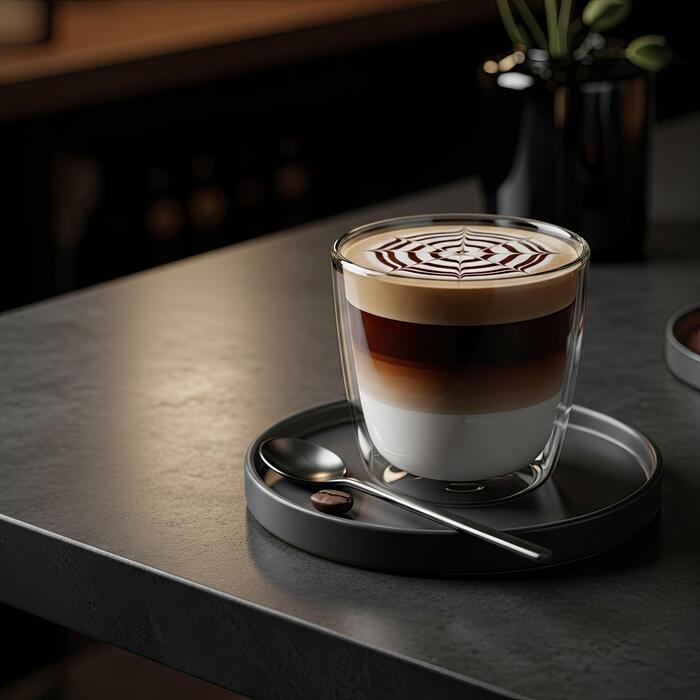
To achieve the liquid-paint consistency required for latte art, you must modify how the Nespresso Aeroccino 3 interacts with the milk. The standard whisk often introduces too much air, creating a stiff foam that sits on top of the coffee rather than blending with it.
By using the paperclip hack, you can prevent the whisk from spinning at its maximum aeration capacity. Simply straighten a small metal paperclip and wrap it around the spiral spring of the whisk to provide slight resistance.
This physical modification slows the agitation process just enough to create micro-bubbles rather than macro-foam. When the whisk spins with this added weight, it creates a gentle whirlpool effect that incorporates air much more slowly.
This results in a texture that is glossy, pourable, and capable of creating intricate designs like hearts or rosettas. Ensure you use fresh, cold whole milk to maximize the effectiveness of this mechanical adjustment for the best results.
When to Stop the Frothing Cycle Manually
One of the most common mistakes when using a Nespresso frother is letting the automatic cycle run until it shuts off. For the perfect latte art texture, the milk often becomes too thick and dry if left to finish its programmed timing.
To master your pour, you should manually stop the device approximately five to ten seconds before the cycle ends. You are looking for a specific visual cue: the milk should have a reflective, wet-paint sheen and should still be swirling fluidly in the jug.
If the foam begins to look matte or stands in stiff peaks, it has been over-aerated for art. By interrupting the heating process early, you ensure the proteins in the milk stay elastic and the microfoam remains integrated with the liquid milk.
This balance is crucial for the ‘canvas’ of your latte, allowing the white foam to cut through the espresso crema smoothly without clumping or separating prematurely during your pour.
Removing Large Bubbles for a Silky Finish
Even with perfect timing, the Nespresso frother may still produce a few stubborn surface bubbles that can ruin the detail of your latte art. As soon as the whisking stops, immediately remove the jug and firmly tap it on a flat countertop.
This physical shock collapses the larger, unstable bubbles, leaving only the uniform micro-texture behind. After tapping, it is essential to continuously swirl the milk in a circular motion within the pitcher.
This constant movement prevents the foam from separating from the liquid milk, a process known as ‘setting.’ If you let the milk sit for even thirty seconds, the foam will rise to the top, making it impossible to pour a clean design.
Keep the milk moving until the very second you are ready to pour into your espresso. This technique ensures a homogenous, velvety consistency that flows out of the spout with the precision needed for professional-looking patterns and a luxurious mouthfeel in every single cup.
Essential Tools to Pair With Your Nespresso Frother
Why You Need a Dedicated Stainless Steel Pitcher
While the Nespresso Aeroccino is excellent at heating milk, pouring intricate designs directly from the frother is nearly impossible due to its wide rim and lack of a precision spout. To achieve professional results, you must transfer your frothed milk into a stainless steel latte art pitcher.
This tool is essential because the sharp or rounded spout provides the controlled flow necessary for drawing hearts, rosettes, or tulips. The metal walls also allow you to tap the pitcher on the counter to pop large bubbles, ensuring a silky microfoam texture.
Furthermore, the conductivity of the steel helps you monitor the temperature with your hand, ensuring the milk hasn’t cooled too much during the transfer process.
By swirling the milk in a dedicated pitcher before you begin your pour, you integrate the foam and liquid for a glossy finish that mimics the quality of a high-end coffee shop, making your home-brewed Nespresso latte look truly exceptional.
Choosing the Right Size Latte Cup
The canvas for your art is just as important as the milk itself, which is why selecting a wide-mouthed ceramic cup is a critical step for Nespresso enthusiasts.
Standard coffee mugs are often too deep and narrow, causing the espresso and milk to mix too quickly and drowning your design before it can surface. Instead, opt for a 6 to 8-ounce bowl-shaped cup that provides a broad surface area for the foam to spread across.
This shallow depth allows you to get the tip of your pitcher closer to the surface of the coffee, which is the secret to making the foam ‘float’ rather than sink.
Additionally, a cup with a rounded interior base helps the espresso and milk to swirl together smoothly, creating a consistent crema base that holds the white microfoam in place.
Investing in the right glassware ensures that your Nespresso latte art has the space it needs to bloom, turning a simple morning caffeine fix into a visual masterpiece.
Using Etching Tools for Beginners
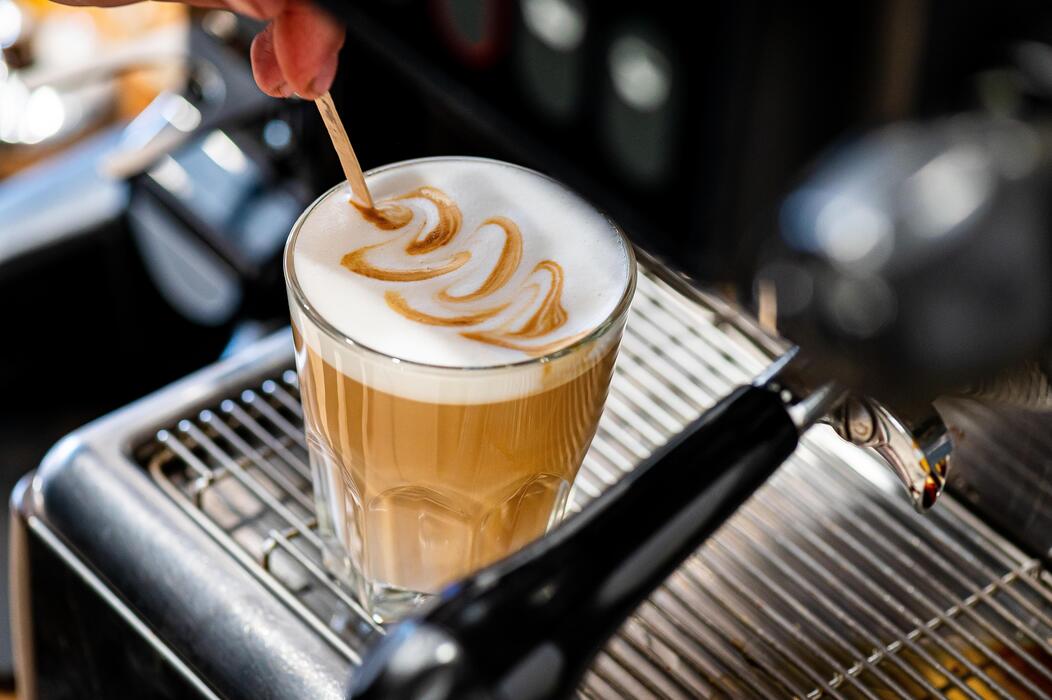
If you find the free-pour technique challenging with the Nespresso frother’s foam consistency, latte art etching tools are a fantastic solution for creating detailed designs. These dual-sided stainless steel pens feature a pointed tip for fine lines and a paddle end for moving larger amounts of foam.
To use them effectively, start by pouring a basic circle of white foam onto your espresso, then use the tool to drag patterns through the crema, creating stars, swirls, or animal shapes.
You can also use these tools to bridge the gap between thick Aeroccino foam and the liquid milk by manually sculpting the surface.
For an added professional touch, use your etching tool to pick up a small amount of dark coffee crema and ‘paint’ onto the white foam for high-contrast details.
This method is much more forgiving than traditional pouring and allows beginners to produce impressive, Instagram-worthy results with minimal practice, making the most of the unique foam density that Nespresso machines typically produce.
Step-by-Step Guide to Pouring Your First Design
Preparing the Espresso Base and Crema
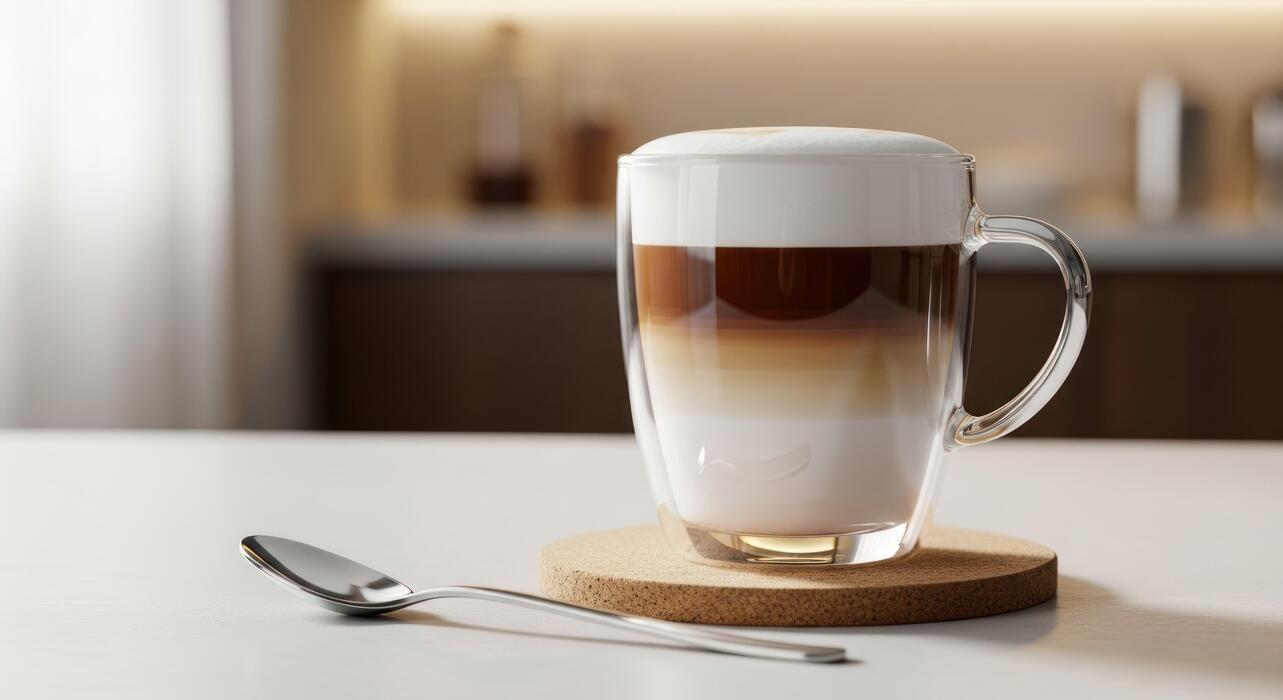
To achieve successful latte art with a Nespresso frother, start by brewing your espresso shot into a wide-mouthed cup. Use a high-intensity Nespresso capsule to ensure a thick, resilient crema that acts as the canvas for your milk.
While your coffee brews, prepare your milk in the Aeroccino or Barista device. It is critical to use the latte whisk setting or the specific latte art program to create microfoam rather than stiff, dry foam.
If using an Aeroccino, remove the spring from the whisk to achieve a silky, pourable texture. Once the frother finishes, immediately swirl the milk pitcher vigorously to incorporate any bubbles and maintain a glossy, wet-paint consistency.
If the milk sits for too long, it will separate, making a detailed design impossible. Swirl your espresso gently to break up any large air bubbles in the crema, ensuring a smooth, uniform surface that is ready to receive the milk stream for a professional-looking finish.
The High-to-Low Pouring Technique
The secret to Nespresso latte art lies in managing the distance between the pitcher and the cup. Begin your pour from about three to four inches above the cup, directing a thin, steady stream into the deepest part of the espresso.
This high starting position allows the milk to dive under the crema, creating a brown base without leaving white streaks on the surface. Slowly fill the cup until it is about two-thirds full while maintaining a consistent flow rate.
Once you reach this level, lower the pitcher spout as close to the liquid surface as possible and increase your pour speed. This change in proximity and velocity allows the lighter microfoam to finally rest on top of the crema rather than sinking.
As the white foam begins to bloom and form a circle, you have successfully mastered the transition from integration to decoration, setting the stage for your final shape whether you are aiming for a classic heart or a simple tulip.
How to Finish the Design with a Draw-Through
As the white foam circle expands near the top of your cup, you must execute the final movement to define your design. To finish a heart, keep the pitcher close to the surface until the cup is nearly full, then lift the pitcher slightly to thin out the milk stream.
In one fluid motion, move the pitcher forward to strike through the center of the white circle. This ‘draw-through’ motion pulls the foam into a symmetrical heart shape.
If you are using a Nespresso Barista machine, the microfoam is often dense, so ensure your strike-through is quick to avoid dragging too much foam and distorting the image. If the design looks lopsided, practice your centering and alignment during the initial pour.
Remember that speed control is vital; moving too slowly during the cut will result in a thick, blurry line, while a swift, steady lift and swipe creates the sharp, crisp tail characteristic of professional latte art found in high-end specialty cafes.
Common Nespresso Latte Art Problems and Fixes
What to Do When Foam is Too Thick
If your Nespresso Aeroccino produces foam that resembles a stiff meringue rather than silky paint, the primary culprit is often the whisk choice or the frothing duration. To achieve the perfect texture for latte art, you must aim for microfoam rather than dry foam.
If you are using an older Aeroccino model, ensure you are using the smooth whisk ring instead of the coiled spring whisk, as the spring incorporates far too much air for pouring designs.
For those using the Aeroccino 4 or Barista Creator, select the latte art setting specifically designed for lower aeration. If the foam still feels too dense, immediately pour the milk into a stainless steel pitcher and swirl it vigorously against the counter.
This action helps re-incorporate the liquid milk with the bubbles. If it remains stubborn, use a spoon to scoop off the top layer of stiff foam before you begin your pour.
This allows the fluid microfoam underneath to flow freely, which is essential for creating crisp lines and defined shapes in your espresso.
How to Fix Thin, Watery Milk
Thin or watery milk is a common frustration that typically stems from the fat and protein content of the milk or a lack of initial aeration.
For the best results with Nespresso machines, always use fresh, ice-cold whole milk, as the higher fat content provides the structural integrity needed for stable microfoam. If you prefer plant-based options, ensure you are using a ‘Barista Edition’ alternative, which is fortified with stabilizers to mimic dairy behavior.
Another fix involves the timing of your stretch; if your machine allows manual control, ensure you introduce air at the very beginning of the cycle when the milk is coldest. If using an automated frother, check that the magnetic whisk is spinning freely and is not obstructed by residue.
Sometimes, simply purging the steam wand or cleaning the whisk assembly can restore the pressure needed to create that creamy, paint-like consistency. Remember that watery milk will simply dive under the crema, so building a small amount of volume through proper aeration is vital for surface tension.
Preventing the ‘Blob’ Effect
The dreaded ‘white blob’ occurs when the foam and liquid milk have separated, causing a thick clump to fall out at the end of the pour. To prevent this, you must maintain a constant state of motion.
As soon as the Nespresso frother finishes its cycle, tap the pitcher firmly on the counter to pop large bubbles and then swirl the milk continuously until it looks like glossy, melted ice cream. This keeps the milk integrated.
When you begin your pour, start with a high distance and a thin stream to pierce the crema without disturbing it. This builds the base of your drink.
Once the cup is half full, lower the pitcher’s spout as close to the liquid surface as possible and increase the flow rate. This change in physics allows the white microfoam to finally rest on top of the espresso rather than sinking.
If you wait too long after frothing, the milk will inevitably separate, so speed and continuous swirling are your best tools to ensure a smooth, professional-looking pour every single time.
Tips for Advanced Nespresso Latte Art Designs
How to Pour a Basic Heart
Mastering the basic heart is the first step toward becoming a Nespresso latte art expert. Start by tilting your cup at a 45-degree angle and holding your Aeroccino pitcher high above the surface.
Pour a steady, thin stream of microfoam into the center of the espresso to create a solid base without breaking the crema. Once the cup is half full, lower the pitcher nozzle as close to the liquid as possible and increase the flow rate.
You will see a white circle begin to form on the surface. Keep the pitcher centered and continue pouring until the circle nearly fills the cup.
To finish the design, lift the pitcher slightly and drag a thin line of milk straight through the center of the circle to create the point of the heart. Using fresh, cold whole milk ensures the velvety texture needed for this foundational shape.
Consistency in your pour speed is the secret to achieving a symmetrical and defined heart pattern every time.
Simple Rosetta Patterns for Home Baristas
The rosetta is an elegant design that requires a rhythmic motion and precise control over your Nespresso frother output. Begin by pouring your milk from a height to establish the base, then lower the pitcher close to the crema when the cup is about one-third full.
As the white foam appears, start a gentle side-to-side wiggling motion with your wrist. This movement creates the ‘leaves’ or layers of the rosetta. While continuing to wiggle, slowly move the pitcher toward the back of the cup to elongate the design.
The key is to maintain a fluid, rhythmic pace without rushing the layers. Once you reach the top edge, stop the wiggling motion, lift the pitcher, and draw a quick, straight line back through the center of the pattern to create the stem.
This technique relies heavily on the quality of your microfoam; it must be glossy and pourable, resembling wet paint, to ensure the intricate layers remain distinct and do not blur together.
Creating Layered Designs with Etching
If you struggle with free-pour techniques, etching is a fantastic way to create professional-looking designs using your Nespresso setup. Start by pouring a standard latte with a thick layer of foam on top. Use a specialized etching tool or a simple toothpick to manipulate the crema and milk foam.
You can create a ‘spiderweb’ effect by drizzling chocolate syrup in concentric circles over the foam and then dragging your tool from the center outward.
Alternatively, try placing small dots of espresso on top of the white foam and dragging the needle through them to create a chain of tiny hearts. Etching allows for high precision and is much more forgiving than traditional pouring.
For the best results, ensure your foam is dense and stable so it can support the weight of syrups or additional espresso drops.
This method transforms a standard morning coffee into a visual masterpiece with minimal effort, making it perfect for impressing guests or simply elevating your daily caffeine ritual at home.
Frequently Asked Questions
Can you make latte art with a Nespresso Aeroccino?
Yes, but it requires technique. You must remove the whisk’s spiral spring to create ‘microfoam’ rather than stiff, dry foam, which is necessary for pouring designs.
Which Nespresso frother is best for latte art?
The Nespresso Barista Device is the most effective for latte art because it has specific settings for liquid microfoam. The Aeroccino 4 is also preferred over earlier models due to its improved handle and spout design.
How do I get the right milk consistency for latte art?
Use cold, fresh whole milk and froth it using the ‘latte’ setting or without the spring attachment. Once finished, swirl the pitcher vigorously and tap it on the counter to pop large bubbles, creating a glossy, paint-like texture.
Why is my Nespresso foam too thick for latte art?
Thick, ‘spoonable’ foam is usually caused by the metal spring on the Aeroccino whisk, which incorporates too much air. Removing the spring or using a Nespresso machine with a steam wand, like the Creatista, allows for the fluid texture needed for pouring.
Should I use a separate pitcher for pouring?
Yes, transferring the frothed milk from the Aeroccino into a dedicated stainless steel latte art pitcher with a narrow spout provides significantly better control for creating intricate patterns like hearts or rosettas.
Do Nespresso pods affect latte art quality?
The coffee base matters; using a Nespresso capsule with a rich crema, such as the Ispirazione Italiana range, provides the necessary surface tension and contrast for the white milk to sit on top of the espresso.
Conclusion
Mastering latte art with your Nespresso frother is a rewarding journey that blends technique with creativity. By focusing on milk temperature, achieving the perfect microfoam consistency, and practicing steady pouring motions, you can transform your daily caffeine fix into a visual masterpiece. Do not be discouraged by initial attempts; consistency is key to success. Keep experimenting with different patterns and textures. With patience and these helpful tips, you will soon be crafting professional-quality lattes right at home.