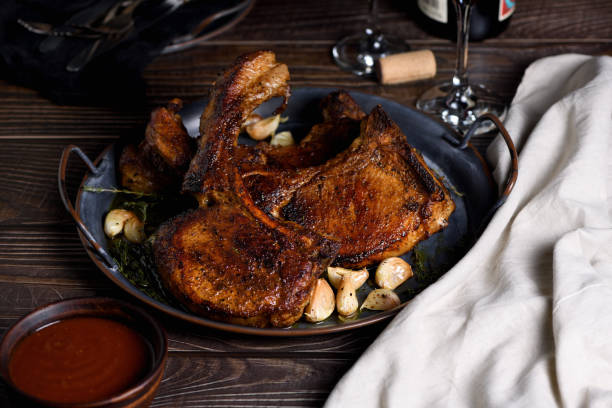
What Wine Pairs With Pork Chops
If you’re wondering what wine pairs with pork chops, you’ve come to the right place. In the next few lines we’ll cut through the confusion and match your juicy, seasoned chops with the perfect glass—whether you prefer a crisp white, a fruity rosé, or a smooth red. Expect quick, practical tips that let you serve a balanced, delicious pairing without the guesswork, so your dinner shines from plate to palate and impress your guests every time.
How to Choose the Right Wine for Pork Chops
Consider the cooking method
Start by looking at how the pork chops are prepared, because the cooking method shapes the wine’s role.
Grilled chops develop smoky char, so choose a wine with enough fruit and a touch of spice, such as a lightly oaked Chardonnay or a medium‑bodied Zinfandel, to stand up to the grill marks.
Pan‑seared chops often have a crisp crust and a buttery finish; a crisp Sauvignon Blanc or a Pinot Noir with bright acidity will cut through the richness without overwhelming the meat.
Braised or slow‑cooked chops are tender and infused with broth or sauce; opt for a fuller wine like a Merlot or a Rioja that mirrors the depth of the sauce. By matching the wine to the cooking technique, you create harmony rather than competition, ensuring each sip enhances the bite.
Enjoy the pairing with a relaxed dinner setting.
Match the flavor intensity
Think about the flavors you’re building on the pork chops and choose a wine that mirrors that intensity. Mild seasoning like salt, pepper, and herbs calls for a subtle wine; a light‑bodied Pinot Grigio or an unoaked Chardonnay provides gentle fruit without stealing the spotlight.
Spicy rubs or peppercorn sauces bring heat, so a wine with a hint of sweetness—such as an off‑dry Riesling or a Gewürztraminer—softens the spice while echoing the aromatic profile.
Rich, sweet glazes like apple‑cider reduction or maple demand a wine with comparable depth; a slightly sweet rosé or a fruit‑forward Malbec can match the caramel notes. By aligning the wine’s flavor strength with the dish’s seasoning level, you keep the palate balanced and the dining experience cohesive.
Taste both together before serving to ensure the wine enhances, rather than masks, the chop’s nuanced profile.
Balance acidity and richness
Acidity and richness are the twin pillars that determine harmony between wine and pork chops. High‑acid wines like a crisp Albariño or a bright Chianti cut through fatty pork, refreshing the palate after each bite and preventing the meat from feeling heavy.
Low‑acid, buttery wines such as an oaked Chardonnay add silkiness that mirrors a creamy mushroom sauce, but they should be paired with leaner chops to avoid cloying richness.
When the dish includes a tangy element—think mustard glaze or a tomato‑based salsa—choose a wine whose acidity matches that zing, for example a Grenache‑based blend or a dry rosé.
Conversely, for sweet‑and‑savory pairings like a honey‑glazed chop, a wine with gentle fruit and moderate acidity, such as a Viognier, will echo the sweetness while keeping the overall mouthfeel balanced. Serve the wine slightly chilled to enhance its refreshing qualities.
Best Red Wines for Grilled Pork Chops
Pinot Noir
When you grill pork chops, a light‑to‑medium Pinot Noir is a reliable companion because its bright acidity and subtle tannins cut through the char while highlighting the meat’s natural sweetness. Choose a Pinot with red‑fruit aromas—cherry, raspberry, and a hint of earth—to echo the smoky notes from the grill.
Look for a wine from Oregon’s Willamette Valley or Burgundy’s Côte d’Auxerre, where the fruit‑forward profile is balanced by fine acidity. Serve the wine slightly chilled, around 55‑60°F, to keep the palate fresh and prevent the alcohol from overwhelming the pork.
Pairing a Pinot with a simple herb rub—thyme, rosemary, and garlic—creates a harmonious blend where the wine’s soft tannins lift the herbs and the pork’s juiciness. This combination works equally well with a glaze of apple cider or a mustard‑honey sauce, making the meal both elegant and approachable.
Zinfandel
Zinfandel’s bold fruit character and peppery spice make it an excellent match for pork chops that have a caramelized crust or a sweet‑and‑spicy glaze. Select a Zinfandel with ripe blackberry, plum, and a touch of cinnamon, which will mirror the smoky grill marks and complement any barbecue sauce you use.
Wines from California’s Sonoma County or Paso Robles often have the right balance of jammy fruit and moderate acidity to cut through the fattier portions of the chop. Decant the wine for 15–20 minutes before serving to soften the tannins and release its aromatic profile.
Pair the Zinfandel with chops seasoned in smoked paprika, brown sugar, and a dash of chili flakes; the wine’s natural spice will echo the heat while its fruitiness softens the heat’s edge.
This duo is perfect for outdoor gatherings, delivering a robust, satisfying flavor experience that keeps guests coming back for more.
Grenache
Grenache offers a medium‑body profile with soft tannins, bright red‑fruit flavors, and a hint of white‑pepper that pairs beautifully with pork chops seasoned simply or with Mediterranean herbs.
Look for a Grenache from Spain’s Priorat or France’s Southern Rhône, where the wine shows juicy strawberry, raspberry, and subtle herbal notes that echo rosemary, oregano, and lemon zest on the meat.
Its moderate acidity lifts the pork’s natural sweetness without overwhelming it, making it ideal for chops brushed with a light olive‑oil glaze or a tomato‑based salsa. Serve the Grenache slightly below room temperature, about 58‑62°F, to keep its fruit forward and its spice lively.
When you add a side of roasted vegetables or a couscous salad, the wine’s gentle spice and fruit synergy creates a balanced plate that feels both rustic and refined, perfect for a relaxed dinner or a weekend barbecue.
Top White Wines for Pan‑Seared Pork Chops
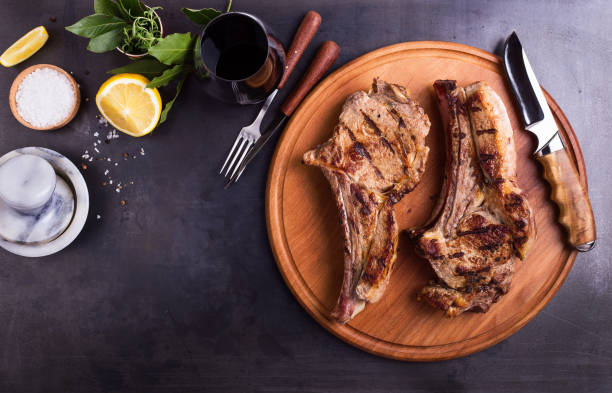
Chardonnay
Chardonnay’s buttery texture and bright acidity make it a natural partner for pan‑seared pork chops. The wine’s subtle oak nuances echo the caramelized crust, while its citrus notes cut through the richness of the meat.
Look for a lightly oaked style from cooler regions such as Burgundy’s Chablis or California’s Sonoma Coast; these offer minerality that lifts the dish without overwhelming it.
If you prefer a fuller body, choose a New World Chardonnay with a touch of vanilla and ripe apple, which will complement a glaze of honey‑mustard or apple‑cider reduction. Serve the wine slightly chilled, around 50‑55°F, to keep the fruit forward and the palate refreshed between bites.
Key pairing tip: match the wine’s acidity to the pork’s fat, and let the oak mirror the sear for a harmonious bite‑by‑bite experience today.
Sauvignon Blanc
Sauvignon Blanc brings crisp acidity and herbaceous aromatics that brighten the savory profile of pan‑seared pork chops. Its green‑apple and lime flavors cut through the meat’s fat, while subtle notes of freshly cut grass and white pepper echo any rosemary or thyme used in the seasoning.
Opt for a New Zealand expression from Marlborough for pronounced tropical zing, or a French Loire Valley Sancerre for a more restrained, mineral-driven palate.
The wine’s light to medium body won’t compete with a buttery pan sauce; instead, it lifts the dish, especially when paired with a citrus‑based glaze or a light mustard vinaigrette. Serve chilled at 45‑50°F to preserve the vibrant aromatics.
Key pairing tip: align the wine’s herbaceous edge with the pork’s seasoning, and let its acidity cleanse the palate, ensuring each bite feels fresh and balanced.
Viognier
Viognier’s lush mouthfeel and aromatic intensity make it an unexpected yet rewarding match for pan‑seared pork chops. The wine offers ripe stone‑fruit aromas—peach, apricot, and a hint of honey—that complement a sweet‑savory glaze or a fruit‑based compote served alongside the meat.
Its low acidity is balanced by a subtle spice note, often reminiscent of ginger or white pepper, which mirrors the seasoning of the pork when black pepper or a light curry rub is used.
Choose a French Rhône‑style Viognier for a restrained profile with mineral undertones, or an Australian version that leans into richer tropical fruit and a fuller body. Serve slightly warmer than typical whites, around 55‑60°F, to showcase its perfume and silky texture.
Key pairing tip: let the wine’s fruit forward character echo the pork’s glaze, while its gentle spice ties the dish together for a harmonious finish.
Pairing Sweet Wines with Glazed Pork Chops
Riesling
Riesling is a classic match for glazed pork chops because its bright acidity balances the richness of the meat while its honeyed notes echo the sweet glaze. Choose an off‑dry Riesling with residual sugar around 2–3 g/L to keep the palate refreshed.
Look for flavors of peach, apricot, and a hint of minerality that will highlight the caramelized surface. Serve the wine chilled at 45–50 °F to preserve its crispness.
When cooking, add a splash of Riesling to the pan sauce; the wine will reduce and intensify, creating a seamless bridge between food and glass. Pair with pork chops glazed in apple‑cider or brown‑sugar sauce for a harmonious blend of sweet and savory that feels both elegant and comforting.
Consider serving a small appetizer of lightly spiced Asian slaw to complement the wine’s floral aromatics, and remember to let the Riesling breathe for a minute before pouring.
Gewürztraminer
Gewürztraminer brings an aromatic intensity that can stand up to the bold flavors of a honey‑glazed pork chop. Its natural perfume of lychee, rose petal, and spice adds a layer of complexity that mirrors the caramel notes in the glaze.
Select a semi‑sweet Gewürztraminer with a touch of residual sugar to match the dish’s sweetness without overwhelming it. Serve slightly cooler than room temperature, around 50–55 °F, to keep the wine’s fragrant profile lively.
In the kitchen, deglaze the pan with a splash of Gewürztraminer and finish the sauce with a knob of butter; the wine’s spice will integrate with the pork’s savory juices.
Pair with pork chops brushed with a ginger‑soy glaze for an Asian‑inspired twist that highlights the wine’s exotic aromatics and balances heat with sweetness. A light garnish of fresh cilantro and a squeeze of lime will brighten the plate, echoing the wine’s citrus edge and keeping the pairing vibrant.
Moscato
Moscato’s gentle fizz and low alcohol make it an unexpected but delightful partner for sweet‑glazed pork chops. The wine’s bright citrus, peach, and orange‑blossom flavors cut through the richness of the meat while its subtle sweetness mirrors the caramelized glaze.
Choose a dry‑style Moscato with a hint of residual sugar and fine bubbles to keep the palate lively. Chill the bottle to 45 °F and serve in a tulip glass to concentrate the aromatic profile.
When cooking, drizzle a spoonful of Moscato into the glaze during the final minutes; the wine will add a delicate sparkle and enhance the fruit notes. Pair with pork chops glazed in a pineapple‑brown‑sugar reduction for a tropical twist that balances the wine’s effervescence with the dish’s sweet‑savory character.
Serve the wine alongside a small side of citrus‑marinated quinoa, which will echo the Moscato’s bright acidity and create a cohesive, refreshing dining experience.
Tips for Pairing Rosé with Pork Chop Dishes
Dry rosé options
Choose a crisp, dry rosé with bright acidity to cut through the richness of pork chops. Look for Provence‑style rosés made from Grenache, Cinsault, and Rolle, which offer mineral notes and subtle citrus that highlight the meat without overwhelming it.
Opt for a rosé with 10‑12% alcohol to keep the palate light, especially if the chops are grilled or pan‑seared with herbs. Pairing a dry rosé with a simple herb rub or a light mustard glaze creates a harmonious balance, as the wine’s acidity refreshes the palate between bites.
Serve the wine slightly chilled (around 50‑55°F) to preserve its freshness, and consider a glass before the meal to set the tone for a cohesive dining experience. Examples include Whispering Angel from Côtes de Provence or Miraval, both offering clean fruit and a saline finish that complements pork’s savory notes.
Avoid overly oaky styles, as they can clash with the delicate flavor of the meat.
Fruit‑forward rosé
Select a fruit‑forward rosé when your pork chops are prepared with sweet or spicy elements. Seek rosés with ripe strawberry, peach, and watermelon aromas, often derived from a higher proportion of Grenache or Pinot Noir, which echo the caramelized glaze or fruit‑based BBQ sauce on the meat.
Aim for a wine with 12‑13% alcohol to match the intensity of a honey‑mustard or apricot glaze, providing enough body without drowning the dish. The natural fruit sweetness balances the pork’s savory richness, while the wine’s moderate acidity keeps the palate lively.
Pair a rosé from the Loire Valley or California that showcases bright red‑fruit character, such as a Sancerre rosé or a Sonoma County rosé, for a vibrant contrast.
Serve the wine slightly cooler than room temperature to emphasize its fruit profile, and enjoy a sip between bites to highlight the interplay of sweet and savory flavors.
Serving temperature
Temperature plays a crucial role in how rosé interacts with pork chops, ensuring the wine’s nuances are fully expressed. Serve rosé at 50‑55°F (10‑13°C) to preserve its crisp acidity and fruit vibrancy without muting the subtle herbal or smoky notes of the meat.
If the wine is too cold, the fruit flavors become muted; if too warm, the alcohol and sweetness can overwhelm the pork’s delicate texture.
To achieve the ideal temperature, place the bottle in the refrigerator for 45‑60 minutes before service, or chill it in an ice bucket for 20 minutes if you’re short on time.
Use a wine glass with a slightly tapered rim to concentrate aromas, allowing you to appreciate the floral and berry scents that complement a rosemary‑rubbed or apple‑cider glazed chop. Re‑cool the wine between courses if it warms up, maintaining a consistent tasting experience throughout the meal.
Common Pairing Mistakes to Avoid
Overpowering tannins
One frequent error is reaching for a heavily tannic red, such as a young Cabernet Sauvignon, which can dominate the delicate flavor of pork chops. Tannins cling to protein, creating a dry, astringent sensation that masks the meat’s natural sweetness.
Instead, choose a wine with softer structure—think Pinot Noir, Grenache, or a lightly aged Merlot—where the fruit accentuates the pork without overwhelming it. Match the wine’s body to the cut: a lean chop benefits from a lighter‑bodied wine, while a fattier, bone‑in chop tolerates a bit more weight.
Avoid wines that are overly firm or have pronounced grip, as they will leave the palate feeling harsh and distract from the dish’s subtle herbs or glaze. By selecting a wine with gentle tannins, you preserve the pork’s juiciness and allow the sauce to shine today.
Too much oak
Another common misstep is selecting an overly oaked wine, like a heavily barrel‑aged Chardonnay or a new‑world Syrah, which can drown out the pork’s subtle flavors. Oak imparts vanilla, smoke, and toast, which may clash with a simple herb rub or a fruit‑based glaze on the chops.
Opt for a wine with restrained oak influence—consider an unoaked or lightly oaked Pinot Gris, a crisp Riesling, or a gently aged Zinfandel where the fruit remains front‑and‑center.
Balance oak intensity with sauce richness: a sweet apple‑cider glaze tolerates a whisper of toast, but a mustard‑seed crust does not need that level of smokiness. When the oak is too dominant, the palate feels heavy and the pork can taste bland in comparison.
By moderating oak exposure, you let the meat’s caramelized edges and seasoning shine through without competing aromas.
Ignoring spice level
Failing to consider the spice level of the pork chop preparation often leads to a mismatched wine choice. Spice amplifies perception of alcohol and acidity, so a highly seasoned or pepper‑corn crust can make a bright, high‑acid wine feel harsh.
Pair a mildly spiced chop with a crisp white such as Sauvignon Blanc or a light‑bodied rosé, allowing the wine’s citrus notes to complement the seasoning.
For chops with bold heat—think chili glaze, Cajun rub, or mustard‑seed mustard—opt for a wine with a touch of residual sugar or fruitiness, like an off‑dry Riesling or a fruit‑forward Zinfandel, which tempers the heat without competing.
Match the wine’s flavor intensity to the dish’s spice; ignoring this balance leaves the palate either numb from excess heat or overwhelmed by sharp acidity. By aligning spice level with wine profile, the pork chop’s texture and flavor shine in harmony.
How to Serve and Store Your Paired Wine
Ideal serving temperature
Serve your pork‑chop wine at the temperature that lets its flavors shine. For a light‑to‑medium red such as Pinot Noir, aim for 55‑58°F (13‑14°C); this cool‑room range softens tannins and highlights bright fruit that complements the meat’s caramelized crust.
If you prefer an aromatic white like Riesling, keep it slightly cooler at 45‑50°F (7‑10°C) to preserve acidity and floral notes that balance the pork’s richness.
Use a thermometer or a wine‑cooling sleeve to achieve precision, and let the bottle sit for a few minutes after removal from the fridge to reach the target zone.
Avoid serving too warm, which can make alcohol taste harsh, and never chill red wine below 50°F, as it will mute its nuanced profile.
When the pork chops are seasoned with herbs or a light apple glaze, the chosen Pinot Noir’s red‑berry notes echo the fruitiness, while an off‑dry Riesling mirrors the subtle sweetness, creating a harmonious bite‑to‑sip experience.
Check the temperature with a quick dip of your finger on the glass; it should feel cool but not icy.
Glassware selection
Choosing the right glass enhances the wine’s aroma and directs its flow onto the palate, making the pork‑chop pairing more enjoyable.
For a medium‑bodied red like Pinot Noir, opt for a large‑bowl, slightly tapered glass; the broader surface captures the wine’s delicate bouquet of cherry and earth, while the narrowed rim guides the softer tannins to the tip of the tongue where they meet the meat’s savory juices.
If you serve an aromatic white such as Riesling, a U‑shaped white wine glass with a modest rim works best, concentrating the floral and citrus notes without overwhelming the palate. Avoid overly narrow stems that restrict airflow, and steer clear of heavy, thick‑walled glasses that mute subtle flavors.
Hold the glass by the stem to keep the bowl cool and to swirl gently, releasing volatile compounds that complement the pork’s seasoning. This thoughtful glassware choice turns each sip into a coordinated complement to the dish.
Storing leftovers
Preserve the integrity of your pork‑chop wine for future meals by storing it correctly after the first pour. Transfer any remaining wine to a smaller, airtight bottle to minimize oxygen exposure; a half‑liter or 375 ml container works well once the original volume is reduced.
Keep the bottle refrigerated, even for reds, as cooler temperatures slow oxidation and keep flavors bright. For a red like Pinot Noir, let it sit at 55°F (13°C) for a few minutes before serving again, while an off‑dry Riesling can be enjoyed straight from the fridge at 45°F (7°C).
If you have a vacuum pump, use it to pull out excess air and extend the wine’s life by up to a week. Label the bottle with the date and type of wine so you know when it’s past its prime.
When reheating pork chops, serve the wine slightly cooler than room temperature to maintain balance and prevent the alcohol from overpowering the dish.
Frequently Asked Questions
What type of red wine pairs best with pork chops?
A medium-bodied red like Pinot Noir or Merlot works well, offering fruitiness and moderate tannins that complement the pork without overpowering it.
Can white wine be a good match for pork chops?
Yes, white wines such as Chardonnay (especially lightly oaked) or a dry Riesling provide acidity and subtle fruit that enhance the flavor of pork chops.
How does the cooking method affect wine selection for pork chops?
Grilled or pan-seared pork chops pair nicely with wines that have a bit of smoky or spicy notes, like a Zinfandel, while braised or sauced chops may suit richer wines like a full-bodied Chardonnay.
What wine should I choose if the pork chops are served with a fruit glaze?
A slightly sweet wine such as an off‑dry Riesling or a Gewürztraminer complements fruit glazes, balancing sweetness with acidity.
Are there any rosé wines that go well with pork chops?
Dry rosé wines, especially those made from Grenache or Sangiovese, offer bright acidity and red fruit flavors that pair nicely with pork chops, particularly when served with herbs.
What should I avoid when pairing wine with pork chops?
Avoid very high‑tannin reds like Cabernet Sauvignon, as they can clash with the tender texture of pork, and steer clear of overly sweet wines unless the dish itself is sweetened.
Conclusion
Choosing the right wine for pork chops is simple when you remember the key principles: match the dish’s flavor intensity, consider the cooking method, and balance acidity with richness. A crisp Pinot Noir, a buttery Chardonnay, or a fruity Zinfandel each enhances the meat’s savory notes. Experiment with these suggestions, trust your palate, and enjoy discovering your perfect pairing today.