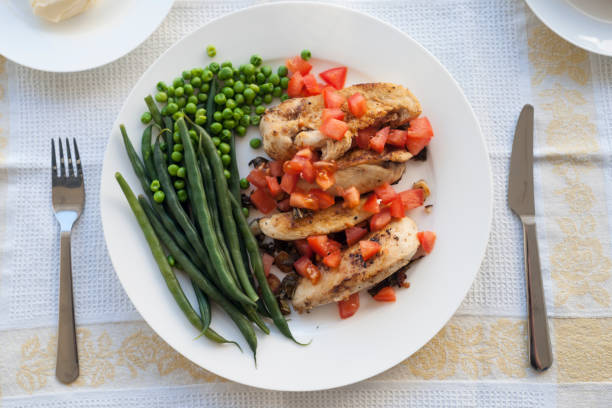
What Wine Goes With Chicken Breast
If you’re wondering which wine best complements a juicy chicken breast, you’ve come to the right place. In the next few lines we’ll match you with the perfect pour, whether you prefer a crisp white, a light rosé, or even a subtle red. We’ll break down flavor profiles, cooking methods, and simple pairing tips so you can serve a glass that elevates every bite—quickly and confidently. Grab your favorite bottle, follow our quick guide, and impress your guests tonight together.
How to Choose the Right Wine for Chicken Breast
Consider the cooking method
Start by looking at how the chicken breast is prepared, because the cooking method sets the wine’s role. Grilled or pan‑seared chicken develops caramelized, smoky notes that pair well with wines offering a touch of fruit and gentle tannins, such as a lightly oaked Chardonnay or a Pinot Noir.
Poached or boiled breast stays delicate; a crisp Sauvignon Blanc or an unoaked white Burgundy will echo its subtlety without overwhelming it. Roasted with herbs adds aromatic depth; consider an aromatic white like Viognier or a medium‑bodied red like Grenache.
The key is to match the wine’s texture to the dish’s mouthfeel: richer, fattier preparations benefit from wines with a bit of weight, while lean, simply seasoned breasts shine with lean, high‑acid options.
By aligning the cooking technique with the wine’s structure, you create a harmonious pairing that enhances both the food and the drink.
Match the flavor intensity
Next, think about the flavor intensity of the chicken dish and choose a wine that can stand up without stealing the spotlight.
Mildly seasoned breast, perhaps with a squeeze of lemon or a light herb rub, calls for a wine of similar subtlety—try an Albariño or a light‑bodied Pinot Gris that offers bright fruit and clean finish.
Heavily spiced preparations—think paprika, cumin, or a rich barbecue glaze—need a wine with enough body and spice to match, such as a Zinfandel with jammy notes or a Syrah that carries peppery undertones.
Creamy sauces like mushroom cream or cheese‑based toppings add richness; a buttery Chardonnay with a hint of oak or an oaked Viognier will echo that silkiness. The principle is simple: the wine’s flavor profile should mirror the dish’s strongest taste element, creating a dialogue rather than a duel.
By matching intensity, each sip reinforces the bite, delivering a cohesive dining experience.
Balance acidity and body
Finally, balance the wine’s acidity and body with the chicken’s texture and any accompanying sides. High‑acid wines cut through buttery or oily preparations, refreshing the palate; a crisp Riesling (dry) or a bright Chenin Blanc works well with lemon‑y or mustard‑based sauces.
Low‑acid, fuller‑bodied wines complement richer dishes, such as a buttery Chardonnay for a cream sauce or a smooth Merlot for a mushroom‑laden sauté.
When the side dishes include tomatoes, olives, or vinaigrette, lean toward a wine with enough acidity to match, like a Vermentino or a light‑bodied red such as Gamay.
Conversely, earthy sides like roasted potatoes or sautéed greens pair nicely with wines that have a rounder mouthfeel, for example an oaked white Rioja or a medium‑bodied Grenache.
The goal is to ensure the wine’s acidity neither overwhelms nor gets lost, while its body supports the overall weight of the plate, delivering a seamless, enjoyable pairing.
What Types of White Wine Pair Best with Chicken Breast

Chardonnay: buttery and oaky
Chardonnay’s buttery texture and subtle oak notes complement the mild flavor of chicken breast, especially when the meat is roasted or pan‑seared with a creamy sauce.
Match the richness by choosing a lightly oaked Chardonnay that offers a hint of vanilla and toasted almond, which will echo the caramelized skin of the chicken.
If the dish includes lemon butter or mushroom cream, the wine’s natural acidity balances the fat while its round mouthfeel enhances the sauce’s silkiness. Serve the wine slightly chilled, around 50‑55°F, to keep the fruit bright and the oak gentle.
For a budget‑friendly option, look for a New World Chardonnay from California’s cooler coastal regions, which often delivers the right balance of fruit and oak without overwhelming the delicate poultry. Pair it with a side of roasted asparagus or a light quinoa salad to keep the palate fresh and harmonious.
Sauvignon Blanc: crisp and herbaceous
Sauvignon Blanc’s crisp acidity and herbaceous aromatics make it a natural partner for grilled or poached chicken breast, especially when the bird is seasoned with herbs, citrus, or a light vinaigrette.
Highlight the freshness by selecting a Sauvignon Blanc from the Loire Valley or New Zealand that showcases notes of green apple, grapefruit, and freshly cut grass. The wine’s bright acidity cuts through any buttery glaze while its subtle minerality mirrors the chicken’s subtle sweetness.
Serve the wine chilled at 45‑50°F to preserve its zingy character. Complement the pairing with a side of herb‑marinated vegetables or a simple arugula salad dressed in lemon‑olive oil, allowing the wine’s green flavors to echo the dish’s garden‑fresh profile.
A squeeze of fresh lime over the chicken just before serving will amplify the citrus spark in the wine, creating a lively, balanced mouthfeel that keeps the palate engaged.
Pinot Grigio: light and refreshing
Pinot Grigio’s light body and crisp, mineral finish pair effortlessly with simple chicken breast preparations such as lemon‑herb baked fillets or a delicate Asian‑style stir‑fry.
Emphasize the lightness by opting for an Italian Pinot Grigio from the Veneto region, which offers subtle hints of pear, white peach, and a clean saline edge.
The wine’s subtle fruit accentuates the chicken’s tenderness without overpowering it, while its refreshing acidity lifts mild sauces and keeps the dish from feeling heavy. Serve the wine well chilled, around 44‑48°F, to enhance its bright character.
Pair with a side of steamed green beans or a citrus‑infused quinoa pilaf, allowing the wine’s gentle sparkle to complement the dish’s bright, airy flavors.
A drizzle of extra‑virgin olive oil and a pinch of sea salt over the chicken just before plating will bring out the subtle minerality of the wine, making each bite feel crisp and satisfying.
What Red Wines Complement Chicken Breast

Pinot Noir: light‑bodied and fruity
Pinot Noir’s delicate structure makes it a natural partner for chicken breast, especially when the meat is grilled or roasted with herbs. The wine’s light‑bodied profile delivers bright acidity that cuts through the mild flavor of the poultry without overwhelming it.
Look for a Pinot with subtle red‑fruit notes such as cherry and raspberry, which echo any fruit‑based sauces you might serve. Soft tannins keep the mouthfeel smooth, allowing the chicken’s juiciness to shine.
If you season the breast with thyme, rosemary, or a light mushroom sauce, the earth‑y undertones of the wine will complement those aromatics. Choose a bottle from cooler climates like Burgundy or Oregon for a crisp finish that refreshes the palate between bites, ensuring each forkful feels balanced and satisfying.
Serve it slightly chilled at 55°F to enhance its fruit expression and keep the chicken tender.
Beaujolais: soft tannins and bright fruit
Beaujolais, made from the Gamay grape, offers soft tannins and a burst of bright fruit that pairs beautifully with chicken breast prepared in lighter styles. The wine’s juicy raspberry and strawberry flavors match well with a simple pan‑seared breast glazed with a honey‑mustard or a light citrus vinaigrette.
Its low acidity ensures the sauce doesn’t become sour, while the subtle spice from the wine’s natural peppery notes adds depth without masking the poultry’s tenderness.
Opt for a Beaujolais Villages or a Cru such as Morgon for a slightly richer mouthfeel that can stand up to a modest herb rub of thyme or sage.
Serve the wine slightly chilled, around 12‑14°C, to keep the fruit forward and the palate refreshed, making each bite of chicken feel bright and harmonious. It also works well with a side of roasted vegetables, tying the whole meal together.
Grenache: spicy and medium‑bodied
Grenache delivers a spicy, medium‑bodied character that can elevate chicken breast dishes featuring richer flavors or Mediterranean influences. The wine’s soft red‑fruit core of plum and raspberry, combined with subtle pepper and herb notes, complements a breast seasoned with smoked paprika, cumin, or a tomato‑based relish.
Its moderate alcohol and gentle tannins provide enough structure to stand up to a glaze of pomegranate molasses or a light barbecue sauce without overwhelming the meat’s natural tenderness.
Choose a Grenache from the Southern Rhône or a New World region like California for a balanced profile that showcases both fruit and spice.
Serve it at cellar temperature, around 60°F, allowing the aromatics to unfold and the palate to stay supple, ensuring each bite of chicken is framed by a warm, inviting backdrop. Pair it with a side of couscous or grilled zucchini for a cohesive Mediterranean experience.
Tips for Pairing Wine with Different Chicken Breast Preparations
Grilled or roasted chicken
Grilled or roasted chicken breast offers a smoky, caramelized surface that pairs best with wines that can match the subtle char without overwhelming the meat. Choose light‑bodied white wines such as Sauvignon Blanc or an unoaked Chardonnay; their crisp acidity cuts through the grill marks while highlighting herbaceous notes.
For red lovers, a soft‑tailed Pinot Noir provides gentle fruit and low tannins that complement the tender flesh. Dry rosé is another versatile option, delivering bright red fruit and a refreshing finish that mirrors the slight smokiness.
When selecting, consider the seasoning: lemon, garlic, or rosemary lean toward citrus‑forward whites, while a simple salt‑and‑pepper rub can handle a broader range of reds. Serve the wine slightly chilled (white at 45‑50°F, rosé at 50‑55°F) to enhance balance and keep the palate lively. Enjoy the pairing with every bite.
Creamy sauces and soups
Creamy chicken breast dishes, such as alfredo, mushroom sauce, or velvety soups, call for wines that can cut through richness while echoing the silkiness of the sauce.
Opt for full‑bodied white wines with bright acidity, like a lightly oaked Chardonnay or a Viognier; the buttery notes mirror the cream, and the acidity prevents the palate from feeling heavy. White Burgundy offers a mineral backbone that balances the dairy component and adds complexity.
If you prefer red, a light‑tailed Gamay (Beaujolais) provides low tannins and juicy red fruit that lift the cream without clashing. For a touch of sparkle, a dry sparkling wine such as Brut Champagne or a quality Prosecco adds effervescence that refreshes the mouth between bites.
Pairing tip: serve the wine slightly cooler than usual (45‑48°F) to accentuate freshness and keep the sauce feeling light.
Spicy or Asian‑inspired marinades
Spicy or Asian‑inspired chicken breast preparations—think chili‑lime rubs, teriyaki glazes, or coconut‑curry marinades—require wines that can soothe heat while complementing bold aromatics. A off‑dry Riesling with a hint of residual sugar balances peppery or ginger heat and mirrors sweet soy or honey notes.
Gewürztraminer offers floral spice that echoes lemongrass and star‑anise, while its acidity keeps the palate from feeling sticky. For red options, choose a low‑tannin, fruit‑forward Zinfandel or a Lambrusco; the jammy berries and gentle fizz counteract spiciness and pair nicely with smoky BBQ sauces.
If you enjoy a more mineral profile, a Albariño from Spain provides bright citrus and saline qualities that cut through coconut richness. Serve these wines chilled (45‑52°F) and sip slowly, allowing the wine’s coolness to temper the heat and highlight the complex seasoning layers.
Pair each bite with a sip to fully experience the harmony.
Best Ways to Serve Wine with Chicken Breast
Ideal serving temperature
Serve chicken breast with wine at the temperature that lets its flavors shine. White wines such as Chardonnay, Sauvignon Blanc, or a dry Riesling are best chilled to 45‑50°F (7‑10°C); this cool range preserves crisp acidity and bright fruit that cut through the lean protein.
If you prefer a light red, choose a Pinot Noir or Gamay and let it sit slightly warmer, around 55‑60°F (13‑16°C), to soften tannins and reveal subtle berry notes. Avoid overly warm whites because they can taste flabby, and steer clear of heavy reds that overwhelm the delicate breast.
Use a wine fridge or an ice bucket with a few minutes of chilling for whites, and a brief period in a cellar or a wine cooler for reds. Checking the bottle label for recommended serving temperature can also guide you to the perfect sip alongside your chicken dish.
Choosing the right glassware
Choosing the proper glass enhances the wine‑chicken pairing by directing aromas to your nose and guiding the sip to your palate. White‑wine glasses feature a narrower bowl and a slightly tapered rim, which concentrates citrus and mineral notes that complement the mild flavor of chicken breast.
For a light red like Pinot Noir, opt for a standard Bordeaux‑style glass with a broader bowl; this shape allows gentle oxidation, softening tannins and releasing red‑fruit aromas that match the bird’s subtle sweetness. Avoid oversized tumblers that disperse aromas too quickly, and skip overly narrow stems that restrict airflow.
When serving multiple wines, keep glasses uniform in size but switch the bowl shape according to the wine type. A simple rule: bigger bowl for reds, slimmer bowl for whites, ensuring each sip delivers the intended balance with your poultry preparation.
Decanting and aeration tips
Decanting and aeration can unlock hidden layers in wines that pair with chicken breast, but the technique varies by style. White wines generally do not need decanting; a short pour‑and‑swirl in the glass for 30‑60 seconds is enough to release fresh aromatics and soften any residual chill.
Light reds such as Pinot Noir benefit from a brief aeration period of 15‑20 minutes in a decanter or a wide‑bowl glass, which mellows tannins and highlights earthy and berry nuances that echo the herb‑infused seasoning of the chicken.
For more structured whites like an oaked Chardonnay, a gentle decant for 10‑15 minutes can round out oak‑derived butteriness. Avoid over‑aerating delicate whites, as they may become flat, and never leave a robust red exposed for more than an hour, which can lead to oxidation.
Timing your decanting right ensures every sip complements the tenderness and flavor of the breast.
How to Adjust Pairings for Personal Preferences
When you prefer sweeter wines
When you prefer sweeter wines, choose an off‑dry white that can balance the mild flavor of chicken breast without overwhelming it. Opt for a Riesling from Germany or Alsace with a touch of residual sugar; its honeyed notes complement a light honey‑glazed or teriyaki‑style sauce.
Gewürztraminer offers aromatic spice and a subtle sweetness that pairs well with herb‑marinated breast or a fruit‑based salsa. For a rosé alternative, select a slightly sweet Provençal rosé, which adds bright berry flavor while keeping the palate refreshed.
Serve the wine slightly chilled (45‑50°F) to enhance its fruitiness and to prevent the sweetness from feeling cloying. Pairing a sweeter wine works especially well when the chicken is prepared with a sweet‑savory glaze, as the wine mirrors the dish’s caramelized edges and creates a harmonious finish.
You can also try a semi‑sweet Chenin Blanc, whose crisp acidity balances the sugar while adding a hint of stone‑fruit.
If you like more acidity
If you like more acidity, reach for a bright, high‑acid white that cuts through the lean protein of chicken breast and lifts any accompanying sauce. Sauvignon Blanc from New Zealand delivers zesty citrus, green‑apple and herbaceous notes that match well with lemon‑pepper or herb‑infused marinades.
Pinot Grigio offers clean minerality and a crisp finish, ideal for chicken baked with olive oil, garlic, and a splash of white wine. For a slightly richer profile, choose an Albariño from Spain; its saline edge and vibrant acidity complement grilled breast with a tomato‑based salsa.
Serve these wines chilled (50‑55°F) to preserve their sharpness. The high acidity not only balances richer seasonings but also refreshes the palate between bites, ensuring each mouthful feels light and lively. Pairing with a side of tangy vinaigrette‑dressed greens further amplifies the wine’s acidity, creating a cohesive, palate‑cleansing experience.
Accommodating dietary restrictions
Accommodating dietary restrictions while still enjoying a wine pairing for chicken breast involves selecting options that are low in alcohol, sulfites, or are completely non‑alcoholic.
Choose a low‑alcohol Riesling (≤7% ABV) for guests who need to limit intake; its gentle sweetness and bright acidity still complement a honey‑mustard glaze without overwhelming the palate.
For those avoiding sulfites, look for organic or natural wines labeled “no added sulfites,” such as a biodynamic Albariño, which offers crisp fruit and a clean finish.
If alcohol is not desired at all, serve a high‑quality non‑alcoholic white wine or a sparkling water infused with citrus and herbs, which mimics the acidity and freshness of a traditional pairing. Ensure the beverage is served chilled (45‑55°F) to maintain its refreshing character.
These adjustments let everyone enjoy the meal together, preserving the harmony between the chicken’s mild flavor and the drink’s supporting notes.
Frequently Asked Questions About Wine and Chicken Breast
Can I pair rosé with chicken breast?
Rosé can be an excellent companion for chicken breast, especially when the meat is served with light herbs or a citrus‑based sauce. Choose a dry, crisp rosé with bright acidity; its fruit notes will highlight the subtle flavors of the poultry without overwhelming it.
Select a rosé from Provence or a dry Spanish rosado for a clean palate. If the chicken is grilled and seasoned with rosemary or thyme, the herbal undertones in the wine will echo the seasoning, creating harmony.
For richer preparations, such as a creamy mushroom sauce, opt for a rosé with a slightly fuller body to balance the richness. Serve the wine chilled at 45‑50°F (7‑10°C) and allow it to breathe for a few minutes to release aromatic nuances.
This approach ensures the rosé enhances the chicken breast while keeping the meal refreshing and balanced.
What about sparkling wine?
Sparkling wine adds a lively, effervescent element that can elevate a simple chicken breast dish, particularly when the poultry is prepared with a bright glaze or a salty brine.
Opt for a dry Brut or Extra‑Dry Champagne, Prosecco, or Cava to keep the acidity in balance with the meat’s mild flavor. The bubbles help cleanse the palate, making each bite feel fresh, while the subtle yeast and citrus notes complement herbs like dill or parsley.
If the chicken is served with a lemon‑butter sauce, the acidity of the sparkling wine will cut through the richness, preventing the dish from feeling heavy. Serve the wine well‑chilled at 40‑45°F (4‑7°C) and pour it gently to preserve the fizz.
By pairing a crisp sparkling wine, you create a festive yet harmonious dining experience that highlights the chicken breast without overpowering it.
How long can the wine stay fresh after opening?
The freshness of an opened bottle of wine depends on its type, storage conditions, and how well it is sealed.
For white and rosé wines, keep the bottle refrigerated with a tight stopper; they typically remain vibrant for 3‑5 days, though lighter varieties may start to lose acidity after two days.
Red wines benefit from a cool, dark place and a vacuum seal; they usually stay enjoyable for 4‑7 days, with fuller‑bodied reds holding up longer than delicate pinot noirs.
Sparkling wines are the most sensitive: once uncorked, the carbonation dissipates quickly, so aim to consume them within 24‑48 hours, using a specialized sparkling wine stopper to extend life. To maximize longevity, store the bottle upright to minimize oxygen exposure, avoid temperature fluctuations, and consider using inert gas preservation systems.
By following these practices, you can preserve the wine’s flavor profile and ensure each glass pairs perfectly with your chicken breast dish.
Frequently Asked Questions
Which type of white wine pairs best with chicken breast?
A crisp, medium‑body white such as Chardonnay (unoaked or lightly oaked) or Sauvignon Blanc complements the mild flavor of chicken breast, offering acidity that balances the dish.
Can I pair chicken breast with red wine?
Yes, lighter reds like Pinot Noir or a chilled Beaujolais work well, especially if the chicken is prepared with earthy herbs or a mushroom sauce, as they won’t overwhelm the meat.
What wine should I choose for grilled chicken breast?
For grilled chicken, opt for a bright white like Vermentino or a dry rosé; their refreshing acidity matches the charred notes and any citrus or herb marinades.
How does a wine’s acidity affect pairing with chicken breast?
Higher acidity cuts through the lean protein and any buttery sauces, keeping the palate fresh; wines like Albariño or a dry Riesling provide that lift without being too heavy.
Is a sparkling wine a good match for chicken breast?
Yes, a dry sparkling wine such as Brut Champagne or Prosecco adds lively bubbles and acidity that enhance the tenderness of chicken breast, especially with creamy or buttery sauces.
What wine pairs with chicken breast in a creamy sauce?
A buttery, oak‑aged Chardonnay or a white Burgundy balances the richness of the cream, while a Viognier can add aromatic complexity without clashing.
Conclusion
Choosing the right wine for chicken breast is simple: opt for light‑to‑medium whites like Chardonnay, Sauvignon Blanc, or Pinot Grigio, and consider a delicate rosé or a soft red such as Pinot Noir when you prefer reds. Balance the wine’s acidity with the dish’s seasoning, and let the wine’s fruit notes complement the chicken’s mild flavor. Experiment, enjoy, and let each pairing enhance your next dinner.