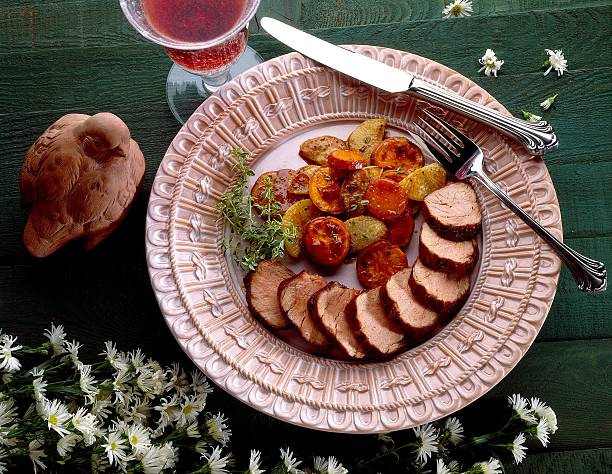
What Wine Pairs With Pork Tenderloin
If you’re wondering what wine pairs with pork tenderloin, you’ve come to the right place. In the next few lines we’ll match the tender, slightly sweet flavor of the meat with the perfect glass, whether you prefer a crisp white, a light‑bodied red, or a sparkling option. Expect quick, practical tips that fit any cooking style, budget, and palate, so you can serve a confident, delicious pairing tonight. We’ll also suggest a simple sauce to enhance the harmony and flavor.
How to Choose the Right Wine for Pork Tenderloin
Key flavor profiles of pork tenderloin
Understanding the natural taste of pork tenderloin is the first step in selecting a complementary wine. The meat is lean, mildly sweet, and has a subtle buttery texture that lets delicate flavors shine. Look for gentle fruit notes such as apple, pear, or peach that echo the pork’s faint sweetness.
Avoid overly tannic or heavily oaked wines, which can overwhelm the tender cut. Instead, choose wines with a light to medium body that highlight the meat’s natural juiciness without masking it.
Consider the slight nutty undertone that develops when the tenderloin is seared; a wine with a faint almond or toasted note can create a harmonious echo. By matching the pork’s soft, sweet‑savory profile with a wine that mirrors those characteristics, you set the stage for a balanced, enjoyable pairing.
Pair with a crisp white like Sauvignon Blanc or a light‑bodied Pinot Noir for red lovers, keeping the focus on freshness and subtle fruit.
Matching wine acidity with pork
Acidity is the bridge that ties wine to pork tenderloin, cutting through the meat’s richness while highlighting its gentle sweetness. Select wines with moderate acidity—typically 3.5–4.5% residual sugar—to keep the palate lively without overwhelming the dish.
A bright Sauvignon Blanc, a zesty Riesling, or a crisp Chardonnay with restrained oak can provide the right lift. For red options, choose a Pinot Noir or a Gamay that offers bright cherry notes and a subtle tart edge, rather than a full‑bodied Cabernet that would dominate.
Match the wine’s acidity level to any citrus or vinegar elements in your seasoning; a lemon‑marinated tenderloin pairs especially well with a wine that mirrors that tang. When the wine’s acidity aligns with the pork’s flavor, each bite feels refreshed, and the overall dining experience remains balanced and harmonious.
Considering cooking method and sauce
The way you cook pork tenderloin and the sauce you serve with it dramatically influence the ideal wine match. Grilled or roasted tenderloin develops caramelized edges and a smoky aroma, calling for wines with a hint of earthiness such as a lightly oaked Chardonnay or a medium‑bodied Merlot.
If you opt for a pan‑seared cut finished with a buttery herb sauce, a buttery white like Viognier or an aromatic Gewürztraminer can echo the richness while keeping the palate bright.
For dishes featuring a sweet‑tangy glaze—think apple‑cider reduction or a mustard‑honey coating—a wine with a touch of residual sugar, like an off‑dry Riesling or a slightly sweet Pinot Gris, balances the glaze’s acidity and sweetness.
Match the intensity of the sauce to the wine’s body; a heavy cream sauce pairs best with a fuller‑bodied white, whereas a light vinaigrette works well with a crisp rosé.
By aligning the cooking technique and sauce profile with the wine’s texture and flavor, you create a cohesive dining experience where each component enhances the others.
What is the Best Red Wine for Pork Tenderloin?
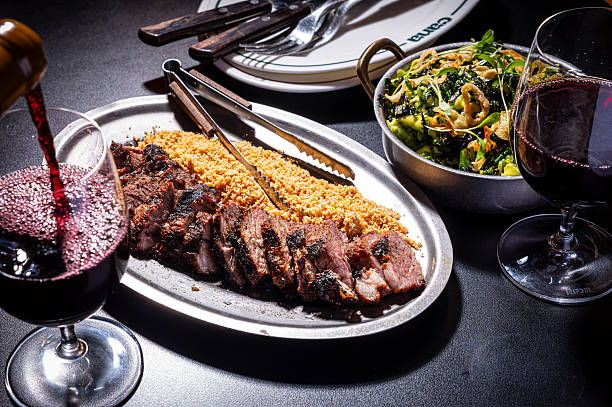
Light-bodied reds that work
When you’re serving pork tenderloin, a light‑bodied red can highlight the meat’s subtle sweetness without overwhelming it. Pinot Noir is a classic choice; its bright red fruit flavors and gentle acidity complement the tender, lean texture.
Gamay, especially from Beaujolais, offers juicy cherry notes and a soft tannin structure that pairs well with a simple herb rub. For a slightly spicier edge, try a Frappato from Sicily, whose bright acidity and red‑berry profile adds a refreshing contrast.
Serve the wine slightly chilled, around 55°F, to enhance its fruitiness and keep the palate lively. These light reds are versatile enough to match both classic garlic‑herb preparations and sweeter glaze sauces, making them reliable partners for any pork tenderloin recipe.
Pair it with a side of roasted vegetables or a light apple compote to round out the meal and let the wine’s subtle tannins shine.
Medium-bodied reds to try
Medium‑bodied reds bring enough structure to stand up to pork tenderloin’s richer preparations, such as a mustard‑seed crust or a mushroom‑cream sauce. Merlot offers plush plum and black‑cherry flavors with soft tannins that meld nicely with the meat’s juiciness.
Zinfandel, especially from California, adds a touch of spice and jammy fruit that complements a sweet‑and‑savory glaze. For an Italian twist, consider a Chianti Classico, whose bright acidity and hints of dried herbs cut through fatty cuts while echoing rosemary or thyme rubs.
Serve these wines at cellar temperature, around 60‑65°F, to keep their fruit forward and prevent the alcohol from dominating. The balanced profile of these medium reds makes them adaptable, whether you’re grilling, roasting, or pan‑searing the tenderloin, ensuring the wine enhances rather than competes with the dish.
A modest pour of 5‑6 ounces will let the flavors interact perfectly with each bite.
Avoiding heavy tannins
Heavy‑tannin reds can clash with pork tenderloin, especially when the meat is prepared simply or with delicate sauces. Cabernet Sauvignon, known for its firm structure and pronounced tannic grip, tends to overpower the tender, lean texture, leaving the palate feeling astringent.
Similarly, Syrah or Shiraz with intense peppery notes and robust body can dominate the subtle flavors of the pork, making the dish feel unbalanced.
To keep the pairing harmonious, steer clear of wines that linger long on the finish with strong oak influence, as these can mask the natural sweetness of the meat.
Instead, opt for lighter or medium options that offer bright acidity and softer tannins, allowing the pork’s juiciness and any accompanying herbs or fruit components to shine. By avoiding overly tannic choices, you ensure the wine acts as a complementary backdrop rather than a competing force.
What is the Best White Wine for Pork Tenderloin?
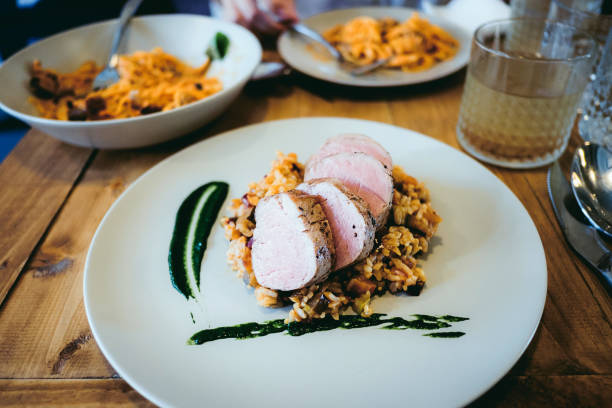
Crisp whites with bright acidity
Choose a wine that lifts the natural sweetness of pork tenderloin without overwhelming it. Sauvignon Blanc from the Loire or New Zealand offers razor‑sharp acidity and citrus notes that cut through a light glaze or mustard‑based sauce.
Pinot Grigio from Italy provides a clean, mineral backbone that lets the meat’s juiciness shine, especially when the dish includes a simple lemon‑herb rub.
For a slightly richer texture, try an Albarino from Spain; its stone‑fruit aromas and crisp finish match well with apple or pear compotes often served alongside pork.
Serve the wine chilled at 45‑50°F (7‑10°C) and pour a small glass before the first bite; the bright acidity will refresh the palate, preparing it for each subsequent mouthful. Remember to avoid overly oaky whites, as the heavy vanilla can mask the delicate flavors of the tenderloin.
Pair it with a side of roasted vegetables or a light quinoa salad to keep the meal balanced and the wine’s crispness prominent.
Aromatic whites that complement herbs
Herb‑forward pork tenderloin benefits from a white wine that mirrors those fragrant notes. Gewürztraminer from Alsace delivers a perfumed bouquet of lychee, rose petal and subtle spice, which amplifies rosemary, thyme or sage rubs without competing.
Riesling—especially a dry or off‑dry version from Germany’s Mosel—offers bright acidity paired with honeyed stone‑fruit flavors that echo sage‑infused pan sauces. For a Mediterranean twist, select a Vermentino from Sardinia; its herbal green‑pepper edge and saline minerality echo the olive oil and lemon zest often used in the dish.
Serve the wine slightly cooler than room temperature, around 50‑55°F (10‑13°C), to keep the aromatic compounds lively. When plating, drizzle a thin layer of herb‑infused oil over the sliced tenderloin; the wine’s aromatic intensity will lift the herb profile, creating a harmonious duet that feels both elegant and comforting.
A final touch of freshly chopped parsley sprinkled just before serving will tie the wine’s floral nuances to the plate, ensuring every bite sings.
When to skip white wine
There are moments when white wine simply cannot carry the weight of a pork tenderloin preparation. If the dish features a rich, buttery sauce such as a cream‑based mushroom or a velvety mustard‑cream glaze, the acidity of most whites will be drowned, leaving the palate flat.
Similarly, when the meat is slow‑roasted with a caramelized crust and paired with sweet fruit glazes like apricot or fig, a fuller‑bodied red—think a Pinot Noir or a light‑bodied Zinfandel—offers the tannic structure needed to balance the sweetness.
Spicy rubs that lean toward Asian or Mexican heat also benefit from a off‑dry Riesling or even a sparkling rosé, but a dry white may accentuate the heat rather than soothe it.
In these scenarios, opting for a red or a slightly sweeter wine prevents the meal from feeling one‑dimensional and ensures each component shines without being masked by an ill‑matched white.
Tips for Pairing Rosé with Pork Tenderloin
Dry rosé characteristics
Choose a dry rosé that showcases crisp acidity, subtle minerality, and a hint of red‑fruit flavor. Look for a wine with 11‑12% alcohol and a pale salmon hue, indicating limited residual sugar. These attributes cut through the pork’s lean texture while complementing its mild seasoning.
Opt for rosés from Provence, Navarra, or the cooler regions of California, where the palate stays clean and the finish is brisk. Avoid overly sweet or heavily oaked styles, as they can overwhelm the delicate meat.
When the pork is roasted with herbs or a light glaze, the wine’s bright citrus notes and delicate tannins will enhance the savory bite without masking it. Keep the bottle chilled just enough to preserve freshness, typically around 50‑55°F, for optimal balance.
Serve the wine in a narrow‑rimmed glass to focus the aromatics and maintain the chilled temperature longer.
Rosé with fruit-forward sauces
Pair a rosé with a fruit‑forward glaze—like peach, apricot, or cherry—to echo the sauce’s sweetness while keeping the dish lively.
Select a rosé with pronounced berry notes and a touch of acidity, such as those from the Loire Valley or New Zealand, which can mirror the fruit flavors without becoming cloying. The wine’s slight tannic structure will balance the pork’s richness and the glaze’s glaze‑like sheen.
When the sauce includes a splash of balsamic or a hint of spice, the rosé’s subtle herbal undertones act as a bridge, tying the sweet and savory elements together. Avoid overly mineral or bone‑dry styles, as they may leave the fruit sauce tasting flat.
Serve the pairing in a slightly larger glass to allow the aroma of ripe berries to open, enhancing each bite of the tenderloin.
Serving temperature for rosé
Maintain the ideal serving temperature to let the rosé express its fruit and acidity without muting flavors. Aim for 50‑55°F (10‑13°C); this range preserves the wine’s crisp edge while allowing subtle aromatics to surface.
Chill the bottle in the refrigerator for about two hours, or use an ice bucket with a 1:1 ice‑water mix for a quicker drop. If the rosé is served too cold, the fruit profile will be concealed and the wine may feel overly sharp.
Conversely, a warm glass dulls the acidity, making the pork taste heavier. To fine‑tune, place the glass in the palm of your hand for a minute before sipping; a slight rise to 57°F (14°C) often reveals the nuanced berry and floral notes that complement the tenderloin’s lean character.
Refresh the wine by rotating the bottle halfway through the meal to keep the temperature consistent.
Best Ways to Pair Sparkling Wine with Pork Tenderloin
Champagne vs. Prosecco
Both Champagne and Prosecco bring lively acidity and fine bubbles that can brighten the mild flavor of pork tenderloin, but they do so in distinct ways. Champagne’s crisp minerality, higher acidity, and subtle toast complement a herb‑crusted or pepper‑rubbed tenderloin, cutting through any richness while echoing the dish’s savory notes.
Prosecco, with its fruit‑forward aromas of pear and white peach and softer palate, pairs beautifully with pork glazed in honey‑mustard or a light fruit salsa, enhancing sweetness without overwhelming the meat.
Choose Champagne for a more elegant, nuanced match that emphasizes savory herbs, and opt for Prosecco when the pork is prepared with sweeter, aromatic sauces. In either case, the effervescence lifts the palate, ensuring each bite of tenderloin feels fresh and balanced.
Serve the wine slightly chilled, around 45°F, to preserve its fizz and accentuate the pork’s juicy texture.
Food preparation that enhances bubbles
The way you season and cook pork tenderloin can either mute or magnify the lively sparkle of a bubbly wine.
A light glaze of citrus, apple cider, or ginger adds a bright acidity that mirrors the wine’s crispness, while a quick sear locks in juices and creates a caramelized crust that interacts with the bubbles for a pleasing contrast.
Avoid heavy cream‑based sauces, which can weigh down the palate and diminish the wine’s effervescence. Instead, opt for a herb‑infused rub of rosemary, thyme, and a hint of lemon zest, then finish the tenderloin in the oven at a moderate temperature to keep the meat tender yet firm.
When the pork is sliced thinly and served warm, the delicate fizz of Champagne or Prosecco lifts the subtle flavors, making each bite feel lighter. Pairing with a fruit‑based salsa, such as mango‑pomegranate, further amplifies the wine’s fruity notes and keeps the overall dish refreshing.
Glassware and serving tips
Choosing the right glass and serving temperature can dramatically improve how sparkling wine interacts with pork tenderloin. Flutes preserve carbonation longer, directing the bubbles to the nose first, which is ideal when you want the wine’s crisp acidity to cut through a savory glaze.
For a more aromatic experience, a tulip‑shaped glass offers a wider bowl that releases subtle fruit and yeast notes, complementing a fruit‑forward Prosecco. Chill the wine to 45‑50°F; too cold and the flavors mute, too warm and the fizz dissipates quickly.
Before pouring, let the bottle stand upright for at least 30 minutes to allow sediment to settle, even in non‑vintage Champagnes. Serve the wine in small pours of 4‑6 ounces, allowing guests to enjoy multiple tastings alongside each slice of pork.
Finally, place the glasses on a chilled coaster or a metal tray to maintain temperature throughout the meal, ensuring each sip remains lively and refreshing.
How to Match Wine with Common Pork Tenderloin Sauces
Fruit-based sauces and wine pairings
Fruit‑based sauces such as apple‑cider reduction, cherry‑balsamic glaze, or apricot‑mustard compote add a bright, slightly sweet acidity that complements the lean pork tenderloin. To echo that fruitiness while balancing the meat’s richness, choose wines with lively acidity and subtle fruit notes.
An off‑dry Riesling offers crisp acidity and a hint of stone‑fruit that mirrors the sauce without overwhelming it. Light‑bodied Pinot Noir, especially from cooler climates, provides soft red‑berry flavors and gentle tannins that harmonize with cherry or plum‑based sauces.
For those who prefer aromatic whites, a slightly sweet Gewürztraminer delivers floral aromatics and a touch of spice that pairs beautifully with apricot or peach glazes.
In every case, aim for a wine that can match the sauce’s sweetness and acidity, ensuring the pork remains the star while the wine lifts the overall flavor profile.
Creamy sauces and wine selection
Creamy sauces—think mushroom‑cream, Dijon‑mustard, or herb‑infused béchamel—introduce a velvety texture that calls for wines with enough body to cut through the richness without adding excessive weight.
A medium‑to‑full‑bodied Chardonnay, especially one with a touch of oak, supplies buttery notes and bright acidity that mirror the sauce’s silkiness while refreshing the palate. If you favor aromatic whites, a Viognier offers lush stone‑fruit aromas and a creamy mouthfeel that pairs seamlessly with herb‑laden sauces.
For red‑wine lovers, a light‑bodied Gamay (Beaujolais) delivers soft tannins, bright red‑fruit flavors, and a refreshing acidity that can stand up to the sauce’s richness without overpowering the pork.
When selecting, prioritize wines that balance acidity with a hint of fruit or oak, ensuring the creamy sauce is complemented rather than masked, and the tenderloin stays juicy and flavorful in every bite.
Spicy glazes and complementary wines
Spicy glazes—such as chipotle‑adobo, sriracha‑honey, or peppercorn‑brown‑sugar—bring heat and a caramelized sweetness that thrives on wines with a touch of fruit and moderate alcohol to temper the spice.
A fruit‑forward Zinfandel, with its jammy blackberry and subtle pepper notes, matches the boldness of a chipotle glaze while its soft tannins keep the pork tender.
For those who enjoy darker reds, a Syrah offers smoky undertones and ripe plum flavors that echo the caramelized edges of a peppercorn glaze without being overwhelmed by heat.
An off‑dry rosé, with its crisp acidity and strawberry‑melon fruit, provides a refreshing counterpoint to sriracha‑honey, cooling the palate and highlighting the pork’s natural sweetness. Choose wines that balance fruit intensity with enough acidity to cleanse the palate, ensuring the spicy glaze shines and the pork remains juicy and inviting.
Tips for Serving and Storing Paired Wine
Optimal serving temperatures
Serve the wine at the temperature that lets its fruit and acidity shine alongside pork tenderloin. White wines such as off‑dry Riesling or lightly oaked Chardonnay perform best when chilled to 45‑50 °F (7‑10 °C); this coolness highlights crisp acidity that cuts through the meat’s lean richness.
Red wines like Pinot Noir or a light Grenache should be a little warmer, around 55‑60 °F (13‑16 °C), allowing subtle tannins to soften without overwhelming the delicate pork. Use a wine thermometer or place the bottle in an ice‑water bath for 10‑15 minutes to reach the target range.
Avoid serving overly cold reds, which mute flavor, or overly warm whites, which can taste flabby. By matching the serving temperature to the wine style, you enhance both the wine’s character and the pork’s savory, slightly sweet notes.
Pairing a chilled Riesling with a honey‑glazed glaze or a lightly chilled Pinot Noir with a herb‑crusted tenderloin will create a balanced, palate‑pleasing experience.
Decanting red wines
Decanting a light‑bodied red such as Pinot Noir before serving pork tenderloin can unlock aromatic complexity and soften any youthful tannins. Why decant? The process exposes the wine to oxygen, allowing fruit‑forward notes like cherry, raspberry, and subtle earth to bloom while reducing any tight, metallic edge.
For a 750 ml bottle, pour it into a clean decanter and let it sit for 20‑30 minutes; a gentle swirl every few minutes helps the wine breathe evenly.
If you lack a decanter, a large pitcher or even a wide‑mouth glass can serve as a temporary vessel—just ensure the surface area is ample. Avoid over‑decanting a delicate Pinot Noir, as prolonged exposure can evaporate its nuanced aromatics, leaving the wine flat.
By timing the decant correctly, you enhance the wine’s acidity and fruit balance, which complements the pork’s savory herbs and any sweet‑savory glaze, creating a harmonious dining experience.
Storing leftovers without losing flavor
After the meal, preserve any leftover wine and pork tenderloin so the pairing remains enjoyable for the next day.
Store wine properly by resealing the bottle with a vacuum stopper or a tight cork and placing it in the refrigerator; this slows oxidation and keeps the wine’s fruit and acidity intact for up to three days.
For red wines that were decanted, transfer the remaining liquid back into a smaller, airtight container to minimize air exposure.
When reheating pork, use a gentle method such as a low‑heat oven or sous‑vide to retain moisture and prevent the meat from drying out, which would mute the wine’s complementary flavors.
Pair the reheated slices with the chilled leftover wine, allowing the wine to warm slightly (about 10‑15 minutes at room temperature) before serving. This approach maintains the balance of bright acidity and soft tannins, ensuring the pork’s savory notes still shine alongside the wine’s nuanced profile.
Frequently Asked Questions
What type of wine best complements pork tenderloin?
A medium-bodied white wine such as Chardonnay or a light red like Pinot Noir pairs well, as their acidity and subtle fruit flavors enhance the tender, mild flavor of the pork without overwhelming it.
Should I choose a red or white wine for pork tenderloin?
Both can work, but white wines with a touch of oak (e.g., Chardonnay) or light reds (e.g., Pinot Noir, Gamay) are ideal; they balance the meat’s tenderness and any accompanying sauces.
How does the cooking method affect wine pairing for pork tenderloin?
Grilled or roasted pork benefits from wines with a bit more structure, like a dry Riesling or a light Merlot, while pan‑seared or braised versions pair nicely with aromatic whites such as Sauvignon Blanc.
What wine pairs well with pork tenderloin served with a fruit glaze?
A slightly sweet wine like an off‑dry Riesling or a Gewürztraminer complements fruit glazes (apple, apricot, or cherry) by mirroring the sweetness and cutting through the richness.
Can sparkling wine be paired with pork tenderloin?
Yes, a Brut or Extra‑Dry sparkling wine offers bright acidity and effervescence that cleanse the palate and highlight the pork’s delicate flavor, especially with a light herb or citrus sauce.
What are some budget-friendly wine options for pork tenderloin?
Affordable choices include a French Sauvignon Blanc, a New World Pinot Noir, or an Italian Soave; these wines provide the right balance of acidity and fruit without a high price tag.
How important is acidity in the wine when pairing with pork tenderloin?
Acidity is key; it cuts through the pork’s fat and any sauce, keeping the dish feeling fresh. Wines with moderate acidity, such as Chenin Blanc or a light Beaujolais, work particularly well.
Conclusion
Choosing the right wine for pork tenderloin is simple when you focus on balance—light to medium-bodied reds like Pinot Noir or Gamay, and crisp whites such as Riesling or Chardonnay complement the meat’s subtle sweetness and herbaceous notes. Remember to match the sauce and seasoning, and don’t be afraid to experiment. With these tips, you’ll confidently pair wine and pork for any occasion.