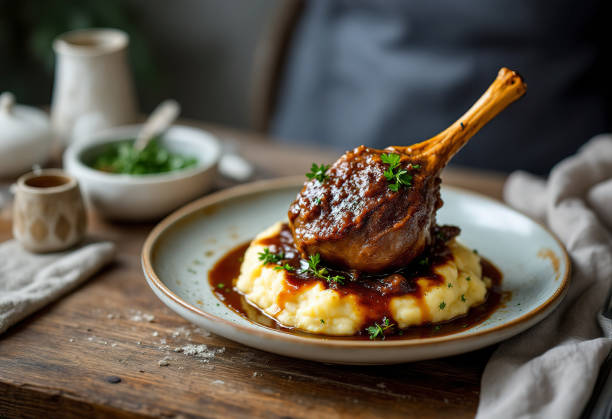
What Wine Goes With Pesto
Pesto pairs wonderfully with crisp, acidic wines that balance its rich flavors. Light reds like Pinot Noir or whites such as Sauvignon Blanc, Vermentino, and dry Rosé are excellent choices. The wine’s acidity cuts through the oiliness, while herbal notes complement the basil. Experiment with variations—try a Chianti for a classic pairing or a Pinot Grigio for a lighter touch. Trust your taste and enjoy the delicious harmony of wine and pesto!
What Wine Goes Best with Pesto?
Why Matching Acidity is Key for Pesto Pairings
When pairing wine with pesto, matching acidity is crucial because pesto itself is quite acidic, thanks to ingredients like fresh basil, garlic, and lemon juice. If your wine is too low in acidity, it might taste flat or overly sweet against the bright, zesty flavors of the pesto.
A wine with good acidity, such as a Crisp Sauvignon Blanc or a Zesty Pinot Grigio, will complement the dish beautifully. These wines have a refreshing tang that cuts through the rich flavors, creating a balanced and enjoyable experience.
Another great option is a Light Chardonnay, which offers a touch of creaminess without overpowering the pesto’s lively profile. Remember, the goal is to harmonize the wine’s acidity with the dish, so take a sip of your wine, then a bite of your pesto pasta or sandwich—does it feel balanced?
If the wine feels too heavy or dull, it’s likely not acidic enough. Stick to whites or light reds with bright, lively acidity for the best results.
Balancing the High Fat Content of Basil and Pine Nuts
Pesto is also rich and creamy, thanks to ingredients like basil, pine nuts, and olive oil, which add a luxurious mouthfeel. To balance this high fat content, you’ll want a wine with enough acidity or light tannins to cleanse your palate between bites.
A Medium-Bodied Rosé is an excellent choice—it has the acidity to cut through the fat while offering fruity notes that complement the herbaceous flavors. If you prefer red wine, opt for a Light Red like Pinot Noir, which has soft tannins and won’t overwhelm the pesto’s delicate flavors.
Avoid heavy, oaky wines like Cabernet Sauvignon, as they can clash with the dish’s richness. Instead, focus on wines that are refreshing and versatile. The key is to find a wine that doesn’t compete with the pesto but rather enhances its creamy, nutty qualities.
By pairing a wine with the right balance of acidity and lightness, you’ll elevate the pesto’s flavors and make every bite more enjoyable.
Top White Wine Recommendations for Pesto Pasta
Sauvignon Blanc: The Crisp Acidic Choice
Sauvignon Blanc is a go-to wine for pesto pasta because its bright acidity cuts through the rich, oily pesto sauce. The wine’s citrusy notes, like lemon and grapefruit, complement the basil’s herbal freshness, while its crispness balances the creaminess of pine nuts and cheese.
Look for a Sauvignon Blanc from New Zealand or the Loire Valley for those zesty flavors. Pairing this wine with a lighter pesto dish, like spaghetti with basil pesto, creates a refreshing contrast.
The high acidity also cleanses the palate between bites, making each forkful taste as good as the first. If you’re adding a squeeze of lemon to your pasta, this wine will harmonize perfectly. It’s a foolproof choice for a quick weeknight dinner or a sunny lunch.
Vermentino: A Saline Perfect for Basil
Vermentino is a hidden gem for pesto lovers, especially if your pesto has a touch of garlic or parmesan. This Italian white wine has a saline quality that mirrors the saltiness in the cheese, while its subtle herbal notes echo the basil.
The light-to-medium body and slight bitterness of Vermentino balance the pesto’s richness without overpowering it. Try a Vermentino from Sardinia or Liguria for an authentic pairing. Its mineral finish makes it a great match for pesto dishes with seafood or sun-dried tomatoes.
The wine’s crispness also works well with whole wheat or gluten-free pasta, which can have a nuttier flavor. If you’re serving pesto as a dip or spread, a chilled glass of Vermentino will elevate the experience.
Pinot Grigio: Light and Refreshing for Summer Pesto
Pinot Grigio is a crowd-pleaser for pesto pasta, especially on hot summer days. Its light, fruity profile—think pear, green apple, and citrus—pairs beautifully with the fresh, grassy notes of basil. The wine’s subtle acidity doesn’t compete with the pesto but instead enhances its flavors.
A Pinot Grigio from Northeast Italy is ideal, as it’s dry and crisp. This wine shines with simple pesto dishes, like tortellini or gnocchi, where you want the sauce to take center stage. The low alcohol content keeps the meal feeling light, making it perfect for outdoor dining.
If you’re adding cherry tomatoes or a drizzle of olive oil, Pinot Grigio’s versatility will tie everything together. It’s an easy, affordable choice that never disappoints.
Best Red Wines to Serve with Hearty Pesto Dishes
Sauvignon Blanc: The Crisp Acidic Choice
Sauvignon Blanc is a go-to wine for pesto pasta because its bright acidity cuts through the rich, oily pesto sauce. The wine’s citrusy notes, like lemon and grapefruit, complement the basil’s herbal freshness, while its crispness balances the creaminess of pine nuts and cheese.
Look for a Sauvignon Blanc from New Zealand or the Loire Valley for those zesty flavors. Pairing this wine with a lighter pesto dish, like spaghetti with basil pesto, creates a refreshing contrast.
The high acidity also cleanses the palate between bites, making each forkful taste as good as the first. If you’re adding a squeeze of lemon to your pasta, this wine will harmonize perfectly. It’s a foolproof choice for a quick weeknight dinner or a sunny lunch.
Vermentino: A Saline Perfect for Basil
Vermentino is a hidden gem for pesto lovers, especially if your pesto has a touch of garlic or parmesan. This Italian white wine has a saline quality that mirrors the saltiness in the cheese, while its subtle herbal notes echo the basil.
The light-to-medium body and slight bitterness of Vermentino balance the pesto’s richness without overpowering it. Try a Vermentino from Sardinia or Liguria for an authentic pairing. Its mineral finish makes it a great match for pesto dishes with seafood or sun-dried tomatoes.
The wine’s crispness also works well with whole wheat or gluten-free pasta, which can have a nuttier flavor. If you’re serving pesto as a dip or spread, a chilled glass of Vermentino will elevate the experience.
Pinot Grigio: Light and Refreshing for Summer Pesto
Pinot Grigio is a crowd-pleaser for pesto pasta, especially on hot summer days. Its light, fruity profile—think pear, green apple, and citrus—pairs beautifully with the fresh, grassy notes of basil. The wine’s subtle acidity doesn’t compete with the pesto but instead enhances its flavors.
A Pinot Grigio from Northeast Italy is ideal, as it’s dry and crisp. This wine shines with simple pesto dishes, like tortellini or gnocchi, where you want the sauce to take center stage. The low alcohol content keeps the meal feeling light, making it perfect for outdoor dining.
If you’re adding cherry tomatoes or a drizzle of olive oil, Pinot Grigio’s versatility will tie everything together. It’s an easy, affordable choice that never disappoints.
Can You Drink Rose with Pesto?
Crisc Rose: Dry Enough for Savory Dishes
Yes, you can absolutely drink rosé with pesto, especially if you choose a crisp, dry rosé. Pesto’s rich, savory flavors—thanks to basil, garlic, pine nuts, and Parmesan—pair wonderfully with a rosé that has bright acidity and a clean finish.
The dryness cuts through the oiliness of the pesto, while the wine’s subtle fruitiness balances the herbal notes. Look for rosé from regions like Provence or Spain, which tend to be lighter and more mineral-driven.
A rosé with a slightly higher acidity will also highlight the fresh, vibrant flavors of the basil without overpowering them. Avoid overly sweet rosés, as they can clash with pesto’s savory, salty components. Instead, opt for a dry rosé that complements the dish’s herbal and nutty profile.
It’s a refreshing match, especially for warm weather or light meals like pasta with pesto or grilled vegetables topped with a dollop of the sauce.
Provence Rose: Complementing the Herbal Notes
Provence rosé is a fantastic choice for pesto because it’s known for its delicate, herbal undertones that mirror the fresh basil in the sauce. These wines often have notes of citrus, strawberry, and a hint of garrigue (a blend of wild herbs), which harmonize beautifully with pesto’s bold flavors.
The light-to-medium body of Provence rosé won’t compete with the pesto but will instead enhance its complexity. Its crisp acidity also helps cleanse the palate between bites, making each mouthful feel fresh.
If you’re serving pesto with grilled chicken or fish, a chilled glass of Provence rosé will elevate the dish. Look for bottles labeled as dry or extra dry to ensure the right balance.
The key is to let the wine’s subtle herbal and citrus notes shine, creating a pairing that feels effortless and delicious. It’s a match that’s both elegant and approachable, perfect for casual dinners or outdoor gatherings.
How to Pair Wine Based on Your Pesto Ingredients
Pairing with Classic Genovese Basil Pesto
Classic basil pesto is vibrant and herbal, so you’ll want a wine that matches its fresh, grassy notes. A crisp Sauvignon Blanc is a fantastic choice because its citrusy brightness cuts through the rich olive oil and pine nuts.
If you prefer red, a light-bodied Pinot Noir works beautifully, offering subtle earthy flavors without overpowering the delicate basil. For something unique, try a Vermentino from Italy—it pairs naturally with Genovese cuisine. The key is balancing the pesto’s garlicky kick and oiliness with acidity.
Avoid heavy, oaky wines like Chardonnay, as they can clash with the fresh herbs. Instead, focus on wines with zesty acidity to complement the pesto’s lively profile. A dry Rosé is another versatile option, bridging the gap between white and red while harmonizing with the pesto’s green, aromatic qualities.
This pairing will elevate your pasta or crostini effortlessly.
Wines for Nut-Free or Walnut Pesto Variations
If you’re swapping pine nuts for walnuts or skipping nuts entirely, your wine choice should adapt to the slightly nuttier or smoother flavors. Walnut-based pesto has earthy undertones that pair wonderfully with an Albariño, which offers a crisp minerality to balance the richness.
For nut-free versions, the focus shifts to the cheese and garlic, so a dry Chenin Blanc or a unoaked Chardonnay can highlight those savory notes. If using sunflower seeds, their mild flavor lets the basil shine, making a Vermentino or even a dry Riesling a great match.
Nut-free pestos often feel lighter, so avoid overly heavy wines and opt for something refreshing. A light red like Gamay can also work if you prefer red wine, as its low tannins won’t compete with the pesto’s creamy texture.
The goal is to let the alternative ingredients shine while keeping the pairing fresh and balanced.
Choosing Wine for Spicy or Creamy Pesto
Spicy pesto, like one with arugula or chili flakes, needs a wine with a touch of sweetness or bold acidity to tame the heat. An off-dry Riesling or a fruity Gewürztraminer can cool things down while complementing the fiery kick.
For creamy pesto, think about the sauce’s texture—something rich like a Chardonnay or a Viognier will blend seamlessly with the creamy base. If the pesto is both spicy and creamy, a sparkling wine like Prosecco can cut through the richness and refresh your palate.
Avoid high-tannin reds, which can intensify spice, and instead opt for low-tannin options like Zinfandel if you crave red. The key is to match the wine’s body and sweetness to the pesto’s intensity, ensuring a harmonious balance.
Whether it’s heat or creaminess, the right wine will enhance those bold flavors without overwhelming them.
Expert Tips for Hosting a Pesto and Wine Night
Serving Temperature and Glassware
When pairing wine with pesto, serving temperature and glassware can elevate your hosting game. Pesto’s bold flavors—garlic, basil, pine nuts, and Parmesan—shine with light-to-medium-bodied whites like Pinot Grigio or Sauvignon Blanc, or even a crisp Rosé.
Serve these wines chilled to around 45–50°F to enhance their refreshing acidity, which cuts through the pesto’s richness. Use universal white wine glasses with a slightly narrower bowl to concentrate the aromas, helping guests appreciate the wine’s subtle notes alongside the aromatic herbs.
If you’re opting for a light red like Barbera or Chianti, serve it slightly cooler than room temperature (60–65°F) to avoid overpowering the dish. Red wine glasses with a wider bowl will soften the wine’s tannins, balancing the pesto’s oiliness.
Always pre-chill glasses in the fridge for 10–15 minutes before serving—this small touch keeps wine crisp longer and adds a professional polish to your event.
Adjusting the Pesto Recipe to Suit the Wine
Tweaking your pesto recipe to match your wine selection shows thoughtful hosting. For acidic whites like Sauvignon Blanc, lean into the pesto’s herbal side by adding extra fresh basil or a squeeze of lemon to mirror the wine’s citrusy notes.
If you’re pouring a buttery Chardonnay, swap pine nuts for toasted walnuts and reduce garlic slightly to avoid clashing with the wine’s creaminess. Pairing with a light red? Opt for a Genovese-style pesto with aged Parmesan instead of Pecorino—the nutty, umami flavors complement red wine’s fruitiness.
For a dairy-free twist, replace cheese with nutritional yeast to let the wine’s acidity shine. Always taste your pesto and wine together beforehand; if they feel mismatched, a splash of olive oil or a pinch of salt can bridge the gap.
These adjustments ensure harmony between dish and drink, impressing your guests without overcomplicating the menu.
Frequently Asked Questions About Wine and Pesto
Does the Type of Cheese in Pesto Change the Wine Pairing?
Absolutely! The cheese in your pesto plays a big role in finding the perfect wine match. Traditional pesto uses Parmesan, which is nutty and salty, pairing beautifully with crisp whites like Pinot Grigio or light reds like Barbera.
If your pesto uses a softer cheese like mozzarella or ricotta, you’ll want a wine that complements the creaminess—try a Chardonnay or a lighter red like Pinot Noir. Harder cheeses like Pecorino add extra saltiness, so a zesty white like Sauvignon Blanc can balance the flavors.
Always consider the cheese’s intensity: bold cheeses need bolder wines, while mild cheeses shine with delicate options. Experiment with small tastings to find your favorite combo!
Can You Pair Sparkling Wine with Pesto Dishes?
Yes, and it’s a fantastic choice! Sparkling wines like Prosecco or Champagne have high acidity and tiny bubbles that cut through the rich, oily texture of pesto, making them an excellent match. The effervescence refreshes your palate between bites, especially with creamy pesto dishes like pasta or pizza.
For a more budget-friendly option, a crisp Cava or a dry Rosé sparkling wine works wonders too. If you’re serving pesto as an appetizer with bread or crackers, a sparkling wine’s lightness won’t overpower the flavors.
Just remember to pick a dry sparkling wine—sweet versions might clash with the savory herbs and cheese. Cheers to a bubbly, delicious pairing!
Frequently Asked Questions
What wine goes best with traditional basil pesto?
Light to medium-bodied wines like Sauvignon Blanc, Pinot Grigio, or a crisp Vermentino pair well with basil pesto. Their acidity balances the richness of the olive oil and complements the fresh basil. For a red option, try a light-bodied Pinot Noir or a young Chianti.
Can I pair red wine with pesto?
Yes, light-bodied red wines with low tannins, such as Pinot Noir or Gamay, work well with pesto. Their subtle fruitiness won’t overpower the pesto’s flavors. Avoid bold reds like Cabernet Sauvignon, as their tannins can clash with the dish.
What wine goes with sun-dried tomato pesto?
Sun-dried tomato pesto pairs nicely with medium-bodied reds like Chianti or Barbera, which complement the tomato’s acidity. For white wine, try a dry Rosé or a zesty Pinot Grigio. Avoid overly oaky whites, which may clash with the tomato’s bold flavor.
What wine pairs with pesto pasta dishes?
For pesto pasta, stick to light white wines like Sauvignon Blanc or a dry Riesling to enhance the herbal notes. If using nuts like walnuts or pine nuts in the pesto, a light Chardonnay or Vermentino can also work. The key is to match the wine’s acidity with the pesto’s oiliness.
What wine goes with pesto chicken?
Pesto chicken pairs well with versatile wines like Chardonnay or a dry Rosé, which balance the savory chicken and herbal pesto. For red wine, a light Pinot Noir or Grenache won’t overpower the dish. Avoid heavy, tannic reds that can overshadow the pesto.
What wine should I avoid with pesto?
Avoid heavily oaked wines like aged Chardonnay or bold reds like Cabernet Sauvignon, as they can overpower the pesto’s fresh flavors. Also, skip overly sweet wines, which can clash with the dish’s savory and herbal notes. Stick to crisp, acidic wines instead.
Conclusion
Pesto pairs wonderfully with crisp, acidic wines that balance its rich flavors. Light reds like Pinot Noir or whites such as Sauvignon Blanc, Vermentino, and dry Rosé are excellent choices. The wine’s acidity cuts through the oiliness, while herbal notes complement the basil. Experiment with variations—try a Chianti for a classic pairing or a Pinot Grigio for a lighter touch. Trust your taste and enjoy the delicious harmony of wine and pesto!