What Is Reserve Wine
Wondering what reserve wine is? You’re not alone—many wine lovers hear the term and assume it means something fancier or aged longer. While that’s not always the case, reserve wine typically indicates a winery’s higher-quality selection, often made from better grapes and given extra care during production. In this article, we’ll break down what “reserve” really means, how it varies by region, and how it affects taste and price—so you can choose your next bottle with confidence.
What Is Reserve Wine?
Definition of Reserve Wine in Winemaking
A reserve wine typically refers to a higher-quality bottling within a winery’s portfolio, often made from superior grape selections, aged longer, or produced in smaller quantities. While the term suggests premium status, its meaning depends heavily on the producer and regional regulations.
In many cases, reserve wines undergo extended aging in oak barrels, contributing to greater complexity, depth, and structure. Winemakers may hand-select grapes from older vines or specific vineyard blocks known for concentrated flavors.
The reserve designation is a signal of craftsmanship and attention to detail, though it is not always legally defined. Consumers should view it as an indicator of a winery’s top-tier offering rather than a universal standard. Checking the producer’s background and tasting notes helps confirm the wine’s quality.
Ultimately, reserve wine represents a commitment to excellence, reflecting both the winemaker’s skill and the vineyard’s potential.
How Reserve Labeling Differs by Country
The term reserve wine carries different meanings depending on the country due to varying legal standards. In Spain, for example, ‘Reserva’ and ‘Gran Reserva’ are legally defined for red wines, requiring minimum aging periods—such as three years for Reserva and five for Gran Reserva, with significant time in oak.
In Italy, ‘Riserva’ also indicates extended aging, regulated by DOC or DOCG rules, often adding a year or more to standard aging requirements. However, in countries like the United States and Australia, ‘reserve’ has no legal definition and is used at the winery’s discretion, often as a marketing term.
This inconsistency means consumers must research regional regulations and individual producers. In France, terms like ‘cuvée spéciale’ may imply reserve status, but even these lack strict rules. Understanding geographic labeling laws helps buyers make informed choices and avoid assuming all reserve wines offer equal quality or aging potential.
Common Misconceptions About Reserve Wines
One of the biggest misconceptions is that ‘reserve’ always means better quality, but this isn’t guaranteed—especially in regions without legal standards. Many wineries use the term as a marketing tactic for wines that aren’t necessarily superior in taste or production.
Another myth is that reserve wines are always more expensive due to better ingredients, but pricing can reflect branding rather than actual value. Some consumers also believe reserve wines must be aged longer, but unless regulated by law, aging practices vary widely.
Additionally, older vines or rare grapes aren’t always used, despite common assumptions. It’s also incorrect to assume reserve wines are better for aging; not all are structured for long-term cellaring. To avoid being misled, read labels carefully, research the producer, and rely on reviews or tastings.
Ultimately, ‘reserve’ should be viewed as a clue—not a guarantee—of quality.
How Wineries Decide to Make a Reserve Wine

Criteria for Selecting Reserve-Level Grapes
Wineries determine reserve wine status by selecting only the highest-quality grape clusters from their harvest. These grapes typically come from vines with lower yields, which naturally concentrate flavors and sugars, leading to more intense and complex wines.
Hand-harvesting is often used to ensure careful handling and precise selection, minimizing damage and preserving integrity. Winemakers assess factors like sugar levels, acidity, and phenolic maturity to identify optimal ripeness. Only lots that exhibit exceptional balance, depth, and character are considered for reserve bottling.
This rigorous selection process ensures that reserve wines reflect the pinnacle of a vintage’s potential. By focusing on superior fruit quality, wineries lay the foundation for a wine that stands apart in structure, flavor, and longevity, justifying its premium designation and price point.
Role of Vineyard Location and Age
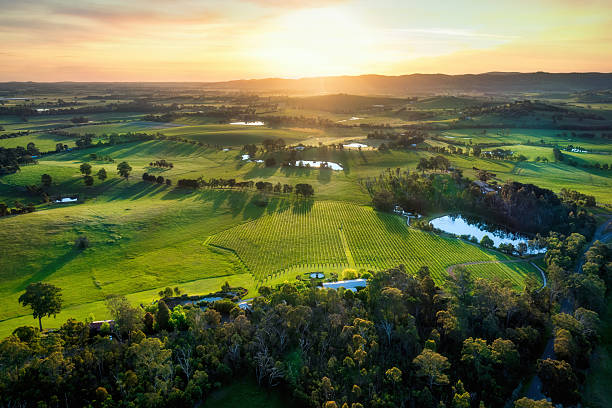
The vineyard’s terroir—its soil, microclimate, and topography—plays a critical role in determining which wines earn reserve status. Wineries often designate reserve wines from specific blocks or parcels known for producing more concentrated, structured, and age-worthy fruit.
Older vines, typically over 25–30 years old, are favored because their deep root systems yield fewer but more intense grapes with greater complexity. These mature vines are also more resilient to environmental fluctuations, leading to more consistent quality.
Additionally, sun exposure and elevation are carefully evaluated to maximize ripening potential while retaining acidity. Reserve-designated vineyards are frequently farmed with meticulous attention, including reduced yields through green harvesting. This combination of ideal location and vine maturity ensures the raw material meets the elevated standards required for a reserve wine.
Aging Potential and Winemaker Judgment
A key factor in declaring a reserve wine is its potential to evolve and improve with extended aging. Winemakers evaluate each lot’s structure—tannin, acidity, alcohol, and flavor concentration—to predict long-term development.
Only wines with exceptional balance and depth are selected, as they must endure years in barrel and bottle while gaining complexity. The winemaker’s experience and vision are central; they decide which lots warrant extended aging in premium oak barrels, often French, to enhance texture and nuance.
This subjective judgment reflects both technical analysis and artistic intent. Reserve wines are not simply better versions of the base wine—they represent a distinct expression of excellence that the winemaker believes deserves special recognition.
Ultimately, the decision hinges on confidence that the wine will deliver a superior experience, whether enjoyed young or cellared for decades.
How Reserve Wines Are Made
Fermentation and Barrel Selection Process
The creation of reserve wine begins with meticulous fermentation and selective barrel choices to ensure superior quality. Winemakers often hand-harvest grapes from the best vineyard blocks, choosing only those with optimal sugar, acidity, and flavor concentration.
After gentle pressing, the juice undergoes controlled fermentation using specific yeast strains that enhance complexity and depth. What sets reserve wines apart is the barrel selection process—only the finest oak barrels, often French or Hungarian, are chosen for aging.
These barrels impart subtle notes of vanilla, spice, and toast without overpowering the wine’s natural character. Each lot is tasted and evaluated, and only the most expressive, balanced batches are designated for reserve status.
This rigorous initial phase ensures that only the highest-potential wines move forward, forming the foundation of a truly exceptional reserve bottling.
Extended Aging Requirements for Reserve Wines
One of the defining features of reserve wine is its extended aging period, which allows flavors to mature and integrate fully. Unlike standard wines that may age for several months, reserve wines typically spend 18 to 36 months or more in oak barrels and bottles before release.
This prolonged maturation softens tannins, deepens color, and develops complex secondary and tertiary aromas like leather, tobacco, dried fruit, and earth. Regulatory standards in regions like Spain (Reserva, Gran Reserva) and Italy (Riserva) legally mandate minimum aging times, reinforcing quality.
Winemakers closely monitor each barrel, topping up oxygen-exposed wine and conducting regular tastings to ensure consistency. The patient aging process is essential for achieving the rich texture and layered profile expected of premium reserve wines, making time a critical ingredient in their excellence.
Blending Techniques for Premium Batches
Blending is a masterful art in reserve wine production, where winemakers combine the finest lots to achieve balance, depth, and signature style. Rather than relying on a single varietal or barrel, reserve wines often emerge from strategic blending of different grape varieties, vineyard plots, or aging vessels.
Expert tasters evaluate dozens of samples, selecting components that contribute structure, aroma, or longevity. For example, one lot may add dark fruit intensity, while another brings acidity or tannic backbone. The final blend is crafted to express both complexity and harmony, reflecting the winery’s highest standards.
In regions like Bordeaux or Tuscany, this technique is central to creating age-worthy reserve wines. The result is a distinctive, elevated expression of the vintage—one that surpasses individual components and embodies the pinnacle of the winemaker’s vision.
Popular Types of Reserve Wines by Region
Italian Riserva Wines and DOCG Standards
Italian Riserva wines are designated by stricter aging requirements set by the country’s Denominazione di Origine Controllata e Garantita (DOCG) and DOC regulations. These rules ensure higher quality and complexity compared to standard bottlings.
For example, a Barolo Riserva must age for at least five years, with two in oak, while Chianti Classico Riserva requires 24 months in oak and three months in bottle. The extended aging softens tannins and develops deeper flavors of dried fruit, leather, and spice.
To identify authentic Riserva wines, look for the official DOCG seal on the bottle neck or capsule. These standards protect consumers and uphold regional integrity. Choosing a Riserva means selecting a wine crafted for longevity and depth, ideal for special occasions or aging further at home.
Always check the vintage and DOCG label to ensure compliance with Italy’s rigorous quality benchmarks.
Spanish Reserva and Gran Reserva Regulations
In Spain, Reserva and Gran Reserva labels indicate wines that exceed mandatory aging requirements, reflecting superior maturity and craftsmanship.
For reds, a Reserva must age at least three years, with one year in oak, while Gran Reserva—produced only in exceptional vintages—requires five years total, including two in oak and three in bottle. White Reservas need two years, with six months in wood.
These standards, enforced by regional DO regulators like Rioja and Ribera del Duero, ensure concentrated flavors, balanced structure, and aging potential. The extended aging imparts notes of tobacco, dried fruit, and earthy complexity. Look for official consejo regulador seals to verify authenticity.
Spanish Reservas are ideal for pairing with rich dishes or cellaring. Understanding these classifications helps consumers select premium, age-worthy wines that represent Spain’s winemaking tradition and regional excellence.
American Reserve Wines and Producer Discretion
Unlike European wines, American ‘Reserve’ labels are not legally regulated, meaning the term relies on producer discretion and reputation. Wineries may use ‘Reserve’ to signify higher-tier wines made from select vineyard lots, extended aging, or lower yields.
Some reputable producers adopt self-imposed standards, aging their Reserve wines 18–24 months in premium oak barrels for greater concentration and complexity. To assess quality, research the winery’s practices or look for terms like ‘Single Vineyard Reserve’ or vintage-specific details.
While the term doesn’t guarantee consistency, trusted producers often use ‘Reserve’ to denote their best expression of a varietal or terroir. Consumers should treat ‘Reserve’ as a signal to investigate further rather than an automatic quality marker.
Pair these wines with gourmet meals or cellar them, depending on structure and vintage. Transparency from the producer is key.
How to Identify a True Reserve Wine
Reading Labels for Legal Designations
To identify a true reserve wine, start by checking for legal designations on the label, as these vary by country and indicate regulated aging requirements.
In Spain, look for ‘Reserva’ or ‘Gran Reserva’ on red wines, which require minimum aging periods of three and five years respectively, with a portion in oak barrels.
Italian ‘Riserva’ wines must meet specific aging criteria set by DOC or DOCG regulations, often requiring at least one extra year of aging compared to standard versions. In France, while ‘Réserve’ is mostly unregulated, some appellations may tie the term to quality standards.
Understanding regional rules helps distinguish legally defined reserve wines from those using the term loosely. Always research the wine’s country of origin to interpret what ‘reserve’ truly means. This knowledge empowers buyers to make informed decisions based on verifiable standards rather than marketing language.
Recognizing Quality Indicators on the Bottle
Beyond the term ‘reserve,’ several quality indicators on the bottle can help verify a wine’s authenticity and craftsmanship. Look for vintage dates, as true reserve wines often come from exceptional harvest years. The alcohol content, grape variety, and appellation details provide insight into production standards.
Higher-quality bottles may list the specific vineyard or lot number, suggesting meticulous sourcing. Heavier glass, cork closure, and minimalist, elegant labeling often accompany serious reserve wines. Additionally, tasting notes or awards printed on the back label can signal rigorous evaluation.
While not foolproof, these elements—combined with a reputable producer—increase confidence in the wine’s reserve status. Always consider the producer’s track record for consistency and quality, as established wineries are more likely to uphold reserve standards. These tangible cues help separate genuine reserve wines from ordinary bottlings.
When the Term ‘Reserve’ Is Just Marketing
In many regions, especially the United States and Australia, the term ‘reserve’ is unregulated and used purely for marketing. Wineries may label a wine as reserve to suggest higher quality or exclusivity, even without extended aging or superior sourcing.
Beware of flashy packaging or vague claims like ‘cellar selection’ or ‘winemaker’s reserve’ without supporting details. Without legal backing, these terms often reflect brand positioning rather than production standards. To avoid being misled, research the producer and look for transparency about aging, blending, and vineyard selection.
If the winery provides no clear criteria for their ‘reserve’ designation, it’s likely just a premium label. Consumer reviews and expert ratings can also help verify whether the wine lives up to its name. Ultimately, treat ‘reserve’ as a starting point for investigation—not a guarantee of quality—especially in unregulated markets.
Tasting and Serving Reserve Wines
Ideal Serving Temperature for Reserve Reds and Whites
Serving reserve wines at the ideal temperature is essential to preserve their nuanced aromas and balanced structure. Reserve reds, such as aged Cabernet Sauvignon or Reserva Rioja, should be served slightly below room temperature—between 60°F and 65°F (15°C–18°C)—to highlight their depth without amplifying alcohol warmth.
Too cold, and the tannins may seem harsh; too warm, and the wine loses its freshness. For reserve whites like barrel-aged Chardonnay or White Burgundy, aim for 50°F to 55°F (10°C–13°C). This range enhances their layered complexity while maintaining crisp acidity.
Use a wine thermometer or chill whites for 30–45 minutes in the refrigerator before serving. Reds can be cooled for 10–15 minutes if stored in a warm area. Proper temperature control ensures the wine expresses its full character, allowing subtle notes of oak, spice, and fruit to shine in harmony.
Best Glassware for Appreciating Reserve Complexity
Choosing the right glassware dramatically enhances the tasting experience of reserve wines by directing aromas and balancing texture.
For reserve reds, use a large-bowled glass with a wide rim, such as a Burgundy or Bordeaux-style stem, which allows ample aeration and guides complex notes—like dark fruit, leather, or vanilla—to your nose. The shape softens tannins and emphasizes elegance.
Reserve whites benefit from a narrower, tulip-shaped glass that preserves delicate aromas like citrus blossom, toasted oak, or minerality while concentrating the bouquet. Crystal glasses with thin rims offer a smoother delivery across the palate, enhancing perceived smoothness and depth. Avoid small or thick-rimmed glasses, which can mute subtleties.
Whether red or white, ensure glasses are clean and free of detergent residue, as even slight odors can distort the wine’s refined profile. The right glass unlocks the full sensory journey.
Food Pairings That Enhance Reserve Wine Flavors
Pairing reserve wines with complementary dishes elevates both the food and wine, revealing deeper layers of flavor. Reserve reds, with their structured tannins and aging potential, pair exquisitely with rich, savory proteins like dry-aged steak, braised short ribs, or lamb stew.
The fat content softens tannins, while umami elements echo the wine’s earthy, oak-influenced notes. Add accompaniments like roasted mushrooms or aged cheeses to mirror its complexity. For reserve whites—such as oaked Chardonnay or barrel-fermented whites—opt for creamy sauces, roasted poultry, or seared scallops.
The wine’s acidity cuts through richness, while its buttery texture harmonizes with velvety dishes. Avoid overly spicy or sweet foods, which can overwhelm delicate nuances. Thoughtful pairings create a balanced synergy, allowing the wine’s craftsmanship and aging potential to shine.
Matching intensity is key—reserve wines deserve dishes with equal depth and care.
Tips for Buying Reserve Wines
Setting a Budget for Premium Bottles
When exploring reserve wine, it’s essential to set a realistic budget that aligns with your goals, whether collecting or enjoying a special occasion. Reserve wines typically command higher prices due to extended aging, limited production, and superior grape selection. However, a higher price doesn’t always guarantee better quality.
Research average price ranges for reserve bottles from your desired region—such as Rioja, Napa, or Barolo—to avoid overpaying. Consider that some boutique producers offer exceptional value without the prestige markup. Factor in additional costs like taxes, shipping, or storage if aging.
Use your budget to narrow choices, focusing on quality-to-price ratio rather than prestige alone. Setting financial boundaries helps prevent impulse buys and ensures you invest in bottles that truly deliver on complexity and craftsmanship. A well-planned budget turns reserve wine exploration into a sustainable, rewarding experience.
Trusted Producers Known for Consistent Reserve Quality
One of the most reliable ways to ensure quality when buying reserve wine is to choose producers with a proven track record. These wineries often have strict selection processes, aging longer than standard bottlings, and use only the best fruit from prime vineyard plots.
Look for estates that clearly define their ‘reserve’ criteria—some even publish technical sheets detailing barrel aging and blend composition. Old-world regions like Spain and Italy often regulate the term ‘reserva’ or ‘riserva,’ adding credibility. In new-world regions, where the term is unregulated, producer reputation becomes even more critical.
Subscribe to newsletters or follow sommelier recommendations to stay informed. Brands like Vega Sicilia, Antinori, or Caymus have built legacies on consistent reserve offerings. By focusing on producers committed to excellence, you reduce the risk of disappointment and increase your chances of discovering truly exceptional wines worth savoring or cellaring.
When to Buy Reserve Wines for Aging or Immediate Enjoyment
Understanding when to drink your reserve wine is key to maximizing enjoyment. Many reserve wines are crafted for long-term aging, with balanced tannins, acidity, and concentrated flavors that evolve beautifully over years. Check vintage charts or consult experts to determine optimal drinking windows—some may need a decade.
However, not all reserve wines require cellaring; many are approachable upon release, especially from warmer climates or those aged in oak before bottling. Look for tasting notes indicating drinkability now versus cellaring potential. If aging, ensure proper storage conditions: constant temperature, humidity, and darkness.
For immediate enjoyment, decanting can enhance aromas and soften structure. Plan purchases around your consumption timeline—buy age-worthy bottles in advance for milestones, and select ready-to-drink reserves for celebrations. Matching your buy strategy to the wine’s maturity ensures every bottle delivers its best expression.
Frequently Asked Questions
What is reserve wine?
Reserve wine is a term used to indicate a higher-quality wine within a winery’s lineup, often made from select grapes and aged longer than standard wines. While not strictly regulated in many countries, it generally signifies a winemaker’s best effort or a premium bottling.
Does ‘reserve’ mean the wine is better?
Not always. The term ‘reserve’ can suggest superior quality, but its meaning varies by region and producer. In some countries like Spain and Italy, ‘Reserva’ has legal aging requirements, but in others, it’s a marketing term with no standard.
What is the difference between ‘Reserva’ and ‘Gran Reserva’?
In countries like Spain, ‘Reserva’ red wines must be aged at least three years, with one in oak, while ‘Gran Reserva’ requires five years aging, including two in oak. These designations reflect longer aging and typically greater complexity.
Can any winery use the term ‘reserve’?
Yes, in places like the United States, ‘reserve’ is not legally regulated, so any winery can use it. This means consumers should consider the producer’s reputation when interpreting the term.
How should I serve reserve wine?
Serve red reserve wines slightly below room temperature (around 60–65°F) and white reserves chilled (45–50°F). Decanting older red reserves can enhance their aroma and flavor.
Are reserve wines more expensive?
Typically yes, because reserve wines often use higher-quality grapes, smaller batches, and extended aging. The increased production costs and perceived prestige contribute to a higher price point.
Conclusion
Reserve wine signifies a higher quality tier, often aged longer and made from select grapes. While labeling varies by country, it generally reflects superior craftsmanship and aging potential. Understanding regional definitions helps in making informed choices. Exploring reserve wines offers a richer tasting experience and deeper appreciation for winemaking artistry. Embrace the journey—sip, savor, and discover the elegance that reserve wines bring to your glass.