Why Wine Bottles Have Corks
Ever wondered why wine bottles have corks instead of simple twist-offs? It turns out that little piece of bark does much more than just plug a hole. Corks are essential for preserving flavor and allowing fine wines to age gracefully by letting in just the right amount of oxygen. In this guide, we will break down the science behind this tradition and explain exactly how cork keeps your vintage fresh. Let’s dive into the fascinating reasons behind this classic choice.
The History of Cork in Winemaking
Ancient methods for sealing wine
Before cork became the universal standard, ancient civilizations experimented with various materials to preserve their wine. The Greeks and Romans primarily used terracotta amphorae to store and transport liquids, sealing them with clay, resin, or wax stoppers.
While these materials were effective at blocking out large debris, they were notoriously difficult to remove and often failed to provide a true airtight seal, leading to rapid oxidation and spoilage.
Some early vintners even used pieces of wood wrapped in oil-soaked rags, but this method frequently tainted the flavor of the wine with off-putting bitter notes. Understanding these historical limitations helps modern collectors appreciate how far preservation has come.
If you encounter an older storage method, ensure the vessel remains upright to prevent leaks. Today, recognizing that hermetic seals are essential for longevity allows you to choose bottles that utilize proven sealing technologies developed over centuries of trial and error in the Mediterranean wine trade.
The rise of the glass bottle
During the 17th century, the shift toward glass bottle production revolutionized the industry, creating a need for a more reliable sealing solution. As glass blowers began producing thicker, more uniform bottles, winemakers realized that traditional wooden bungs were too rigid for the standardized neck shapes.
This era of innovation forced producers to look for a material that could compress and expand to fit the slight variations in hand-blown glass. The discovery of cork’s unique physical properties provided the perfect solution for this transition.
By adopting cork, vintners could finally store bottles horizontally, a practice that keeps the stopper moist and prevents it from shrinking.
To maintain your own collection, always ensure your storage area has stable humidity levels, as this mimics the historical conditions that first made glass bottles and corks a successful pairing.
This evolution allowed for the long-term aging process we value today, turning wine from a perishable commodity into a valuable investment.
Why cork became the industry standard
Cork eventually dominated the market because it offers a unique combination of elasticity and breathability that synthetic materials struggle to replicate. The cellular structure of cork contains suberin, a waxy substance that makes the material naturally impermeable to liquids while allowing microscopic amounts of oxygen to pass through.
This slow oxygen exchange is vital for the development of complex flavors and the softening of tannins in red wines over several years. To get the best results from your cork-sealed bottles, use a high-quality waiter’s friend or a winged corkscrew to avoid crumbling the material.
Furthermore, ensure you store your wine away from direct sunlight and vibrations, which can compromise the integrity of the seal. By choosing cork-sealed wines, you are participating in a sustainable harvesting tradition that supports biodiversity in cork oak forests.
This natural solution remains the industry standard because it balances the practical need for a secure seal with the chemical requirements of wine maturation.
How Cork Helps Wine Age in the Bottle
The role of oxygen transfer
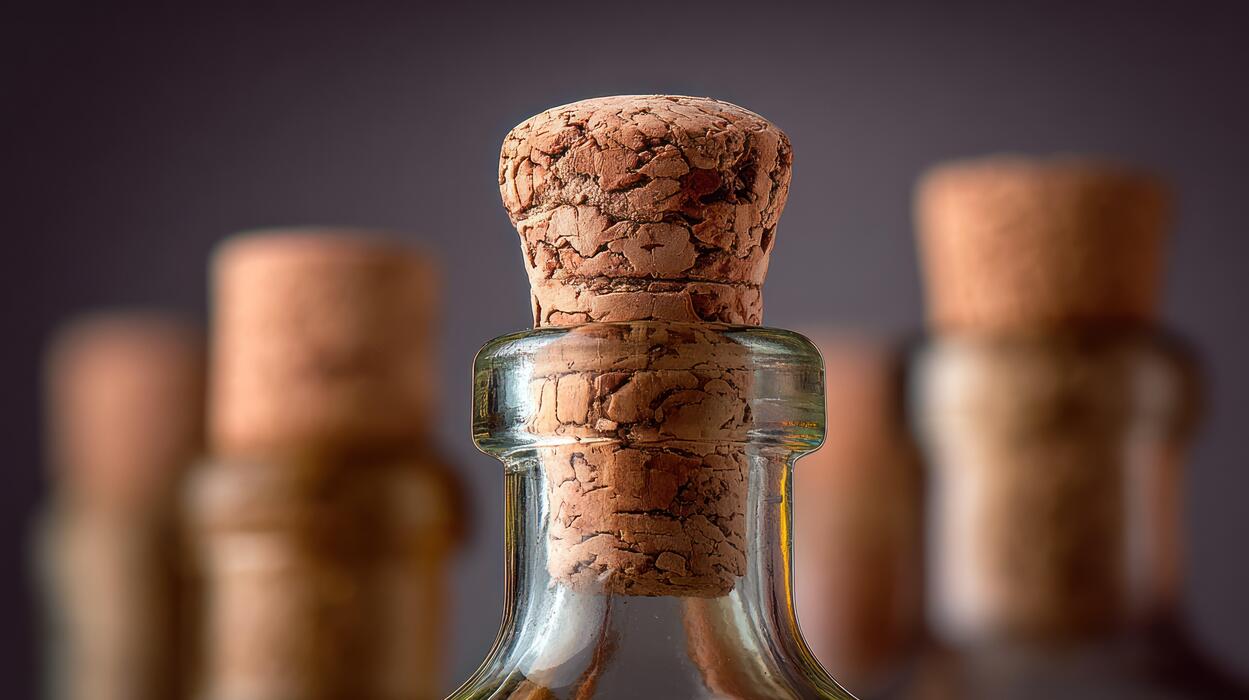
Natural cork is a remarkable material because it acts as a biological valve for your wine collection. Unlike screw caps or plastic stoppers that create a total seal, natural cork is porous, allowing for micro-oxygenation to occur over several years.
This process involves a tiny, consistent amount of oxygen entering the bottle through the cellular structure of the bark. This controlled exposure is essential for stabilizing the liquid and preventing reductive aromas, which can make a wine smell like struck matches or rubber.
By choosing bottles with quality corks, you ensure that the wine can breathe just enough to evolve without oxidizing too quickly. To maximize this benefit, always store your bottles horizontally to keep the cork moist.
A moist cork maintains its elasticity and structural integrity, ensuring the airtight seal remains effective while still permitting that vital, microscopic air exchange. Understanding this gas exchange helps collectors appreciate why cork remains the gold standard for cellar-worthy bottles intended for long-term maturation.
Developing complex flavors over time
The primary reason enthusiasts prefer cork is its unique ability to facilitate the development of tertiary aromas and flavors. As wine ages behind a natural cork, the primary fruit notes of cherry or plum begin to transform into sophisticated layers of leather, tobacco, forest floor, and dried spices.
This chemical evolution occurs because the slow introduction of oxygen interacts with the wine’s phenolic compounds. Without the specific breathing rate provided by a high-quality cork, these complex profiles would never fully materialize, leaving the wine tasting one-dimensional even after years of storage.
If you are looking to build a sophisticated palate, seek out cork-finished wines that are built for the cellar. The slow maturation process allowed by cork softens harsh acids and integrates the alcohol, resulting in a smoother, more harmonious drinking experience.
This transformation is a direct result of the unique relationship between the wine and the wood bark, making the cork a critical tool for achieving the peak expression of a vintage’s potential.
Why red wines need natural cork
Red wines benefit most from natural cork due to their high concentration of tannins derived from grape skins and seeds. These tannins can often feel astringent or ‘grippy’ in a young wine, but the gradual oxygen ingress through a cork helps to polymerize the tannins.
This process causes the small tannin molecules to link together into longer chains, which eventually fall out of the liquid as sediment. The result is a wine with a much silkier, velvety mouthfeel that is significantly more pleasant to consume.
To ensure your red wines age correctly, maintain a consistent cellar temperature around 55 degrees Fahrenheit, as fluctuations can cause the cork to expand and contract, potentially damaging the seal.
Natural cork provides the structural support necessary for heavy-bodied reds like Cabernet Sauvignon or Syrah to soften over a decade or more.
By opting for natural cork, you are investing in the chemical stability required to turn a rugged, youthful red into a refined masterpiece that showcases the true artistry of the winemaker.
Physical Properties of Natural Cork
Elasticity and the airtight seal
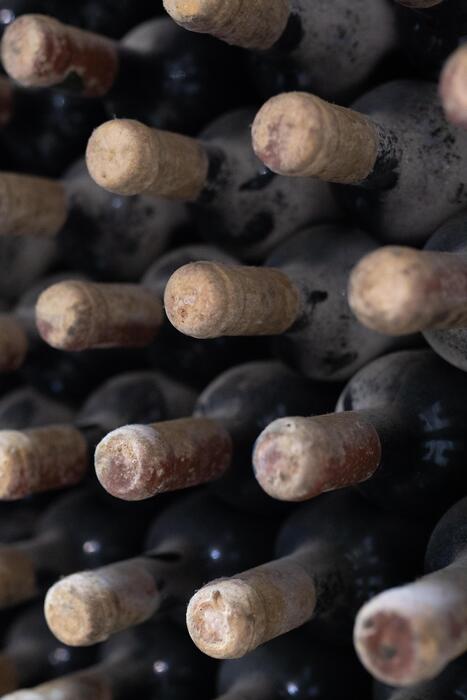
Natural cork is the preferred choice for wine preservation because of its incredible elasticity and compressibility. When a cork is inserted into a bottle, it is compressed to fit the narrow neck, and then it immediately exerts an outward pressure that creates a high-friction airtight seal.
This physical property ensures that the wine remains securely inside the bottle during transport and storage while preventing large volumes of oxygen from spoiling the liquid. For collectors, this means the cork can adapt to minor imperfections in the glass, maintaining its integrity for decades.
To maximize this benefit, always store your wine bottles horizontally; this keeps the cork moist, preventing it from drying out and shrinking, which could lead to oxidation.
By leveraging the natural spring-like memory of the cork cells, you ensure that your vintage remains protected from the external environment, allowing the wine to age gracefully without the risk of leaks or premature spoilage from air exposure.
Cellular structure of Quercus suber
The unique physical makeup of cork comes from the bark of the Quercus suber tree, which consists of a honeycomb-like cellular structure. Each cubic centimeter contains approximately 40 million cells filled with a gas mixture similar to air.
This composition acts as a natural micro-oxygenation system, allowing miniscule amounts of oxygen to interact with the wine over time. This slow gas exchange is essential for the development of complex tertiary aromas and the softening of tannins in red wines.
Unlike plastic stoppers or screw caps that provide a total block, natural cork facilitates a controlled chemical evolution that is vital for premium aging. To utilize this property effectively, maintain a consistent cellar temperature to prevent the internal gases from expanding and contracting too rapidly.
Understanding this cellular architecture helps enthusiasts appreciate why cork is not just a lid, but a functional component of the winemaking process that actively contributes to the final flavor profile and textural maturity of the wine.
Resistance to moisture and rot
One of the most remarkable physical properties of natural cork is its high concentration of suberin, a waxy fatty acid that makes the material impermeable to liquids and gases.
This natural waterproofing ensures that the wine does not soak through the stopper, while also providing a robust resistance to rot and decay. Because suberin is chemically stable, the cork will not break down when in constant contact with alcohol or acidic liquids, which is critical for long-term cellaring.
To ensure your corks remain in peak condition, maintain a humidity level of around 60-70% in your storage area. This prevents the outer portion of the cork from becoming brittle while the inner portion stays protected by its own natural rot-resistant compounds.
By choosing bottles sealed with high-quality natural cork, you are investing in a material that has evolved over millions of years to survive harsh environments, providing a durable and hygienic barrier that keeps your wine safe from microbial contamination and moisture-related degradation.
Different Types of Wine Closures
Natural vs. synthetic corks
Natural cork remains the gold standard for premium aging because its unique cellular structure allows for micro-oxygenation, a process where tiny amounts of air interact with the liquid to soften tannins and develop complex secondary aromas.
This is the primary reason why high-end wine bottles have corks; the material is sustainably harvested from the bark of Quercus suber trees and is almost entirely biodegradable. However, natural options are susceptible to TCA contamination, commonly known as cork taint, which can ruin a vintage with musty odors.
To mitigate this risk, many modern winemakers now opt for high-grade synthetic corks made from food-grade polymers or plant-based plastics.
These alternatives provide a consistent oxygen transmission rate and eliminate the risk of crumble or rot, making them a reliable solution for wines intended to be consumed within two to five years.
When choosing between them, consider the intended cellar life of your bottle to ensure the closure supports the wine’s chemical evolution perfectly.
Agglomerated and technical corks
If you are looking for a cost-effective solution that retains the traditional ritual of using a corkscrew, agglomerated and technical corks are the ideal middle ground. These closures are manufactured from granulated natural cork shavings bound together with food-safe resins.
Agglomerated versions are best suited for economy wines meant for immediate consumption, as they are inexpensive but may not withstand long-term structural pressure.
In contrast, technical corks feature solid natural discs at the ends, providing a secure barrier against oxidation while maintaining the classic aesthetic and tactile experience of a premium closure.
These hybrid designs are specifically engineered to provide a uniform density and predictable performance, solving the problem of natural variation found in raw bark.
By using these processed materials, producers can offer consumers a reliable seal that prevents leakage and spoilage without the high price tag of top-tier flor-grade natural cork. They represent a smart, solution-focused choice for high-volume production where consistency across thousands of bottles is a vital requirement for brand quality.
When to use screw caps instead
While traditionalists often prefer the pop of a cork, screw caps, or Stelvin closures, offer a superior technical solution for preserving crisp acidity and vibrant fruit notes in white wines like Sauvignon Blanc or Riesling.
These aluminum caps create a total hermetic seal that completely blocks oxygen ingress, ensuring the wine tastes exactly as the winemaker intended upon release. This makes them the perfect choice for early-consumption bottles where freshness is the priority.
Additionally, screw caps solve the practical issue of convenience, as they require no specialized tools to open and are easily resealable for short-term storage in the refrigerator. Many modern producers are also using specialized liners that allow for controlled oxygen permeability, challenging the myth that screw-capped wines cannot age.
When managing your collection, prioritize screw caps for aromatic varieties and everyday table wines to avoid the frustration of cork taint and to guarantee a flawless pouring experience every time. They represent a modern, efficient evolution in bottling technology that prioritizes consumer ease and wine integrity over historical ceremony.
Environmental Benefits of Using Real Cork
Sustainability of cork oak forests
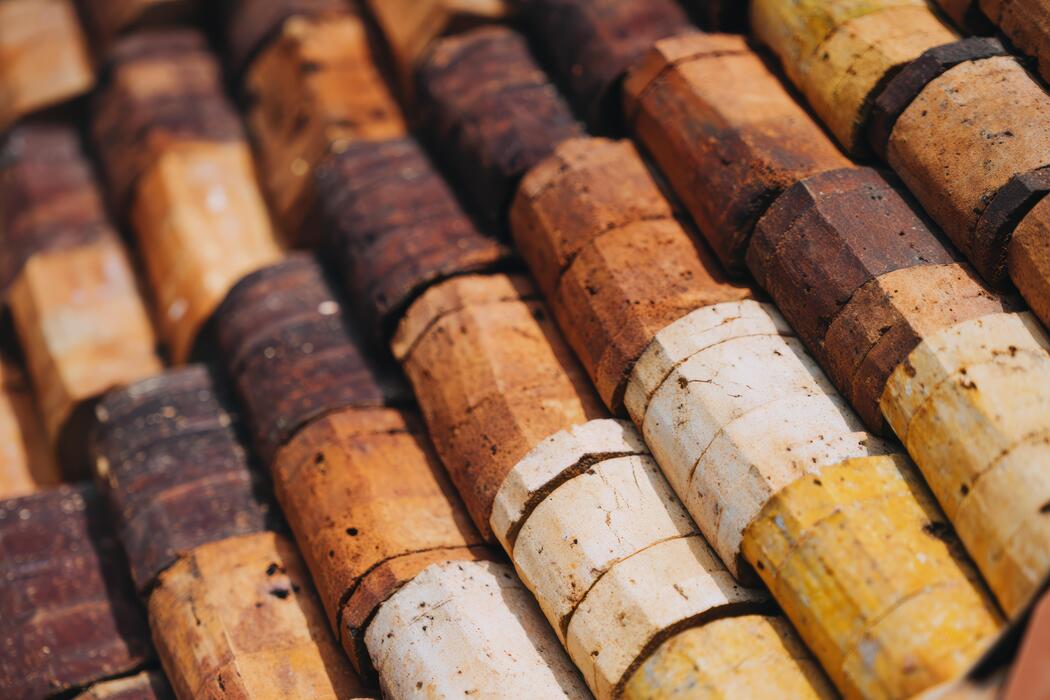
Choosing wine bottles with natural cork directly supports the preservation of cork oak forests, which are among the most sustainable resources on the planet.
Unlike synthetic alternatives, harvesting cork does not require cutting down trees; instead, the bark is carefully stripped away every nine years, allowing the tree to regenerate and live for over two centuries. This unique process makes cork a renewable resource that promotes long-term forest health.
By opting for real cork, consumers incentivize landowners to maintain these vast woodlands rather than converting the land for intensive agriculture or urban development. To maximize your environmental impact, look for FSC-certified corks which guarantee that the bark was harvested according to strict ecological standards.
This cycle of growth and harvest ensures that the forests remain productive while providing the essential sealing properties required for aging fine wines. Supporting this industry ensures that these ancient trees continue to flourish, providing a natural solution for wine preservation that respects the delicate balance of our global environment.
Biodegradability and carbon footprint
One of the most compelling reasons wine bottles have corks is their superior lifecycle profile compared to plastic stoppers or aluminum screw caps. Natural cork is 100% biodegradable and compostable, meaning it can return to the earth without leaving behind toxic microplastics or permanent waste.
Furthermore, cork oak trees are incredible carbon sinks; a harvested cork tree absorbs up to five times more CO2 than an unharvested one to facilitate its bark regeneration. This makes the production of natural cork a carbon-negative process, effectively offsetting a portion of the winery’s overall emissions.
To be more eco-friendly at home, you can recycle used corks through dedicated collection programs that repurpose them into flooring, insulation, or fashion accessories. Choosing natural cork helps reduce the amount of non-renewable materials entering landfills and minimizes the energy-intensive manufacturing processes associated with metal or oil-based closures.
This simple choice significantly lowers the environmental footprint of your favorite bottle, making it a responsible selection for the planet-conscious wine enthusiast.
Supporting traditional Mediterranean ecosystems
The use of natural cork stoppers is vital for protecting the biodiversity of Mediterranean landscapes, particularly in regions like Portugal and Spain. These cork forests, known as ‘montados’ or ‘dehesas,’ serve as a critical habitat for endangered species, including the Iberian lynx and the Spanish imperial eagle.
When you purchase wine with a real cork, you are funding the maintenance of these complex ecosystems that prevent soil erosion and desertification in vulnerable climate zones. These forests also provide a sustainable livelihood for thousands of local harvesters who use traditional techniques passed down through generations.
To support this cause, you should actively check the bottle closure before purchasing and favor wineries that prioritize traditional cork over synthetic substitutes. By doing so, you help sustain a landscape that balances human economic activity with high-level wildlife conservation.
Protecting these areas ensures that the Mediterranean region retains its natural heritage and ecological resilience, proving that the choice of a bottle stopper has profound implications far beyond the cellar or the dinner table.
Common Problems with Cork Closures
What causes cork taint (TCA)
While corks are essential for aging wine, they are susceptible to a chemical compound known as 2,4,6-trichloroanisole, or TCA. This occurs when natural fungi found in the wood of the cork tree come into contact with specific chlorides used during the cleaning or sterilization process.
Even in microscopic amounts, TCA can migrate from the closure into the wine, resulting in what enthusiasts call a ‘corked’ bottle. To prevent this, always purchase wine from reputable producers who utilize modern testing methods like gas chromatography to screen for tainted batches.
If you encounter a bottle that smells of damp cardboard or a musty basement instead of fresh fruit, it is likely affected by TCA. Most retailers will offer a replacement or refund for faulty products.
Understanding this risk is part of the traditional wine experience, but selecting brands that prioritize rigorous quality control measures will significantly reduce your chances of encountering this frustrating chemical flaw during your next tasting.
How to identify a dried-out cork
The primary reason wine bottles are stored on their sides is to keep the cork in constant contact with the liquid. When a bottle remains upright for an extended period, the cork can lose moisture and shrink, creating a faulty seal that allows excessive oxygen to enter the bottle.
This process, known as oxidation, can turn a vibrant wine into a flat, vinegar-like liquid. To identify a dried-out cork before opening, check the fill level or ‘ullage’ of the bottle; a significant gap between the cork and the wine often indicates evaporation through a compromised seal.
Additionally, look for a cork that has recessed into the neck or feels brittle to the touch. You can prevent this by maintaining a consistent humidity level of around 60% to 70% in your storage area.
Keeping your collection in a dedicated wine fridge or a cool, dark cellar ensures the cellular structure of the bark remains elastic and airtight for long-term preservation.
Dealing with crumbled or broken corks
Natural cork is a biodegradable material that can become fragile over several decades, leading it to crumble or snap during extraction. If you find your cork breaking apart, do not panic or push the remaining piece into the liquid.
Instead, use a specialized tool like an Ah-So or a ‘waiter’s friend’ corkscrew to gently grip the sides of the remaining fragment. Angle the screw diagonally to catch the largest solid portion and pull slowly with steady pressure.
If particles do fall into the wine, the most effective solution is to pour the wine through a fine-mesh stainless steel strainer or a piece of unbleached cheesecloth into a clean decanter. This process removes all debris without affecting the flavor profile or bouquet of the vintage.
To avoid this issue with older bottles, consider investing in a two-prong extractor which bypasses the center of the cork entirely. Taking these careful steps ensures that even a compromised closure does not ruin your ability to enjoy a high-quality, aged bottle of wine.
How to Store Corked Wine Properly
The importance of horizontal storage
To understand why wine bottles have corks, you must first recognize that the material is a natural, porous substance that requires moisture to function. Storing your bottles horizontally is the most critical step because it ensures the liquid remains in constant contact with the closure.
When the bottle is upright, the interior side of the stopper begins to dry out, causing it to shrink, crack, or become brittle over time. A shrunken seal allows excessive oxygen to seep into the bottle, which prematurely ages the wine and turns vibrant flavors into something flat or vinegary.
By keeping the wine resting against the cork, you maintain a tight, airtight seal that protects the liquid for years. This traditional storage method is specifically designed to leverage the physical properties of bark.
Always prioritize a side-lying position in your cellar or rack to ensure the longevity of your collection and prevent the devastating effects of unwanted oxidation caused by a dried-out closure.
Ideal temperature and humidity levels
Proper environmental control is essential because the natural elasticity of the material reacts to its surroundings. If your storage area is too dry, moisture will be pulled out of the cell structure, leading to shrinkage and potential leaks. Conversely, extreme humidity can encourage mold growth on the exterior.
To keep the seal intact, aim for a stable humidity level around 60% to 70%. Temperature is equally vital; heat causes the liquid inside to expand, which can physically push the stopper out of the neck, while extreme cold can make it lose its flexibility.
Maintaining a consistent temperature of 55 degrees Fahrenheit prevents these fluctuations from compromising the structural integrity of the seal. By managing these environmental factors, you ensure the bark remains supple enough to block out air while allowing the wine to develop complexity.
Investing in a dedicated cooling unit or a dark, damp basement space is the best way to safeguard your investment against the elements.
Signs your wine seal has failed
Even with the best storage practices, it is important to inspect your bottles regularly for signs of failure. One of the most obvious red flags is a protruding or sunken stopper, which indicates that pressure changes or temperature spikes have moved the closure from its original position.
Another warning sign is ‘sticky’ residue or visible staining around the capsule, suggesting that liquid has managed to seep past the barrier. When you finally open the bottle, look for a crumbly or dusty texture; a healthy cork should be firm and slightly moist to the touch.
If the wine smells like wet cardboard or a damp basement, it may be ‘corked’ due to a chemical compound called TCA, or it may have simply oxidized due to a compromised physical seal.
Identifying these issues early allows you to address storage problems before they ruin the rest of your cellar. Always check for seepage or discoloration under the foil to ensure your wine has aged exactly as the winemaker intended.
Frequently Asked Questions
Why is cork traditionally used for wine bottles?
Cork is a natural, renewable material that is both flexible and impermeable to liquids. It provides an airtight seal that prevents wine from leaking while remaining durable enough to withstand pressure during storage.
How does cork help with the wine aging process?
Natural cork is slightly porous, allowing tiny amounts of oxygen to interact with the wine over time. This micro-oxygenation helps soften tannins and develop complex secondary flavors, which is essential for high-quality red wines meant for long-term aging.
Are there environmental benefits to using corks?
Yes, cork is a highly sustainable material harvested from the bark of cork oak trees without cutting them down. Cork forests support high levels of biodiversity and act as significant carbon sinks, making cork a more eco-friendly option than plastic or aluminum.
What is the difference between natural cork and synthetic cork?
Natural cork is harvested from tree bark and is ideal for aging, whereas synthetic corks are made from plastic or plant-based polymers. Synthetic corks offer a consistent seal and eliminate the risk of cork taint, but they do not always allow for the same oxygen exchange as natural wood.
Why do some wines use screw caps instead of corks?
Screw caps are often used for wines intended for early consumption to ensure a complete hermetic seal and prevent ‘cork taint’ caused by TCA. They are popular for crisp white wines and rosés where preserving fresh fruit aromatics is more important than oxygen interaction.
Does the use of a cork indicate a higher quality wine?
Not necessarily; while many premium wines use high-quality natural cork for aging, many excellent modern wines use screw caps or glass stoppers. The choice of closure often depends more on the winemaker’s intended style and the wine’s expected shelf life rather than the quality of the juice itself.
Conclusion
Ultimately, wine bottles have corks because this natural material provides the perfect balance of flexibility and breathability, allowing vintage wines to age gracefully through controlled oxygen exposure. While modern alternatives exist, the traditional cork remains a symbol of quality and ritual. Next time you open a bottle, take a moment to appreciate the centuries of craftsmanship behind that simple seal. Embrace the heritage of winemaking and enjoy the unique sensory experience that only a natural cork can provide.