Storing Coffee Beans After Roasting
storing coffee beans after roasting is the key to preserving flavor, aroma, and freshness for as long as possible. If you’re wondering how to protect your beans from air, light, heat, and moisture without ruining their taste, you’re in the right place. This guide explains exactly how to store roasted coffee beans properly so every cup tastes better from the first day onward.
Why proper storage matters after roasting
What changes in coffee beans after roasting
After roasting, coffee beans become chemically active and highly sensitive to their environment. They release carbon dioxide for days in a process called degassing, while the flavorful oils and aromatic compounds created during roasting begin to change almost immediately.
This means storing coffee beans after roasting is not just about keeping them dry; it is about slowing down flavor loss without trapping in damaging conditions. Freshly roasted beans need a little time to settle, but they also need protection from air exposure that speeds staling.
As the beans rest, their sugars, acids, and volatile compounds continue to shift, which affects how the coffee tastes in the cup. To protect quality, move beans into an airtight, opaque container once they have cooled and keep them in a stable place.
Good storage supports the natural post-roast development of the beans and helps preserve sweetness, balance, and aroma for longer.
How oxygen, light, heat, and moisture affect freshness
The main enemies of roasted coffee are oxygen, light, heat, and moisture, and each one reduces freshness in a different way. Oxygen causes oxidation, which dulls aroma and flattens flavor, so repeated opening of a large bag can make beans taste stale faster.
Light, especially direct sunlight, breaks down delicate compounds and can cause the beans to lose their vibrant character. Heat speeds up all forms of degradation, which is why storing coffee near an oven, stove, or sunny windowsill shortens its peak life.
Moisture is especially harmful because beans can absorb it from the air, leading to flavor damage, uneven grinding, and possible spoilage risks. The most effective solution is to store beans in a cool, dark, dry cabinet in a sealed, opaque container.
Avoid the refrigerator, where condensation and food odors can affect the beans. If you buy in bulk, divide coffee into smaller portions to limit repeated air exposure.
Why storage habits shape flavor, aroma, and shelf life
Daily storage habits have a direct impact on how long roasted coffee tastes lively, aromatic, and balanced. Even excellent beans can lose their best qualities quickly if they are left in a half-open bag, exposed to warm kitchen air, or transferred into clear containers on the counter.
Smart habits help preserve the roast’s intended profile, including sweetness, body, acidity, and the subtle aromas that make fresh coffee enjoyable. For better results, buy amounts you can use within a few weeks, keep beans whole until brewing, and open only the portion you need.
Using a small, airtight container with minimal headspace is often better than repeatedly opening one large container. If storing coffee beans after roasting for longer periods, freezing in well-sealed single-use portions can help, but only if you avoid thawing and refreezing.
Consistent storage habits protect flavor from day to day and extend shelf life without sacrificing cup quality.
When to store coffee beans after roasting
How soon beans should go into storage
After roasting, coffee beans should usually go into storage as soon as they have fully cooled to room temperature. That often means within a few hours of roasting, not days later.
Letting beans sit out too long exposes them to oxygen, moisture, heat, and light, all of which speed up staling and flatten flavor. The best approach is to cool the beans completely, then transfer them into a clean, airtight container or a bag with a one-way valve.
If you roasted at home, avoid sealing beans while they are still warm, because trapped warmth can create condensation and harm freshness. For most people, the practical rule is simple: cool first, store second, leave them protected right away.
Keep the container in a dark, stable, room-temperature place rather than the fridge. Fast, careful storage helps preserve aroma and gives the beans the best chance to rest properly before brewing.
What degassing means for freshly roasted coffee
Degassing is the natural release of carbon dioxide trapped inside the beans during roasting. Freshly roasted coffee continues to give off this gas for several days, and sometimes longer, depending on the roast level and bean density.
This matters because brewing too early can lead to uneven extraction, excess bloom, and flavors that seem sharp or underdeveloped. It also matters for storage, because beans that are still degassing can build pressure inside a fully sealed container.
That does not mean you should leave them exposed on the counter. Instead, store them in a valve bag or container that limits oxygen while allowing gas to escape gradually. In general, espresso beans often benefit from a longer rest, while filter coffee may taste good sooner.
The key is to understand that degassing is normal, useful, and temporary. Giving beans a short resting period helps sweetness, balance, and clarity develop before you start brewing regularly.
Best timing for sealing beans without trapping too much gas
The best timing for sealing coffee beans is usually after they have cooled completely, but while they are still very fresh, using packaging that manages gas well.
If you have a one-way valve bag, you can package beans the same day they cool, because the valve lets carbon dioxide escape without pulling much oxygen in.
If you are using a truly airtight jar with no valve, wait until the beans have cooled and consider opening the lid briefly once or twice during the first day if you know they are extremely fresh.
For many home roasters, a smart routine is to cool the beans, package them within hours, and then let them rest sealed in a dark cupboard. This protects them from air while avoiding unnecessary exposure.
In most cases, the balance you want is minimal oxygen contact, controlled degassing, and no heat or moisture inside the container. That gives you fresher beans and more stable flavor when brewing time arrives.
Best containers for storing roasted coffee beans
How to choose airtight containers that protect freshness
When storing coffee beans after roasting, prioritize containers with a true airtight seal to slow exposure to oxygen, which is the main cause of stale flavor. Look for canisters made from stainless steel, ceramic, or food-safe coated metal with silicone gaskets and secure clamps or twist-lock lids.
Avoid loosely fitted lids that let in air every time the container is moved. A good container should also be easy to open and close without leaving grounds or oil on the rim, since residue can weaken the seal over time.
If possible, choose a design that minimizes the amount of trapped air above the beans. For best results, keep the container in a cool, dark, dry place and only open it briefly when measuring out your daily coffee.
One-way valve bags vs canisters: which works better
For storing coffee beans after roasting, both options can work well, but the best choice depends on how quickly you use the beans.
One-way valve bags are excellent right after roasting because they let carbon dioxide escape without allowing oxygen back in, which helps protect flavor during the early degassing period. They are especially useful if the original bag is thick, resealable, and stored properly.
Airtight canisters are often better for everyday convenience once the beans have settled, especially if they reduce air exposure after each use. If you buy specialty coffee in high-quality valve bags, keeping beans in the original packaging can be perfectly effective.
If you transfer them, do it only once and use a small, airtight container that matches the amount you’ll drink soon.
Why opaque containers are better than clear jars
Opaque containers are a smarter choice because light speeds up coffee deterioration, especially when beans are stored on a counter or near a window. Even if your kitchen seems dim, repeated exposure to sunlight or bright indoor light can gradually flatten aroma and freshness.
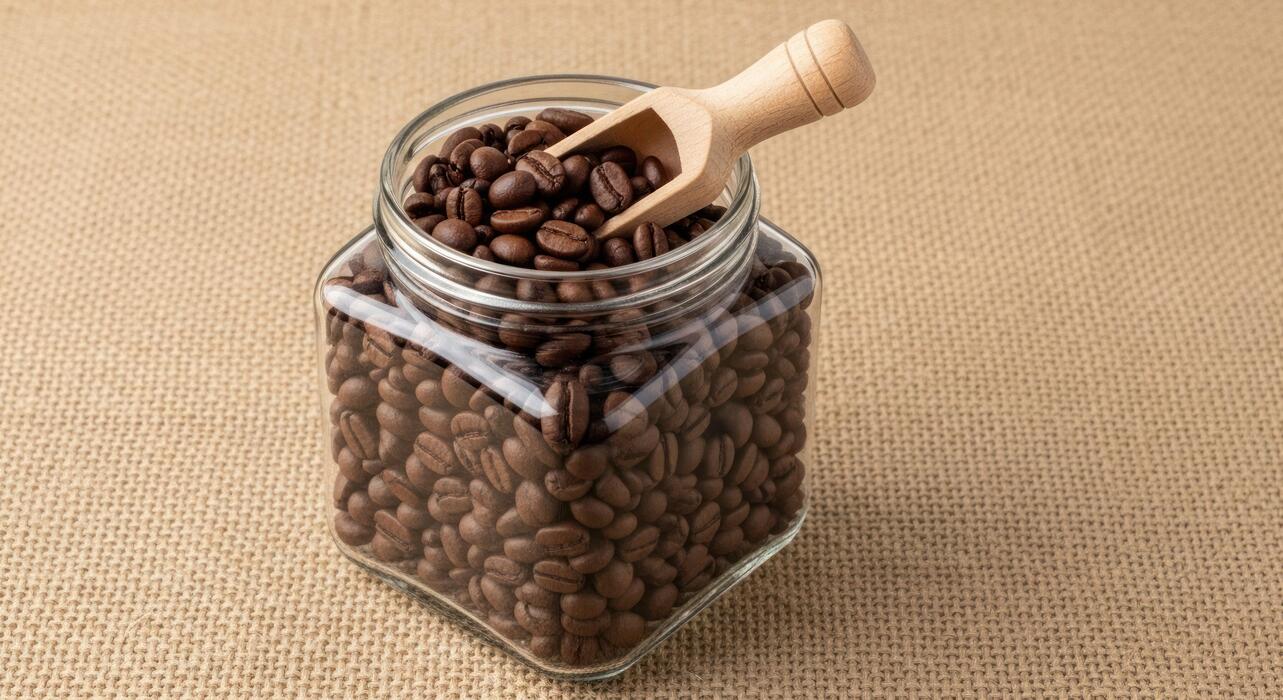
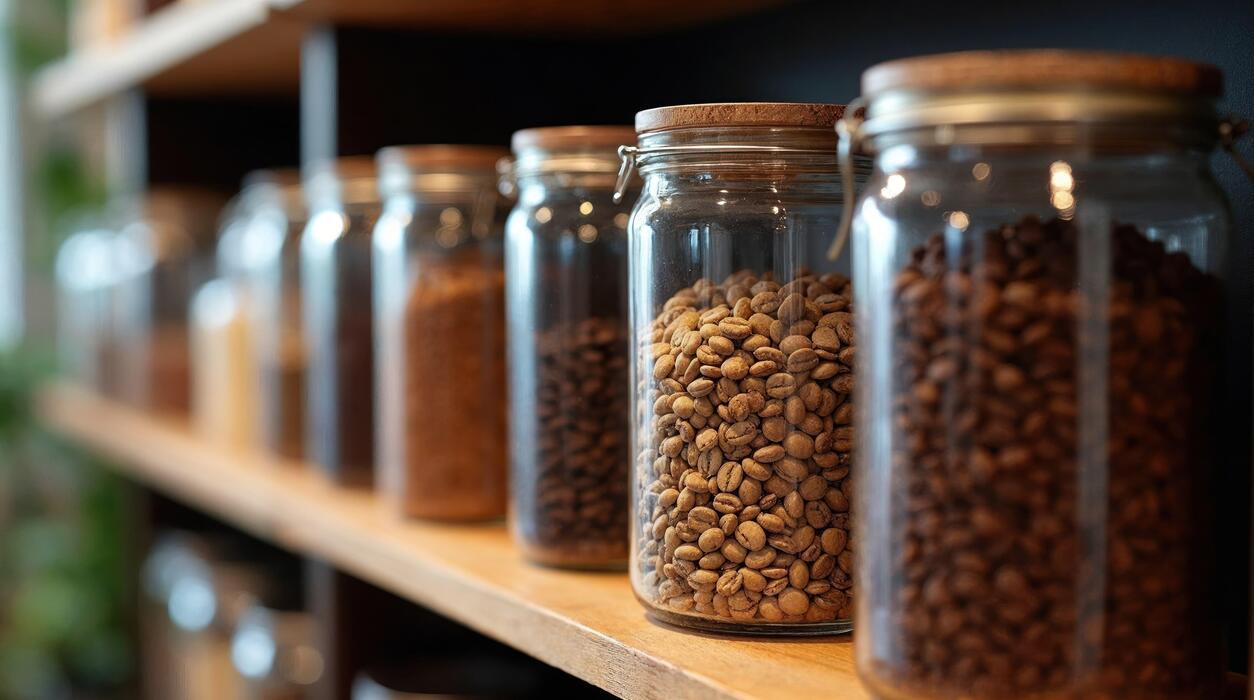
Clear glass jars may look attractive, but they offer little protection unless they are kept inside a dark cupboard at all times. Opaque stainless steel or ceramic containers help shield beans from both light and temperature fluctuations better than transparent options.
If you already use a clear jar, move it into a cabinet immediately and avoid displaying it in open light. For the best long-term flavor retention, pair an opaque container with an airtight seal and store it away from heat sources like ovens, kettles, and coffee machines.
Tips for picking the right container size for daily use
Choose a container size that matches how much coffee you use in about one to two weeks, because oversized containers trap extra air each time you open them. If you buy large quantities, split the beans into smaller portions instead of storing everything in one big canister.
Keep one container for daily use and the rest sealed separately until needed. This reduces repeated oxygen exposure to your full supply and helps each portion stay fresher longer. A container that is nearly full performs better than one that is half empty, since there is less air inside.
If you brew different coffees, use separate labeled containers so you rotate stock properly and avoid mixing old beans with fresh ones. Right-sizing the container is a simple way to preserve aroma and consistency.
Best places to keep coffee beans at home
How to store beans in a cool, dark, dry spot
After roasting, coffee beans keep their flavor best when they are stored in a cool, dark, and dry location with a stable temperature. The goal is to slow flavor loss without exposing the beans to moisture, heat, or light.
A pantry shelf, interior cupboard, or dedicated food cabinet away from appliances usually works well. Place beans in an airtight, opaque container to reduce contact with oxygen and block light, both of which speed staling.
Keep the container tightly sealed after each use, and open it only long enough to remove what you need. It also helps to store beans in small portions, so your main supply is not repeatedly exposed to air. Avoid transferring beans between containers often, since every move introduces more oxygen.
For everyday use, choose a spot that stays consistently room temperature rather than somewhere that warms up during the day or turns damp after cooking.
Why kitchen counters and cabinets are not always equal
Not every kitchen storage area protects roasted beans equally, even if both seem convenient. A countertop can look tidy, but it often exposes coffee to light, temperature swings, and cooking heat, especially if it sits near a toaster, kettle, or sunny window. Cabinets are usually better, but their location matters.
A cabinet above the oven or beside the dishwasher may trap warmth and steam, which can damage freshness faster than an interior pantry shelf. The best cabinet is one that stays cool, shaded, and low in humidity throughout the day.
Check how the space feels after you cook; if it becomes warm or moist, it is not ideal for beans. Also think about how often the storage spot is opened. A frequently used cabinet near the stove experiences more environmental change than a quiet pantry.
Choose the most stable and protected space, not simply the nearest or most attractive one.
Places to avoid, including near ovens, windows, and sinks
Some home storage spots shorten the life of roasted coffee quickly, even when the beans are in a good container. Avoid keeping beans near ovens, stovetops, microwaves, kettles, or radiators, because steady warmth and repeated heat exposure speed up flavor breakdown.
Windows are another poor choice since direct sunlight and daily temperature changes can age beans faster. Areas near sinks or dishwashers should also be avoided because moisture and steam can seep into the environment every time you wash dishes or run a cycle.
Even a beautiful open shelf can be a bad storage place if it faces afternoon sun or sits in a humid cooking zone. Do not store beans in the refrigerator for daily use, since odors and condensation can affect taste when the container is opened.
Instead, keep them away from heat, light, and water sources in the most temperature-stable part of your kitchen or pantry.
Should you refrigerate or freeze coffee beans?
What happens when beans are stored in the fridge
Storing roasted coffee beans in the refrigerator usually causes more harm than help. Coffee is porous, so beans can absorb odors and moisture from nearby foods, which dulls flavor and creates stale or uneven brews.
The fridge also exposes beans to temperature swings every time the door opens, encouraging condensation on the surface. That added moisture speeds up flavor loss rather than preserving freshness.
For most people, the better option after roasting is to keep beans in an airtight, opaque container at room temperature in a cool, dry cupboard away from sunlight, heat, and steam.
If you expect to finish the beans within two to four weeks, avoid refrigeration and focus instead on minimizing air exposure by opening the container as little as possible.
When freezing roasted coffee beans makes sense
Freezing roasted coffee beans can be useful when you need to store them longer than a few weeks and want to slow down staling. It makes the most sense for extra bags, bulk purchases, or rare beans you will not open right away.
Freezing helps preserve aromatics better than leaving unopened beans at room temperature for months, but only if you protect them from air, moisture, and repeated thawing.
It is not the best choice for beans you use every day, because taking the same bag in and out of the freezer can cause condensation and flavor damage.
A practical rule is simple: keep your current working supply in a sealed container at room temperature, and freeze only the beans you plan to use later in separate, tightly sealed portions.
How to freeze beans in small portions to reduce damage
To freeze roasted coffee successfully, divide beans into small portions before they go into the freezer. Portion out only what you expect to use in a few days to a week, then seal each amount in an airtight freezer bag or vacuum-sealed pouch.
Press out as much air as possible, because oxygen speeds staling even in cold storage. Label each packet with the roast date and freeze date so you can rotate stock easily.
Freezing in single-use or short-use amounts matters because it prevents you from reopening one large bag repeatedly, which exposes the beans to moisture and temperature changes. For even better protection, place the sealed portions inside a second container or bag.
The goal is stable cold storage with minimal air contact from the moment the beans are frozen.
Best ways to thaw frozen beans without adding moisture
The safest way to thaw frozen coffee beans is to keep the package fully sealed until it reaches room temperature. This prevents warm air from hitting the cold beans directly, which is what creates condensation.
Move one portion from the freezer to the counter and let it sit unopened for several hours, depending on the size of the packet. Once it feels room temperature, open it and use the beans as normal.
Avoid thawing, refreezing, or opening the bag while the beans are still cold, because that adds moisture and can flatten flavor. If you froze single-use portions, you may be able to grind and brew them soon after thawing without delay.
The key is simple: seal first, warm slowly, then open only when dry and ready to use.
Common mistakes that make roasted coffee go stale faster
Why opening the container too often shortens freshness
Every time you open your coffee container, fresh oxygen rushes in and starts breaking down the oils and aromatic compounds that make roasted beans taste vibrant. Frequent opening also causes small temperature and humidity shifts, especially in warm kitchens, which speeds up staling.
A simple fix is to store beans in an airtight, opaque container and only open it when needed. If you buy larger amounts, divide the beans into smaller daily or weekly portions so the main supply stays sealed most of the time.
This reduces repeated air exposure and helps preserve flavor longer. For best results, keep the container in a cool, dark, dry place away from sunlight, heat sources, and steam.
How grinding too early affects taste and aroma
Grinding beans too far in advance is one of the fastest ways to lose quality because ground coffee has much more surface area exposed to air than whole beans. Once ground, the coffee releases its aroma and flavorful gases quickly, leaving your brew flatter, duller, and less sweet.
Even a few hours can make a noticeable difference, especially with lighter roasts or specialty beans. The best solution is to grind only what you need right before brewing. If convenience matters, pre-portion whole beans instead of pre-grinding them.
Use a consistent grinder setting for your brew method and keep the grinder clean so old grounds do not affect taste. Fresh grinding gives you stronger fragrance, better extraction, and a more balanced cup.
Why storing beans in the original bag is not always enough
The original coffee bag can help for short-term storage, but it is not always the best long-term option after opening. Many bags include a one-way valve that lets gases escape, but once the seal is broken, the bag may no longer protect beans well from air, light, and humidity.
Thin packaging can also let the beans get compressed or exposed to kitchen conditions more easily. A better approach is to transfer opened beans into an airtight container with minimal empty space.
If you keep them in the bag, press out excess air and seal it tightly with a clip, then place it inside another sealed container. The goal is to limit oxygen exposure and maintain a stable, dark storage environment after roasting.
How moisture and strong odors can ruin your coffee
Roasted coffee beans are highly porous, which means they can absorb moisture and surrounding smells surprisingly fast. If stored near spices, onions, cleaning products, or in a humid area, the beans can pick up unwanted odors and lose their original character.
Moisture is especially damaging because it can dull flavor, affect brewing consistency, and in extreme cases encourage spoilage. To avoid this, never store beans in the fridge, where condensation and food odors are common.
Instead, keep them in an airtight container in a dry cupboard away from the stove, sink, dishwasher, or anything strongly scented. Always use a clean, dry scoop, and make sure hands and containers are completely dry before handling the beans to protect freshness.
How long roasted coffee beans stay fresh and how to tell
Typical freshness timeline for whole beans after roasting
For most home brewers, whole roasted coffee beans taste best from about 5 days to 4 weeks after roasting, though the exact window depends on roast level, processing, and storage. Very fresh beans can release extra carbon dioxide, so waiting a few days often improves balance, especially for espresso.
After the first month, beans are usually still usable, but aroma, sweetness, and complexity begin to fade. By 6 to 8 weeks, many coffees taste flatter unless they were stored exceptionally well in a sealed, low-oxygen environment.
To manage freshness, check the roast date instead of the best-before date, and aim to buy only what you can finish within 2 to 4 weeks of opening. This gives you a better chance of brewing coffee at its peak.
Signs your coffee beans are past their best
Beans that are no longer at their peak usually show it in both smell and cup quality. A fresh coffee should have a clear, pleasant aroma when you open the bag. If the beans smell muted, papery, woody, or vaguely stale, they are likely losing their best flavors.
In brewing, watch for flat acidity, dull sweetness, weak aroma, and a hollow or bitter finish. Espresso may also produce less crema and extract less consistently. Visually, beans can look a little dry and lifeless, although appearance alone is not always reliable.
The most practical test is comparison: brew an older batch beside a fresher one and note whether the older cup tastes less vibrant. If it still tastes good, use it, but expect less clarity and depth as the beans age.
Tips for buying smaller amounts and rotating stock
A simple way to improve freshness is to buy less coffee more often. Instead of purchasing a large bag that sits for weeks, choose smaller amounts you can finish within 2 to 3 weeks of opening.
This is especially helpful if you switch between several coffees, since each open bag loses freshness over time. When stocking up, label bags or containers with the roast date and the date you opened them, then use the oldest first.
Avoid opening multiple large bags at once unless you drink coffee quickly. If you find a coffee you love, consider buying a main bag for current use and a backup portion stored sealed for later.
This rotation system reduces waste, keeps flavor more consistent, and makes it easier to enjoy beans while they are still lively.
Best ways to keep beans fresh for everyday brewing
To keep roasted beans fresh after roasting, focus on protecting them from air, light, heat, and moisture. Store beans in an opaque, airtight container at a stable room temperature, ideally in a cupboard away from ovens, windows, and steam.
Keep only the amount you use daily in your grinder hopper, because prolonged exposure speeds up staling. It is usually best to leave beans in their original resealable bag if it has a one-way valve, then place that bag inside a sealed container for extra protection.
Avoid the fridge, where condensation and odors can affect flavor. If you must store beans longer, freeze them in small, sealed portions and thaw only what you need. For everyday brewing, buy fresh, keep containers closed, and grind just before brewing.
Frequently Asked Questions
How long should coffee beans rest after roasting before storage?
Freshly roasted coffee beans usually benefit from a short resting period so excess carbon dioxide can escape. For most coffees, resting 24 to 72 hours before sealing for storage helps improve flavor clarity while still preserving freshness.
What is the best container for storing coffee beans after roasting?
An airtight, opaque container is best because it protects beans from oxygen, light, and moisture. Containers with a one-way valve can be especially useful just after roasting because they let gas escape without letting air in.
Should I store roasted coffee beans in the fridge?
Refrigeration is generally not recommended because coffee beans can absorb moisture and food odors. A cool, dry, dark cupboard is usually a better everyday storage location.
Is freezing roasted coffee beans a good idea?
Freezing can work well for longer-term storage if the beans are sealed in small, airtight portions to avoid repeated thawing. Only remove what you plan to use soon, and let the sealed portion come to room temperature before opening to reduce condensation.
How can I keep roasted coffee beans fresh for as long as possible?
Store them away from heat, sunlight, air, and humidity, and keep the container closed except when measuring out beans. Buying smaller amounts more often is also one of the simplest ways to maintain peak freshness.
How long do roasted coffee beans stay fresh in storage?
Roasted whole beans often taste best within about 2 to 4 weeks of the roast date when stored properly. They remain usable beyond that, but aroma and flavor complexity gradually decline as oxidation increases.
Should I grind coffee before storing it?
It is better to store coffee as whole beans and grind only what you need right before brewing. Whole beans lose flavor more slowly than ground coffee because less surface area is exposed to air.
Conclusion
Properly storing coffee beans after roasting preserves the flavor, aroma, and freshness you worked hard to achieve. Keep beans in an airtight, opaque container, away from heat, light, moisture, and air, and avoid frequent opening when possible. Skip the fridge, use the freezer only for long-term storage, and buy or roast in small batches. With the right habits, every cup can stay rich, balanced, and satisfying for longer.