Storing Fresh Roasted Coffee Beans
storing fresh roasted coffee beans correctly keeps their flavor, aroma, and freshness intact for as long as possible. If you are wondering where to store them, which containers work best, and what to avoid, you are in the right place. The main challenge is protecting beans from air, light, heat, and moisture without overcomplicating the process. With the right storage habits, you can preserve quality, reduce waste, and enjoy better-tasting coffee from every batch you brew.
Why proper storage matters for fresh roasted coffee beans
How freshness affects flavor and aroma
Fresh roasted coffee beans taste best when their volatile aroma compounds and natural oils are still intact. These compounds create the sweetness, fruit, chocolate, floral, or nutty notes people expect from quality coffee. When storing fresh roasted coffee beans, the goal is to slow flavor loss without trapping damaging conditions.
Keep beans in an opaque, airtight container and place it in a cool, dry cupboard away from sunlight, heat, and steam. This helps preserve the gases and aromatic compounds that support a lively cup.
Freshness also affects brewing performance: beans that are too exposed to air can lose complexity and produce a flatter, duller extraction. For best results, buy coffee in amounts you can use within 2 to 4 weeks after the roast date, and grind only what you need just before brewing.
Small storage habits make a noticeable difference in keeping coffee vibrant, balanced, and enjoyable.
What happens to beans after roasting
After roasting, coffee beans do not stay chemically still. They begin releasing carbon dioxide, a process called degassing, while also becoming more vulnerable to oxygen, moisture, heat, and light.
In the first days after roasting, this gas release can actually protect flavor somewhat, but over time the beans gradually lose the compounds that make coffee smell and taste fresh. That is why storing fresh roasted coffee beans correctly matters from day one.
Use a sealed container with minimal empty space to reduce oxygen contact, and avoid frequent opening if possible by dividing coffee into smaller portions. Roasted beans are also porous, so they can absorb odors and humidity from the kitchen, which can alter flavor.
Freezing can help only if done carefully in airtight, single-use portions, but daily in-and-out freezing is not ideal. Understanding these post-roast changes helps you choose storage methods that preserve quality longer and reduce waste.
The biggest reasons coffee goes stale
Coffee usually goes stale because of four main enemies: oxygen, moisture, heat, and light. Oxygen causes oxidation, which breaks down the flavorful oils and aromatic compounds in roasted beans. Moisture is especially harmful because beans can absorb it from the air, leading to dull flavors and inconsistent brewing.
Heat speeds up all of these degrading reactions, while light gradually damages the compounds responsible for freshness. Another common cause is repeated exposure: opening a large bag several times a day lets in fresh air again and again.
To prevent staling, store beans in an airtight, opaque container, keep them away from the stove, kettle, window, and fridge, and avoid transparent jars on the counter. The refrigerator is a poor choice because coffee easily picks up odors and condensation.
If you want beans to stay fresher longer, buy smaller quantities more often and keep your storage setup simple, cool, dark, and dry.
Best containers for storing fresh roasted coffee beans
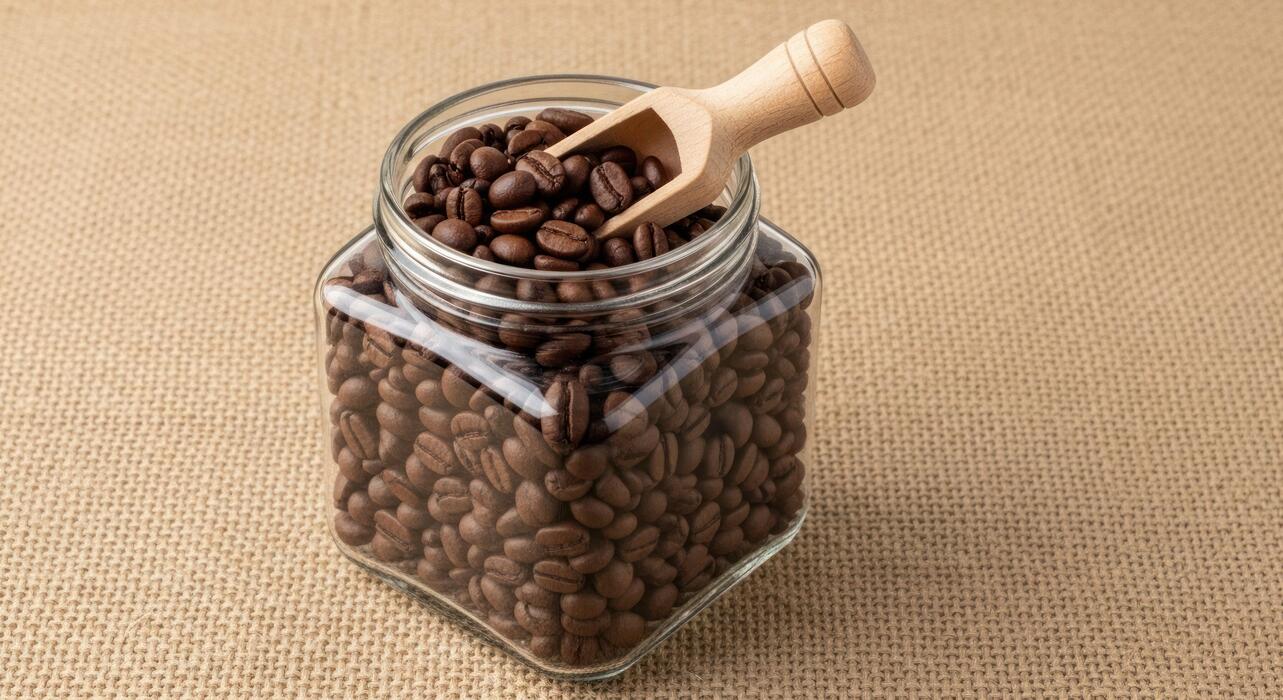
How to choose an airtight coffee container
The best container for storing fresh roasted coffee beans is one that limits exposure to air, light, heat, and moisture. Start with a container that has a tight silicone or rubber seal and a secure lid that does not wiggle or leak when closed.
Choose a size that closely matches how much coffee you keep on hand, because less empty space means less oxygen sitting around the beans. For most home brewers, a container that holds one to two weeks of beans is ideal.
Stainless steel, ceramic, or other food-safe materials work well as long as the seal is strong and the inside stays dry and odor-free. Avoid containers with frequent opening for large bulk storage; instead, divide beans into smaller portions so the main supply is disturbed less often.
If possible, keep the container in a cool cupboard, not on the counter near sunlight, the oven, or a dishwasher.
Opaque vs clear containers: which is better
For storing fresh roasted coffee beans, opaque containers are usually the better choice because they block light, which helps slow flavor loss.
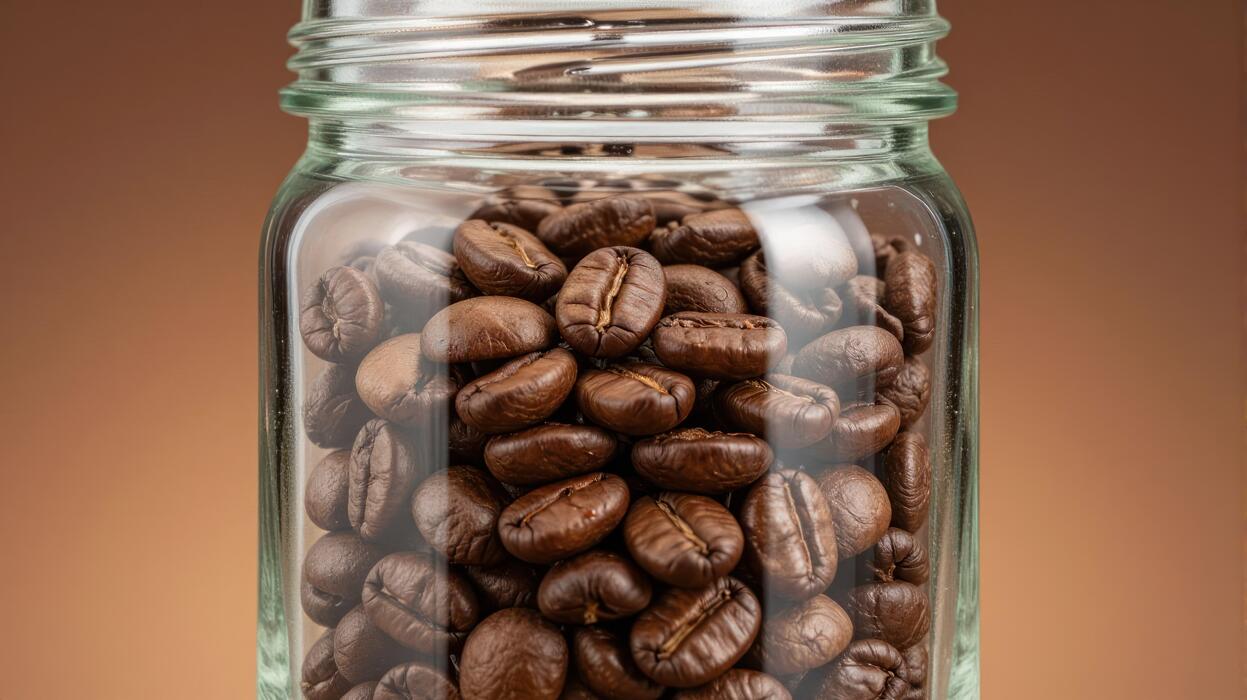
Coffee beans are sensitive to UV and visible light, and while a clear jar may look attractive on the counter, it allows more exposure every day, especially in bright kitchens.
If you already own a clear glass container, it can still work if you keep it inside a dark cabinet and away from heat sources. However, for the simplest and most reliable setup, choose stainless steel, ceramic, or another non-transparent container with a strong airtight seal.
The difference matters more if beans sit for several days or weeks rather than just a day or two. Clear containers also tempt people to display coffee on open shelves, which adds both light and temperature swings.
In most homes, an opaque, airtight container stored in a cupboard offers the best balance of protection, convenience, and bean freshness.
Are vacuum canisters worth it for home storage
Vacuum canisters can be worth it for home storage, but they are not always necessary. Their main benefit is reducing oxygen contact, which can help preserve aroma and slow staling, especially if you buy larger amounts of freshly roasted beans.
They are most useful when paired with good habits: storing coffee in small batches, keeping the canister in a cool, dark place, and opening it only when needed. That said, a high-quality regular airtight container often performs very well for people who use beans within one to two weeks.
Some vacuum canisters are more about marketing than meaningful performance, so look for models with reliable seals, durable construction, and easy pumping or automatic vacuum features. They are a smart upgrade if you notice your coffee losing vibrancy before you finish the bag.
If your household goes through beans quickly, though, a simple opaque airtight container may give you nearly the same everyday results for less money.
Where to store coffee beans for the best results
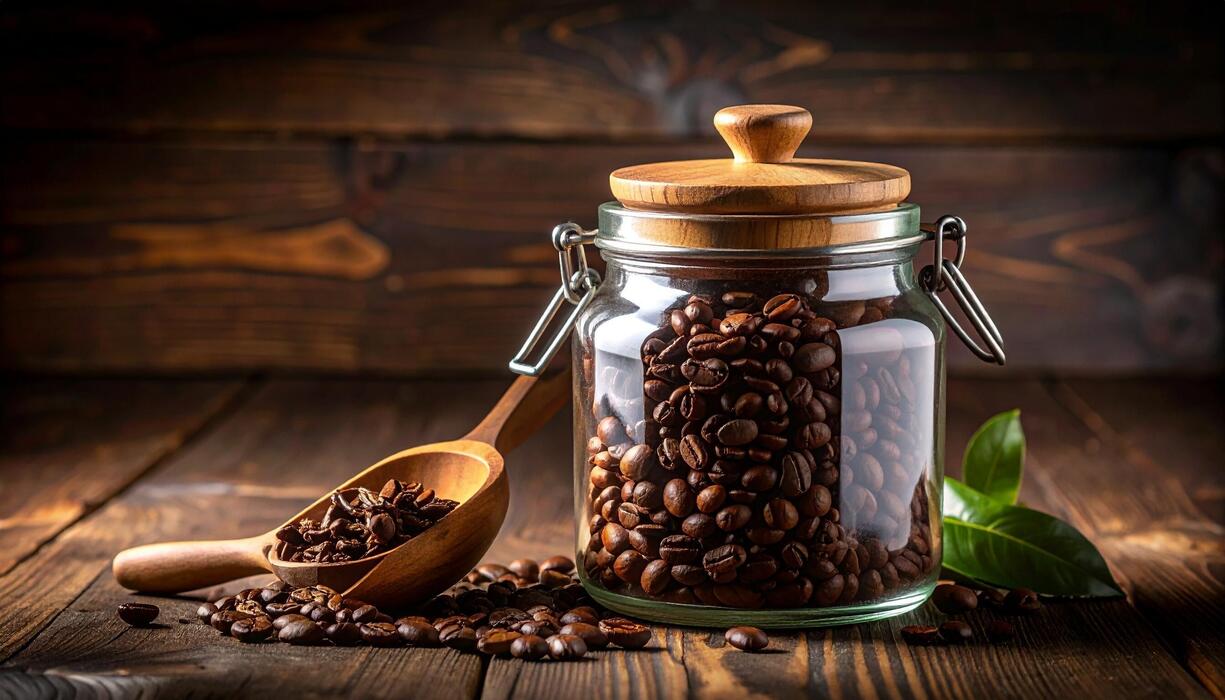
Cupboard, pantry, or countertop: best place to keep beans
For storing fresh roasted coffee beans, the best everyday location is a cool, dark cupboard or pantry that stays at a fairly stable room temperature.
Place beans in an opaque, airtight container and keep that container away from the oven, dishwasher, sunny windows, or any shelf that warms up during the day. If your kitchen runs hot, choose the most shaded interior cabinet rather than leaving beans on the countertop.
A countertop can work only if the container is fully lightproof, sealed well, and kept far from steam and heat sources, but enclosed storage is usually safer. Buy beans in amounts you can use within 2 to 4 weeks after opening for the best flavor.
If the original coffee bag has a one-way valve and a strong zip closure, it can be fine inside a cupboard, but a dedicated container usually offers better protection from oxygen and light and keeps aroma and taste fresher for longer.
Why heat, light, and moisture shorten freshness
Fresh roasted coffee beans lose quality fastest when exposed to heat, light, air, and moisture. Heat speeds up the breakdown of the aromatic oils and volatile compounds that give coffee its sweetness, fruit notes, chocolate tones, and complexity.
Light, especially direct sunlight, also degrades those compounds and can make beans taste dull more quickly. Moisture is a separate problem: beans can absorb humidity and odors from the kitchen, which may flatten flavor and create uneven brewing.
That is why storing coffee near the sink, kettle, dishwasher, or refrigerator door is usually a bad idea. Refrigerators are not ideal for everyday use because opening and closing them creates condensation and introduces food smells. Instead, keep beans dry, shaded, and sealed tightly at room temperature.
A stable environment matters more than a fancy container. When beans are protected from these freshness killers, they retain their aroma longer and produce a cup that tastes cleaner, sweeter, and more balanced.
Tips for storing beans in small kitchens
In a small kitchen, the goal is to create a consistent, low-clutter storage routine that protects coffee without taking up much space. Use a compact airtight container that fits inside an upper cabinet, drawer, or pantry basket rather than leaving the bag exposed on the counter.
Choose a spot far from the toaster, stove, microwave, kettle, and sink, even if that means storing beans in a hallway cupboard just outside the kitchen.
If you buy larger amounts, divide coffee into small weekly portions so only one portion is opened at a time while the rest stays sealed. Label the container with the roast date and aim to finish each portion promptly.
Avoid transferring beans repeatedly between containers, since extra handling introduces more air. If freezer storage is necessary because space is tight and you buy in bulk, freeze sealed single-use portions, then thaw a portion before opening it to prevent condensation.
In tight spaces, less exposure and more routine make the biggest difference.
How long fresh roasted coffee beans stay at their best
When to start using beans after the roast date
For the best cup, start brewing most fresh roasted coffee beans about 3 to 7 days after the roast date. This short rest lets excess carbon dioxide escape, which helps water extract flavor more evenly and prevents overly bubbly, uneven brews.
If you make espresso, waiting a bit longer, often 5 to 10 days, can improve shot stability and sweetness. For filter, pour-over, or French press, many beans taste great slightly earlier.
Store them in their original bag if it has a one-way valve, or move them to an airtight, opaque container kept in a cool, dry cupboard. Avoid opening the bag repeatedly during the first few days, since oxygen speeds staling.
If the coffee is a lighter roast, it may improve with a longer rest; darker roasts are often ready sooner. The best approach is simple: taste at intervals and note when sweetness, aroma, and clarity peak.
How long whole beans stay fresh after opening
After opening, whole coffee beans usually stay at their best for 2 to 4 weeks, though the exact window depends on roast level, processing method, and storage habits. To keep them tasting fresh, limit exposure to oxygen, heat, light, and moisture, which are the main causes of flavor loss.
Use an airtight container or tightly reseal the original valve bag after each use, and store it in a dark cabinet away from the oven, dishwasher, and sunny counters. Only buy the amount you can finish within a few weeks, because even perfect storage cannot stop staling forever.
Avoid keeping daily-use beans in the fridge, where condensation and food odors can affect flavor. If you buy in bulk, freeze smaller sealed portions and thaw only what you need before opening. Most importantly, grind just before brewing, since ground coffee loses freshness far faster than whole beans.
Signs your coffee beans are past their peak
Coffee beans past their peak are usually still safe to drink, but they produce a less satisfying cup. The clearest sign is faded aroma: when you open the container, the smell should be vivid and inviting, not dull or barely noticeable.
In the cup, stale beans often taste flat, papery, woody, or muted, with less sweetness and almost no finish. You may also notice the brew seems thin, even when your recipe has not changed.
For espresso, older beans can pull faster, less stable shots with weak crema; for filter coffee, they can lose clarity and sparkle. Visually, very oily dark roasts may oxidize faster, but oil alone does not always mean the beans are bad.
If beans smell musty, rancid, or strangely sour, discard them. When quality drops, adjust by grinding slightly finer as a short-term fix, but for best flavor, replace them with a fresher batch.
Common mistakes to avoid when storing coffee beans
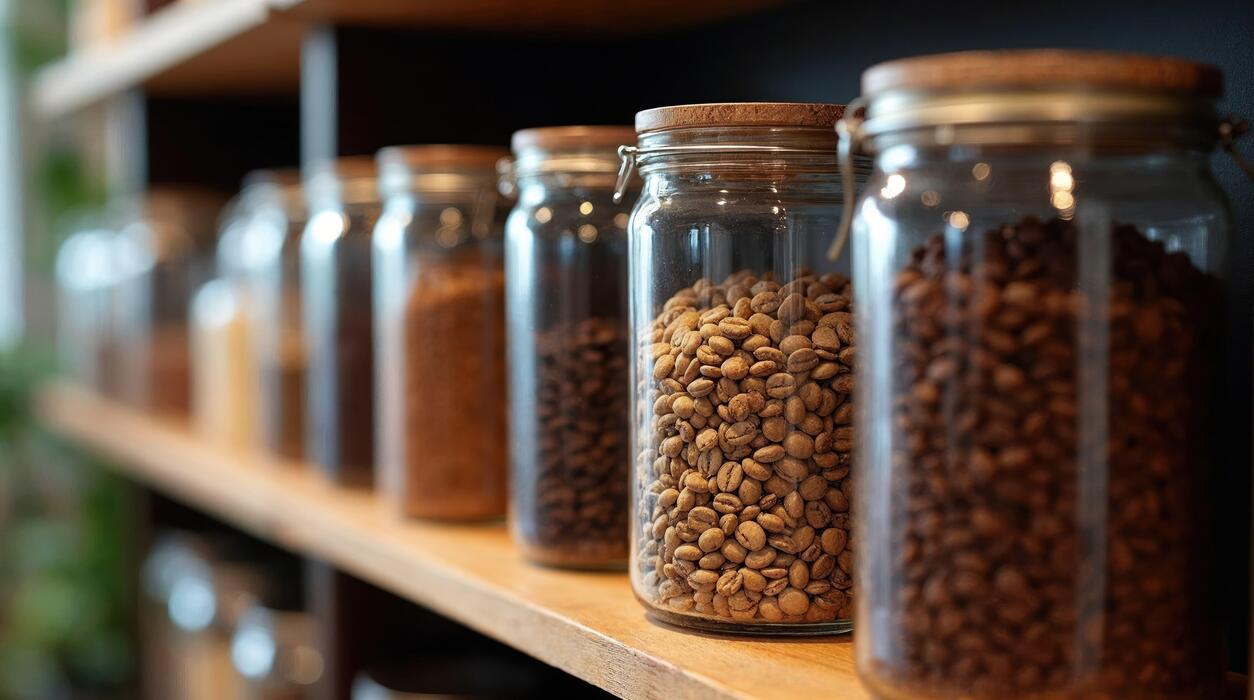
Why the fridge is usually a bad idea
A common mistake when storing fresh roasted coffee beans is putting them in the refrigerator to “keep them fresh longer.” In most homes, the fridge creates the opposite effect. Coffee beans are porous and odor-absorbing, so they can quickly pick up smells from onions, leftovers, cheese, or other foods.
The refrigerator also exposes beans to humidity and temperature swings every time the door opens, which can cause condensation and speed up staling. Instead of the fridge, store your beans in an opaque, airtight container placed in a cool, dark cupboard away from heat, sunlight, and steam.
If your bag has a one-way valve, that is useful, but once opened, a well-sealed container is often better for daily use. The goal is simple: protect the beans from air, moisture, light, and heat.
For most coffee drinkers using beans within a few weeks, room-temperature pantry storage is the most reliable option.
When freezing helps and when it hurts quality
Freezing can be helpful, but only when done carefully. It works best if you bought more coffee than you will use in the next two to four weeks and want to preserve the rest. The mistake is opening and closing the same frozen bag repeatedly.
That causes moisture exposure and condensation, which can damage flavor and accelerate quality loss once the beans warm up. If you freeze coffee, divide it into small, airtight portions sized for a few days or a week, then freeze them immediately.
Take out one portion at a time and let it come fully to room temperature before opening the container. Avoid refreezing opened beans. Freezing is less useful for coffee you drink quickly, because day-to-day pantry storage is simpler and often gives better consistency.
In short, freezing helps for longer-term backup storage, but it hurts quality when used casually, with large bags, loose sealing, or repeated thawing and re-freezing.
Why buying too much coffee at once can backfire
Buying in bulk can seem economical, but it often leads to stale coffee before you finish the bag. Fresh roasted coffee beans are at their best within a limited window, and once opened, they steadily lose aroma and complexity through oxidation and gas release.
A major storage mistake is assuming a larger purchase automatically means better value, even if your brewing habits are slow or inconsistent. Instead, buy an amount you can realistically use within two to four weeks after opening. This keeps your coffee tasting livelier and makes storage easier.
Smaller purchases also let you adjust for season, roast level, and how often you brew. If you do want to buy more at once, plan ahead by splitting the coffee into smaller sealed portions and freezing the extras properly.
For everyday use, keeping only a modest working supply on hand helps you avoid waste, protect flavor, and get more satisfying cups from every brew.
Best ways to store coffee beans for daily use
How much coffee to keep in your main container
For daily use, keep only a small working supply of fresh roasted coffee beans in your main container, ideally enough for 3 to 7 days. This limits how often the rest of your beans are exposed to oxygen, light, and kitchen heat.
If you buy a larger bag, divide it right away into smaller portions and open just one portion at a time. Your everyday container should match the amount you use so there is less empty space inside, which means less trapped air around the beans.
Choose an opaque, airtight container and store it in a cool, dry cupboard away from the oven, dishwasher, and sunny counters. Avoid filling and refilling from many half-used bags, which increases exposure every time.
The goal is simple: keep your main container small, fresh, and in active rotation while the rest of your coffee stays sealed until needed.
Tips for opening and closing containers without adding air
Each time you open your coffee container, try to make the process quick, clean, and consistent. Open it only when you are ready to measure beans, then close it immediately after removing what you need.
Avoid leaving the lid off while you prepare filters, heat water, or grind coffee, because that gives oxygen more time to contact the beans. If possible, use a container with a tight-sealing lid that does not require repeated fiddling to close properly.
Scoop or weigh beans efficiently rather than stirring through the container, which can move more air around the beans. Make sure the rim stays dry and free of grounds so the seal remains strong.
Do not squeeze soft bags repeatedly just to smell the coffee, since that exchanges gas and air unnecessarily. The best habit is short openings, minimal handling, and immediate resealing every single day.
Should you grind only what you need each day
Yes, in most cases you should grind only what you need right before brewing. Once coffee is ground, it loses aroma and flavor faster because much more surface area is exposed to oxygen.
If your goal is storing fresh roasted coffee beans well for daily use, keeping them whole until the last moment is one of the most effective steps you can take.
Measure your dose for each brew and grind only that amount, whether it is for one cup or a full pot. This helps preserve sweetness, clarity, and aroma from day to day. If your mornings are rushed, you can pre-portion whole beans into small daily doses instead of pre-grinding them.
That gives you speed without sacrificing freshness. Only grind ahead when absolutely necessary, and then keep it to the same day’s amount in a tightly sealed container, not several days’ worth.
How to build a simple coffee storage routine
Step-by-step storage plan for home brewers
Start with a simple one-bag, one-container routine so your beans are exposed to as little air, heat, light, and moisture as possible.
As soon as you open a bag of fresh roasted coffee beans, pour only the amount you expect to use within a week into a clean, opaque, airtight container and keep the rest sealed tightly in its original bag if it has a valve and zip closure.
Store both in a cool, dry cupboard, not on the counter near sunlight, the oven, or the dishwasher. Each day, open the container briefly, remove what you need, and close it right away instead of letting beans sit out while you brew.
Avoid the fridge, where condensation and food odors can damage flavor. If you buy larger amounts, split coffee into smaller portions so you are not reopening the whole supply every morning. The goal is a repeatable habit that protects freshness with minimal effort.
What to check on roast dates before you buy
When buying coffee, look for a clear roast date, not just a best-by date, because roast date tells you how fresh the beans really are. For most home brewers, choose beans roasted within the last one to four weeks, which is often the sweet spot for flavor and stability.
Very fresh beans can still be releasing gas, so if a bag was roasted only a day or two ago, it may benefit from a short rest before brewing, especially for espresso.
Check that the bag has a one-way valve and a strong seal, both of which help protect the coffee during transport and storage. Avoid bags sitting in direct light or warm display areas, since heat speeds staling.
If you are comparing options, buy the amount you can finish in two to four weeks after opening rather than stocking up on large bags. Smaller, fresher purchases usually taste better and make storing fresh roasted coffee beans much easier.
Easy tips to keep every bag tasting fresh longer
To make every bag last longer, focus on consistency and low exposure rather than complicated gadgets. Keep beans whole until brewing, because ground coffee stales much faster than whole beans.
Use a dry scoop, never a wet spoon, and avoid storing coffee anywhere humid, including above the kettle or near the sink.
If you buy more coffee than you can use within a few weeks, divide it into small airtight portions and freeze the unopened extras immediately; then thaw one portion at room temperature before opening it, and never refreeze.
Label containers with the roast date and the date opened so you can rotate bags and use older coffee first. Choose a storage spot that stays cool and dark every day, not one that changes temperature often. Finally, match your buying habits to your drinking habits.
Buying a little less, more often, is one of the easiest ways to keep fresh roasted coffee beans tasting sweet, aromatic, and balanced.
Frequently Asked Questions
What is the best way to store fresh roasted coffee beans?
Store fresh roasted coffee beans in an airtight, opaque container at room temperature. Keep the container in a cool, dry place away from sunlight, heat, and moisture to preserve flavor and aroma.
Should I refrigerate or freeze fresh roasted coffee beans?
It is usually best to avoid refrigerating coffee beans because the fridge adds moisture and odors that can affect taste. Freezing can work for longer-term storage if the beans are sealed in small airtight portions and only thawed once before use.
How long do fresh roasted coffee beans stay fresh after roasting?
Fresh roasted coffee beans are often at their best from a few days after roasting up to about 2 to 4 weeks, depending on the coffee and storage conditions. Proper storage helps slow flavor loss, but beans gradually become less vibrant over time.
When should I start using freshly roasted coffee beans?
Many coffees taste better after resting for a few days after roasting, often around 3 to 7 days, because excess carbon dioxide can escape. Espresso sometimes benefits from a slightly longer rest, while filter coffee may be enjoyable sooner.
What type of container is best for storing coffee beans?
An airtight container made of ceramic, stainless steel, or tinted glass works well for storing coffee beans. Containers with one-way valves can also help by letting gas escape without letting oxygen in.
Should I grind coffee beans before storing them?
It is better to store coffee as whole beans and grind only what you need right before brewing. Ground coffee loses freshness much faster because more surface area is exposed to air.
Can I store coffee beans in the original bag?
You can store beans in the original bag if it has a one-way valve and can be sealed tightly after opening. For better protection, many people place the bag inside an airtight container to reduce exposure to oxygen and light.
Conclusion
Storing fresh roasted coffee beans properly is the key to preserving their rich flavor and aroma. Keep them in an airtight, opaque container, away from light, heat, moisture, and air, and avoid frequent opening whenever possible. Skip the fridge and only freeze beans for long-term storage if necessary. With the right habits, you can enjoy a fresher, more satisfying cup of coffee every day.