How Long Do Roasted Coffee Beans Stay Fresh
how long do roasted coffee beans stay fresh depends on storage, roast date, and whether the bag is opened, but most beans taste best within 2 to 4 weeks after roasting. If you want peak flavor, aroma, and crema, timing matters more than many coffee drinkers realize.
How Long Do Roasted Coffee Beans Stay Fresh?
Freshness timeline after the roast date
Roasted coffee beans are usually at their best after a short rest, not immediately out of the roaster. In most cases, beans need 2 to 7 days after roasting to release excess carbon dioxide and settle into a more balanced flavor.
During the first 2 to 4 weeks, freshness is generally high if the beans are stored well in an airtight container away from heat, light, and moisture. After that, aromas begin to fade more noticeably.
To get the best results, check the roast date, buy in smaller amounts, and plan to finish the bag within a month of opening. If you brew espresso, a slightly longer rest may help, while filter coffee often tastes great sooner.
Best flavor window for whole beans
For most coffees, the ideal flavor window for whole beans is about 1 to 4 weeks after the roast date. In this period, you will usually notice the strongest aroma, clearer tasting notes, and better sweetness in the cup.
Whole beans stay flavorful longer than ground coffee because less surface area is exposed to oxygen. To make that flavor window count, store beans in a sealed, opaque container at room temperature and only grind what you need right before brewing.
Avoid the fridge, since moisture and food odors can affect the beans. If you buy specialty coffee, try tasting it at different points over the first few weeks so you can learn when that specific roast tastes its best.
How long beans last before quality drops
Whole roasted coffee beans do not lose quality overnight, but noticeable flavor decline often starts after 3 to 6 weeks from the roast date, especially once the bag is opened.
If stored properly, beans can still make a decent cup for 6 to 8 weeks, though the coffee may taste flatter, less aromatic, and less vibrant. Dark roasts tend to show staleness faster because their oils are more exposed, while lighter roasts may hold up a bit longer.
To slow quality loss, keep oxygen exposure low, reseal the bag tightly, or transfer beans to an airtight canister. If you drink coffee occasionally, buy smaller bags so you use them while the flavor is still lively and balanced.
Does coffee expire or just go stale?
Roasted coffee beans usually go stale before they truly expire. That means they become dull, papery, or muted in flavor rather than unsafe right away.
As long as the beans have been stored dry and show no mold, moisture damage, or strange odors, they are generally still usable past their peak freshness. What changes most is the taste: you lose aroma, complexity, and sweetness over time.
If the coffee smells flat or the brewed cup tastes lifeless, it has likely gone stale. For the best experience, treat the roast date as your guide, not just the best-by date. Use fresh beans promptly, store them carefully, and replace older beans when the cup no longer tastes enjoyable.
What Affects How Long Roasted Coffee Beans Stay Fresh?
Why oxygen makes beans go stale faster
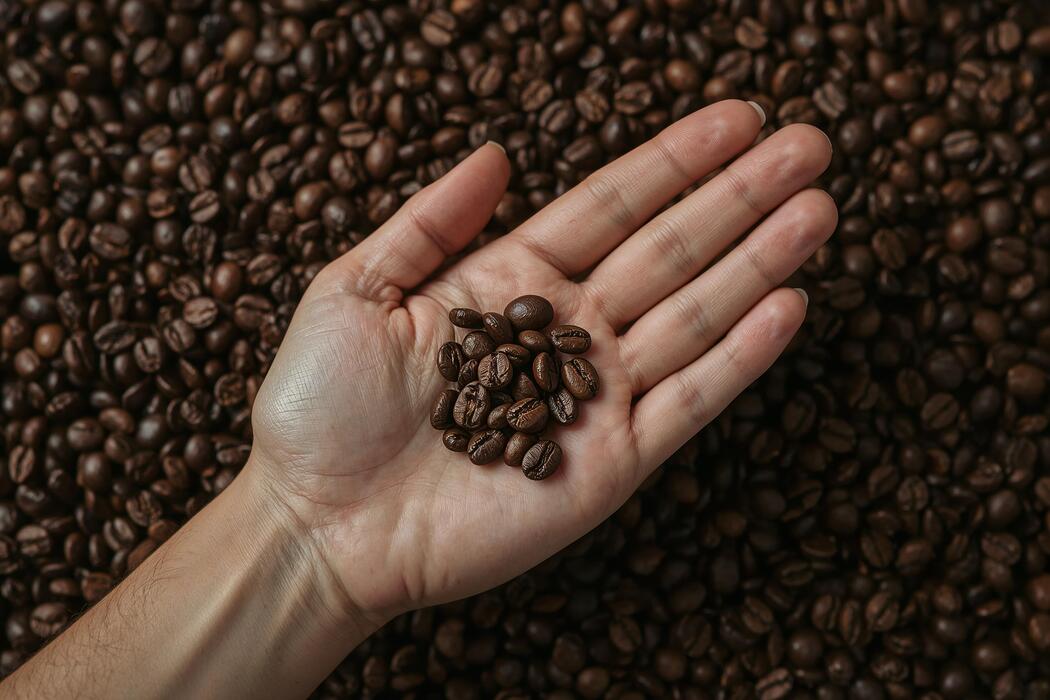
Oxygen is one of the biggest reasons roasted coffee beans lose flavor over time. After roasting, beans release gases and their aromatic compounds begin to break down when exposed to air. This is why coffee often tastes flat, dull, or papery if the bag is left open too long.
To keep beans fresh longer, store them in an airtight container with as little extra air inside as possible. A one-way valve bag is also helpful because it lets carbon dioxide escape without letting oxygen back in.
If you are wondering how long roasted coffee beans stay fresh, proper oxygen protection can help whole beans stay at their best for about 2 to 4 weeks after opening, and often longer if unopened and stored well.
How light, heat, and moisture change flavor
Light, heat, and moisture all speed up the loss of freshness in roasted coffee beans. Sunlight and strong indoor light can damage delicate flavor compounds, while heat accelerates oxidation and causes oils to degrade more quickly.
Moisture is especially harmful because beans can absorb it from the air, which may weaken aroma and even encourage mold in poor storage conditions. For the best results, keep beans in a cool, dark, and dry place, such as a cupboard away from the stove, oven, or windows.
Avoid storing coffee in the fridge, where humidity and odors can affect taste. If you want roasted beans to stay fresh as long as possible, focus on stable storage conditions, because even high-quality beans can lose their character quickly in warm or damp environments.
Why grind size matters for freshness
Grind size matters because the moment coffee is ground, a much larger surface area is exposed to air. This causes aromas and flavorful oils to escape far faster than they do in whole beans. Fine grinds go stale even more quickly than coarse grinds because they expose more surface area.
That is why whole beans stay fresh longer and why grinding only what you need right before brewing gives better flavor. If convenience matters, grind smaller batches that you can use within a few days rather than preparing a full week’s worth.
For anyone asking how long roasted coffee beans stay fresh, the answer changes a lot once they are ground: whole beans can stay flavorful for weeks, while ground coffee often starts losing noticeable freshness within hours to days.
How roast level affects shelf life
Roast level can influence how long coffee tastes fresh because lighter and darker roasts age differently. Dark roasts usually have more surface oil and a more porous structure, which can make them lose flavor faster when exposed to air, heat, or light.
Lighter roasts are often denser and may hold onto some of their character a bit longer, though they can still go stale if stored poorly.
In practical terms, both roast types benefit from the same approach: buy in smaller amounts, keep beans in an opaque airtight container, and use them within a reasonable window.
As a general guide, roasted coffee beans are usually best within 2 to 6 weeks of roasting, but dark roasts may need more careful storage if you want to preserve their bold, fresh taste.
How to Tell If Roasted Coffee Beans Are Still Fresh
Smell signs of fresh vs stale beans
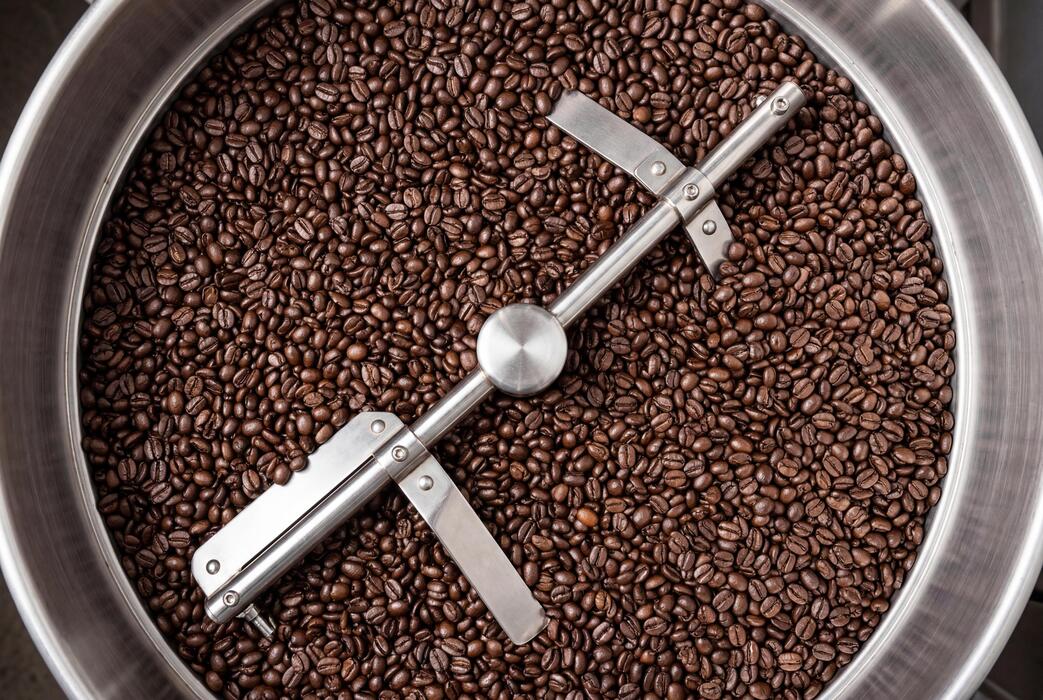
One of the fastest ways to judge freshness is the aroma right after you open the bag or grind the beans. Fresh roasted coffee beans should smell strong, sweet, and complex, often with notes of chocolate, nuts, fruit, or caramel depending on the roast.
If the scent seems faint, flat, papery, or dusty, the beans are likely losing freshness. For most coffees, roasted beans taste best for about 2 to 4 weeks after roasting if stored well, though they can remain usable longer.
To check at home, grind a small amount and smell immediately; whole beans always hide staleness better than ground coffee. If the smell disappears quickly or seems dull even after grinding, the coffee is probably past its peak flavor window.
What the beans look like over time
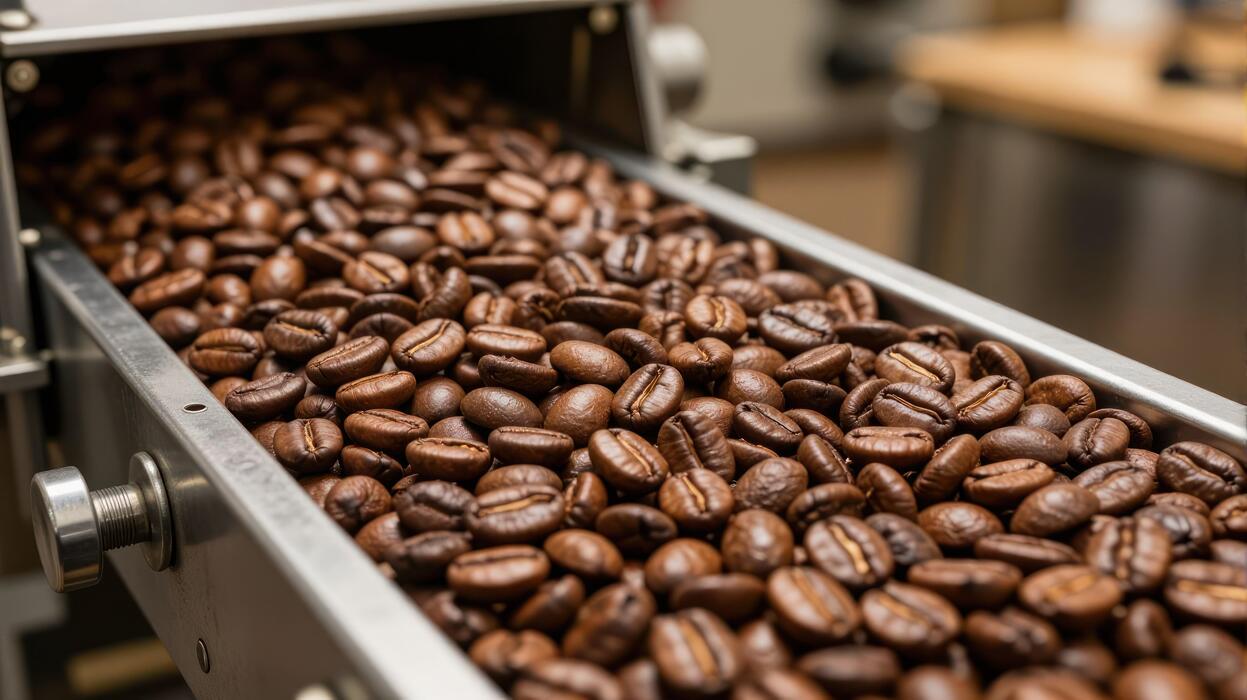
Appearance can also reveal whether roasted beans are still near their best. Fresh beans usually have even color and a healthy surface, though darker roasts may look slightly shiny because of oils. Over time, those oils can rise more heavily, then oxidize, making the beans look overly greasy or uneven.
In lighter roasts, age may show up as a dry, tired-looking surface with less visual vibrancy. You should also watch for broken beans, excessive chaff, or a faded appearance, which can suggest rough handling or age. Keep in mind that looks alone do not confirm flavor quality, but they help.
If beans were roasted weeks ago, exposed to air, heat, or sunlight, they may still brew coffee, yet they likely will not taste as lively as fresher beans.
Taste changes that mean freshness is fading
The clearest freshness test is in the cup. Fresh roasted beans usually produce a lively, balanced flavor, with distinct sweetness, acidity, and aroma. As beans age, those pleasant characteristics start to flatten out. Coffee may begin to taste muted, woody, cardboard-like, overly bitter, or simply hollow.
If you notice that your usual brew suddenly lacks fragrance or finish, freshness is fading.
In general, whole roasted coffee beans stay at peak quality for around 2 to 4 weeks after roasting, and often remain decent for 4 to 8 weeks if stored in an airtight container away from light, heat, and moisture.
If espresso loses crema quickly or filter coffee tastes dull no matter how you adjust grind size, that is a strong sign the beans are past their prime.
When old beans are still safe to drink
Old roasted coffee beans are usually safe to drink long after they stop tasting fresh, as long as they have been stored dry and show no signs of mold, moisture damage, or contamination. Coffee quality drops faster than safety, so the bigger issue is flavor, not harm.
If the beans smell rancid, musty, or sour in an unpleasant way, it is better to discard them. Also throw them out if you see visible mold, strange residue, or exposure to water.
For beans that are simply stale, you can still use them for cold brew, milk drinks, or baking where subtle flavor matters less. While roasted beans may remain drinkable for months, they are generally best enjoyed soon after roasting for the richest and most satisfying cup.
Best Ways to Store Roasted Coffee Beans
How to use an airtight container the right way
To keep roasted coffee beans fresh as long as possible, transfer them to an airtight, opaque container soon after opening the bag, unless the bag has a strong one-way valve and reliable seal. Exposure to oxygen, light, heat, and moisture speeds up staling and weakens aroma.
For most beans, the best flavor is usually enjoyed within 2 to 4 weeks after roasting, though they can still taste acceptable a bit longer depending on roast level and storage. Choose a container that fits the amount of coffee you have so there is less empty air space inside.
Open it only when needed, and avoid repeatedly leaving the lid off while brewing. If you buy large amounts, split beans into smaller portions so your daily supply stays protected.
Where to keep coffee at home for best results
The best place to store roasted coffee beans is in a cool, dark, dry cupboard away from direct sunlight and household heat. A pantry shelf or closed cabinet works far better than a countertop near the stove, oven, kettle, or window.
Beans stay fresher longer when the temperature is stable, because frequent warming and cooling can speed up flavor loss. In good home storage conditions, roasted beans often maintain their best taste for about 2 to 4 weeks after opening, especially if they were recently roasted.
Avoid spots with humidity, such as above the dishwasher or near the sink, because moisture can damage both texture and flavor. If your kitchen runs warm, choose the coolest interior cabinet in the home rather than the most convenient visible spot.
Should you store beans in the original bag?
You can store beans in the original bag if it is high quality, has a one-way valve, and seals tightly after each use. Many specialty coffee bags are designed to release carbon dioxide while limiting oxygen exposure, which helps preserve flavor.
However, if the bag is thin, flimsy, or no longer seals well, move the beans to an airtight container for better protection. Roasted coffee beans generally taste freshest within 2 to 4 weeks of roasting, and poor packaging can shorten that window once opened.
If you keep them in the bag, press out excess air before resealing and place the bag inside a dark cupboard. Do not roll the top loosely and leave it exposed on the counter, since air and light will age the beans faster.
Common storage mistakes to avoid
Several common habits can make roasted coffee beans lose freshness faster than expected. The biggest mistakes are storing beans in clear containers, leaving them near heat or sunlight, and opening the container too often without resealing it quickly.
Another mistake is keeping a large supply in one container, which exposes the whole batch to fresh oxygen every day. Beans are usually at their best for about 2 to 4 weeks after roasting, so poor storage can noticeably flatten flavor before that.
Avoid the refrigerator, since it introduces moisture and odor absorption, and only freeze beans if you portion them carefully and keep them fully sealed. Also skip grinders or hoppers used for long-term storage, because beans left there are exposed to air, light, and warmth.
Should You Freeze Roasted Coffee Beans?
When freezing helps preserve freshness
Freezing can help if you bought more coffee than you will use within its best window. In general, roasted coffee beans stay freshest for about 2 to 4 weeks after roasting once opened, though sealed bags can hold quality a bit longer.
If you know you will not finish the beans in that time, freezing is a practical backup. The goal is to slow oxidation and aroma loss, not improve flavor. Freeze only beans you plan to store for several weeks or months, and keep out a smaller portion for daily brewing.
For best results, freeze beans soon after purchase while they are still fresh, especially if the roast date is recent. This works best for whole beans, not pre-ground coffee, which loses flavor faster.
How to freeze coffee beans without damage
To freeze coffee well, divide the beans into small airtight portions that match what you will use in a few days. Use vacuum-sealed bags or tightly sealed freezer-safe containers with as little air inside as possible.
This protects the beans from moisture, odors, and freezer burn, all of which dull flavor. Label each portion with the roast date and freeze date so you can track quality. Keep the container in a stable, cold part of the freezer, not in the door.
When you need more coffee, remove one portion at a time and let it come fully to room temperature before opening the package. That reduces condensation on the beans and helps preserve aroma, oils, and brewing consistency.
Why repeated thawing can ruin flavor
Repeated thawing exposes roasted coffee beans to the exact things that make them stale faster: air, moisture, and temperature swings. Every time frozen beans warm up and then go back into the freezer, condensation can form on the surface.
That moisture can damage delicate aromatics and change how the beans grind and extract. The result is often flatter flavor, muted sweetness, and less clarity in the cup. This is why freezing one large bag and opening it over and over is a poor strategy.
Instead, portion beans before freezing so each pack is opened only once. If you thaw a portion, keep it out and use it normally over the next several days, rather than refreezing leftovers and sacrificing quality.
Fridge vs freezer: what works and what does not
The refrigerator is usually the worst place for roasted coffee beans because it adds humidity, food odors, and constant temperature changes. Coffee easily absorbs surrounding smells, and fridge moisture can speed quality loss instead of preventing it.
For everyday use, store beans at room temperature in an opaque, airtight container away from heat, light, and steam. That is the best option if you will finish them within the normal freshness window of about 2 to 4 weeks after roasting.
The freezer is different: it can work well for longer-term storage when beans are sealed properly and portioned carefully. So the simple rule is: use the counter for short-term freshness, use the freezer for surplus beans, and avoid the fridge altogether.
How to Buy Coffee Beans So They Stay Fresh Longer
Why the roast date matters more than the best-by date
If you want coffee that tastes lively and aromatic, check the roast date first.
For most beans, the best flavor window starts a few days after roasting and lasts about 2 to 4 weeks once the bag is opened, though some beans can still taste good a bit longer if stored well.
A best-by date is often too broad to tell you when the coffee was actually roasted, so it is less useful for judging freshness. Choose bags with a clear roast date within the last 7 to 21 days for the freshest results.
If you brew espresso, beans often perform best after a short rest, while filter coffee can shine sooner. In short, roast date tells you freshness; best-by mostly tells you shelf life.
How much coffee to buy at one time
To keep roasted beans fresh longer, buy only what you can use in 2 to 4 weeks after opening. That is the simplest way to match how long roasted coffee beans stay fresh in real home use.
For one person drinking one to two cups a day, 250 g to 340 g bags are usually a smart size. Larger bags may seem cheaper, but if they sit open too long, you lose flavor and aroma before finishing them.
If you go through coffee quickly, a bigger bag can work, especially if you divide it into smaller airtight portions right away. Avoid stocking up on multiple large bags unless you have a plan to store them properly.
Smaller, more frequent purchases usually give you better tasting coffee than buying in bulk.
Best bean packaging for longer freshness
Look for packaging designed to protect beans from oxygen, light, heat, and moisture, which are the main causes of staling. The best option is usually a sealed, opaque bag with a one-way valve, which lets carbon dioxide escape without letting air in.
This helps roasted coffee stay fresher for longer before you open it. Avoid beans sold in clear containers, open bins, or loosely sealed bags, because exposure speeds up flavor loss. Resealable bags are helpful, but they are best when paired with a strong inner seal from the roaster.
Once opened, keep the beans in their original bag if it is high quality, or move them to an airtight, opaque container. Good packaging will not make beans fresh forever, but it can extend that ideal flavor window significantly.
Tips for choosing fresh beans online or in stores
Whether you shop online or locally, prioritize transparency and turnover. Choose roasters or stores that clearly list the roast date, origin, and roast level, and avoid bags that only show a best-by date. Online, check product descriptions and reviews for signs that orders are roasted to order or shipped quickly.
In stores, buy from places that restock often, because faster turnover usually means fresher beans on the shelf. Ask staff when the current batch arrived if the roast date is hard to find.
Also pay attention to storage conditions: beans kept away from sunlight and heat will stay fresher than bags sitting under bright lights. If you are unsure, pick the newest roast date in a smaller bag, so you can finish it while the coffee is still at its best.
Fresh Roasted Coffee Bean FAQs
How long do roasted beans stay fresh after opening?
After opening, roasted coffee beans usually taste their best for about 2 to 4 weeks if stored well. They do not suddenly go bad after that, but their aroma, sweetness, and complexity gradually fade as oxygen reaches the oils and gases inside the beans.
For the freshest daily cup, buy coffee in amounts you can finish within that window. Keep beans in an airtight, opaque container at room temperature, away from heat, light, and moisture. Avoid storing them in the hopper for days at a time, especially near sunlight.
If your coffee starts tasting flat, woody, or dull, freshness is likely slipping. A simple habit that helps is to write the roast date and open date on the bag so you can track peak flavor more accurately.
Do espresso beans stay fresh longer than regular coffee beans?
Espresso beans do not automatically stay fresh longer than regular coffee beans, because freshness depends more on roast date, storage, and grind size than on brew style.
In fact, espresso can be more sensitive to aging because the method relies on precise extraction, crema, and balanced oils, which change noticeably as beans lose gas and volatile compounds.
Some espresso roasts may perform best after a short rest of 5 to 10 days post-roast, then remain excellent for a few weeks. Lighter filter roasts may also need rest, but the flavor changes may be less obvious to some drinkers.
The key is to store all beans properly and adjust your grinder as the coffee ages. If shots start running too fast or tasting thin, freshness may be declining.
Can you use beans that are several months old?
Yes, you can still use beans that are several months old, as long as they have been stored safely and show no signs of moisture, mold, or contamination. Old beans are usually not dangerous, but they often produce coffee that tastes flat, stale, papery, or less sweet.
If you want the best flavor, older beans may not be ideal for black coffee or espresso, where subtle notes matter most. However, they can still work in milk drinks, cold brew, flavored coffee, or baking recipes where some flavor loss is less noticeable.
Before brewing, smell the beans and grind a small amount. If the aroma is weak and the cup lacks body, quality has dropped. To reduce waste, use older beans for experimentation and keep newer beans reserved for your best brews.
What is the best way to keep coffee tasting fresh daily?
The best way to keep coffee tasting fresh every day is to control air, light, heat, and moisture. Store whole beans in an airtight, opaque container in a cool cupboard, not on the counter beside a stove or window.
Buy smaller amounts more often so you can use the coffee within its peak flavor period. Grind only what you need right before brewing, because ground coffee stales much faster than whole beans. Keep your grinder and brewer clean, since leftover oils can make fresh beans taste rancid.
Avoid repeatedly opening a large bulk bag if possible; instead, divide it into smaller portions. If you must store coffee longer, freeze sealed portions and thaw them unopened. These habits protect aroma, sweetness, and clarity in every cup.
Frequently Asked Questions
How long do roasted coffee beans stay fresh after roasting?
Roasted coffee beans are usually at their best from about 3 days to 3 weeks after roasting, depending on the bean and storage conditions. They remain usable longer, but flavor and aroma gradually fade after the first few weeks.
How long do roasted coffee beans stay fresh after opening the bag?
After opening, roasted coffee beans typically taste freshest for about 2 to 4 weeks if stored well. Exposure to air speeds up staling, so keeping the bag sealed or transferring the beans to an airtight container helps preserve flavor.
Can roasted coffee beans go bad or just stale?
Roasted coffee beans usually go stale before they truly spoil. They lose aroma, sweetness, and complexity over time, but unless they have been exposed to moisture, mold, or strong odors, they are generally still safe to brew.
What is the best way to store roasted coffee beans to keep them fresh longer?
Store roasted coffee beans in an airtight, opaque container in a cool, dry place away from heat, light, and moisture. Avoid frequent opening and closing when possible, and do not store them near spices or foods with strong smells.
Should I refrigerate or freeze roasted coffee beans?
Refrigeration is usually not recommended because beans can absorb moisture and odors. Freezing can work for longer-term storage if the beans are sealed in small airtight portions and only thawed once before use.
How can I tell if roasted coffee beans are no longer fresh?
Beans that are no longer fresh often smell dull, flat, or faint compared with freshly roasted coffee. In the cup, stale beans may taste papery, muted, bitter, or lacking in sweetness and aroma.
Do whole roasted beans stay fresh longer than ground coffee?
Yes, whole roasted beans stay fresh significantly longer than ground coffee because less surface area is exposed to air. Once coffee is ground, it loses aroma and flavor much faster, often within days.
Conclusion
Roasted coffee beans stay freshest for about 2 to 4 weeks after roasting, though proper storage can help preserve flavor a bit longer. Keep beans in an airtight container, away from light, heat, moisture, and air, and grind only what you need for the best taste. By buying fresh, storing smart, and paying attention to aroma and flavor, you can enjoy a richer, more satisfying cup every time.