How To Make Starbucks Cold Brew Taste Good
How to make Starbucks cold brew taste good often comes down to fixing its muted, sometimes bitter profile. You’re likely dealing with a brew that’s too concentrated or flat on its own. The solution isn’t complicated: dilute it properly with water or milk, then add a pinch of salt to cut bitterness, or a splash of vanilla syrup for sweetness. For a creamy upgrade, use oat milk or a cold foam topper. You’ve come to the right place—these tweaks transform the bottle into a café-quality drink.
Why Starbucks Cold Brew Can Taste Bitter or Weak
Common flavor issues with store-bought cold brew
Store-bought Starbucks cold brew often tastes bitter or weak due to oxidation and inconsistent storage. Unlike fresh batches, bottled or canned versions sit on shelves, losing brightness and developing a stale, harsh edge. To improve the taste, always check the expiration date and avoid bottles that look sun-faded or dented.
Pour the cold brew over a full glass of ice to minimize dilution, then add a splash of oat milk or cream to smooth out bitterness. For a quick fix, stir in a pinch of salt—this neutralizes bitter compounds without adding sweetness.
If it tastes watery, try mixing two parts cold brew with one part whole milk or a scoop of vanilla protein powder for body. You can also add a dash of cinnamon or cocoa powder to mask metallic notes. Finally, never microwave cold brew; heat destroys its delicate flavors.
Instead, warm it gently on the stove or use it as a base for iced lattes with flavored syrups like caramel or hazelnut.
How brewing time affects taste
Cold brew’s flavor hinges on steep time—too short yields weak, sour notes; too long creates bitterness from over-extraction. Starbucks uses a 20-hour steep, but homemade or third-party brews vary.
If your cold brew tastes weak, it likely needed more brewing time (aim for 18-24 hours at room temperature or 24-48 hours in the fridge). For bitterness, reduce steep time or use coarser grounds to slow extraction.
To fix an already-brewed batch, dilute bitterness with a splash of cold water or milk—this softens harsh flavors without adding sugar. Alternatively, blend bitter cold brew with a sweeter coffee like a latte or add a spoonful of sweetened condensed milk for balance.
If it’s too weak, concentrate it by simmering on low heat (never boil) until reduced by one-third, then chill. Always use a ratio of 1:8 coffee to water for balanced strength. For quick adjustments, stir in a pinch of baking soda to reduce acidity, which often mimics bitterness.
Why dilution happens with ice
Dilution is the top culprit behind watery cold brew, especially when ice melts too fast. Large cubes melt slower than small or crushed ice, so use big, dense cubes in a tall glass.
Pour cold brew over ice slowly to avoid immediate melting, and consider pre-chilling your glass in the freezer for 5 minutes. If the drink already tastes thin, add a splash of heavy cream or half-and-half—fat coats the tongue, masking watery notes.
For a no-dilution hack, freeze leftover cold brew into coffee ice cubes; they add flavor as they melt instead of water. Another trick: mix your cold brew with undiluted concentrate (if using) to keep intensity.
If you’re at Starbucks, ask for light ice or no ice and add it yourself at home. Finally, stir in a scoop of vanilla ice cream or a tablespoon of coconut cream to thicken the texture and boost sweetness—this turns a weak brew into a dessert-like treat without extra sugar.
Best Ways to Sweeten Starbucks Cold Brew
Simple syrup vs. flavored syrups
When sweetening Starbucks cold brew at home, the choice between simple syrup and flavored syrups depends on your desired flavor profile. Simple syrup—a 1:1 ratio of sugar dissolved in water—is the most versatile option because it dissolves instantly in cold liquid, avoiding the gritty texture of granulated sugar.
It adds pure sweetness without altering the coffee’s robust, smooth taste. For a quick hack, buy Starbucks’ own classic syrup at the store or make your own by heating equal parts sugar and water until clear.
Flavored syrups, like vanilla, caramel, or hazelnut, infuse sweetness with a distinct taste, mimicking café-style drinks. They’re ideal if you want a sweet, aromatic cold brew, but be mindful of added calories and artificial ingredients. To balance, start with 1-2 tablespoons of syrup per 16-ounce serving, then adjust.
For a lighter touch, use half simple syrup and half flavored syrup to keep the coffee’s natural notes while adding a hint of sweetness.
Using vanilla or caramel syrup at home
To replicate Starbucks’ signature sweetness with vanilla or caramel syrup at home, focus on quality and proportion. Purchase a store-bought syrup like Torani or Monin, or make your own by simmering sugar, water, and vanilla extract or caramel sauce until dissolved.
For a 16-ounce cold brew, add 2-3 tablespoons of syrup—this matches the sweetness of a Starbucks grande order. Stir thoroughly to ensure even distribution, as cold brew’s low temperature can cause syrup to settle at the bottom.
For a richer taste, combine vanilla syrup with a splash of milk or cream to create a creamy, dessert-like drink. If you prefer less sweetness, reduce to 1 tablespoon and add a pinch of salt to enhance caramel notes.
Avoid over-sweetening, as Starbucks cold brew has a naturally smooth, slightly chocolatey profile that can be masked. For a dairy-free twist, use oat milk and a sugar-free vanilla syrup to cut calories while keeping flavor.
Natural sweeteners like honey or agave
For a healthier, more natural sweetness, honey or agave nectar are excellent alternatives to refined sugar in Starbucks cold brew. Honey adds a distinct floral or earthy note that complements the coffee’s boldness, while agave’s mild, neutral sweetness blends seamlessly without overpowering the brew.
To use, dissolve 1-2 teaspoons of honey in a small amount of warm water first—this prevents clumping in cold liquid—then stir into your cold brew. Agave, being thinner, mixes directly with a spoon. Both options have a lower glycemic index than sugar, making them suitable for managing blood sugar spikes.
For a twist, try maple syrup for a subtle woodsy flavor, or date syrup for a rich, caramel-like sweetness. Start with 1 tablespoon per 16-ounce serving, then adjust to taste. Pair with a splash of almond milk for a creamy, vegan-friendly drink.
Remember, natural sweeteners can be less sweet than sugar, so you may need slightly more to achieve the same level of sweetness.
How to Add Creaminess Without Masking Flavor

Whole milk vs. oat milk for texture
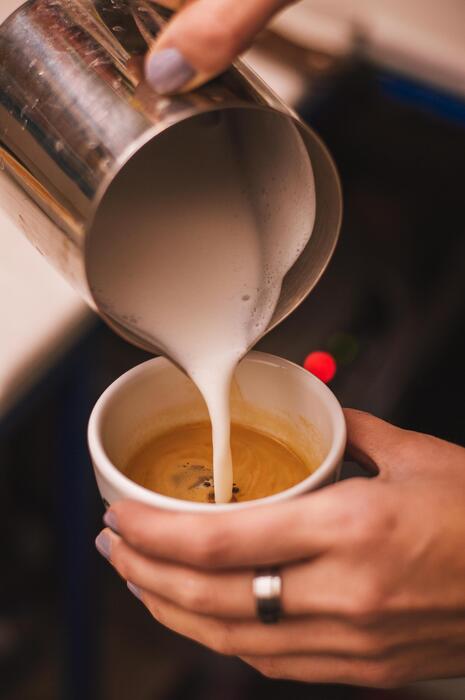
When adding creaminess without muting the distinct coffee notes, whole milk is your best dairy choice. Its moderate fat content (about 3.25%) adds a velvety mouthfeel that complements cold brew’s natural smoothness without overwhelming the flavor. Pour a splash directly into your glass, then stir gently to integrate.
For a dairy-free option, barista-edition oat milk is the top performer. It’s designed to mimic the texture of whole milk, thanks to added oils and stabilizers, providing a rich, creamy consistency that doesn’t separate or thin out. Avoid regular oat milk, which can be watery and bland.
To use, shake the carton well, then add about 2-3 tablespoons per 8 ounces of cold brew. The key is to start with a small amount and taste as you go—too much milk, even oat milk, can mask the brew’s complexity.
Whole milk offers a classic, subtle sweetness, while oat milk provides a neutral, silky base that lets the coffee’s chocolatey or nutty notes shine through. Both work well for a balanced, creamy upgrade.
Heavy cream or half-and-half tips
For a decadent but not overpowering creaminess, heavy cream or half-and-half are excellent choices. The trick is moderation: heavy cream is high in fat (36-40%), so a single tablespoon per 8-ounce serving is enough to create a luscious texture without drowning the cold brew’s flavor.
Pour it slowly over the coffee, then stir gently to emulsify—this prevents a greasy layer on top. Half-and-half, with about 10-12% fat, offers a lighter touch; use 2-3 tablespoons for a similar effect.
To preserve the cold brew’s natural sweetness and low acidity, avoid over-stirring or adding too much, which can dilute the concentrate. For a twist, try frothing the cream or half-and-half with a handheld frother before adding.
This aerates it, creating a microfoam that blends seamlessly and feels indulgent without being heavy. Remember, the goal is to enhance texture, not mask taste. Start with a smaller amount and adjust—your cold brew should still taste distinctly like coffee, just with a smoother, richer mouthfeel.
These dairy options work best with bold, dark-roast cold brews.
Dairy-free alternatives that work best
If you’re avoiding dairy, several plant-based milks can add creaminess without masking cold brew’s flavor. Barista-edition oat milk leads the pack due to its neutral taste and ability to mimic whole milk’s texture—look for brands with added oils and stabilizers.
Full-fat coconut milk (from a can, not carton) is another strong choice; its natural richness complements the cold brew’s body, but use just 1-2 tablespoons to avoid a coconut flavor overtaking the coffee.
Unsweetened almond milk can work if you choose a “barista blend” or a version with added protein and gums, though it’s thinner. For best results, shake or blend the milk before adding to ensure a smooth consistency.
Avoid low-fat or flavored varieties, which can be watery or clash with the brew. A pro tip: warm the milk slightly (not hot) before pouring—this helps it integrate more seamlessly and enhances the creamy feel.
Each option should be added gradually, tasting as you go, to maintain the cold brew’s distinct notes. With these dairy-free picks, you’ll achieve a satisfying, silky texture that feels indulgent yet lets the coffee’s character remain front and center.
Tips for Balancing Acidity and Bitterness
Adding a pinch of salt to cut bitterness
A simple yet highly effective trick to tame harsh bitterness in your cold brew is adding a tiny pinch of salt. Salt is a natural flavor enhancer that works by suppressing bitter taste receptors on your tongue, while simultaneously amplifying sweetness and other pleasant notes.
Use just a few grains—about 1/8 teaspoon per 16-ounce serving—and stir well until dissolved. Start conservatively, as too much salt can ruin the brew. This technique is especially helpful if your cold brew tastes overly sharp or astringent from long steeping.
It doesn’t make the coffee salty; instead, it rounds out the flavor profile, making it smoother and more balanced. For best results, add the salt while the coffee is still cold or at room temperature, and pair it with a splash of milk or cream if desired.
This low-effort adjustment can transform a bitter batch into a pleasantly mellow drink without altering its core character.
Using a splash of citrus or cinnamon
To counterbalance bitterness with brightness, try adding a splash of citrus juice (like lemon, lime, or orange) or a pinch of ground cinnamon. The acidity in citrus cuts through bitter compounds, creating a more complex and refreshing taste. Use just 1–2 teaspoons per cup to avoid overpowering the coffee.
Alternatively, cinnamon adds a warm, slightly sweet spice that masks bitterness without sugar. Stir in 1/4 teaspoon of cinnamon powder directly into your cold brew, or steep a cinnamon stick while brewing for a subtle infusion.
For a twist, combine both: a squeeze of orange and a dash of cinnamon create a bright, aromatic flavor reminiscent of holiday drinks. These additions work especially well with cold brew’s naturally low acidity, as they add a lively contrast.
Experiment with amounts to suit your palate, and consider garnishing with a citrus wheel or cinnamon stick for an appealing presentation.
How temperature changes perception
Temperature significantly influences how your taste buds perceive bitterness and acidity. Cold temperatures dull sweet and bitter receptors, which is why cold brew often tastes smoother than hot coffee. To improve flavor, let your cold brew sit at room temperature for 10–15 minutes before drinking.
This slight warming allows more volatile aromatic compounds to release, enhancing sweetness and reducing perceived harshness. Conversely, if your brew is too bitter, serve it over extra ice or chill it further, as colder temperatures can mask unpleasant notes.
For a tailored experience, try sipping it at different temperatures: start cold, then let it warm gradually to notice how flavors evolve.
You can also use temperature pairing—drink it cold with a splash of milk for a creamy, mellow taste, or at room temperature with a citrus twist for a brighter profile. Understanding this dynamic helps you adjust serving methods to achieve your ideal balance.
Flavor Boosters to Transform Your Cold Brew
Spices like cinnamon, nutmeg, or cardamom
Transform your cold brew by infusing it with warm, aromatic spices. Simply add a cinnamon stick, a pinch of nutmeg, or a few crushed cardamom pods directly to your cold brew concentrate while it steeps.
For a quicker fix, stir a dash of ground cinnamon or pumpkin pie spice into your finished glass. These spices naturally enhance coffee’s sweetness without adding sugar, mimicking Starbucks’ holiday flavors. For a chai-inspired twist, combine cardamom, cinnamon, and a touch of ginger.
Start with 1/4 teaspoon of ground spice per 8 ounces of brew to avoid overpowering. Let the spices steep for 12–24 hours for deep infusion, or stir in right before serving for a milder taste.
This trick turns a plain cold brew into a complex, café-quality beverage that pairs perfectly with oat milk or a splash of vanilla.
Extracts such as vanilla or almond
Elevate your cold brew instantly with pure extracts like vanilla or almond, which add depth and sweetness without calories or sugar. Use 1/4 to 1/2 teaspoon per 8-ounce serving—start small, as extracts are potent.
Vanilla extract rounds out bitterness, creating a smooth, dessert-like profile reminiscent of Starbucks’ Vanilla Sweet Cream Cold Brew. For a nutty twist, almond extract adds a marzipan-like richness that pairs beautifully with cold brew’s natural chocolate notes.
Mix extracts into your cold brew concentrate before diluting, or stir directly into your finished cup. To mimic Starbucks’ syrups, combine extract with a splash of simple syrup or honey. For a homemade vanilla syrup, simmer water, sugar, and vanilla extract until dissolved.
Store in the fridge for up to two weeks. These extracts transform a basic cold brew into a customized, aromatic treat with minimal effort.
Chocolate or cocoa powder additions
Turn your cold brew into a decadent mocha by incorporating chocolate or cocoa powder. Use 1 to 2 tablespoons of unsweetened cocoa powder per 8-ounce serving, whisked into a small amount of warm water or milk to create a smooth paste before adding to your cold brew.
For a richer flavor, melt dark chocolate chips (70% cacao or higher) into a drizzle of hot water and stir into the coffee. This mimics Starbucks’ Chocolate Cold Brew, adding a velvety texture and antioxidant boost.
Dutch-processed cocoa powder yields a smoother, less acidic taste, while natural cocoa offers a sharper chocolate kick. To avoid clumps, blend the cocoa with a splash of hot coffee first. Finish with a dash of sea salt or cinnamon to enhance the chocolate notes.
For a dairy-free option, use coconut milk or oat milk to create a creamy, indulgent drink. This simple addition makes your cold brew feel like a luxurious, guilt-free dessert.
How to Serve Starbucks Cold Brew for Best Taste
Choosing the right glass and ice size
The vessel you choose directly impacts the dilution and temperature of your cold brew, which are critical for preserving its smooth, rich flavor. Always opt for a tall, narrow glass rather than a short, wide one.
This shape minimizes the surface area exposed to warmer air, keeping your drink colder for longer without excessive melting. For ice, use large, dense cubes or even a single large ice sphere.
Smaller, hollow ice cubes melt too quickly, watering down the concentrated brew and muting its chocolatey and nutty notes. Fill the glass completely with ice before pouring the cold brew. This ensures the beverage chills instantly upon contact, locking in the aroma and preventing a flat taste.
If you’re serving it black, the right glass and ice setup lets the pure, low-acid flavor shine. For a creamier version, the slow-melting ice will keep your drink balanced from the first sip to the last, without becoming watery.
Layering techniques for visual appeal
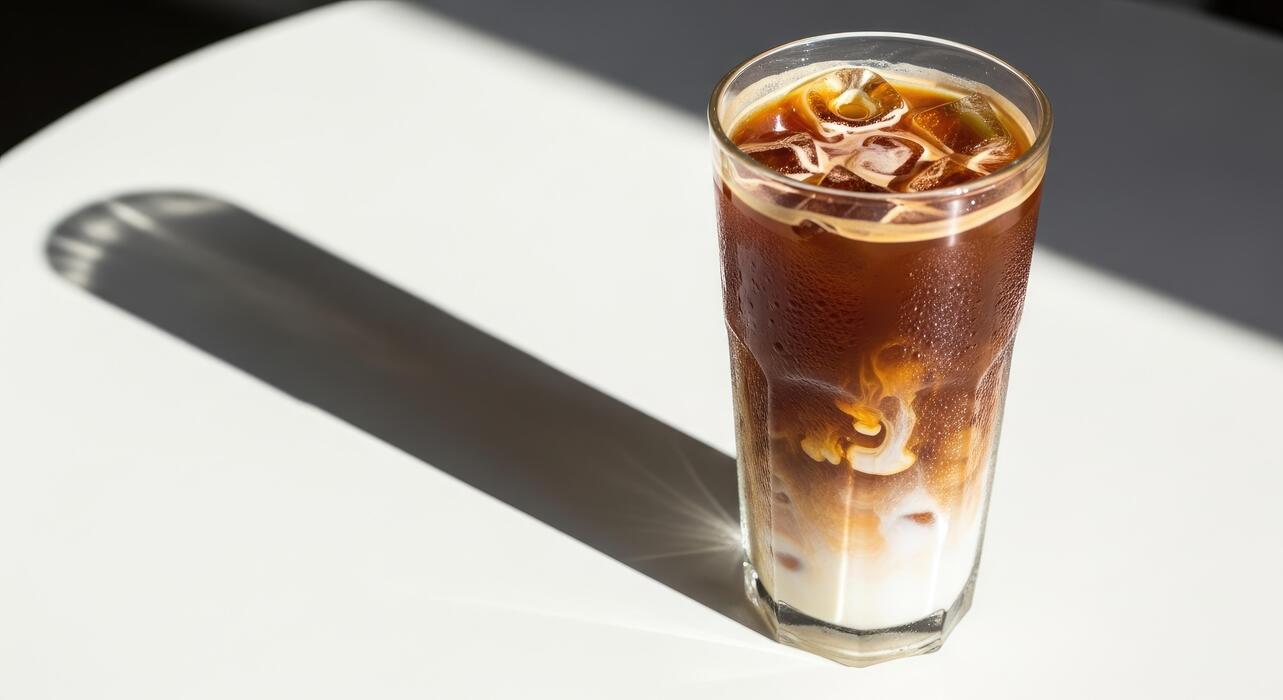
A beautifully layered cold brew not only looks impressive but also enhances the drinking experience by allowing you to taste distinct flavor profiles in each sip. Start by filling your glass with ice, then slowly pour the cold brew over the back of a spoon held just above the ice.
This gentle technique prevents the coffee from splashing and creates a clean, dark base. For a classic Starbucks-style cold brew with milk, add your milk or cream first, then pour the cold brew over the ice.
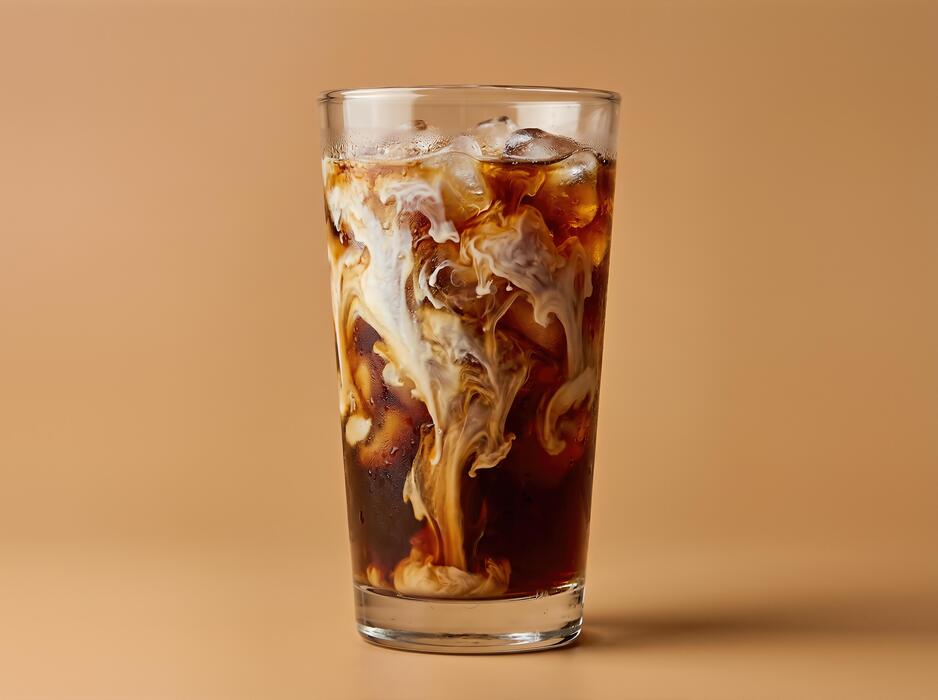
The denser coffee will sink and create a striking gradient from dark at the bottom to light at the top. Stir gently only if you prefer a uniform taste; otherwise, enjoy the evolving flavor as you drink.
You can also try a reverse layer by pouring cold brew first, then slowly adding a splash of vanilla sweet cream or oat milk over the back of a spoon. This creates a creamy top layer that gradually mixes, offering a luxurious mouthfeel and a visually stunning presentation.
Garnishes that enhance flavor
Elevate your Starbucks cold brew with simple garnishes that complement its natural notes without overpowering it. A cinnamon stick is a classic choice—its warm, sweet spice enhances the brew’s chocolatey undertones and adds a subtle aroma with every sip.
For a refreshing twist, add a thin strip of orange or lemon zest to the rim or float it on top; the citrus oils cut through the coffee’s richness and brighten the finish.
If you prefer a touch of sweetness, drizzle a small amount of vanilla syrup or caramel sauce over the ice before pouring the cold brew—this creates a delicate swirl that sweetens the top sips.
For a dairy-free option, a dash of nutmeg or a single star anise adds a cozy, aromatic complexity. Remember, garnishes should be minimal to avoid cluttering the flavor.
A single, well-chosen element can transform your cold brew into a sensory experience, making each sip feel intentional and luxurious without needing extra sugar or cream.
Common Mistakes That Ruin Cold Brew Flavor
Over-icing and dilution problems
One of the quickest ways to ruin your Starbucks-style cold brew is by over-icing your glass. When you pack the cup with too many ice cubes, the coffee becomes watery and loses its signature bold, smooth flavor.
Instead, use fewer, larger ice cubes to slow melting, or opt for coffee ice cubes made from leftover cold brew. Another smart tip is to pre-chill your glass by filling it with ice water for a minute, then dumping it out before adding fresh ice and cold brew.
This keeps the brew cold without excessive dilution. Also, consider serving your cold brew over a single large sphere ice mold—it melts much slower than crushed or small cubes. Finally, if you’re adding milk or creamer, pour the cold brew first, then add ice last.
This ensures the coffee stays concentrated and doesn’t get immediately watered down. By controlling ice volume and size, you’ll preserve that rich, Starbucks-like intensity from the first sip to the last.
Storing cold brew too long
Cold brew concentrate is not invincible—it has a shelf life. If you store it for more than 10 to 14 days in the refrigerator, it will start to oxidize and develop stale, sour, or even metallic off-flavors.
To keep that fresh, smooth Starbucks taste, make smaller batches that you’ll finish within a week. Always store your cold brew in an airtight glass container (avoid plastic, which can absorb odors) and keep it away from strong-smelling foods like onions or cheese.
Another common mistake is leaving the brew at room temperature for hours—refrigerate it immediately after filtering. If you notice the flavor turning flat or harsh, it’s time to brew a new batch. For best results, date your container so you know exactly when it was made.
Remember, cold brew concentrate can also be frozen in ice cube trays for later use, preserving its peak flavor for up to three months. Proper storage ensures every glass tastes as rich and smooth as your favorite café version.
Mixing with low-quality add-ins
Even the best cold brew can be ruined by poor-quality mix-ins. To replicate that Starbucks taste, skip artificial creamers loaded with preservatives and hydrogenated oils. Instead, use fresh, high-fat dairy like whole milk, half-and-half, or oat milk for a creamy texture that complements the brew’s natural sweetness.
When sweetening, avoid granulated sugar—it doesn’t dissolve well in cold liquid. Opt for simple syrup, maple syrup, or vanilla syrup (make your own by simmering equal parts sugar and water with vanilla extract).
Another mistake is using low-quality vanilla extract or imitation flavors; pure vanilla or a pinch of cinnamon adds depth without bitterness. If you enjoy flavored cold brew, infuse your milk with a splash of caramel, hazelnut, or chocolate syrup before adding it to the coffee.
Also, be mindful of salted caramel or spicy add-ins—a little goes a long way. By choosing premium, fresh ingredients, you elevate your cold brew from mediocre to a café-quality experience that rivals any Starbucks drink.
Frequently Asked Questions
What is the best way to sweeten Starbucks cold brew without it tasting artificial?
Use simple syrup or a flavored syrup like vanilla or caramel, as these dissolve easily in cold liquid. Avoid granulated sugar, which will sink to the bottom and leave you with an uneven taste. Start with 1-2 pumps and adjust to your preference.
How can I make Starbucks cold brew less bitter?
Add a splash of milk, cream, or a non-dairy alternative like oat milk, which smooths out the bitterness. A pinch of salt can also help neutralize bitter notes without adding saltiness. If you prefer it black, try a lighter roast cold brew or ask for it with a splash of water to dilute intensity.
What milk or creamer pairs best with Starbucks cold brew?
Oat milk or whole milk adds a creamy texture that complements the coffee’s rich flavor without overpowering it. For a sweeter option, try vanilla or caramel-flavored creamers. Avoid skim milk, as it can make the drink taste watery.
How do I make Starbucks cold brew taste like a latte?
Order a cold brew with a splash of heavy cream or half-and-half, then ask for 1-2 pumps of vanilla syrup. This mimics the sweetness and creaminess of a vanilla latte. For a mocha twist, add a pump of mocha sauce.
Can I add flavor shots to Starbucks cold brew, and which ones work best?
Yes, Starbucks offers a variety of sugar-free and classic syrups. Vanilla, caramel, and cinnamon dolce are popular choices that enhance the cold brew’s natural chocolatey notes. For a refreshing twist, try a few pumps of peppermint or toffee nut during seasonal offerings.
What is the ideal ratio of cold brew to milk or water?
Start with a 1:1 ratio of cold brew to milk or water for a balanced taste. If you prefer it stronger, use 2 parts cold brew to 1 part milk; for a lighter drink, reverse the ratio. Adjust based on your taste and the intensity of the cold brew.
How can I make Starbucks cold brew taste like a Starbucks bottled drink at home?
Order a cold brew with no water added (ask for it ‘undiluted’), then mix in a splash of vanilla sweet cream or a combination of heavy cream and vanilla syrup. This replicates the smooth, sweet profile of the bottled versions.
What should I avoid adding to Starbucks cold brew to prevent a bad taste?
Avoid adding regular sugar, which won’t dissolve and will create a gritty texture. Also, skip acidic additions like lemon juice, which can clash with the coffee’s flavor. Stick to syrups, creamers, or milk-based additions for the best results.
Conclusion
By focusing on the three pillars—quality milk, subtle sweeteners, and a splash of cream or flavor syrup—you can elevate Starbucks cold brew from bitter to balanced. Remember to stir well, serve over fresh ice, and taste before adding extras. Don’t settle for a dull cup; experiment with vanilla, oat milk, or a pinch of salt. Your perfect cold brew is just a tweak away. Enjoy every sip.