How To Make Toddy Coffee At Home
How to make toddy coffee at home is easier than you think—it’s all about cold brewing with coarse grounds and a slow steep. You’re likely here because store-bought concentrate is pricey or lacks the smooth, low-acid flavor you crave. Good news: with just water, coffee, and a 12- to 24-hour wait, you’ll nail that rich, syrupy base. This guide cuts through the guesswork so you can skip the café and brew like a pro.
What Is Toddy Coffee?
Cold brew vs. toddy coffee: key differences
While often used interchangeably, toddy coffee is a specific method of cold brewing that uses a slow drip system (like the Toddy brand brewer) rather than immersion. The key difference is the water-to-coffee ratio and steeping time.
For toddy brewing, you typically use a 1:4 ratio of coarse ground coffee to water (by weight) and steep for 12-24 hours at room temperature before filtering. In contrast, standard cold brew often uses a 1:5 or 1:8 ratio and steeps in the refrigerator for 12-24 hours.
The toddy method produces a highly concentrated coffee extract that is smoother and less acidic due to the longer, room-temperature extraction and the paper filter that removes oils and sediment.
To replicate this at home, use a French press or a dedicated toddy maker, and always filter through a paper filter for that signature clarity. Start with 1 cup coarse ground coffee to 4 cups water for a strong concentrate.
Why toddy coffee tastes smoother and less acidic
Toddy coffee’s signature smoothness comes from chemistry and process. The long, cold extraction (12-24 hours at room temperature) extracts fewer acids and bitter compounds than hot brewing, specifically chlorogenic acids which break down into harsh-tasting quinic and caffeic acids when heated.
Additionally, the paper filter used in toddy systems removes coffee oils and fine sediment that contain bitter and astringent flavors. The result is a smooth, mellow concentrate with 80% less acidity than hot-brewed coffee.
To maximize this at home, grind your beans coarsely (like sea salt) to avoid over-extraction, and steep at room temperature—never in the fridge, as cold slows extraction and can lead to sourness. After steeping, filter through a paper filter (not just a mesh) for that velvety texture.
Store your toddy concentrate in the fridge for up to 2 weeks, and dilute with water or milk at a 1:1 or 1:2 ratio for a ready-to-drink cup.
Best coffee beans for toddy brewing
For the smoothest toddy coffee, choose single-origin beans with low acidity and chocolate or nutty flavor notes. Brazilian, Colombian, or Sumatra beans are ideal due to their natural low acidity and full body, which hold up well to the long steep.
Avoid light roasts or African beans (like Ethiopian Yirgacheffe) as they can taste sour or grassy when cold-brewed. Medium to dark roasts work best because the roasting process breaks down acids and produces caramelized sugars that translate into a sweet, rich concentrate.
For a balanced brew, try a blend of 70% Brazilian and 30% Colombian. Always buy whole beans and grind them coarse just before brewing—pre-ground coffee can be too fine and lead to over-extraction or a muddy taste.
Experiment with single-origin Peru or Guatemala for subtle chocolate notes, or Sumatra for a bold, earthy profile. The key is freshness: use beans roasted within 2-4 weeks for optimal flavor extraction.
Equipment You Need for Toddy Coffee at Home
Toddy cold brew system vs. DIY alternatives
When making Toddy coffee at home, you have two main paths: the official Toddy cold brew system or a DIY setup. The Toddy system includes a specialized plastic brewer with a rubber stopper and a felt filter, designed for foolproof extraction.
Its key advantage is consistency: the built-in brewing chamber and easy-dispense spout simplify the process, reducing mess and ensuring balanced flavor. For a DIY alternative, you can use a large glass jar or pitcher with a fine-mesh strainer or cheesecloth.
This is more affordable but requires careful monitoring of coffee-to-water ratios and steeping time. The DIY method demands a burr grinder for uniform grounds and a nut milk bag for filtering. While the official system is pricier (around $40–$50), it offers convenience and repeatable results.
For beginners, the Toddy system is recommended to avoid common pitfalls like over-extraction or cloudy coffee. Advanced home brewers may prefer DIY for customization and cost savings. Ultimately, choose based on your budget and tolerance for experimentation.
Must-have tools: filters, containers, and grinders
Regardless of your brewing method, three tools are essential for successful Toddy coffee. First, filters: the official Toddy felt filter provides a clean, sediment-free brew. For DIY, use unbleached paper filters or a reusable nut milk bag with a fine mesh (200–300 microns). Avoid standard coffee filters as they clog.
Second, containers: a large glass or BPA-free plastic pitcher (at least 2 quarts) for brewing and a sealed glass jar for storage. Glass is preferred for storage as it doesn’t absorb odors. Third, a burr grinder is critical for achieving a coarse, even grind.
Blade grinders produce uneven particles, leading to bitter or weak coffee. Set your grinder to a coarse setting (like breadcrumbs) to prevent over-extraction. Optional but helpful: a digital scale for precise coffee-to-water ratios (e.g., 1:4 for concentrate) and a long spoon for stirring.
Investing in these tools ensures your cold brew is smooth, strong, and free of grit.
How to choose the right size for your needs
Selecting the right equipment size depends on your consumption and storage capacity. The official Toddy system comes in two sizes: standard (makes 6–7 cups of concentrate) and large (makes 10–12 cups).
The standard size is ideal for individuals or couples who drink cold brew daily, yielding about 1–2 quarts of concentrate (enough for 6–12 servings when diluted 1:1 with water or milk). The large size suits families or frequent entertainers, producing 3–4 quarts.
For DIY setups, choose a container based on your weekly intake: a 2-quart mason jar works for moderate use, while a gallon-sized pitcher is better for batch brewing. Consider your fridge space—the brewer and storage containers must fit comfortably.
Also, think about portability: smaller systems are easier to store and clean. If you’re new to cold brew, start with the standard Toddy system to avoid waste. Remember, concentrate lasts up to 2 weeks refrigerated, so scale up only if you’ll use it promptly.
Prioritize size that matches your routine without overwhelming storage.
How to Make Toddy Coffee: Step-by-Step Guide

Step 1: Measure and grind your coffee beans
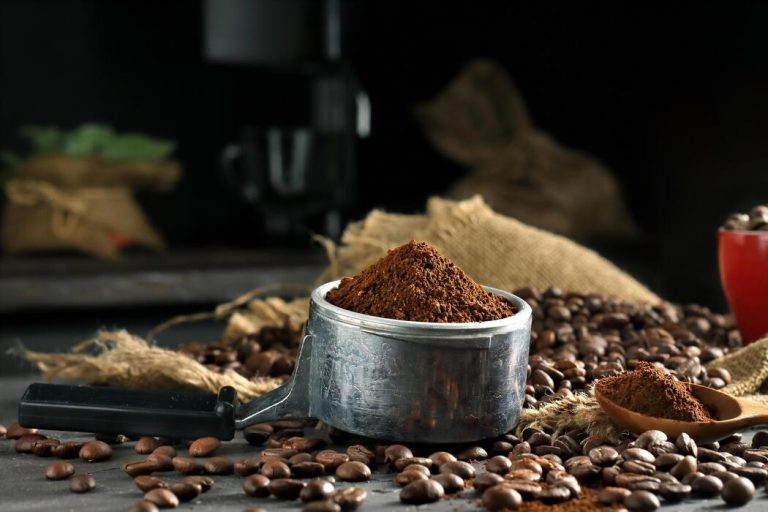
Start with coarsely ground coffee—a texture similar to breadcrumbs is ideal. For a standard Toddy batch, use 12 ounces (340 grams) of whole beans. Grind them fresh if possible, as pre-ground coffee can produce a bitter concentrate. The coarse grind prevents over-extraction and ensures a smooth, low-acid result.
Measure carefully: too much coffee yields an overly strong concentrate, while too little results in weak flavor. Use a burr grinder set to a coarse setting for consistency. Once ground, transfer the coffee to a large bowl or directly into the Toddy brewing container.
Step 2: Combine coffee and water in the brewing container
Place the Toddy brewing container on a flat surface and insert the filter plug into the opening. Add the ground coffee to the container, then slowly pour 56 ounces (1.65 liters) of cool, filtered water over the grounds.
Use a gentle stream to ensure even saturation—avoid stirring vigorously, as this can clog the filter. The water should fully cover the coffee; if needed, add a bit more to reach the top. Let the mixture sit undisturbed for a moment to allow the coffee to bloom.
This step sets the stage for a balanced extraction.
Step 3: Steep at room temperature for 12–24 hours
Cover the container with its lid or a clean cloth to keep out dust. Steep at room temperature (68–72°F or 20–22°C) for 12 to 24 hours. The longer steep time extracts rich flavors without bitterness, as cold water reduces acid and oil release.
For a milder concentrate, steep for 12 hours; for a bolder, more robust flavor, go the full 24 hours. Avoid refrigerating during steeping, as cold slows extraction. Check the concentrate periodically—it should be dark and aromatic. This patience yields a smooth, low-acid coffee base perfect for hot or iced drinks.
Step 4: Filter and store the concentrate
After steeping, remove the lid and carefully lift the filter plug to drain the liquid into a carafe or pitcher. Use the included paper or reusable cloth filter for a clean, sediment-free result. Let the concentrate drip completely—this may take 10–15 minutes. Discard the used coffee grounds or compost them.
Store the concentrate in a sealed glass jar or airtight container in the refrigerator for up to two weeks. To serve, mix 1 part concentrate with 1 part hot water (or milk) for a classic toddy coffee. Adjust ratio to taste for a stronger or milder brew.
Tips for the Perfect Toddy Coffee Concentrate
Ideal coffee-to-water ratio for strong concentrate
The foundation of a perfect Toddy concentrate is the coffee-to-water ratio. For a robust, versatile concentrate that stands up well to milk or ice, start with a 1:4 ratio by weight—one part coffee to four parts water.
For example, use 200 grams of coarse ground coffee to 800 milliliters of filtered water. This yields a rich, low-acid base ideal for iced or hot coffee.
If you prefer an even bolder concentrate, adjust to a 1:3.5 ratio, but avoid going lower than 1:3, as it can become overly intense and bitter. Always use filtered water at room temperature; hot water can extract unwanted bitter compounds.
Weigh your ingredients on a kitchen scale for precision, as volume measurements can be inconsistent. This ratio ensures a smooth, chocolatey concentrate that stores well in the fridge for up to two weeks.
How to adjust steeping time for flavor strength
Steeping time directly controls the flavor strength and profile of your Toddy concentrate. The standard recommendation is 12 to 24 hours at room temperature, but you can fine-tune it to your taste. For a milder, sweeter concentrate with subtle floral notes, steep for 12 to 16 hours.
This shorter time extracts delicate flavors without over-extracting bitter compounds. For a bolder, more robust concentrate with deep chocolate and nutty notes, aim for 18 to 24 hours. Beyond 24 hours, you risk over-extraction, which can introduce bitterness and astringency.
To experiment, taste the concentrate at the 12-hour mark and decide if it needs more time. Stir the grounds gently after adding water to ensure even saturation, and keep the container at a consistent room temperature. Refrigerating during steeping slows extraction, so stick to countertop steeping for predictable results.
Common mistakes to avoid when brewing
Avoid these pitfalls for a flawless Toddy concentrate. First, do not grind your coffee too fine. A coarse, consistent grind similar to breadcrumbs is essential; fine grounds can clog the filter and cause over-extraction, resulting in a bitter, muddy brew. Use a burr grinder for uniformity.
Second, never use hot water. Cold or room-temperature water is key to the Toddy’s smooth, low-acid profile. Hot water extracts harsh oils and acids, ruining the concentrate’s gentle character. Third, avoid stirring after the initial mix.
Stirring once to wet the grounds is fine, but repeated stirring can force fines through the filter, creating sediment. Finally, do not rush the filtration. Let the concentrate drip slowly through the felt filter for 2-4 hours; pressing or squeezing the filter can push bitter particles into the final product.
Patience yields a crystal-clear, delicious concentrate.
How to Serve Toddy Coffee

Classic toddy coffee with milk or water
To serve a classic toddy coffee, start with your cold brew concentrate. For a simple black toddy, fill a glass with ice, pour in 1 part concentrate and 2 parts cold water or filtered water. Stir gently to combine.
For a creamy milk-based toddy, replace water with your choice of milk—whole milk, oat milk, or almond milk work well. Use a 1:1 ratio of concentrate to milk for a stronger coffee flavor, or 1:2 for a milder, milkier drink.
Add a sweetener like simple syrup, honey, or agave to taste; start with 1-2 teaspoons per serving. Stir until the sweetener is fully dissolved. For a richer texture, add a splash of heavy cream or half-and-half. Serve immediately over fresh ice.
This method highlights the smooth, low-acid profile of toddy coffee, making it perfect for a refreshing daily brew. Adjust ratios to your preference—more concentrate for a bolder kick, more milk or water for a lighter sip.
Hot toddy coffee: warming up the concentrate
To enjoy toddy coffee hot, gently heat the concentrate without boiling to preserve its smooth flavor. Pour 1 cup of cold brew concentrate into a small saucepan or microwave-safe mug. Heat on the stovetop over medium-low heat for 2-3 minutes, stirring occasionally, until steaming.
Alternatively, microwave in 30-second bursts, stirring between each, until hot (about 1-2 minutes total). Avoid boiling, as high heat can make the concentrate bitter.
Once heated, pour into a mug and dilute with hot water or steamed milk—use a 1:1 ratio for a strong cup or 1:2 for a milder one. Add a sweetener like brown sugar, maple syrup, or vanilla syrup to taste.
For a cozy twist, stir in a pinch of cinnamon or nutmeg. This method transforms the cold brew into a comforting hot drink, ideal for colder days. Serve immediately, and consider topping with frothed milk or a dollop of whipped cream for extra indulgence.
Creative toddy coffee recipes: iced lattes and cocktails
Elevate your toddy coffee with creative recipes. For an iced toddy latte, fill a glass with ice, add 1 part concentrate, 2 parts milk (dairy or plant-based), and 1-2 tablespoons of flavored syrup (vanilla, caramel, or hazelnut). Stir well and top with cold foam if desired.
For a toddy coffee cocktail, mix 2 ounces of concentrate with 1.5 ounces of bourbon or rum, 0.5 ounce of simple syrup, and a dash of vanilla extract. Shake with ice and strain into a rocks glass over fresh ice. Garnish with a cinnamon stick or orange peel.
Another twist: a mocha toddy—combine 1 part concentrate, 1 part chocolate milk, and a splash of coconut cream over ice. For a dairy-free version, use oat milk and cacao powder. These recipes transform the smooth concentrate into barista-worthy drinks perfect for entertaining or a personal treat.
Experiment with spices like cardamom or nutmeg to customize flavors. Serve immediately for best taste.
How to Store Toddy Coffee Concentrate
Best containers for refrigeration
Store your toddy coffee concentrate in airtight glass or BPA-free plastic containers to preserve freshness and prevent odor absorption. Mason jars, swing-top bottles, or dedicated cold brew pitchers work perfectly. Avoid metal containers, as they can impart a metallic taste over time.
Before refrigerating, filter the concentrate through a fine-mesh sieve or coffee filter to remove all sediment, which can cause bitterness. Fill containers to the brim to minimize oxygen exposure, leaving just a small gap for expansion if freezing. Label each container with the brew date so you can track freshness.
For easy pouring, use a container with a spout or keep a separate serving carafe. Always refrigerate immediately after brewing at or below 40°F (4°C) to inhibit bacterial growth. Never leave concentrate at room temperature for more than 2 hours.
Glass is preferable for long-term storage, while plastic is lighter for daily use. Rinse containers with hot water and dry thoroughly before each refill to avoid mold or off-flavors.
How long does toddy coffee last?
Properly stored toddy coffee concentrate stays fresh for 7 to 10 days in the refrigerator when kept in an airtight container at a consistent temperature. After day 10, it may develop a dull or sour taste, though it remains safe to consume if no mold or off-smells appear.
To maximize shelf life, always use clean utensils when pouring, never return unused concentrate to the original container, and avoid diluting it until serving. If you notice cloudiness, sediment at the bottom, or a fermented aroma, it’s time to discard the batch.
For best flavor, aim to use your concentrate within the first 5 days. Remember that toddy coffee is not shelf-stable—it must stay refrigerated. Never leave it out for more than 2 hours. If you plan to keep it longer, consider freezing portions immediately after brewing.
Testing your concentrate daily by smelling and tasting a small amount helps catch spoilage early. Trust your senses: if it smells off or tastes flat, replace it with a fresh batch.
Freezing toddy coffee for later use
Freeze toddy coffee concentrate in ice cube trays or silicone molds for easy portioning, then transfer cubes to a freezer-safe bag or container. This method lets you thaw only what you need, avoiding waste. For best quality, use frozen concentrate within 3 to 6 months—after that, it may lose vibrancy.
To freeze larger amounts, fill airtight containers leaving 1 inch of headspace for expansion, and label with the date. Thaw overnight in the refrigerator or at room temperature for 30 minutes; never microwave, as heat can degrade flavor. Shake or stir thoroughly after thawing to reincorporate any separated solids.
Avoid refreezing thawed concentrate, as repeated cycles harm taste and texture. Freezing slightly concentrates the coffee, so you may need to adjust your dilution ratio—start with equal parts water and coffee, then tweak. For iced coffee, use frozen cubes directly in milk or water for a stronger, non-diluted drink.
Always store frozen concentrate away from strong-smelling foods to prevent odor absorption.
Frequently Asked Questions About Toddy Coffee
Can I use any coffee bean for toddy?
Yes, you can use any coffee bean to make toddy coffee at home, but the flavor profile will vary significantly. Choose a medium to dark roast for a bold, chocolatey, and low-acid brew, which is the classic toddy profile.
Avoid light roasts, as they can taste overly fruity or sour in cold extraction. Use coarsely ground coffee—similar to breadcrumbs—to prevent over-extraction and bitterness. For the best results, select single-origin beans from Brazil, Colombia, or Sumatra, as they tend to produce smooth, nutty flavors.
Experiment with blends to find your perfect balance. Always use fresh, high-quality beans and grind them yourself just before brewing for maximum flavor. If you prefer a cleaner taste, use a paper filter in addition to your mesh filter.
Remember, the bean choice directly affects your final concentrate, so adjust based on your personal preference for acidity, body, and sweetness.
Is toddy coffee stronger than regular coffee?
Yes, toddy coffee concentrate is typically stronger in caffeine content than a standard cup of drip coffee, but it depends on how you dilute it. The concentrate is made with a high coffee-to-water ratio (usually 1:4 to 1:8), resulting in a potent base.
One ounce of toddy concentrate contains roughly 100-150 mg of caffeine, compared to 95 mg in a standard 8 oz drip coffee. However, you usually dilute the concentrate with water or milk at a 1:1 or 1:2 ratio, making the final drink similar in strength to regular coffee.
To adjust strength, control your dilution ratio—less water gives a stronger, more caffeinated cup. If you want a lower-caffeine option, use a shorter brew time (12-16 hours) or use decaf beans. Always start with a small serving to gauge your tolerance, as the smooth flavor can mask higher caffeine levels.
How to make toddy coffee without a special system
You can easily make toddy coffee at home using common kitchen items—no special system needed. Use a large glass jar or pitcher as your brewing container. Combine 1 cup of coarsely ground coffee with 4 cups of cold, filtered water.
Stir gently to ensure all grounds are saturated, then cover and let it steep at room temperature for 12-24 hours. For filtering, use a fine-mesh sieve lined with a paper coffee filter, a clean cotton cloth, or a nut milk bag.
Place the sieve over a large bowl or measuring cup, then slowly pour the coffee mixture through. Let it drip completely; this may take 10-20 minutes. Avoid pressing or squeezing the grounds to prevent bitterness.
Store the resulting concentrate in a sealed glass container in the refrigerator for up to two weeks. To serve, dilute with equal parts water or milk, pour over ice, and enjoy. Adjust the coffee-to-water ratio or steep time to suit your taste preferences.
Frequently Asked Questions
What is toddy coffee and how is it different from regular iced coffee?
Toddy coffee, also known as cold brew, is made by steeping coarse coffee grounds in cold water for 12-24 hours, then filtering. Unlike regular iced coffee (which is hot-brewed then chilled), toddy is naturally less acidic, smoother, and less bitter.
What ingredients do I need to make toddy coffee at home?
You need coarsely ground coffee beans (preferably a dark roast) and cold, filtered water. The typical ratio is 1 cup of coffee grounds to 4 cups of water. Optional: a large jar or pitcher, a fine-mesh strainer, cheesecloth, or a dedicated toddy maker.
What is the best coffee-to-water ratio for toddy coffee?
For a strong concentrate, use a 1:4 ratio (e.g., 1 cup coffee to 4 cups water). For a milder brew, use 1:5 or 1:6. The concentrate is then diluted with equal parts water or milk when serving.
How long should I steep toddy coffee?
Steep for 12-24 hours at room temperature or in the refrigerator. 12-16 hours yields a smoother flavor, while 18-24 hours creates a stronger, more caffeinated concentrate. Avoid steeping longer than 24 hours to prevent over-extraction.
Do I need special equipment to make toddy coffee?
No, you can use a large mason jar, a French press, or a pitcher. Simply steep grounds in water, then strain through a fine-mesh sieve lined with cheesecloth or a paper coffee filter. A dedicated toddy maker (like the Toddy brand) makes filtering easier but isn’t required.
How do I strain toddy coffee without a filter?
Pour the steeped mixture through a fine-mesh strainer into a clean container. For clearer coffee, line the strainer with a clean kitchen towel, cheesecloth, or a paper coffee filter. You may need to strain twice to remove all sediment.
How should I serve toddy coffee?
Serve the concentrate over ice, then dilute with equal parts water, milk, or cream. Add sweetener if desired. You can also heat the concentrate with hot water for a smooth hot coffee. Store the concentrate in the fridge for up to 2 weeks.
Can I use any coffee grind for toddy?
Use coarse grounds, similar to French press consistency. Fine grounds will make the brew muddy and harder to filter, resulting in a cloudy, bitter coffee. A dark roast is preferred for its rich, chocolatey flavor, but any roast works.
Conclusion
Making toddy coffee at home is a rewarding, simple process that yields a smooth, low-acid concentrate perfect for iced or hot drinks. By steeping coarse grounds in cold water for 12-24 hours and filtering, you unlock a rich, sweet flavor without bitterness. Store your concentrate in the fridge for up to two weeks. Experiment with ratios to find your perfect strength. Embrace this hands-on method and elevate your daily coffee ritual with delicious, café-quality results.