How To Make Simple Cold Coffee At Home
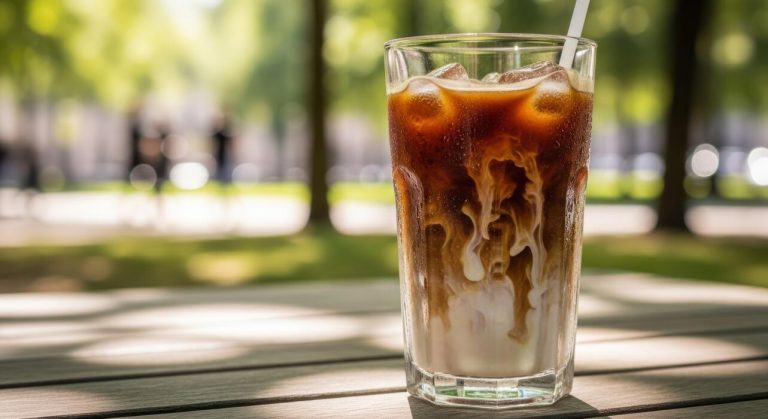
How to make simple cold coffee at home is one of the most common questions for coffee lovers who want a quick, refreshing fix without a fancy machine. You don’t need a barista kit or expensive ingredients—just instant coffee, cold milk, sugar, and ice. The problem is usually getting it smooth and not watery. You’re in the right place: I’ll show you a no-fail method that blends rich flavor with instant convenience in under two minutes.
What You Need to Make Cold Coffee at Home
Essential ingredients for simple cold coffee
To make a delicious cold coffee at home, you need just a handful of simple ingredients. The star is coffee—either 2 tablespoons of your favorite instant coffee granules or a strong brew from 2 tablespoons of freshly ground coffee.
Next, you’ll need cold water or milk (dairy or plant-based like almond or oat) for the base. For sweetness, have sugar, honey, or simple syrup ready, adjusting to your taste.
To add creaminess and richness, include ice cubes and optionally 2-3 tablespoons of heavy cream, half-and-half, or a splash of vanilla extract for extra flavor. If you’re feeling fancy, a dollop of whipped cream on top is a treat.
For a twist, keep chocolate syrup, caramel sauce, or a pinch of cinnamon handy. The beauty of this list is its flexibility—you can easily swap or skip ingredients based on what’s in your pantry. Start with these basics, and you’ll have a refreshing homemade cold coffee in minutes.
Must-have kitchen tools and equipment
You don’t need fancy barista gear to whip up cold coffee at home—just a few basic tools. First, a coffee maker or French press is ideal for brewing strong coffee, but a simple mug and spoon work if you’re using instant coffee.
A tall glass or mason jar is perfect for serving. For mixing, a long-handled spoon or straw helps stir in sugar and milk. If you want a frothy, café-style texture, a milk frother, blender, or even a shaker bottle can aerate the coffee and milk together.
Ice cube trays are essential for plenty of ice, and a measuring spoon ensures consistent coffee strength. For a smoother drink, a fine-mesh strainer can filter out coffee grounds if you’re using a French press. Finally, a whisk or fork can work in a pinch for blending.
With these items—most of which you likely already own—you’re fully equipped to make refreshing cold coffee without any special purchases.
Choosing the right coffee beans or instant coffee
Selecting the right coffee is crucial for a flavorful cold coffee. For simplicity and speed, instant coffee is a fantastic choice—it dissolves easily in cold water or milk, making it foolproof for beginners. Opt for a high-quality instant coffee like Nescafé Gold or a specialty brand for a smoother taste.
If you prefer using coffee beans, go for a medium to dark roast as their bold, chocolatey notes shine through when chilled. Light roasts can taste too acidic or sour in cold coffee. For brewing, choose coarse grounds for a French press or fine grounds for a drip machine.
Freshly ground beans offer superior aroma and flavor. For a budget-friendly option, pre-ground coffee works well too. Remember, the coffee’s strength matters—use double the amount you’d use for hot coffee, since ice dilutes the flavor.
Whether you pick instant or beans, the key is to match your taste preference and time available, ensuring a satisfying homemade cold coffee every time.
How to Make Cold Coffee with Instant Coffee

Step-by-step instant cold coffee recipe
Start by gathering your ingredients: 2 teaspoons of instant coffee, 2 teaspoons of sugar, 2 tablespoons of hot water (not boiling), and 1 cup of cold milk. In a small bowl, combine the instant coffee, sugar, and hot water.
Stir vigorously for about 30 seconds until the mixture becomes frothy and light in color. This step is crucial for creating a creamy texture. Next, fill a glass with ice cubes and pour in the cold milk. Slowly add the coffee mixture over the milk, stirring gently to combine.
For a richer taste, use full-fat milk or add a splash of cream. Serve immediately and enjoy your homemade cold coffee. You can also garnish with a sprinkle of cocoa powder or cinnamon for extra flavor.
This recipe is quick, uses minimal ingredients, and gives you a café-style drink in under 5 minutes.
Tips for dissolving instant coffee without lumps
To avoid lumpy instant coffee, always start with hot water, not cold. The heat helps the granules dissolve completely. Use a small amount of water—just enough to cover the coffee and sugar—and stir vigorously with a spoon or a small whisk.
For best results, use a frother or a handheld milk frother to create a smooth, airy paste. If you don’t have a frother, stir in a circular motion for at least 20 seconds.
Another trick is to add the coffee to the water gradually while stirring, rather than dumping it all at once. If lumps still form, microwave the mixture for 10 seconds and stir again. Avoid using boiling water, as it can make the coffee bitter.
Once dissolved, the mixture should be thick and syrupy. This ensures your cold coffee blends evenly with the milk without any gritty texture.
Adjusting sweetness and milk ratio
Customize your cold coffee to your taste by adjusting the sugar and milk quantities. Start with 2 teaspoons of sugar for a mildly sweet drink. If you prefer it sweeter, add up to 1 tablespoon, but dissolve it with the coffee in hot water for even sweetness.
For a less sweet option, use a sugar substitute like stevia or skip the sugar entirely and rely on the natural sweetness of milk. The milk ratio depends on how strong you want the coffee flavor.
Use 1 cup of milk for a standard strength, or reduce to 3/4 cup for a bolder taste. For a creamier texture, substitute half the milk with heavy cream or use oat milk for a dairy-free version. Experiment with ratios until you find your perfect balance.
Remember, you can always add more milk to dilute, but you can’t remove it, so start with less and adjust gradually.
How to Make Cold Coffee with Brewed Coffee
Brewing and cooling coffee for cold drinks
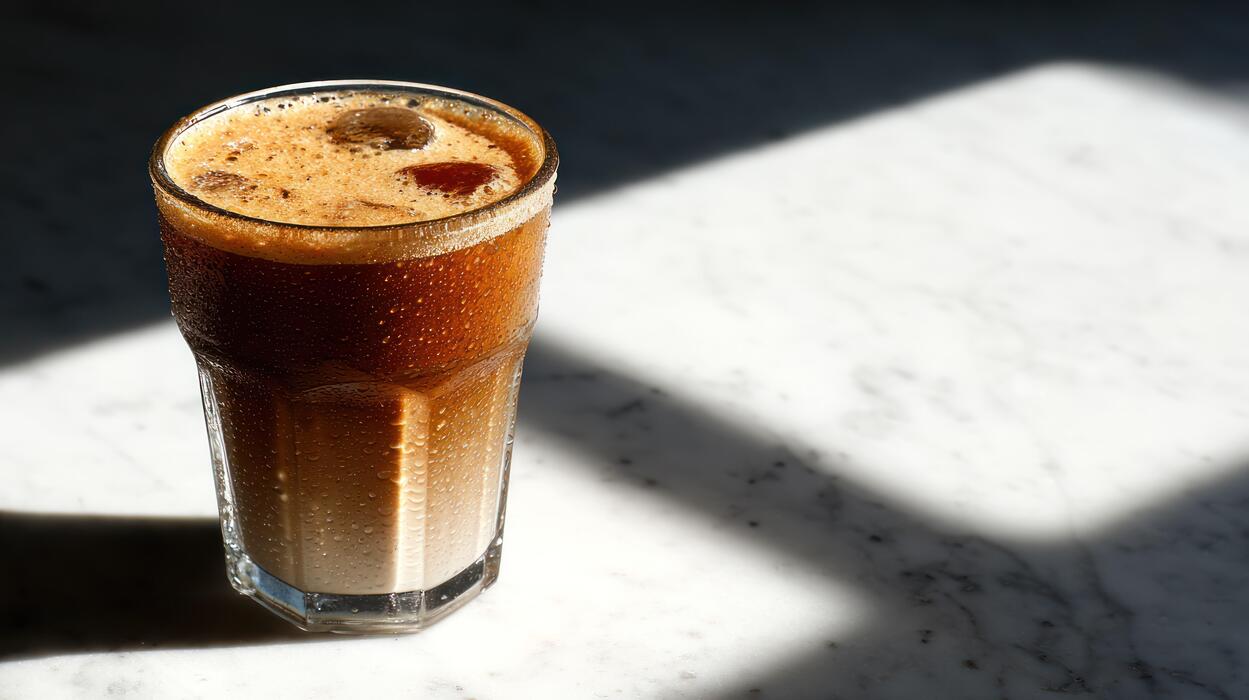
Start by brewing a pot of your favorite coffee using your usual method—drip, French press, or pour-over. For a stronger flavor that stands up to ice and milk, use a coffee-to-water ratio of 1:15 (e.g., 2 tablespoons of ground coffee per 1 cup of water).
Once brewed, let the coffee cool to room temperature for about 15-20 minutes. To speed up cooling, pour the hot coffee into a heatproof glass or metal container and place it in the refrigerator for 30 minutes. Avoid adding ice directly to hot coffee, as it will dilute the flavor.
For best results, make a concentrated brew by using less water than usual; this ensures your cold coffee remains robust after adding ice. You can also store cooled coffee in a sealed jar in the fridge for up to 3 days, making it convenient for quick cold coffee preparation anytime.
Simple cold brew method at home
For an even smoother, less acidic cold coffee, try a simple cold brew method at home. Combine 1 cup of coarsely ground coffee with 4 cups of cold, filtered water in a large jar or pitcher. Stir gently to ensure all grounds are saturated.
Cover and let it steep at room temperature for 12-24 hours—the longer the steep, the stronger the brew. After steeping, strain the mixture through a fine-mesh sieve lined with a coffee filter or a clean kitchen towel into another container.
This yields a concentrated cold brew that you can dilute with water or milk to taste. Store the concentrate in the fridge for up to 2 weeks. For a quick cold coffee, mix 1 part cold brew concentrate with 1 part milk or water over ice.
This method requires no heat, resulting in a naturally sweet, low-acid coffee perfect for iced drinks.
Mixing brewed coffee with milk and ice
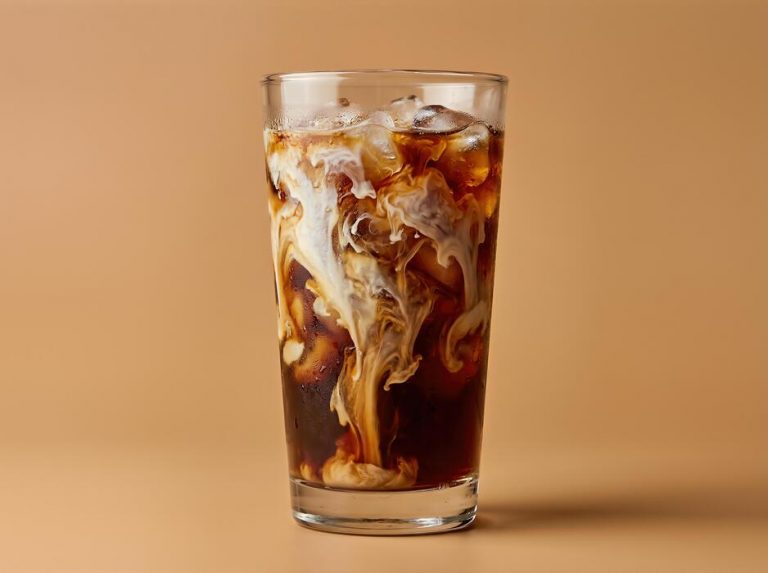
To make a simple cold coffee, fill a tall glass with ice cubes—use large cubes to slow dilution. Pour 1 cup of cooled brewed coffee over the ice. Add 1/2 cup of cold milk (whole, almond, or oat work well) and stir gently.
For sweetness, add 1-2 teaspoons of sugar, honey, or simple syrup and stir until dissolved. For a creamier texture, shake the coffee, milk, and sweetener in a sealed jar with ice for 10 seconds, then strain into a fresh glass.
Adjust the coffee-to-milk ratio to your taste—more coffee for a stronger kick, more milk for a milder drink. Top with a splash of vanilla extract or a pinch of cinnamon for extra flavor. Serve immediately while cold.
This method is perfect for using leftover brewed coffee and creates a refreshing, customizable drink in under 2 minutes.
Best Ways to Froth Milk for Cold Coffee
Using a jar or shaker for frothy milk
For a quick, no-electric method to froth milk for cold coffee, grab a tight-sealing jar (like a mason jar) or a cocktail shaker. Pour in cold milk—whole or 2% works best for foam—filling only halfway to leave room for shaking.
Add a splash of heavy cream or a teaspoon of sugar for extra body and sweetness. Secure the lid tightly, then shake vigorously for 30–60 seconds until the milk doubles in volume and becomes airy. For denser foam, shake in a rhythmic up-and-down motion rather than side-to-side.
Once frothy, remove the lid and microwave the jar (lid off) for 15–20 seconds if you prefer warm foam, or use it cold directly. Pour over strong cold brew or espresso shots with ice.
This technique yields a creamy, stable foam that floats beautifully, and it requires zero electricity or gadgets—perfect for travel or a quick fix. Rinse the jar immediately to avoid milk residue sticking.
Hand frother vs blender technique
When choosing between a hand frother and a blender for cold coffee milk, consider speed and texture. A hand frother (battery-powered whisk) is ideal for small batches and quick cleanup.
Pour cold milk into a narrow cup, submerge the frother just below the surface, and whisk for 20–30 seconds until soft peaks form—perfect for a latte-style top. For maximum volume and silky microfoam, a blender is superior.
Add cold milk (and optional flavorings like vanilla or cocoa) to the blender jar, cover, and blend on low speed for 10 seconds, then high for 20 seconds. This creates a thick, stable foam that holds up longer over ice. Blenders also incorporate more air, yielding a lighter, cloud-like texture.
For best results, chill the blender cup beforehand. Both methods avoid overheating milk (which can kill foam). Use the frother for on-demand single servings, and the blender for batch-making or when you want a cappuccino-style cold coffee at home.
Achieving creamy texture without special tools
Even without a frother, blender, or jar, you can achieve a creamy, velvety milk texture for cold coffee using everyday kitchen items. Start with full-fat milk or oat milk (barista blends work best) for natural creaminess.
Pour milk into a French press—pump the plunger up and down rapidly for 30–45 seconds until the milk doubles in volume and becomes thick and foamy.
Alternatively, use a whisk and a bowl: vigorously whisk cold milk in a circular motion for 2–3 minutes until bubbles form and the milk thickens slightly. For an even simpler hack, shake milk in a sealed plastic water bottle—fill halfway, shake hard for 1 minute, then squeeze out the foam.
To enhance creaminess, add a pinch of salt or a few drops of vanilla extract before aerating. Another trick: heat milk slightly (not boiling) before whisking to increase volume. These methods yield a smooth, drinkable foam that blends into cold coffee, creating a luxurious mouthfeel without any specialized equipment.
Tips for Customizing Your Cold Coffee

Adding flavors like vanilla, caramel, or chocolate
Elevate your simple cold coffee by incorporating flavor syrups or extracts without complicating the process. For a classic touch, add 1-2 teaspoons of vanilla extract or a sugar-free vanilla syrup directly to your brewed coffee before chilling.
Caramel lovers can swirl in store-bought caramel sauce or make a quick homemade version by melting sugar with a splash of water. Chocolate enthusiasts should stir in cocoa powder or melted dark chocolate while the coffee is still warm for smooth integration.
For a seasonal twist, try pumpkin spice or peppermint extract. Remember to start with small amounts—about 1/2 teaspoon of extract per cup—and adjust to taste. You can also blend these flavors into your milk or creamer for a more uniform taste.
Experiment with combinations like mocha (chocolate + vanilla) or salted caramel to create your signature drink without extra equipment.
Using different milk types (dairy, almond, oat)
The milk you choose dramatically affects your cold coffee’s texture and flavor. Whole dairy milk yields the creamiest, richest results, while 2% or skim offers a lighter option. For a dairy-free alternative, oat milk provides a naturally sweet, creamy consistency that mimics whole milk perfectly.
Almond milk adds a nutty undertone but can separate—shake it well before use and consider barista blends for better frothing. Coconut milk imparts a tropical note, ideal for iced lattes. To avoid dilution, chill your milk beforehand and pour it over ice before adding coffee.
For extra creaminess, shake milk in a jar for 30 seconds to create foam, or use a handheld frother. If using unsweetened plant milks, you may need to adjust sweetness since they lack natural sugars.
Always test different milks to find your preferred balance of richness and compatibility with your coffee.
Controlling sweetness and coffee strength
Mastering sweetness and strength ensures your cold coffee isn’t bitter or overly sugary. For coffee strength, use a 1:4 ratio of coffee to water for cold brew, or brew double-strength hot coffee (2 tablespoons grounds per 6 ounces water) to compensate for ice dilution.
To control sweetness, add sweeteners while the coffee is warm so they dissolve fully—try simple syrup (equal parts sugar and water), honey, or agave. Start with 1 tablespoon per cup and adjust gradually. For a sugar-free option, use stevia or monk fruit drops, which are highly concentrated.
If you prefer unsweetened, rely on flavored milks or a dash of cinnamon for natural sweetness. Remember that cold temperatures mute sweetness, so your drink may need slightly more sweetener than you’d use hot. Taste after chilling and add small increments until it’s just right, avoiding overcorrection.
Common Mistakes to Avoid When Making Cold Coffee
Using hot coffee over ice incorrectly
A major mistake is pouring freshly brewed hot coffee directly over ice, which melts it quickly and results in a watery, weak drink. Instead, brew your coffee double-strength by using twice the usual coffee grounds per cup of water. This ensures the final flavor remains bold even after dilution.
For best results, let the hot coffee cool at room temperature for 10–15 minutes before pouring over ice, or use coffee ice cubes made from leftover coffee to avoid dilution entirely.
Another tip is to brew cold brew concentrate overnight—just mix coarse grounds with cold water, steep for 12–24 hours, then strain. This method yields a smooth, less acidic base that stays strong when poured over ice.
Remember, the goal is to keep the coffee’s rich flavor intact without overwhelming your glass with melted water.
Over-sweetening or under-mixing ingredients
It’s easy to add too much sugar or syrup, making your cold coffee cloyingly sweet. Start with a small amount—like 1 teaspoon of sugar or 1 tablespoon of flavored syrup—then taste and adjust gradually.
Another common pitfall is under-mixing, which leaves undissolved sweetener or unblended creamer at the bottom of your glass. Always stir thoroughly or use a shaker bottle to combine ingredients before adding ice.
For a smoother texture, dissolve sugar in a tiny amount of warm water first to create a simple syrup, or use liquid sweeteners like honey or agave. If using milk or cream, pour it slowly while stirring to ensure even distribution.
A final tip: taste-test your mixture before serving, and remember that cold temperatures can dull sweetness, so slightly more sweetener than for hot coffee may be needed—but always err on the side of caution.
Skipping the chilling step for best taste
Rushing to serve cold coffee without proper chilling can lead to a lukewarm, less refreshing drink. Always chill your brewed coffee completely before adding ice—either by refrigerating it for at least an hour or using an ice bath. This prevents rapid ice melt and keeps your beverage cold longer.
For the creamiest texture, chill your milk or cream as well, and consider chilling your serving glass by filling it with ice water for a few minutes before use. If you’re short on time, use concentrated cold brew that’s already refrigerated, or brew a batch the night before.
Another pro trick: freeze some coffee in an ice cube tray to add flavor instead of dilution. Remember, the ideal cold coffee is served very cold, not merely cool. Taking these extra chilling steps ensures a crisp, satisfying drink that tastes as intended from first sip to last.
How to Serve and Store Cold Coffee
Best glassware and ice cube tips
Choose a tall glass (like a highball or mason jar) to allow room for ice and cream without overflow. For a frosty effect, chill the glass in the freezer for 10 minutes.
Use large ice cubes or ice spheres—they melt slower than small cubes, keeping your coffee strong and not watery. Alternatively, make coffee ice cubes by pouring leftover brewed coffee into an ice tray; these add flavor instead of diluting your drink.
Fill the glass three-quarters full with ice before pouring your cold coffee. If you prefer a creamy texture, add a splash of milk or cream first, then pour the coffee over the ice. Avoid crushing ice, as it melts too fast.
For an extra touch, rim the glass with cocoa powder or sugar by dipping the wet rim into a plate of the powder. This simple preparation ensures every sip stays bold and refreshing, perfect for hot days.
Garnishing with cream, cocoa, or cinnamon
Elevate your cold coffee with simple garnishes that add visual appeal and flavor. Start with a layer of cream—pour cold heavy cream over the back of a spoon to float it on top, creating a café-style look. For a lighter option, use frothed milk or a dollop of whipped cream.
Sprinkle cocoa powder or cinnamon on top using a fine-mesh strainer for even coverage; this adds a subtle sweetness and warmth without extra sugar. For a mocha twist, drizzle chocolate syrup over the cream, or add a pinch of nutmeg for spice.
If you enjoy a cold foam, blend cream with a drop of vanilla extract until frothy, then spoon it over the coffee. Garnish with a cinnamon stick or a few coffee beans for a polished finish.
These toppings not only make your drink Instagram-worthy but also enhance the taste, turning a simple homemade cold coffee into a treat.
Storing leftover cold coffee in the fridge
To keep leftover cold coffee fresh, transfer it to an airtight container (like a glass jar or bottle) and refrigerate within two hours of brewing. Use it within 3–4 days for best flavor—after that, it may turn bitter or stale.
Avoid adding milk or sugar before storing, as dairy can spoil and sweeteners may alter taste; instead, add them when serving. If you made a large batch, consider freezing portions in ice cube trays for quick iced coffee later.
To refresh stored coffee, shake the container well or stir before pouring over fresh ice. For a stronger taste, brew a concentrated version and dilute with milk or water when ready. Never store coffee in the original pot or at room temperature, as it oxidizes quickly.
With proper storage, you can enjoy homemade cold coffee any time without waste, saving both money and effort.
Frequently Asked Questions
What is the simplest way to make cold coffee at home?
The simplest method is to mix instant coffee powder with cold milk, sugar, and ice cubes in a blender until frothy. This takes just 2-3 minutes and requires no brewing or cooling time.
Do I need a special coffee maker or espresso machine?
No, you don’t need any special equipment. A simple blender or shaker bottle works perfectly for mixing instant coffee with cold milk and ice.
How can I make cold coffee without instant coffee?
Brew a strong cup of regular coffee using a French press or drip maker, let it cool to room temperature, then refrigerate for 30 minutes. Mix the chilled coffee with cold milk, sugar, and ice.
What are the basic ingredients for homemade cold coffee?
You need instant coffee powder or strong brewed coffee, cold milk, sugar or sweetener of choice, and ice cubes. Optional additions include vanilla extract or chocolate syrup.
Can I make cold coffee without a blender?
Yes, simply dissolve instant coffee and sugar in a small amount of hot water, then pour over a glass filled with cold milk and ice cubes. Stir well or shake in a sealed jar.
How do I get the frothy top like café cold coffee?
Blend the coffee, milk, sugar, and ice cubes in a blender for 30-60 seconds until foamy. For a richer froth, add a tablespoon of cream or use full-fat milk.
Can I make cold coffee with non-dairy milk?
Absolutely, almond milk, oat milk, or soy milk work well. Choose unsweetened varieties to control sweetness, and blend as usual for a creamy texture.
How do I make a large batch of cold coffee for the week?
Brew a strong pot of coffee, let it cool, and store it in a pitcher in the fridge. When serving, mix the chilled coffee with cold milk and ice in a glass, adjusting sweetness to taste.
Conclusion
In just minutes, you can create a refreshing, café-style cold coffee at home using instant coffee, milk, sugar, and ice. The key is to dissolve the coffee in a little hot water first, then shake or blend it with cold milk and ice for a creamy, frothy finish. Skip the expensive drive-thru and enjoy this budget-friendly, customizable treat anytime. Grab your ingredients and chill out with your perfect homemade cold brew today.