How To Make Cream Cold Foam
Wondering how to make cream cold foam at home without it falling flat or separating? You’re in the right place. The trick is balancing heavy cream with just enough milk and a touch of sweetener, then frothing it cold until silky—not stiff. Skip the watery shortcuts; this method gives you that velvety, coffee-shop-style foam that sits perfectly on iced drinks. Let’s get straight to it.
What Is Cream Cold Foam and Why Make It at Home
Definition of cream cold foam vs. regular cold foam
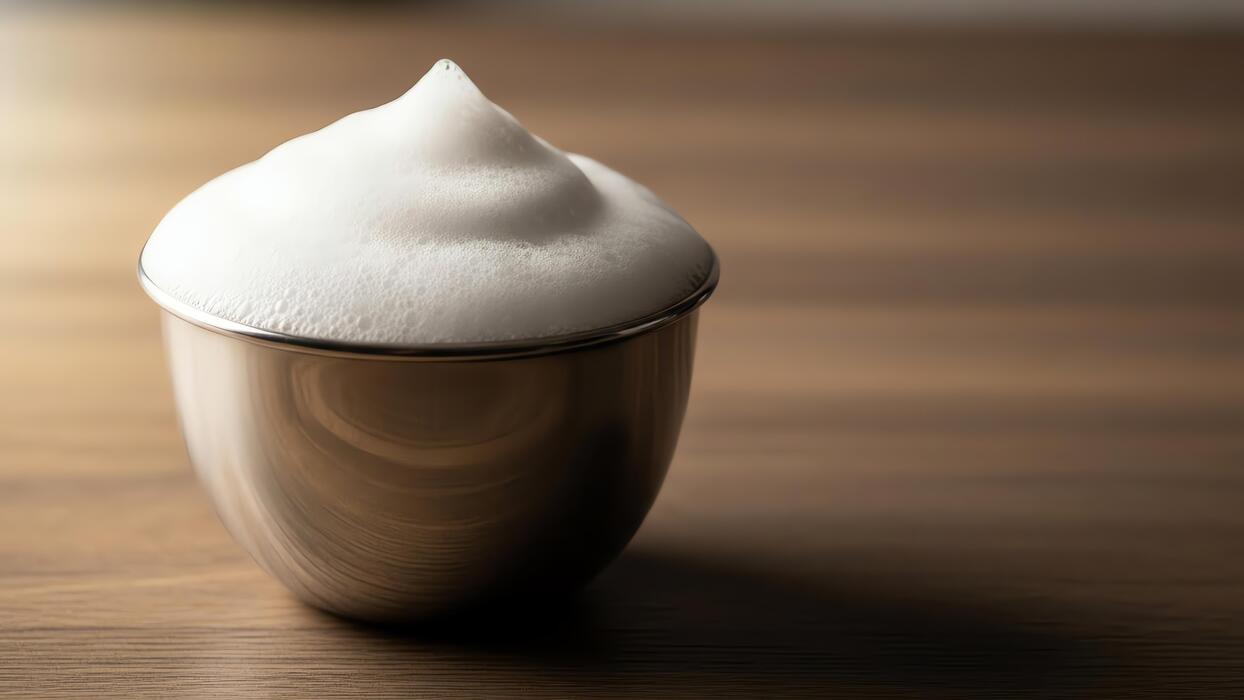
Cream cold foam is a rich, velvety topping made by frothing a mixture of heavy cream, milk, and sweetener until it reaches a thick, pourable consistency.
Unlike regular cold foam, which uses nonfat milk and creates a light, airy texture, cream cold foam incorporates heavy cream for a denser, more indulgent mouthfeel that holds its shape longer.
The key difference lies in the fat content: heavy cream adds stability and a buttery smoothness that regular foam lacks.
To make it at home, combine 2 tablespoons heavy cream, 1 tablespoon milk, and 1 teaspoon vanilla syrup in a jar, then shake vigorously for 30 seconds or use a milk frother on cold setting.
This results in a silky, spoonable foam that floats beautifully on iced coffee or cold brew, offering a luxurious upgrade without the need for a café visit.
Benefits of homemade cream cold foam
Making cream cold foam at home gives you full control over ingredients, allowing you to avoid additives, preservatives, and excessive sugars found in store-bought versions. You can customize sweetness by using your preferred syrup, honey, or sugar-free alternatives, and adjust the richness by varying the cream-to-milk ratio.
Homemade foam is also cost-effective, as a single batch costs pennies compared to the $0.50–$1.00 upcharge at coffee shops. Additionally, you can experiment with flavors like vanilla, caramel, or pumpkin spice to create signature drinks tailored to your taste.
The process takes just minutes with a jar or frother, making it a quick way to elevate your daily coffee without special equipment.
By preparing it fresh, you ensure the foam is at its peak texture, with a lighter, airier consistency that doesn’t deflate quickly, enhancing your beverage experience with every sip.
Common drinks that use cream cold foam
Cream cold foam is a versatile topping that pairs perfectly with cold brew, iced lattes, and iced coffee, where its thick texture creates a beautiful layered effect.
Starbucks popularized it on their Vanilla Sweet Cream Cold Brew, but you can recreate this at home by pouring foam over chilled coffee with vanilla syrup. It also shines on iced matcha lattes or chai lattes, adding a creamy contrast to the bold flavors.
For a refreshing twist, try it on cold brew with caramel syrup or a mocha iced coffee for a dessert-like treat. Beyond coffee, cream cold foam works wonderfully on iced teas, such as a peach or lavender tea, providing a luxurious topping that slowly blends in.
You can even use it on affogatos (espresso over ice cream) or as a dollop on hot chocolate for a cold-warm contrast. Experiment with different syrups or spices to customize your favorite drink.
Ingredients You Need for Cream Cold Foam
Best cream types for thick foam
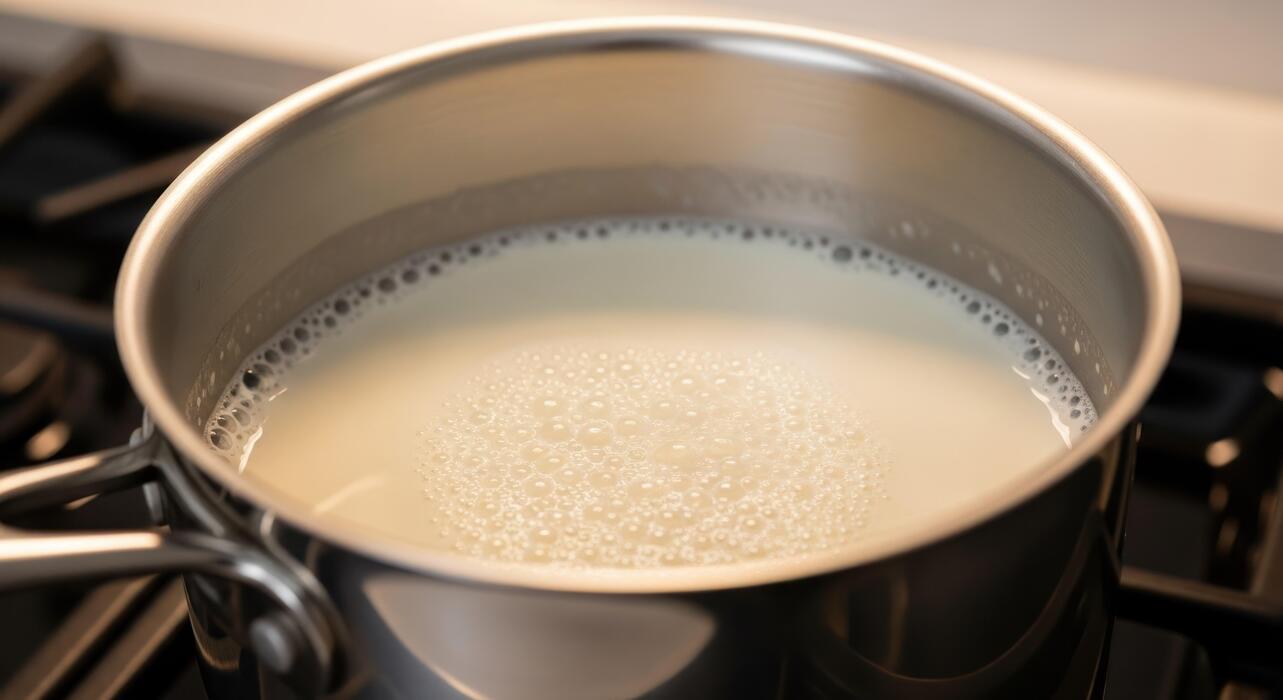
For the thickest, most stable cream cold foam, start with heavy cream or heavy whipping cream (at least 36% milkfat). This high fat content whips into a dense, velvety foam that sits beautifully on top of your iced coffee without dissolving quickly.
For a slightly less rich option, use double cream if available, or a barista-style cream specifically designed for frothing. Avoid light cream or half-and-half, as their lower fat content produces a thin, watery foam that collapses fast.
To ensure success, chill your cream and bowl for 15 minutes before whipping — cold cream whips faster and holds its shape longer.
If you’re dairy-free, use full-fat coconut cream (refrigerated overnight, scoop the solid part) or a barista-grade oat cream; both mimic the fat structure of heavy cream and froth surprisingly well.
Whichever cream you choose, aim for a smooth, thick consistency — you want it to mound slightly on a spoon, not drip like liquid. This base gives you the luxurious mouthfeel that makes cream cold foam so satisfying.
Sweeteners and flavorings to use
Sweeteners and flavorings transform plain cream into a custom cold foam experience. For sweetness, simple syrup or honey blend in effortlessly without crystallizing. Start with 1–2 tablespoons per ½ cup of cream, adjusting to taste.
For a sugar-free option, use stevia or monk fruit drops — they dissolve completely and won’t affect the foam’s texture. Avoid granular sugar, which can leave a grainy residue. For flavor, vanilla extract (½ teaspoon) is a classic choice, but don’t stop there.
Try caramel syrup, brown sugar syrup, or cinnamon for a cozy twist. For a seasonal spin, add pumpkin spice or peppermint extract. If you want a salted caramel flavor, sprinkle in a tiny pinch of flaky sea salt after whipping.
For coffee lovers, instant espresso powder (½ teaspoon dissolved in a little water) adds a bold kick. Whisk in your chosen sweetener and flavoring before whipping to ensure even distribution. This step lets you tailor your foam to match any iced coffee, latte, or cold brew, making it uniquely yours.
Milk options for lighter foam
If you prefer a lighter, airier cold foam, incorporate milk to cut the richness of the cream. Whole milk is the best choice for a balanced foam — it adds body without overwhelming fat, creating a fluffy, cloud-like texture that’s less dense than pure cream.
Use a 1:1 ratio of cream to milk for a medium foam, or 2 parts milk to 1 part cream for a very light version. For a dairy-free alternative, oat milk (especially barista blends) froths beautifully and provides a neutral, creamy base.
Almond milk works too, but opt for an unsweetened, thicker variety to avoid a watery result. Avoid skim or low-fat milk, as they produce a thin, bubbly foam that collapses quickly.
To make the foam, combine your milk and cream with sweetener, then froth using a handheld frother or whisk until soft peaks form. The milk lightens the texture, making it ideal for topping cold brew or iced lattes where you want a smooth, sippable foam that doesn’t overpower the coffee.
Experiment with ratios to find your perfect lightness.
How to Make Cream Cold Foam with a Frother
Step-by-step frothing process
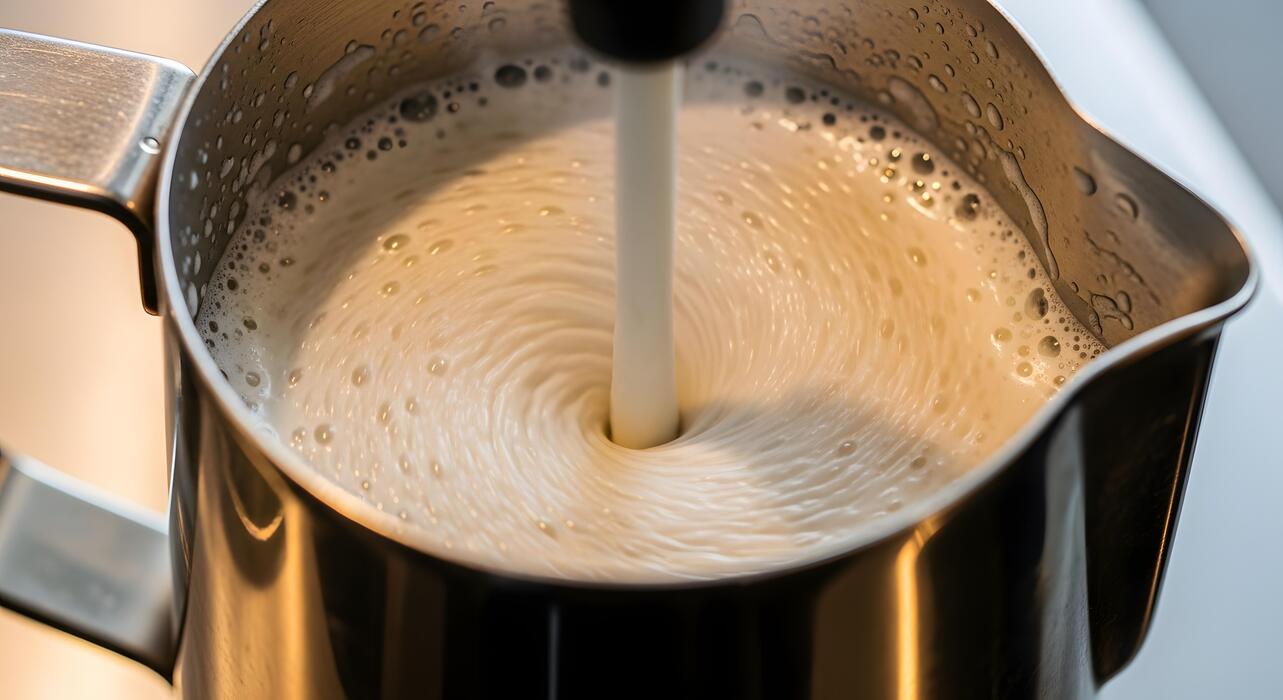
To make cream cold foam with a frother, start by chilling your tools—a cold metal frothing pitcher and cold heavy cream (or a mix of heavy cream and 2% milk for a lighter foam) yield the best results.
Pour 1/4 to 1/3 cup of cold cream into the pitcher, ensuring the frother’s whisk is fully submerged to avoid splashing. Turn on the frother to low speed initially for 10 seconds to incorporate air, then gradually increase to high speed for 20-30 seconds.
Move the frother in a slow, circular motion while tilting the pitcher slightly to aerate the entire mixture. Watch for the foam to thicken and double in volume, forming soft peaks that hold their shape. If using a handheld electric frother, pulse in short bursts to prevent overheating.
For a velvety texture, stop before the foam becomes too stiff—it should be spoonable, not dry. Immediately spoon the cold foam over your iced coffee or cold brew, as it will deflate if left standing.
Pro tip: add a dash of vanilla syrup or a pinch of salt before frothing for enhanced flavor without compromising structure.
Tips for achieving stiff peaks
Achieving stiff peaks with an electric frother requires starting with very cold cream—ideally below 40°F—as warmth prevents proper emulsification. Use heavy cream with at least 36% fat content; lower-fat creams won’t hold peaks. For added stability, chill your frother attachment and pitcher in the freezer for 10 minutes before use.
Begin frothing at low speed for 5 seconds to break the surface tension, then switch to high speed while keeping the whisk fully submerged to avoid creating large bubbles. Move the frother in a steady, vertical motion rather than circular, which incorporates more air evenly.
Stop as soon as the foam forms stiff, glossy peaks that stand upright when the whisk is lifted—over-frothing can cause the foam to break into butter. If the cream seems thin mid-process, pause for 10 seconds to let it chill, then resume.
A pinch of cream of tartar or a few drops of lemon juice can help stabilize the foam. For dairy-free versions, use coconut cream chilled overnight for similar results.
Common mistakes to avoid with electric frothers
A frequent error is using warm cream straight from the fridge’s door or after sitting out—cold cream is non-negotiable for stiff foam. Overfilling the pitcher beyond the max line (usually 1/3 full) causes splashing and poor aeration.
Moving the frother too fast creates large, unstable bubbles that deflate quickly; slow, deliberate motions are key. Frothing for too long (over 45 seconds) can turn cream into butter, especially with high-speed settings.
Neglecting to clean the frother between uses leaves residue that inhibits foaming; wash the whisk immediately after each use. Using a frother with a weak battery results in inconsistent speed—always charge or use fresh batteries. Adding sugar before frothing can weigh down the foam; stir in sweeteners after frothing.
Pouring foam too quickly over coffee causes it to sink; spoon it gently on top. Lastly, skipping the chill step for the pitcher and cream leads to flat foam—patience with temperature yields perfect, stable cold foam every time.
How to Make Cream Cold Foam Without a Frother
Using a French press for foam
A French press is an excellent tool for making cream cold foam without an electric frother. Start by pouring cold heavy cream or half-and-half into the French press, filling it no more than one-third full to allow room for expansion. Add a splash of vanilla syrup or sweetener if desired.
Place the lid on with the plunger pulled up, then pump the plunger vigorously up and down for about 30 to 60 seconds. You will notice the cream thickening and forming soft peaks. The wire mesh screen aerates the cream effectively, creating a light, frothy texture.
For best results, use chilled cream straight from the refrigerator, as cold ingredients foam more easily. Once you achieve your desired foaminess, gently pour the cold foam over iced coffee or cold brew. This method is quick, requires minimal cleanup, and yields a consistent, silky foam that rivals store-bought versions.
Adjust the pumping time based on how thick you prefer your foam—shorter pumps for lighter foam, longer for denser.
Whisking by hand method
If you lack any specialized equipment, a simple whisk and a bowl can produce excellent cream cold foam. Begin by chilling a metal or glass bowl and your whisk in the freezer for about 10 minutes—this helps the cream whip faster.
Pour cold heavy cream (or a mixture of milk and cream) into the bowl, adding a sweetener like simple syrup or a pinch of salt for flavor. Using a balloon whisk, whisk vigorously in a circular motion, incorporating air into the cream.
Continue for 2 to 4 minutes until the cream thickens and forms soft peaks that hold their shape. For a lighter foam, stop earlier; for a denser foam, whisk a bit longer.
To speed up the process, use a stand mixer or hand mixer if available, but the manual method works well. The key is to keep everything cold and whisk with steady, rapid strokes. Once ready, spoon the foam over your iced coffee.
This method offers full control over texture and is perfect for small batches.
Blender technique for quick foam
A standard blender is a fast and effective way to create cream cold foam in seconds. Start by adding cold heavy cream or a blend of milk and cream to the blender jar—about 1/4 to 1/2 cup per serving.
Include any sweeteners or flavorings, such as vanilla extract, caramel syrup, or a pinch of cinnamon. Secure the lid and blend on low to medium speed for 20 to 30 seconds. Avoid over-blending, which can turn the cream into butter.
You want the mixture to become thick, airy, and double in volume, with small bubbles forming. For an even lighter foam, use a handheld immersion blender directly in a tall cup. The blender method is ideal for making larger quantities or when you need foam quickly.
After blending, pour the foam over iced coffee immediately, as it may settle if left too long. This technique produces a consistent, creamy foam with minimal effort and is easily adjustable for sweetness or thickness.
Best Ratios for Cream Cold Foam Consistency
Heavy cream to milk ratio guide
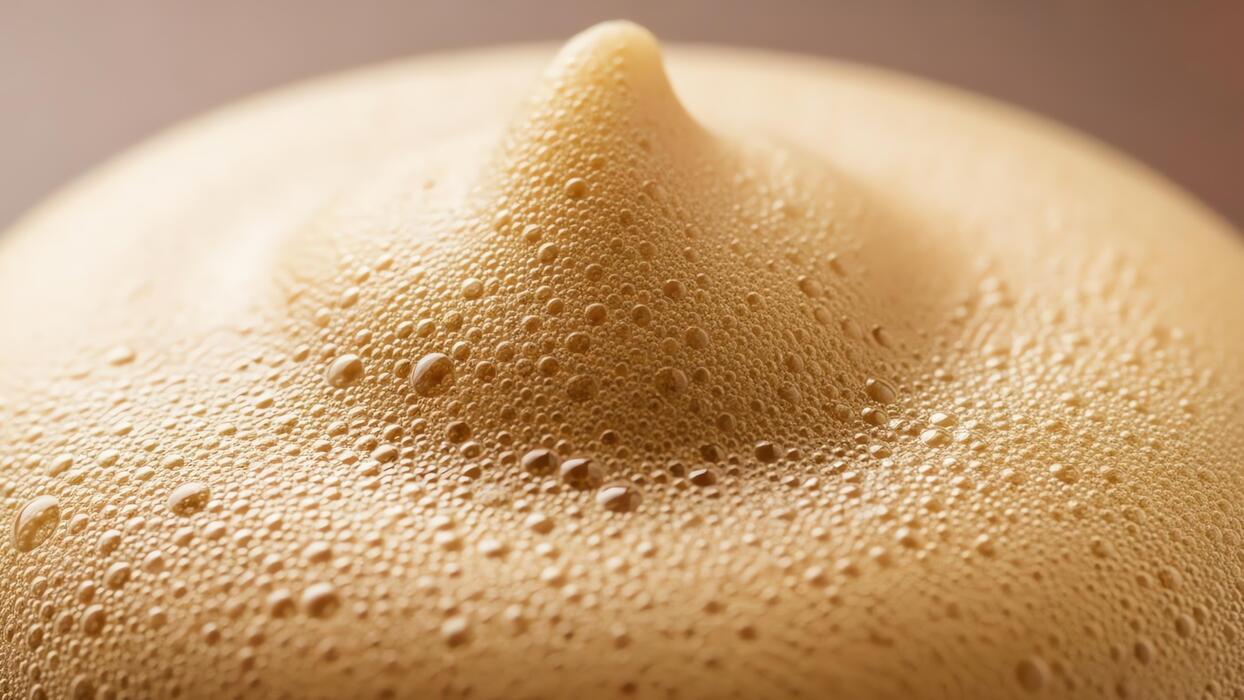
For the ideal cream cold foam consistency, start with a 2:1 ratio of heavy cream to whole milk. This means for every 2 tablespoons of heavy cream, add 1 tablespoon of milk. This balance creates a rich, velvety foam that holds its shape without being overly dense.
If you prefer a lighter foam, adjust to a 1:1 ratio by using equal parts cream and milk. For a thicker, more indulgent topping, use only heavy cream and skip the milk entirely. Always use cold ingredients straight from the fridge to help the foam whip faster and stabilize.
Froth using a handheld frother for 20-30 seconds until you see soft peaks form. Avoid over-frothing, as this can turn the foam into butter. For a dairy-free alternative, substitute with full-fat coconut cream and unsweetened almond milk in the same ratios.
Adjusting sweetness to taste
To customize sweetness, add sweetener before frothing so it blends evenly. Start with 1 to 2 teaspoons of vanilla syrup, maple syrup, or simple syrup per serving. If using powdered sugar, use 1 teaspoon for a smooth, clump-free foam.
For a sugar-free option, try liquid stevia or monk fruit drops—add just 2-3 drops and taste before adding more. Remember that sweetener affects foam density: liquid sweeteners can thin the foam slightly, so if you want a thicker consistency, use powdered sweeteners or reduce milk by a teaspoon.
For a balanced flavor, pair sweetness with a pinch of salt or a dash of cinnamon before frothing. Taste your foam after 15 seconds of frothing, then adjust—you can always add more sweetener but cannot remove it. The goal is a foam that complements your coffee without overpowering it.
How to fix runny or too-thick foam
If your cream cold foam is runny, it likely has too much milk or wasn’t frothed long enough. Fix it by adding a tablespoon more heavy cream and frothing for another 10-15 seconds. Ensure your ingredients are very cold, as warm cream won’t hold structure.
If the foam is too thick or buttery, you over-frothed it. To fix, gently fold in 1-2 teaspoons of cold milk by hand until it loosens to a pourable consistency. For persistent issues, check your frother—a handheld frother works best for small batches, while electric frothers may need shorter bursts.
If your foam separates, re-froth briefly for 5-10 seconds to re-emulsify. Always use a tall, narrow container to give the foam room to expand. For a quick rescue, pour the foam through a fine-mesh strainer to remove lumps, then re-froth with a splash of cream.
Flavor Variations for Cream Cold Foam
Vanilla and caramel cream foam recipes
To make a classic vanilla cream cold foam, start with 2 tablespoons heavy cream, 1 tablespoon 2% milk, and 1 teaspoon vanilla syrup (or 1/2 teaspoon vanilla extract plus 1 teaspoon sugar). Froth using a handheld frother for 30-45 seconds until thick and velvety, then spoon over iced coffee.
For a caramel twist, swap the vanilla syrup for 1 tablespoon caramel sauce (like Torani or homemade). Whisk the caramel into the cream before frothing to ensure even distribution. For a richer version, use 1.5 tablespoons heavy cream and 0.5 tablespoon half-and-half to mimic Starbucks’ texture.
Add a pinch of salt to the caramel cream for a salted caramel foam—this balances sweetness and enhances flavor. Both variations pair well with cold brew or iced lattes. Store leftover foam in the fridge for up to 2 days, but re-froth briefly before serving.
Adjust sweetness to taste: use sugar-free syrups for a lighter option.
Pumpkin spice and seasonal flavors
For a pumpkin spice cream cold foam, combine 2 tablespoons heavy cream, 1 tablespoon milk, 1 tablespoon pumpkin purée, and 1/2 teaspoon pumpkin pie spice. Froth until smooth—the purée adds body and a seasonal taste. For extra sweetness, add 1 teaspoon maple syrup or brown sugar.
This foam tops iced pumpkin lattes or chai tea beautifully. For autumn, try a maple cinnamon foam: mix cream with 1 tablespoon maple syrup and 1/2 teaspoon cinnamon. For winter, a peppermint mocha foam: add 1/2 teaspoon peppermint extract and 1 tablespoon chocolate syrup to the cream.
Seasonal flavors often require adjusting frothing time because thicker ingredients (like purée) need 10-15 extra seconds to integrate. Use a fine-mesh strainer to remove lumps from pumpkin purée if needed. These foams are best made fresh, as purées can separate when stored.
Experiment with spices like nutmeg or ginger for custom blends.
Chocolate and mocha cream foam ideas
For a chocolate cream cold foam, blend 2 tablespoons heavy cream, 1 tablespoon milk, and 1 tablespoon chocolate syrup (or 1 teaspoon cocoa powder mixed with 1 teaspoon sugar). Froth until thick, then spoon over iced coffee or espresso.
For a mocha foam, add 1/2 teaspoon instant espresso powder to the chocolate mix—this deepens the coffee-chocolate flavor. A white chocolate foam is equally indulgent: use 1 tablespoon white chocolate syrup or melted white chocolate chips (cooled).
For a dark chocolate foam, use 1 tablespoon dark cocoa powder and 1 teaspoon honey for bitterness. These foams pair with oat milk or almond milk for dairy-free versions—just increase the fat content by using barista-style plant milks. To avoid clumping, sift cocoa powder before mixing.
For a mocha mint foam, add 1/4 teaspoon peppermint extract. Serve immediately, as chocolate foam can thicken further upon standing. Adjust sweetness by using sugar-free syrups or stevia.
Tips for Serving and Storing Cream Cold Foam
How to layer foam on hot and cold drinks
For cold drinks, pour the cream cold foam over a tall glass of iced coffee or cold brew. Use a spoon to gently guide the foam down the side of the glass to prevent it from sinking. Tilt the glass slightly and pour slowly to create a distinct, layered effect.
For hot drinks, wait until your coffee or tea is brewed and slightly cooled (around 160°F or 70°C) to avoid melting the foam instantly. Use a spoon to hold back the foam while pouring the hot liquid, then spoon the foam on top.
This method keeps the foam thick and airy. For both, ensure the foam is well-frothed to a soft peak consistency—it should hold its shape but still be pourable. Avoid overmixing, which can make it watery. A dollop of foam on top adds a creamy texture without overwhelming the drink.
Experiment with a thin layer for subtle sweetness or a thick layer for a decadent finish.
Storage guidelines for leftover foam
Store any leftover cream cold foam in an airtight container in the refrigerator for up to 3 days. Use a glass or plastic jar with a tight-fitting lid to minimize air exposure, which can cause the foam to deflate or separate.
Before storing, allow the foam to come to room temperature for 10 minutes to prevent condensation inside the container. Do not freeze the foam, as ice crystals will break down the structure and create a grainy texture. If you need to store it for longer, prepare a fresh batch instead.
For best results, keep the foam away from strong-smelling foods in the fridge, as it can absorb odors. Label the container with the date to track freshness.
When ready to use, check for separation—a thin layer of liquid on top is normal, but if it smells sour or has a watery consistency, discard it. Stir gently with a spoon before reusing to redistribute any liquid.
Re-frothing and shelf life tips
To re-froth stored cream cold foam, use a hand frother or whisk for 10-15 seconds until it regains volume. Avoid over-frothing, as it can turn the foam into butter. If the foam has separated, pour off any excess liquid first.
Re-frothed foam may be slightly less stable, so use it within 30 minutes of re-frothing. For optimal shelf life, always use fresh heavy cream (at least 30% fat) and skim milk or milk alternatives for the base—higher fat content holds foam longer.
Add a stabilizer like vanilla syrup or a pinch of xanthan gum (1/8 teaspoon per cup) to extend freshness. Check for spoilage: if the foam develops an off smell, curdled texture, or mold, discard it immediately. For best quality, consume within 2 days of storage.
Re-froth only what you need, as multiple re-frothings degrade the foam’s structure. Store in a cold, dark place in the fridge to maximize longevity.
Frequently Asked Questions
What is cream cold foam?
Cream cold foam is a thick, velvety topping made by frothing heavy cream with milk and sweetener until it becomes a light, airy foam. It’s commonly used on iced coffee or cold brew to add a rich, creamy texture without the heat of steamed milk.
What ingredients do I need to make cream cold foam?
You’ll need heavy cream, milk (such as 2% or whole milk), and a sweetener like vanilla syrup, simple syrup, or sugar. The typical ratio is 2 parts heavy cream to 1 part milk, but you can adjust to your desired thickness.
How do I make cream cold foam without a frother?
Pour the cream and milk mixture into a jar with a tight-fitting lid, add your sweetener, then shake vigorously for 30-60 seconds until it thickens. Alternatively, you can whisk it by hand or use a blender on low speed.
Can I use a milk frother to make cream cold foam?
Yes, a handheld or electric milk frother works perfectly. Combine heavy cream, milk, and sweetener in a tall cup, then froth for 15-30 seconds until soft peaks form. Avoid over-frothing, as it can become too stiff.
What’s the best ratio of cream to milk for cold foam?
A common ratio is 2 tablespoons heavy cream to 1 tablespoon milk for one serving. This creates a stable foam that’s thick but pourable. Adjust the milk amount for a thinner or thicker consistency based on your preference.
How do I add flavor to cream cold foam?
Stir in flavored syrups like vanilla, caramel, or hazelnut before frothing. You can also add a pinch of cinnamon, cocoa powder, or a drop of extract for a custom taste. Mix the flavoring thoroughly with the cream and milk first.
Can I make cream cold foam with non-dairy milk?
Yes, but it works best with full-fat non-dairy options like oat milk or coconut cream. Use a higher fat content (e.g., barista-style oat milk) to achieve a similar thick foam. Avoid low-fat or watery alternatives, as they won’t froth well.
How do I store leftover cream cold foam?
Store it in an airtight container in the refrigerator for up to 1-2 days. The foam may deflate slightly, so re-froth it briefly before using. Note that it’s best enjoyed fresh for optimal texture.
Conclusion
Mastering cream cold foam is simple: blend heavy cream, milk, and sweetener until thick and airy, then pour over iced coffee. The key is using cold ingredients and not over-whipping. This luxurious topping transforms your daily brew into a café-quality treat at home. Experiment with vanilla, caramel, or cocoa for endless variety. Now, grab your ingredients and elevate your next cup—you deserve that perfect, silky finish.