How To Make A Cold Coffee Drink
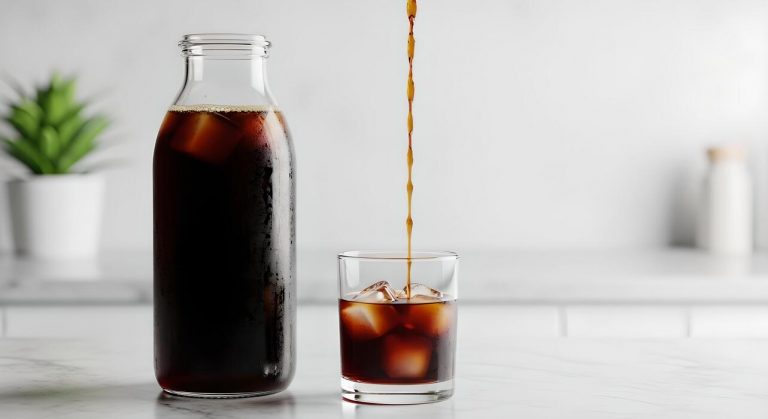
Craving a refreshing caffeine kick without the coffee shop price tag? Learning how to make a cold coffee drink at home is easier than you think. Whether you prefer a bold cold brew, a creamy iced latte, or a quick shaken espresso, we have the perfect recipes for you. This guide skips the fluff and dives straight into simple techniques using everyday kitchen tools. You will be sipping your favorite chilled beverage in minutes with our fast, foolproof methods.
Best Coffee Beans and Roasts for Cold Drinks
Why Dark Roasts Work Best for Iced Coffee
When you are learning how to make a cold coffee drink, selecting the right roast profile is the most critical first step. Dark roasts are the gold standard for iced coffee because they possess robust, smoky, and chocolatey notes that remain distinct even after significant dilution.
When you pour hot coffee over ice, the melting water naturally thins the liquid; however, the intense body of a French or Italian roast ensures the flavor profile doesn’t become watery or weak.
These beans undergo a longer roasting process, which caramelizes the natural sugars and reduces acidity, making them incredibly smooth when served chilled. To achieve the best results, look for beans with flavor notes of molasses, cocoa, or toasted nuts.
These deep flavors pair perfectly with milk, cream, or flavored syrups, providing a sturdy foundation that stands up to the cooling process. By prioritizing a darker profile, you guarantee a bold, barista-quality beverage that maintains its aromatic integrity from the very first sip to the last drop in your glass.
Medium Roast Benefits for Cold Brew
If you prefer a smoother, more nuanced profile when discovering how to make a cold coffee drink, medium roasts are an exceptional choice, particularly for the cold brew method.
Unlike traditional iced coffee, cold brew relies on time rather than heat to extract flavor, which highlights the natural sweetness and balanced acidity of medium-roasted beans. These beans often feature vibrant notes of caramel, stone fruit, or milk chocolate that emerge beautifully during a twelve to twenty-four-hour steeping process.
Using a medium roast prevents the beverage from tasting overly bitter or charred, offering a refreshing and clean finish that many specialty coffee enthusiasts prefer.
When selecting your beans, focus on single-origin varieties from regions like Colombia or Guatemala, as these typically provide the complex flavor layers that thrive in cold water extraction.
This approach results in a naturally sweet concentrate that requires less sugar or additives, allowing the high-quality characteristics of the bean to shine through brilliantly in every refreshing serving you prepare at home.
Freshness and Grind Size Basics
The technical execution of how to make a cold coffee drink relies heavily on the physical state of your beans. For any cold application, you must use freshly roasted whole beans and grind them immediately before brewing to preserve the volatile oils and aromatic compounds that provide flavor.
The specific grind size is determined by your chosen method; for example, cold brew requires a consistent extra-coarse grind, similar in texture to sea salt, to ensure a slow and even extraction without making the final drink cloudy or silty.
Conversely, if you are making an iced pour-over or ‘flash-chilled’ coffee, a medium-fine grind is necessary to facilitate rapid extraction before the liquid hits the ice. Investing in a quality burr grinder allows you to control these variables with precision, preventing the over-extraction that leads to unpleasant bitterness.
By mastering the relationship between freshness, surface area, and contact time, you can customize the strength and clarity of your cold drinks, ensuring a professional result that rivals your favorite local cafe every time.
How to Make Classic Iced Coffee at Home

The Quick Pour-Over Method
For a bright and clean cup of iced coffee, the flash-chilled pour-over method is superior because it locks in acidity and aromatics instantly. Start by placing freshly roasted medium-coarse grounds into your paper filter as you normally would for a hot brew.
The secret to success lies in the water-to-ice ratio; you should replace approximately one-third of your total brewing water with solid ice cubes placed directly into the bottom of the carafe or glass.
As the hot water extracts the complex flavors from the coffee beans, it drips directly onto the ice, melting it and cooling the liquid instantly. This prevents the oxidation that can lead to bitterness in older brews.
Use a 1:15 ratio of coffee to total liquid to ensure the flavor remains robust even as the ice melts.
By the time the brewing process is complete, you will have a perfectly balanced, refreshing drink that captures the nuanced floral and fruity notes of your favorite specialty beans without any waiting time.
Using a Standard Drip Machine
You can easily transform your everyday kitchen appliance into a cold coffee maker by adjusting the strength of your brew to account for future dilution.
Since you will be adding ice later, you must double the amount of coffee grounds you typically use for a standard pot while keeping the water volume the same. This creates a highly concentrated extraction that can stand up to the cooling process.
Once the machine finishes its cycle, do not let the coffee sit on the heated warming plate, as this will result in a burnt and unpleasant taste. Instead, immediately transfer the hot liquid into a heat-safe glass pitcher or individual mugs.
If you prefer a smoother texture, consider adding a pinch of salt to the grounds before brewing to neutralize any lingering bitterness.
This method is incredibly efficient for making large batches of iced coffee for a group, allowing everyone to customize their drink with milk, cream, or flavored syrups once the base has been properly prepared and chilled.
How to Chill Hot Coffee Without Diluting It
The biggest challenge when making iced coffee is preventing the drink from becoming watery as the ice melts. To maintain a rich and bold profile, the most effective solution is to create specialized coffee ice cubes.
Simply pour your leftover room-temperature coffee into a standard silicone ice tray and freeze them overnight. When you use these frozen cubes to chill a fresh brew, they release more coffee flavor as they melt rather than plain water.
Another professional technique involves using a stainless steel cocktail shaker filled with large ice blocks; by shaking the hot coffee vigorously for thirty seconds, you achieve a rapid temperature drop and a frothy, aerated texture.
Alternatively, you can place your coffee container inside a larger bowl filled with an ice and salt slurry, which lowers the temperature through conduction without ever touching the liquid itself.
These simple yet effective strategies ensure that your homemade beverage remains incredibly potent and satisfying from the very first sip until the very last drop in your glass.
Easy Cold Brew Coffee Recipe

The Perfect Coffee-to-Water Ratio
To master how to make a cold coffee drink at home, you must start with the ideal foundation: the coffee-to-water ratio. For a versatile cold brew concentrate, use a 1:4 ratio, which translates to one cup of coarsely ground beans for every four cups of filtered water.
If you prefer a milder, ready-to-drink version, a 1:8 ratio works perfectly. It is essential to use a coarse grind—similar to the texture of sea salt—to prevent the drink from becoming overly bitter or cloudy. Using high-quality, freshly roasted beans will significantly enhance the final flavor profile.
Simply combine the grounds and cold water in a large jar, ensuring all grounds are fully saturated. This concentrated base allows you to customize your drink later by adding milk, water, or ice without diluting the rich essence.
Starting with the correct measurements ensures a consistent, cafe-quality result every time you brew, making the process both predictable and rewarding for any coffee enthusiast.
Steeping Times for Smooth Flavor
Patience is the secret ingredient when learning how to make a cold coffee drink that is naturally sweet and low in acidity. Unlike traditional hot coffee, cold brew relies on time rather than heat to extract flavor.
You should let your mixture steep for 12 to 18 hours at room temperature. If you prefer to steep your coffee in the refrigerator, extend the time to 24 hours to account for the slower extraction process in colder temperatures.
Avoid steeping for longer than 24 hours, as this can lead to over-extraction, resulting in a woody or bitter taste that masks the delicate notes of the beans. During this period, the water gently draws out the oils and caffeine, leaving behind the harsh acids associated with hot brewing.
This long, slow process creates a velvety smooth texture and a robust flavor profile that serves as the perfect base for your favorite iced coffee recipes, providing a refreshing caffeine kick without any bite.
Filtering and Storing Your Concentrate
The final step in your cold brew journey is achieving a clean, sediment-free finish through proper filtration. Once the steeping time is complete, pour the mixture through a fine-mesh sieve to remove the large grounds, followed by a paper coffee filter or a nut milk bag for a secondary strain.
This dual-filtration method ensures a crystal-clear liquid that feels light on the palate. Once filtered, transfer your fresh concentrate into a glass airtight container or mason jar. You can store this concentrate in the refrigerator for up to two weeks without losing its freshness.
When you are ready to serve, simply dilute the concentrate with equal parts water or milk and pour it over ice. This storage method is incredibly convenient for busy mornings, allowing you to enjoy a premium cold coffee drink instantly.
Having a batch ready in the fridge means you can experiment with different syrups or foams whenever the craving for a cold, refreshing beverage strikes.
Methods for Making Whipped and Blended Coffee
How to Make Dalgona Whipped Coffee
To create the perfect Dalgona whipped coffee, start by combining equal parts of instant coffee, granulated sugar, and boiling water in a small mixing bowl. The standard ratio is typically two tablespoons of each ingredient.
Use a hand mixer or a milk frother to beat the mixture vigorously until it transforms from a dark liquid into a thick, caramel-colored foam with stiff peaks. This process usually takes about three to five minutes depending on the intensity of your mixing tool.
While the foam holds its shape, fill a glass with ice cubes and pour in your choice of cold milk or a plant-based alternative, leaving about an inch of space at the top. Gently spoon the whipped coffee clouds over the milk to create beautiful layers.
For the best flavor experience, use a straw to lightly fold the foam into the milk before drinking, ensuring every sip is creamy, sweet, and intensely caffeinated. This method is ideal for those who enjoy a luxurious texture without needing an expensive espresso machine.
Steps for a Thick Blended Frappe
Achieving a cafe-quality blended frappe at home requires a high-speed blender and the right balance of liquids and solids. Begin by adding one cup of strong brewed coffee or double-shot espresso that has been cooled to room temperature into the blender jar.
Add half a cup of milk and your preferred sweeteners, such as chocolate syrup, vanilla extract, or simple syrup. To ensure a thick, slushy consistency that doesn’t separate, incorporate a pinch of xanthan gum or a tablespoon of instant pudding mix as a stabilizer.
Add two cups of ice and blend on high speed until the mixture is completely smooth and no large ice chunks remain. For an extra indulgent touch, drizzle caramel or chocolate sauce inside the glass before pouring the blended mixture.
Top the drink with a generous serving of whipped cream and a dusting of cocoa powder. This method provides a refreshing, frosty treat that is perfect for hot summer days, allowing you to customize the sweetness and strength to your exact preference without leaving the house.
Using a Cocktail Shaker for Iced Espresso
If you prefer a cold coffee drink with a silky, aerated texture and a beautiful head of foam, using a cocktail shaker for an espresso shakerato is the ultimate solution.
Start by pulling two fresh shots of espresso and immediately pouring them into a shaker filled halfway with large, solid ice cubes. Add a teaspoon of sugar or a dash of flavored syrup if you prefer a sweeter profile.
Secure the lid tightly and shake vigorously for at least thirty seconds; the goal is to chill the coffee instantly while creating micro-foam through aeration. You will know it is ready when the outside of the shaker feels painfully cold to the touch.
Strain the mixture into a chilled coupe or martini glass, allowing the fine, light-brown crema to settle on top of the dark coffee. This technique mimics the professional methods used in Italian bars, resulting in a drink that is bold, refreshing, and sophisticated.
Serving it without extra ice prevents dilution, ensuring the intense flavor of the beans remains the star of the show from the first sip to the last.
Ways to Flavor and Sweeten Cold Coffee
How to Make Simple Syrup That Dissolves Instantly
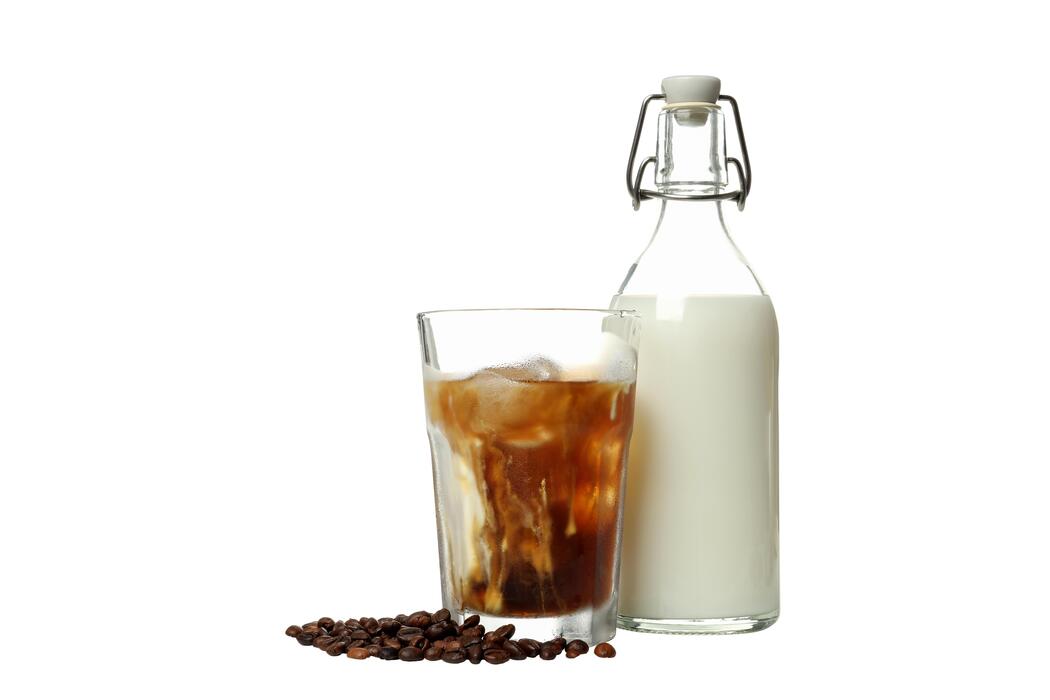
One of the biggest challenges when learning how to make a cold coffee drink is ensuring your sweetener doesn’t sink to the bottom of the glass. Granulated sugar struggles to dissolve in cold liquids, resulting in a gritty texture that ruins the experience.
To solve this, you should prepare a basic simple syrup by heating equal parts water and sugar until the crystals fully liquefy. Once cooled, this liquid sweetener integrates seamlessly into iced lattes or cold brews, providing a consistent sweetness from the first sip to the last.
For a more robust profile, try a rich simple syrup using a two-to-one sugar ratio, or experiment with brown sugar to add deep molasses notes.
Storing a jar of this syrup in your refrigerator is a game-changer for home baristas, as it allows for instant customization without the need for vigorous stirring. This foundational step ensures your homemade iced coffee achieves a professional, café-quality mouthfeel every single time you brew.
Natural Sweeteners and Flavored Extracts
If you want to elevate your beverage without relying on processed sugars, exploring natural liquid sweeteners is the ideal solution.
Ingredients like honey, agave nectar, and pure maple syrup are excellent choices because they are already in liquid form, making them much easier to blend into chilled coffee than dry alternatives. Maple syrup, in particular, offers a unique woody sweetness that pairs exceptionally well with dark roasts.
To add complex aromatic layers without extra calories, you should incorporate high-quality extracts such as pure vanilla, almond, or peppermint. Just a few drops of vanilla extract can transform a standard iced coffee into a gourmet treat.
Furthermore, adding a pinch of ground cinnamon or a dash of cocoa powder before shaking the drink can introduce warmth and depth.
These additions allow you to control the nutritional content of your drink while achieving a sophisticated flavor profile that rivals expensive coffee shop menu items, all from the comfort of your own kitchen.
Best Milk and Dairy-Free Alternatives
The choice of whitener is a critical component in mastering how to make a cold coffee drink that feels indulgent. Traditional whole milk provides a creamy, rich texture that balances the natural acidity of the coffee beans. However, many enthusiasts are turning to plant-based options to enhance the flavor further.
Oat milk is widely considered the gold standard for cold coffee because of its natural sweetness and ability to froth effectively, creating a velvety foam even when served over ice.
Almond milk offers a lighter, nuttier finish, while coconut milk provides a tropical creaminess that works perfectly with cold brew concentrates. For those seeking maximum decadence, adding a splash of heavy cream or half-and-half creates a luxurious mouthfeel that coats the palate.
Regardless of your preference, always pour the milk in last to witness the beautiful marbling effect. Choosing the right fat content and flavor profile in your dairy or non-dairy milk is the final step in crafting a perfectly balanced, refreshing caffeinated beverage.
Tips for Better Iced Coffee Quality
How to Make Coffee Ice Cubes
One of the most common complaints when learning how to make a cold coffee drink is that the beverage becomes watery as the ice melts. To solve this, you should prioritize making coffee ice cubes by freezing leftover brewed coffee in standard silicone trays.
Simply brew a fresh pot of your favorite roast, let it cool to room temperature, and pour it into the molds. For an extra boost of flavor, you can even whisk in a touch of cocoa powder or vanilla extract before freezing.
These frozen cubes ensure that as they dissolve, they actually strengthen the caffeine content and flavor profile rather than diluting it. Using this method allows you to enjoy your drink at a leisurely pace without sacrificing the bold intensity of the beans.
It is a simple yet revolutionary step for anyone wanting to maintain a consistent taste from the first sip to the very last drop in the glass.
The Importance of Filtered Water
Since a cold coffee drink is composed of approximately ninety-eight percent water, the quality of your source is paramount to the final result. Tap water often contains minerals, chlorine, and other impurities that can introduce unpleasant metallic or chemical aftertastes to your delicate brew.
To elevate your home barista skills, always use freshly filtered or bottled spring water when brewing your base. This provides a clean canvas that allows the subtle notes of the coffee beans—whether fruity, nutty, or chocolatey—to shine through without interference.
Furthermore, using filtered water prevents scale buildup in your brewing equipment, ensuring your machine functions efficiently over time. When you focus on water purity as a foundational ingredient, you will notice a significant improvement in the clarity and crispness of your iced beverages.
It is the easiest way to transform a basic morning routine into a high-quality, cafe-standard experience that highlights the true essence of the coffee.
Layering Your Drink for a Professional Look
To achieve a professional aesthetic that rivals your favorite local coffee shop, mastering the art of layering is essential. Start by filling your glass to the brim with your prepared coffee ice cubes, then pour in your chilled coffee base until the glass is about three-quarters full.
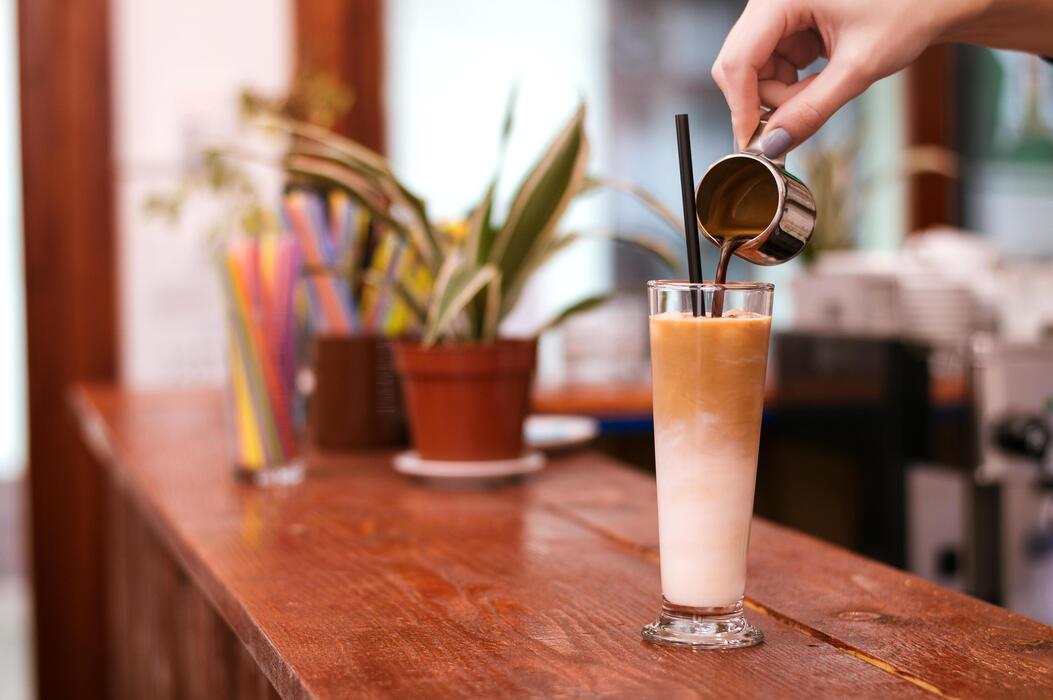
The secret to a perfect gradient is to pour your milk or cream slowly over the back of a spoon held just above the surface. This technique breaks the fall of the liquid and allows it to cascade gently through the coffee, creating beautiful marbling effects and distinct visual layers.
If you are adding syrups, stir them into the hot coffee before cooling to ensure they integrate fully. For the final touch, consider adding a dollop of cold foam or a sprinkle of cinnamon on top.
These visual details not only make the drink more appetizing for social media but also enhance the overall sensory experience of enjoying a perfectly crafted cold beverage.
Essential Tools for Your Home Coffee Bar
Affordable Cold Brew Makers
To master the art of how to make a cold coffee drink at home, starting with the right extraction method is vital. Investing in affordable cold brew makers like a glass pitcher with a fine-mesh filter or a dedicated immersion dripper allows you to create a smooth, low-acid concentrate overnight.
Simply combine coarse coffee grounds with filtered water and let it steep for twelve to twenty-four hours in your refrigerator. This process eliminates the bitterness often found in hot-brewed methods, providing a rich base that pairs perfectly with ice.
Using a dedicated cold brew system ensures that sediment is minimized, resulting in a clean, professional-grade texture. These tools are incredibly cost-effective compared to daily cafe visits and offer the convenience of prepping large batches in advance.
By controlling the steeping time and the coffee-to-water ratio, you can customize the strength of your brew to suit your specific palate, making it the ultimate foundation for any iced recipe.
Handheld Milk Frothers and Blenders
Achieving that coveted cafe-style texture requires the right aeration tools, specifically handheld milk frothers and blenders. If you are wondering how to make a cold coffee drink with a velvety finish, a battery-operated frother is an essential, budget-friendly addition to your coffee bar.
It allows you to whip cold milk or dairy-heavy creamers into a thick cold foam in under thirty seconds, which can then be layered gently over your iced coffee.
For those who prefer icy, blended beverages like frappes, a high-speed personal blender is necessary to crush ice into a smooth, slushy consistency without leaving large chunks behind.
These tools are perfect for emulsifying syrups and powders directly into your drink, ensuring that flavors are distributed evenly rather than settling at the bottom.
Mastering these handheld devices gives you the power to replicate complex textures and layers, turning a simple glass of iced coffee into a sophisticated, multi-sensory treat that looks as good as it tastes.
Glassware and Reusable Straws
The final step in learning how to make a cold coffee drink involves the presentation and functional delivery of your beverage. Selecting the right glassware and reusable straws significantly enhances the drinking experience.
Double-walled insulated glasses are highly recommended because they prevent condensation from forming on the outside while keeping your coffee chilled for longer periods. This prevents the ice from melting too rapidly and diluting your carefully crafted flavor profile.
Complement your glassware with durable stainless steel or glass straws, which are essential for sipping through layers of foam and syrup. Using a straw allows you to enjoy the different components of the drink simultaneously, from the cold brew base to the creamy topping.
Furthermore, high-quality glassware showcases the beautiful marbling effect when milk is poured into dark coffee, making your home-brewed creation feel like a premium luxury. These finishing touches are not just about aesthetics; they ensure that every sip remains at the optimal temperature and consistency from start to finish.
Frequently Asked Questions
What is the easiest way to make a cold coffee drink at home?
The simplest method is to brew a strong cup of your favorite coffee, let it cool to room temperature, and then pour it over a glass filled with ice cubes. You can then add milk, cream, or sweeteners to suit your taste preferences.
How do I make cold brew coffee?
To make cold brew, combine coarsely ground coffee beans with cold water in a jar and let it steep for 12 to 24 hours. Strain the mixture through a coffee filter to create a smooth, low-acid concentrate that can be diluted with water or milk.
How can I prevent my iced coffee from becoming watered down?
You can prevent dilution by using coffee ice cubes, which are made by freezing leftover brewed coffee in an ice tray. Alternatively, brew your coffee at double strength before pouring it over regular ice so the flavor remains bold as the ice melts.
What is the difference between iced coffee and cold brew?
Iced coffee is made by brewing coffee with hot water and then chilling it or pouring it over ice, resulting in a crisp, traditional flavor. Cold brew is made by steeping grounds in cold water for an extended period, which produces a smoother, sweeter, and less acidic taste.
Can I make a frothy cold coffee drink without an espresso machine?
Yes, you can create a frothy texture by shaking your cold coffee and milk in a sealed mason jar or using a handheld battery-operated milk frother. This aerates the liquid, creating a creamy foam similar to a latte or a frappé.
What are the best sweeteners for cold coffee?
Simple syrup or liquid sweeteners work best because they dissolve instantly in cold liquids, unlike granulated sugar which may settle at the bottom. You can also use flavored syrups, honey, or agave nectar for different flavor profiles.
Conclusion
Mastering the art of cold coffee allows you to enjoy a refreshing, cafe-quality beverage without leaving your kitchen. By experimenting with different brewing methods, milk alternatives, and creative sweeteners, you can tailor every glass to your specific palate. Whether you prefer a bold cold brew or a quick iced latte, the possibilities for customization are truly endless. Now that you have the techniques, start brewing today and discover your new favorite way to stay cool.