How To Make Cold Coffee At Home Easy
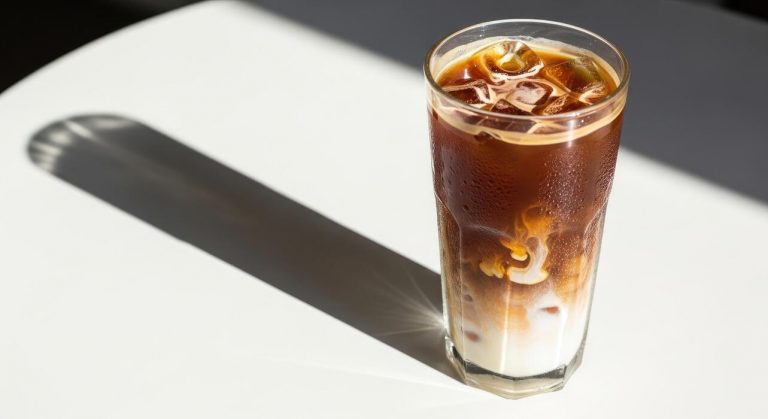
How to make cold coffee at home easy is exactly what you need to skip the drive-thru and get a perfectly smooth, iced coffee in minutes. The core problem is avoiding bitterness and watery dilution. You’re in the right place: this method uses simple ingredients, no fancy equipment, and a quick shake or stir to create a rich, café-style drink right in your kitchen.
Why Make Cold Coffee at Home?
Save money vs. coffee shop drinks
Making cold coffee at home is a budget-friendly habit that saves you $3–$6 per drink compared to café prices. With a bag of quality coffee beans costing roughly $10–$15, you can brew 20–30 servings, bringing each cup down to under $0.50.
Skip the drive-thru line and avoid impulse purchases like pastries or syrups. For the price of two iced lattes a week, you can buy a simple French press or mason jar and a month’s worth of coffee. Over a year, that’s $200–$500 back in your pocket.
The key is buying whole beans and grinding them at home—pre-ground coffee loses flavor quickly, so invest in a cheap burr grinder for consistent, fresh taste. Pair this with a reusable straw and insulated tumbler, and your morning routine becomes both economical and eco-friendly.
You’ll never feel guilty about indulging in a creamy, iced coffee again.
Control sweetness and strength
Homemade cold coffee puts you in charge of flavor. Cafés often overload drinks with sugar or weak ice, but at home you can tailor every sip.
Start by brewing a strong concentrate—use a 1:4 coffee-to-water ratio (e.g., 1 cup grounds to 4 cups water) for bold taste that won’t get diluted. Sweeten to your liking with simple syrup (equal parts sugar and water, heated until dissolved), honey, or sugar-free alternatives like stevia. Want a creamy version?
Add milk, oat milk, or a splash of heavy cream. For extra indulgence, blend in a scoop of vanilla protein powder or a dash of cinnamon. You can also adjust caffeine content by using decaf beans or half-caff blends.
This flexibility means you can recreate your favorite café drink exactly as you like it—no more watery, overly sweet surprises. Experiment with ratios until you find your perfect balance.
Quick and easy morning routine
A streamlined cold coffee routine takes less than 5 minutes of active time. The night before, fill a mason jar with coffee grounds and cold water, stir, and let it steep in the fridge for 12–24 hours.
In the morning, strain through a fine-mesh sieve or coffee filter into a glass filled with ice. That’s it—no hot brewing, no waiting. For an even faster method, keep a batch of cold brew concentrate in the fridge for up to two weeks.
When you’re ready, just pour 1 part concentrate over ice and add 1–2 parts milk or water. Prep your fixings on Sunday: portion out coffee grounds into baggies, make a batch of simple syrup, and freeze ice cubes from leftover coffee (so they don’t water down your drink).
This habit eliminates morning decision fatigue and ensures a refreshing, energizing start without the rush. Your future self will thank you.
Ingredients You Need for Easy Cold Coffee

Best coffee beans or instant coffee
For the smoothest cold coffee, start with medium to dark roast coffee beans ground for a coarse grind if using a French press or cold brew method. This brings out rich, chocolatey notes without excessive bitterness.
If you prefer instant coffee, choose high-quality freeze-dried granules—dissolve 2 teaspoons in 2 tablespoons of hot water before adding cold ingredients to prevent clumps. For an even quicker option, use cold brew concentrate from the store; just mix equal parts concentrate and water or milk.
Remember, freshness matters—store beans in an airtight container away from light. For a budget-friendly hack, brew double-strength coffee using your regular drip machine with half the water, then chill it. This yields a concentrated base that won’t get watery when poured over ice.
Avoid pre-ground coffee that’s been sitting for weeks; it loses flavor fast. Ultimately, the best choice is what you have on hand, but prioritizing quality coffee makes your homemade cold coffee taste café-worthy with minimal effort.
Milk options: dairy, oat, or almond
The milk you choose defines your cold coffee’s creaminess and flavor. Whole dairy milk creates a rich, velvety texture that balances coffee’s bitterness perfectly. For a lighter option, 2% or skim milk works well but may taste thinner.
If you’re dairy-free, oat milk is a top pick—it’s naturally sweet and froths beautifully, mimicking dairy’s body without overpowering the coffee. Almond milk adds a nutty undertone but can separate in cold drinks; opt for barista blends or shake well before use.
Coconut milk (from a carton) lends tropical notes, while soy milk provides protein-rich thickness. For the easiest method, pour your milk directly over ice, then add coffee. To prevent dilution, freeze some milk into cubes and use them instead of regular ice.
Always taste-test your milk choice with your coffee blend—some nut milks clash with dark roasts. Remember, room-temperature milk blends better than cold, so let it sit out for 5 minutes before mixing.
Ultimately, the best milk is one you enjoy drinking solo, as it directly impacts your cold coffee’s final flavor.
Sweeteners and flavor add-ins
Elevate your cold coffee with simple sweeteners and creative add-ins. Classic granulated sugar dissolves best when mixed into hot coffee concentrate before chilling—use 1-2 teaspoons per cup. For a smoother sweetness, try simple syrup (equal parts sugar and water, simmered until dissolved); it blends instantly into cold drinks.
Honey adds floral notes but thickens in cold liquids—stir it into warm coffee first. Maple syrup pairs wonderfully with oat milk for a cozy, earthy twist. For zero-calorie options, stevia or monk fruit sweetener work well, but start with a pinch to avoid aftertaste.
Flavor-wise, add vanilla extract (1/4 teaspoon per cup), cinnamon (dash on top), or cocoa powder for a mocha vibe. For an indulgent treat, blend in caramel sauce or chocolate syrup—drizzle inside the glass first for a pretty effect. Pinch of salt enhances sweetness without adding sugar.
For a protein boost, stir in a scoop of collagen powder or protein shake. Experiment with pumpkin spice in fall or peppermint extract in winter. Always taste as you go—you can add more, but can’t take away. Start minimal and adjust to your preference.
How to Make Cold Coffee with Instant Coffee

Step-by-step instant coffee method
Start by adding 2 teaspoons of instant coffee granules and 2 teaspoons of sugar to a tall glass. Pour in just 2 tablespoons of hot water—barely enough to dissolve—and stir vigorously until fully combined. This concentrated base is key.
Add 1 cup of cold milk (dairy or plant-based) and half a cup of ice cubes. Stir well or shake in a sealed jar for 10 seconds. For extra creaminess, use full-fat milk or a splash of heavy cream.
Optionally, add a few drops of vanilla extract or a pinch of cinnamon. The result is a smooth, refreshing cold coffee that’s ready in under 2 minutes. No espresso machine needed—just pantry staples.
Tips for frothy texture without a machine
To achieve a rich, creamy froth without a blender or frother, use a Mason jar with a tight lid. After dissolving the instant coffee and sugar in hot water, pour in the cold milk and ice.
Seal the jar and shake vigorously for 30–45 seconds until the mixture becomes foamy and the ice is partly crushed. Another trick: use a whisk or fork in a deep bowl—whisk the dissolved coffee and milk rapidly for 1 minute until bubbles form.
For extra foam, use cold milk straight from the fridge and add a tablespoon of powdered milk or a dash of cream. Shaking or whisking aerates the liquid, creating a café-like texture. Always serve immediately over fresh ice for best results.
Adjusting strength to your taste
The beauty of instant coffee cold brew is complete control over intensity. Start with the basic 2-teaspoon ratio, then tweak based on your preference. For a stronger, bolder flavor, increase instant coffee to 3 or even 4 teaspoons while keeping the liquid amounts the same.
If you prefer a milder drink, reduce to 1 teaspoon or add extra milk. Adjust sweetness by adding more or less sugar to the hot water base—try brown sugar or honey for a different note.
For a less watery version, use cold milk instead of ice and chill the coffee base beforehand. You can also stir in a pinch of salt to reduce bitterness. Taste and adjust after mixing, then add more coffee dissolved in a tablespoon of hot water if needed.
This method ensures your cold coffee is perfectly customized every time.
How to Make Cold Brew Coffee at Home
Simple cold brew recipe with coarse grounds
Start with coarsely ground coffee beans, as fine grounds can make your cold brew bitter and muddy. A standard ratio is 1 cup of coarse grounds to 4 cups of cold, filtered water.
Combine them in a large jar or pitcher, stir gently to ensure all grounds are saturated, then cover and let it rest at room temperature. For the easiest method, use a French press or a dedicated cold brew maker to simplify filtering later.
If you don’t have special equipment, a fine-mesh strainer lined with a coffee filter or cheesecloth works perfectly. The key is to avoid agitation once mixed—just let the coffee steep naturally. This simple approach yields a smooth, low-acid concentrate that you can dilute with water or milk to taste.
For a single serving, try 2 tablespoons of grounds per 1 cup of water and adjust based on your strength preference. Remember, coarse grind is non-negotiable for clarity and flavor.
Steeping time and water ratio
The ideal steeping time for cold brew is 12 to 24 hours at room temperature or in the refrigerator. A 12-hour steep produces a milder, tea-like brew, while 18-24 hours yields a stronger, more robust concentrate. For the easiest approach, steep exactly 18 hours for balanced flavor.
The water ratio is equally crucial: use 1 part coffee to 4 parts water for a standard concentrate, or 1:3 for a very strong version that you’ll dilute further. Avoid steeping beyond 24 hours, as over-extraction can introduce bitterness.
To test readiness, taste a small amount after 12 hours—if it’s too weak, let it go longer. Always use cold or room temperature water; hot water will change the extraction and create a different taste. After steeping, strain immediately to stop extraction.
Write the start time on your container so you never guess. This simple timing and ratio guarantee a consistent, delicious result every time.
Storing cold brew concentrate
Once strained, transfer your cold brew concentrate to a clean, airtight glass container like a mason jar or bottle. Store it in the refrigerator, where it stays fresh for up to 2 weeks. For the best flavor, consume within 7 to 10 days.
Never leave it at room temperature after brewing, as it can spoil quickly. To serve, dilute the concentrate with equal parts water, milk, or a milk alternative—or adjust to your taste. For an iced coffee, pour over ice and add sweetener or cream if desired.
You can also freeze cold brew in ice cube trays for coffee cubes that won’t dilute your drink. Avoid storing in plastic containers, as they can absorb odors and affect flavor. Label the container with the brew date to track freshness.
This simple storage method ensures you always have ready-to-enjoy cold coffee, making your morning routine effortless and delicious.
How to Make Iced Coffee Fast

Brew hot coffee and chill quickly
To make iced coffee fast without waiting hours, start by brewing a double-strength batch of hot coffee. Use twice the usual amount of coffee grounds per cup of water—this ensures the flavor holds up after melting ice.
Pour the freshly brewed coffee into a heat-safe glass or metal container, then place it in a larger bowl filled with ice water. Stir the coffee occasionally to speed up cooling; within 3–5 minutes, it will be cold enough to pour over ice.
For an even faster method, use a French press and brew directly into a metal carafe, then submerge it in cold water. Avoid leaving hot coffee at room temperature too long, as it can turn bitter. Once chilled, add your favorite milk or sweetener and serve immediately.
This method gives you a smooth, refreshing iced coffee in under 10 minutes—perfect for busy mornings or a quick afternoon pick-me-up.
Using ice cubes to avoid dilution
Diluted iced coffee is a common frustration, but you can prevent it by using large ice cubes or ice blocks that melt slower. Fill your glass with oversized cubes made from a silicone tray or even a muffin tin—they have less surface area, so they stay solid longer.
Another trick is to chill your glass beforehand by filling it with regular ice and water while you brew, then dumping it out just before adding coffee. For an even smarter approach, brew your coffee with less water than usual, then pour it directly over a full glass of ice.
The rapid cooling locks in flavor while the extra ice melts slightly, balancing the concentration. If you prefer a creamier texture, use milk ice cubes made from whole milk or oat milk—they add richness without watering things down.
With these strategies, your iced coffee stays bold and satisfying from the first sip to the last.
Coffee ice cube trick for stronger flavor
For the ultimate undiluted iced coffee, freeze leftover coffee into coffee ice cubes beforehand. Simply pour cooled coffee into an ice cube tray and freeze overnight—or for at least 4 hours. When you’re ready to make iced coffee fast, fill your glass with these cubes instead of regular ice.
As they melt, they infuse your drink with more coffee flavor rather than watering it down.
For a quick version, brew a small amount of extra-strong coffee (use a 1:1 ratio of grounds to water) and freeze it in a thin layer on a baking sheet, then break it into chunks.
Pair these cubes with freshly chilled coffee and a splash of milk or cream for a rich, velvety texture. This trick works especially well for cold brew lovers who want a concentrated taste.
Prep a batch on the weekend, and you’ll have a fast, flavor-packed iced coffee ready any day of the week.
Best Ways to Flavor Your Cold Coffee
Vanilla, caramel, and chocolate syrups
Elevate your homemade iced coffee with simple syrups you can make in minutes. For a classic vanilla flavor, combine 1 cup of water with 1 cup of sugar in a saucepan, add 1-2 teaspoons of vanilla extract, and simmer until dissolved. Cool and store in a jar.
Caramel syrup is just as easy: melt 1 cup of sugar in a pan until amber, then carefully stir in 1/2 cup of warm water and a pinch of salt. Let it thicken slightly.
Chocolate lovers can whisk 2 tablespoons of cocoa powder with 1/2 cup of sugar and 1/2 cup of water over low heat until smooth. Pour 1-2 tablespoons of your chosen syrup directly into your cold coffee before adding milk or ice. Adjust sweetness to taste.
These syrups keep for weeks in the fridge, so you can always have a flavor boost ready. For a quick fix, use store-bought versions—just check the label for pure ingredients. Experiment with combinations like vanilla-chocolate or caramel-mocha for a café-style treat at home.
Spices like cinnamon or nutmeg
Transform your cold coffee with warming spices that add depth without extra sugar. Start by adding 1/4 teaspoon of ground cinnamon directly to your coffee grounds before brewing—this infuses the flavor throughout. Alternatively, stir a pinch of cinnamon or freshly grated nutmeg into your finished cold brew or iced coffee.
Nutmeg pairs beautifully with vanilla or a splash of cream for a cozy twist. For a bolder kick, try a dash of cardamom or a sprinkle of pumpkin pie spice mix.
If you prefer a smoother texture, steep a cinnamon stick in hot coffee for 5 minutes before chilling, then remove it. You can also create a spice syrup: simmer 1 cup of water, 1 cup of sugar, and 2 cinnamon sticks (or 1 teaspoon nutmeg) for 10 minutes, then strain.
Use 1 tablespoon per cup. Spices are calorie-free and offer antioxidants, making them a healthy way to enhance flavor. Experiment with ratios to find your perfect balance—start small and taste as you go. Serve over ice with a cinnamon stick garnish for an impressive, aromatic drink.
Whipped cream and toppings
Make your cold coffee feel indulgent with homemade whipped cream and creative toppings. For quick whipped cream, chill a bowl and beaters, then whip 1 cup of heavy cream with 2 tablespoons of powdered sugar and 1 teaspoon of vanilla extract until soft peaks form.
Dollop generously over your iced coffee—it slowly melts into a creamy layer. For a dairy-free option, use coconut cream (chilled overnight) whipped with a little maple syrup. Elevate further with toppings: sprinkle cocoa powder, cinnamon, or crushed espresso beans for texture.
Drizzle caramel or chocolate syrup over the cream for a visually stunning finish. Add a pinch of sea salt to balance sweetness and enhance flavors. For a fun twist, top with crushed cookies, toffee bits, or a maraschino cherry.
Whipped cream also acts as a barrier, keeping ice from diluting your coffee too quickly. Store leftover cream in the fridge for up to 2 days—just re-whip briefly. This simple addition turns your everyday cold brew into a dessert-like treat that rivals any coffee shop creation.
Common Cold Coffee Mistakes to Avoid
Using hot coffee on ice without cooling
One of the most common mistakes is pouring freshly brewed hot coffee directly over ice. This rapidly dilutes your drink, leaving a watery, bitter taste. Instead, cool your coffee first by letting it sit at room temperature for 10-15 minutes, then refrigerate for 30 minutes.
For an even quicker fix, brew a stronger concentrate—use double the coffee grounds—to compensate for melting ice. Alternatively, cold brew overnight for a smooth, low-acid base that stays potent when chilled. Always reserve a few ice cubes for serving, but avoid overloading the glass.
A pro tip: make coffee ice cubes by freezing leftover coffee in an ice tray. This keeps your drink cold without dilution. If you’re short on time, pour hot coffee into a shaker with ice, shake vigorously for 10 seconds, then strain into a fresh glass.
This rapid chilling method preserves flavor while avoiding a watery mess.
Over-sweetening or under-brewing
Balancing sweetness and strength is key to an easy homemade cold coffee. Over-sweetening masks the coffee’s natural notes, while under-brewing results in a weak, unsatisfying drink.
Start with a bold brew ratio: use 2 tablespoons of coffee per 6 ounces of water for hot brewing, or a 1:4 coffee-to-water ratio for cold brew. Sweeten before chilling so sugar dissolves evenly—try 1-2 teaspoons of simple syrup or honey.
Avoid granulated sugar in cold drinks, as it won’t dissolve well. Taste as you go; add sweetness gradually to avoid cloying flavors. For a healthier twist, use unsweetened cocoa powder or cinnamon for depth without extra sugar.
If you prefer a creamy version, balance milk or cream with a slightly stronger coffee base. Remember, less is often more—a touch of sweetness highlights, not hides, the coffee’s character. Test your brew strength by tasting a cooled sample; adjust next time if needed.
Skipping the shake or stir step
A well-mixed cold coffee is smooth and flavorful, but skipping the shake or stir step leaves you with uneven layers and clumpy ingredients. For an easy method, use a sealed jar or cocktail shaker to combine coffee, milk, sweetener, and ice.
Shake vigorously for 15-20 seconds to aerate and emulsify, creating a frothy, café-style texture. If you don’t have a shaker, stir with a long spoon for at least 30 seconds, ensuring sugar dissolves fully.
For iced lattes, froth cold milk separately with a handheld frother or whisk, then pour over coffee. Always mix before adding ice to avoid dilution—combine liquids and sweeteners first, then add ice.
A pro hack: pre-mix a batch of coffee concentrate and sweetener in a pitcher, so each serving just needs ice and milk. Shaking or stirring thoroughly guarantees every sip is consistent, from the first to the last drop.
Frequently Asked Questions
What is the easiest way to make cold coffee at home?
The easiest way is to mix 1-2 teaspoons of instant coffee, 2 teaspoons of sugar, and 2 tablespoons of hot water until dissolved. Then add cold milk and ice cubes, stir well, and enjoy. You can also use a blender for a frothier texture.
Do I need a blender or coffee maker to make cold coffee?
No, you don’t need a blender or coffee maker. Simply dissolve instant coffee in a little hot water, then add cold milk and ice. For a frothier version, you can shake the mixture in a sealed jar or use a handheld frother.
How can I make cold coffee without instant coffee?
If you don’t have instant coffee, brew a strong cup of regular coffee using grounds (like drip or French press), let it cool to room temperature, then refrigerate. Once chilled, pour over ice and add milk and sweetener to taste.
What ingredients do I need for a simple cold coffee recipe?
You need instant coffee, sugar, cold milk, ice cubes, and hot water to dissolve the coffee. Optional additions include chocolate syrup, vanilla extract, or whipped cream for extra flavor.
How do I make cold coffee creamy and frothy?
To make it creamy and frothy, blend the coffee mixture (dissolved coffee, sugar, and milk) with ice cubes in a blender for 30 seconds. Alternatively, shake it vigorously in a sealed jar or use a milk frother before adding ice.
Can I make cold coffee with non-dairy milk?
Yes, you can use almond, oat, soy, or coconut milk. Just note that these may have a thinner consistency, so consider adding a splash of cream or blending with ice for a creamier texture.
How long does it take to make cold coffee at home?
It takes about 5 minutes if using instant coffee, since you just dissolve and mix. If using brewed coffee, add 15-20 minutes for cooling, but you can speed this up by pouring over ice directly.
What is the best coffee-to-milk ratio for cold coffee?
A common ratio is 1-2 teaspoons of instant coffee per 1 cup (240 ml) of milk. Adjust based on your taste preference—use more coffee for a stronger flavor or more milk for a milder drink.
Conclusion
Making delicious cold coffee at home is incredibly simple: just combine strong brewed coffee, milk, and your preferred sweetener over ice. The key takeaways are to let the coffee cool completely to avoid watery dilution and to shake or blend for a creamy texture. Experiment with flavors like vanilla or caramel to make it your own. Now, skip the café lines and treat yourself to a refreshing, money-saving cup anytime you crave it.