How To Make Toddy Cold Brew
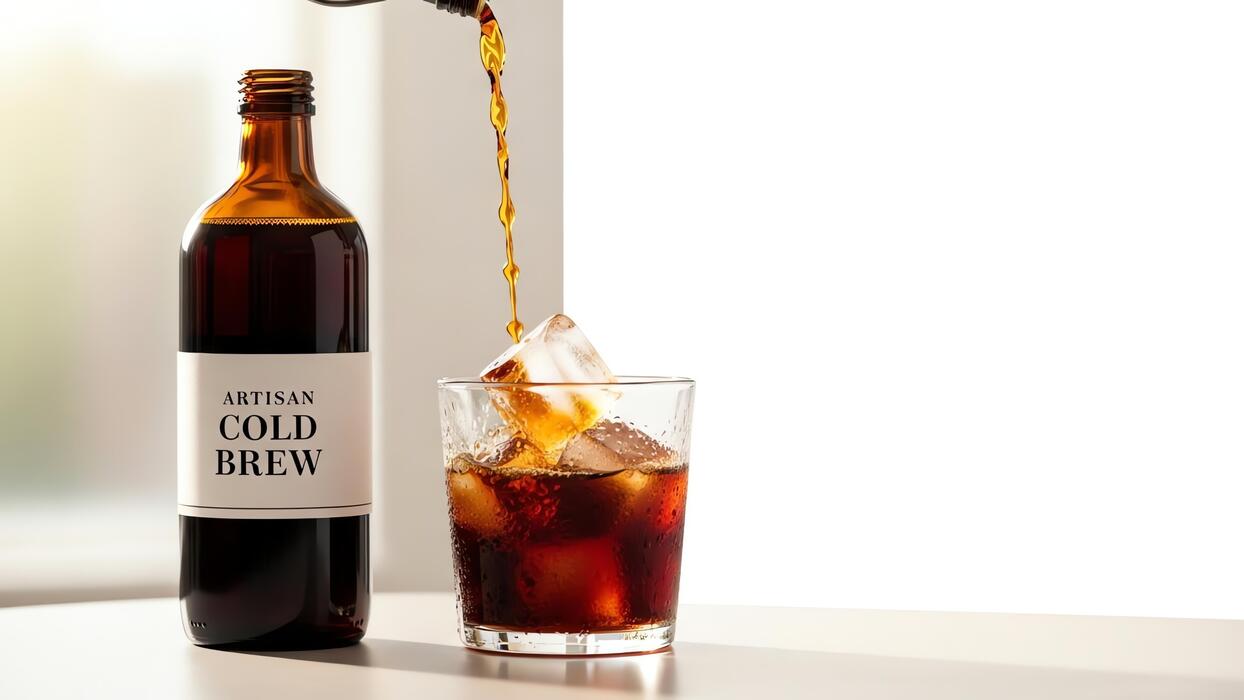
If you are tired of bitter iced coffee and want that signature smooth flavor at home, learning how to make Toddy cold brew is the ultimate game changer. This classic immersion method creates a rich concentrate that lasts for weeks in your fridge. In this guide, we will show you exactly how to layer your grounds, add water, and brew the perfect batch every time.
What is the Toddy Cold Brew System?
The history of the Toddy brewer
The Toddy Cold Brew System was pioneered in 1964 by Todd Simpson, a chemical engineering graduate who sought a way to reduce the acidity typically found in hot-brewed coffee.
After tasting a unique ancient brewing style in Peru, he developed a patented commercial-grade home system that utilized a unique cold-water extraction process. This invention revolutionized the way specialty coffee was consumed at home by introducing a reusable filter and a large steeping container that produced a concentrated liquid.
For decades, this system has remained the gold standard for both home baristas and professional cafes due to its durable design and consistent results. Learning how to make Toddy cold brew involves honoring this historical legacy of engineering simplicity.
By steeping coarse grounds for twelve to twenty-four hours, the system effectively bypasses the heat-induced chemical reactions that release bitter oils.
Today, the Toddy brand is synonymous with the modern cold brew movement, providing a reliable and efficient method for creating a smooth, rich beverage that stays fresh for weeks in the refrigerator.
Why cold brew is different from iced coffee
Understanding the distinction between cold brew and traditional iced coffee is essential for mastering the Toddy method. Iced coffee is essentially hot coffee that is brewed quickly and then poured over ice, which often leads to a diluted flavor and increased bitterness as the ice melts.
In contrast, the Toddy system relies on a low-temperature immersion process that never introduces heat to the grounds. This fundamental difference in temperature prevents the oxidation of coffee oils, resulting in a profile that is naturally sweeter and significantly less acidic.
When you follow the steps for how to make Toddy cold brew, you are creating a highly versatile coffee concentrate rather than a standard cup of coffee.
This concentrate can be diluted with water or milk to suit your personal preference, offering a much bolder body and a smoother finish than chilled drip coffee.
Because the extraction is slow and gentle, the final product lacks the sharp, vinegary notes often associated with old iced coffee, ensuring a premium sensory experience with every single glass you pour from the carafe.
Benefits of using the Toddy method
The primary benefit of using the Toddy Cold Brew System is the remarkable reduction in acid content, which is estimated to be approximately 67% lower than hot-brewed alternatives.
This makes it an ideal solution for coffee lovers with sensitive stomachs or acid reflux who still want to enjoy a robust caffeine kick.
Additionally, the Toddy method is incredibly cost-effective and efficient; one brewing cycle produces a large batch of concentrate that remains fresh and flavorful for up to two weeks.
This convenience factor is a major advantage for busy individuals who want to enjoy high-quality coffee without the daily setup and cleanup of a traditional machine.
Furthermore, the specialized wool filters used in the Toddy system are designed to capture fine sediments and bitter acids while allowing aromatic oils to pass through, resulting in a crystal-clear and velvety texture.
Whether you prefer your drink hot or cold, the concentrate serves as a perfect base for lattes, cocktails, or culinary recipes. Embracing this method ensures a consistent, cafe-quality beverage that highlights the subtle flavor notes of your favorite specialty beans every time.
Essential tools and ingredients for the perfect batch

Choosing the right coffee beans
To achieve a superior Toddy cold brew, you must start with high-quality, fresh coffee beans. While any roast can be used, many aficionados prefer medium to dark roasts because they naturally possess lower acidity and bold, chocolatey profiles that are enhanced by the cold extraction process.
Look for specialty-grade Arabica beans to ensure a clean flavor profile free from the bitterness often found in lower-quality Robusta varieties. Since the brewing process takes twelve to twenty-four hours, the nuances of the bean are fully realized, making it essential to select a flavor profile you genuinely enjoy.
Single-origin beans from regions like Brazil or Sumatra offer earthy and nutty notes that pair perfectly with the smooth texture of cold brew. Always check the roast date on the packaging to ensure maximum freshness, as stale beans will result in a flat and uninspired concentrate.
Investing in premium beans is the most significant step toward a cafe-quality result at home.
The importance of a coarse grind size
The most critical technical element in the Toddy system is achieving a consistent coarse grind, similar in texture to kosher salt or breadcrumbs.
Because the coffee grounds remain in contact with water for an extended period, a fine grind would lead to over-extraction, resulting in a harsh, bitter taste that ruins the signature smoothness of cold brew.
Furthermore, using finely ground coffee can clog the felt filter, making the drainage process incredibly slow and messy. Utilizing a high-quality burr grinder is highly recommended over a blade grinder, as it ensures uniform particle size, which allows the water to saturate the grounds evenly.
If the grind is too powdery, the final concentrate will appear cloudy and contain sediment despite the filtration.
By maintaining a coarse consistency, you allow the water to gently extract the sweet, complex oils and caffeine without pulling out the astringent tannins, ensuring every batch you produce is mellow, balanced, and perfectly concentrated for your morning drink.
Water quality and filtration tips
Since your cold brew concentrate is composed of roughly ninety-eight percent water, the quality of your source water is paramount to the final taste.
You should always use filtered or bottled spring water rather than tap water, which often contains chlorine, minerals, or fluoride that can impart metallic or chemical off-flavors to your brew.
The Toddy process relies on a reusable felt filter and a paper filter bag for double filtration; ensure these components are properly prepared by wetting the felt filter before placing it in the brewing container. This step ensures a tight seal and prevents dry pockets.
Additionally, the temperature of the water used for the initial steep should be cool or room temperature, never hot, to prevent the release of acidic compounds. Proper filtration not only clarifies the liquid but also extends the shelf life of your concentrate in the refrigerator.
By focusing on pure water and clean equipment, you guarantee a crisp, refreshing beverage that highlights the natural sweetness of the coffee.
How to set up your Toddy brewer for success
Preparing the reusable felt filter
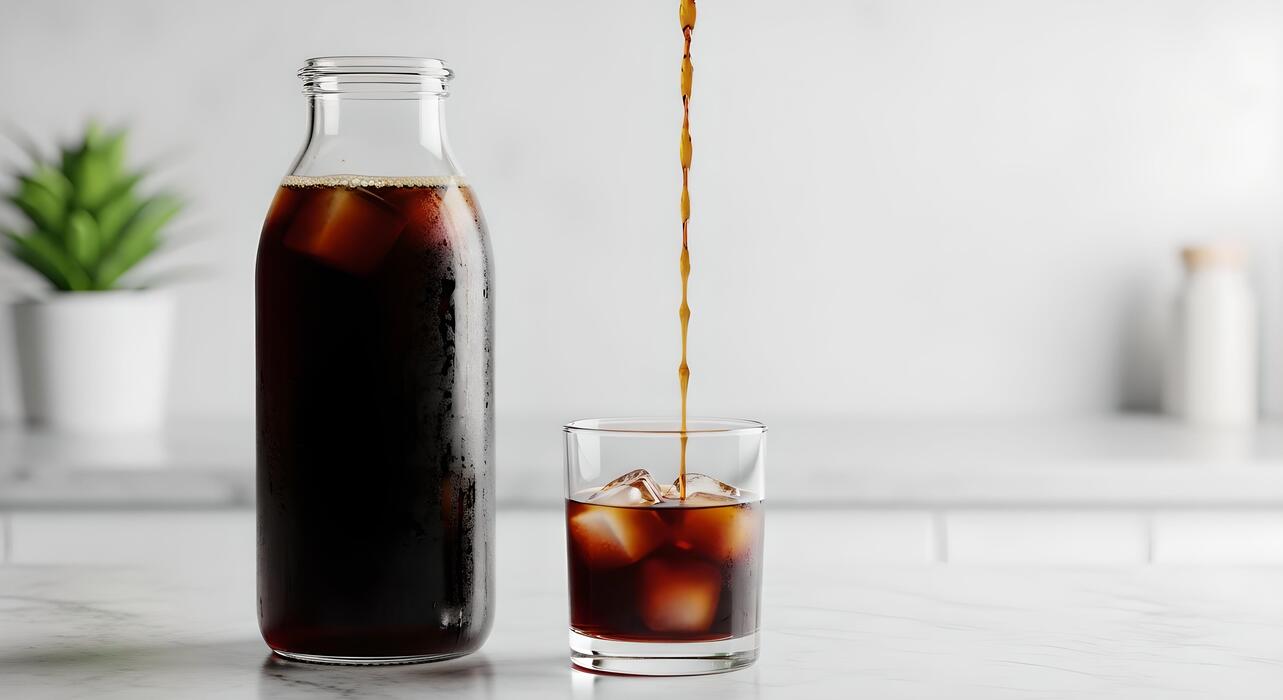
To begin your brewing journey, you must focus on the reusable felt filter, as it is the primary barrier that ensures a sediment-free cup of coffee. Start by rinsing the filter thoroughly under cold running water to remove any lingering dust or debris from previous uses or manufacturing.
It is crucial to dampen the filter completely before placing it into the recessed bottom of the brewing container. This moisture helps create an immediate seal and improves the flow rate during the extraction process.
When positioning the filter, press it down firmly into the circular indentation to ensure it sits perfectly level. A misaligned filter can lead to uneven extraction or potential clogging during the drainage phase.
If you notice the filter has become discolored or thin over time, it is generally best to replace it every ten uses or every three months to maintain the cleanest flavor profile possible.
Taking these small preparatory steps will significantly improve the clarity and body of your finished cold brew concentrate.
Inserting the rubber stopper correctly
The rubber stopper serves as the vital seal that prevents your precious coffee concentrate from leaking out prematurely during the long steeping window. To insert it properly, turn the brewing container upside down and locate the small hole at the external base.
You should firmly push the stopper into the hole from the outside until it is flush and secure. To ensure a completely leak-proof seal, many experienced brewers recommend slightly dampening the stopper before insertion, as the moisture helps the rubber grip the plastic surface more effectively.
Once the stopper is in place, turn the container upright and perform a quick visual check to confirm it is seated deeply enough to withstand the pressure of the water and grounds.
Never attempt to push the stopper through from the inside, as this will not create the necessary tension to hold back the liquid.
A correctly installed stopper is your insurance policy against a messy kitchen counter and ensures that every drop of flavor remains inside the vessel until you are ready to decant.
Cleaning your equipment before use
Starting with a pristine environment is the secret to professional-grade cold brew that tastes fresh and vibrant. Before you add a single coffee bean, you must ensure that the brewing container and glass decanter are free from residual oils or old odors that can quickly spoil a new batch.
Use a mild, unscented detergent and a soft sponge to wipe down all surfaces, paying close attention to the bottom crevices where old particles might hide. It is essential to avoid abrasive scrubbers that could create microscopic scratches in the plastic, as these tiny grooves can harbor bacteria over time.
After washing, rinse every component with plenty of fresh water to eliminate any soapy residue that could affect the delicate pH balance of your coffee.
If your equipment has been sitting in storage for a while, a quick soak in a vinegar and water solution can help neutralize any stale smells.
By prioritizing a clean setup, you ensure that the complex notes of your specialty beans are the only things you taste in your final glass.
Step-by-step guide to making Toddy cold brew
The layering method for coffee and water
To begin the brewing process, insert the reusable felt filter into the bottom of the brewing container and ensure the rubber stopper is firmly plugged from the outside. The layering method is crucial for achieving a consistent extraction without clumping.
Start by pouring one cup of filtered water into the bottom of the Toddy system, then add six ounces of coarsely ground coffee. Gradually pour two more cups of water over the grounds in a circular motion, followed by another six ounces of coffee.
Continue this alternating pattern until all your ingredients are incorporated, finishing with the final three cups of water poured over the top. It is vital that you do not stir the mixture, as stirring can clog the filter and lead to a bitter, over-extracted concentrate.
Instead, use the back of a spoon to gently press down on the top layer of dry grounds to ensure every particle is fully saturated with water for a smooth, clean finish.
Optimal coffee-to-water ratios
Achieving the perfect balance of strength and clarity requires adhering to the specific coffee-to-water ratios designed for the Toddy system. The standard recipe calls for 12 ounces of coarse coffee grounds to approximately 7 cups of filtered water.
This ratio creates a highly concentrated cold brew extract that is meant to be diluted before consumption.
Using a coarse grind size, similar to sea salt or a French press setting, is essential because it allows the water to flow through the grounds efficiently while preventing sediment from passing through the felt filter.
If you prefer a bolder profile, you can slightly increase the coffee amount, but be mindful of the container’s capacity. Using filtered water is highly recommended to ensure that no chlorine or mineral off-flavors interfere with the natural profile of your beans.
By following these precise measurements, you produce a versatile concentrate that can be mixed with water, milk, or cream to suit your specific taste preferences perfectly.
Steeping times for maximum flavor
Once your grounds are properly layered and saturated, the steeping phase begins, which is where the magic of cold extraction happens. For the best results, let the container sit undisturbed at room temperature for 12 to 24 hours.
A 12-hour steep results in a lighter, more delicate body, while the full 24-hour window produces a deep, syrupy concentrate with low acidity and rich chocolate notes. Avoid steeping for longer than 24 hours, as this can introduce unwanted woody or bitter flavors into the brew.
When the time is up, remove the stopper and allow the liquid to drain into the glass decanter. This process may take up to 45 minutes to complete fully. Once drained, the concentrate stays fresh for two weeks when stored in the refrigerator.
This slow, heat-free process ensures that the volatile oils are preserved without the harsh bitterness often found in traditional hot coffee, providing a consistently smooth and refreshing beverage every time you pour a glass.
How to filter and store your cold brew concentrate
Draining the concentrate into the glass decanter
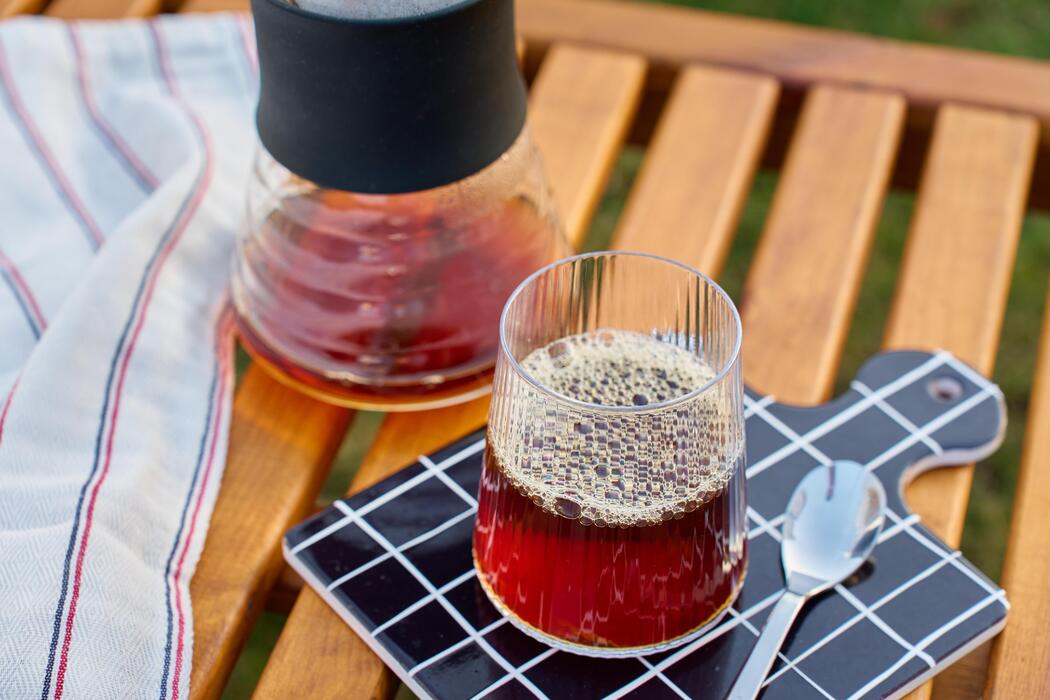
Once your brewing time is complete, carefully position the Toddy brewing container over the glass decanter. You will need to remove the small rubber stopper from the bottom of the container to begin the filtration process.
As you pull the plug, gravity will pull the liquid through the reusable felt filter, which effectively traps all fine sediment and oils to ensure a crystal-clear result.
It is vital to let the concentrate flow naturally without applying pressure or squeezing the grounds, as agitation can introduce bitterness and unwanted cloudiness into your final beverage. The drainage process typically takes about fifteen to twenty minutes to finish completely.
Once the flow has slowed to a occasional drip, you can lift the brewing container away and discard the spent coffee grounds.
Always ensure your glass decanter is clean and dry before you begin this step to avoid contaminating your fresh batch of concentrate with old residue or moisture that could affect the flavor profile.
Best practices for refrigeration
Immediately after you have finished draining your concentrate into the glass decanter, you should secure the airtight lid to preserve the delicate aromatic compounds. Storing your coffee in the refrigerator is essential because the cold temperature stabilizes the brew and prevents oxidation from dulling the taste.
For the best results, place the decanter on a stable shelf in the main body of the fridge rather than in the door, as constant temperature fluctuations from opening and closing the door can degrade the quality over time.
If you prefer a smoother taste, some enthusiasts recommend letting the concentrate rest in the cold for twenty-four hours before the first serving to allow the flavors to mellow and integrate further.
Always keep the container tightly sealed at all times to prevent the coffee from absorbing odors from other pungent foods like onions or garlic.
This meticulous approach to storage ensures that every cup you pour maintains that signature low-acid, velvety texture that makes the Toddy system a favorite for home baristas.
How long Toddy cold brew stays fresh
One of the primary benefits of the Toddy cold brew method is the impressive shelf life of the resulting concentrate compared to traditional hot-brewed coffee. When kept in an airtight glass container and refrigerated properly, your cold brew concentrate will remain fresh and delicious for up to two weeks.
During this fourteen-day window, the flavor profile remains remarkably consistent, though some subtle notes may shift as the brew continues to age slightly.
If you notice any significant changes in aroma or if the liquid develops a sour or fermented scent, it is best to discard the remaining portion and start a fresh batch.
To maximize longevity, always use filtered water and high-quality beans during the initial brewing phase, as impurities can speed up the degradation process.
Because the concentrate is so potent, you only need a small amount per serving, making it a highly efficient way to meal-prep your caffeine needs for the entire work week. Labeling your decanter with a piece of tape indicating the brew date is an excellent way to track freshness.
Ways to serve and enjoy your cold brew
Diluting concentrate with water or milk
Once you have completed the Toddy brewing process, you are left with a potent liquid gold that requires careful dilution for the best experience. The standard recommendation for a balanced cup is a one-to-three ratio, meaning one part coffee concentrate to three parts water or milk.
If you prefer a bolder, more robust profile that highlights the low-acidity notes, try a one-to-two ratio instead. For those who enjoy a creamy texture, substituting water with dairy or alternative milks like oat or almond creates a rich, latte-like beverage without the bitterness of traditional espresso.
Always pour your concentrate over fresh ice cubes first to keep the drink crisp. Since the concentrate is highly filtered, it stays smooth even when diluted heavily.
Experimenting with these ratios allows you to customize the strength to your specific palate, ensuring that every glass of cold brew is consistently delicious and perfectly suited to your caffeine tolerance and flavor preferences.
Making hot coffee from cold brew concentrate
A common misconception about the Toddy system is that it is only for cold beverages; however, it is actually an excellent base for a steaming cup of hot coffee. To enjoy a hot version, simply combine your cold brew concentrate with boiling water.
The ideal method is to add one part concentrate to two or three parts near-boiling water, which quickly brings the drink to a perfect sipping temperature without scorching the delicate oils.
This method is particularly beneficial for individuals with sensitive stomachs because the cold-water extraction process removes most of the harsh acids and oils that are typically released during traditional hot brewing. You get a remarkably smooth, full-bodied hot cup that maintains its flavor profile even as it cools.
This is also a fantastic time-saver for busy mornings; instead of waiting for a machine to brew, you can simply mix and heat your pre-made concentrate for an instant, premium-quality hot coffee experience that rivals any local cafe’s pour-over.
Recipe ideas for flavored cold brew drinks
The versatility of Toddy concentrate makes it a perfect foundation for creative and refreshing coffee recipes beyond the basic cup. For a refreshing twist, try making a Cold Brew Tonic by mixing the concentrate with tonic water, a squeeze of lime, and a sprig of rosemary over ice.
If you have a sweet tooth, a Vanilla Sweet Cream cold brew can be easily replicated by whisking heavy cream with a touch of vanilla syrup and layering it gently over the diluted concentrate.
For a seasonal treat, stir in a dash of cinnamon or maple syrup to complement the natural chocolatey undertones of the cold-extracted beans. You can even use the concentrate in culinary applications, such as pouring it over vanilla bean gelato for a sophisticated Cold Brew Affogato.
Because the concentrate is so stable and dense, it holds its own against strong flavors like ginger beer or salted caramel, allowing you to craft a wide variety of professional-grade specialty drinks right in your own kitchen.
Tips for troubleshooting common Toddy problems
What to do if the filter gets clogged
If you notice that your Toddy cold brew is barely dripping into the glass decanter, you likely have a clogged felt filter. This usually happens when the coffee grounds are too fine, creating a silty barrier that prevents liquid flow.
To fix this immediately, avoid the temptation to poke the filter with a sharp object, as this can ruin the seal. Instead, gently use a blunt spoon to lift the wet grounds away from the bottom, allowing the liquid to find a new path.
To prevent future clogs, ensure you are using a coarse grind size similar to kosher salt. If the drainage remains slow, try the ‘double-filtering’ method by placing a paper filter inside the brewing container before adding grounds. This keeps the heaviest sediment away from the reusable felt disc.
Always rinse your filter thoroughly with plain water after every use, and never use soap, which can leave residue and block the microscopic fibers of the felt over time.
Fixing weak or bitter coffee batches
Achieving the perfect Toddy concentrate requires a delicate balance of time and ratio. If your coffee tastes weak or watery, you may have used too much water or shortened the brewing cycle.
Ensure you follow the standard 12-ounce coffee to 7-cup water ratio and allow it to steep for a full 12 to 24 hours at room temperature. On the other hand, if the brew tastes unpleasantly bitter or acidic, it is likely over-extracted.
This occurs when the coffee steeps for too long or the water temperature was too high. To fix a bitter batch, you can dilute it further with more water or milk to mask the harshness.
For future success, try steeping in the refrigerator if your kitchen is naturally warm, as heat accelerates extraction and can lead to those bitter notes.
Remember that the Toddy system is designed for a concentrate; always taste your brew after diluting it with at least a 1:2 or 1:3 ratio before judging the final flavor profile.
Maintenance and filter replacement schedule
To maintain the cleanest flavor profile and ensure your Toddy system remains hygienic, consistent maintenance is essential. The reusable felt filters are designed to last for approximately 10 to 12 uses or about three months, whichever comes first.
You will know it is time for a replacement when the filter becomes heavily discolored or if the filtration process takes significantly longer despite using a coarse grind.
To extend the life of your filter, always store it in a sealed container in the refrigerator or freezer while damp to prevent mold growth and bacterial contamination. Never let the filter dry out completely between uses, as this can cause the fibers to stiffen and lose their effectiveness.
Additionally, inspect the silicone rubber stopper regularly for cracks or loss of elasticity. Replacing these inexpensive parts on a regular schedule ensures that your cold brew remains free of sediment and ‘off’ flavors, providing you with a smooth, professional-grade coffee experience every single time you brew at home.
Frequently Asked Questions
What equipment is needed for the Toddy cold brew method?
To make Toddy cold brew, you need the official Toddy Brewing Container with a handle, a reusable felt filter, a rubber stopper, and a glass decanter. You will also need 12 ounces of coarsely ground coffee and approximately 7 cups of filtered water.
How do I layer the coffee and water in a Toddy brewer?
Start by inserting the stopper and wet filter, then pour 1 cup of water and 6 ounces of coffee into the container. Slowly add 3 more cups of water, the remaining 6 ounces of coffee, and finish with the last 3 cups of water without stirring to avoid clogging the filter.
How long should Toddy cold brew steep?
The coffee grounds should steep at room temperature for 12 to 24 hours to achieve a smooth, low-acid concentrate. Most enthusiasts find that 18 hours provides the ideal balance of flavor and strength.
How do I drain the Toddy cold brew concentrate?
Once the steeping process is complete, remove the rubber stopper from the bottom of the container while holding it over the glass decanter. Let the concentrate flow through the felt filter until the container is empty, which usually takes about 15 to 30 minutes.
What is the recommended ratio for serving Toddy cold brew?
Because the Toddy process creates a dense concentrate, the standard serving ratio is 1 part coffee concentrate to 2 or 3 parts water or milk. You can adjust this ratio to your preference or pour it over ice for a stronger drink.
How should I store Toddy cold brew and how long does it last?
Store the coffee concentrate in the glass decanter with the lid on in your refrigerator. It will stay fresh and flavorful for up to two weeks due to the low acidity of the cold extraction process.
How do I clean and maintain the Toddy felt filter?
After brewing, remove the filter and rinse it thoroughly with plain water—do not use soap. Store the damp filter in a sealed plastic bag in your refrigerator or freezer between uses to keep it fresh; replace it after 10 to 12 uses or every three months.
Conclusion
Mastering the Toddy cold brew method allows you to enjoy cafe-quality coffee with incredibly low acidity right from your kitchen. Whether you prefer it iced or steaming hot, this smooth brew is sure to elevate your daily routine. Now that you have the tools, go ahead and start your first batch today.