How To Brew Your Own Cold Brew
Making your own smooth, refreshing cold brew at home is surprisingly simple and saves you a fortune at the coffee shop. You do not need fancy equipment or expert skills to get it right. This guide provides the exact ratios and timing you need to brew delicious coffee. Let’s dive into the foolproof process for DIY cold brew.
What is Cold Brew and Why It Tastes Better
The Difference Between Cold Brew and Iced Coffee
Understanding the fundamental distinction between these two beverages is the first step toward mastering your home kitchen setup. Traditional iced coffee is simply hot coffee brewed quickly and then poured over ice, which often leads to a diluted, watery profile and heightened bitterness due to the rapid temperature change.
In contrast, cold brew is a patient extraction process where coarse coffee grounds steep in filtered water for 12 to 24 hours at room temperature or in the refrigerator. This slow, heat-free immersion prevents the release of volatile oils and harsh acids that hot water typically extracts.
By using a 1:4 or 1:8 coffee-to-water ratio, you create a concentrated base that remains fresh for up to two weeks. This method ensures a robust, full-bodied experience that doesn’t rely on excessive ice to stay refreshing.
Mastering this simple immersion technique allows you to enjoy a consistently bold cup that maintains its structural integrity from the first sip to the very last drop.
Benefits of Low Acidity and Smooth Flavor
One of the most compelling reasons to brew your own cold brew is the significantly improved chemical profile of the final drink.
Because heat is never introduced during the steeping phase, the chemical breakdown of the beans happens differently, resulting in a beverage that is roughly 60% less acidic than standard hot-brewed coffee.
This makes it an ideal solution for coffee lovers with sensitive stomachs or acid reflux who still want their daily caffeine fix. The lower acidity allows the natural sweetness and chocolatey undertones of the beans to shine through without being masked by sourness or astringency.
When you brew at home, you have total control over the bean origin and roast level, allowing you to highlight specific flavor profiles that are often lost in commercial heat-based brewing.
The result is a velvety, smooth texture that tastes incredible black or with a splash of cream, providing a premium sensory experience that is far superior to the bitter bite of traditional chilled coffee.
Why Homemade Cold Brew Saves You Money
Transitioning to a DIY cold brew routine is a powerful financial move that can save you hundreds of dollars annually compared to daily cafe visits.
Premium coffee shops often charge a significant markup for cold brew because of the long steeping time, yet the actual cost of raw ingredients—coarse grounds and filtered water—is remarkably low.
By purchasing whole beans in bulk and grinding them yourself, you can produce several liters of high-quality concentrate for the price of a single grande serving at a franchise.
You do not need expensive machinery either; a simple mason jar and a fine-mesh strainer or nut milk bag are all the equipment required to achieve professional results.
This efficiency eliminates the need for daily travel and expensive paper filters, as large batches provide a convenient grab-and-go option for your busy work week.
Investing in a bag of quality beans today pays for itself within a few days, making homemade cold brew a smart, sustainable, and highly rewarding lifestyle adjustment.
Essential Equipment for Making Cold Brew at Home
Choosing the Right Container or Jar
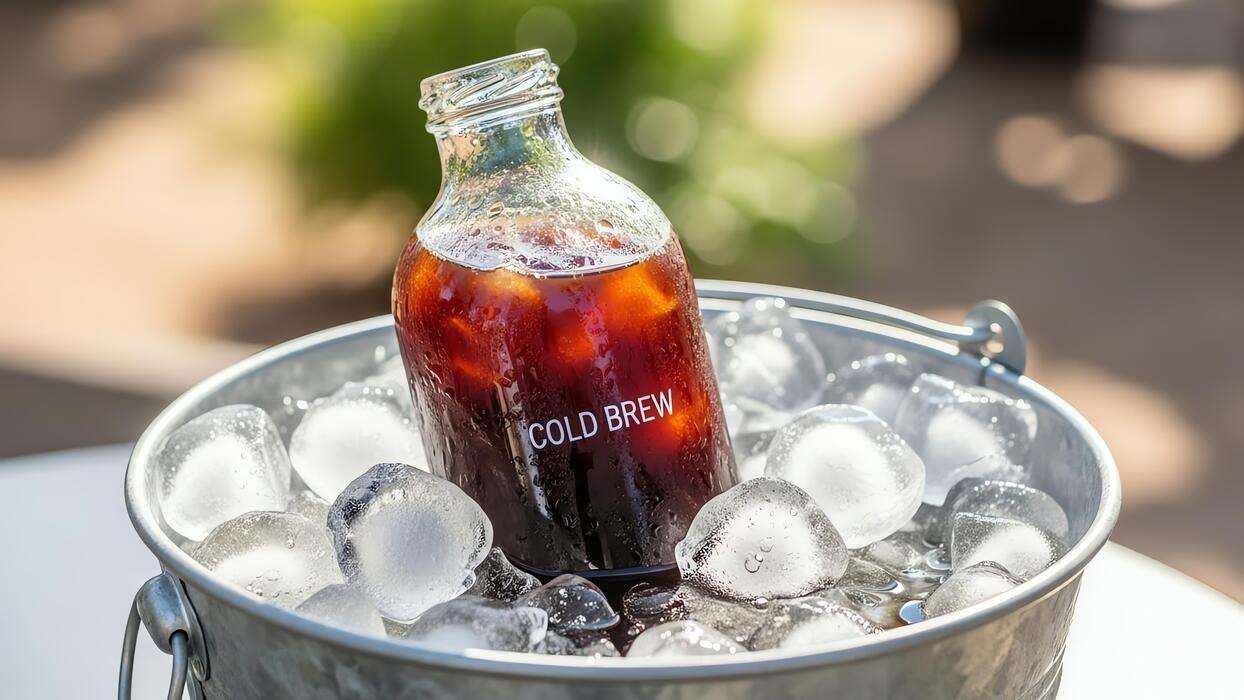
To start your home brewing journey, you need a vessel that can hold a large volume of liquid while maintaining an airtight seal. A wide-mouth glass Mason jar is the gold standard for beginners because it is non-reactive, easy to clean, and fits easily into most refrigerator doors.
If you plan on making larger batches to last the entire week, consider an extra-large glass pitcher or a dedicated cold brew carafe with a built-in spout for convenience. The material of your container matters significantly; avoid plastic containers that might leach odors or flavors into your concentrate over time.
Ensure your chosen jar has a secure, leak-proof lid to prevent the coffee from absorbing other food smells in your fridge during the long steeping process.
Using a clear glass container also allows you to monitor the color and sediment levels, ensuring you achieve the perfect extraction every single time you brew.
Filter Options: Paper, Mesh, or Cheesecloth
The filtration method you select will directly determine the mouthfeel and clarity of your finished cold brew. For a crisp, bright cup with zero sediment, disposable paper filters are highly effective at catching fine particles and oils.
If you prefer a more sustainable approach and a fuller body, a stainless steel mesh filter allows some natural oils to pass through, resulting in a richer texture similar to French press coffee.
For those who want a versatile, DIY solution, a multi-layered cheesecloth or a nut milk bag provides excellent flexibility for straining large batches in any container. Regardless of the material, the goal is to separate the saturated grounds from the liquid without squeezing them, as agitation can introduce unwanted bitterness.
Experimenting with different filters is a great way to customize your brew’s profile, whether you desire a silky, tea-like consistency or a heavy, bold concentrate that stands up well when mixed with milk.
Why a Quality Burr Grinder Matters
The secret to a smooth, non-bitter cold brew lies in the consistency of your coffee grounds, which makes a high-quality burr grinder an essential investment.
Unlike blade grinders that shatter beans into uneven dust and chunks, a burr grinder uses revolving surfaces to produce a uniform extra-coarse grind, resembling sea salt. This specific texture is vital because it allows for a slow, even extraction over twelve to twenty-four hours without over-extracting the smaller particles.
If your grind is too fine, you will likely end up with a muddy, over-extracted beverage that is difficult to filter and tastes unpleasantly harsh.
By using a consistent coarse setting, you ensure that the water flows evenly around the grounds, pulling out the sweet, chocolatey, and nutty notes that cold brew is famous for.
Freshly grinding your beans right before steeping also preserves the delicate aromatics and oils, resulting in a much more flavorful and vibrant homemade concentrate.
How to Select the Best Coffee Beans for Cold Brew
Why Dark Roast is the Standard Choice
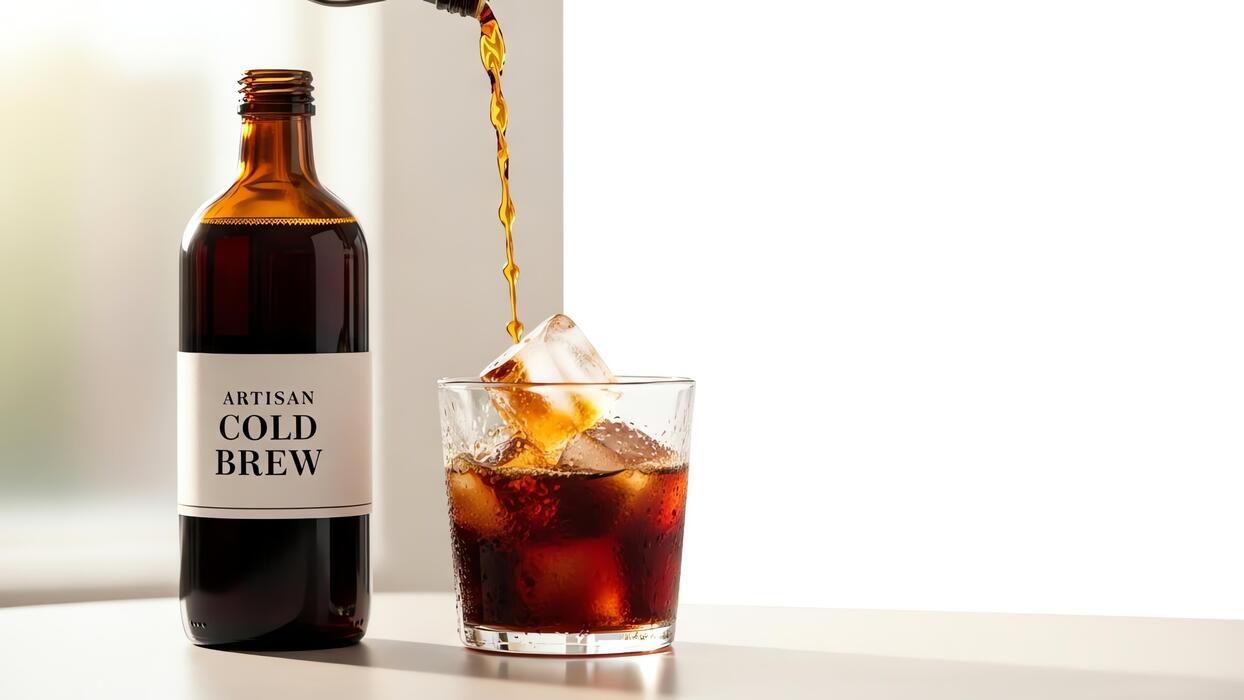
When learning how to brew your own cold brew at home, selecting the right roast profile is the first step toward success. While you can technically use any bean, dark roast coffee beans are widely considered the gold standard for this method.
The cold extraction process takes place over 12 to 24 hours, which naturally highlights deep, chocolatey, and nutty notes while minimizing the bright acidity found in lighter roasts.
Because cold water is less efficient at pulling out floral or fruity compounds, a darker roast provides a robust body and a smooth, mellow finish that holds up exceptionally well when diluted with ice or milk.
Choosing beans with flavor profiles like caramel, cocoa, or toasted nuts ensures your concentrate remains flavorful and bold.
Using a dark roast also tends to be more cost-effective for large batches, allowing you to create a professional-quality beverage in your own kitchen without the bitterness often associated with hot-brewed dark coffee.
The Importance of a Very Coarse Grind Size
The secret to a clear, sediment-free cold brew lies entirely in the texture of your coffee grounds. You must use a very coarse grind size, similar in consistency to sea salt or peppercorns.
If your grind is too fine, the water will over-extract the beans during the long steeping period, resulting in a drink that tastes unpleasantly bitter and astringent. Furthermore, fine particles are difficult to filter, often leading to a cloudy appearance and a muddy mouthfeel in your final cup.
By maintaining a chunky, consistent grind, you allow the water to flow freely around the particles, ensuring a slow and even extraction of oils and sugars. This structural integrity is vital because the beans sit in water for an extended duration.
For the best results, use a quality burr grinder rather than a blade grinder to achieve the uniformity required for a clean brew, ensuring that every glass you pour is as smooth and refreshing as possible.
Freshness and Storage Tips for Your Beans
To elevate your homemade cold brew, you must prioritize the freshness of your ingredients. Always look for a recent roast date on the packaging, ideally within the last two to four weeks.
While cold brewing is more forgiving of older beans than pour-over methods, using fresh beans ensures the natural oils are intact, providing a much richer aroma and complexity. Once you have selected your beans, proper storage is essential to prevent oxidation and flavor degradation.
Keep your whole beans in an airtight container, stored in a cool, dark place away from direct sunlight or moisture. Avoid the refrigerator or freezer, as these environments can introduce odors and condensation that ruin the bean’s integrity.
For the absolute best flavor, grind your beans immediately before brewing rather than buying pre-ground bags. This simple step preserves the volatile aromatics that define a high-quality cold brew, making your DIY efforts taste significantly better than expensive store-bought versions or local cafe offerings.
The Perfect Cold Brew Ratio and Recipe
Standard Coffee-to-Water Ratios for Beginners
Finding the ideal balance between strength and drinkability is the first step toward mastering your homemade cold brew. For beginners seeking a ready-to-drink experience, a 1:8 ratio of coffee to water is the gold standard. This means using one ounce of coffee beans for every eight ounces of filtered water.
Using a coarse grind size, similar to sea salt, is essential because it prevents the over-extraction that leads to bitterness during the long soaking process. When you use this specific ratio, you create a smooth, refreshing beverage that highlights the natural sweetness of the beans without being overwhelming.
Always use filtered water to ensure that no chlorine or mineral tastes interfere with the subtle flavor profiles of your chosen roast. This balanced approach allows you to pour your coffee directly over ice immediately after straining, providing a consistent and reliable result every time you brew.
It serves as the perfect foundation for those who enjoy a clean, crisp cup of cold coffee.
How to Make a Strong Cold Brew Concentrate
If you prefer a versatile base that can be diluted with milk, cream, or extra water, brewing a potent concentrate is the way to go. The most effective formula for a concentrate is a 1:4 ratio, which utilizes one part coffee to four parts water.
This high-density mixture requires extra-coarse coffee grounds to ensure proper saturation without creating a muddy texture. By steeping this concentrated blend for 12 to 24 hours at room temperature, you extract a rich, syrupy liquid that maintains its boldness even when mixed with heavy cream or flavored syrups.
This method is particularly space-efficient for small kitchens, as it allows you to store a smaller volume of liquid in the refrigerator that can be expanded into multiple servings later. Remember that this concentrate is highly caffeinated and intense, so it is designed to be diluted.
Most enthusiasts find that a one-to-one dilution ratio with cold water or milk creates the perfect balance of strength and flavor for a customized morning pick-me-up.
Step-by-Step Instructions for Your First Batch
To begin your brewing journey, start by weighing your beans to ensure accuracy before grinding them to a coarse, pebbly consistency. Place the grounds into a large glass jar or a dedicated cold brew maker, then slowly pour in your cold, filtered water.
Use a long spoon to gently stir the mixture, ensuring that every single coffee ground is fully saturated and there are no dry pockets at the bottom.
Cover the container securely and let it sit undisturbed for at least 16 hours on your kitchen counter or up to 24 hours in the refrigerator for a deeper profile.
Once the time is up, the filtration process is critical; use a fine-mesh sieve lined with a paper filter or a nut milk bag to remove all sediment. This creates a sediment-free, polished finish that prevents the coffee from becoming gritty.
Transfer your fresh brew into a clean carafe and store it in the fridge for up to two weeks, enjoying the incredibly smooth, low-acid flavor profile you created yourself.
How to Steep and Filter Your Cold Brew
Optimal Steeping Times for Countertop vs Fridge
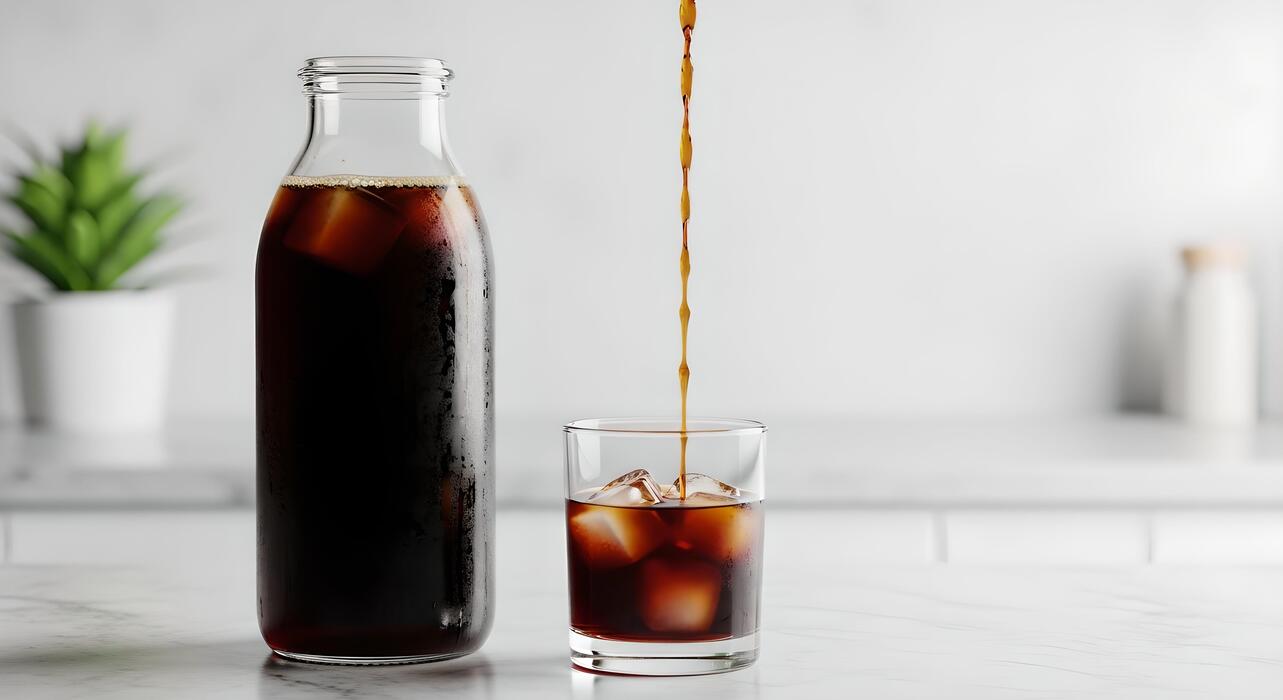
To achieve a smooth profile when brewing at home, you must adjust your timing based on the ambient temperature of your environment. For countertop steeping at room temperature, aim for a duration of 12 to 15 hours.
This warmer environment accelerates extraction, pulling out rich chocolate and nutty notes quickly; however, leaving it out longer may result in a harsh, woody flavor.
Conversely, if you prefer steeping in the refrigerator, the cold temperature slows down the chemical process significantly, requiring a longer window of 18 to 24 hours to reach peak saturation. This slow-burn method often yields a cleaner, more delicate taste that highlights floral or fruity acidity.
Regardless of the location chosen, ensure your container is tightly sealed to prevent the grounds from oxidizing or absorbing stray odors from your kitchen.
Consistency is key, so use a timer to ensure you don’t accidentally leave the concentrate sitting past its prime window, which can ruin an otherwise perfect batch.
The Best Way to Filter Without the Mess
Filtering is the most critical step to ensure a sediment-free cup that stays fresh for up to two weeks. To avoid a kitchen disaster, start by using a dual-filtration method for maximum clarity.
First, pour your steeped mixture through a fine-mesh metal sieve to catch the heavy, coarse grounds; this prevents your secondary filter from clogging immediately. Next, pass the remaining liquid through a high-quality paper filter or a clean nut milk bag.
If using paper, remember to rinse the filter with water first to remove any papery aftertaste that could dull the coffee’s natural brightness. For those who want to minimize cleanup, consider brewing inside a large disposable tea bag or a reusable mesh infuser from the start.
This allows you to simply lift the ‘bag’ out of the water when finished, leaving you with a clean concentrate that requires only a quick final pass through a filter to achieve that professional, crystal-clear appearance you find at high-end cafes.
Signs Your Coffee Has Over-Extracted
Even with the best intentions, it is easy to let your cold brew sit too long, leading to over-extraction. The most immediate sign of a failed batch is a sharp, overwhelming bitterness that lingers on the back of the tongue, masking the subtle sweetness typical of cold-steeped beans.
You might also notice an unpleasant astringency or dry mouthfeel, similar to over-steeped black tea. Visually, over-extracted coffee often appears unusually dark and muddy rather than a clear, deep amber.
Another tell-tale sign is the aroma; instead of smelling like fresh roasted beans or cocoa, it may begin to develop a dusty, cardboard-like scent.
If you find your brew has crossed this line, you can sometimes salvage it by diluting it with more water or milk than usual, but the flavor profile will never be as balanced as a perfectly timed extraction.
To prevent this in the future, always taste-test your brew at the 12-hour mark for room temperature or the 18-hour mark for refrigerated batches.
Best Ways to Serve and Customize Your Drink
How to Dilute Your Concentrate Correctly
Since homemade cold brew is a potent concentrate, finding the right balance is essential for a smooth experience. The most effective starting point is a 1:1 ratio of concentrate to water, which creates a bold but approachable drink.
If you prefer a lighter profile, try a 2:1 ratio of water to coffee to reduce the intensity and caffeine kick. Always use filtered water to ensure the clean, chocolatey notes of the beans aren’t masked by mineral flavors.
For those who enjoy an icy beverage, remember that ice cubes will melt and further dilute the liquid, so you might want to start with a slightly stronger mix.
If you plan to serve it hot, simply add boiling water to the concentrate for a low-acid alternative to traditional drip coffee. Experimenting with these proportions allows you to tailor the strength exactly to your palate, ensuring every glass is consistently refreshing and never overly bitter or watery.
Adding Milk, Creamers, and Simple Syrups
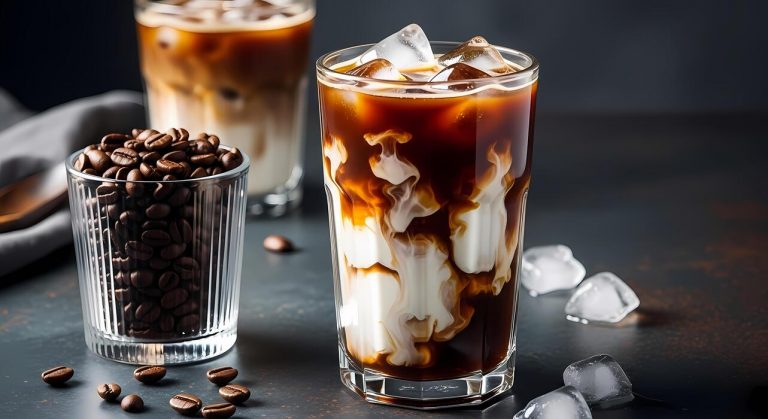
Elevating your brew often involves finding the perfect creamy companion to balance its natural strength. Dairy milk, half-and-half, or heavy cream provide a classic richness, while plant-based options like oat milk or almond milk offer a nutty complexity that complements cold brew perfectly.
To ensure sweetness is distributed evenly, always use a liquid simple syrup rather than granulated sugar, which often sinks to the bottom and fails to dissolve in cold liquid.
You can easily make your own by simmering equal parts water and sugar, perhaps infusing it with vanilla beans or cinnamon sticks for an artisanal touch.
For a modern twist, try making a salted caramel cold foam by frothing a small amount of milk with syrup and a pinch of sea salt, then layering it on top.
This technique creates a professional, cafe-quality beverage at home that looks as good as it tastes, providing a luxurious mouthfeel that highlights the smooth, low-acidity profile of your homemade batch.
Creative Cold Brew Mocktails and Flavors
Beyond the standard glass of coffee, cold brew serves as a versatile base for sophisticated, non-alcoholic beverages. One refreshing option is the Cold Brew Tonic, where you combine concentrate with tonic water and a squeeze of fresh lime over plenty of ice for a bright, effervescent treat.
For a deeper flavor profile, try a Nitro-style shake by blending your coffee with a dash of maple syrup and shaking it vigorously with ice to create a frothy, silky head.
You can also experiment with botanical infusions, such as adding a sprig of fresh mint or rosemary to the glass, which highlights the earthy undertones of the coffee beans.
If you are feeling adventurous, a splash of sparkling grapefruit juice provides a citrusy acidity that cuts through the richness of a dark roast.
These creative combinations transform your standard morning caffeine fix into an afternoon delight, proving that your homemade concentrate is an incredibly flexible ingredient for any occasion, from brunch gatherings to quiet solo breaks.
Tips for Storing and Keeping Cold Brew Fresh
How Long Cold Brew Lasts in the Refrigerator
To maintain the highest quality and flavor profile of your homemade beverage, it is essential to understand the shelf life of the concentrate versus the diluted version. Generally, a pure cold brew concentrate can stay fresh and delicious for up to two weeks when kept properly chilled in the refrigerator.
However, once you add water or milk to the mix, the stability of the liquid decreases significantly, and you should aim to consume it within two to three days.
Over time, even the most robust concentrate will begin to lose its nuanced aromatic properties and may develop a slightly acidic or stale taste due to natural chemical degradation.
To ensure you are always drinking the best possible cup, try labeling your storage vessel with the exact date it was brewed.
If you notice any unusual odors or a visible change in clarity, it is safer to discard the batch and start a fresh extraction process to guarantee a premium experience every single morning.
Using Airtight Containers to Prevent Oxidation
The primary enemy of fresh coffee flavor is oxygen, which triggers a process called oxidation that turns your smooth brew bitter and flat. To combat this, you should always store your finished cold brew in high-quality airtight glass containers, such as Mason jars or specialized swing-top carafes.
Glass is the preferred material over plastic because it is non-porous and will not absorb old coffee oils or impart chemical flavors into your drink.
When transferring your coffee to the container, try to fill it as close to the top as possible to minimize the headspace where air can linger.
This simple step significantly slows down the degradation of the delicate oils and volatile compounds that give cold brew its signature chocolatey and sweet profile.
By creating a vacuum-like seal and keeping the container tucked away in the back of the fridge where the temperature is most consistent, you effectively shield your hard work from the damaging effects of environmental exposure and temperature fluctuations.
Making Cold Brew Ice Cubes to Avoid Watering Down
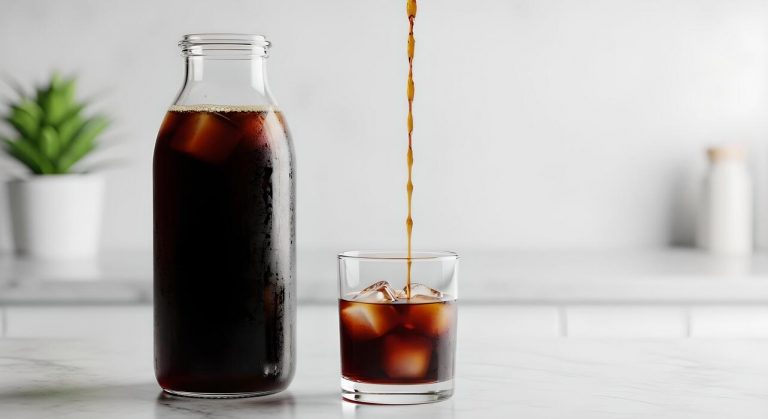
One of the most common frustrations when enjoying a chilled coffee on a warm day is watching your drink become diluted as standard ice melts. A brilliant solution to this problem is to freeze a portion of your concentrate into dedicated ice cubes.
Simply pour your freshly filtered cold brew into a clean silicone ice tray and let it freeze completely overnight. When you are ready to serve your drink, use these coffee cubes instead of regular water-based ice.
As the cubes gradually melt, they will actually reinforce the strength and flavor of your beverage rather than weakening it with excess water.
This technique is particularly helpful if you enjoy sipping your coffee slowly over a long period, as the final sip will be just as rich and flavorful as the very first one.
Additionally, you can experiment by adding a splash of vanilla or a hint of cinnamon to the trays before freezing to create a unique, melting flavor infusion that enhances your overall home brewing experience effortlessly.
Frequently Asked Questions
What is the ideal coffee-to-water ratio for cold brew?
A standard starting point for cold brew concentrate is a 1:4 ratio, meaning one cup of coffee grounds for every four cups of water. If you prefer a ready-to-drink brew that doesn’t require dilution, use a 1:8 ratio instead.
What kind of coffee grind should I use for cold brew?
You should always use a coarse, even grind similar to the texture of sea salt or breadcrumbs. Finer grinds can lead to over-extraction, resulting in a bitter taste and a cloudy sediment that is difficult to filter out.
How long does cold brew need to steep?
Cold brew typically needs to steep for 12 to 24 hours at room temperature or in the refrigerator. Steeping for less than 12 hours may result in a weak flavor, while exceeding 24 hours can extract bitter tannins from the beans.
Can I brew cold brew on the counter or does it have to be refrigerated?
You can brew cold brew either on your kitchen counter or in the refrigerator. Room temperature brewing is faster and often yields a more floral profile, while refrigerated brewing takes longer but results in a cleaner, mellow taste.
How do I filter homemade cold brew?
The easiest way to filter cold brew is by using a fine-mesh sieve lined with a paper coffee filter, a nut milk bag, or a French press. Pour the mixture slowly to ensure all fine sediments are captured, leaving you with a smooth, clean liquid.
How long does homemade cold brew stay fresh?
Undiluted cold brew concentrate can stay fresh in an airtight container in the refrigerator for up to two weeks. Once you dilute the concentrate with water or milk, it is best to consume it within two to three days for optimal flavor.
Conclusion
Mastering the art of cold brew at home is both rewarding and cost-effective. By selecting high-quality beans, maintaining a coarse grind, and allowing ample steeping time, you can achieve a smooth, low-acid coffee that rivals any cafe. Experimenting with different ratios and flavors will help you discover your perfect signature blend. Enjoy the refreshing process of creating your own delicious caffeine fix.