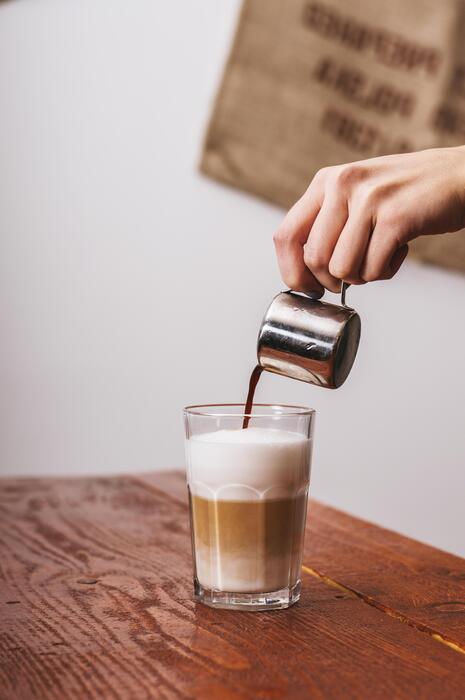
How To Make A Iced Coffee Latte
Craving that perfect coffee shop experience without the hefty price tag? Learning how to make a delicious iced coffee latte at home is easier than you think. Whether you prefer a bold espresso base or a smooth cold brew, we have the ultimate solution to help you master this refreshing drink in minutes.
What is an Iced Latte and How Does it Differ from Iced Coffee?
The core ingredients of a classic iced latte
To master the art of how to make an iced coffee latte, you must first understand its foundational components. A classic iced latte consists of three primary elements: freshly pulled espresso shots, chilled milk, and ice cubes.
Unlike standard iced coffee, which relies on volume and dilution, a latte is defined by its creamy texture and concentrated coffee base. To begin, you will need high-quality espresso beans ground finely to ensure a rich extraction.
The espresso provides a robust flavor profile that can stand up to the addition of dairy or plant-based alternatives. You should always use solid, clear ice cubes that won’t melt too rapidly, as excessive dilution ruins the mouthfeel.
For sweetness, consider adding simple syrup or flavored syrups while the espresso is still warm to ensure even distribution.
By focusing on these core ingredients, you create a beverage that is significantly more indulgent and structured than a basic glass of chilled drip coffee, providing a professional cafe experience right in your own kitchen.
Espresso vs. brewed coffee bases
The most significant difference between an iced latte and regular iced coffee lies in the extraction method. A true iced latte requires concentrated espresso shots, typically two ounces, which provide a deep, intense flavor capable of cutting through a large volume of milk.
In contrast, standard iced coffee is made using regularly brewed drip coffee or pour-over methods that are cooled down.
If you do not own an espresso machine, you can achieve a similar result for your iced latte by using a Moka pot or Aeropress to create a highly concentrated coffee concentrate. The goal is to avoid the thin, watery consistency of traditional brewed coffee.
When you use a pressure-based extraction method, you capture the essential oils and crema that give the latte its signature velvety character. Understanding this distinction is vital for anyone learning how to make an iced coffee latte that tastes authentic.
Choosing the right base ensures your drink remains flavor-forward and bold even after the ice begins to settle and the milk is fully incorporated into the glass.
Milk to coffee ratios for the perfect balance
Achieving the perfect balance in an iced latte depends entirely on maintaining the correct milk-to-coffee ratio. Generally, a standard iced latte follows a 1:3 or 1:4 ratio, meaning one part espresso to three or four parts milk.
For a typical 12-ounce drink, you would combine two shots of espresso with approximately eight to nine ounces of cold milk. This high milk content is what distinguishes the latte from an iced americano or a macchiato.
To ensure a professional finish, always pour the cold milk over the ice first, then gently add your espresso shots on top to create a beautiful marbling effect.
If you prefer a creamier texture, using whole milk or oat milk provides the necessary fat content to complement the acidity of the coffee. For those who enjoy a stronger coffee presence, reducing the milk volume slightly will highlight the nuanced notes of the espresso beans.
Mastering these proportions is the final step in learning how to make an iced coffee latte that rivals your favorite local coffee shop in both presentation and taste.
Essential Ingredients and Tools for the Best Home Latte

Choosing the right coffee beans and roast
To achieve a professional-grade iced latte at home, the foundation starts with high-quality coffee beans. For iced preparations, a dark or medium-dark roast is generally superior because it maintains its bold flavor profile even after being diluted by melting ice cubes and cold milk.
Look for beans labeled as espresso roast to ensure a rich, syrupy body that cuts through the creaminess of your choice of dairy. Freshness is paramount; always check for a recent roast date and try to grind your beans immediately before brewing to preserve the delicate aromatic oils.
If you prefer a smoother, less acidic finish, consider using a cold brew concentrate as your base instead of traditional espresso. This method yields a naturally sweet profile that pairs beautifully with syrups.
Ultimately, selecting beans with notes of chocolate, caramel, or toasted nuts will provide the most satisfying and balanced experience for your homemade iced beverage, ensuring every sip is as flavorful as a cafe-bought drink.
Best types of milk and dairy-free alternatives
The milk you choose significantly impacts the texture and mouthfeel of your iced latte. For traditional dairy lovers, whole milk is the gold standard because its high fat content creates a velvety consistency that balances the bitterness of the coffee perfectly.
If you are looking for plant-based options, oat milk is widely considered the best alternative due to its natural creaminess and ability to mimic the density of dairy. It also possesses a subtle sweetness that complements espresso beautifully.
Almond milk is a popular low-calorie choice, though it offers a thinner consistency and a distinct nutty flavor that may alter the taste profile of your drink.
For those who enjoy a thicker foam on top of their cold latte, look for barista-edition plant milks, which are specifically formulated with added stabilizers to hold their structure when frothed cold.
Experimenting with different fat percentages and milk types allows you to customize the richness and nutritional profile of your perfect morning refreshment.
Must-have equipment for espresso and frothing
You do not need a commercial-grade setup to craft a delicious iced latte, but a few key tools are essential for success.
A moka pot or Aeropress is an excellent, affordable way to produce the concentrated coffee base required for a latte if you do not own a dedicated espresso machine.
To achieve that signature light and airy texture in your milk, a handheld milk frother or a French press can be used to aerate cold milk into a silky microfoam.
Accurate measurement is also vital, so using a digital kitchen scale ensures the correct coffee-to-water ratio for a consistent brew every time. Additionally, investing in a high-quality burr grinder will provide a uniform grind size, which is critical for proper extraction and flavor clarity.
Finally, do not overlook the importance of a sturdy glass and a reusable straw to enhance the visual appeal and enjoyment of your beverage. Having these basic tools on hand simplifies the process and elevates your home barista skills to a professional level.
Step-by-Step Guide to Making a Basic Iced Latte

How to brew the perfect shot of espresso
The foundation of a high-quality iced latte begins with a concentrated coffee base. To start, you should grind fresh coffee beans to a fine consistency, similar to table salt, which ensures optimal extraction during the brewing process.
If you own an espresso machine, aim to pull a double shot of espresso using approximately 18 grams of coffee to yield about 60 milliliters of liquid. For those without a specialized machine, a Moka pot or Aeropress can produce a sufficiently strong concentrate that mimics traditional espresso.
It is crucial to use filtered water heated to roughly 200 degrees Fahrenheit to avoid scorching the grounds.
Once the coffee is brewed, consider letting it sit for a minute or two to slightly lower the temperature; this prevents the hot liquid from immediately melting your ice and diluting the flavor.
Mastering this step ensures your drink maintains a bold, robust profile that stands up perfectly against the milk and ice added later.
Preparing your glass and ice
The vessel and the quality of your ice play a significant role in the overall temperature and longevity of your beverage. Choose a tall glass, ideally one that has been pre-chilled in the freezer for ten minutes to help keep the drink cold from the first sip to the last.
When selecting ice, use large, solid ice cubes rather than crushed ice, as larger cubes have less surface area and melt much slower, preventing your latte from becoming watery and bland.
Fill your glass about three-quarters full with ice, leaving enough room for the milk and the espresso shot to circulate.
If you want to elevate your home barista game, you can even make coffee ice cubes by freezing leftover coffee in a tray; this clever trick ensures that as the ice eventually melts, it actually adds more coffee flavor to your drink instead of thinning it out.
Proper preparation here guarantees a crisp, refreshing texture that lasts throughout your morning routine.
Mixing and layering your drink correctly
To achieve that beautiful professional aesthetic and a balanced taste, the order in which you combine ingredients is vital. Begin by pouring approximately 8 to 10 ounces of cold milk over your prepared ice, leaving about an inch of space at the top of the glass.
You can use whole milk for a creamy finish or oat and almond milk for excellent dairy-free alternatives. Next, slowly pour your brewed espresso directly over the milk; this creates a striking marbled effect as the dark coffee swirls into the white milk.
If you prefer a sweetened beverage, ensure you mix in your simple syrup or flavored sauces while the espresso is still warm or stir them vigorously into the cold milk before adding the coffee. Finally, give the drink a gentle stir with a long spoon to incorporate the flavors thoroughly.
This methodical approach ensures every sip offers a consistent harmony of rich espresso and smooth, chilled milk for the ultimate cafe-quality experience at home.
How to Make an Iced Latte Without an Espresso Machine
Using a Moka Pot for concentrated coffee
The Moka Pot is a classic stovetop brewer that produces a rich, heavy-bodied liquid that mimics espresso perfectly for an iced latte. To begin, fill the bottom chamber with freshly boiled water to speed up the process and prevent the grounds from scorching.
Place finely ground coffee into the filter basket without tamping it too firmly, as this ensures even extraction. Heat the pot over a medium flame until you hear a gurgling sound, then immediately remove it from the heat source.
While the coffee is still hot, pour it over a glass filled with plenty of ice cubes to chill it instantly. Because Moka Pot coffee is highly concentrated, it stands up well to milk without becoming watery.
Finish by pouring your choice of cold milk or a dairy-free alternative over the chilled coffee. Stir gently to combine the layers and sweeten with a dash of vanilla syrup or simple syrup for a professional-quality beverage right at home.
Making a latte with Aeropress or French Press
If you own an AeroPress, you can easily create a concentrated shot by using less water and a finer grind than you would for a standard cup. Simply press the plunger firmly to extract a bold base that acts as your espresso substitute.
Alternatively, a French Press can be used by steeping coarse grounds in a small amount of hot water for four minutes before plunging. To achieve that signature latte texture, you can also use the French Press to froth your cold milk.
Simply pour cold milk into the clean carafe and pump the plunger rapidly for thirty seconds until the volume doubles and becomes creamy. Pour your concentrated coffee over a glass of ice, then slowly add your hand-frothed milk on top.
This method provides a luxurious mouthfeel and a beautiful visual layer that rivals any coffee shop. It is a versatile solution for those who want a thick, velvety foam without investing in expensive steaming equipment or high-end machinery.
Using instant coffee for a quick fix
When you are short on time, high-quality instant coffee is the most efficient way to satisfy an iced latte craving. Start by mixing two teaspoons of instant coffee granules with just one ounce of hot water to create a quick espresso-style concentrate.
Stir vigorously until the powder is completely dissolved to avoid any gritty texture in your final drink. If you prefer a sweeter profile, add your liquid sweetener or sugar while the mixture is still warm so it integrates smoothly.
Fill a tall glass with ice and pour the coffee concentrate over the top. Slowly add about six to eight ounces of chilled milk, watching as the dark coffee swirls into the white liquid for a beautiful marbled effect.
For an extra treat, you can shake the coffee, water, and milk together in a mason jar with ice to create a frothy, cold-blended version. This simple method is incredibly reliable, cost-effective, and requires virtually no cleanup, making it the perfect solution for busy mornings.
Ways to Flavor and Sweeten Your Iced Latte

How to make homemade simple syrups
Crafting your own simple syrup is the most effective way to ensure your iced latte has a professional, smooth consistency without any grainy sugar crystals sitting at the bottom of the glass. To begin, combine equal parts granulated sugar and water in a small saucepan over medium heat.
Stir the mixture constantly until the liquid becomes completely clear, which signifies that the sugar has fully dissolved. Once it reaches a gentle simmer, remove the pan from the heat and let it cool to room temperature before transferring it to a glass bottle.
For a richer texture that mimics premium coffee house brands, you can experiment with a two-to-one sugar-to-water ratio, often referred to as rich simple syrup. This homemade base is incredibly versatile because it serves as a blank canvas for any extract you wish to add later.
Storing your DIY syrup in the refrigerator allows it to stay fresh for up to one month, providing a quick and convenient sweetening solution for your daily caffeine routine.
Popular flavors like vanilla, caramel, and mocha
Transforming a standard iced latte into a gourmet treat is easily achieved by incorporating classic flavor profiles that complement the natural bitterness of espresso.
To create a classic vanilla latte, simply whisk two teaspoons of pure vanilla extract into your simple syrup or directly into the warm espresso before pouring it over ice.
If you prefer a more indulgent, buttery finish, drizzling high-quality caramel sauce around the inside of your glass before adding the milk creates a beautiful aesthetic and a deep, toasted sweetness.
For chocolate lovers, making a mocha involves stirring cocoa powder or chocolate ganache into the hot coffee shot to ensure it emulsifies properly. These popular additions work best when you balance the sweetness with the strength of your coffee roast.
Using a darker espresso roast helps the bold coffee notes stand out against the creamy milk and rich syrups, ensuring that your flavored iced latte remains refreshing and sophisticated rather than overly sugary or thin in flavor profile.
Natural sweeteners and spice additions
If you are looking for a healthier alternative to refined sugars, several natural sweeteners and aromatic spices can elevate your iced latte while adding complex nutritional benefits.
Maple syrup and honey are excellent choices because they dissolve relatively well in cold liquids and offer unique floral or earthy undertones that pair beautifully with oat or almond milk.
For those who want flavor without any added calories, stirring in warm spices like cinnamon, nutmeg, or cardamom directly into the coffee grounds before brewing can infuse the drink with a cozy, fragrant aroma.
Another innovative technique is to use a tiny pinch of sea salt, which helps to neutralize bitterness and actually enhances the natural sweetness of the dairy or plant-based milk. You can also try mashing a small amount of fresh vanilla bean or lavender into your sweetener for a botanical twist.
These natural adjustments allow you to customize your beverage to your specific dietary preferences while maintaining a high-quality, artisanal taste that rivals any local specialty coffee shop.
Tips for Professional Quality Results at Home
How to avoid watered-down coffee with coffee ice cubes
One of the biggest challenges when learning how to make a iced coffee latte is maintaining the beverage’s strength as the ice melts. To solve this, you should create coffee ice cubes by freezing leftover brewed coffee or a fresh batch of espresso in a silicone tray.
Unlike traditional ice, these cubes release more caffeine and flavor as they dissolve, ensuring your drink never becomes a thin, watery mess. For the best results, use a dark roast for your cubes to provide a bold backbone that stands up to the milk.
If you want to be extra creative, you can even freeze milk or cream into cubes to add a velvety texture as you sip. By utilizing this professional technique, you maintain the ideal concentration of your latte from the first drop to the last.
This simple preparation step elevates your home barista game by preserving the integrity of your high-quality beans while keeping the drink refreshingly cold.
The secret to cold-foaming your milk
Achieving that luxurious, velvety texture found in premium coffee shops requires mastering the art of cold foaming. To do this at home, you do not need an expensive steam wand; a simple handheld milk frother or a French press works perfectly.
Pour cold milk—ideally whole milk or oat milk for the highest protein and fat content—into a vessel and froth until it doubles in volume. The secret is to keep the milk chilled until the very last second, as cold fats stabilize the air bubbles more effectively than warm ones.
This creates a micro-foam texture that sits beautifully on top of your espresso. If you want a flavored finish, add a drop of vanilla or simple syrup directly into the milk before frothing.
This technique ensures your iced latte has a professional mouthfeel and a visually appealing layer that mimics the sophisticated presentation of your favorite local cafe, making every homemade glass feel like a special treat.
Proper temperature control for better flavor
Temperature management is critical when combining hot espresso with cold elements to prevent the coffee from becoming bitter or acidic. When you brew your espresso or concentrated coffee, allow it to rest for a few minutes or flash-chill it before pouring it over ice.
Pouring boiling liquid directly onto ice can cause a thermal shock that alters the delicate flavor profiles of the bean. Instead, try the professional method of layering your ingredients: fill your glass with ice, pour in the chilled milk first, and then slowly add your coffee.
This allows the temperature to equalize gradually, preserving the smooth, chocolatey notes of the roast. Using a cocktail shaker to rapidly chill the espresso with a few ice cubes before straining it into your milk is another excellent way to ensure a consistent, icy temperature.
By focusing on precise thermal control, you avoid the common mistake of a lukewarm latte and instead produce a crisp, refreshing beverage with a balanced flavor profile every time.
Common Mistakes to Avoid When Making Iced Lattes
Why you should never pour hot coffee directly over ice
One of the most frequent errors when learning how to make an iced coffee latte is pouring freshly brewed, hot espresso directly onto a glass filled with ice cubes.
This immediate temperature shock causes the ice to melt rapidly, resulting in a watery and diluted beverage that lacks the rich, velvety texture of a professional latte.
To solve this, you should always allow your espresso shots to sit for a minute or use a metal cocktail shaker to flash-chill the liquid before it hits the main serving glass.
Another effective technique is to use coffee ice cubes, which ensure that as the ice melts, it only adds more coffee flavor rather than plain water.
By managing the thermal transition carefully, you preserve the integrity of the espresso crema and ensure your drink remains bold and refreshing from the first sip to the last, avoiding the common pitfall of a flavorless, translucent mess.
Using the wrong milk-to-coffee proportions
Achieving the perfect balance is essential for a high-quality iced latte, yet many beginners make the mistake of using too much milk, which completely overwhelms the espresso. A standard iced latte should typically follow a one-to-three ratio, using approximately two ounces of espresso for every six ounces of cold milk.
If you use a large glass and fill it to the brim with milk, you lose the nuanced flavor profile of the beans, turning your craft beverage into little more than coffee-flavored milk.
To fix this, always measure your ingredients precisely and consider using a double shot of espresso to provide enough backbone to stand up against the dairy and ice. Furthermore, remember that ice takes up physical volume in the glass; adjust your liquid measurements accordingly so the drink remains concentrated.
Maintaining these proportions ensures a harmonious blend where the sweetness of the milk complements the bitterness of the coffee perfectly.
Over-sweetening and masking the coffee notes
It is tempting to load an iced latte with heavy syrups and sugar, but over-sweetening is a major mistake that masks the natural acidity and aromatic notes of the coffee beans.
When you add excessive amounts of caramel or vanilla pump syrups, you create a sugar-forward drink that hides the quality of your espresso blend. To avoid this, start with a minimal amount of sweetener—perhaps a half-ounce of simple syrup—and taste as you go.
For a more sophisticated profile, try using liquid sweeteners like agave or honey, which dissolve much more easily in cold liquids than granulated sugar, preventing a gritty texture at the bottom of your glass.
Focusing on flavor enhancement rather than total saturation allows the roasted characteristics of the bean to shine through. By being disciplined with your additives, you create a more balanced, professional-grade iced latte that highlights the complex flavor chemistry of the coffee rather than just providing a quick sugar rush.
Frequently Asked Questions
What is the basic ratio for an iced latte?
A standard iced latte typically uses 1 to 2 shots of espresso mixed with about 8 to 10 ounces of cold milk. You can adjust these proportions based on how strong you prefer your coffee flavor to be relative to the milk.
How do I make an iced latte if I don’t have an espresso machine?
You can substitute espresso with 1/4 cup of strongly brewed coffee or cold brew concentrate. Simply brew your coffee at double strength to ensure the flavor remains bold once it is diluted by milk and ice.
In what order should I combine the ingredients?
To get the best results, fill a glass with ice first, then pour in your espresso or strong coffee. Add your sweetener while the coffee is warm so it dissolves, and finish by pouring cold milk over the top.
How can I prevent my iced latte from becoming watered down?
The best way to prevent dilution is to use coffee ice cubes made by freezing leftover coffee in an ice tray. Alternatively, make sure your espresso or brewed coffee has cooled slightly before pouring it over the ice.
What kind of milk works best for an iced latte?
Whole milk provides the creamiest texture, but 2% also works well. For dairy-free options, oat milk is highly recommended because it has a natural sweetness and creamy consistency that mimics traditional dairy in cold drinks.
How do I add flavors like vanilla or caramel to my iced latte?
Stir in 1 to 2 tablespoons of flavored simple syrup directly into the hot espresso before adding the ice and milk. This ensures the flavor is evenly distributed throughout the drink rather than sinking to the bottom.
Conclusion
Making a delicious iced coffee latte at home is both simple and rewarding. By mastering the balance of strong espresso, chilled milk, and your favorite sweeteners, you can enjoy a coffeehouse-quality beverage without leaving your kitchen. Remember to experiment with different syrups and milk alternatives to find your perfect signature blend. Now that you have the tools and techniques, it is time to start brewing. Refresh your routine and treat yourself to a cool, creamy latte today.