How Does Starbucks Make Cold Brew
Have you ever wondered how Starbucks achieves 그hat signature smooth, velvety flavor in their cold brew? It is not just chilled coffee; it is a meticulous process involving specific beans and a long, patient steep. If you are looking to replicate that cafe-quality caffeine kick at home or simply curious about their professional method, you have come to the right place.
The Starbucks Cold Brew Recipe and Process
The 20-Hour Steeping Method
Starbucks employs a meticulous slow-steeping process that lasts exactly 20 hours to extract the maximum flavor profile from their signature blend. Unlike traditional iced coffee which is brewed hot and cooled, this method relies on time rather than heat to draw out the coffee’s essence.
Baristas place coarsely ground beans into a large brewing system, typically a Toddy or a specialized cold brew tank, and submerge them completely. This extended duration allows for a gradual extraction of caffeine and oils, resulting in a finished product that is significantly smoother and less acidic than flash-chilled alternatives.
By avoiding high temperatures during the extraction, the process prevents the oxidation of delicate compounds, ensuring the final beverage has the heavy body and chocolatey notes customers expect. To replicate this at home, you must maintain patience; rushing the process will lead to a weak, underdeveloped flavor.
Always ensure the grounds remain fully saturated throughout the entire twenty-hour window for a consistent, professional-grade batch every time.
Water to Coffee Ratios
A critical component of the Starbucks recipe is the use of a high-strength concentrate, achieved through a specific water-to-coffee ratio. While the exact commercial measurements are proprietary, the process involves using a massive volume of coarse coffee grounds relative to the water used during the initial steep.
This creates a dense, potent liquid that serves as a versatile base for various menu items. Once the steeping is complete and the grounds are filtered out, the resulting concentrate is typically diluted with fresh, filtered water and ice before serving.
For home brewers aiming for that specific Starbucks intensity, a ratio of one part coffee to four parts water is the gold standard for creating a robust concentrate.
Using filtered water is essential to the process, as impurities in tap water can interfere with the subtle sweetness of the cold brew. Balancing these proportions ensures that the coffee maintains its structural integrity and bold flavor even after being poured over ice or mixed with sweet creams and foams.
The Role of Room Temperature Brewing
The environmental conditions during the brewing cycle are just as important as the beans themselves, with Starbucks opting for a room temperature environment rather than refrigeration.
Brewing at ambient temperature accelerates the extraction process slightly compared to a fridge, allowing the 20-hour window to be the sweet spot for flavor development.
If the mixture is kept too cold during steeping, the water cannot effectively pull the complex sugars and oils from the coarse grounds, leading to a thin and sour profile.
Conversely, room temperature brewing highlights the natural sweetness and cocoa undertones inherent in the Latin American and African bean blend they utilize. Once the extraction is finalized, the concentrate is then chilled to preserve its freshness and stop the brewing process entirely.
To achieve the best results, store your brewing vessel in a cool, dark place away from direct sunlight to maintain a stable temperature. This thermal consistency is the secret behind the velvety mouthfeel and low-acid finish that has made their cold brew a global industry standard.
What Coffee Beans Does Starbucks Use for Cold Brew?

The Nariño Blend Profile
To replicate the signature Starbucks flavor at home, you must start with their specific Nariño 70 Cold Brew Blend. This unique mixture is a carefully curated combination of beans sourced primarily from the Nariño region of Colombia and eastern Africa.
The ’70’ in the name refers to the internal recipe development process where they tested numerous iterations to find the perfect balance for a slow, cold extraction process. Unlike standard drip coffee, this blend is designed to withstand a twenty-hour steep time without becoming overly acidic or bitter.
When selecting beans for your own brewing, look for high-quality Latin American beans that provide a smooth, nutty base, then consider blending them with African varieties to introduce subtle citrus notes.
Using a coarse grind size is essential when working with this specific profile to ensure the water can saturate the grounds evenly over a long period, resulting in the concentrate that serves as the foundation for their popular beverages.
Why Medium-Dark Roast Works Best
The effectiveness of the Starbucks cold brew method relies heavily on using a medium-dark roast profile. While light roasts are often celebrated for their delicate floral notes in hot coffee, they frequently lack the structural integrity needed for a long cold soak.
Starbucks utilizes a darker roast because it highlights chocolatey and rich caramel undertones that are naturally enhanced during the cold water steeping process.
This roast level ensures that the final beverage has a heavy body and a velvety mouthfeel, which remains consistent even after the concentrate is diluted with water or ice. For the best results, ensure your beans are freshly roasted and ground just before the brewing process begins.
The chemical compounds in darker roasts are more soluble in cold water over time, allowing for a deep, robust flavor that lacks the harsh bitterness often associated with heat-based brewing. This specific roasting strategy is what gives the drink its famous low-acid profile and smooth finish that customers crave.
Sourcing and Flavor Notes
Understanding the sourcing behind the beans helps explain the complex flavor notes found in a glass of Starbucks cold brew. The primary beans from the Nariño region are grown at high altitudes in volcanic soil, which contributes to a very distinct and clean finish.
When these are blended with washed African beans, the result is a sophisticated flavor profile characterized by dark chocolate and subtle sweet citrus. To achieve this professional taste, focus on sourcing beans that are labeled as single-origin Colombian or Ethiopian if you cannot find the specific Starbucks blend.
The cold extraction method pulls out the sweetness of the bean while leaving behind the oils and acids that can cause stomach upset or a sour aftertaste. By focusing on ethically sourced Arabica beans, you ensure a high-quality cup that mirrors the Starbucks experience.
Remember that the water-to-coffee ratio is just as important as the bean origin; aim for a concentrated steep to fully capture the decadent, malty notes inherent in this world-class coffee selection.
The Importance of the Coarse Grind

Why Fine Grinds Fail in Cold Brew
At Starbucks, the cold brew process begins by strictly avoiding fine grinds because they lead to over-extraction and a bitter profile.
When coffee is ground too finely, the surface area increases significantly, causing the water to pull out harsh tannins and acidic compounds far too quickly during the long steeping cycle.
To mimic the signature Starbucks flavor, you must realize that fine particles act as a filter clog, preventing water from flowing evenly through the grounds. This creates ‘channeling’ where water bypasses much of the coffee, resulting in an inconsistent and murky brew.
By opting for a coarse grind that resembles sea salt, you ensure that the water extracts only the sweet, chocolatey notes without the bitterness associated with espresso or drip grinds.
A fine grind also makes the final filtration process incredibly difficult, often leaving a silty residue in your cup that ruins the smooth mouthfeel. Therefore, a consistent coarse grind is the foundational step for a clean and crisp finish.
How Particle Size Affects Extraction
The science behind the Starbucks cold brew method relies heavily on the relationship between particle size and time. Because cold brew uses cold water rather than heat, the extraction process is much slower, requiring a larger particle size to facilitate a gentle soak.
A coarse grind allows the cool water to penetrate the coffee fibers slowly over a 20-hour period, ensuring a balanced saturation that highlights the bean’s natural sweetness. If the particles are too small, the extraction happens too rapidly, leading to an acidic and unbalanced concentrate.
Starbucks baristas look for a uniform, jagged texture that allows for optimal water flow throughout the brewing vessel. This specific geometry ensures that the water reaches the center of every coffee grain at a controlled rate.
By maintaining a coarse consistency, you control the rate of solubility, which is the secret to achieving that low-acid, heavy-bodied texture that cold brew enthusiasts crave. Consistency in your grind size is just as vital as the quality of the water used.
Professional Grinding Equipment Used in Stores
To achieve the perfect coarse grind for their large-batch cold brew, Starbucks utilizes high-end industrial burr grinders rather than standard blade grinders. These professional machines are calibrated to produce uniform coffee particles with minimal heat friction, which preserves the delicate volatile oils within the beans.
Blade grinders often produce a mix of ‘fines’ and ‘boulders,’ leading to an uneven extraction where some coffee is over-processed while others are under-extracted. In a retail environment, the Ditting or Bunn commercial grinders are adjusted to a specific coarse setting that is strictly verified for quality control.
For home brewers looking to replicate the Starbucks experience, using a conical burr grinder is the most effective way to ensure the grind remains coarse and consistent. This equipment allows for precision adjustments that prevent the ‘dust’ that typically makes cold brew cloudy.
Investing in a quality grinder ensures that every batch has the same bold, smooth flavor profile found in your favorite cafe, making the equipment choice a critical component of the recipe.
Filtering and Finishing the Brew
Commercial Dual-Filter Systems
To achieve the signature consistency found in every cafe, Starbucks utilizes a robust commercial dual-filter system designed to handle large volumes of grounds. The process begins with a heavy-duty mesh filter bag that holds the coarse coffee grounds inside a specialized Toddy brewer.
This primary barrier prevents the bulk of the saturated grounds from entering the final liquid. Once the twenty-hour steeping period concludes, partners release the brew through a secondary integrated paper filter located at the bottom of the container.
This two-step filtration method is essential for capturing fine particulates that might have escaped the initial mesh layer. By employing these professional-grade components, the brand ensures that the concentrate remains free of grit while maintaining the rich oils that characterize their specific blend.
For home baristas, replicating this requires high-quality paper liners or a fine-mesh sieve to ensure that no sludge remains at the bottom of the vessel, mirroring the exacting standards of a professional coffee house environment.
Removing Sediment for a Smooth Mouthfeel
The hallmark of a high-quality cold brew is its velvety texture, which is achieved only through the meticulous removal of fine sediment.
During the draining phase, Starbucks baristas are trained to let the concentrate flow slowly, ensuring that the natural sediment settles and is caught by the filtration layers rather than being forced through.
If the filtration is rushed, the resulting beverage may taste dusty or overly bitter due to the presence of suspended solids. By prioritizing a clean extraction, the process highlights the chocolatey and citrus notes inherent in the beans without the interference of stray grounds.
This attention to detail results in a clean finish on the palate, which is a significant differentiator from standard iced coffee. To achieve this smooth mouthfeel at home, it is recommended to avoid squeezing the filter bag, as this can push bitter tannins and micro-grounds into the brew.
Instead, allow gravity to do the work, resulting in a polished and professional-grade liquid that serves as a perfect base.
The Dilution Process Before Serving
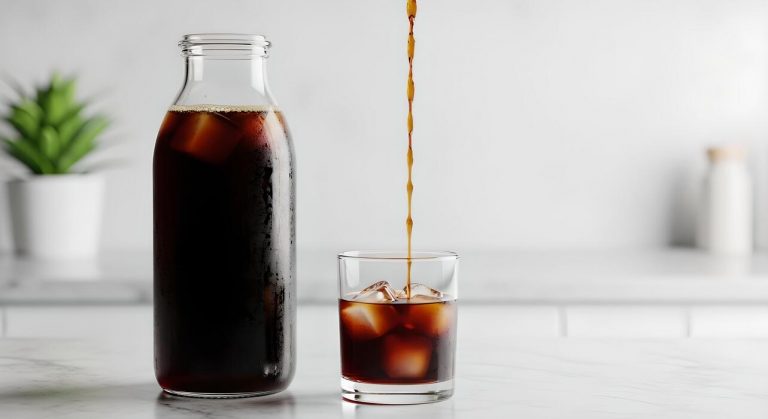
Once the filtration is complete, the resulting liquid is a potent cold brew concentrate that is far too strong to drink straight. Starbucks follows a precise standardized dilution ratio to transform this concentrate into the refreshing beverage served to customers.
The concentrate is mixed with fresh, filtered water to balance the flavor profile and achieve the desired caffeine content. This step is crucial because it allows the subtle nuances of the coffee to shine through without being overwhelmed by the intensity of the initial steep.
In the cafe, this mixture is typically kept in a refrigerated dispenser to maintain a consistent temperature for immediate service. When you order your drink, it is poured over ice, further perfecting the concentration as you sip.
Understanding this dilution process is key for enthusiasts who want to master the balance of strength and clarity. By carefully measuring the water-to-concentrate ratio, you can customize the boldness of the drink to match your personal preference while maintaining the integrity of the original brew.
How Starbucks Nitro Cold Brew Differs

The Nitrogen Infusion Process
To understand how Starbucks elevates its standard cold brew, you must look at the specific nitrogen infusion process that occurs right at the point of service.
Unlike the standard cold brew which is simply poured over ice, the nitro version starts with the same concentrate that has been steeped for twenty hours. This base is then passed through a specialized delivery system where it is infused with high-pressure nitrogen gas.
By introducing nitrogen, the beverage undergoes a physical transformation that alters its texture without adding calories or sugar. To replicate this at home, you can use a whipped cream charger or a dedicated nitro keg system to force gas into your chilled coffee concentrate.
This infusion process is what creates the velvety mouthfeel that distinguishes it from traditional iced coffee.
The nitrogen bubbles are much smaller than carbon dioxide bubbles found in soda, resulting in a smooth, creamy sensation that enhances the natural sweetness of the coffee beans while reducing the perception of acidity on your palate.
Creating the Signature Micro-Foam Head
The visual hallmark of a Starbucks Nitro Cold Brew is the beautiful cascading effect and the thick layer of micro-foam that sits on top. This is achieved through a precision-engineered nozzle called a restrictor plate.
As the nitrogen-infused coffee is pushed through the tiny holes of this plate, the gas is agitated, creating millions of microscopic bubbles. These bubbles slowly rise to the top of the glass, creating a dense, creamy head similar to a stout beer.
To get the best results, you should always pour the beverage into a glass without ice, as ice cubes can break the delicate surface tension of the foam and disrupt the visual cascade.
This foam isn’t just for looks; it provides a luxurious, frothy texture that mimics the addition of cream or milk. By mastering the pour speed and angle, you can maintain this micro-foam head throughout the duration of your drink, ensuring every sip is consistently rich and flavorful.
This technique allows the coffee to be enjoyed black while still tasting remarkably indulgent.
Storage in Pressurized Kegs
Efficiency and consistency in every Starbucks cup are maintained by storing the cold brew in specialized pressurized kegs. Once the twenty-hour steeping process is complete and the grounds are filtered out, the liquid concentrate is diluted and transferred into stainless steel kegs.
These kegs are kept in a refrigerated environment to ensure the coffee remains at an optimal temperature, preventing oxidation and preserving the delicate flavor profiles of the African and Latin American beans used in the blend.
The pressure within the keg is carefully monitored to ensure that the nitrogen stays dissolved in the liquid until it is ready to be dispensed. For coffee enthusiasts looking to implement this at home, using a mini-keg system with a nitrogen regulator is the most effective solution for long-term storage.
Keeping the coffee under constant pressure prevents it from going flat and ensures that the first glass is just as fresh as the last. This professional storage method is the secret to why the beverage always tastes consistently smooth and cold without the need for additional ice.
How to Make Starbucks Style Cold Brew at Home
Essential Equipment for Home Brewing
To replicate the smooth profile of a Starbucks cold brew, you must start with the right tools. The most critical component is a large-capacity glass pitcher or a dedicated cold brew maker equipped with a fine-mesh filter.
Starbucks uses a specific blend of Latin American and African beans, so you should select a coarse-grind coffee that resembles sea salt in texture. Using a fine grind will result in a cloudy, bitter liquid that lacks the signature clarity.
Additionally, you will need a reliable kitchen scale to ensure a precise coffee-to-water ratio, which is the secret to their consistent flavor profile. Filtered water is non-negotiable; since cold brew is mostly water, using a high-quality water filtration system removes chlorine and minerals that can distort the delicate chocolatey notes.
Finally, ensure you have enough refrigerator space or a cool, dark corner for the long steeping process. Investing in a long-handled stirring spoon will also help you fully saturate the grounds without damaging your equipment.
Step-by-Step DIY Instructions
Begin by measuring out your ingredients using a standard 1:8 coffee-to-water ratio for a ready-to-drink version, or a 1:4 ratio if you prefer a potent concentrate. Place your coarsely ground beans into your filter or directly into the bottom of your vessel.
Slowly pour cool, filtered water over the grounds, ensuring every particle is moistened. Use your spoon to gently submerge the crust that forms at the top, but do not over-agitate the mixture. Once combined, cover the container tightly to prevent the coffee from absorbing refrigerator odors.
Let the mixture steep at room temperature or in the fridge for exactly 20 hours, which is the specific duration Starbucks utilizes for their signature batch. After the time has elapsed, remove the filter or strain the liquid through a secondary paper filter to achieve that ultra-smooth, sediment-free mouthfeel.
Dilute the resulting concentrate with equal parts water or milk, and always serve over fresh ice to maintain the crisp, refreshing temperature characteristic of the cafe experience.
Common Mistakes to Avoid
The most frequent error home baristas make is using a standard drip grind, which leads to over-extraction and an unpleasant, muddy taste. Always double-check that your beans are ground to the coarsest setting possible.
Another pitfall is rushing the steeping process; pulling the brew at 12 hours will leave you with a weak, acidic liquid that lacks the deep cocoa undertones found in the professional version. Conversely, steeping for over 24 hours can extract harsh tannins and woody flavors that ruin the profile.
Temperature stability is also vital; avoid placing your brewing vessel in direct sunlight or near heat sources, as this can cause the oils to turn rancid. Furthermore, many people forget to filter their water, ignoring the fact that tap water minerals can clash with the coffee’s natural acidity.
Lastly, never squeeze the coffee grounds or the filter bag at the end of the process. Doing so forces bitter sediments and oils into your clean brew, compromising the velvety texture you worked so hard to achieve.
Ways to Customize Your Cold Brew
Popular Syrups and Sweeteners
To replicate the Starbucks experience at home, you must master the art of flavoring your concentrate. Starbucks typically uses classic syrup for basic sweetness, but you can elevate your brew by adding two to four pumps of vanilla, caramel, or toffee nut syrup depending on your preference for sweetness.
For a seasonal twist, many enthusiasts opt for peppermint or pumpkin spice to mimic limited-time menu offerings. If you prefer a more natural approach, try whisking in a small amount of honey or agave nectar while the coffee is at room temperature to ensure it dissolves completely.
The key to a balanced drink is adding the sweetener to the cup first, then pouring the cold brew over it to ensure even distribution. By using high-quality liquid sweeteners instead of granulated sugar, you avoid the gritty texture often found in cold beverages.
This method ensures every sip provides a consistent flavor profile that rivals any professional barista’s craft.
Making Vanilla Sweet Cream Cold Foam
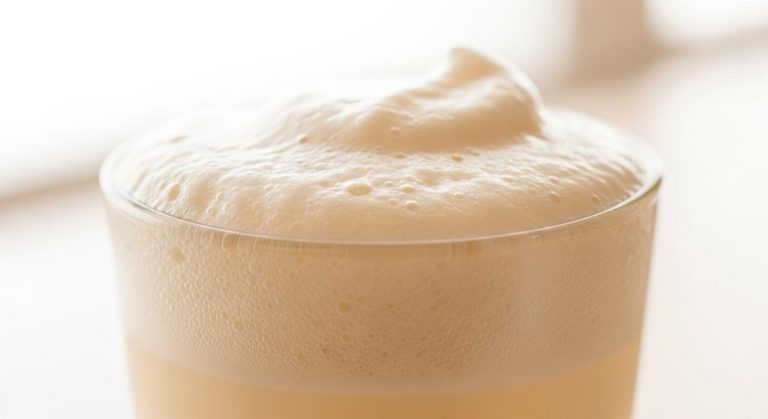
The signature topping that defines the modern Starbucks cold brew is the velvety vanilla sweet cream cold foam. To create this at home, you need a precise mixture of heavy cream, 2% milk, and vanilla syrup frothed to a soft-peak consistency.
Starbucks uses a specific ratio that favors the richness of heavy cream to ensure the foam sits gracefully atop the dark coffee without immediately sinking. You can achieve this texture using a handheld milk frother or a high-speed blender on a low setting for about thirty seconds.
The goal is to incorporate just enough air to create micro-bubbles that feel luxurious on the palate. Once your cold brew is poured over ice, gently layer the foam on top.
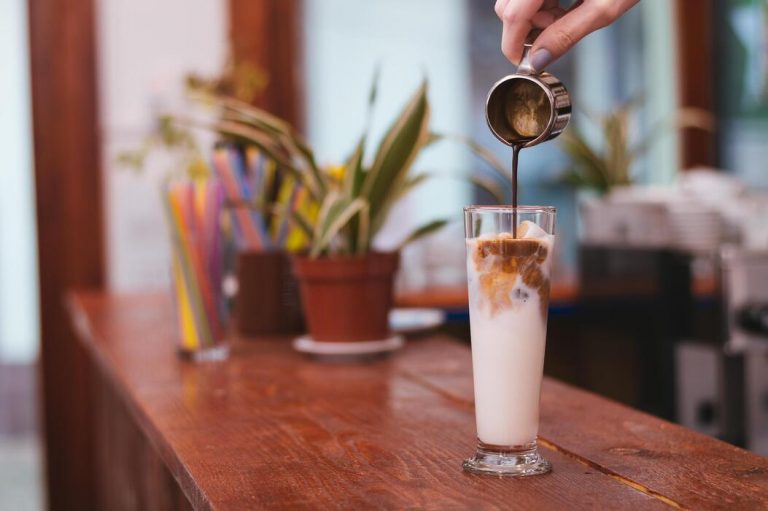
As you drink, the sweet cream slowly cascades into the bitter coffee, creating a beautiful marbling effect and a complex flavor transition. This technique transforms a standard iced coffee into a premium specialty beverage with a professional, aerated finish.
Dairy and Non-Dairy Milk Pairings
Choosing the right creamer is essential for balancing the bold, chocolatey notes of a slow-steeped cold brew. Starbucks often defaults to 2% milk or heavy splash of cream, which provides a smooth mouthfeel that cuts through the caffeine’s intensity.
However, the rise of plant-based alternatives has introduced new ways to customize your drink. Oat milk is a top recommendation because its natural creaminess and subtle sweetness mimic dairy more closely than other options.
If you prefer a nuttier undertone, almond milk offers a lighter body and fewer calories, though it may separate slightly if the coffee is highly acidic. For a tropical flair, coconut milk provides a rich texture that pairs exceptionally well with chocolate-forward beans.
Regardless of your choice, always pour the milk slowly over the ice to see the dramatic color change and ensure the flavors integrate properly. Experimenting with different fat contents allows you to control the richness and caloric density of your daily caffeine ritual.
Frequently Asked Questions
What coffee beans does Starbucks use for cold brew?
Starbucks uses a specific ‘Cold Brew Blend’ which consists of Latin American and African coffee beans. These beans are selected and roasted specifically to achieve a smooth, chocolatey flavor profile when steeped in cold water.
How long does Starbucks steep their cold brew?
Starbucks steeps its cold brew grounds for a full 20 hours. This long, slow extraction process occurs at room temperature or cooler to pull out the caffeine and flavor without the acidity associated with heat.
Is Starbucks cold brew made with hot or cold water?
Unlike traditional iced coffee which is brewed hot and then cooled, Starbucks cold brew is made entirely without heat. The grounds are combined with cool, filtered water and left to steep over an extended period.
What is the difference between Starbucks iced coffee and cold brew?
Starbucks iced coffee is brewed hot using a double-strength method and then poured over ice, resulting in a lighter body. Cold brew is never heated, resulting in a much smoother, denser, and more caffeinated beverage.
How do Starbucks baristas prepare the cold brew concentrate?
Baristas use a large brewing system called a ‘Toddy’ or a specialized cold brew tank. After the 20-hour steeping process is complete, the grounds are filtered out, leaving a concentrated coffee that is later diluted with water and ice for serving.
Does Starbucks add any sugar or flavorings during the brewing process?
No, the brewing process itself only involves coffee grounds and water. Any syrups, milk, or cold foams are added by the barista at the time of the order to customize the drink for the customer.
Conclusion
Starbucks creates its signature cold brew through a meticulous twenty-hour steeping process using a custom blend of Latin American and African beans. By skipping the heat and utilizing cool, filtered water, they extract a naturally sweet, low-acid concentrate that remains incredibly smooth. Now that you understand the craft behind the cup, try experimenting with your own ratios at home. Whether you enjoy it black or with cream, your perfect refreshing caffeine boost is just a steep away.