How Long Can Wine Be Stored Upright
Wondering how long you can store wine upright without ruining it? The good news is, for short periods—up to a few months—keeping wine upright is perfectly fine, especially if the bottle has a synthetic cork or screwcap. But for long-term aging, laying bottles on their side helps keep corks moist and prevents oxidation. We’ll break down exactly how long different wines and closures can safely stay upright, so you can store with confidence and enjoy every sip at its best.
How Long Can Wine Be Stored Upright
Factors That Affect Upright Storage Duration
Several key factors determine how long wine can be safely stored upright without compromising quality. The most critical is the type of closure: wines sealed with natural corks should not be stored upright for extended periods because the cork may dry out, allowing oxygen to enter and spoil the wine.
In contrast, wines with screw caps or synthetic corks are less vulnerable to drying and can be stored upright for months or even years. Humidity levels also play a role—low humidity accelerates cork drying. Temperature stability is essential; fluctuations increase internal bottle pressure, raising oxidation risk.
Additionally, light exposure and vibration can degrade wine quality over time. For short-term storage (up to a few weeks), upright positioning is generally safe for most wines. However, for long-term aging, bottles should be stored horizontally to keep corks moist.
Monitoring these factors ensures wine maintains its intended flavor, aroma, and structure during storage.
Red vs White Wine Storage Limits
When stored upright, red and white wines have different tolerance levels due to their composition and typical aging potential. Red wines, especially those meant for aging, contain tannins and pigments that act as natural preservatives, allowing them to withstand short-term upright storage (up to 2–3 months) without significant degradation.
However, prolonged upright storage risks cork drying, leading to oxidation and flat flavors. White wines, with lower tannin levels and more delicate aromatics, are more vulnerable to quality loss. They should ideally not be stored upright for more than a few weeks.
Both types benefit from horizontal storage for aging, but if upright storage is necessary, ensure a cool, dark, and stable environment. Young, non-vintage whites and ready-to-drink reds are safest for brief upright storage, while premium aging reds should never be stored upright long-term to preserve integrity.
Sparkling and Fortified Wine Considerations
Sparkling and fortified wines have unique storage needs when kept upright due to their internal pressure and alcohol content.
Sparkling wines, like Champagne or Prosecco, are under high pressure, and storing them upright for extended periods increases the risk of the cork drying out and losing seal integrity, potentially causing carbonation loss or leakage.
While safe for short durations (up to a month), they’re best stored horizontally to maintain cork moisture. In contrast, fortified wines—such as Port, Sherry, or Madeira—have higher alcohol and often added preservatives, making them more resilient.
These can typically be stored upright for several months to a year without significant quality loss, especially if sealed with screw caps or synthetic corks. Their stability comes from oxidative aging processes during production.
Still, for optimal longevity and flavor preservation, even fortified wines benefit from horizontal storage in cool, dark conditions, particularly if intended for long-term cellaring.
Why Bottle Position Matters for Wine
How Corks React to Upright Storage
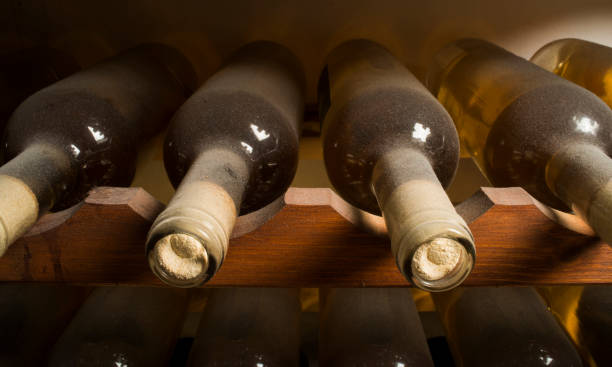
Wine corks are designed to maintain a seal between the wine and the outside environment, but they require moisture to stay pliable and effective. When a wine bottle is stored upright for extended periods, the cork is not in constant contact with the wine, leading to gradual drying.
As the cork loses moisture, it can shrink and develop tiny cracks or gaps. This compromises its ability to form a tight seal, increasing the risk of oxygen seeping into the bottle. Short-term upright storage—up to a few weeks—is generally safe, especially if the wine will be consumed soon.
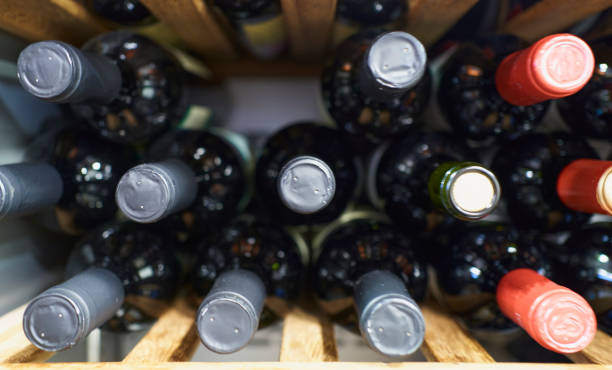
However, for bottles sealed with natural cork and intended for aging, long-term upright positioning should be avoided. The ideal storage position is horizontal, ensuring the wine remains in contact with the cork, keeping it swollen and airtight. This simple practice significantly extends the wine’s shelf life and preserves its integrity.
Risk of Cork Drying and Air Exposure
One of the biggest dangers of storing wine upright for too long is cork drying, which leads to premature oxidation. When a cork dries out, it loses elasticity and can no longer maintain a proper seal.
This allows air to enter the bottle, introducing oxygen that reacts with the wine’s compounds. Oxidation alters the wine’s flavor, aroma, and color, often resulting in flat, dull, or vinegar-like characteristics.
Even small amounts of oxygen over time can degrade delicate wines, especially older vintages or those high in acidity and tannins. While synthetic corks and screw caps are less vulnerable, traditional natural corks are especially prone to drying.
To minimize risk, avoid storing cork-sealed wines upright for more than a few months. Consistent horizontal storage prevents air exposure and preserves the wine’s freshness, ensuring it ages gracefully and maintains its intended profile when finally opened.
Impact on Wine Quality Over Time
The long-term quality of wine is highly dependent on proper storage conditions, and bottle position plays a critical role. When wine is stored upright over months or years, the increased risk of cork failure directly affects taste and longevity.
Oxidized wine loses its vibrancy, with fruit flavors fading and undesirable nutty or sherry-like notes emerging. For age-worthy wines, this undermines years of careful maturation. Even in the short term, upright storage can accelerate decline, especially in environments with low humidity.
Wines meant to be aged—such as fine reds or vintage ports—should always be stored horizontally to protect the cork and maintain a perfect seal. While everyday wines consumed within a few months may tolerate upright storage, preserving peak quality demands attention to position.
By storing bottles on their side, you ensure consistent contact between wine and cork, safeguarding aroma, structure, and balance until the moment of enjoyment.
Best Ways to Store Wine Long-Term

Ideal Storage Conditions for Wine
To ensure wine ages gracefully, store bottles horizontally rather than upright for long-term aging. This position keeps the cork in constant contact with the wine, preventing it from drying out and shrinking, which could allow oxygen to enter and spoil the wine.
Consistent temperature around 55°F (13°C) is crucial, as fluctuations can cause the wine to expand and contract, compromising the seal. Low light exposure and minimal vibration also contribute to stable aging.
While upright storage is acceptable for short periods—up to a few weeks or months—it’s not recommended for wines intended to age beyond a year. For optimal results, use a dedicated wine fridge or cellar that maintains steady conditions. Avoid storing wine in the kitchen, where temperature and humidity vary.
Proper positioning and environment preserve the wine’s quality, aroma, and flavor over time, especially for fine wines meant to be enjoyed years later.
Why Laying Bottles on Their Side Helps
Storing wine bottles on their side is essential for preserving cork integrity during long-term aging. When a cork remains moist from contact with the wine, it maintains a tight seal that prevents air from entering the bottle.
If stored upright for extended periods, the cork can dry out, shrink, and allow oxygen infiltration, leading to oxidation and spoilage. This is especially critical for wines sealed with natural corks, which are common in age-worthy bottles. Horizontal storage ensures consistent wine-cork contact, even as small amounts evaporate over time.
While synthetic corks and screw caps are less sensitive to position, laying all bottles on their side creates uniformity and reduces risk. For collectors or enthusiasts aging wine for five years or more, this simple step significantly enhances longevity and quality.
Always label bottles clearly before storing to avoid confusion and ensure proper rotation based on vintage and type.
Temperature and Humidity Control Tips
Maintaining stable temperature and humidity levels is vital for long-term wine storage. The ideal temperature is 55°F (13°C), with minimal fluctuations—variations greater than 5°F can damage wine by accelerating aging or causing leaks.
Pair this with relative humidity between 50% and 70% to prevent corks from drying out or mold from forming. Use a wine-specific cooling unit or climate-controlled cellar instead of a regular refrigerator, which is too cold and dry.
Avoid attics, garages, or basements with poor insulation, as they are prone to extreme shifts. Install a digital hygrometer to monitor conditions regularly. If humidity is too low, consider a room humidifier; if too high, use a dehumidifier. Avoid direct sunlight and heat sources like ovens or radiators.
Proper climate control protects the wine’s chemical balance, preserving its intended taste, aroma, and structure for decades when stored correctly.
When It’s Safe to Store Wine Upright
Short-Term Upright Storage Guidelines
For short-term storage, wine can safely be stored upright for up to 6 months without significant risk to quality. This is ideal for wines you plan to consume relatively soon, such as those in your weekly rotation or purchased for a near-future event.
The main concern with upright storage is the cork drying out over time, which can allow oxygen to enter and spoil the wine. However, in the short term, modern corks and proper humidity levels help maintain a good seal.
Store bottles in a cool, dark place away from temperature fluctuations and direct light to preserve freshness. While horizontal storage is best for long-term aging, upright positioning is acceptable for convenience in casual settings.
Just avoid prolonged upright storage beyond six months, especially for wines with natural corks, to prevent oxidation and flavor degradation.
Bottles with Screw Caps or Synthetic Closures
Wines sealed with screw caps or synthetic corks are ideal for upright storage because they do not rely on moisture to maintain a tight seal. Unlike natural corks, these closures won’t dry out or shrink when stored vertically, making them perfect for long-term upright positioning.
You can safely store screw-capped wines upright indefinitely without risking oxidation or leakage. This makes them a great choice for casual drinkers, restaurants, or collectors who prefer organized, space-saving storage. No need to rotate or reposition these bottles—just keep them in a cool, dark place with stable temperatures.
Because these closures provide a more consistent barrier against oxygen, wines with screw caps often maintain freshness longer, even when stored upright. Always check the label for storage recommendations, but in most cases, upright is perfectly safe and practical.
Wines Meant for Early Consumption
Most wines today are crafted for early consumption, typically within 1–3 years of release, and do not require long-term aging. These wines, including many whites, rosés, and lighter reds, can be stored upright throughout their short lifespan without compromising quality.
Since they’re not aged for extended periods, the risk of cork drying or oxidation is minimal. Upright storage is convenient for everyday wines kept in kitchens or dining areas, especially when space is limited.
Just ensure the storage area is cool, dark, and free from vibration to preserve flavor and aroma. There’s no need to lay these bottles down unless you’re cellaring them long-term. For wines intended to be enjoyed young, focus on proper temperature and light protection rather than bottle orientation.
Storing them upright simplifies access and organization without sacrificing freshness or taste.
Signs Your Wine Has Been Damaged by Upright Storage
How to Spot a Dried or Cracked Cork
A dried or cracked cork is one of the most visible signs that wine has been stored upright for too long. When wine bottles are kept upright, the cork can dry out due to lack of contact with the wine, causing it to shrink and lose its seal.
Proper storage requires laying bottles on their side to keep the cork moist and expanded, maintaining an airtight barrier. If you notice the cork slightly protruding from the bottle or crumbling when you open it, this indicates prolonged upright storage.
Inspect the cork before pouring—a brittle, cracked, or shrunken cork allows oxygen to seep in, accelerating spoilage. While short-term upright storage (a few days to weeks) is generally safe, extended periods—over 2–6 months—can compromise the seal. To prevent this, reposition bottles horizontally as soon as possible, especially for long-term aging.
Oxidation Symptoms in Wine
Oxidation occurs when wine is exposed to excessive oxygen, often due to a compromised cork from upright storage. One of the first visual clues is a change in color: red wines turn brick-orange or brown at the rim, while whites become deep gold or amber.
This shift indicates the wine is aging prematurely. The longer a bottle sits upright, the higher the risk of oxidation, especially beyond six months. Oxygen infiltration degrades the wine’s freshness and structure, dulling its vibrancy.
Wines meant to be aged for years are particularly vulnerable, as they rely on a tight seal over time. Avoid storing wine upright for more than a few weeks if you plan to keep it long-term.
If you’re evaluating a bottle, pour a small amount into a glass and examine its hue against a white background. Early detection helps prevent serving spoiled wine and informs better storage habits moving forward.
Taste and Smell Indicators of Spoilage
When wine has been damaged by prolonged upright storage, off-flavors and aromas are strong indicators of spoilage. Oxidized wine often smells like sherry, wet cardboard, vinegar, or bruised apples, lacking the fresh fruit characteristics it once had.
On the palate, it tastes flat, sour, or overly sharp, with no balance between acidity and fruit expression. These flaws stem from oxygen exposure due to a dried cork, which fails to protect the wine over time.
If the aroma is stale or the taste is lifeless, the wine is likely compromised. While some aged wines naturally develop nutty or earthy notes, spoiled wine lacks complexity and feels disjointed. Trust your senses—if something feels off, it probably is.
To prevent this, store wine horizontally for more than a few weeks, ensuring the cork stays moist and sealed.
Tips for Storing Opened Wine Upright
How Long Opened Wine Lasts in the Fridge
Once opened, wine stored upright in the refrigerator typically lasts 3 to 5 days for most still wines, though this varies by type. White, rosé, and sparkling wines tend to hold up better due to their acidity and lower tannin levels, often lasting up to 5 days when sealed properly.
Red wines, while more sensitive to oxidation, can still be enjoyed for 3 to 4 days if refrigerated after opening. The cold temperature slows oxidation, preserving freshness and aroma. However, storing wine upright increases the surface area exposed to air inside the neck of the bottle, accelerating degradation.
For best results, always re-cork the bottle tightly or use a specialized wine stopper. Avoid leaving opened wine at room temperature, as heat speeds up chemical reactions that spoil flavor.
To maximize shelf life, transfer leftover wine to a smaller container to reduce air exposure, especially if you plan to keep it beyond 3 days.
Best Sealing Methods for Open Bottles
The key to preserving opened wine stored upright is using an effective sealing method that minimizes air contact. A simple original cork or plastic stopper works in a pinch but often allows air leakage over time.
Instead, opt for reusable silicone or glass wine stoppers, which create a tighter, more airtight seal. These are especially useful when storing wine upright, as they prevent leakage and reduce oxidation.
For frequent wine drinkers, investing in a bottle-specific sealing system like a clamp-on stopper with a rubber gasket offers superior protection. Always ensure the bottle neck is clean before sealing to avoid contamination. Avoid using paper towels or plastic wrap secured with rubber bands—these are unreliable and can impart off-flavors.
A proper seal not only extends freshness but also maintains the wine’s intended aroma and taste, making it easier to enjoy leftovers days later without compromise.
Using Vacuum Pumps and Inert Gas
To significantly extend the life of opened wine stored upright, consider using vacuum pumps or inert gas preservers. Vacuum pumps remove oxygen from the bottle, slowing oxidation and helping wine last up to 5–7 days.
While effective for white and rosé wines, they may strip delicate aromas from more complex reds. A gentler, more effective option is inert gas preservation, such as argon or nitrogen-based sprays (e.g., Wine Shield or Private Preserve).
These gases are heavier than air and form a protective layer over the wine, shielding it from oxygen without altering flavor. Simply spray into the bottle before re-corking. This method works exceptionally well when storing wine upright, as the gas settles and blankets the liquid.
For best results, combine inert gas with refrigeration and airtight stoppers. These tools are affordable, easy to use, and ideal for those who enjoy wine in small quantities over several days.
Common Wine Storage Myths Debunked
Myth: All Wine Must Always Be Stored on Its Side
Many wine enthusiasts believe that all wine must be stored on its side to keep the cork moist and prevent oxidation. While this is sound advice for long-term aging—especially for wines sealed with natural corks—it’s not a universal rule.
For wines intended to be consumed within a few months, storing them upright is perfectly acceptable. In fact, short-term upright storage doesn’t significantly increase the risk of cork drying or spoilage. The key is understanding your wine’s aging potential and closure type.
Wines with screw caps or synthetic corks don’t require horizontal storage at all. For immediate consumption or short-term storage (under six months), upright positioning saves space and poses minimal risk. Reserve side storage for bottles you plan to age for a year or more, particularly those with traditional corks.
Matching storage method to wine type and timeline ensures quality without unnecessary effort.
Myth: Upright Storage Ruins Wine Immediately
A common misconception is that storing wine upright will ruin it immediately, but this is far from the truth. Short-term upright storage (up to six months) generally poses little to no risk to wine quality. While prolonged upright positioning can cause corks to dry out—leading to oxidation—the process takes time.
Modern winemaking and improved cork quality have increased resilience, meaning wines can safely sit upright for weeks or even months without damage. The real danger lies in long-term neglect, not temporary positioning.
If you’ve recently purchased a bottle or are storing wine for near-term enjoyment, don’t stress about immediate horizontal placement. To be safe, consider rotating bottles occasionally or transferring long-term collections to horizontal storage after a few months.
The key is duration, not position alone—understanding this helps avoid unnecessary worry and optimizes storage space without sacrificing wine integrity.
Myth: Only Red Wine Is Affected by Bottle Position
It’s often assumed that only red wine is sensitive to bottle position, but this myth overlooks the needs of all cork-sealed wines, regardless of color. White, rosé, and sparkling wines with natural corks are equally vulnerable to drying out if stored upright for extended periods.
While reds are more commonly aged, any wine sealed with a natural cork benefits from horizontal storage to keep the cork moist and maintain an airtight seal. Even delicate whites meant for aging, like premium Chardonnays or aged Rieslings, can suffer oxidation if the cork dries and allows air in.
Conversely, sparkling wines in cork-sealed bottles may lose pressure over time if the seal degrades. The critical factor isn’t the wine type—it’s the closure. Wines with screw caps, glass stoppers, or synthetic corks face no such risks and can be stored upright indefinitely.
Always consider closure type over wine color when determining optimal storage position.
Frequently Asked Questions
How long can wine be stored upright?
Wine can be stored upright for short periods—up to a few days—without significant risk. However, for long-term storage, keeping wine on its side is recommended to prevent the cork from drying out and allowing oxygen to spoil the wine.
What happens if wine is stored upright for too long?
If wine is stored upright for an extended period, the cork can dry out and shrink, leading to oxidation and spoilage. This can negatively affect the wine’s flavor and aroma, especially in wines sealed with natural corks.
Is it okay to store unopened wine upright?
Unopened wine can be stored upright for a short time, such as during transport or before serving. For aging or storing beyond a few weeks, it’s best to keep bottles on their side to maintain cork moisture and ensure a proper seal.
Can I store opened wine upright?
Yes, opened wine can be stored upright in the refrigerator, especially if using a stopper or vacuum seal. The key is minimizing oxygen exposure, and refrigeration helps slow oxidation regardless of bottle orientation.
Does wine storage orientation depend on the closure type?
Yes, orientation matters less for wines with screw caps or synthetic corks, which don’t dry out like natural corks. However, for wines sealed with natural cork, storing on their side is essential for long-term storage to keep the cork moist and sealed.
Conclusion
Storing wine upright for extended periods can dry out the cork, leading to oxidation and spoilage. Ideally, wine should be stored horizontally to keep the cork moist and maintain a proper seal. While short-term upright storage is generally safe, long-term storage requires laying bottles on their side. Proper conditions—cool temperature, humidity, and minimal light—also play a crucial role. By following these guidelines, you can preserve your wine’s quality and enjoy it at its best.