How Long Does A Coravin Bottle Last
Wondering how long a Coravin bottle lasts? You’re not alone—many wine lovers want to enjoy a glass without wasting the rest of the bottle. The good news is, with a Coravin system, your unopened wine can stay fresh for weeks, even months, thanks to its innovative argon gas technology. In this article, we’ll break down exactly how long your wine stays perfect, what factors affect longevity, and how to get the most out of every bottle. Let’s dive in.
What Is a Coravin System and How Does It Work?
How the Coravin device preserves wine
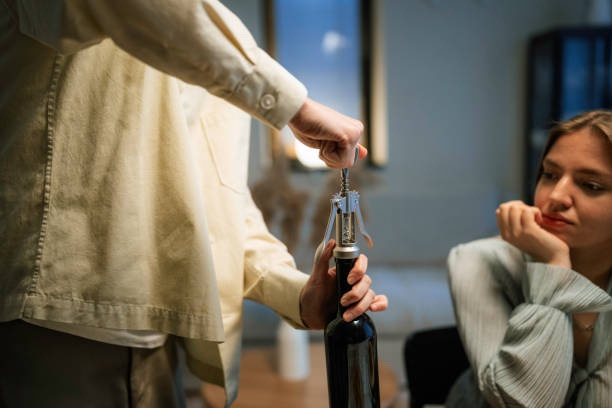
The Coravin system preserves wine by using a thin, hollow needle to pierce the cork without removing it, allowing you to pour wine while keeping the rest safe inside the bottle.
Once the needle is inserted, argon gas is released into the bottle, creating pressure that pushes the wine up and out through the needle. Argon is an inert gas that doesn’t react with wine, so it prevents oxidation and preserves the wine’s original taste and aroma.
After pouring, the cork reseals naturally around the puncture site due to its elastic properties, maintaining the integrity of the bottle. This method lets you enjoy a single glass without exposing the entire bottle to air.
As a result, unopened wine can stay fresh for months or even years after multiple pours. This innovative process is ideal for collectors, restaurants, or anyone who wants to savor different wines without finishing the bottle.
Key components of a Coravin system
A Coravin system consists of several essential components that work together to deliver wine without removing the cork. The centerpiece is the handheld device that holds the needle and gas capsule. The hollow needle penetrates the cork cleanly, allowing wine to flow out while gas flows in.
Each system uses replaceable argon gas capsules, typically sold in packs, which power the dispensing process. The base or cradle stabilizes the wine bottle during use, ensuring safe and spill-free operation. Some models include digital controls, sensors, or rechargeable batteries for enhanced precision.
Accessories like needle cleaning tools and protective caps help maintain performance. All Coravin systems are designed for easy assembly and cleaning, making them user-friendly for home and professional use. Understanding these parts ensures optimal functionality and longevity of the device, helping you enjoy wine on demand without waste.
Types of Coravin models available
Coravin offers a range of models to suit different needs, from casual drinkers to wine professionals. The Coravin Classic series provides reliable performance with manual controls and is ideal for home use. The Coravin Pivot is a more affordable option that still delivers argon gas preservation but with simplified mechanics.
For tech-savvy users, the Coravin Timeless line features upgraded ergonomics and durability, while the Coravin Model Two adds a magnetic gas capsule release for ease of use. The high-end Coravin Premier includes a digital display, smart pour tracking, and a rechargeable battery.
There’s also the Coravin Sparkling, specifically designed for sparkling wines, using a different gas system to maintain effervescence. Each model supports multiple pours per gas capsule, and all prioritize wine preservation.
Choosing the right one depends on usage frequency, budget, and desired features, ensuring every wine lover finds a suitable match.
How Long Does a Coravin Gas Bottle Last?

Average number of uses per CO2 cartridge
A standard Coravin gas bottle typically provides between 15 and 25 uses per cartridge, depending on the model and pour size. Each use generally involves injecting gas into a wine bottle to displace a 5-ounce pour, preserving the remaining wine.
The 15-gram CO2 cartridge included with most Coravin systems is designed for frequent but moderate use, making it ideal for wine enthusiasts who open several bottles per week. Consistent, short pours maximize the number of uses, while longer or repeated pours on the same bottle will deplete the cartridge faster.
It’s important to note that Coravin recommends replacing the cartridge once it’s empty rather than attempting to refill it, ensuring optimal performance and wine preservation. Keeping a spare cartridge on hand ensures uninterrupted use, especially for frequent entertainers or professionals in hospitality settings who rely on Coravin for wine service.
Factors that affect gas bottle lifespan
Several factors influence how long a Coravin gas bottle lasts, starting with pouring technique. Users who hold the trigger too long or pour multiple glasses in one session consume more gas per use, reducing total cartridge life.
The type of closure used also matters—Coravin’s proprietary seals maintain system integrity, but worn or incorrect seals can cause gas leaks. Wine bottle pressure and fill level play roles too; fuller bottles require less gas to pressurize, while nearly empty ones may need more.
Frequent use on sparkling wines or bottles with compromised corks increases gas consumption. Additionally, storage conditions—keeping the system upright and at room temperature—help maintain efficiency. Even minor tilting or exposure to extreme temperatures can affect gas release.
Finally, model differences matter; newer Coravin models may use gas more efficiently than older versions. Monitoring these variables helps extend each cartridge’s lifespan and ensures consistent wine preservation over time.
Signs your Coravin cartridge is empty
Knowing when your Coravin gas cartridge is empty ensures uninterrupted wine access and prevents potential damage to the system. The most obvious sign is no gas flow during dispensing—when you press the trigger and hear no hiss or fail to pour wine, the cartridge is likely depleted.
Another indicator is reduced pressure, where wine pours slowly or stops mid-pour, suggesting insufficient gas to displace the liquid. You might also notice the cartridge feels lighter than a full one, though this isn’t always reliable.
Some users report a metallic clicking sound when the cartridge is empty, signaling the mechanism isn’t engaging properly. Coravin does not recommend shaking or testing cartridges to check levels, as this can be unsafe. Instead, keep track of usage—if you’ve poured 20 or more glasses, replacement is likely due.
Always replace with a genuine Coravin cartridge to maintain warranty and performance.
Tips for Maximizing Coravin Bottle Usage
Proper pouring technique to conserve gas
Using the correct pouring technique is essential to maximize the lifespan of your Coravin bottle. Always insert the needle fully and tilt the bottle at a slight angle to allow wine to flow smoothly while minimizing gas use.
Press the trigger slowly and steadily—rushing this process can release excess argon gas, depleting the capsule faster than necessary. Release the trigger as soon as the desired amount of wine is poured to prevent unnecessary gas discharge. Avoid holding the trigger down longer than needed, even if you’re pouring slowly.
Additionally, pour in shorter bursts when serving multiple glasses, pausing between each to maintain system pressure efficiently. Practicing this controlled, deliberate pouring method not only extends the number of uses per Coravin capsule but also ensures consistent performance and wine preservation.
With proper technique, a single Coravin gas capsule can typically serve up to 15 five-ounce pours.
How to store your Coravin system
Proper storage of your Coravin system plays a crucial role in maintaining gas efficiency and overall performance. Always store the device upright to prevent gas leakage and ensure the internal mechanisms remain aligned.
Keep it in a cool, dry place away from direct sunlight or heat sources, as extreme temperatures can affect both the battery and gas capsule integrity. After each use, detach the Coravin unit from the wine bottle and store it without a capsule loaded unless you’re actively using it.
This prevents accidental discharge and preserves gas. Additionally, ensure the needle is clean and free of wine residue by following the recommended cleaning procedure, as clogs can lead to inefficient gas use.
Regular maintenance and correct storage extend not only the life of the gas capsules but also the longevity of the Coravin device itself, ensuring reliable performance for every pour.
Avoiding common user mistakes
Many users unintentionally shorten Coravin bottle life by making common, avoidable errors. One frequent mistake is over-tightening the capsule—this can damage the seal and cause gas to escape prematurely. Always hand-tighten the capsule just until resistance is met.
Another issue is failing to purge air from the system before pouring; skipping this step leads to inconsistent gas flow and wasted argon. Users also often leave the capsule in the device between uses, which increases the risk of slow leaks. Remove the capsule after each session.
Additionally, using the Coravin on bottles with damaged or crumbling corks can block the needle and force repeated gas use. Always inspect the cork first. Lastly, not cleaning the needle regularly can cause blockages that disrupt gas efficiency.
By following the user manual closely and staying mindful of these pitfalls, you can significantly extend each Coravin bottle’s lifespan and enjoy optimal performance.
How to Choose the Right Coravin Gas Bottle
Argon vs CO2: Which gas is better for wine?
When choosing a Coravin gas bottle, argon is the superior choice for preserving wine compared to CO2. Argon is an inert, tasteless, and odorless gas that creates a protective layer above the wine, preventing oxidation without altering flavor.
Since it doesn’t dissolve into the wine, argon maintains the original taste and aroma over time. In contrast, CO2 can dissolve into wine, potentially carbonating it slightly and changing its profile—especially undesirable in still wines.
While CO2 cartridges are often cheaper and more widely available, they are best suited for sparkling wines or short-term use. For long-term preservation and multiple pours from the same bottle, Coravin’s argon cartridges are specifically engineered to maintain wine quality for months or even years.
Always use argon for optimal results with reds, whites, and delicate varietals. This ensures each pour tastes as intended, preserving the integrity of your favorite bottles.
Compatibility across Coravin models
All Coravin gas bottles are designed to be compatible with every Coravin Model in the current lineup, including the Model Two, Model Three, Model Eleven, and Timeless series. Whether you’re using a standard or premium system, the 15-gram argon capsules fit seamlessly into the device’s cartridge holder.
This universal compatibility simplifies replacement and ensures consistent performance. However, always verify your Coravin version to avoid using outdated or third-party cartridges that may not seal properly. Genuine Coravin capsules are pressurized and tested for safety, minimizing leakage and maximizing preservation efficiency.
Each capsule typically allows for approximately 15 standard 5-ounce pours, though actual longevity depends on usage patterns and pour technique. For best results, insert the cartridge correctly and store your Coravin system upright.
Using authentic Coravin gas bottles ensures optimal performance, extends the life of your device, and protects your wine investment with reliable, consistent results every time.
Where to buy replacement cartridges
Replacement Coravin gas bottles are widely available through authorized retailers, wineries, specialty kitchen stores, and online marketplaces like Amazon, Williams Sonoma, and the official Coravin website. Purchasing from authorized sellers ensures you receive genuine argon capsules that meet Coravin’s quality and safety standards.
Bulk packs—such as 6- or 12-cartridge boxes—are often more cost-effective and ideal for frequent users. The Coravin website also offers subscription options with automatic delivery, helping you never run out of gas when preserving your favorite wines.
Some high-end wine shops and sommelier supply stores carry them in person, allowing immediate access. Avoid third-party or off-brand cartridges, as they may not deliver the same performance or could damage your device. Checking customer reviews and verifying seller authenticity online helps ensure reliability.
With proper sourcing, restocking your Coravin gas supply is quick, convenient, and essential for uninterrupted wine enjoyment.
How Wine Type Affects Coravin Performance
Using Coravin with red, white, and sparkling wines
The type of wine significantly influences how long a Coravin system can effectively preserve an opened bottle. With red wines, Coravin performs exceptionally well due to their tannic structure and lower sensitivity to short-term oxygen exposure.
A single Coravin capsule can allow up to 150 pours from one bottle when used correctly, and the wine stays fresh for months or even years. White wines also respond well, though their more delicate aromas may begin to fade slightly faster than reds—typically remaining vibrant for 6–12 months.
However, sparkling wines present a challenge; while Coravin offers a specialized system (Coravin Sparkling), standard models are not designed to maintain carbonation. Using a regular Coravin on sparkling wine will result in loss of effervescence, reducing enjoyment.
For optimal performance, match your Coravin model to the wine type—standard for still wines, specialized tools for sparkling—to maximize both longevity and quality.
Impact of wine age and sediment
The age and sediment content of wine play a crucial role in Coravin performance and longevity. Younger wines with robust structures—like bold Cabernets or structured Syrahs—typically withstand repeated Coravin use better, maintaining freshness for over a year due to higher tannin and acid levels.
In contrast, older, delicate wines (10+ years) are more vulnerable; while Coravin minimizes oxidation, even slight disturbances can accelerate decline, especially if sediment is disturbed during pouring. Sediment can clog the needle or cause inconsistent flow, reducing the system’s efficiency.
To preserve aged bottles, use a gentle pour technique, clean the needle after use, and limit total extractions. Wines with heavy sediment should be handled sparingly—ideally, Coravin only once or twice before traditional finishing.
Proper filtering during insertion and choosing bottles with minimal sediment enhances both preservation duration and pour quality. Monitoring wine condition after each use ensures optimal results.
Best wines to preserve with Coravin
To maximize Coravin performance and bottle longevity, choose wines with high acidity, tannin, or structure, as these resist oxidation best. Full-bodied reds like Nebbiolo, Bordeaux blends, and aged Riojas are ideal—they can remain fresh for up to 3 years with proper Coravin use.
Dessert wines such as Sauternes or late-harvest Rieslings also preserve exceptionally well due to high sugar content acting as a natural preservative. Crisp, high-acid whites like Chablis or German Riesling maintain vibrancy for 6–12 months.
Avoid using Coravin on delicate, low-tannin wines like Pinot Noir or light rosés for extended periods, as they degrade faster. Also, avoid wines with high sediment unless filtered. For best results, store Coravined bottles upright in a cool, dark place and use food-grade argon capsules.
The right wine choice directly extends bottle life, ensuring every pour tastes as intended.
Maintaining Your Coravin System for Longevity
Cleaning the needle and nozzle
Regularly cleaning the needle and nozzle is essential to keep your Coravin system functioning optimally and extend the life of each Coravin capsule. Residue from wine or cork particles can clog the needle, leading to poor gas flow or difficulty pouring.
To clean, remove the needle carefully and rinse it under warm water, using the provided cleaning tool to clear any blockages. The nozzle should also be wiped down after each use to prevent buildup.
For deeper cleaning, soak the needle in warm, soapy water for a few minutes, then rinse thoroughly and let it air dry. Perform this cleaning every 3–5 uses or immediately if you notice reduced performance. A clean needle ensures smooth argon gas delivery, preserving wine quality and maximizing capsule efficiency.
By maintaining these components, you help ensure each Coravin capsule lasts through its full capacity of approximately 15 standard wine pours.
Replacing worn parts
Over time, certain Coravin components like the needle, capsule holder, and plunger seal can wear out, affecting system performance and capsule efficiency. To maintain longevity, inspect these parts regularly for signs of damage, such as bending, cracking, or stiffness.
The needle, in particular, may become dull or bent after repeated use through natural cork, reducing its ability to pierce cleanly. Coravin recommends replacing the needle every 100 uses or sooner if performance declines.
The capsule holder and plunger should be replaced if they fail to hold or release gas properly. Using genuine Coravin replacement parts ensures compatibility and optimal function. Replacing worn components not only maintains pour quality but also maximizes the number of uses per Coravin capsule—typically around 15 pours per capsule.
Proactive part replacement prevents leaks and ensures your Coravin system delivers consistent, wine-preserving argon gas over time.
Troubleshooting common issues
When your Coravin system underperforms, identifying and resolving common issues quickly can preserve both wine and capsule life. If wine doesn’t flow, check that the bottle is at least one-third full and the needle is properly inserted through the cork.
A clogged needle or empty capsule are frequent culprits—replace or clean as needed. If gas leaks during use, ensure the capsule is correctly seated and the plunger is fully tightened. Always use Coravin-approved argon capsules to avoid compatibility issues.
Another common problem is cork debris in the needle, which can be cleared with the cleaning tool. If the system hisses continuously, inspect the capsule holder and seals for damage. Addressing these issues promptly ensures each Coravin capsule delivers its full 15-pour lifespan and maintains wine integrity.
Regular troubleshooting preserves system performance and extends the overall longevity of your Coravin device.
Cost and Value of Using a Coravin Over Time
Calculating cost per use of gas cartridges
To determine the cost per use of Coravin gas cartridges, divide the price of a 4-pack (typically $40–$50) by the number of uses—each cartridge allows up to 15 standard 5-ounce pours. This results in a gas cost of about $0.53 to $0.83 per pour.
Frequent users who open multiple bottles weekly will deplete cartridges faster, so tracking usage is key. Buying in bulk or multi-packs can reduce long-term costs. Also, newer Coravin models are more gas-efficient, extending cartridge life.
While the initial investment in cartridges adds up, the ability to sample high-end wines without finishing the bottle often offsets the expense. For enthusiasts who value variety and wine preservation, the per-use cost becomes reasonable over time, especially when avoiding waste from spoiled open bottles.
Tracking your usage helps maximize value and informs whether upgrading to a larger cartridge pack makes financial sense.
Comparing Coravin to traditional wine preservation
Traditional wine preservation methods like vacuum pumps or inert gas sprays only slow oxidation and work best within 3–5 days, while a Coravin preserves wine for months or even years by replacing extracted wine with argon gas without removing the cork.
This means no oxygen exposure, maintaining the wine’s original taste and aroma far longer. Unlike refrigeration or stoppers, which are less effective for long-term storage, Coravin allows repeated access to the same bottle without degradation.
While traditional tools are cheaper upfront, their limited effectiveness often leads to wasted wine—especially with premium bottles. The Coravin’s superior preservation reduces waste and increases usability, making it ideal for collectors or those who savor wine slowly.
Over time, the value becomes clear: preserving multiple high-cost bottles outweighs the price of gas cartridges and device ownership, especially when enjoying rare or age-worthy wines over extended periods.
Is a Coravin worth the investment?
For frequent wine drinkers, collectors, or hosts who serve diverse bottles, a Coravin offers significant long-term value. Priced between $200–$400 depending on the model, the device pays for itself when preventing waste from unfinished premium bottles—a single $100 wine saved from spoilage can justify the cost.
Gas cartridge expenses are manageable with average use, and the ability to sample wines over weeks or months enhances enjoyment and exploration. Casual drinkers may find limited return, but for those who appreciate wine variety, aging potential, and minimizing waste, the investment makes sense.
Additionally, Coravin systems retain resale value and often come with warranties. When evaluating worth, consider how often you abandon half-finished bottles—if it’s common, the Coravin’s preservation power delivers both economic and experiential returns, transforming how you store, serve, and savor wine over time.
Frequently Asked Questions
How long does a Coravin bottle of gas last?
A standard Coravin gas bottle typically lasts for about 15 to 25 uses, depending on the model and how much gas is used each time you pour wine. Frequent users may go through a bottle in a few weeks, while occasional users could make it last several months.
Can I use my Coravin system after the gas bottle runs out?
No, the Coravin system requires pressurized gas to extract wine without removing the cork. Once the gas bottle is empty, you’ll need to replace it with a new one to continue using the device.
How do I know when my Coravin gas bottle is empty?
You’ll notice the system no longer dispenses wine properly—typically, the flow stops or becomes weak even with correct needle placement. There is no gauge, so performance is the main indicator.
Are all Coravin gas bottles the same lifespan?
No, lifespan varies by model. For example, the Coravin Pure™ CO2 cartridges are designed for sparkling wine and may last fewer uses, while standard argon gas bottles for still wines last 15–25 pours.
Does temperature affect how long a Coravin gas bottle lasts?
Extreme temperatures don’t significantly impact gas volume, but storing the bottle at room temperature ensures optimal performance and helps maintain consistent pressure during use.
Can I refill a Coravin gas bottle instead of replacing it?
No, Coravin gas bottles are sealed and designed for single use only. Refilling is not recommended or supported due to safety and performance concerns.
Conclusion
A Coravin system allows wine lovers to enjoy a glass without opening the bottle, preserving the rest for months or even years. The duration depends on proper usage, seal integrity, and storage conditions. With care, a bottle can stay fresh for up to three months or longer. By following best practices, you can maximize each use and savor premium wines over time. Embrace the freedom Coravin offers and elevate your wine experience with every pour.