What Wine Goes With Cheesecake
Finding the perfect wine for cheesecake doesn’t have to be a mystery. In this quick guide, we’ll match the creamy, tangy sweetness of your favorite dessert with wines that enhance every bite. From crisp Rieslings that cut through richness to buttery Chardonnays that echo the buttery crust, we’ve got the top pairings ready. Stick with us, and you’ll discover the ideal sip to elevate your cheesecake experience in just a few seconds. Enjoy the perfect harmony of flavor and fun.
How to Pair Wine with Different Cheesecake Flavors
Classic New York Cheesecake
Pair a classic New York cheesecake with a dry Riesling or a late‑harvest Sauvignon Blanc. The wine’s bright acidity cuts through the rich, buttery cream cheese, while its subtle fruit notes echo the subtle vanilla base. Serve the wine slightly chilled (45‑50°F) to enhance freshness.
If you prefer red, choose a light‑bodied Pinot Noir with low tannins; its soft cherry flavor will complement the cake without overwhelming it. Always taste a sip before the first bite to confirm the balance, and keep the wine glass half‑filled to allow the aromas to develop alongside each forkful.
Pairing with a splash of sparkling water can cleanse the palate between bites.
Fruit‑Topped Cheesecake
Fruit‑topped cheesecake thrives with a semi‑sweet Gewürztraminer or an off‑dry Chenin Blanc. The wine’s aromatic spice and honeyed notes mirror the berries or tropical fruits, while its gentle sweetness balances the tangy cream cheese. Chill the wine to 48‑52°F and serve it in a tulip glass to concentrate the perfume.
For red lovers, a fruity Beaujolais Nouveau offers bright raspberry flavors that echo the fruit topping without adding heavy tannins. Taste the wine first, then add a bite of fruit‑laden cheesecake; adjust the wine’s temperature if the fruit feels too sharp, aiming for a harmonious, refreshing finish.
A light drizzle of honey on the fruit can further tie the wine’s honeyed character to the dessert.
Chocolate Cheesecake
Chocolate cheesecake pairs beautifully with a full‑bodied Cabernet Sauvignon that has softened tannins, or a rich, fortified Port. The deep berry and oak nuances of Cabernet echo the cocoa while its structure lifts the dense texture. Serve Cabernet slightly below room temperature (60‑64°F) to soften the astringency.
If you opt for Port, choose a ruby or tawny style; its sweet, dried‑fruit profile balances bitterness and adds a luxurious finish. For a lighter option, a dry, aromatic Zinfandel with peppery notes can complement dark chocolate without overwhelming it.
Sample a sip, then a bite, and adjust the wine’s temperature to keep the chocolate’s richness in perfect sync.
Seasonal Flavored Cheesecake
Seasonal flavored cheesecakes—pumpkin in fall, peppermint in winter, lemon in spring—call for wines that echo the theme. For pumpkin or spice‑infused cheesecake, a spicy Gewürztraminer or an oak‑aged Chardonnay with buttery notes enhances the warm aromatics. Serve the Chardonnay at 52‑55°F to preserve its creaminess.
Winter peppermint cheesecake shines with a crisp, aromatic Riesling or a lightly sparkling Prosecco, whose effervescence cuts the mint’s intensity. Spring lemon cheesecake pairs with a zesty Sauvignon Blanc or a dry rosé, both offering bright acidity that balances citrus tang.
Taste the wine first, then the cheesecake; fine‑tune the serving temperature to ensure the seasonal flavors harmonize without one dominating.
What Types of Wine Complement Creamy Textures
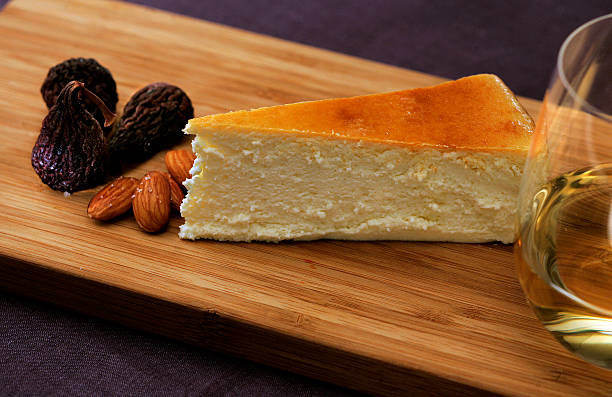
Light‑bodied Whites
Light‑bodied whites with bright acidity and subtle fruit can cut through the richness of cheesecake while complementing its creamy texture. Choose an unoaked Chardonnay or a crisp Sauvignon Blanc; their citrus notes highlight lemon or berry toppings.
A dry Riesling offers a mineral backbone that balances sweet cheese without overwhelming it. Serve slightly chilled (45‑50°F) to keep the wine refreshing. Pairing with a plain or fruit‑topped cheesecake enhances the dessert’s flavor layers, while the wine’s light body prevents the palate from feeling heavy.
This combination creates a harmonious bite‑and‑sip experience that feels elegant yet approachable. It also works well with a graham‑crust base, adding a subtle contrast to the buttery crust.
Semi‑sweet Reds
Semi‑sweet reds bring gentle tannins and ripe fruit flavors that pair beautifully with the dense, velvety mouthfeel of cheesecake. Opt for a Pinot Noir with a touch of residual sugar; its cherry and raspberry notes echo berry toppings while soft tannins keep the palate smooth.
A Gamay or a slightly off‑dry Zinfandel offers spice and jammy fruit that complement chocolate or caramel swirls. Serve at cellar temperature (55‑60°F) to allow the wine’s fruit to shine without becoming overly alcoholic.
This pairing enhances the cheesecake’s richness, creating a balanced contrast where the wine’s sweetness mirrors the dessert’s sugar, while the gentle acidity lifts the overall flavor profile.
Sparkling Wines
Sparkling wines add effervescence and bright acidity that cut through the creamy density of cheesecake, making each bite feel lighter. Choose a Brut Champagne or a dry Prosecco; their fine bubbles and citrus zest cleanse the palate between spoonfuls.
A slightly off‑dry Cava provides a hint of sweetness that pairs well with fruit‑topped or plain cheesecake without overwhelming it. Serve well‑chilled (40‑45°F) to maximize the refreshing fizz.
The lively carbonation lifts the dessert’s richness, while the wine’s minerality and subtle fruit notes echo vanilla or caramel flavors in the cheesecake. This dynamic duo creates an elegant, celebratory experience suitable for brunch or dessert parties.
Dessert Wines
Dessert wines are the classic match for cheesecake, offering concentrated sweetness that mirrors the dessert’s sugar while providing enough acidity to prevent cloying. A late‑harvest Riesling or an off‑dry Tokaji brings honeyed apricot and lime notes that enhance lemon‑flavored or plain cheesecake.
Sauternes or a rich Madeira adds caramel and nutty complexity, perfect for chocolate or caramel swirl varieties. Serve slightly chilled (50‑55°F) to keep the wine’s richness in balance. The wine’s viscous texture coats the palate, echoing the cheesecake’s creaminess, while its bright acidity lifts the overall taste.
This pairing delivers a luxurious finish that feels indulgent yet refined.
Tips for Matching Sweetness Levels

Balancing Sweetness
Start by matching the dessert’s sugar intensity with a wine that offers a comparable level of sweetness. Late‑harvest Riesling or Moscato d’Asti provide enough residual sugar to echo the cheesecake’s creamy sweetness without overwhelming it. If you prefer a red, choose a semi‑sweet Pinot Noir that balances fruit and sugar.
The goal is to keep the wine from tasting flat; a wine that is slightly sweeter than the cheesecake will highlight the dessert’s flavor while preserving a pleasant finish. Avoid ultra‑dry wines, as they can make the cheesecake seem cloyingly sweet.
Pairing this way also enhances the buttery crust and any fruit topping, creating a harmonious bite-to-sip experience.
Acidic Counterpoints
Acidity acts as a bright counterpoint to the rich, velvety texture of cheesecake. Choose sparkling options like Brut Champagne or Prosecco, whose crisp bubbles cut through the creaminess and refresh the palate. A dry Riesling offers lively acidity with subtle fruit notes that lift the dessert without adding extra sweetness.
The key is to select a wine whose acid level matches the richness of the cheese, creating a clean finish after each bite.
This balance prevents the dessert from feeling heavy and keeps the flavors lively, especially when the cheesecake includes citrus or berry toppings that benefit from an acidic lift.
Tannin Considerations
Tannins can clash with the smooth, buttery mouthfeel of cheesecake, so opt for wines with low or softened tannin structures. A light‑bodied Pinot Noir or Gamay from Beaujolais provides gentle fruit character while keeping tannins minimal, allowing the cheese to remain the star.
Even a soft, aged Merlot can work if its tannins have mellowed over time. The principle is to avoid high‑tannin reds like Cabernet Sauvignon or Syrah, which can introduce bitterness and a drying sensation that competes with the dessert’s creaminess.
By selecting low‑tannin options, you preserve the silky texture and let the cheesecake’s subtle flavors shine. These choices also pair nicely with any chocolate swirl or caramel drizzle.
Serving Temperature
Serving temperature dramatically influences how wine interacts with cheesecake. Chilled whites such as Riesling or Sauvignon Blanc should be served at 45‑50°F (7‑10°C) to emphasize their crisp acidity and keep the palate fresh.
Slightly cool reds like Pinot Noir are best at 55‑60°F (13‑16°C), allowing fruit aromas to emerge without accentuating tannins. Sparkling wines benefit from a full chill, around 40‑45°F (4‑7°C), to maximize bubble liveliness. Proper temperature ensures the wine’s flavors are neither muted nor overpowering, creating a harmonious bite‑and‑sip rhythm.
Use a wine thermometer or an ice bucket to achieve the ideal chill before serving. Serving the wine in a proper glass also helps concentrate aromas and enhances the overall experience.
Best Wine Choices for Classic Cheesecake
Riesling
Pair a crisp, off‑dry Riesling with classic cheesecake to balance the creamy sweetness. Choose a Riesling with bright acidity and subtle fruit notes like green apple or peach; this cuts through the rich dairy while echoing the dessert’s vanilla tones. Serve slightly chilled (45‑50°F) to keep the wine lively.
When selecting a bottle, look for labels from Germany’s Mosel or Alsace that indicate “Kabinett” or “Spätlese” for the right level of sweetness. Taste before serving to ensure the wine isn’t overly sugary, which could overwhelm the cheesecake’s delicate flavor.
Pair it with a slice that includes a light fruit topping, such as fresh berries, to enhance the wine’s aromatic profile and create a harmonious finish.
Moscato d’Asti
Select a lightly sparkling Moscato d’Asti to complement the sweet, velvety texture of classic cheesecake. Opt for a low‑alcohol (5‑6% ABV) version that offers fragrant notes of orange blossom, apricot, and honey, which mirror the dessert’s richness without overpowering it.
Serve chilled at 45‑50°F and pour a modest glass to keep the bubbles lively. When pairing, consider a cheesecake topped with a citrus glaze or a drizzle of honey; the wine’s subtle sweetness will accentuate those flavors.
Taste the wine first to confirm it isn’t too cloying, ensuring a balanced contrast that highlights both the wine’s fruitiness and the cheesecake’s creamy base.
Pinot Noir
Pair a light‑bodied Pinot Noir with classic cheesecake for an elegant, red‑wine twist. Choose a fruit‑forward Pinot with soft tannins, featuring cherry, raspberry, and subtle earthy notes that complement the dessert’s buttery crust and creamy filling.
Serve slightly cooler than room temperature (55‑60°F) to soften the wine’s structure and enhance its aromatic profile. A cheesecake topped with a berry compote or a hint of dark chocolate works especially well, as the wine’s red‑fruit flavors echo the toppings while its gentle acidity balances the richness.
Taste the wine beforehand to ensure the tannins are mellow; a smooth finish will create a harmonious pairing that elevates both the wine and the cheesecake.
Prosecco
Enjoy a crisp, dry Prosecco alongside classic cheesecake for a refreshing, effervescent match. Select a Brut or Extra‑Dry style that offers bright citrus, green apple, and subtle almond notes, which cut through the cheesecake’s richness while highlighting its vanilla undertones.
Serve well‑chilled at 45‑48°F and pour a generous flute to preserve the lively bubbles. Pair with a plain cheesecake or one topped with a light fruit coulis; the acidity and sparkle of the Prosecco will cleanse the palate between bites, keeping the dessert feeling light.
Taste the Prosecco before serving to confirm it has a clean finish; a balanced acidity will enhance the creamy texture and create a delightful, celebratory experience.
Best Wine Choices for Fruit‑Topped Cheesecake
Sauvignon Blanc
Sauvignon Blanc’s bright acidity and citrus‑forward profile make it a natural partner for fruit‑topped cheesecake. The wine’s green‑apple, lime, and tropical notes cut through the creamy richness, while its herbaceous undertones echo fresh berries or kiwi.
Serve it chilled (45‑50°F) to keep the palate lively and to prevent the dessert from feeling heavy. Pairing tip: choose a New Zealand or Loire Valley style for pronounced zest, or an oaked version for a subtle buttery finish that mirrors the cheesecake’s texture.
A glass alongside each slice keeps the flavors balanced, enhancing both the wine’s minerality and the dessert’s sweet‑tart fruit topping. Enjoy the synergy as the wine lifts the fruit’s brightness while soothing the richness of the cheese.
Rosé
Dry Rosé offers a delicate balance of red‑fruit aroma and crisp acidity that pairs beautifully with fruit‑topped cheesecake. Its strawberry, watermelon, and subtle floral notes echo the dessert’s berry compote, while the light body prevents the creamy layer from feeling cloying.
Serve chilled at 50‑55°F and consider a Provençal or Italian rosé for bright acidity and a hint of minerality. Serving suggestion: garnish the slice with a sprig of fresh mint to mirror the wine’s herbaceous edge, and sip slowly to let the wine’s subtle tannins cleanse the palate between bites.
If the cheesecake includes a citrus glaze, the rosé’s acidity will echo the orange or lemon zest, creating a harmonious contrast.
For a richer fruit topping like cherries or figs, opt for a slightly fuller‑bodied rosé from California’s Sonoma Coast, which offers a touch of stone‑fruit richness without overwhelming the dessert.
Tip: keep the portion size modest—one 4‑oz glass per slice—to maintain balance and let the wine’s crisp finish cleanse the palate for the next bite.
Gewürztraminer
Gewürztraminer’s aromatic intensity and gentle sweetness make it a standout match for fruit‑topped cheesecake, especially when the topping features tropical or stone fruits. The wine’s lychee, rose petal, and ginger notes complement mango, peach, or apricot layers, while its low acidity balances the dessert’s richness without washing out flavor.
Serve slightly chilled (55‑60°F) to preserve its perfume and allow the subtle spice to shine. Pairing advice: choose an Alsace or New World style with a touch of residual sugar for extra fruit‑forward character.
Adding a pinch of sea salt on the cheesecake crust can amplify the wine’s floral aromatics, creating a nuanced interplay between sweet, spicy, and savory.
Late Harvest Zinfandel
Late Harvest Zinfandel delivers a luscious, jam‑like sweetness that pairs effortlessly with fruit‑topped cheesecake, especially when the fruit is berries or dark stone fruits. Its ripe blackberry, plum, and cinnamon‑spice profile mirrors the dessert’s berry compote while the wine’s higher alcohol (13‑15%) adds warmth that cuts through the creamy cheese.
Serve at cellar temperature (60‑65°F) to showcase its full body and velvety texture. Serving tip: drizzle a thin ribbon of the wine over the cheesecake slice or accompany with a dollop of whipped mascarpone to echo the wine’s richness.
This pairing elevates the dessert’s indulgence, balancing sweet fruit, buttery crust, and the wine’s opulent, lingering finish.
Best Wine Choices for Chocolate Cheesecake
Cabernet Sauvignon
Pair a rich chocolate cheesecake with a Cabernet Sauvignon to balance the dessert’s sweetness with the wine’s firm tannins and dark fruit notes. Choose a young, fruit‑forward style that offers blackberry, plum, and a hint of vanilla, which echo the chocolate while cutting through the creamy texture.
Serve the wine slightly chilled (around 60°F) to soften the tannic edge and enhance its refreshing acidity. Key tip: avoid overly oak‑heavy Cabernets, as the heavy wood can clash with the cheesecake’s delicate flavor.
A glass of this wine alongside each slice creates a harmonious contrast, making each bite feel lighter and more indulgent.
Merlot
Merlot’s plush, velvety profile makes it an excellent companion for chocolate cheesecake, especially when the cake features a glossy ganache topping. Look for a Merlot with ripe raspberry, cherry, and soft chocolate undertones, which mirror the dessert’s flavors without overwhelming them.
The wine’s moderate acidity and low tannin structure keep the palate refreshed, preventing the richness from feeling cloying. Serving suggestion: chill the Merlot to about 55‑58°F, which highlights its fruit purity and softens any residual oak.
Pairing a single‑origin Merlot from a cooler climate can add subtle spice notes that enhance the cheesecake’s buttery crust, delivering a balanced, indulgent experience.
Port
Port, particularly a ruby or tawny style, pairs naturally with chocolate cheesecake due to its deep, sweet character and fortified strength. The wine’s concentrated black‑fruit flavors, caramel notes, and subtle nutty finish echo the richness of the cheesecake while adding a luxurious mouthfeel.
Choose a ruby Port for a fruit‑forward match that brightens the chocolate, or a tawny Port for caramel‑spice complexity that complements a nut‑infused crust. Serve Port slightly chilled (around 50‑55°F) to keep its sweetness in balance and to enhance its silky texture.
Pro tip: a small pour (2‑3 ounces) per slice ensures the wine’s intensity supports rather than overwhelms the dessert’s delicate balance.
Banyuls
Banyuls, a fortified sweet wine from the French Pyrenees, offers a perfect match for chocolate cheesecake with its luscious dark‑fruit and honeyed profile. The wine’s natural acidity balances the dessert’s creaminess, while its nutty, fig, and raisin nuances enhance the chocolate’s depth.
Opt for a Banyuls Grand Cru for a richer, more complex experience, or a Banyuls Sec for a slightly drier finish that won’t mask the cheesecake’s subtle vanilla notes. Serve chilled at 52‑55°F to preserve its aromatic freshness.
Key recommendation: pair each slice with a modest 2‑ounce glass, allowing the wine’s sweet intensity to complement the cake without overpowering its buttery crust.
How to Serve and Store Wine with Cheesecake
Proper Glassware
Choosing the right glass enhances aroma and flavor when you serve wine with cheesecake. Select a white‑wine glass with a slightly tapered rim for aromatic whites like Riesling or Moscato, allowing the sweet notes to concentrate.
If you prefer a light red such as Pinot Noir, a standard Burgundy glass works well, offering a broader bowl to showcase subtle fruit. Avoid overly large coupe glasses, which can dilute the wine’s perfume and make the dessert feel heavy.
Clean, crystal‑clear glassware also ensures no residual odors interfere with the delicate balance between the creamy cake and the wine’s acidity. Proper glassware sets the stage for a harmonious tasting experience.
Ideal Serving Temperature
Temperature is a silent partner in the wine‑cheesecake duet; serving too cold can mute flavors, while too warm can accentuate sweetness. White wines such as Late Harvest Riesling or Sauternes should be chilled to 45‑50°F (7‑10°C) to preserve crisp acidity that cuts through the rich cream cheese.
For light reds like Brachetto d’Acqui, aim for 55‑60°F (13‑16°C) to keep fruit forward without overwhelming the dessert. Use a wine‑preserver or ice bucket with a thin layer of ice to achieve precise control.
Allow the wine to sit for a minute after removal from the fridge so it warms slightly, releasing aromatic compounds that complement the cheesecake’s vanilla and fruit toppings.
Pairing Timing
The moment you introduce wine to a cheesecake slice can influence perception of both components. Serve the wine just before the first bite, allowing the palate to adjust to the wine’s acidity and sweetness. This prepares the tongue to appreciate the cake’s buttery texture and any fruit glaze.
If you wait until after a few bites, the lingering richness may mask subtle wine notes, especially with delicate whites.
For layered cheesecakes, consider a progressive pairing: start with a crisp Riesling for the plain base, then shift to a richer, slightly oaked Chardonnay as the fruit or chocolate layer appears. Timing the sip and bite creates a dynamic dialogue that heightens enjoyment.
Storing Leftover Wine
After the last slice, preserving the wine’s character ensures future enjoyment. Recork the bottle tightly or use a vacuum stopper to limit oxygen exposure, which can dull fruit flavors and increase bitterness.
Store white wines at refrigerator temperature (45‑50°F) and reds at a cooler cellar range (55‑60°F) rather than room temperature, slowing oxidation. If you have a wine preservation system, set it to maintain a low‑pressure environment for up to a week.
For sparkling wines, keep the bottle upright and use a specialized sparkling wine stopper to retain carbonation. Proper storage extends the wine’s life, allowing you to revisit the cheesecake pairing without compromising quality.
Frequently Asked Questions
What type of wine pairs best with classic New York cheesecake?
A sweet, aromatic wine like a late harvest Riesling or a Moscato d’Asti complements the creamy richness and buttery crust of classic New York cheesecake, balancing the dessert’s sweetness without overwhelming it.
Can a sparkling wine work with cheesecake?
Yes, a semi-sweet sparkling wine such as an Asti Spumante or a demi-sec Champagne adds bright acidity and effervescence that cut through the richness, making it a festive pairing for any cheesecake variety.
What wine should I choose for a fruit-topped cheesecake?
For fruit-topped cheesecakes, opt for a wine that mirrors the fruit flavors—try a chilled Gewürztraminer for tropical fruits, a rosé for berries, or a semi-sweet Pinot Noir for cherries, providing complementary fruit notes and a touch of acidity.
Is a fortified wine like Port appropriate with cheesecake?
A tawny or ruby Port works well with richer, chocolate or caramel cheesecakes, as its nutty, dried‑fruit flavors and higher alcohol content stand up to the dense texture and deep flavors.
Should I avoid dry reds with cheesecake?
Generally, dry reds such as Cabernet Sauvignon can clash with the creamy texture and sweetness of cheesecake, making the dessert taste more bitter; if you prefer red, choose a lighter, fruit‑forward wine like a Brachetto d’Acqui.
What about dessert wines from different regions?
Dessert wines like Sauternes from France, Tokaji Aszú from Hungary, or Icewine from Canada each bring honeyed acidity and complex fruit notes that enhance both plain and flavored cheesecakes, offering a luxurious finish.
How can I match wine sweetness to cheesecake sweetness?
Match the wine’s residual sugar to the cheesecake’s sugar level—use off‑dry or semi‑sweet wines for lightly sweetened cheesecakes and fully sweet wines for very sweet or topped varieties, ensuring the wine doesn’t taste overly dry or cloying.
Can I pair a white wine with a chocolate cheesecake?
A rich, buttery white like a barrel‑aged Chardonnay or a sweet Viognier can complement a chocolate cheesecake, providing creamy texture and enough body to stand up to the cocoa while adding a subtle fruit contrast.
Conclusion
Pairing wine with cheesecake is all about balancing richness, sweetness, and texture. Light, fruity reds like Brachetto or sparkling rosés highlight the creamy tang, while off‑dry whites such as Riesling or Moscato complement the dessert’s buttery crust. Remember to match the cheese’s flavor intensity and enjoy experimenting. With these tips, you’ll confidently select the perfect wine to elevate every slice.