What Wine Goes With Chicken Curry
Finding the perfect wine for chicken curry doesn’t have to be a guessing game. In the next few lines we’ll break down the flavor profile of the dish, explain why certain wine styles shine, and give you a shortlist of top picks you can grab today. Whether you prefer a crisp white, a fruity rosé, or a light red, we’ll match the spice level and sauce richness so you can sip confidently and enjoy every bite.
How to Choose the Right Wine for Chicken Curry
Assess the Curry’s Heat Level
Start by tasting the curry before you think about wine. Identify whether the heat is mild, medium, or fiery, because the spice intensity will dictate the wine’s acidity and fruit profile.
If the heat is mild, choose a wine with subtle fruit and gentle acidity, such as a Riesling off‑dry or a Pinot Gris, which will complement without overwhelming.
For medium heat, a wine with a touch more body and a hint of sweetness—think an off‑dry Gewürztraminer or a Chenin Blanc—helps to tame the spice while echoing aromatic notes.
When the curry is very hot, reach for a wine with pronounced sweetness and lower alcohol, like an ice‑wine or a late‑harvest Riesling, to create a cooling counterbalance. Keep the alcohol level moderate; high‑alcohol wines can amplify the heat, making the dish feel hotter than intended.
Consider the Sauce’s Sweetness
Examine the sauce to see if it leans toward sweet, tangy, or savory, because the wine’s residual sugar should mirror that profile.
If the sauce contains coconut milk, mango, or a touch of brown sugar, opt for a wine with a matching fruit‑forward character, such as an off‑dry Viognier or a semi‑sweet Albariño, which will echo the natural sweetness while preserving freshness.
When the sauce is predominantly tangy, like with tamarind or lime, a wine with bright acidity—think a dry Riesling or a Sauvignon Blanc—will cut through the tartness and keep the palate lively.
For a deeply savory, umami‑rich sauce, choose a wine with subtle fruit and moderate acidity, such as a lightly oaked Chardonnay or a Grenache Blanc, to add depth without clashing. Pairing the wine’s sugar level to the sauce’s sweetness ensures harmony and prevents one side from dominating the other.
Balance Alcohol Strength with Spice
Alcohol can amplify heat, so choose a wine whose alcohol level complements rather than intensifies the spice. Low‑to‑moderate alcohol (8‑11% ABV) wines, such as a crisp Pinot Grigio or a light-bodied Gamay, provide refreshing acidity without turning up the curry’s fire.
If you prefer a richer mouthfeel, select a wine with slightly higher alcohol but balanced by sweetness, like a demi‑sec Champagne or a slightly off‑dry Zinfandel, which offers body while the fruit sugar tempers the heat.
Avoid high‑alcohol, full‑bodied reds (e.g., Cabernet Sauvignon or Syrah) as they can make the dish feel hotter and mask delicate aromatics.
Instead, aim for a wine where the alcohol is subtle, the acidity is lively, and the fruit profile is pronounced, ensuring the wine lifts the curry’s complexity while keeping the spice at a comfortable level.
What Types of Wine Pair Well with Spicy Curry
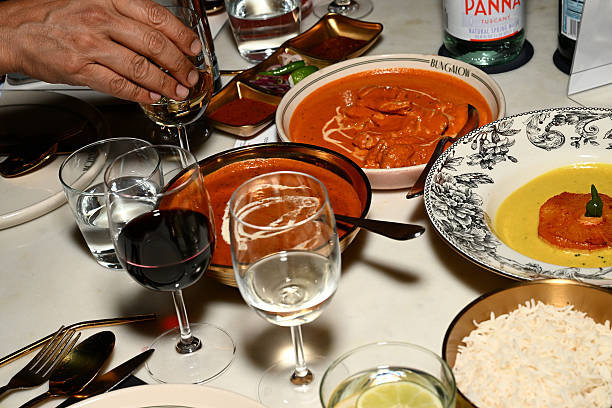
Off‑Dry Riesling
Off‑Dry Riesling is a classic match for chicken curry because its subtle sweetness balances the heat while its bright acidity cuts through the richness. Look for a Riesling with 2–5 g/L residual sugar; this level offers enough fruit to tame spice without overwhelming the dish.
Serve it chilled (45–50°F) to keep the palate refreshed. The wine’s citrus and stone‑fruit notes echo the curry’s lime and ginger, creating harmony. When choosing a bottle, opt for German Kabinett or Alsace off‑dry styles, which provide the right balance of sweetness, acidity, and minerality for a satisfying pairing.
Pair it with a side of basmati rice to let the wine’s crisp finish cleanse the palate between bites.
Gewürztraminer
Gewürztraminer’s aromatic intensity makes it a bold partner for chicken curry, especially when the dish features aromatic spices like cumin, coriander, and cardamom. Choose an off‑dry or semi‑sweet version to counterbalance the heat while highlighting the wine’s lychee and rose petal aromas.
Serve slightly cooler than room temperature (50–55°F) to preserve its fragrant profile. The wine’s low acidity and pronounced spice notes echo the curry’s complexity, creating a seamless dialogue on the palate.
Look for Alsace or German Gewürztraminer, which often have a touch of residual sugar that softens the peppery edge of the curry, making each bite feel more integrated.
Rosé Options
Rosé wines offer a versatile bridge between white and red, making them a refreshing choice for chicken curry with a moderate spice level. Select a dry or slightly off‑dry rosé that showcases red‑fruit flavors like strawberry, watermelon, and a hint of citrus. Serve chilled (50–55°F) to keep the palate lively.
The wine’s bright acidity cuts through the coconut or tomato base, while its subtle fruit sweetness softens the heat without masking the curry’s spices.
Look for Provençal rosé or a New World style such as a Pinot Noir‑based rosé, which provide a clean finish and enough body to stand up to the dish’s richness.
Light‑bodied Reds
Light‑bodied red wines can complement chicken curry when you prefer a red that won’t overwhelm the spice. Opt for a Pinot Noir, Gamay (Beaujolais), or a young Tempranillo with soft tannins and bright fruit. Serve slightly chilled (55–60°F) to accentuate freshness.
The wine’s red‑berry and cherry notes echo the sweet undertones of the curry, while its moderate acidity balances the heat and cuts through any creamy sauce. Choose a fruit‑forward style with low oak influence to keep the palate clean.
Pairing a Beaujolais Nouveau or a cool‑climate Pinot Noir with the curry creates a harmonious blend where the wine enhances the dish’s aromatic profile without competing.
Tips for Matching Wine Acidity with Curry Flavors
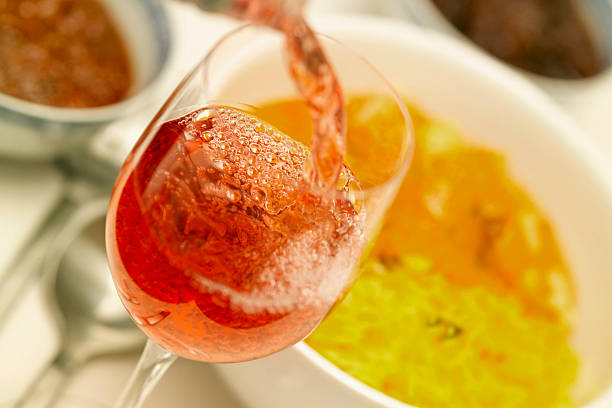
Why Acidity Cuts Heat
Acidity acts like a palate cleanser, slicing through the spice heat of chicken curry and preventing the dish from feeling overwhelming. Select wines with a crisp, lively acidity—such as Sauvignon Blanc, Riesling, or a dry rosé—to balance the peppery and chili notes.
The bright acidity lifts the aromatic herbs and coconut milk, creating a harmonious contrast that keeps the flavors vibrant. When the wine’s acidity matches the curry’s tanginess, the heat is perceived as less aggressive, allowing you to enjoy the complex spice blend longer.
Taste a sip before serving: if the wine feels sharp enough to make your mouth water, it will likely tame the curry’s fire. Remember, the goal isn’t to mute the spice but to provide a refreshing counterpoint that enhances both the wine and the chicken curry.
Serve the wine slightly chilled, around 45‑50°F, to preserve its crisp edge and ensure it stays lively against the warm, spiced broth.
Choosing Wines with Bright Citrus Notes
Bright citrus notes in wine echo the lemon, lime, or tamarind accents often found in chicken curry, creating a seamless flavor bridge. Choose varieties that showcase grapefruit, green apple, or Meyer lemon aromatics, such as a New Zealand Sauvignon Blanc, an Albariño, or an off‑dry Gewürztraminer.
These wines deliver a zing that mirrors the curry’s tang while the acidity lifts the richness of the sauce.
When pairing, pour a small tasting glass and note whether the citrus burst in the wine complements the curry’s own zest; if it does, the combination will feel cohesive rather than competing.
Adjust the wine’s sweetness level if the curry leans heavily on heat— a touch of residual sugar can soften the spice without drowning the dish. Aim for a balance where the citrus‑forward wine brightens each bite of chicken, herbs, and spices, making the meal feel lighter and more refreshing.
Pairing with Tomato‑Based Curries
Tomato‑based chicken curries bring acidity and umami that pair naturally with wines offering similar fruit‑forward profiles and moderate tannins. Opt for light‑to‑medium reds like a Chianti Classico, a Grenache‑based rosé, or a Pinot Noir with ripe cherry and plum notes.
These wines provide enough acidity to echo the tomato’s tang while their gentle tannic structure won’t overpower the delicate chicken. Before serving, taste a spoonful of the sauce and a sip of the wine; if the wine’s fruit mirrors the sauce’s tomato‑sweetness, the pairing will feel integrated.
Consider a slight chill—around 55°F—for reds to keep their fruit crisp and to enhance the refreshing contrast against the warm curry.
By matching the wine’s acidity to the tomato base, you create a harmonious loop where each sip lifts the sauce and each bite accentuates the wine’s fruit, delivering a balanced, satisfying dining experience.
Best White Wines for Chicken Curry
Riesling: Sweet vs. Dry
Riesling is a classic match for chicken curry because its bright acidity balances spice while its fruit notes echo the dish’s sweetness. Choose a dry Riesling if you prefer a crisp, mineral finish that cuts through heat without adding extra sugar.
A dry style from Alsace or Germany’s Mosel will highlight citrus and green apple flavors, keeping the palate refreshed. Opt for an off‑dry or semi‑sweet Riesling when the curry includes coconut milk, mango, or a sweeter glaze; the subtle residual sugar softens the heat and mirrors the sauce’s richness.
Serve the wine chilled at 45‑50°F and sip between bites to let the acidity cleanse your palate. This approach ensures the wine supports the curry’s complexity rather than overwhelming it, creating a harmonious dining experience. Pair it with basmati rice and a side of cooling raita for extra balance.
Sauvignon Blanc with Herbaceous Curry
Sauvignon Blanc shines alongside herb‑forward chicken curries that feature cilantro, mint, or lemongrass, thanks to its grassy aromatics and razor‑sharp acidity. Select a New Zealand Sauvignon Blanc for pronounced tropical notes of passionfruit and lime that echo the curry’s bright herbs, while its zesty backbone keeps the heat in check.
If you favor a more restrained profile, a French Loire Valley Sancerre offers flinty minerality and subtle green‑apple nuance, complementing milder spice levels without overpowering delicate flavors. Chill the wine to 48‑52°F and serve in a narrow glass to concentrate its fragrant bouquet.
Take small sips between bites to let the citrus‑driven acidity cleanse the palate, allowing each herb‑laden spoonful to stand out. This pairing also works well with side dishes like cucumber salad or toasted naan, reinforcing the fresh, vibrant character of the meal.
Pinot Gris for Creamy Sauces
Pinot Gris pairs beautifully with chicken curry that incorporates creamy elements such as coconut milk, yogurt, or a cashew‑based sauce, because its rounded mouthfeel and subtle spice echo the dish’s richness.
Opt for an Italian Pinot Grigio from the Alto Adige region, where bright pear and almond notes add a gentle fruit lift while the wine’s moderate acidity prevents the sauce from feeling heavy.
For a more aromatic option, an Oregon Pinot Gris offers honeyed apricot and a hint of ginger that mirrors the curry’s warm spices, creating a seamless flavor bridge. Serve the wine slightly cooler than room temperature, around 50‑54°F, and use a larger glass to allow its aromatic profile to develop.
Alternate bites of curry with sips of Pinot Gris to let the wine’s silky texture soften the heat and highlight the sauce’s buttery nuances. This strategy ensures the wine enhances rather than competes with the creamy curry, delivering a balanced and satisfying dining experience.
Best Red Wines for Chicken Curry
Pinot Noir for Mild Heat
Pinot Noir’s light‑to‑medium body and bright acidity make it a natural partner for chicken curry that leans toward gentle heat. The wine’s subtle red‑fruit aromas—cherry, raspberry, and a whisper of cranberry—mirror the sweet undertones of many curry sauces without overwhelming the dish without.
Soft tannins help soften the spice, while a touch of earthiness complements the aromatic herbs such as cilantro and cumin. Serve the wine slightly chilled, around 55‑60°F, to enhance its refreshing character and keep the palate lively between bites.
Look for bottles from cooler climate regions like Burgundy, Oregon, or New Zealand’s Central Otago, where the fruit remains crisp and the minerality is pronounced.
This pairing works especially well with coconut‑based curries or those featuring tomatoes, allowing the wine to lift the flavors and provide a balanced finish for dinner.
Gamay (Beaujolais) for Fruitiness
Gamay, the grape behind Beaujolais, delivers a lively burst of fruit that can stand up to the bright, tangy notes often found in Indian‑style chicken curry. Its signature flavors of strawberry, red plum, and a hint of banana create a playful contrast to the curry’s citrus zest and ginger kick.
Low tannins ensure the wine never competes with the spice, while a crisp acidity cuts through the richness of coconut milk or cream, refreshing the palate after each spoonful. Serve the wine slightly chilled, around 50‑55°F, to accentuate its juicy character.
Opt for a Beaujolais Villages or a Cru Beaujolais such as Morgon, which offers a bit more structure without sacrificing fruit intensity. This pairing shines with curries that incorporate tamarind or lime, as the wine’s natural sweetness balances the sour elements and highlights the dish’s aromatic complexity.
Zinfandel for Rich, Sweet Curries
Zinfandel’s bold, jammy profile makes it an excellent match for chicken curry that leans toward richer, sweeter sauces, such as those featuring caramelized onions, raisins, or a touch of honey.
The wine’s ripe blackberry, black pepper, and subtle spice notes echo the depth of a slow‑cooked curry, while its higher alcohol content adds warmth that mirrors the dish’s comforting heat.
Full‑body tannins provide enough structure to hold up against the sauce’s viscosity, and a lingering finish helps cleanse the palate between bites. Serve Zinfandel slightly below room temperature, around 60‑65°F, to soften its intensity and reveal its nuanced fruit.
Choose a California Zinfandel from regions like Sonoma or Paso Robles, where the fruit is balanced by a firm backbone. This pairing is particularly rewarding with curries that incorporate sweet potatoes, apricots, or a splash of coconut cream, creating a harmonious blend of sweet, spicy, and savory flavors.
How to Serve Wine with Chicken Curry
Ideal Serving Temperature
Serve your wine slightly chilled to balance the heat of the curry without muting its aromatic complexity. For white wines such as Riesling or Gewürztraminer, aim for 45‑50°F (7‑10°C); this coolness highlights their bright acidity and tropical fruit notes, which cut through the spice.
If you prefer a light red like Pinot Noir, target a slightly warmer 55‑60°F (13‑16°C) to keep tannins soft and fruit forward. Avoid overly cold temperatures, which can dull flavors, and steer clear of room‑temperature reds that may feel heavy against the curry’s heat.
Use a wine fridge or an ice bucket with a few minutes of chilling, then check with a thermometer. Adjust the temperature a degree or two based on personal preference and the specific heat level of your dish, ensuring the wine remains refreshing and complementary throughout the meal.
Glassware Recommendations
Choosing the right glass enhances the wine’s expression and helps it pair smoothly with chicken curry. For aromatic whites like Riesling, a tulip‑shaped glass with a narrow rim concentrates the perfume and directs the crisp acidity onto the palate, making the spice feel brighter.
If you opt for a lightly oaked Chardonnay, a slightly larger, rounded bowl allows subtle oak and buttery notes to unfold without overwhelming the dish.
When serving a delicate red such as Pinot Noir, a classic Burgundy glass with a wide bowl and tapered opening showcases the wine’s soft tannins and fruit aromatics, creating a harmonious bridge to the curry’s complex flavors.
Avoid overly large, heavy glasses that can disperse aromas too quickly, and steer clear of narrow, flute‑style vessels that suppress the wine’s body. Matching glass shape to the wine style ensures each sip delivers balance, freshness, and a pleasant contrast to the heat of the curry.
Timing the Wine Pour
Timing the wine pour can elevate the dining experience and keep the flavors of chicken curry and wine in sync.
Begin by uncorking or opening the bottle 15‑20 minutes before the first bite, allowing a white like Gewürztraminer to breathe and release its floral and lychee notes, which will soften the curry’s heat.
For a light red, give it a brief 5‑10 minute aeration in a decanter or simply swirl it in the glass to open up fruit aromas. Serve the first glass as the curry arrives, letting the wine’s acidity cleanse the palate and prepare it for the next spoonful.
Refill the glass only after the previous pour is nearly finished; this prevents the wine from warming too quickly and maintains its intended temperature. By coordinating the pour with each course, you ensure a continuous dialogue between spice and sip, enhancing enjoyment from start to finish.
Common Mistakes to Avoid When Pairing Wine and Curry
Overpowering Heavy Reds
Heavy red wines such as Cabernet Sauvignon or Syrah can dominate the delicate spices of chicken curry, leaving the dish muted and the wine tasting overly tannic. Avoid selecting wines with high alcohol and intense oak because they clash with the curry’s bright heat and aromatic herbs.
Instead, opt for lighter reds or rosés that offer fruit freshness without overwhelming the palate. When a red is your only option, choose a Pinot Noir or a Gamay, which provide soft tannins and bright acidity that complement the chicken’s tenderness.
Remember to keep the wine’s body in check; a wine that feels too full will mask the subtle coconut or tomato base typical in many chicken curries. By steering clear of heavyweight reds, you preserve the balance between spice, protein, and wine, allowing each element to shine.
Choosing Too Dry Wines
Dry white wines like Sauvignon Blanc or Pinot Grigio can feel austere alongside the creamy, mildly sweet notes of many chicken curries, especially those with coconut milk or mango chutney.
Avoid wines with excessive acidity and minimal residual sugar, as they may accentuate the heat and make the dish taste harsher. Instead, select off‑dry whites such as Riesling, Gewürztraminer, or a lightly sweet Chenin Blanc, which provide a gentle sweetness that mirrors the curry’s subtle sweet‑spicy balance.
Look for aromatic profiles that echo ginger, lemongrass, or citrus, because these scents bridge the flavor gap between wine and spice. A wine with a modest alcohol level (around 11‑12%) will not overpower the chicken’s tenderness, while its fruit‑forward character will enhance the herbs and tomato base.
By steering clear of overly dry selections, you keep the palate refreshed and the curry’s nuanced flavors intact.
Ignoring Regional Flavor Profiles
Chicken curry varies widely across India, Thailand, and the Caribbean, each bringing distinct herbs, chilies, and aromatics. Skipping the regional context leads to mismatched wine choices that either drown the spice or clash with native ingredients.
For an Indian‑style curry with garam masala, cumin, and tomato, a slightly off‑dry Riesling or a fragrant Viognier works because its floral notes echo cardamom and coriander while its gentle sweetness softens the heat.
In Thai green curry, where lemongrass, kaffir lime, and fresh chilies dominate, a crisp Grüner Veltliner or a lightly sweet Albariño offers bright acidity that cuts through coconut milk without overwhelming the citrusy profile.
Caribbean chicken curry often includes allspice, scotch bonnet pepper, and tropical fruit; here a medium‑bodied, fruit‑forward Zinfandel with low tannins or a semi‑sweet Malbec can complement the sweet‑spicy rhythm. Match the wine’s aromatics to the curry’s key spices for harmony rather than conflict.
Frequently Asked Questions
What type of wine pairs best with chicken curry?
A slightly off‑dry white wine, such as Riesling or Gewürztraminer, complements the spice and balances the heat without overwhelming the chicken.
Can I use red wine with chicken curry?
Yes, a light‑bodied red like Pinot Noir or a fruit‑forward Gamay works if you prefer red, but keep the tannins low to avoid clashing with the spices.
Should I choose a wine with high acidity for chicken curry?
High acidity helps cut through the richness and brightens the flavors, so wines like Sauvignon Blanc or a crisp Chenin Blanc are good choices.
Is a sparkling wine a good match for chicken curry?
Dry sparkling wines, such as Brut Champagne or Prosecco, provide refreshing bubbles and acidity that can temper the curry’s heat and add a festive touch.
How does the level of spiciness affect wine selection?
Milder curries allow for more aromatic wines, while very spicy dishes benefit from wines with a hint of sweetness, like an off‑dry Riesling, to soothe the palate.
Are there any specific wine regions known for pairing well with chicken curry?
German Rieslings from the Mosel and Alsace Gewürztraminers are renowned for their balance of sweetness and acidity, making them classic companions for spiced chicken dishes.
Conclusion
When pairing wine with chicken curry, balance the dish’s spice and richness with a wine that offers bright acidity, gentle sweetness, or subtle fruit. Off‑dry Rieslings, aromatic Gewürztraminers, and crisp Sauvignon Blancs complement milder sauces, while light reds such as Pinot Noir or Gamay work well with bolder heat. A versatile rosé can bridge both worlds. Experiment and enjoy discovering your perfect match!