
How To Remove Coffee Stains From Metal Mug
Wondering how to remove coffee stains from metal mug? Those stubborn rings are a common problem, leaving your favorite mug looking dingy. You’re in the right place! This guide offers effective, simple methods to restore your metal mug’s shine. Discover how common household items can easily banish those marks, ensuring your mug looks brand new without harsh scrubbing. Get ready for a spotless interior.
Getting Rid of Coffee Stains on Metal Mugs
Why Coffee Stains Appear on Mugs
When hot coffee sits in a metal mug, especially over time, the tannins, natural plant compounds responsible for coffee’s dark color and slightly bitter taste, can adhere to the microscopic pores and surface imperfections of the metal.
This adhesion creates a brownish film that becomes more pronounced with repeated use and exposure to heat. The porous nature of certain metal finishes, even those appearing smooth, allows these pigments to deeply embed themselves, making them resistant to simple rinsing or light scrubbing.
These stains are a common occurrence, not indicative of a faulty mug, but rather a natural chemical reaction that signifies frequent enjoyment of your favorite brew.
Understanding that these are tenacious organic compounds helps in choosing effective cleaning methods that go beyond basic dishwashing, targeting the breakdown of these embedded residues for a truly clean finish.
Quick Overview of Cleaning Methods
Several effective methods can quickly tackle coffee stains on metal mugs.
One popular option is a baking soda paste: mix a small amount of baking soda with water to form a thick paste, apply it to the stained areas, let it sit for 15-30 minutes, then scrub gently with a non-abrasive sponge before rinsing thoroughly.
Another powerful solution involves a white vinegar soak: fill the mug with equal parts white vinegar and hot water, allowing it to sit for several hours or even overnight to let the acid dissolve the stubborn residues.
For a hands-off approach, denture tablets are surprisingly effective; drop one or two into the mug, fill with hot water, and let the effervescent action do the work, leaving it to soak for 30 minutes to overnight.
Finally, for tougher spots, a scrub with lemon juice and coarse salt can provide both acidic and abrasive action. Each method offers a unique way to restore your mug’s original shine.
Benefits of a Clean Metal Mug
A clean metal mug significantly enhances your daily coffee experience by ensuring optimal flavor purity. Residual coffee oils and tannins can impart a stale, bitter taste to fresh beverages, compromising their intended profile.
Beyond taste, a spotless mug promotes superior hygiene, preventing the accumulation of bacteria and unpleasant odors that can develop in stained surfaces.
Regular deep cleaning also contributes to the longevity of your mug, inhibiting potential corrosion or pitting that can occur from prolonged contact with acidic coffee residues, especially on certain metal finishes. Furthermore, a sparkling clean mug simply looks more appealing and professional, reflecting a sense of care and attention.
Maintaining its pristine condition means you can enjoy your favorite drinks without compromise, making each sip as fresh and enjoyable as the first, while extending the life of a valuable, reusable item.
Understanding How Stains Form on Metal

The Chemistry of Coffee Stains
Coffee stains are primarily composed of tannins, a group of complex polyphenolic compounds naturally abundant in coffee beans. These organic molecules are responsible for coffee’s characteristic dark color and slight bitterness.
When hot coffee interacts with a metal surface, these tannins possess a strong affinity to bind to the material at a molecular level, often through hydrogen bonding or van der Waals forces. Their chromophore groups absorb and reflect specific wavelengths of light, resulting in the persistent dark brown residue.
The acidic nature of coffee also plays a role; it can subtly etch or modify the microscopic surface of the metal, creating more binding sites for these stubborn organic compounds.
This strong chemical interaction between the polyphenols and the metal’s surface explains why coffee stains can become deeply embedded and challenging to remove without specific cleaning agents designed to break these bonds or lift the pigment. Understanding this chemical adherence is key to selecting appropriate removal methods.
How Metal Surfaces React to Coffee
Metal mugs, commonly made of stainless steel, aluminum, or copper, present varying surfaces for coffee interaction. Stainless steel, often used for its non-reactive properties, still possesses microscopic pores and grain boundaries where coffee tannins can settle.
Its passive oxide layer can be compromised by coffee’s acidity over time, potentially leading to increased adhesion points. Aluminum, being more reactive, might show stains more readily due to its own oxide layer being less stable.
The key issue is the surface roughness or imperfections; even seemingly smooth metal has microscopic irregularities that act as anchors for the stain molecules. Scratches and abrasive wear significantly increase the surface area and provide deeper crevices for tannins to embed, making removal harder.
The temperature of the coffee also accelerates this binding process, as heat increases molecular motion and reactivity, allowing stains to set more quickly into the metal’s matrix rather than just sitting on the surface.
Factors Making Stains Worse
Several factors significantly contribute to the severity and persistence of coffee stains on metal mugs. Leaving coffee in the mug for extended periods is a primary culprit, as it provides ample time for the tannins to deeply bond with the metal surface, allowing them to oxidize and become more ingrained.
The temperature of the coffee also plays a critical role; hot liquids generally accelerate chemical reactions, meaning a hot coffee stain will set more quickly and stubbornly than a cold one.
Hard water used for rinsing or brewing can deposit mineral residues, which then act as additional binding sites, trapping coffee pigments and making stains more difficult to dislodge.
Furthermore, scratched or worn metal surfaces provide increased porosity and microscopic grooves, offering more adhesion points for the tannins to embed, rendering them highly resistant to simple washing. Infrequent or delayed cleaning allows stains to dry and cure, making them significantly harder to remove later.
First Steps for Cleaning Stained Mugs
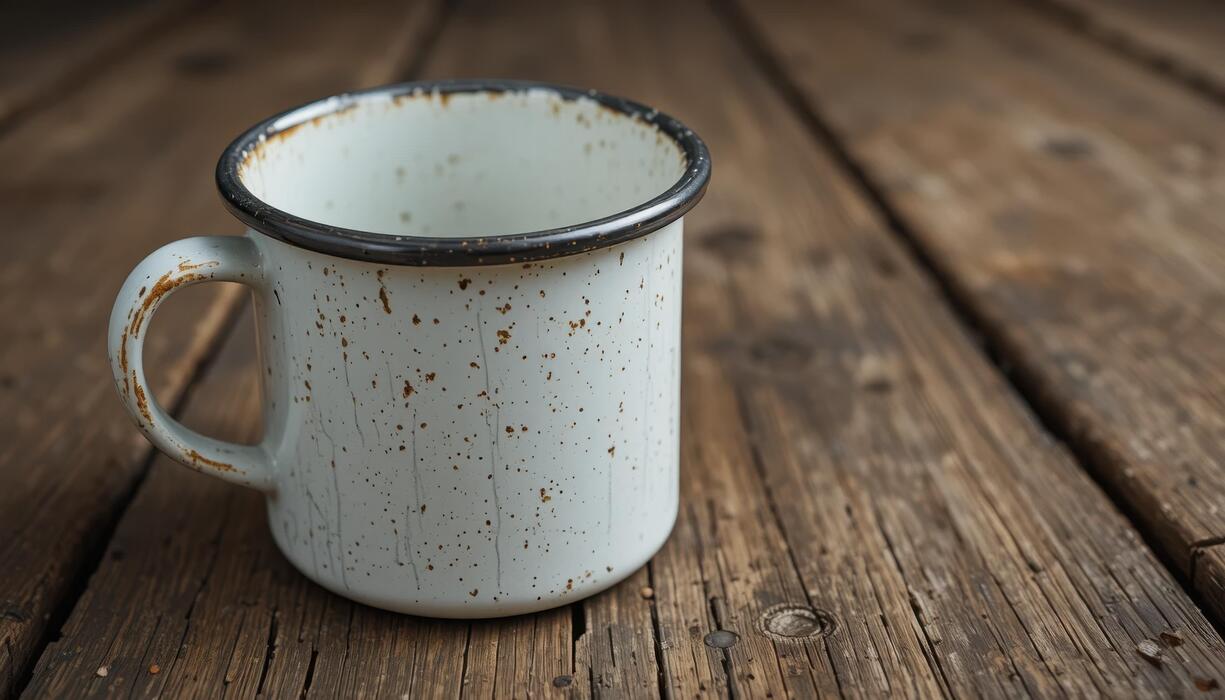
Emptying and Rinsing Your Mug
After enjoying your beverage, the very first step in preventing stubborn coffee stains on your metal mug is to empty it completely and then rinse it out immediately.
Do not let residual coffee or tea sit in the mug for extended periods, as the tannins and oils in these drinks can quickly begin to etch or discolor the metal surface, making future cleaning much harder.
Use cold water for this initial rinse, as hot water can sometimes “bake” fresh stains onto the metal, especially if the mug is already warm. Swirl the water around vigorously to dislodge any loose coffee grounds, tea leaves, or liquid residue.
This proactive step significantly reduces the likelihood of stains setting and ensures that any subsequent cleaning efforts will be far more effective and less strenuous. Prompt rinsing is key to maintaining your mug’s pristine appearance.
Basic Soap and Water Wash
Once your metal mug has been emptied and given an initial rinse, proceed with a basic wash using warm water and mild dish soap.
Fill the mug with warm water, add a small amount of liquid dish soap, and let it sit for a minute or two to allow the soap to begin breaking down any remaining coffee residue.
The warm water helps to dissolve sugars and oils, while the dish soap emulsifies the organic compounds responsible for staining. Use a soft sponge or a non-abrasive brush to gently scrub the interior and exterior of the mug.
Pay particular attention to the bottom and sides where coffee often settles and leaves rings. Avoid using steel wool or highly abrasive scrubbers, as these can scratch the metal surface and make it more prone to future staining. Rinse thoroughly with clean water until all soap suds are gone.
When to Use Simple Cleaning
The combination of prompt emptying, immediate rinsing, and a basic soap and water wash is often all that’s needed to keep your metal mug stain-free. These simple cleaning methods are highly effective for everyday maintenance and for tackling coffee stains that are freshly formed or appear as light discoloration.
If you make it a habit to clean your mug right after you finish your drink, or at the very least within a few hours, you will find that these basic steps are usually sufficient.
They are ideal for preventing the buildup of tough, dried-on residues that require more aggressive cleaning agents and can potentially damage the mug’s finish. Consistent, simple cleaning routines are the best defense against stubborn stains and ensure your metal mug remains hygienic and attractive for longer.
Home Remedies for Coffee Stain Removal
Baking Soda Paste Method
For a simple yet effective solution, create a paste using baking soda and a small amount of water. Mix these ingredients until you achieve a thick consistency. Apply this paste directly to the coffee stains inside your metal mug, ensuring the stained areas are fully covered.
Let the paste sit for 15-30 minutes, allowing the baking soda to work on breaking down the coffee residues. After the waiting period, use a soft brush or sponge to gently scrub the stained areas.
The mild abrasive nature of baking soda helps lift the stains without scratching the metal surface. Finally, rinse the mug thoroughly with warm water to reveal a cleaner, stain-free interior. This method is excellent for fresh or moderately set stains.
White Vinegar Soak Technique
White vinegar is a powerful natural cleaner and deodorizer, perfect for tackling stubborn coffee stains in metal mugs. Begin by filling your mug with undiluted white vinegar, ensuring the liquid covers all the stained areas.
For particularly tough or old stains, you can add a tablespoon of baking soda to the vinegar for an effervescent boost. Let the mug soak for at least 30 minutes, or preferably overnight for best results. The acetic acid in the vinegar will break down the coffee oils and pigments.
After soaking, empty the vinegar and scrub the interior with a brush or sponge. You’ll find the stains much easier to remove. Finish by rinsing thoroughly with water and washing with your usual dish soap to remove any lingering vinegar smell.
Lemon Juice and Salt Scrub
Combine the natural bleaching power of lemon with the abrasive action of salt for a potent stain remover. Start by squeezing fresh lemon juice directly onto the coffee stains inside your metal mug, or create a paste using lemon juice and a small amount of water.
Next, sprinkle a generous amount of table salt over the lemon juice, ensuring it adheres to the stained surfaces. The salt acts as a gentle scrubber, while the citric acid in the lemon juice works to dissolve and bleach away the coffee residue.
Use a clean cloth or sponge to scrub the stains firmly in a circular motion. Let it sit for 5-10 minutes before scrubbing again. Rinse the mug thoroughly to wash away the salt, lemon, and lifted stains, leaving your mug sparkling clean.
Denture Tablets for Deep Stains
For those deeply ingrained or neglected coffee stains in your metal mug, denture cleaning tablets offer an incredibly effective and hands-off solution. Simply fill your stained metal mug with warm water, ensuring the water level is above all stained areas.
Then, drop one or two denture cleaning tablets into the water. The tablets will begin to fizz vigorously, releasing powerful cleaning agents that break down tough stains and odors without requiring any scrubbing. Let the tablets work their magic for 15-30 minutes, or even longer for very stubborn stains.
Once the fizzing stops and the water has cooled, pour out the solution and rinse the mug thoroughly with clean water. A quick wipe with a sponge will remove any remaining residue, restoring your mug’s original shine.
Advanced Cleaning for Tough Coffee Stains

Using Hydrogen Peroxide Safely
Hydrogen peroxide is an excellent, environmentally friendly option for tackling stubborn coffee stains in metal mugs, particularly those made of stainless steel. To use it effectively and safely, start by ensuring your mug is empty and dry.
Pour a small amount of 3% hydrogen peroxide directly into the stained mug, just enough to cover the stained areas. Allow it to sit for 15-30 minutes, or even up to an hour for very tough, old stains.
The peroxide will begin to break down the organic compounds in the coffee. Afterwards, use a non-abrasive sponge or bottle brush to gently scrub the interior. You’ll likely see the stains lift away easily. Always wear gloves to protect your hands and ensure good ventilation.
Rinse the mug thoroughly with warm water several times to remove any residual peroxide before use. This method is particularly effective for lifting dark rings without harsh chemicals.
Oxygen Bleach (e.g., OxiClean) Solutions
For deeply embedded coffee stains that hydrogen peroxide might not fully remove, oxygen bleach products like OxiClean offer a powerful solution for metal mugs. Begin by filling your stained metal mug with hot water, almost to the brim.
Then, add one to two tablespoons of oxygen bleach powder (following product instructions for concentration) and stir gently until it dissolves. The hot water activates the oxygen bleach, releasing oxygen bubbles that safely lift and break down organic stains without corrosive effects on most metals.
Let the solution soak in the mug for several hours, or even overnight for extremely stubborn stains. After soaking, empty the mug and scrub the remaining residue with a soft brush or sponge.
Rinse the mug thoroughly with clean water, ensuring all bleach residue is removed before using it for beverages. This method is highly effective and generally safe for stainless steel and other common mug metals.
Specialized Stainless Steel Cleaners
When dealing with coffee stains on stainless steel mugs, specialized stainless steel cleaners can offer both stain removal and surface restoration benefits. These products are formulated to clean without scratching and often contain polishing agents. Always choose a cleaner specifically designed for food-contact stainless steel to ensure safety.
Apply a small amount of the cleaner onto a soft, clean cloth or sponge. Gently rub the stained areas, often working in the direction of the metal’s grain to prevent streaking or minor scratches.
For tougher stains, you might need to let the product sit for a few minutes as directed by the manufacturer. After scrubbing, wipe the mug clean with a damp cloth to remove all cleaner residue.
Finally, buff the mug with a dry, soft cloth to restore its shine and prevent water spots. These cleaners not only remove stains but also help maintain the mug’s aesthetic appeal and protect its surface from future discoloration.
Stop Coffee Stains Before They Start
Rinse Your Mug Right Away
The most effective strategy to prevent coffee stains from embedding themselves in your metal mug is to rinse immediately after you finish your drink. Don’t let residual coffee sit and dry. As soon as you’ve taken your last sip, head to the nearest sink.
A quick swish with cold water is often enough to dislodge most of the coffee residue before it can adhere to the mug’s surface.
While hot water might seem intuitively better for cleaning, cold water helps prevent the coffee particles from ‘baking’ onto the metal, especially if the mug is still warm.
This simple act takes mere seconds but makes a significant difference in preventing the dark, stubborn rings that become increasingly difficult to remove over time.
Make it a habit: simple swish and dump, and you’ll dramatically reduce the need for intensive scrubbing later, maintaining your mug’s pristine appearance and preventing buildup from day one. This initial rinse is your first line of defense against staining.
Daily Cleaning Habits
Beyond the immediate rinse, establishing consistent daily cleaning habits is crucial for keeping your metal mug stain-free long-term. At the end of each day, or after its final use, give your mug a proper wash with gentle dish soap and warm water.
Use a soft sponge or a non-abrasive brush to gently scrub the interior, paying particular attention to the bottom and sides where coffee tends to accumulate.
Avoid abrasive scrubbers like steel wool or harsh scouring pads, as these can scratch the metal surface, creating microscopic grooves where coffee particles can get trapped and make future stains even harder to remove.
After washing, rinse thoroughly to remove all soap residue and allow the mug to thoroughly air dry upside down to prevent water spots and inhibit bacterial growth.
This daily cleaning routine ensures that any minor residues missed by the initial rinse are completely removed, preserving the mug’s original shine and preventing the gradual accumulation of stubborn coffee stains.
Choosing Stain-Resistant Mugs
While proper cleaning is paramount, you can also proactively ‘stop stains before they start’ by choosing the right type of metal mug.
Opt for mugs made from high-quality stainless steel, specifically food-grade 18/8 or 18/10 stainless steel, which offers superior corrosion resistance and a smoother surface less prone to staining compared to lower-grade metals.
Look for mugs with a smooth polished interior finish; rough or brushed finishes can provide more surface area for coffee particles to cling to.
Some premium metal mugs feature ceramic-lined interiors, which combine the durability of metal with the non-staining properties of ceramic, making them exceptionally easy to clean and highly resistant to coffee discoloration. Always ensure the mug is made from food-grade materials that won’t react with your coffee or leach chemicals.
Investing in mugs from reputable manufacturers known for quality construction will generally provide a better, more stain-resistant product, significantly reducing your cleaning effort and maintaining a pristine look for longer.
Keeping Your Metal Mug Clean Long-Term
Proper Drying After Washing
To truly keep your metal mug pristine and prevent those stubborn coffee stains from taking hold, proper drying after washing is paramount.
Allowing a mug to air dry often leaves behind hard water spots and mineral deposits, which, while not coffee stains themselves, can create a rough surface where coffee residues more easily adhere and become embedded.
After thoroughly washing your mug, whether by hand or dishwasher, make it a habit to immediately towel dry it using a clean, soft, lint-free cloth. This action effectively removes all residual moisture and any potential mineral traces before they can settle and etch onto the metal.
For stainless steel, this helps maintain its natural shine and non-porous integrity, making it significantly harder for coffee pigments to bond.
Ensuring the mug is bone-dry before storing is a simple yet incredibly effective strategy for long-term stain prevention and preserving your mug’s spotless appearance, directly contributing to easier future cleaning.
Storing Mugs to Prevent Stains
Proper storage significantly contributes to your metal mug’s long-term cleanliness and stain resistance. After ensuring your mug is completely dry, store it in a clean, dry environment, such as a cabinet or on a designated shelf.
Avoid storing mugs in damp or dusty areas, as humidity can encourage oxidation on certain metals or coatings, and dust can settle and mix with residual moisture, creating a film that attracts stains.
Storing mugs upside down is often recommended as it prevents dust and airborne particles from accumulating inside the mug, which can later react with beverages and contribute to staining. Alternatively, if storing right-side up, consider covering the opening with a small coaster or lid.
Proper storage minimizes exposure to environmental factors that accelerate grime buildup, making your mug easier to maintain and less prone to new coffee stain formation over time. This simple step safeguards its hygienic surface and extends its spotless life.
When to Consider a New Mug
While diligent cleaning can extend your metal mug’s life, there comes a point when considering a new one becomes more practical and hygienic.
If your mug develops deep scratches or internal pitting, particularly on the inside surface, these imperfections can become breeding grounds for bacteria and make it virtually impossible to thoroughly remove stubborn coffee stains, even with aggressive cleaning methods. Such damage compromises the metal’s non-stick properties and hygiene.
Similarly, if your mug retains persistent, unpleasant odors despite repeated washing, it might indicate that residues have deeply embedded themselves into microscopic imperfections. Visible rust that cannot be removed, or any structural damage like cracks in the lining (for insulated mugs), also signals it’s time for replacement.
Prioritizing hygiene and optimal beverage enjoyment means knowing when to gracefully retire an old mug and invest in a fresh, clean start.
Frequently Asked Questions
Why do coffee stains appear on metal mugs, especially stainless steel?
Coffee contains tannins and oils that can adhere to the microscopic pores and imperfections on the surface of metal mugs. Over time, these residues build up, leading to the brown discoloration we recognize as coffee stains. Regular cleaning helps prevent this buildup.
What are some common household remedies for removing coffee stains from metal mugs?
Several household items can be effective. Baking soda, white vinegar, denture cleaning tablets, and even salt with lemon juice are popular choices. These ingredients work to break down and lift the stain without harsh chemicals.
How do I remove tough or old coffee stains from a stainless steel mug?
For stubborn stains, try a paste of baking soda and a little water, letting it sit for 15-30 minutes before scrubbing gently. Alternatively, fill the mug with hot water and drop in a denture cleaning tablet, allowing it to soak for several hours or overnight before rinsing.
Can I use bleach to clean coffee stains from my metal mug?
It is generally not recommended to use bleach on stainless steel or other metal mugs. Bleach can cause pitting, discoloration, or corrosion, especially if left to soak for too long or if the mug has a protective coating. Stick to gentler, food-safe cleaning methods.
How can I prevent coffee stains from forming in my metal mug in the future?
The best prevention is regular cleaning. Rinse your mug immediately after each use and wash it thoroughly with soap and water daily. Occasionally, a quick wash with a baking soda paste can also help maintain its pristine appearance.
Is it safe to use abrasive scrubbers or steel wool on a metal mug?
It depends on the finish of your mug. While stainless steel is durable, highly abrasive scrubbers or steel wool can scratch the surface, especially on polished or coated mugs. These scratches can then make the mug more susceptible to future staining, so it’s generally best to opt for softer sponges or brushes.
Does vinegar effectively remove coffee stains from metal mugs?
Yes, white vinegar can be quite effective due to its acidic properties. Fill the mug with a 1:1 solution of white vinegar and water, let it sit for a few hours or overnight, then scrub and rinse thoroughly. It helps dissolve mineral deposits and coffee residues.
Conclusion
Achieving a spotless metal mug is simpler than you think! By using common household items like baking soda, vinegar, or dish soap, you can effectively banish stubborn coffee stains. Remember to choose the method that best suits your mug’s material and stain severity. Don’t let old stains ruin your morning brew; reclaim your mug’s shine and enjoy your coffee in a sparkling clean vessel once again. Your efforts will be rewarded with a pristine drinking experience.