Storing Freshly Roasted Coffee Beans
storing freshly roasted coffee beans correctly preserves flavor, aroma, and freshness while preventing staleness, moisture damage, and oxidation. If you are wondering where to keep your beans, which containers work best, and whether refrigeration or freezing helps, you are in the right place. The key is limiting air, light, heat, and humidity without trapping excess carbon dioxide.
Why Freshly Roasted Coffee Beans Need Proper Storage
What changes after coffee beans are roasted
Freshly roasted coffee beans begin changing the moment they leave the roaster, so proper storage is essential from day one. Roasting creates hundreds of aromatic compounds and releases carbon dioxide inside the bean.
Over the next several days, the beans slowly degas, which is normal and even helpful for brewing, but it also means the coffee is in an active, fragile state. At the same time, flavorful oils and volatile aromas begin reacting with the surrounding air.
If beans are left exposed, those compounds fade faster, and the cup can shift from sweet and complex to flat or dull. For anyone storing freshly roasted coffee beans, the goal is to protect flavor while allowing natural freshness to settle.
Keep beans in a sealed, opaque container and store them at a stable room temperature. This helps preserve the roast’s character so the coffee tastes balanced, aromatic, and true to its origin for longer.
Why oxygen, light, heat, and moisture affect flavor
The biggest enemies of fresh coffee are oxygen, light, heat, and moisture, because each one breaks down flavor in a different way. Oxygen causes oxidation, which makes beans lose sweetness and develop stale, papery notes. Light, especially direct sunlight, speeds up chemical breakdown and weakens delicate aroma compounds.
Heat makes this happen even faster by increasing the rate of flavor loss, so storing beans near an oven, sunny window, or warm appliance can noticeably reduce quality.
Moisture is just as damaging because coffee beans are porous and can absorb humidity and nearby odors, leading to muted flavor or even spoilage over time. When storing freshly roasted coffee beans, use an airtight, opaque container and keep it in a cool, dry cupboard.
Avoid clear jars on the counter, the fridge, and humid spaces. A simple storage setup that limits these four factors will keep the coffee tasting richer, cleaner, and more consistent cup after cup.
How poor storage shortens freshness
Poor storage shortens freshness by exposing coffee to the exact conditions that strip away aroma and depth. Even excellent beans can taste disappointing if they sit in an open bag, a clear container, or a warm kitchen spot.
Instead of showcasing notes like chocolate, fruit, caramel, or florals, the coffee may start tasting flat, woody, bitter, or stale. That decline happens because air exposure steadily removes the most delicate flavor compounds, while temperature swings and humidity speed up deterioration.
Repeatedly opening a large container also introduces fresh oxygen every time, which is why buying only what you can use in a few weeks often works better than stockpiling.
If you are storing freshly roasted coffee beans, divide larger amounts into smaller airtight portions, open one at a time, and keep them away from sunlight and steam. Better storage extends peak flavor, reduces waste, and ensures each brew tastes closer to how the roaster intended.
How Long to Rest Freshly Roasted Coffee Beans Before Storing
Why coffee beans release gas after roasting
Freshly roasted coffee beans keep changing for days after they leave the roaster. During roasting, heat triggers chemical reactions that create flavor compounds and trap large amounts of carbon dioxide inside the bean structure. After roasting ends, that gas slowly escapes in a process called degassing.
This matters when storing freshly roasted coffee beans, because sealing them too aggressively while they are still releasing heavy gas can cause excess pressure, while using them too soon can make brewing inconsistent. For espresso, too much trapped gas can lead to uneven extraction, bubbly crema, and sharp flavors.
For filter coffee, it can cause water to repel from the grounds and reduce clarity in the cup.
The goal is not to leave beans exposed for days, but to let them rest briefly in a one-way valve bag or loosely sealed container so gas can escape without letting in too much oxygen, moisture, heat, or light.
Best resting times for espresso and filter coffee
A practical approach is to match resting time to your brew method before moving into normal storage and daily use.
For filter coffee, most beans taste good after about 3 to 7 days of rest from the roast date, because enough gas has escaped to improve extraction while freshness is still high.
Espresso usually needs longer, often 7 to 14 days, since pressure brewing is more sensitive to excess carbon dioxide. Some dense light roasts benefit from even more time, sometimes up to 2 to 3 weeks, especially for espresso.
While resting, keep beans in their original valve bag if possible, or in an airtight container opened briefly only when needed. Avoid freezing during the first day or two unless you are portioning and sealing carefully.
Once the beans hit their ideal rest window, store them in a cool, dark, dry place and use them steadily rather than repeatedly exposing them to air.
Signs your beans are ready for regular use
Instead of relying only on the calendar, watch for brew behavior that shows your coffee has settled. Beans are usually ready for regular use when the aroma shifts from smoky and roasty to sweeter, clearer notes that match the origin.
In espresso, a good sign is when shots stop gushing with excess foam and begin flowing more evenly, with better crema texture, improved sweetness, and less sharpness.
In filter brewing, blooming should still be active but not violently puffy, and the cup should taste more balanced, with clearer acidity and better finish. If the coffee tastes harsh, salty, or oddly hollow, it may still need more rest.
If it tastes flat and muted, it may be aging past peak. For storing freshly roasted coffee beans after resting, keep only a small daily-access portion in use and protect the rest from oxygen, heat, light, and moisture to preserve that just-right flavor window.
Best Ways to Store Freshly Roasted Coffee Beans at Home
Use an airtight, opaque container
One of the best ways to store freshly roasted coffee beans is to move them into an airtight, opaque container as soon as they have finished off-gassing enough for use.
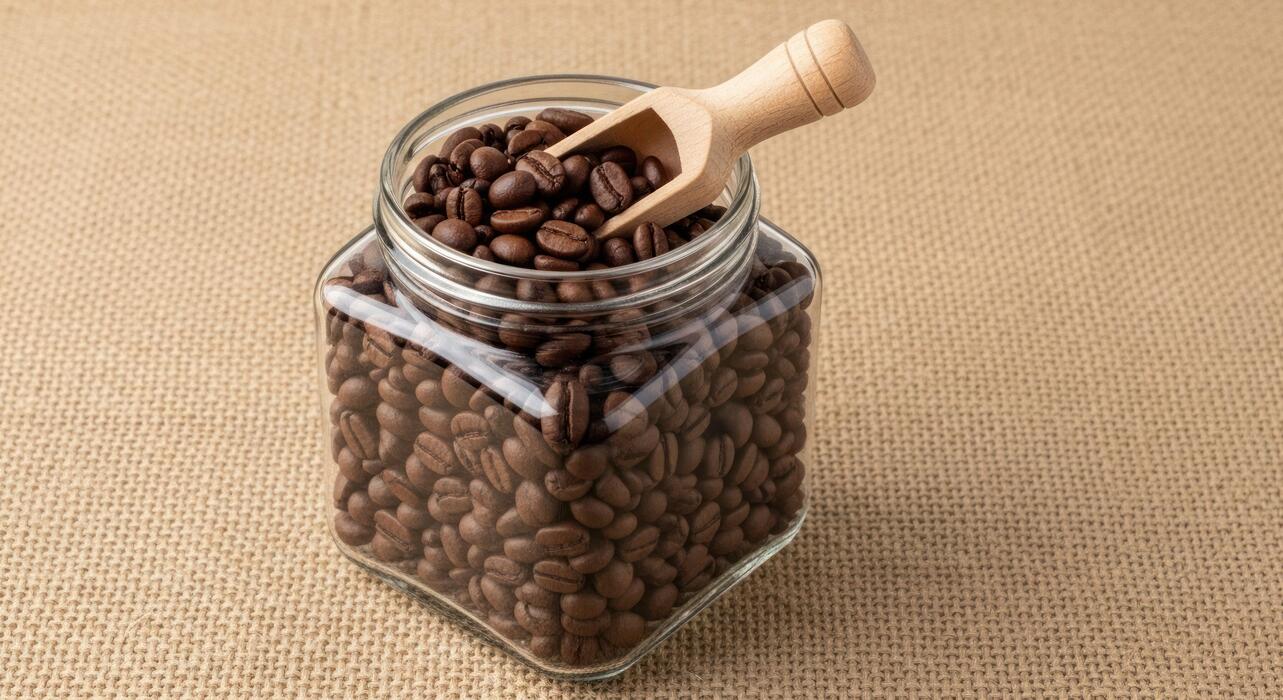
Coffee beans lose flavor quickly when exposed to oxygen, light, and moisture, so a sealed container made from ceramic, stainless steel, or dark glass helps preserve aroma and taste. Avoid clear jars on the counter, even if they look attractive, because light can speed up staling.
If your coffee came in a high-quality resealable bag with a one-way valve, that can also work well. The goal is simple: limit air exposure every time you open and close the container. For best results, choose a container sized closely to the amount of beans you keep on hand.
Keep beans in a cool, dry place
Freshly roasted coffee beans stay flavorful longer when stored in a cool, dry place away from heat and humidity. A pantry or cupboard away from the stove, dishwasher, oven, or sunny window is usually ideal.
Temperature swings and moisture can damage the beans and dull their flavor, so avoid storing coffee near appliances that generate steam or warmth. While some people think the refrigerator helps, it often introduces condensation and odor absorption, both of which can hurt coffee quality.
Instead, focus on maintaining a stable room temperature environment. If your kitchen tends to get hot, choose the coolest enclosed cabinet in the house. The main storage rule is consistency: cool, dark, and dry beats cold but damp for everyday home storage.
Store whole beans instead of ground coffee
If you want better flavor from freshly roasted coffee beans, always store them whole and grind only what you need right before brewing. Once coffee is ground, its surface area increases dramatically, which means it reacts faster with oxygen and loses aroma much more quickly.
Whole beans hold onto their oils and complex flavors longer, giving you a fresher, more balanced cup. This is especially important if you bought premium beans and want to protect their tasting notes. Pair whole-bean storage with a consistent grinding routine using a burr grinder for even results.
Even the best storage setup cannot fully protect pre-ground coffee for long, so the simplest improvement is to keep beans intact until brew time. That single habit makes a noticeable difference in freshness.
Choose small batches for daily use
A practical strategy for storing freshly roasted coffee beans is to buy or divide them into small batches for daily or near-daily use. Every time you open your main container, fresh oxygen enters and starts the staling process again.
Smaller portions reduce how often your full supply is exposed to air, helping the rest of the beans stay fresher longer. You can keep a larger sealed reserve stored properly and refill a smaller everyday container as needed.
This method works especially well for people who brew coffee every morning and want convenience without sacrificing quality. Try portioning beans into amounts that last three to seven days, depending on how much coffee you drink.
By rotating through smaller amounts, you protect flavor, simplify your routine, and waste less coffee.
What Containers Work Best for Coffee Bean Storage
Canisters with one-way valves
For storing freshly roasted coffee beans, canisters with one-way valves are often the most practical choice because they let carbon dioxide escape without allowing oxygen back in.
Fresh beans naturally release gas for days after roasting, and trapping that gas in a fully sealed container can create pressure while repeatedly opening a jar exposes the beans to air. A good valve canister solves both problems by supporting controlled degassing and reducing oxidation.
Choose a model with an airtight lid, opaque walls, and a size that matches your weekly coffee use so there is less empty air sitting inside. Fill it with only the amount you expect to use soon, and keep the rest in a separate sealed package.
Store the canister in a cool, dark, dry place, away from the stove, sunlight, and humidity. For most home brewers, this is the best balance of freshness protection, convenience, and daily usability.
Glass vs stainless steel vs ceramic containers
When choosing between glass, stainless steel, and ceramic containers, the best material is usually the one that limits light, air, heat, and moisture most effectively.
Glass is easy to clean and lets you see how much coffee remains, but clear glass exposes beans to light, which can speed flavor loss unless the container stays inside a dark cabinet.
Stainless steel is often the strongest all-around option because it is durable, opaque, and less likely to transfer odors when cleaned properly. Ceramic can work very well too, especially if it has a tight-sealing lid and thick walls that help block light and temperature shifts.
Whatever material you pick, the lid matters as much as the body: look for a reliable airtight seal rather than a loose decorative top. Avoid oversized containers, since extra headspace means more oxygen around the beans.
If possible, pick an opaque, airtight container in a size that matches your normal coffee buying routine.
When the original coffee bag is good enough
Sometimes the original coffee bag is good enough, especially if it is a high-quality bag with a one-way valve, thick multilayer material, and a strong zipper seal. Many specialty roasters package beans specifically to support freshness after roasting, so transferring them immediately into another container is not always necessary.
If the bag seals tightly and you will finish the beans within one to three weeks, keeping them in that bag can be a smart, low-effort option.
To make it work better, press out excess air before resealing, fold the top down, and place the bag inside a cupboard away from light, warmth, and steam. If the zipper becomes unreliable, move the bag into a secondary airtight container rather than pouring the beans loose into a jar.
The original bag is less ideal if it is thin, poorly sealed, or constantly reopened over a long period. In that case, an airtight opaque canister will give more consistent protection.
Where to Store Freshly Roasted Coffee Beans
Best cupboard and pantry spots
The best place for storing freshly roasted coffee beans is a cool, dark, dry cupboard or pantry away from heat, sunlight, and moisture. Choose a spot that stays at a stable room temperature, such as an interior cabinet far from the oven, dishwasher, or sunny windows.
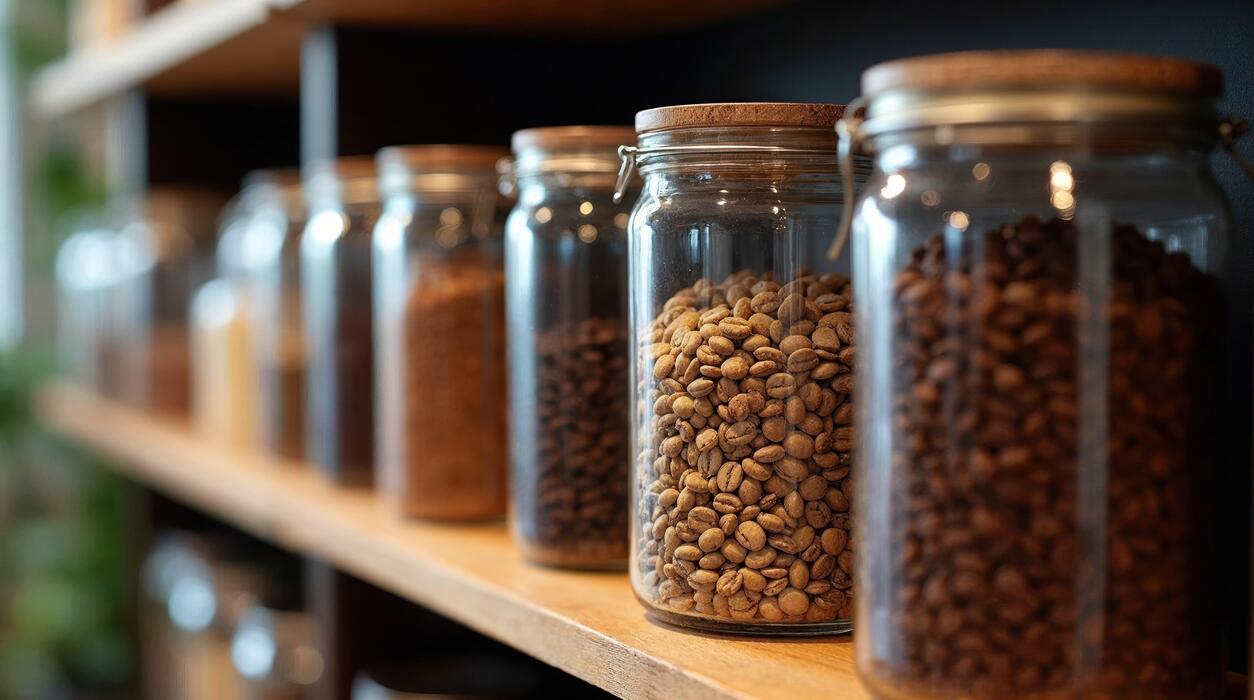
Keep beans in their original one-way valve bag if it seals well, or move them to an opaque, airtight container to limit oxygen exposure. Avoid clear jars on the counter, even if they look nice, because light and air speed up staling.
For daily use, store only the amount you will finish within a couple of weeks in your main container. This setup helps preserve aroma, sweetness, and flavor clarity after roasting.
Why the fridge is usually a bad choice
The fridge is usually a poor storage option because coffee beans are porous and absorb odors from nearby foods like onions, leftovers, and sauces. Refrigerators also have frequent temperature swings as the door opens and closes, which can create condensation on the beans or inside the container.
That added moisture speeds up flavor loss and can flatten the cup. Even in a sealed container, moving beans from cold storage to room temperature repeatedly causes small moisture changes that hurt freshness over time.
Coffee stays best when kept in a dry environment with minimal disturbance, not a damp, odor-filled appliance. Unless you have a very unusual setup, a pantry or cupboard will almost always protect freshly roasted beans better than the fridge.
When freezing coffee beans makes sense
Freezing can make sense if you bought a large amount of coffee or want to preserve beans you will not use within two to four weeks. It is especially helpful for specialty beans you want to save for later without rapid staling.
The key is to freeze coffee only when you can keep it undisturbed for a longer period, rather than opening and reclosing the same bag every day. Freezing works best for whole beans, not ground coffee, because whole beans have less exposed surface area.
If your goal is maximum flavor, divide coffee into small portions based on what you will use over a few days. That way, each portion is thawed once, used fully, and protected from repeated oxygen and moisture exposure.
How to freeze beans without ruining flavor
To freeze beans successfully, portion them into small, airtight, moisture-proof bags or containers before they go into the freezer. Remove as much air as possible, label each portion with the roast date, and freeze only whole beans at peak freshness. Do not freeze and thaw the same container multiple times.
Instead, take out one portion at a time and let it come to room temperature before opening, which helps prevent condensation from forming on the beans. Once thawed, keep that portion in a cupboard and use it within several days for the best taste.
Avoid tossing a partly used retail bag in and out of the freezer, because temperature changes, moisture, and oxygen can dull flavor and reduce the character of freshly roasted coffee.
Common Mistakes to Avoid When Storing Coffee Beans
Opening the container too often
One of the biggest mistakes when storing freshly roasted coffee beans is opening the container repeatedly throughout the day. Every time you expose the beans to air, you speed up oxidation, which causes the coffee to lose aroma, sweetness, and complexity faster.
Freshly roasted beans release carbon dioxide naturally, but they still need protection from unnecessary oxygen exposure. To avoid this, store your coffee in a small, airtight, opaque container and only open it when measuring out what you need.
If you buy a larger bag, consider splitting it into smaller portions so your daily supply is separate from the rest. This simple habit helps preserve flavor longer and keeps your beans tasting fresher from the first cup to the last.
Storing beans near heat or sunlight
Placing coffee beans on a kitchen counter near a stove, window, or other warm spot is a common storage mistake. Heat, light, and temperature swings break down the delicate oils and aromatic compounds that make freshly roasted coffee taste vibrant.
Even clear containers can be a problem if they let in sunlight, which gradually degrades flavor. For the best results, keep your beans in a cool, dark, and dry place, such as a cupboard away from appliances that generate heat.
Use an opaque, airtight container rather than glass left in direct light. Avoid storing beans above the oven or next to the toaster, even if it seems convenient. Protecting coffee from warmth and sunlight helps maintain freshness and extends the life of your roast.
Grinding too much coffee in advance
Grinding a large batch of coffee ahead of time may save a few minutes, but it quickly reduces quality. Once beans are ground, they have far more surface area exposed to air, which means flavor and aroma fade much faster than they do in whole-bean form.
This is especially important when dealing with freshly roasted coffee beans, since their most appealing characteristics can disappear soon after grinding. Instead, grind only the amount you need right before brewing.
If you want to simplify your routine, pre-measure whole beans into small portions rather than grinding them all at once. Keep those portions sealed until use. This approach gives you the convenience of preparation while still protecting the coffee’s freshness, aroma, and balanced taste in every cup.
Mixing old beans with fresh beans
Combining older beans with a newly roasted batch seems harmless, but it often leads to inconsistent flavor and reduced freshness. Older beans may have already lost much of their aroma, body, and sweetness, and when mixed with fresh beans, they can dull the overall taste of your brew.
They may also behave differently during grinding and extraction, making it harder to get a balanced cup. A better method is to finish older beans first before opening a new bag.
If you keep multiple coffees at home, store each one in its own labeled airtight container with the roast or opening date. This makes rotation easier and helps you track peak freshness. Keeping batches separate ensures your freshly roasted coffee delivers its best possible flavor.
Tips for Keeping Freshly Roasted Coffee Beans Tasting Better Longer
How much coffee to buy at one time
For the best flavor, buy only the amount of coffee you can finish within 2 to 4 weeks of the roast date. Freshly roasted beans taste their best when used steadily rather than stored for months.
A good rule is to match your purchase to your routine: if you brew one or two cups a day, a small bag is usually smarter than buying in bulk.
Large bags often seem economical, but repeated opening exposes beans to oxygen, moisture, heat, and light, which speeds up flavor loss. If you do buy more, divide it into small airtight portions so your main supply stays protected.
Always check for a roast date, not just a best-by date, and choose the freshest practical option.
Simple freshness checks before brewing
Before you brew, take a few seconds to check whether your beans still seem lively. Fresh beans usually have a clear, pleasant aroma when you open the container; if the smell is faint, flat, or papery, flavor has likely faded.
Look at the beans as well: while appearance varies by roast level, they should not seem dull, dusty, or unusually dry-smelling. During grinding, fresh beans often release a stronger fragrance, which is another easy clue.
You can also judge freshness in the cup: if the brewed coffee tastes muted, woody, or lacks sweetness, the beans may be past their peak. For espresso, reduced crema can be a sign too.
These quick checks help you adjust expectations and avoid wasting a great brew method on stale coffee.
Best daily habits for home coffee drinkers
Daily storage habits make the biggest difference in keeping freshly roasted coffee beans tasting better longer. Store beans in an airtight, opaque container and keep it in a cool, dry cupboard, away from sunlight, the stove, and humidity. Avoid clear jars on the counter unless they block light completely.
Open the container only when needed, and measure quickly, then reseal right away to reduce oxygen exposure. It is also best to grind only what you need just before brewing, because ground coffee loses flavor much faster than whole beans.
Skip the refrigerator, where moisture and food odors can affect taste. If you must freeze extra beans, freeze them in small sealed portions and thaw each portion only once before use.
When to replace stale beans
Replace your beans when storage can no longer protect the flavor you want in the cup. If coffee consistently tastes flat, bitter without balance, papery, or hollow, the beans are likely stale enough to swap out.
For many home drinkers, whole beans start losing their most vibrant character after 3 to 6 weeks from roast, though darker roasts may seem to fade faster.
If the aroma from the bag or grinder is weak, or your usual recipe suddenly tastes lifeless even after adjusting grind size and brew time, fresh beans are probably the answer. Do not wait until coffee is undrinkable; once the sweetness, clarity, and aroma noticeably disappear, replace them.
Using older beans for cold brew or baking can reduce waste.
Frequently Asked Questions
How soon should I store freshly roasted coffee beans after roasting?
Let freshly roasted beans rest until they have cooled and released some excess carbon dioxide, then store them in a sealed container. For most home users, moving them into proper storage the same day is ideal to protect aroma and flavor.
What is the best container for storing freshly roasted coffee beans?
An opaque, airtight container is usually the best choice because it limits exposure to oxygen, light, and moisture. Containers with a one-way valve can be especially helpful for very fresh beans that are still degassing.
Should freshly roasted coffee beans be stored in the fridge or freezer?
For daily or weekly use, keep beans at room temperature in a cool, dark place rather than the fridge, since refrigeration can introduce moisture and odors. Freezing can work for longer-term storage if beans are sealed in small, airtight portions and not repeatedly thawed and refrozen.
How long do freshly roasted coffee beans stay fresh in storage?
Freshly roasted beans often taste best within about 1 to 4 weeks after roasting, depending on the coffee and brewing method. Good storage slows staling, but flavor and aroma will gradually fade as the beans are exposed to air over time.
Should I keep coffee beans in the original bag?
You can keep beans in the original bag if it is high quality, resealable, and includes a one-way valve. If the bag does not seal well or lets in light, transferring the beans to an airtight, opaque container is usually better.
Is it better to store coffee beans whole or ground?
Store coffee as whole beans whenever possible because whole beans lose flavor more slowly than ground coffee. Grinding only what you need right before brewing helps preserve freshness and gives better-tasting coffee.
Where should I keep stored coffee beans in my kitchen?
Place them in a cool, dark, dry cupboard away from sunlight, ovens, dishwashers, and other heat sources. Avoid spots with frequent temperature swings or humidity, since both can speed up staling.
Conclusion
Properly storing freshly roasted coffee beans is the key to preserving their flavor, aroma, and overall quality. Keep them in an airtight, opaque container, away from heat, light, moisture, and frequent air exposure. Avoid the fridge, and freeze only when necessary for long-term storage. With a few simple habits, you can enjoy fresher, more flavorful coffee every day and make the most of every carefully roasted bean.