How Long Will Roasted Coffee Beans Last
how long will roasted coffee beans last depends on storage, roast date, and whether the bag stays sealed, but most beans taste best within two to six weeks after roasting. If you are wondering when flavor starts fading, how to spot stale beans, and how to store them for maximum freshness, you are in the right place.
How long do roasted coffee beans last
Average shelf life of whole roasted beans
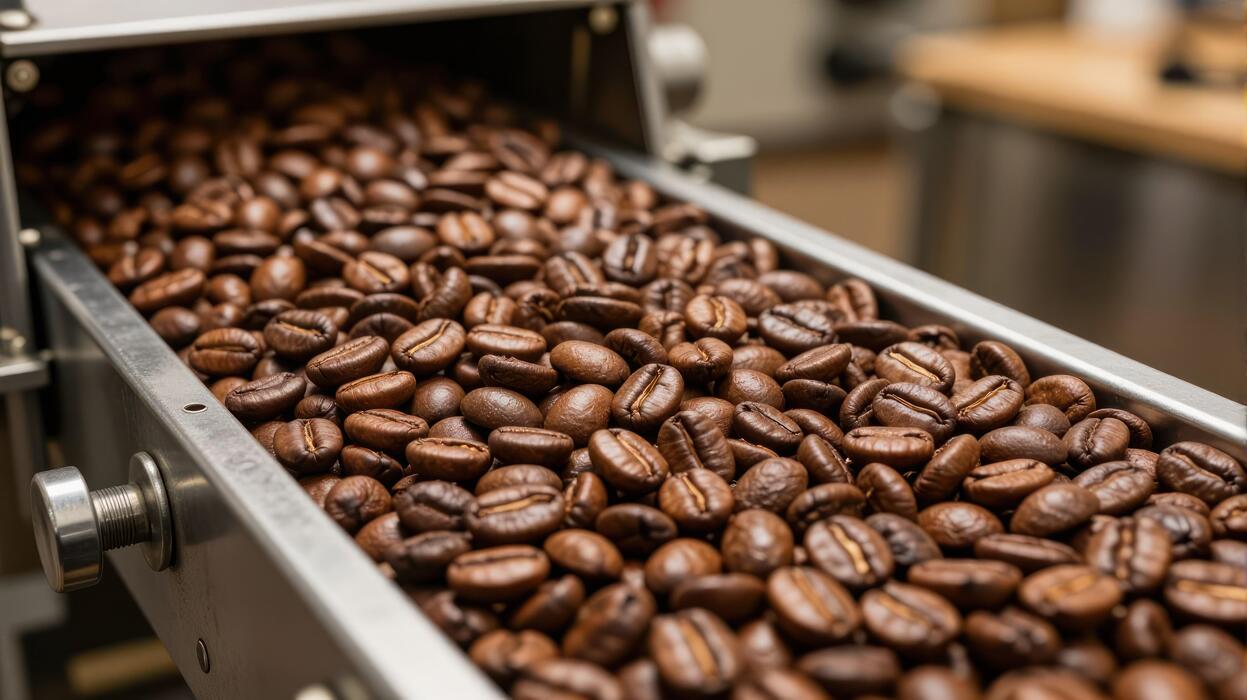
Whole roasted coffee beans usually taste best within 2 to 6 weeks after the roast date if you store them well, but they can remain usable for 2 to 3 months before flavor noticeably drops for most home drinkers.
If the bag is unopened and has a one-way valve, the beans may hold quality a bit longer. Once opened, exposure to air, light, heat, and moisture speeds up staling, so keep beans in an opaque, airtight container at room temperature.
Avoid the fridge, where condensation and food odors can affect the beans. If you buy in bulk, split them into smaller portions so you only open what you need. For the best cup, grind right before brewing and try to use beans during their peak window.
In practical terms, roasted coffee beans last longer than many people think, but freshness and peak flavor are not the same as basic usability.
How freshness changes after the roast date
Freshness changes in stages after roasting. During the first 3 to 7 days, many beans are still releasing carbon dioxide, so espresso can be inconsistent and some coffees may taste a little sharp or closed off.
From about day 7 to week 4, most whole beans hit a sweet spot where aromas are lively, acidity is balanced, and the cup tastes more complex. After that, the beans slowly lose volatile compounds that create fragrance and sweetness.
By 4 to 8 weeks, the coffee can still make a good drink, but you may notice less aroma, flatter flavor, and a duller finish. Beyond that point, the pace of change depends heavily on storage and roast level.
To keep coffee tasting fresher longer, buy beans with a clear roast date, store them away from sunlight, and only open one bag at a time. The key is to match your brewing habits to the bean’s peak flavor window.
When coffee beans are still safe but no longer flavorful
Roasted coffee beans are often safe to use well after they stop tasting great, as long as they have been kept dry and show no signs of contamination. Old beans usually do not become dangerous quickly; instead, they become stale.
The main warning signs are weak aroma, papery or woody notes, muted sweetness, and a bland or bitter cup. If the beans smell musty, show visible mold, have been exposed to water, or picked up oily rancid odors from poor storage, discard them.
Otherwise, even beans that are several months old may still be acceptable for cold brew, milk drinks, or recipes where subtle flavor matters less. If your coffee tastes flat, try adjusting your grinder slightly finer to improve extraction, but do not expect stale beans to return to peak quality.
In short, roasted coffee beans can remain drinkable beyond their best-by flavor period, but they will no longer deliver the vibrant taste most people want.
What affects how long roasted coffee beans stay fresh
How oxygen speeds up staling
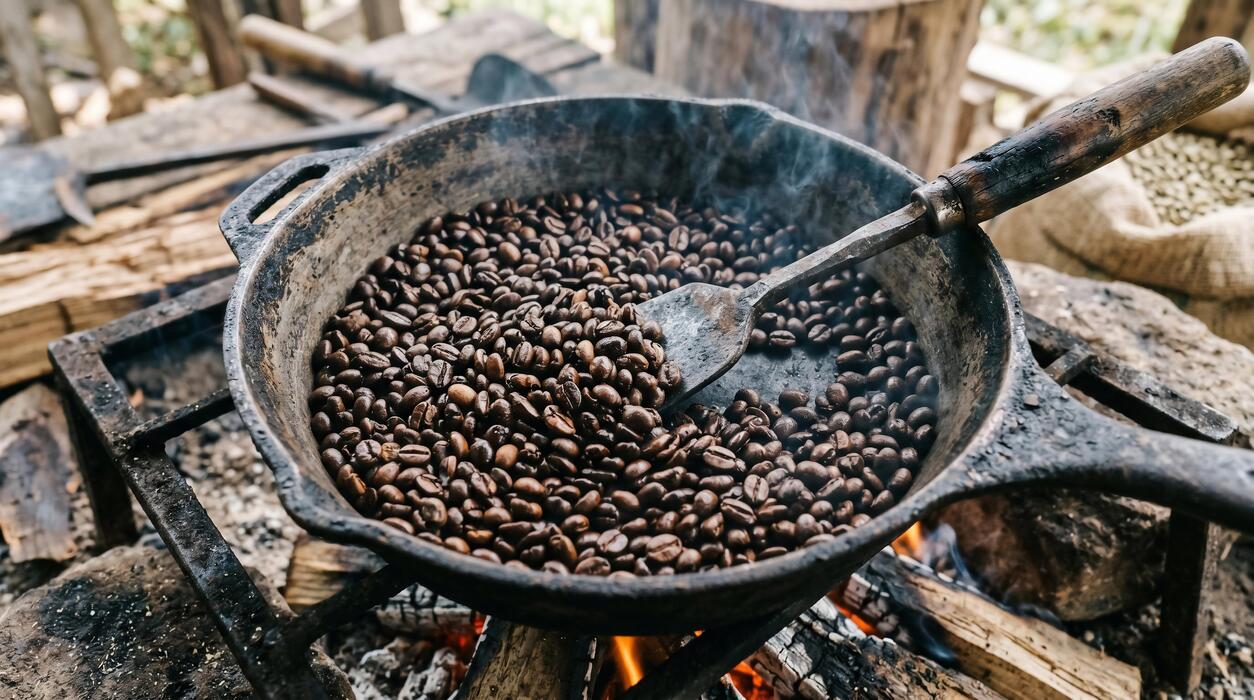
Oxygen is the biggest reason roasted coffee beans lose freshness. After roasting, beans release carbon dioxide, and once that slows, oxygen starts reacting with the oils and aromatic compounds that give coffee its flavor. This process, called oxidation, makes beans taste flat, dull, or even slightly rancid over time.
To make roasted coffee beans last longer, store them in an airtight, opaque container and keep the lid closed except when measuring your dose. Avoid repeatedly opening large bags if you can split them into smaller portions.
If you buy fresh beans, aim to use them within 2 to 4 weeks for peak flavor, though they may remain drinkable longer. The less air exposure they get each day, the better your coffee will taste.
Why light, heat, and moisture matter
Light, heat, and moisture all speed up the breakdown of flavor compounds in roasted coffee beans. Sunlight and strong indoor light can degrade delicate aromatics, while heat causes oils to age faster and makes the beans stale more quickly.
Moisture is especially harmful because beans can absorb it from the air, which affects brewing quality and may introduce off flavors. To protect freshness, keep beans in a cool, dark, dry place, such as a pantry or cupboard away from the oven, stove, or windowsill.
Skip clear containers unless they stay inside a dark cabinet. Also avoid storing coffee in the fridge, where condensation and odors can be a problem. Stable conditions help roasted beans keep their flavor longer and answer the question of how long they will last more favorably.
How roast level changes shelf life
Roast level can influence how long roasted coffee beans stay fresh because darker roasts are generally more porous and oilier, which can make them stale faster once exposed to air. Those surface oils oxidize more easily, so dark-roasted beans may lose their best flavor sooner than lighter roasts.
Lighter roasts often keep their character a bit longer, although they still need careful storage. In practical terms, both roast types are best enjoyed within a few weeks of opening, but dark roasts may show flavor decline earlier if stored poorly.
If you prefer darker coffee, buy smaller amounts more often so you can finish the beans before the taste fades. Matching purchase size to your brewing routine is one of the easiest ways to get fresher coffee consistently.
Why whole beans last longer than ground coffee
Whole beans last longer than ground coffee because less surface area is exposed to oxygen. Once coffee is ground, thousands of tiny particles are suddenly in contact with air, which causes the aroma and flavor to fade much faster.
That is why pre-ground coffee can start tasting stale within days after opening, while whole roasted beans typically hold up better for 2 to 4 weeks at peak quality when stored properly. If you want the longest-lasting freshness, grind only what you need right before brewing.
Using a burr grinder at home gives you better flavor and consistency while extending the usable life of your coffee supply. For anyone asking how long roasted coffee beans will last, keeping them whole until brew time makes a noticeable difference.
Best ways to store roasted coffee beans
How to use an airtight container
Roasted coffee beans usually taste best within 2 to 4 weeks after opening, though unopened bags with a one-way valve can stay fresher for 1 to 3 months.
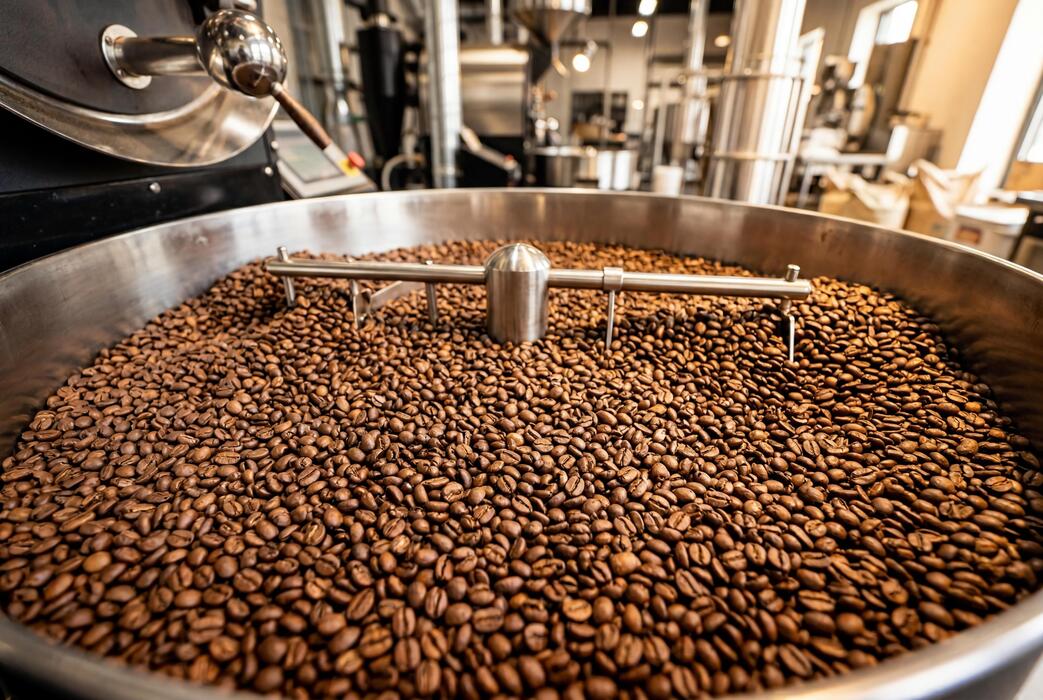
To make them last as long as possible, move beans into an airtight, opaque container as soon as the original bag is opened, unless the bag already seals tightly and has a valve. Keep the container as full as practical to reduce oxygen exposure, which speeds up staling.
Avoid clear jars on display, since light, air, and moisture all damage flavor. Scoop out only what you need and reseal immediately.
If you buy specialty beans, label the container with the roast date so you can use older coffee first and enjoy the beans while their aroma is still strong.
Where to keep coffee beans at home
If you are wondering how long roasted coffee beans will last, storage location matters almost as much as the container. Beans should be kept in a cool, dark, dry place away from direct sun, heat, steam, and strong odors.
A cabinet away from the oven, dishwasher, kettle, or radiator is usually ideal. Under good home conditions, roasted beans can hold decent flavor for several weeks, but warm kitchens can shorten that window. Avoid storing beans near spices or cleaning products because coffee easily absorbs surrounding smells.
The goal is stable temperature and low humidity, not refrigeration-level cold. Choose a spot you use often so you remember to close the container quickly and do not leave the beans sitting out during your morning routine.
Why the pantry is better than the counter
A pantry is usually better than the counter because it protects roasted coffee beans from the three biggest freshness killers: light, heat, and temperature swings. On the counter, even a sealed jar can warm up in sunlight or near appliances, causing the oils in the beans to degrade faster.
In a pantry, beans stay in a darker, more stable environment, which helps preserve aroma and flavor longer. That means your roasted coffee beans are more likely to stay enjoyable for 2 to 4 weeks after opening instead of tasting flat much sooner.
The pantry also lowers the risk of moisture from cooking and steam settling around the container. For best results, place the container on an interior shelf, not near a warm wall or frequently opened door.
Tips for storing small and large coffee supplies
For small coffee supplies you will use within a couple of weeks, keep all beans in one airtight container and grind only what you need. For larger supplies, divide beans into smaller portions so most of the coffee stays sealed until needed.
This limits repeated exposure to air each time you make coffee. If you buy in bulk, only keep a week or two of beans in your daily container and store the rest separately in tightly sealed containers in a cool, dark place.
Freezing can work for longer-term storage if portions are sealed well and thawed only once, but avoid opening and refreezing. In general, roasted coffee beans last longest when you manage air, light, heat, and moisture with portioned storage and a use-first rotation.
How to tell if roasted coffee beans have gone stale
Signs to look for in aroma and appearance
Roasted coffee beans usually taste best after a short rest period and stay at their peak for about 2 to 4 weeks after roasting when stored well, though they can remain usable for up to 6 to 8 weeks before noticeable staleness sets in.
To tell if beans have gone stale, start with the smell. Fresh beans should release a clear, lively aroma when you open the bag or grind them. If the scent is flat, faint, papery, or dusty, freshness has likely faded.
Visually, beans should look consistent in color and feel dry unless they are naturally darker roasts. Warning signs include excessive dullness, a gray cast, or a brittle look. If the beans no longer give off much fragrance even right after grinding, that is one of the strongest clues.
For longer life, keep them in an airtight, opaque container, away from heat, light, moisture, and frequent air exposure.
How stale beans affect flavor in the cup
If you are wondering how long roasted coffee beans last, flavor is often the easiest way to judge. Freshly roasted beans generally brew the most balanced cup within 2 to 4 weeks of the roast date, while older beans may still be drinkable but lose complexity.
In the cup, stale coffee often tastes muted, hollow, woody, cardboard-like, or overly bitter without sweetness. You may also notice that the usual tasting notes, such as chocolate, fruit, or floral character, seem to disappear.
Espresso can become especially difficult to dial in because stale beans often produce weak crema, uneven extraction, and a thinner body. Filter coffee may seem bland and dry, with a finish that falls away quickly.
A practical test is to brew the same beans a week apart under the same settings. If the cup becomes noticeably flatter and less aromatic, the beans are moving past their best window.
When oily beans are normal and when they are not
Oily coffee beans are not automatically stale. In many cases, a visible sheen is normal for dark roasts, because roasting draws oils to the surface. If the beans smell rich and the coffee still tastes full, those oils alone are not a problem.
However, if oily beans also smell rancid, sharp, or oddly greasy, that can suggest oxidation and age. This matters because roasted coffee beans usually last longest when surface oils are limited and the beans are protected from air.
Very dark beans tend to stale faster, so they may show decline closer to the 2 to 3 week mark, while medium roasts may stay vibrant a bit longer. Be cautious if oil appears unevenly, feels sticky, or is paired with a musty or sour odor.
Store such beans carefully and use them soon. If taste turns harsh, ashy, or lifeless, the issue is not the oil itself but loss of freshness.
Can you freeze roasted coffee beans
When freezing helps coffee last longer
Freezing can be a smart way to extend freshness if you have more coffee than you can use within a few weeks.
In general, roasted coffee beans taste best within 2 to 6 weeks of roasting once opened, though some high-quality beans hold up a bit longer in a well-sealed bag. If you need to keep them beyond that window, freezing slows down staling by reducing exposure to oxygen, heat, and light.
This works best for beans you will not open and close repeatedly. For everyday use, keep a small portion at room temperature in an airtight container, and freeze the rest in separate portions. That way, each batch stays protected until needed.
Freezing is especially helpful for people who buy in bulk or want to preserve seasonal coffees. The key point is simple: freeze for long-term storage, not for daily access, because repeated temperature changes can hurt flavor and aroma.
How to freeze beans without adding moisture
The biggest risk when freezing coffee is not the cold itself, but moisture and air exposure. To protect flavor, divide roasted beans into small portions that match how much you use in a few days.
Place each portion in a truly airtight, moisture-proof container or a heavy freezer bag with as much air removed as possible. Vacuum sealing is even better if you have the equipment. Avoid storing beans in one large bag that you reopen often, because that invites condensation and stale flavors.
It also helps to freeze beans only after they have finished releasing the most carbon dioxide, usually a few days after roasting. Label each package with the roast date and freeze date so you can rotate stock easily.
Store the beans in the back of the freezer where temperatures stay more stable. Never freeze wet beans or loosely wrapped bags, since even small amounts of frost or humidity can dull the cup.
Best ways to thaw and use frozen coffee beans
For the best results, thaw only the portion you plan to use soon and keep the package sealed while it comes to room temperature. This prevents condensation from forming directly on the beans.
A good method is to move one sealed portion from the freezer to the counter for a few hours, or overnight if the package is larger. Once thawed, open it and use the beans as you normally would.
Try to finish that portion within several days to a couple of weeks for the best flavor. If you prefer, some grinders can handle beans straight from the freezer, but you should still avoid opening and reclosing the same frozen bag many times.
That repeated contact with warmer air is what causes moisture problems. Do not refreeze a thawed batch, because every temperature cycle speeds up quality loss. For the freshest cups, grind just before brewing and keep your thawed beans in an airtight container away from heat and light.
How packaging changes the shelf life of roasted coffee beans
Why one-way valve bags help preserve freshness
Roasted coffee beans usually taste their best when oxygen exposure is limited, and one-way valve bags are designed to solve that problem. After roasting, beans release carbon dioxide for days, sometimes longer, and a valve lets that gas escape without letting outside air back in.
That matters because oxygen speeds up staling, flattening aroma and dulling flavor. In practical terms, beans in a quality valve bag often stay fresher longer than beans stored in simple paper or unsealed plastic packaging.
For most people asking how long roasted coffee beans will last, a sealed valve bag can help preserve good flavor for roughly 2 to 4 weeks after roasting for peak quality, and sometimes longer if stored well. Keep the bag tightly closed, away from heat, moisture, and sunlight.
If you buy whole beans, leave them in the original valve bag unless you have an airtight, opaque container that offers equal protection.
How vacuum-sealed bags compare with regular packaging
If you want roasted coffee beans to last longer, vacuum-sealed packaging generally outperforms regular packaging because it removes much of the oxygen that causes staling. That can extend the time beans remain drinkable and aromatic, especially before the bag is opened.
Unopened vacuum-sealed beans may hold acceptable quality for several weeks to a few months, depending on roast date, storage temperature, and how well the seal was done. By comparison, regular bags without strong barriers or valves allow more oxygen exchange, so flavor tends to fade faster.
Still, vacuum sealing is not a magic fix: coffee is delicate, and even sealed beans gradually lose complexity over time. Once opened, a vacuum-sealed bag loses most of its advantage unless you repackage the beans carefully.
For best results, buy coffee with a visible roast date, choose smaller quantities you can finish quickly, and store the bag in a cool, dark cupboard rather than the fridge, where condensation can damage flavor.
What to know about opened versus unopened bags
The biggest shelf-life difference comes down to whether the bag is still sealed. Unopened roasted coffee beans last longer because they are protected from constant oxygen exposure, especially if packed in a valve or vacuum-sealed bag.
In many cases, unopened beans can remain enjoyable for weeks after roasting, though the most vibrant flavor is usually earlier. Once the bag is opened, the clock speeds up.
Air enters every time you open it, and beans begin losing aroma more quickly, so opened beans are often best used within 1 to 3 weeks for strong flavor. They may still be safe to brew after that, but the cup can taste flat or woody.
To stretch freshness, keep opened beans in their original bag with the air pressed out, or move them to an airtight, light-blocking container. Avoid grinders or hoppers as long-term storage, and only grind what you need right before brewing for the best possible taste.
Tips for making roasted coffee beans last as long as possible
How much coffee to buy at one time
If you want roasted coffee beans to taste their best for as long as possible, buy only what you can realistically use within 2 to 4 weeks after opening. While roasted coffee beans can remain safe and drinkable longer, flavor and aroma fade gradually once air reaches them.
A practical approach is to purchase smaller bags, such as 8 to 12 ounces, instead of large bulk bags unless you brew a lot every day. This helps you finish the beans while they are still lively and balanced.
If you drink coffee less often, choose even smaller amounts or split a larger bag into sealed portions to reduce repeated exposure to oxygen, humidity, and kitchen odors.
Why grinding right before brewing makes a difference
Whole roasted coffee beans last longer than ground coffee because the protective outer structure stays intact until you break it. Once coffee is ground, much more surface area is exposed to air, and the aromas that make coffee taste fresh begin escaping quickly.
That means even if roasted coffee beans can hold decent quality for weeks, ground coffee often tastes noticeably flatter much sooner. For the best cup, grind only the amount you need immediately before brewing. This simple habit preserves more sweetness, complexity, and crema potential in espresso.
If convenience matters, you can pre-measure bean doses in small containers, but wait to grind until the last moment to get the most from your beans.
Simple freshness habits for daily coffee drinkers
A few easy routines can noticeably extend how long roasted coffee beans stay enjoyable. Keep beans in an airtight, opaque container and store them in a cool, stable cupboard away from heat, light, and steam.
Open the container only when needed, and avoid leaving beans sitting in the grinder hopper for days. If your bag has a good seal and one-way valve, that can help too, but transferring to a well-sealed container often improves consistency.
Try to use a clean, dry scoop rather than damp spoons, since moisture speeds staling. For people who brew every day, the best strategy is simple: buy fresh, store carefully, and rotate through beans steadily so you always finish them before quality drops too far.
Common storage mistakes to avoid
The biggest mistakes are exposing roasted coffee beans to air, heat, light, and moisture. Avoid storing them in clear jars on the counter, near the oven, or above the dishwasher, where temperature swings and steam can age them faster.
Another common error is opening a large bag over and over for weeks or months instead of dividing it into smaller portions. Refrigeration is usually not ideal because beans can absorb odors and condensation can form when they move in and out of the cold.
Freezing can work for longer-term backup storage, but only if beans are sealed tightly in small portions and thawed before opening. For everyday use, a cool cupboard and airtight container are usually the simplest and most effective choice.
Frequently Asked Questions
How long do roasted coffee beans last after roasting?
Roasted coffee beans are usually at their best for about 2 to 4 weeks after the roast date when stored properly. They do not spoil quickly, but flavor and aroma gradually fade as the beans are exposed to oxygen, light, heat, and moisture.
How long do roasted coffee beans last after opening the bag?
After opening, roasted coffee beans typically stay freshest for 1 to 3 weeks if kept in an airtight container. They may still be usable after that, but the taste often becomes flatter and less aromatic.
Can roasted coffee beans go bad or expire?
Roasted coffee beans rarely become unsafe right away, but they do go stale over time. If they smell dull, oily in a rancid way, or produce weak-tasting coffee, they have likely passed their peak quality.
What is the best way to store roasted coffee beans so they last longer?
Store roasted beans in an airtight, opaque container in a cool, dry place away from sunlight, heat, and humidity. Avoid keeping them near the stove or in the refrigerator, where temperature changes and moisture can reduce freshness faster.
Should I freeze roasted coffee beans to make them last longer?
Freezing can help if you need to store beans for several weeks or months, especially in sealed, portioned bags with minimal air exposure. Let the beans return to room temperature before opening the container so condensation does not affect them.
How can I tell if roasted coffee beans are still fresh?
Fresh roasted beans usually have a strong, pleasant aroma and produce flavorful, balanced coffee. If the smell is faint and the brewed coffee tastes dull, papery, or lifeless, the beans have likely gone stale.
Do whole roasted coffee beans last longer than ground coffee?
Yes, whole roasted beans last significantly longer than ground coffee because less surface area is exposed to air. Grinding speeds up oxidation, so ground coffee loses freshness much faster, often within days to a couple of weeks.
Conclusion
Roasted coffee beans can stay flavorful for weeks and remain usable for months when stored properly, but freshness is always best soon after roasting. Keep beans in an airtight container, away from heat, light, air, and moisture to protect their taste and aroma. By buying in sensible amounts and storing them well, you can enjoy better coffee every day and make the most of every bean.