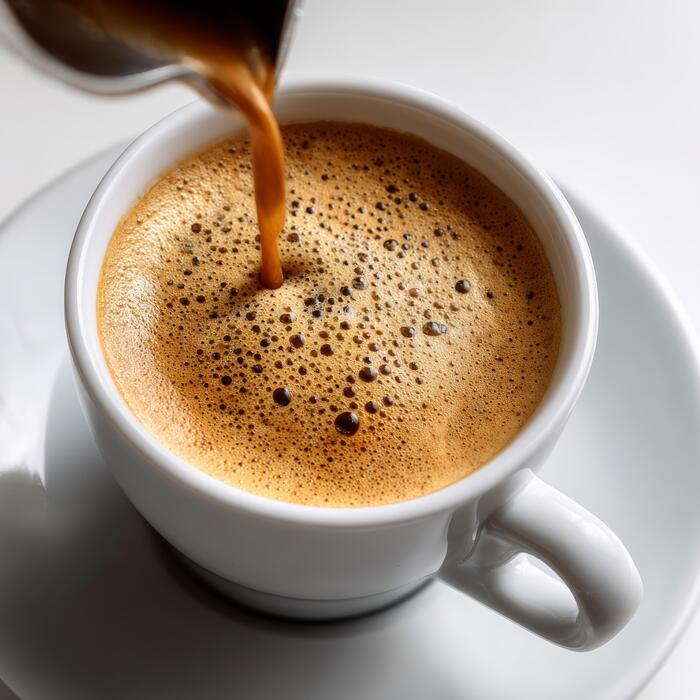
How Long Does Coffee Stay Fresh
If you’re wondering how long does coffee stay fresh, the short answer depends on whether it’s whole bean, ground, or brewed. Freshness changes quickly once coffee meets air, moisture, heat, and light, which is why storage matters as much as roast date. In this guide, you’ll get clear timelines for each type of coffee, plus practical tips to keep flavor, aroma, and quality at their best for as long as possible without guessing, wasting beans, or drinking stale, disappointing cups.
How long does coffee stay fresh after roasting
How freshness changes in the first days after roasting
Coffee changes quickly right after roasting, so the first few days matter. In the first 24 to 72 hours, beans release carbon dioxide, a process called degassing. During this stage, some coffees can taste uneven or overly sharp, especially for espresso.
For most brewing methods, coffee often tastes best after about 3 to 7 days of rest, when flavors become more balanced and easier to extract. To protect quality, keep beans in an airtight container, away from light, heat, moisture, and strong odors. Avoid storing them in a frequently opened fridge.
If you buy freshly roasted coffee, check the roast date and plan to start brewing once the coffee has had a short rest. Freshest does not always mean best on day one.
How long whole bean coffee keeps its best flavor
Whole bean coffee usually keeps its best flavor for about 2 to 4 weeks after roasting if stored well. Because the beans stay intact, they lose aroma and oils more slowly than ground coffee.
For the best cup, buy coffee in amounts you can finish within that window and grind only what you need right before brewing. Store beans in an opaque, sealed container in a cool, dry cupboard, not near the oven or in direct sunlight.
If you buy a larger bag, divide it into smaller portions so you open less coffee at a time. Freezing can help for longer storage if the coffee is tightly sealed and thawed only once. Whole beans stay flavorful longer, but they still gradually lose complexity and sweetness.
How long ground coffee stays fresh once opened
Ground coffee loses freshness much faster because more surface area is exposed to air. Once opened, it usually tastes best for about 1 to 2 weeks, though noticeable flavor loss can happen even sooner.
Oxygen quickly dulls aroma, while humidity and heat can flatten the cup and make extraction less consistent. If you use pre-ground coffee, keep it in a tightly sealed container and store it somewhere cool, dark, and dry. Avoid scooping with a wet spoon or leaving the bag open during brewing.
A practical way to improve freshness is to buy smaller packs more often or switch to whole beans and grind at home. If your coffee smells faint or tastes flat, papery, or stale, freshness has already started to fade.
When coffee is still safe to drink but past its peak
Coffee can still be safe to drink long after it is no longer at peak flavor, as long as it has been kept dry and free from contamination. In most cases, old coffee becomes stale rather than dangerous. You may notice weaker aroma, muted sweetness, and dull or cardboard-like notes.
Whole beans may still be drinkable for several weeks to a few months, and ground coffee may last longer than its ideal flavor window, but the cup quality will drop. Throw it out if you see moisture, mold, unusual clumping, or off smells beyond normal staleness.
If your coffee is simply old, you can still use it for cold brew, baking, or stronger recipes. Safe does not mean fresh, so rely on smell and taste for quality.
What affects how long coffee stays fresh
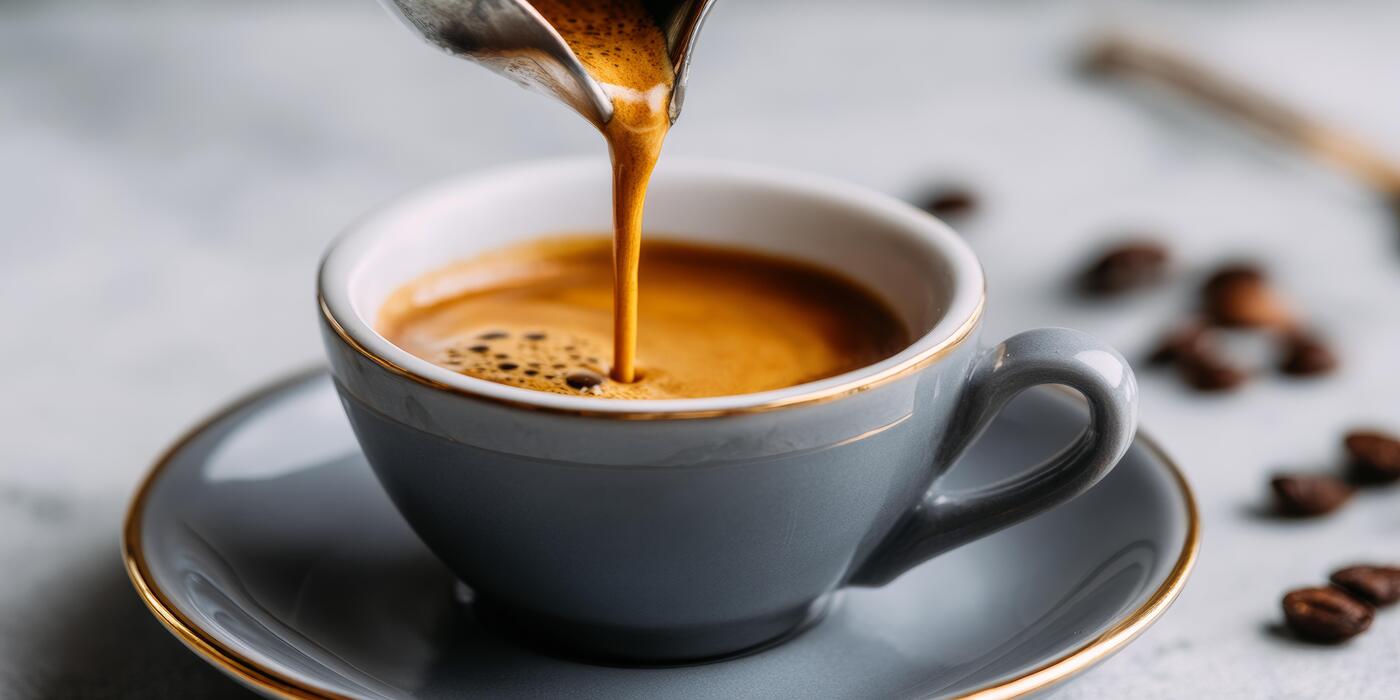
How oxygen makes coffee go stale faster
Oxygen is one of the biggest reasons coffee loses freshness after opening. As soon as beans or grounds are exposed to air, aromatic oils and flavor compounds begin to oxidize, which gradually flattens the taste.
This is why coffee may smell wonderful at first, then seem dull or papery days or weeks later. Whole beans usually stay fresh longer than ground coffee because less surface area is exposed to oxygen.
For the best flavor, store coffee in an airtight, opaque container and keep the original bag sealed if it has a one-way valve. Avoid repeatedly opening a large bag if you can split it into smaller portions.
If you are wondering how long coffee stays fresh, oxygen exposure is a major factor that can shorten that window significantly.
Why light, heat, and moisture reduce freshness
Light, heat, and moisture speed up coffee deterioration even if the coffee is high quality. Direct sunlight and warm temperatures break down delicate flavor compounds, while humidity can cause coffee to absorb moisture and odors from the air. This can make brewed coffee taste muted, musty, or uneven.
To extend freshness, keep coffee in a cool, dark, dry place, such as a pantry away from the stove, oven, or windowsill. Avoid storing coffee in the fridge, where condensation and food smells can affect taste every time the container is opened. A stable room-temperature environment is usually best.
If you want coffee to stay fresh longer, focus on reducing these environmental stressors, because even excellent beans lose quality quickly when exposed to heat and moisture.
How grind size changes shelf life
Grind size strongly affects how long coffee stays fresh because grinding increases the bean’s exposed surface area. Finer grounds go stale faster than coarse grounds or whole beans, since more of the coffee is in contact with oxygen at once.
That means pre-ground coffee often loses aroma and brightness sooner than beans you grind just before brewing. If possible, buy whole beans and grind only what you need for each cup or batch.
Even a basic burr grinder can help preserve flavor better than storing a bag of pre-ground coffee for long periods. If you must use ground coffee, store it very carefully in an airtight container and use it promptly.
In practical terms, the more finely and far ahead coffee is ground, the shorter its ideal freshness window becomes.
Why roast level can affect flavor loss
Roast level can influence how quickly coffee seems to lose its best flavor, although storage still matters most. Dark roasts often have more surface oils, which can make flavor changes more noticeable over time, especially if the beans are exposed to air and warmth.
Lighter roasts may keep their nuanced notes a bit longer, but they can also seem flat if stored poorly. Because roast level shapes aroma, acidity, sweetness, and body, freshness loss may show up differently from one coffee to another.
A dark roast might taste stale as bitterness or oiliness, while a light roast may simply lose complexity. To protect either style, use an airtight container, low light, and minimal heat exposure. When judging how long coffee stays fresh, remember that roast level affects how flavor decline is experienced.
How long different types of coffee stay fresh
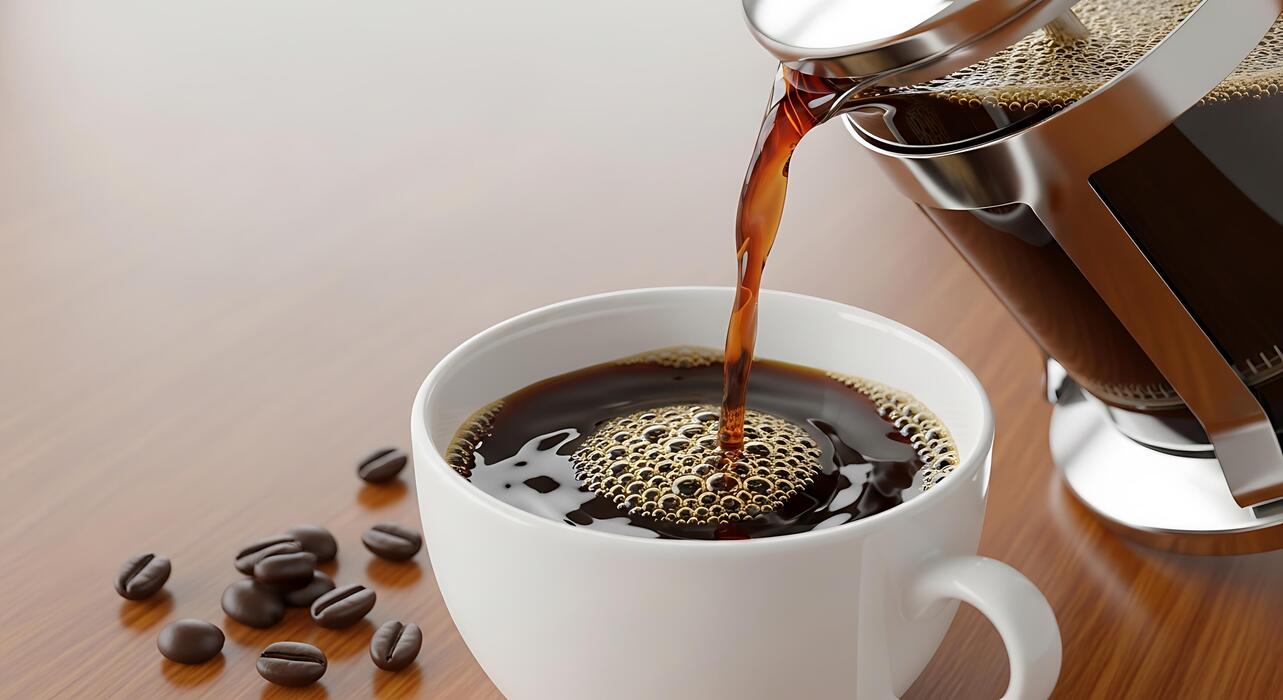
How long whole bean coffee stays fresh
Whole bean coffee usually tastes its best for 2 to 4 weeks after opening if you store it well, though unopened bags can stay good for several months.
The reason whole beans last longer is that less surface area is exposed to oxygen, so the flavor and aroma fade more slowly. For the freshest cup, keep beans in an airtight, opaque container in a cool, dry cupboard, away from sunlight, heat, and moisture.
Avoid storing coffee in the fridge, where it can absorb odors and condensation. If you buy in bulk, divide beans into smaller portions and open only what you need. A flat smell or dull, muted taste is a sign the beans are no longer at peak freshness.
How long ground coffee stays fresh
Ground coffee loses freshness faster than whole beans and is usually best within 1 to 2 weeks after opening. Once coffee is ground, much more surface area meets air, which speeds up oxidation and causes the aroma to disappear quickly.
If you want the best flavor, buy smaller amounts more often or grind beans just before brewing. Store ground coffee in an airtight container kept in a dark, cool, and dry place. Try not to leave it in the original bag unless it seals tightly and blocks light.
Moisture and heat will shorten its life even more. Ground coffee may still be safe to drink after this window, but the flavor often becomes stale, flat, or slightly bitter rather than rich and balanced.
How long instant coffee lasts after opening
Instant coffee lasts much longer than roasted coffee and can stay good for up to 12 to 24 months after opening if stored properly. Because it is dehydrated, it is less vulnerable to rapid flavor loss, but moisture is the main enemy.
Always close the jar or pouch tightly right after use, and use a completely dry spoon to prevent clumping. Keep it in a cool, dry cupboard away from steam, the stove, and direct sunlight.
If instant coffee develops hard lumps, an off smell, or a noticeably weak taste, it has likely lost quality. While it often remains safe beyond its best period, the smoothness and aroma can fade over time, so replacing older jars gives you a better-tasting cup.
How long brewed coffee keeps its flavor
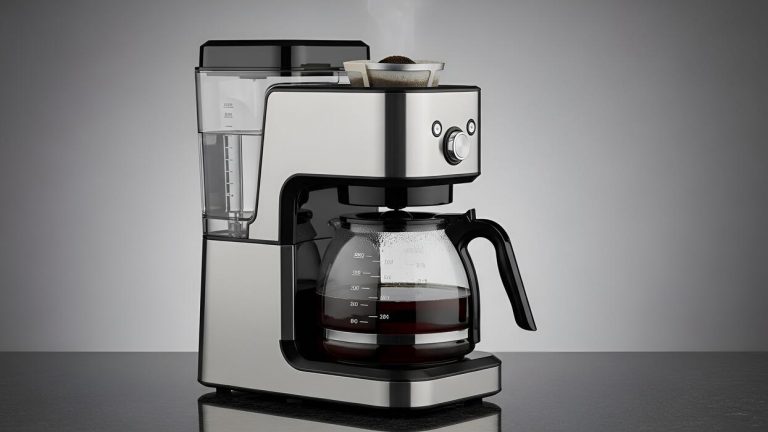
Brewed coffee tastes best within 20 to 30 minutes of brewing, when its aroma and balance are strongest. After that, exposure to air and continued heat causes the flavor to change, often making it more bitter, sour, or dull.
If you keep coffee on a hot plate, quality can drop quickly within an hour. For better results, transfer it to an insulated thermal carafe instead of leaving it on direct heat. At room temperature, brewed coffee is usually acceptable for a few hours, but it will not taste fresh.
If refrigerated, plain black coffee can last about 1 to 3 days, though flavor still declines. For the best drinking experience, brew only what you plan to finish soon and avoid reheating repeatedly.
How to tell if coffee is no longer fresh
Signs your coffee has lost its aroma
One of the easiest ways to judge how long coffee stays fresh is by smelling it before you brew. Fresh coffee should release a clear, lively aroma as soon as you open the bag or grind the beans.
If the scent is weak, dusty, papery, or almost absent, the coffee is likely past its best. Whole beans usually stay fresher longer than ground coffee, but both gradually lose the volatile compounds that create that rich smell.
A simple test is to pour a small amount into your palm, warm it slightly, and inhale closely. If you have to search for the aroma instead of noticing it right away, freshness has dropped.
To slow this down, keep coffee in an airtight container, away from heat, moisture, and light. If you buy in bulk, divide it into smaller portions so you expose less coffee to air each time you open it.
How stale coffee tastes in the cup
Taste is often the clearest sign that coffee is no longer fresh. Freshly roasted coffee usually tastes bright, balanced, and expressive, while stale coffee can seem dull, muted, or hollow. You may notice flavors described as cardboard-like, woody, ashy, or flat, with very little sweetness or pleasant acidity.
Even if the brew looks normal, the cup may finish quickly on the palate and leave almost no aftertaste. If you are wondering how long coffee stays fresh, this loss of flavor is what most people notice first once the coffee has been open for too long.
To check, brew your usual method with the same water and ratio you normally use. If the cup suddenly tastes lifeless despite no brewing changes, the coffee itself may be the issue.
Before throwing it out, try using slightly more coffee or a finer grind, but if the flavor still feels empty, the freshness window has likely passed.
What oily beans, clumping, or flat flavor can mean
Some physical changes can also tell you a lot about freshness. Oily beans are not always bad, especially with dark roasts, but if beans look unusually shiny and the flavor seems flat or rancid, oxidation may be taking over.
With ground coffee, clumping can happen when oils and moisture affect the grounds, which may lead to uneven extraction and a less flavorful cup. Another common warning sign is when the coffee still smells somewhat normal but tastes one-dimensional after brewing.
That usually means the most delicate flavor compounds have faded even if the coffee is not technically spoiled. If you are judging how long coffee stays fresh, pay attention to both appearance and cup quality together rather than one clue alone.
Store beans in a cool, dry place and avoid the fridge, where moisture can cause problems. If your coffee shows several of these signs at once, it is probably time to replace it for better results.
Best ways to store coffee for longer freshness
How to use airtight containers the right way
Coffee stays freshest when you protect it from air, light, heat, and moisture. For most whole beans, expect the best flavor for about 2 to 4 weeks after opening, while ground coffee usually tastes best within 1 to 2 weeks.
Store coffee in an airtight, opaque container with a strong seal, and keep only the amount you are currently using in it. If your coffee came in a bag with a one-way valve, that can work short term, but a sturdy canister usually offers better protection after opening.
Avoid opening the container repeatedly just to smell the beans, since oxygen speeds staling. A smart habit is to divide larger bags into smaller portions, so the main supply stays sealed until needed.
Where to keep coffee at home
The best place to store coffee at home is a cool, dark, and dry cupboard away from the oven, dishwasher, sunny windows, or any spot that gets warm.
Even high-quality coffee can lose freshness faster if it sits near heat or humidity, so the pantry shelf is usually better than the counter. If you drink coffee daily, keep your container somewhere easy to reach but still protected from temperature swings.
Avoid storing it above appliances that release steam, since moisture is one of the fastest ways to damage flavor.
In practical terms, coffee can still be safe long after peak flavor fades, but for the freshest cup, try to use opened coffee within a few weeks and keep it in a stable environment every day.
Should you store coffee in the fridge or freezer
For everyday storage, the fridge is not recommended because coffee can absorb odors and collect moisture from frequent temperature changes. If you plan to use the coffee within a few weeks, a cupboard is the better choice.
The freezer can help only for longer-term storage, especially if you bought more coffee than you can finish while it is still at peak flavor. If freezing, seal coffee in small, airtight portions so you remove only what you need once.
Let each portion come fully to room temperature before opening to reduce condensation. Do not freeze and refreeze the same coffee repeatedly. In short, use the pantry for daily freshness, skip the fridge, and use the freezer only as a careful backup for extra unopened or portioned coffee.
How much coffee to buy for the freshest taste
One of the easiest ways to keep coffee fresh longer is to buy less at a time. Instead of stocking up on large bags, choose an amount you can finish within 2 to 4 weeks for beans or 1 to 2 weeks for ground coffee after opening.
This gives you better flavor and reduces the need for risky storage methods. If you brew occasionally, smaller bags are usually worth the slightly higher cost because more of the coffee will taste lively instead of flat.
Check the roast date, not just the expiration date, and aim to start using coffee soon after purchase. A practical rule is to match your order to your routine: daily drinkers can buy a bit more, while casual drinkers should buy small, fresh batches more often.
How freshness changes after grinding and brewing
Why coffee loses flavor quickly after grinding
Grinding coffee exposes far more surface area to air, and that speeds up the loss of the delicate aromas that make a cup taste sweet, lively, and complex.
Once beans are ground, oxygen, moisture, heat, and light begin breaking down flavorful oils and aromatic compounds much faster than they would in whole-bean form. That is why coffee that smelled amazing right after grinding can taste flat only hours later.
For the best results, grind only what you need right before brewing, ideally within minutes. If you must pre-grind, keep it in a small, airtight, opaque container away from the stove, sunlight, and humidity, and try to use it within a day for the strongest flavor.
While ground coffee may remain safe to drink longer, freshness drops quickly, especially for nuanced roasts. If you want coffee to stay fresh as long as possible, buy whole beans in modest amounts and store them sealed in a cool, dry cupboard.
How long brewed coffee stays fresh at room temperature
Brewed coffee tastes best soon after it is made, and at room temperature its flavor usually starts declining noticeably within 30 minutes to 1 hour. As it sits, oxidation changes the taste, often making it seem bitter, dull, or sour even if it was balanced at first.
If plain black coffee is left out, many people still drink it within up to 4 hours, but the issue is usually quality, not peak freshness.
If milk, cream, or other perishables were added, do not leave it at room temperature for long; 2 hours is the safer maximum before food safety becomes a concern.
To keep brewed coffee tasting fresher, transfer it to an insulated thermos rather than leaving it on a hot plate, which can cook the coffee and intensify harsh notes. If you brewed too much, cool it promptly and refrigerate it instead of letting it sit out.
For the best cup, brew smaller batches more often.
How long cold brew stays fresh in the fridge
Cold brew keeps its flavor longer than hot brewed coffee, especially when stored properly in the refrigerator, but it still has a freshness window.
In general, cold brew concentrate stays freshest for about 7 to 10 days in a sealed container in the fridge, while diluted ready-to-drink cold brew often tastes best within 3 to 5 days. Over time, even refrigerated cold brew can lose brightness and develop a stale, woody, or muted flavor.
To help it stay fresh longer, store it in a clean, airtight glass bottle or jar, keep it cold, and avoid opening it repeatedly if possible. If you add milk, cream, syrup, or other ingredients, the shelf life becomes shorter and depends on the most perishable addition.
Always smell and taste cautiously before drinking older batches, and discard anything with an off odor or unusual appearance. For best quality, make smaller batches you can finish within a week.
Tips for keeping coffee fresh longer and getting better flavor
Buy smaller bags and check the roast date
If you want the best answer to how long coffee stays fresh, start at the time of purchase. Whole bean coffee usually tastes best within 2 to 4 weeks after opening, while ground coffee loses aroma much faster, often within 1 to 2 weeks.
Buying smaller bags helps you finish coffee while it is still flavorful instead of letting a large bag go stale. Always look for a roast date, not just a best-by date, because it gives you a clearer idea of peak freshness.
Choose an amount you can realistically use in a couple of weeks. If you brew occasionally, a 10- to 12-ounce bag may be smarter than a large bulk purchase. Freshly roasted, quickly used coffee gives you more sweetness, clarity, and aroma in every cup.
Grind only what you need before brewing
One of the easiest ways to get better flavor is to keep coffee as whole beans until the last moment. Once coffee is ground, it has much more surface area exposed to air, so it stales quickly and loses the aromatic compounds that make a cup taste lively.
For most people wondering how long does coffee stay fresh, this is the biggest difference: whole beans hold flavor far longer than pre-ground coffee. Measure only the amount you need and grind just before brewing for the best results. Even a basic burr grinder can improve consistency and taste.
If you must buy ground coffee, store it carefully and plan to use it quickly. Grinding fresh preserves aroma, sweetness, and complexity, which can make the same beans taste noticeably better.
Choose storage habits that match your coffee routine
The best storage method is the one you will use consistently. Coffee stays fresher when protected from air, light, heat, and moisture, so keep it in an opaque, airtight container in a cool, dry cupboard.
If you go through beans quickly, storing a week or two of coffee in a sealed canister is usually enough. If you buy more than you can use within a few weeks, divide it into smaller airtight portions so you only open one at a time.
This reduces repeated air exposure. For most daily drinkers, room-temperature pantry storage works well when done properly. The goal is simple: open less, expose less, and finish coffee sooner. Matching your storage setup to your actual brewing habits helps extend freshness and maintain stronger flavor.
Common coffee storage mistakes to avoid
A few common habits can make coffee taste flat sooner than expected. Avoid storing coffee in the fridge, where it can absorb odors and moisture from other foods. Clear containers on the counter may look nice, but light and temperature changes speed up staling.
Leaving coffee in an opened bag with a loose clip also lets oxygen strip away flavor day by day. Another mistake is buying too much coffee because it seems economical, then taking months to finish it.
If you are asking how long coffee stays fresh, the practical answer is that poor storage shortens that window fast. Also avoid scooping beans with wet spoons or storing coffee near the oven. Keep it dry, dark, sealed, and away from heat for noticeably better cups.
Frequently Asked Questions
How long do whole coffee beans stay fresh?
Whole coffee beans are usually at their best for about 2 to 4 weeks after opening if stored properly. Unopened bags can stay fresher longer, especially if they have a one-way valve and are kept in a cool, dark place.
How long does ground coffee stay fresh?
Ground coffee loses freshness faster than whole beans because more surface area is exposed to air. After opening, it typically tastes best within 1 to 2 weeks when stored in an airtight container away from heat, light, and moisture.
How long does brewed coffee stay fresh?
Brewed coffee tastes best within 30 minutes of brewing, though it can remain drinkable for up to 4 hours at room temperature. If refrigerated, plain brewed coffee can last about 3 to 4 days, but the flavor will noticeably decline.
How can I tell if coffee is no longer fresh?
Stale coffee often smells flat, dull, or faint instead of rich and aromatic. In the cup, it may taste bitter, papery, sour, or generally lifeless compared with fresh coffee.
What is the best way to store coffee to keep it fresh longer?
Store coffee in an opaque, airtight container in a cool, dry cupboard. Avoid keeping it near sunlight, the stove, or humid areas, since air, heat, light, and moisture all speed up staling.
Should I keep coffee in the fridge or freezer?
For everyday use, the fridge is usually not ideal because coffee can absorb odors and moisture. Freezing can help for longer-term storage if the coffee is sealed well and divided into small portions so you only thaw what you need.
Does the roast date matter more than the expiration date?
Yes, the roast date is usually a better indicator of freshness than the expiration date. Coffee is generally most flavorful within a few weeks of roasting, while expiration dates are often set much farther out and focus more on safety than peak taste.
Conclusion
Coffee stays freshest when stored properly and enjoyed within the right timeframe, whether whole bean, ground, or brewed. Air, moisture, heat, and light all speed up staleness, so airtight storage in a cool, dark place makes a big difference. By buying in sensible amounts and paying attention to aroma and flavor, readers can enjoy better-tasting coffee every day and make the most of every cup.