How Long Do Coffee Beans Stay Good
If you’re wondering how long do coffee beans stay good, the short answer is: whole beans usually stay fresh for about 6–12 months unopened, and 2–4 weeks after opening if stored properly. Freshness depends on roast date, packaging, air, light, heat, and moisture. In this guide, you’ll learn how to tell if beans are still good, how to store them correctly, and when it’s time to replace them so every cup tastes its best overall today.
How long coffee beans stay good
Whole beans vs ground coffee shelf life
Whole beans stay good longer than ground coffee because less surface area is exposed to air, moisture, and light.
In practical terms, whole beans usually keep decent flavor for 2 to 4 weeks after opening if you store them well, while ground coffee often tastes best within 1 to 2 weeks.
If the package is unopened and sealed, beans can remain usable for months beyond the roast date, but the flavor slowly declines. For the best results, buy whole beans, grind only what you need, and store them in an airtight container away from heat and sunlight.
Avoid the fridge, since condensation can add moisture. If you need coffee to last longer, portion beans into small sealed bags so you open only what you’ll use soon. This simple habit preserves aroma, reduces staleness, and gives you a noticeably better cup day after day.
Typical freshness timeline after roasting
Most coffee beans are at their best in a specific freshness window after roasting. A good rule is that beans need a few days to degas, then they’re usually most flavorful from about 7 to 21 days after roast.
During this time, you’ll get the strongest aroma, balanced acidity, and fuller taste. After about 4 to 6 weeks, many beans still make a perfectly drinkable cup, but the flavors start to flatten and become less vibrant.
After 2 to 3 months, the coffee is often considered past peak freshness, though it may still be safe to brew if stored properly. Darker roasts can seem stale faster because their oils are more exposed, while lighter roasts sometimes hold their character a bit longer.
To get the most from your beans, check the roast date, not just the expiration date, and buy only what you can use within a month or so.
Signs coffee beans are past their prime
You can usually tell coffee beans are past their prime by the smell, look, and taste. Fresh beans should smell sweet, rich, and aromatic; stale beans often smell flat, papery, or cardboard-like.
If the beans look dull and dry, or if oily beans are sticky and smell rancid, that’s another warning sign. When brewed, stale coffee may taste bitter, sour, weak, or lifeless, even if you use your normal recipe.
Mold is rare but possible if beans were exposed to moisture; if you notice any fuzzy spots or a musty odor, discard them immediately. To avoid wasting money, store beans in a sealed, opaque container and keep them in a cool, dry cupboard.
If you’re unsure, brew a small test cup before committing to a full pot. Using beans at their freshest gives you better flavor, better crema, and a more satisfying coffee experience overall.
What affects coffee bean freshness
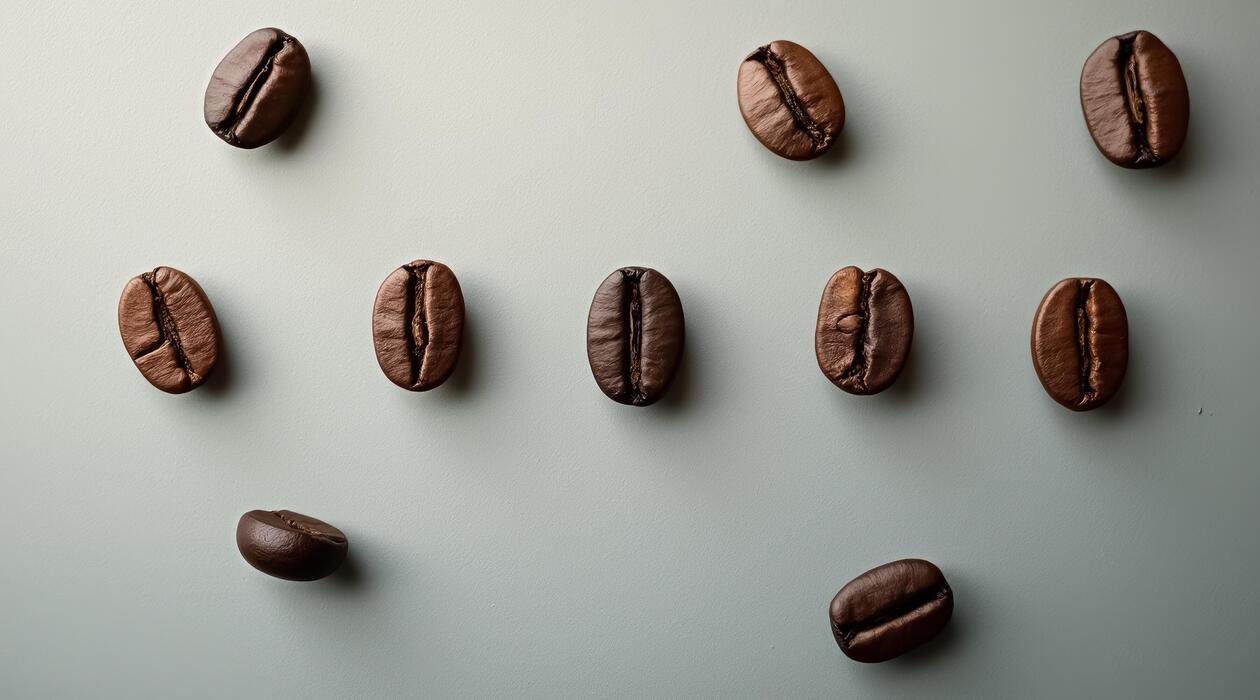
Air exposure and oxidation
Coffee beans stay good longest when air exposure is minimized, because oxygen quickly breaks down the aromatic oils that give coffee its flavor.
Once a bag is opened, whole beans are usually best within 2 to 4 weeks for peak taste, though they can remain safe to use longer if stored well.
To slow oxidation, keep beans in an airtight container, remove extra air after each use, and avoid leaving the bag open on the counter. For best results, buy only what you can finish in a few weeks and grind just before brewing.
Whole beans age much more slowly than ground coffee, so choosing beans instead of pre-ground coffee is one of the easiest ways to extend freshness. If beans start tasting flat, papery, or dull, they are past their peak, even if they are not technically spoiled.
Light, heat, and moisture damage
Light, heat, and moisture can shorten coffee bean freshness as much as air can. Sunlight and bright kitchen lighting speed up flavor loss, while heat from stoves, ovens, and warm cabinets can make oils go stale faster.
Moisture is especially damaging because it can lead to clumping, mold risk, and a dull, uneven brew. For the best shelf life, store beans in a cool, dark, dry place away from the fridge, sink, or dishwasher. A pantry or cabinet is usually ideal.
Use a container with a tight seal and avoid repeatedly opening it in humid conditions. If beans feel soft, smell musty, or look oily in an unusual way, they may have been exposed to too much moisture or heat.
Proper storage does not make beans last forever, but it can help them stay pleasant for several weeks to a few months after roasting.
Roast level and bean type
The answer to how long do coffee beans stay good also depends on roast level and bean type. Dark roasts usually taste best sooner because their surface oils are more exposed, which can make them seem stale faster than lighter roasts.
Light and medium roasts often hold their flavor a little longer, especially when stored carefully, but they still taste best within the first 2 to 6 weeks after roasting.
Single-origin beans may show freshness changes more quickly because their flavor notes are more delicate, while some blends are designed to stay balanced a bit longer.
If you want the longest usable life, buy freshly roasted whole beans in small amounts and check the roast date, not just the expiration date. Vacuum-sealed or nitrogen-flushed packaging can help unopened beans stay good for several months, but once opened, flavor quality declines faster.
For the best cup, match your purchase size to your brewing pace.
How to tell if coffee beans are still good
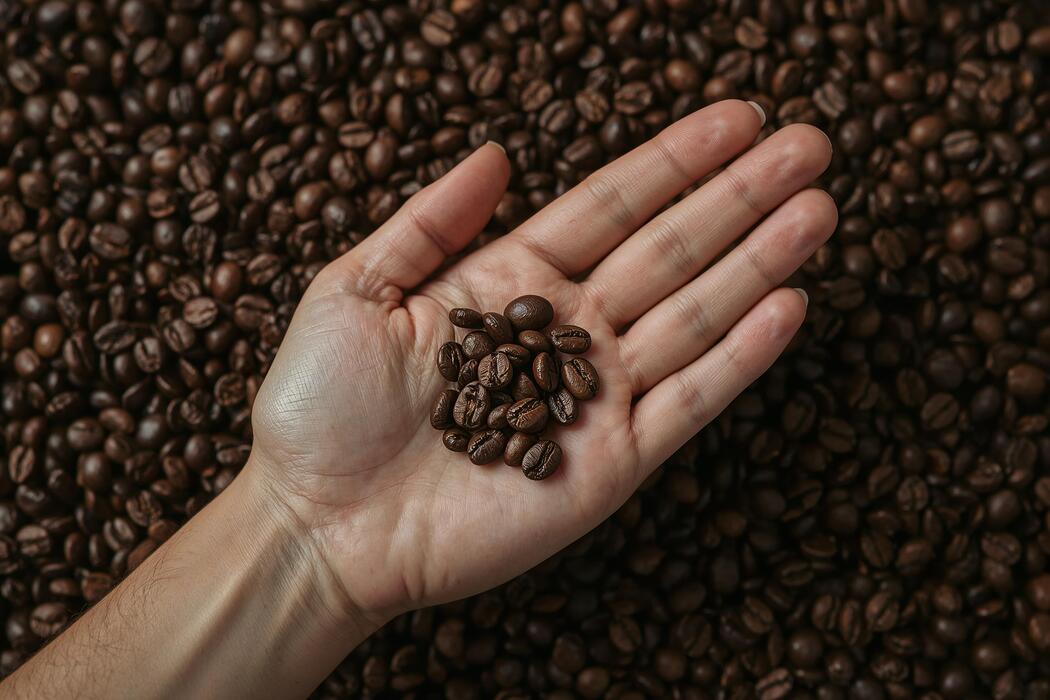
Smell test for fresh coffee
The easiest way to tell if coffee beans are still good is to smell them right after opening the bag. Fresh beans should have a strong, pleasant aroma that matches their roast and origin, such as chocolate, fruit, nuts, or caramel.
If the scent is very faint, flat, or dusty, the beans are likely past their best. In general, whole beans stay good for about 2 to 4 weeks after roasting when stored properly, though they can remain safe to use longer.
If the beans smell rancid, sour, musty, or like cardboard, that is a strong sign of staleness or poor storage. For the best results, sniff the beans before grinding, because grinding can temporarily boost the aroma and hide staleness.
Also compare them to a fresh bag if you can; the difference is often obvious. A weak smell does not always mean the beans are spoiled, but it does mean the flavor will likely be dull.
Visual signs of stale or spoiled beans
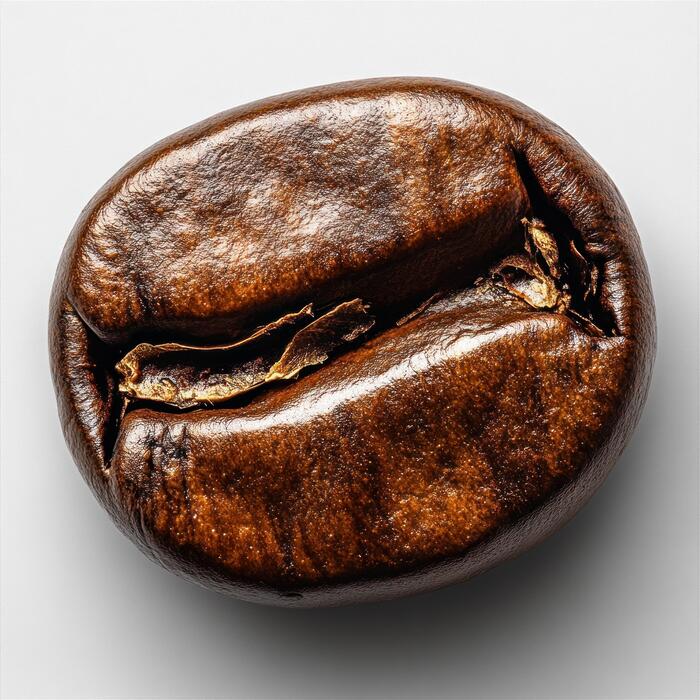
Look closely at the beans to judge freshness. Good coffee beans usually have a dry, even surface with only a slight natural sheen, especially darker roasts. If the beans look very dull, dry, cracked, or unevenly faded, they may be stale.
On the other hand, if they appear oily and sticky very early after roasting, that can mean they were roasted dark or stored poorly. Check for white spots, fuzzy growth, or clumping, which are signs of moisture damage or mold and mean the beans should be discarded.
Also inspect the package: if the bag was opened long ago, exposed to air, or stored in a warm place, the beans may lose quality faster. Whole beans typically stay at peak freshness for a few weeks to a couple of months, depending on storage, but they don’t last forever.
If the beans have visible contamination, an off appearance, or an unusually brittle texture, it is better to replace them than risk poor flavor.
Taste changes in old coffee beans
If the smell and appearance seem okay, brew a small cup and pay attention to the taste. Fresh coffee should taste bright, balanced, and aromatic, while old beans often taste flat, woody, papery, or sour in an unpleasant way.
You may also notice the cup lacks sweetness and has a thin body. That does not always mean the beans are unsafe, but it does mean they are no longer at their best.
As a practical guide, whole coffee beans are usually best within 2 to 4 weeks after roasting, and flavor often declines noticeably after that, especially if the bag has been opened.
If the coffee tastes harsh, bitter, or stale no matter how you brew it, the beans are probably past their prime. Try adjusting the grind and brew ratio once, but if the flavor still seems dull, it’s time for a new bag.
Stale coffee is usually not dangerous, just disappointing, so trust your taste test when deciding whether to keep using it.
How to store coffee beans for longer freshness
Best containers for coffee beans
For the longest freshness, store beans in an airtight, opaque container that limits both oxygen exposure and light. A one-way valve coffee canister is a good choice because it releases built-up gas without letting air rush back in.
If you buy in bulk, divide the beans into small portions so you only open one container at a time. Keep beans in their original bag only if it has a strong resealable seal and a one-way valve; otherwise, transfer them.
Avoid clear jars on the counter, since light speeds up staling. In general, whole beans stay at their best for about 2 to 4 weeks after roasting when stored well, though they can still be usable longer. For the best flavor, grind only what you need right before brewing.
Also, make sure the container is clean and dry, because moisture and old coffee oils can shorten freshness and create off flavors.
Ideal storage locations at home
The best place to store coffee beans is a cool, dark, dry cabinet or pantry away from the stove, oven, dishwasher, and sunny windows. Heat and humidity are major reasons beans lose quality faster, so a kitchen shelf near appliances is usually a poor choice.
A pantry that stays at a steady room temperature is ideal. Try to avoid moving beans around the house often, because repeated temperature changes can cause condensation inside the container.
If you live in a humid climate, keep the container especially well sealed and avoid storing beans near sinks or steam-producing appliances. Coffee beans generally remain good for several weeks after roasting, but flavor is best in the first month if stored properly.
Once opened, aim to use them within 2 to 3 weeks for peak taste. Labeling the roast date can help you track freshness and use older beans first, which reduces waste and keeps your coffee tasting better.
Why the freezer is usually not the first choice
Freezing coffee beans is not usually the first choice because it can create moisture problems. Every time frozen beans are taken out and warmed up, condensation can form, which harms flavor and aroma.
Coffee also absorbs odors easily, so if the beans are not sealed extremely well, they may pick up smells from other foods. For most households, a cool pantry is better than the freezer for short-term storage.
If you do freeze beans, only do so for extra bags you will not open soon, and divide them into small, airtight portions so you can thaw one batch at a time without repeatedly refreezing. That said, freezing is more of a backup method than a daily routine.
In normal conditions, whole beans stay good for about 2 to 4 weeks at peak quality after roasting, and proper pantry storage is usually enough to preserve that window. Focus first on airtight storage and buying smaller amounts more often.
How long different coffee beans last
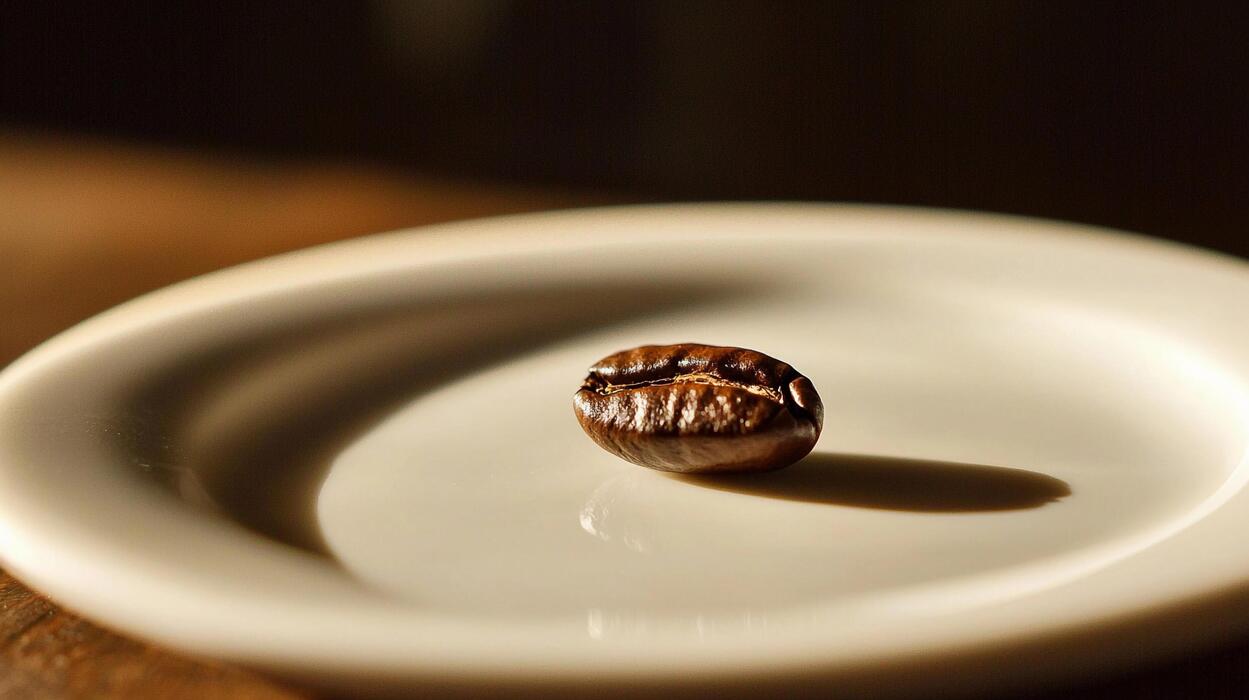
Unopened bag of whole beans
An unopened bag of whole coffee beans usually stays at its best for 6 to 9 months from the roast date if it is sealed well and stored correctly, though many bags remain safe to use beyond that.
For flavor, the key question is not safety but freshness: coffee tastes brightest in the first 2 to 8 weeks after roasting, then gradually loses aroma.
If you want beans to stay good longer, keep the unopened bag in a cool, dark, dry place such as a pantry, away from sunlight, heat, steam, and strong odors. Avoid storing it near the oven or refrigerator door where temperatures fluctuate.
If the bag has a one-way valve and airtight seal, that helps preserve gases and aroma. Before brewing, check for signs of staleness like a flat smell, dull flavor, or oily beans that seem old rather than freshly roasted.
When possible, buy bags with a clear roast date, not just a best-by date.
Opened whole beans
Once a bag is opened, whole coffee beans generally stay good for about 2 to 4 weeks for peak flavor, though they can still be usable for 1 to 3 months if stored well.
Oxygen is the main reason quality drops, so transfer beans to an airtight, opaque container and keep it in a cool, dry cupboard. Each time you open the container, some aroma escapes, so it helps to buy smaller amounts that you can finish quickly.
For the best taste, grind only what you need right before brewing because whole beans protect flavor better than pre-ground coffee. Avoid the freezer unless you are storing a large extra portion for longer-term use; repeated thawing causes moisture problems.
Also avoid the fridge, where beans can absorb odors and humidity. If your brewed coffee starts tasting flat, papery, or less fragrant, the beans are likely past their best window even if they are still technically fine to drink.
Ground coffee and flavored coffee beans
Ground coffee loses freshness faster than whole beans because much more surface area is exposed to air. For best flavor, use ground coffee within 1 to 2 weeks after opening, though it may remain drinkable for 3 to 5 months if sealed and stored properly.
Keep it in an airtight container away from heat, light, and moisture. Flavored coffee beans can fade even faster because added flavoring oils are more delicate and may turn stale sooner, so they are usually best used within 2 to 4 weeks after opening.
If flavored beans become overly oily, smell artificial, or brew with a dull aftertaste, it is time to replace them. Whether coffee is ground or flavored, do not judge by expiration date alone.
Instead, smell and taste it: weak aroma, muted flavor, and a stale or cardboard-like note are the clearest signs it is no longer at its best. Buying smaller batches is the easiest way to keep coffee tasting fresh.
Best ways to extend coffee bean shelf life
Buy smaller amounts more often
One of the simplest ways to make coffee beans stay good longer is to buy in smaller batches instead of stocking up for months. Whole beans usually taste their best within 2 to 4 weeks after opening, although they can remain usable for much longer if stored well.
If you regularly buy only enough for two to four weeks, you reduce the time beans spend exposed to oxygen, which is the main reason flavor fades.
This approach is especially helpful if you are trying to answer how long do coffee beans stay good in practical terms: they may still be safe after several months, but freshness, aroma, and sweetness decline steadily.
Choose a roast date over a vague best-by date whenever possible, and aim to finish each bag while the flavors are still lively. Frequent, smaller purchases mean less waste, better flavor, and a more consistent cup every day.
Keep beans sealed after every use
To extend shelf life, limit air, moisture, heat, and light every time you open the bag. Coffee beans stay good longest when kept in an airtight, opaque container stored in a cool, dry cupboard away from the stove, dishwasher, or sunny countertop.
After scooping out what you need, seal the container immediately rather than letting the beans sit exposed while you brew. If the original bag has a strong zip seal and one-way valve, you can keep using it, but press out excess air first.
For most households wondering how long do coffee beans stay good, proper sealing can help preserve good flavor for weeks after opening, while careless storage can make beans taste flat much sooner. Avoid the refrigerator, where humidity and food odors can harm taste.
Consistent sealing after every use protects aroma, slows oxidation, and helps your beans stay fresher from the first cup to the last.
Grind only what you need
If you want coffee beans to stay good as long as possible, keep them whole until the moment you brew. Whole beans naturally hold onto their oils and aromatic compounds better than ground coffee, which loses freshness very quickly because far more surface area is exposed to oxygen.
In everyday terms, if you are asking how long do coffee beans stay good, whole beans can deliver solid flavor for weeks after opening when stored properly, while pre-ground coffee often starts tasting noticeably dull within days.
Measure only the amount needed for each brew and grind just before brewing for the biggest improvement in flavor and shelf life. This also helps you avoid wasting grounds that sit unused in a hopper or catch bin.
If convenience matters, pre-portion whole beans into small doses rather than grinding in advance. Grinding only what you need preserves aroma, improves extraction, and makes every cup taste closer to fresh-roasted coffee.
Coffee bean freshness FAQs
Can you drink coffee beans after the expiration date?
Yes, you can usually drink coffee beans after the expiration date if they were stored well and show no signs of moisture, mold, or off smells.
The date on the bag is often about peak flavor, not safety, so the biggest issue is that older beans may taste flat, dull, or stale rather than rich and aromatic.
Before brewing, check the beans closely: if they smell weak, oily in a rancid way, or musty, it is better to replace them. If they still smell pleasant, grind a small amount and make a test cup.
To get the best results from older beans, use them for espresso, cold brew, or milk-based drinks, where slight flavor loss is less noticeable. Store beans in an airtight, opaque container away from heat, sunlight, and humidity to extend usability.
When quality matters most, replace beans once the aroma noticeably drops.
Do vacuum-sealed beans last longer?
Yes, vacuum-sealed beans generally last longer because reducing air exposure slows the oxidation that causes coffee to lose aroma and flavor. Unopened vacuum-sealed bags can often keep beans tasting good for several months, especially when stored in a cool, dark, dry place.
However, vacuum sealing does not stop aging completely, so the roast date still matters. For the best cup, choose beans with a recent roast date and use the bag within a reasonable window rather than relying only on the packaging method.
Once a vacuum-sealed bag is opened, the protection drops quickly because oxygen starts interacting with the beans right away. To preserve freshness after opening, transfer the beans to an airtight container with minimal headspace and avoid frequent opening if possible.
If you buy in bulk, divide beans into smaller portions so only one container is exposed at a time. This simple step helps preserve flavor, crema, and aroma much longer.
How long do coffee beans stay good after opening?
After opening, coffee beans usually stay at their best for about 2 to 4 weeks, though they may remain usable for up to 6 to 8 weeks if stored properly. The key difference is between best flavor and still acceptable quality.
Freshly opened beans deliver stronger aroma, sweetness, and complexity, while older opened beans often lose brightness and taste more muted. To keep them good as long as possible, store beans in an airtight, light-blocking container at room temperature, away from the stove, windows, and any humid area.
Avoid keeping them in the fridge, since moisture and odors can damage flavor. If you buy a larger bag, split it into smaller sealed containers and open one at a time. Grind only what you need right before brewing because whole beans stay fresh longer than ground coffee.
If your beans smell weak or the brewed cup tastes flat, it is a sign freshness has faded.
Frequently Asked Questions
How long do whole coffee beans stay good after roasting?
Whole coffee beans taste best within about 2 to 6 weeks after roasting, though they can remain enjoyable for up to 2 to 3 months if stored well. They usually do not spoil quickly, but flavor and aroma fade over time as the beans oxidize.
How long do coffee beans stay good after opening the bag?
After opening, whole beans are usually at their best for about 2 to 4 weeks when kept in an airtight container away from heat, light, and moisture. They may still be usable after that, but the coffee will often taste flatter and less aromatic.
Do coffee beans expire or just go stale?
Coffee beans more commonly go stale than truly expire, especially if they stay dry and free from contamination. Stale beans are generally safe to brew, but they lose the rich oils, aroma, and flavor that make coffee taste fresh.
What is the best way to store coffee beans to keep them fresh longer?
Store coffee beans in an opaque, airtight container at room temperature in a cool, dry place like a pantry. Avoid sunlight, humidity, heat, and frequent exposure to air, since all of these speed up staling.
Should I keep coffee beans in the fridge or freezer?
The fridge is usually not a good choice because beans can absorb odors and moisture. Freezing can work for long-term storage if the beans are sealed in small airtight portions and thawed only once before use.
How can I tell if coffee beans are no longer fresh?
Beans that are no longer fresh often smell weak, dull, or cardboard-like instead of rich and fragrant. When brewed, they may produce coffee that tastes flat, bitter, or lacking in sweetness and complexity.
Do whole beans stay fresh longer than ground coffee?
Yes, whole beans stay fresh much longer than ground coffee because less surface area is exposed to oxygen. Once coffee is ground, it loses aroma and flavor much faster, often within days rather than weeks.
Conclusion
Coffee beans stay good longest when stored properly in an airtight container, away from heat, light, air, and moisture. Whole beans usually keep their best flavor for a few weeks after opening, while ground coffee loses freshness faster. Although expired beans may still be safe to drink, freshness matters most for taste. With smart storage and timely use, you can enjoy richer, better-tasting coffee every day.