
How To Make Iced Coffee From Leftover Coffee
Wondering how to make iced coffee from leftover coffee without it turning watery or bitter? You’re in the right place. The core problem is that reheating stale coffee ruins the flavor, while pouring hot coffee over ice just dilutes it. The solution is simple: cool your leftover brew first, then pour it over ice with a splash of milk or sweetener. This method locks in bold taste and keeps your iced coffee crisp—no waste, no fuss.
Why Use Leftover Coffee for Iced Coffee
Save money and reduce waste
Using leftover coffee for iced coffee is a smart financial and environmental choice. Instead of pouring that morning brew down the drain, you’re repurposing it into a refreshing drink, saving the cost of buying a new iced coffee or brewing a fresh batch.
This habit significantly reduces daily waste, especially if you often have half a pot left. To make it work, simply pour your leftover coffee into a pitcher or ice cube tray immediately after your morning cup. Chilled coffee cubes prevent dilution, keeping your iced coffee strong and flavorful.
Pro tip: Store leftover coffee in a sealed container in the fridge for up to 3 days. This method also saves time—you skip the brewing step and can prepare your iced coffee in seconds.
By repurposing leftovers, you’re cutting costs, minimizing waste, and enjoying a delicious iced coffee without extra effort. It’s a win-win for your wallet and the planet.
Flavor benefits of day-old coffee
Day-old coffee often develops a richer, smoother flavor profile that’s ideal for iced coffee. As coffee sits, volatile acids mellow out, reducing bitterness and enhancing subtle notes like chocolate or caramel. This makes leftover coffee a perfect base for cold drinks, as the chilled temperature further tames acidity.
For best results, brew your coffee a bit stronger than usual (use 1.5x grounds) before refrigerating, as ice will dilute it slightly. Key tip: Avoid adding milk or sugar until you’re ready to serve, as these can degrade overnight.
The natural oxidation process also adds a slight nuttiness, which pairs beautifully with cream or vanilla syrup. Many coffee enthusiasts actually prefer day-old cold brew for its depth. So, don’t toss that leftover coffee—embrace its evolved taste.
Just pour over ice, add your favorite fixings, and enjoy a more complex, less acidic iced coffee that’s ready in seconds.
When to avoid using leftover coffee
While leftover coffee is often great for iced drinks, avoid using it if it’s been sitting for more than 48 hours at room temperature or 4 days in the fridge, as it can develop stale or sour notes.
Also, skip coffee that has visible mold, a funky smell, or an off taste—these indicate spoilage. For best quality, never reheat leftover coffee, as it intensifies bitterness and destroys delicate flavors. Crucial rule: If your original brew was overly bitter or burnt, the iced version will amplify those flaws.
In such cases, dilute with fresh water or milk, or simply brew a fresh pot. Additionally, avoid using leftover coffee if you’re sensitive to acidity, as day-old coffee can become more acidic over time. Quick check: Smell the coffee first—if it smells flat or unpleasant, discard it.
For optimal iced coffee, use leftovers within 24 hours, stored in a clean, airtight container. This ensures you get the best flavor without any risk.
How to Store Leftover Coffee for Iced Coffee
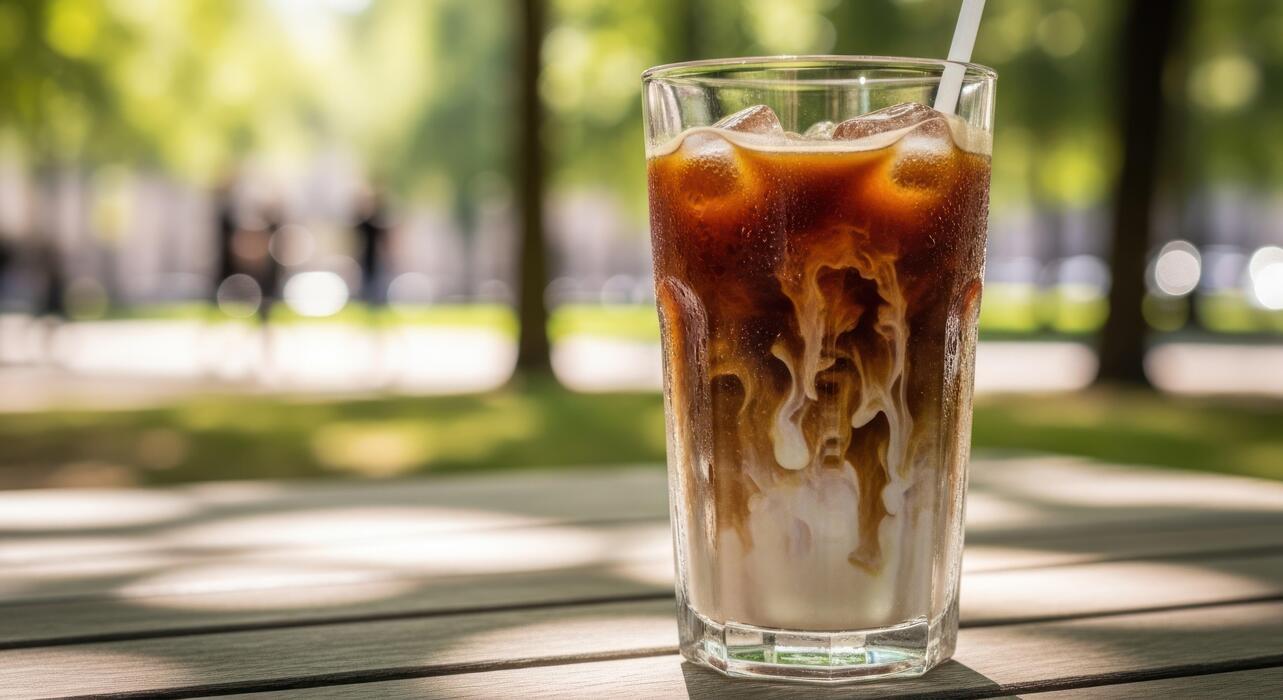
Cooling coffee quickly for freshness
To preserve the bright, clean flavor of your leftover coffee for iced coffee, cool it down rapidly before refrigerating. Leaving hot coffee at room temperature for too long can lead to oxidation, making it taste stale or bitter.
The best method is to pour the fresh coffee into a heatproof glass or stainless steel container and place it in an ice bath—a larger bowl filled with ice and cold water—stirring occasionally until it reaches room temperature within 15-20 minutes.
Alternatively, divide the coffee into smaller portions in shallow containers to speed up cooling. Avoid adding ice directly if you want to control dilution later; you can always add ice when serving.
Rapid cooling locks in the original flavor profile, preventing off-notes and ensuring your iced coffee tastes just as good as the first cup. Once cooled, transfer to the fridge immediately to maintain that just-brewed freshness.
Best containers for refrigerating coffee
Choosing the right container is crucial for storing leftover coffee destined for iced coffee. Use an airtight glass container or a stainless steel thermos to prevent the coffee from absorbing odors from other foods in the fridge, which can ruin its flavor.
Avoid plastic containers, as they can sometimes retain and transfer stale tastes over time. A narrow, tall container reduces the surface area exposed to air, slowing down oxidation and preserving freshness.
Glass jars with tight-sealing lids, like mason jars, are an excellent choice because they are non-reactive and easy to clean. If you plan to use the coffee within 24 hours, a simple glass pitcher with a lid works well. For longer storage, consider a vacuum-sealed bottle to remove excess air.
Always label the container with the date to track freshness, and never store coffee in the original pot on the burner, as this accelerates staling. A proper container ensures your leftover coffee stays crisp and ready for perfect iced coffee.
How long leftover coffee lasts in the fridge
Leftover coffee stored in the refrigerator for iced coffee remains at its best quality for 3 to 4 days. After this window, it may start to develop a flat, stale, or slightly acidic taste due to ongoing oxidation and subtle chemical changes.
For optimal flavor, aim to use it within 48 hours, as that’s when the coffee retains its original brightness and complexity. If you notice any off-putting odors or visible mold, discard it immediately—this is rare in a clean fridge but possible after a week.
To extend usability, freeze leftover coffee in ice cube trays for later iced coffee; these cubes can be added directly to cold brew or fresh coffee without dilution.
Remember that refrigerated coffee will lose its aromatic oils over time, so it’s best used for iced drinks where you can mask slight staleness with milk, cream, or syrups. Never keep leftover coffee at room temperature for more than 2 hours before refrigerating to ensure safety and taste.
Proper timing keeps your iced coffee delicious every time.
Simple Method: Pour Over Ice
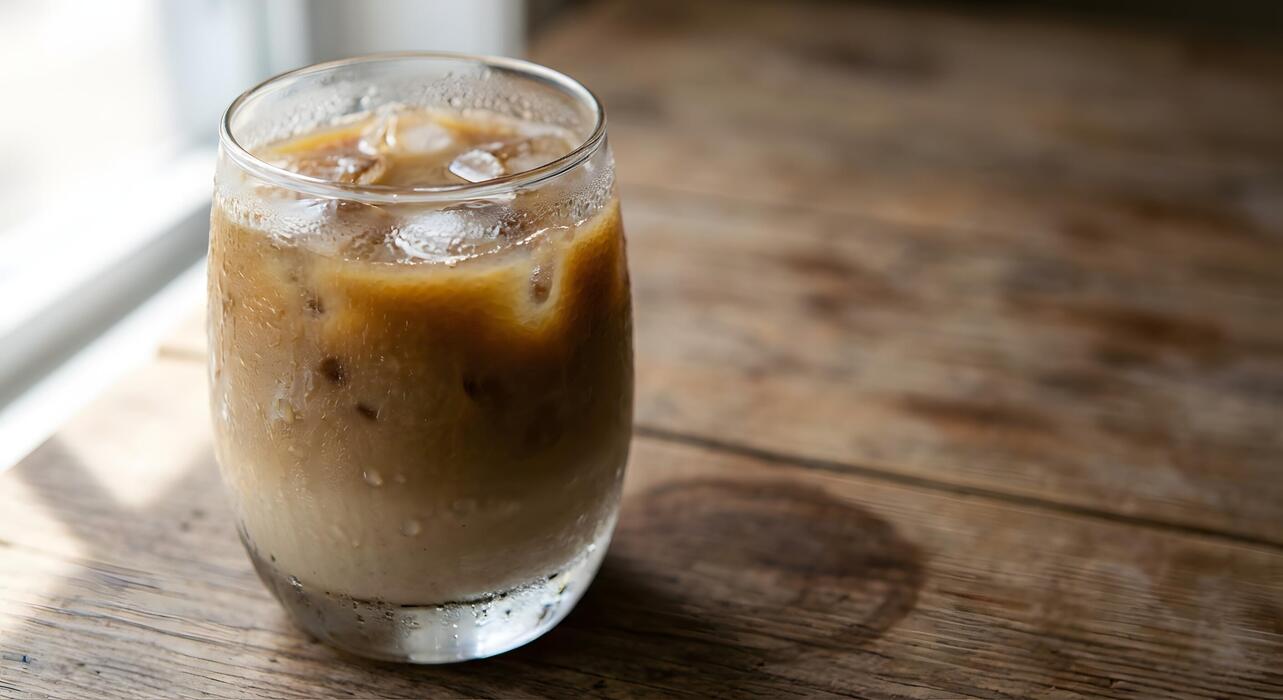
Step-by-step instructions
Start by brewing your coffee as usual, or use leftover coffee from the morning. For the pour-over-ice method, fill a heatproof glass or carafe halfway with ice cubes—preferably large ones that melt slowly. Place a pour-over cone with a filter over the glass.
Add freshly ground coffee (about 2 tablespoons per 6 ounces of water) to the filter. Slowly pour hot water (just off the boil) over the grounds in a circular motion, ensuring all grounds are saturated. The ice will immediately chill the coffee as it drips, preserving its flavor.
If using leftover coffee, simply pour the cold coffee directly over fresh ice in a glass. Stir gently to combine, and add milk, cream, or sweetener if desired. This method yields a smooth, less acidic iced coffee that highlights the coffee’s natural notes.
For best results, serve immediately over fresh ice to prevent dilution.
Best ice-to-coffee ratio
The ideal ice-to-coffee ratio ensures your iced coffee is flavorful without being watery. For the pour-over method, use a 1:1 ratio of ice to hot coffee by volume. For example, if you brew 8 ounces of hot coffee, fill your glass with 8 ounces of ice.
This allows the ice to melt slightly, chilling the coffee without over-diluting. If using leftover coffee, start with a 2:1 ratio of coffee to ice (e.g., 1 cup coffee to ½ cup ice) since the coffee is already cold.
Adjust based on your preference: for a stronger drink, use more coffee or less ice; for a milder taste, add extra ice. Remember that larger ice cubes melt slower than crushed ice, so opt for big cubes or ice spheres to maintain concentration.
Always taste before adding more ice, as you can always chill further but cannot undo dilution.
Tips to avoid watery iced coffee
Prevent watery iced coffee with these key strategies. First, use coffee brewed double-strength—for example, use twice the usual coffee grounds per water amount. This ensures the melting ice doesn’t wash out the flavor.
Second, chill your coffee first by refrigerating leftover coffee before pouring it over ice; this reduces the amount of ice needed. Third, freeze coffee into ice cubes using leftover coffee in an ice tray—these cubes add flavor instead of water as they melt.
Fourth, avoid crushing ice; large cubes or spheres melt slower, preserving the coffee’s intensity. Fifth, add ice just before serving and stir only briefly. Finally, consider using cold milk or cream instead of ice to cool the coffee, which maintains richness.
By following these tips, your iced coffee will stay bold and refreshing, never watered down.
How to Make Iced Coffee Concentrate from Leftovers
What is coffee concentrate
Coffee concentrate is a strong, brewed coffee that has been reduced to intensify its flavor and caffeine content. Unlike regular coffee, concentrate is made by simmering or steeping coffee grounds (or in this case, leftover coffee) to extract maximum flavor compounds.
The result is a dark, syrupy liquid that can be stored in the refrigerator for up to two weeks. This concentrate is the secret to quick iced coffee because it doesn’t get diluted when poured over ice. Instead of wasting leftover coffee, you transform it into a versatile base.
The process removes excess water, leaving a rich essence that mimics cold brew’s smoothness but with a bolder, more acidic profile. To make it, simply take your leftover coffee—whether from a morning pot or yesterday’s brew—and reduce it on the stove or in a slow cooker.
The goal is to evaporate about half the volume, concentrating the coffee’s natural oils and sugars. This method saves money, reduces waste, and gives you barista-quality iced coffee in seconds.
Store the concentrate in a sealed jar, and you’ll always have a ready-to-use base for iced lattes, mochas, or black iced coffee.
Steps to reduce leftover coffee
To turn leftover coffee into concentrate, start by pouring it into a wide saucepan or pot. A wider surface area speeds up evaporation. Place the pot on medium heat and bring the coffee to a gentle simmer—not a rolling boil, which can create bitter notes. Stir occasionally to prevent scorching.
Let it simmer for 10 to 15 minutes, or until the volume reduces by half. You’ll notice the coffee darkens and thickens slightly. For a more controlled approach, use a slow cooker on low with the lid off for 2 to 3 hours.
Once reduced, remove from heat and let it cool completely. Strain through a fine-mesh sieve or cheesecloth if any sediment appears. Pour the concentrate into a clean glass jar or bottle, seal it, and refrigerate. This concentrate stays fresh for up to two weeks.
If you want a stronger flavor, reduce by two-thirds instead of half. For a smoother taste, add a pinch of salt during simmering to cut acidity. Always label your jar with the date and ratio (e.g., 2:1 concentrate) for easy use later.
How to dilute and serve
To serve, start with a 1:1 ratio of coffee concentrate to water or milk. For a classic iced coffee, fill a glass with ice cubes, then pour in 2 ounces of concentrate and 2 ounces of cold water or milk. Stir well to combine.
Adjust the ratio based on your taste—use more concentrate for a bolder kick or more milk for a creamier latte. For sweetness, add simple syrup, vanilla syrup, or flavored creamer before the ice.
If you prefer a hot iced coffee experience, shake the concentrate with ice in a cocktail shaker for 10 seconds to chill and aerate it, then strain into a fresh glass. This creates a frothy, smooth texture.
For a dairy-free option, use oat milk or almond milk—they complement the coffee’s richness. To make an iced mocha, stir in 1 tablespoon of chocolate syrup before adding milk. The concentrate also works for affogato-style desserts: pour 1 ounce over a scoop of vanilla ice cream.
Store leftover diluted coffee in the fridge for up to 24 hours, but it’s best fresh. With this concentrate, you can enjoy instant, customized iced coffee anytime without brewing a new batch.
Best Ways to Flavor Leftover Coffee Iced Coffee
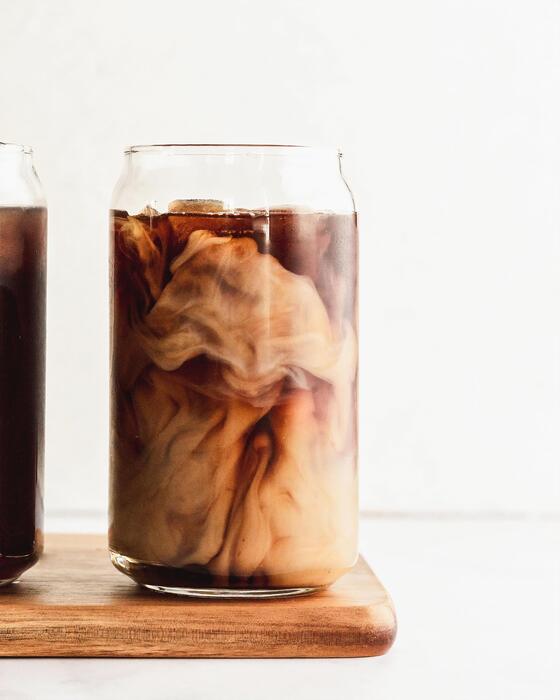
Sweeteners: syrups, sugar, or honey
Transform your leftover coffee into a delicious iced coffee by choosing the right sweetener. Simple syrups are ideal because they dissolve instantly in cold liquid. Make your own by heating equal parts sugar and water until dissolved, then cool it. Add vanilla, caramel, or cinnamon for extra flavor.
Granulated sugar works too, but stir vigorously or use a shaker to avoid grittiness. Honey or agave are natural alternatives; honey adds floral notes while agave is milder. Start with 1-2 tablespoons per cup, adjusting to taste. For a sugar-free option, try stevia or monk fruit sweeteners in liquid form.
Remember to sweeten before adding ice to ensure even distribution. If you prefer a flavored syrup, store-bought options like hazelnut or peppermint can instantly upgrade your brew. Always taste and adjust as sweetness dulls slightly when cold.
Milk and cream options
Adding milk or cream not only cools your leftover coffee but also creates a creamy, balanced iced coffee. Whole milk or half-and-half gives a rich, indulgent texture, while skim milk keeps it lighter.
For a dairy-free twist, oat milk provides a creamy mouthfeel and subtle sweetness, almond milk adds a nutty flavor, and coconut milk offers tropical notes. Condensed milk is a popular choice for Vietnamese-style iced coffee—just stir in 2-3 tablespoons for sweetness and thickness.
Heavy cream can be used sparingly for a luxurious finish. Always pour milk first, then add coffee over ice to prevent dilution. Experiment with ratios: start with 1/4 cup milk per cup of coffee, then adjust.
For a frothy top, shake cold milk and coffee in a sealed jar before pouring. These options let you customize creaminess and flavor to your preference.
Spices and extracts for variety
Elevate your leftover coffee with spices and extracts for a gourmet iced coffee experience. Cinnamon is a classic—sprinkle a pinch directly into the coffee or use a cinnamon stick as a stirrer. Vanilla extract (1/2 teaspoon) adds warmth and depth; almond extract (1/4 teaspoon) gives a nutty twist.
For a seasonal touch, try pumpkin pie spice or nutmeg with a dash of cream. Mint extract creates a refreshing, mojito-like iced coffee, perfect for summer. Cardamom offers an exotic, aromatic flavor—crush a pod and steep it in warm coffee before chilling.
Cocoa powder (1 tablespoon) turns your drink into a mocha; whisk it with a bit of hot coffee first to dissolve. Chili powder or cayenne adds a spicy kick for adventurous palates. Combine spices with sweeteners for complex flavors.
These additions require no extra effort but dramatically transform your iced coffee into a custom creation.
Tips for Serving Iced Coffee from Leftover Coffee
Chill your glass for best results
A warm glass can quickly turn your iced coffee lukewarm and ruin the refreshing experience. To avoid this, pop your serving glass in the freezer for at least 10–15 minutes before pouring.
For an even faster chill, fill the glass with ice cubes and cold water, let it sit for a minute, then discard the water and ice before adding your coffee. This pre-chilling step ensures the cold temperature lasts longer, keeping every sip crisp.
Additionally, consider using a metal or double-walled glass for superior insulation. These materials hold cold better than standard glass, preventing condensation and keeping your coffee icy without rapid dilution.
If you’re in a hurry, you can also run the glass under cold water for 30 seconds, though freezing is more effective.
The goal is to start with a cold vessel so your leftover coffee stays refreshingly cool from the first sip to the last, mimicking the experience of a café-quality iced coffee without any extra effort.
Use coffee ice cubes to prevent dilution
One of the biggest drawbacks of making iced coffee from leftovers is that regular ice cubes melt and water down the rich flavor. The simple fix is to make coffee ice cubes in advance using your leftover brew.
Pour cooled coffee into an ice cube tray and freeze for at least 4 hours or overnight. When you’re ready to serve, fill your chilled glass with these cubes instead of water ice. This way, as they melt, they intensify the coffee taste rather than weakening it.
For best results, use strong or concentrated leftover coffee for the cubes, as this compensates for any slight dilution. If you don’t have pre-made cubes, you can quickly freeze a thin layer of coffee in a shallow dish, then break it into chunks.
This trick is perfect for iced lattes, cold brews, or even iced mochas, ensuring your drink stays bold and flavorful. It’s a zero-waste hack that turns a potential flaw into a flavor boost.
Garnish ideas for a café-style drink
Elevate your leftover coffee iced coffee with simple garnishes that add visual appeal and taste. Top with a dollop of whipped cream for a creamy, indulgent finish—just a spoonful transforms the drink into a treat.
For a professional look, add a dusting of cocoa powder, cinnamon, or nutmeg using a small sieve. These spices complement coffee’s bitterness and add aroma. Drizzle caramel or chocolate syrup inside the glass before pouring for a layered effect, or swirl it on top for a decorative pattern.
Fresh mint leaves or a strip of orange or lemon zest provide a bright contrast to the coffee’s richness. If you’re serving a dairy-free version, coconut cream or a splash of oat milk can be frothed and spooned on top.
For a salty-sweet twist, sprinkle a pinch of flaky sea salt over the foam. Each garnish is quick to apply and makes your homemade iced coffee feel like a special café creation, using ingredients you likely already have.
Common Mistakes When Making Iced Coffee from Leftovers
Using coffee that is too old
One of the most common pitfalls is using leftover coffee that has been sitting at room temperature for more than 12 hours or stored in the fridge for over 2 days. Stale coffee develops bitter, sour, or flat flavors that no amount of ice or milk can mask.
To avoid this, brew fresh coffee and refrigerate it promptly in an airtight container, using it within 24 hours for best taste. If your leftovers smell off or have a dull appearance, discard them and start with fresh brew.
For optimal results, cool your coffee quickly by pouring it into a shallow container to reduce oxidation. You can also freeze leftover coffee in ice cube trays—these cubes preserve the coffee’s integrity and prevent dilution when used in iced coffee.
Remember, freshness is key: even day-old coffee can taste noticeably different when served cold, so prioritize quality over convenience.
Adding ice to hot coffee
Pouring hot leftover coffee directly over ice might seem efficient, but it often leads to watery, weak iced coffee as the ice melts rapidly. The sudden temperature shock can also extract bitter compounds from the coffee, ruining its flavor profile.
Instead, cool your coffee completely before adding ice by refrigerating it for at least 30 minutes or using a countertop cooler. For a faster method, brew your coffee double-strength and pour it over ice—this compensates for dilution.
Another pro tip: make coffee ice cubes by freezing leftover coffee in an ice tray; using these instead of regular ice keeps your drink bold and avoids watering down.
If you must use hot coffee, fill your glass halfway with ice, pour slowly, and stir gently to melt some ice evenly. This approach minimizes shock and preserves the coffee’s original taste.
Not adjusting strength for melting ice
A frequent mistake is using regular-strength leftover coffee without accounting for the dilution from melting ice. As ice melts, it adds water that weakens the coffee’s flavor, resulting in a bland drink.
To fix this, brew your coffee double-strength when planning to serve it over ice—use twice the usual amount of coffee grounds per cup of water. For example, if you normally use 2 tablespoons per 6 ounces, use 4 tablespoons.
Alternatively, reduce the water in your leftover coffee by reheating it gently to evaporate some liquid, then chill it. Another effective strategy is to use coffee ice cubes (made from leftover coffee) instead of water ice cubes; they chill without diluting.
Finally, taste and adjust: after adding ice, stir well and add a splash of milk or cream if needed to balance the flavor. This ensures every sip stays rich and satisfying.
Frequently Asked Questions
Can I use any type of leftover coffee for iced coffee?
Yes, you can use any leftover brewed coffee, including drip, French press, or cold brew concentrate. For best results, use coffee that is no more than 24 hours old and hasn’t been sitting out too long to avoid a stale taste.
How do I make iced coffee from leftover coffee without it getting watery?
To avoid watery iced coffee, brew the leftover coffee stronger than usual or use coffee ice cubes instead of regular ice. Simply pour leftover coffee into an ice cube tray and freeze; then use these cubes to chill your drink without diluting it.
What is the simplest way to turn leftover coffee into iced coffee?
The simplest method is to pour your leftover coffee over a glass filled with ice cubes. Add milk, cream, or sweetener to taste, and stir well. For a stronger flavor, let the coffee cool to room temperature first to prevent excessive melting.
Can I reheat leftover coffee to make iced coffee?
It’s not recommended to reheat leftover coffee for iced coffee, as reheating can create a bitter or burnt taste. Instead, use the coffee cold or at room temperature directly over ice.
How long can leftover coffee sit before making iced coffee?
Leftover coffee can be used for up to 24 hours if stored in the refrigerator. If left at room temperature, use it within 4 hours to ensure freshness and avoid bacterial growth.
Can I add flavors or syrups to leftover coffee iced coffee?
Absolutely! You can enhance your iced coffee by adding vanilla, caramel, or hazelnut syrup, a dash of cinnamon, or a splash of flavored creamer. Mix these into the leftover coffee before pouring over ice for even distribution.
Is leftover coffee from a coffee maker safe to use for iced coffee?
Yes, it is safe as long as it hasn’t been left out for more than 4 hours. For best quality, refrigerate the leftover coffee promptly and use it within a day to make your iced coffee.
What if my leftover coffee is already cold? Can I still make iced coffee?
Yes, cold leftover coffee works perfectly. Simply pour it over ice, and it will chill quickly. You can also blend it with ice for a frappé-style drink.
Conclusion
Turning leftover coffee into iced coffee is a simple, money-saving habit that reduces waste and delivers a refreshing treat. Key takeaways: brew strong, cool it quickly, and pour over ice with milk or sweetener to taste. By repurposing yesterday’s brew, you unlock a cooler, smoother drink perfect for warm days. Give it a try—your wallet and taste buds will thank you.