How To Make Cold Coffee With Coffee Powder
Wondering how to make cold coffee with coffee powder without it turning bitter or watery? You’re in the right place. The core challenge is extracting bold flavor from instant or ground coffee without heat diluting the ice. The solution: dissolve powder in just a splash of hot water, then add cold milk, sugar, and ice. This simple technique delivers a creamy, café-style drink at home, every time.
What You Need to Make Cold Coffee with Coffee Powder
Essential ingredients for cold coffee
To make a delicious cold coffee with coffee powder, you need a few key ingredients. Start with 2 teaspoons of instant coffee powder for a strong base; adjust based on your taste preference.
You’ll also need 1 cup of cold milk—whole milk creates a creamier texture, but you can use any milk or plant-based alternative. For sweetness, add 1-2 tablespoons of sugar or a sweetener of your choice, blending to dissolve completely.
Ice cubes are essential to chill the drink without diluting it too much. For extra flavor, include 1 teaspoon of vanilla extract or a pinch of cocoa powder. Optionally, whipped cream and chocolate syrup make excellent toppings for a café-style finish.
If you prefer a thicker, milkshake-like consistency, add 1 scoop of vanilla ice cream before blending. These ingredients combine to create a refreshing, creamy cold coffee that’s easy to customize with spices like cinnamon or a dash of instant espresso for an extra kick.
Best coffee powder for cold coffee
Choosing the right coffee powder is crucial for a flavorful cold coffee. Instant coffee powder works best because it dissolves quickly in cold or warm water, ensuring a smooth drink without gritty residue. Opt for fine-grain instant coffee from brands like Nescafé, Bru, or Starbucks VIA for consistent results.
For a richer taste, use freeze-dried instant coffee, which retains more aroma and flavor. Avoid coarse-ground coffee meant for drip brewers, as it doesn’t dissolve well in cold liquids. If you want a bolder profile, try espresso powder—it’s more concentrated and adds depth.
For a specialty touch, cold brew coffee powder is pre-ground for cold extraction, but it requires steeping time; instant is quicker. Remember, the coffee’s roast level matters: medium to dark roasts provide a balanced, not overly bitter taste when chilled.
Always store your coffee powder in an airtight container away from light to maintain freshness for the best cold coffee experience.
Kitchen tools and equipment required
You need a few simple tools to make cold coffee with coffee powder efficiently. A blender or milk frother is essential for mixing and creating a frothy, creamy texture; a high-speed blender works best for incorporating ice and achieving a smooth consistency.
If you don’t have a blender, a shaker bottle or mason jar with a tight lid can work—just shake vigorously for 30 seconds. You’ll also need a glass or cup for serving, preferably a tall one to hold ice and drink.
A measuring spoon ensures precise coffee and sugar amounts, while a spoon or stirrer helps mix if not using a blender. For optional toppings, a whipped cream dispenser or hand whisk can add a professional finish.
Additionally, ice cube trays are necessary to have ice on hand; consider making coffee ice cubes to avoid dilution. Keep a strainer nearby if using ground coffee that doesn’t fully dissolve, though instant coffee typically doesn’t require one.
How to Brew Coffee for Cold Coffee

Brewing hot coffee and cooling it down
For a quick and robust cold coffee, start by brewing a double-strength hot coffee using your preferred coffee powder. Use twice the amount of coffee powder you normally would for the same amount of water—for example, 4 tablespoons of coffee powder per 1 cup of water.
Brew using a drip coffee maker, French press, or pour-over. Once brewed, let the hot coffee cool to room temperature for about 15-20 minutes. Then, refrigerate it for at least 1-2 hours until completely chilled.
For faster cooling, pour the hot coffee into a heatproof container and place it in an ice bath. When ready, fill a glass with ice cubes and pour the chilled coffee over the ice.
This method preserves the bright, acidic notes of the coffee and works best if you want a classic iced coffee taste. Add milk, sugar, or flavored syrups to customize your drink.
Using the cold brew method with coffee powder
Cold brewing extracts a smoother, less acidic concentrate that’s perfect for cold coffee. Start by combining 1 part coffee powder to 4 parts cold, filtered water in a jar or pitcher. For a stronger concentrate, use a 1:3 ratio.
Stir gently to ensure all grounds are saturated, then cover and let it steep at room temperature or in the refrigerator for 12 to 24 hours. The longer it steeps, the stronger and more flavorful it becomes.
After steeping, strain the mixture through a fine-mesh sieve, cheesecloth, or a coffee filter to remove the grounds. The resulting concentrate can be stored in the fridge for up to two weeks. To serve, dilute the concentrate with equal parts water or milk—or adjust to your taste.
Pour over ice and enjoy a naturally sweet, low-acid cold coffee that doesn’t require heating or rapid cooling. This method is ideal for batch preparation.
Instant coffee vs. ground coffee for cold coffee
Both instant coffee and ground coffee can make excellent cold coffee, but the approach differs.
Instant coffee is the fastest option—simply dissolve 1-2 teaspoons of instant coffee powder in a small amount of hot water (about 2 tablespoons) to create a concentrated paste, then stir into cold water or milk and pour over ice.
It requires no brewing or straining, making it ideal for a single, quick serving. However, the flavor may be less complex. Ground coffee, whether used for hot brewing or cold brewing, offers a richer, more aromatic taste with natural oils and nuanced flavors.
For ground coffee, you need to brew and strain it, which takes more time but yields a superior cup. If you prioritize convenience and speed, instant coffee works well. For a deeper, more authentic coffee experience with control over strength and flavor, choose ground coffee.
Both methods can be enhanced with sweeteners or creamers to suit your preference.
Step-by-Step Recipe for Classic Cold Coffee

Mixing coffee powder with sugar and water
Start by combining 2 teaspoons of instant coffee powder with 1-2 tablespoons of sugar (adjust to your taste) in a small bowl. Add 2 tablespoons of hot water—just enough to dissolve the granules. Stir vigorously with a spoon until the coffee and sugar fully dissolve into a thick, dark paste.
For a richer flavor, use strong coffee powder like a dark roast or espresso blend. This concentrated base is crucial because it prevents a watery result when you add milk and ice later. If you prefer a less sweet coffee, start with 1 tablespoon of sugar and taste after blending.
Let the mixture sit for a minute to cool slightly; this step ensures the coffee flavor infuses evenly without melting the ice prematurely. For a pro tip, whisk the paste for 30 seconds to incorporate air, which helps create a smoother final texture.
Adding milk and ice cubes
Once your coffee paste is ready, pour 1 cup of cold milk (whole milk for creaminess or skim for a lighter option) into a tall glass or blender. Add 4-5 ice cubes to chill the drink instantly—using filtered ice prevents any off-flavors.
For an extra indulgent twist, substitute half the milk with heavy cream or a splash of vanilla extract. If you’re using a blender, layer the ingredients: first the ice, then the milk, and finally the coffee paste on top. This order helps the blender mix evenly without splashing.
For a non-blender method, stir the paste into the milk vigorously with a spoon or shake it in a sealed jar. The key is to keep everything cold: avoid warm milk, as it will dilute the coffee flavor.
Adjust the ice quantity based on how thick you want the drink—more ice yields a slushier texture.
Blending for a frothy texture
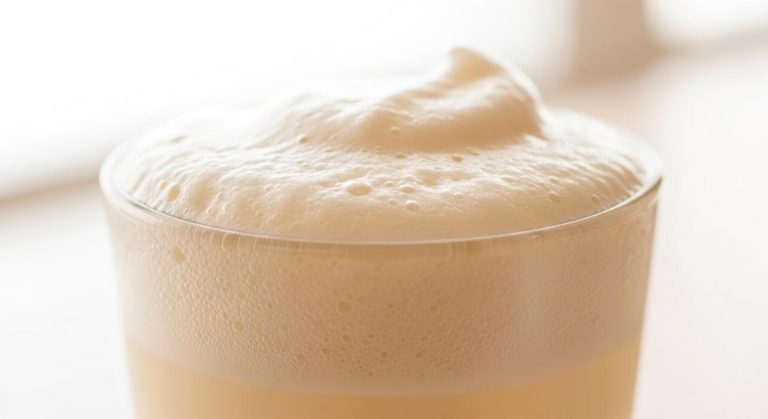
Pour the milk, ice, and coffee mixture into a blender. Blend on high speed for 30-45 seconds until the ice is crushed and the drink becomes frothy and smooth—look for a thick, milkshake-like consistency with a light foam on top.
If you don’t have a blender, use a hand whisk or a milk frother to vigorously mix the ingredients in a tall glass for 2-3 minutes until frothy. For extra creaminess, add 1 tablespoon of condensed milk or a scoop of vanilla ice cream before blending—this also boosts sweetness.
Taste the coffee and adjust: if it’s too bitter, add a pinch of sugar; if too watery, blend in 2-3 more ice cubes. Pour into a chilled glass immediately to preserve the froth. Garnish with a dusting of cocoa powder or cinnamon for a café-style finish.
Serve with a straw and enjoy your perfectly chilled, robust cold coffee.
Tips for the Perfect Cold Coffee Texture and Taste
How to avoid a watery cold coffee
To prevent a watery cold coffee, the key is to concentrate your coffee base. Instead of using a standard ratio of coffee to water, opt for a double-strength brew.
For every cup of cold coffee you want to make, use twice the amount of coffee powder you normally would for hot coffee. For example, if you usually use 1 tablespoon per 6 ounces of water, use 2 tablespoons for the same amount.
Brew it hot using your preferred method (like a French press or pour-over), then let it cool completely. Another crucial tip is to avoid diluting your coffee with ice directly. Instead, chill your concentrated coffee in the refrigerator first.
When serving, use coffee ice cubes—made by freezing leftover brewed coffee in an ice tray. This ensures that as the ice melts, it adds more coffee flavor rather than watering down your drink.
Finally, always stir your cold coffee well before drinking, as the coffee and milk can separate, leading to a weak first sip and a strong finish.
Adjusting sweetness and coffee strength
Perfecting sweetness and strength in cold coffee requires a strategic approach, as cold temperatures can dull both flavors. For sweetness, always use a liquid sweetener like simple syrup, agave nectar, or honey. Granulated sugar will not dissolve well in cold liquid, leaving a gritty texture.
Make your own simple syrup by dissolving equal parts sugar and hot water, then cooling it. Start with 1 to 2 teaspoons per serving and adjust to your taste. For coffee strength, remember that cold coffee tastes less bitter but also less bold.
If you prefer a stronger flavor, increase the coffee-to-water ratio in your initial brew rather than adding more grounds later. A good starting point is a 1:10 ratio of coffee to water for a robust cold brew.
You can also blend in a pinch of salt to reduce perceived bitterness and enhance sweetness without adding sugar. Always taste your cold coffee before serving, and adjust the sweetener or a splash of milk gradually until the balance is just right for your palate.
Using cream or milk alternatives
The choice of cream or milk dramatically impacts the texture and taste of your cold coffee. For a creamy, indulgent texture, whole milk or half-and-half is ideal, as its higher fat content creates a smooth mouthfeel that complements the coffee’s bitterness.
If you prefer a lighter option, 2% or oat milk offers a pleasant creaminess without being too heavy. Oat milk, in particular, has a natural sweetness that pairs well with cold coffee.
For dairy-free alternatives, barista editions of almond or soy milk are formulated to blend smoothly without curdling in cold liquids. Avoid skim milk or thin rice milk, as they can make your coffee taste watery.
A simple technique to improve texture is to froth your milk or cream before adding it to the coffee. Use a handheld frother or a jar with a tight lid to shake the milk until frothy.
This not only enhances the visual appeal but also aerates the milk, giving your cold coffee a lighter, more luxurious texture. Start with a 2:1 ratio of coffee to milk, then adjust based on your preference for richness.
How to Make Cold Coffee Without a Blender
Shaking method in a jar
For a quick and effective cold coffee without a blender, use the shaking method in a sealed jar. Start by dissolving 1-2 teaspoons of instant coffee powder in 2 tablespoons of hot water until fully dissolved.
Add 1 cup of cold milk, 1-2 teaspoons of sugar (adjust to taste), and a few ice cubes. Secure the lid tightly on a Mason jar or any leak-proof container. Shake vigorously for 30-45 seconds until the mixture is well combined and slightly frothy.
The shaking action aerates the coffee, creating a smooth texture similar to blended coffee. Pour into a glass over fresh ice and enjoy immediately. For extra flavor, add a dash of vanilla extract or chocolate syrup before shaking. This method is ideal for travel, camping, or when you lack electricity.
The key is dissolving the coffee powder first to avoid gritty bits. Shake with confidence—the more vigorous, the better the foam. It’s a simple, no-mess technique that yields a refreshing, café-style cold coffee in minutes.
Whisking by hand for froth
If you want a frothy cold coffee without a blender or shaker, whisking by hand is a reliable method. Begin by dissolving 2 teaspoons of instant coffee powder in 2 tablespoons of hot water in a bowl. Add 1-2 teaspoons of sugar and stir until dissolved.
Use a wire whisk or a fork to vigorously whisk the coffee mixture for 1-2 minutes until it becomes light, pale, and frothy. This manual aeration creates a creamy foam. In a separate glass, combine 1 cup of cold milk and a few ice cubes.
Slowly pour the whisked coffee foam over the milk, stirring gently to mix. The foam sits on top, giving a layered look. For best results, whisk in a circular motion with your wrist, increasing speed gradually. Add a pinch of cinnamon or cocoa powder for extra depth.
This technique works well for small batches and requires no special equipment. It’s a mindful process that lets you control the froth level. The result is a smooth, airy cold coffee with a satisfying texture—perfect for a quiet morning or a quick caffeine fix.
Using a French press for cold coffee
A French press is an excellent tool for making cold coffee without a blender, leveraging its built-in plunger for frothing. Start by dissolving 1-2 teaspoons of instant coffee powder in 2 tablespoons of hot water in the French press.
Add 1 cup of cold milk, 1-2 teaspoons of sugar, and a handful of ice cubes. Secure the lid with the plunger pulled up. Pump the plunger up and down vigorously for 20-30 seconds until the mixture becomes frothy and well-mixed.
The plunger’s mesh aerates the coffee, creating a creamy texture. Pour the cold coffee into a glass over fresh ice. For a stronger flavor, use more coffee powder or let it steep for a minute before plunging. The French press also filters any undissolved particles, ensuring a smooth drink.
Cleanup is easy—just rinse the press. This method is efficient and yields consistent results every time. Add a splash of almond milk or a drizzle of caramel for variety. It’s a versatile technique that turns a simple coffee powder into a delightful, frothy cold coffee without any electrical gadgets.
Popular Variations of Cold Coffee with Coffee Powder
Iced mocha with chocolate syrup
For a rich, dessert-like twist on classic cold coffee, the iced mocha is a perfect choice. Start by brewing a strong cup of coffee using 2 tablespoons of your favorite coffee powder and 1/2 cup of hot water.
While it’s still warm, stir in 2 tablespoons of chocolate syrup (or to taste) until fully dissolved. Allow the mixture to cool to room temperature, then refrigerate for 30 minutes. Fill a tall glass with ice cubes and pour the chilled coffee over them.
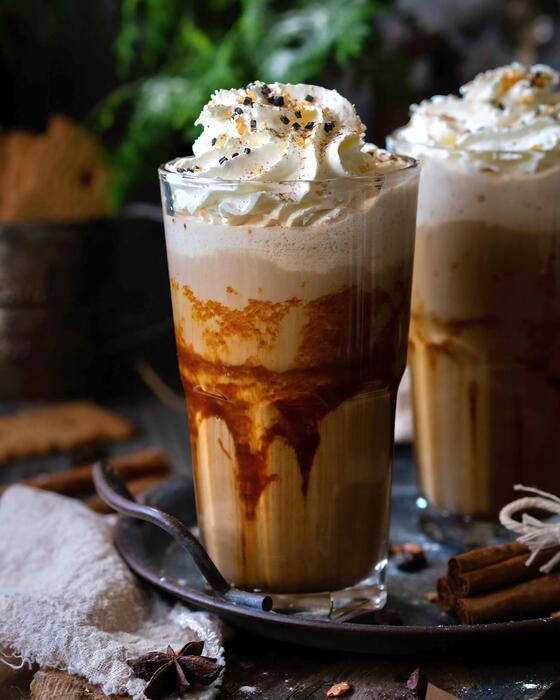
Add 1/2 cup of cold milk (dairy or plant-based) and stir well. For an extra indulgent touch, top with whipped cream and a drizzle of additional chocolate syrup. This variation balances the bold coffee flavor with sweet, creamy chocolate notes, making it a satisfying treat for any time of day.
Adjust the sweetness by using sugar-free syrup or reducing the amount.
Cold coffee with vanilla ice cream
Transform your cold coffee into a creamy, milkshake-like beverage by blending in vanilla ice cream. Prepare 1 cup of strong coffee using 2 tablespoons of coffee powder and 1 cup of hot water, then let it cool completely.
In a blender, combine the cooled coffee, 2 large scoops of vanilla ice cream, and 1/2 cup of milk. Blend on high until smooth and frothy, about 30 seconds. Pour the mixture into a glass and top with an extra scoop of ice cream for a decadent finish.
This variation is ideal for hot days when you crave a refreshing, sweet coffee fix. The ice cream adds creaminess and natural sweetness, reducing the need for added sugar. For a lighter version, use low-fat ice cream or frozen yogurt. Serve immediately with a straw for the best texture.
Vegan cold coffee with oat milk
This dairy-free version delivers a creamy, satisfying cold coffee without any animal products. Brew 1/2 cup of strong coffee using 2 tablespoons of coffee powder and 1/2 cup of hot water, then let it cool.
In a shaker or jar, combine the cooled coffee, 1 cup of oat milk (barista blends work best for frothiness), and 1 tablespoon of maple syrup or agave for sweetness. Add a handful of ice cubes, seal the container, and shake vigorously for 20 seconds until frothy.
Pour into a glass and optionally top with coconut whipped cream and a sprinkle of cinnamon. Oat milk’s natural creaminess mimics traditional milk perfectly, while the coffee’s boldness remains front and center. This vegan option is also low in saturated fat and free from common allergens.
Adjust sweetness to your preference, and consider adding a dash of vanilla extract for extra flavor depth.
Common Mistakes to Avoid When Making Cold Coffee
Using too much or too little coffee powder
Getting the coffee-to-water ratio right is crucial for a balanced cold brew or iced coffee. Too much coffee powder can result in an overly bitter, harsh, and undrinkable drink, while too little will leave you with a watery, weak flavor that lacks depth.
For a standard cold coffee with coffee powder, a good starting point is 1 to 2 tablespoons of coffee powder per 8 ounces of water, depending on your strength preference. If you’re making a concentrate, use a higher ratio (e.g., 1:4) and dilute later.
Always measure your coffee powder before brewing, and adjust based on the type of coffee you use (e.g., dark roasts require slightly less). Taste test your base before adding milk or sweeteners—this helps you fine-tune the strength.
Remember, you can always add more coffee later, but you cannot remove excess bitterness. For a smoother result, use medium or coarse grind to avoid over-extraction.
Adding ice before cooling the coffee
A common mistake is pouring hot coffee directly over ice, which can dilute the drink and create a watery, less flavorful cold coffee. When you add ice before the coffee cools, the ice melts rapidly, watering down the rich coffee notes. Instead, cool the brewed coffee completely before adding ice.
Let it sit at room temperature for 15-20 minutes, then refrigerate for at least an hour, or use an ice bath (placing the pot in a bowl of ice water) for faster chilling.
Alternatively, brew your coffee with cold water using a cold brew method—this eliminates the need for cooling entirely. If you want iced coffee without dilution, freeze coffee into ice cubes and use them instead of regular ice. This keeps your drink strong and flavorful as the cubes melt.
By cooling first, you preserve the coffee’s intended strength and aroma, ensuring each sip is as bold as the last.
Skipping the frothing step
Frothing milk is often overlooked, but it transforms a simple cold coffee into a creamy, café-quality beverage. Skipping this step results in a flat, separated drink where milk and coffee remain distinct layers rather than a unified, velvety texture.
Frothing aerates the milk, creating microfoam that adds body, sweetness, and a luxurious mouthfeel without extra calories. You don’t need an expensive machine—use a handheld frother, a French press, or even a jar with a tight lid (shake vigorously for 30 seconds).
For best results, use cold milk (whole milk or oat milk froths well) and froth just before serving. Pour the frothed milk over your chilled coffee and sweetener, then stir gently. This step also helps integrate flavors, making the coffee taste smoother and less acidic.
For a decadent twist, top with a sprinkle of cocoa or cinnamon. Don’t skip this simple step—it elevates your homemade cold coffee instantly.
Frequently Asked Questions
What is the basic recipe for cold coffee with coffee powder?
Mix 2 teaspoons of coffee powder with 2 tablespoons of hot water to form a thick paste. Add 1 cup of cold milk, sugar to taste, and a few ice cubes. Blend until frothy and serve immediately.
How do I make cold coffee without a blender?
Dissolve coffee powder in hot water, then stir vigorously with a spoon or use a shaker bottle with cold milk and ice. Shake well for 30 seconds to create foam, then pour into a glass.
Can I use instant coffee powder for cold coffee?
Yes, instant coffee powder works perfectly. Use 1-2 teaspoons per serving, dissolve in a little hot water first to avoid gritty texture, then mix with cold milk and ice.
How do I make cold coffee creamy and frothy?
Use chilled full-fat milk or add a splash of cream. Blend the coffee mixture with ice cubes for 30-60 seconds until thick and frothy. You can also add a tablespoon of condensed milk for extra creaminess.
What if I don’t have hot water to dissolve coffee powder?
Mix the coffee powder with a small amount of warm milk or room-temperature water and stir until fully dissolved. Alternatively, use a whisk or shaker to blend the coffee directly into cold milk.
How can I make cold coffee with coffee powder and no sugar?
Skip the sugar and add a natural sweetener like honey, stevia, or vanilla extract. For a richer flavor, use a splash of almond milk or a pinch of cinnamon instead.
Can I make cold coffee with decaf coffee powder?
Yes, decaf coffee powder works the same way. Follow the same steps: dissolve in hot water, mix with cold milk and ice, then blend or shake for a caffeine-free cold coffee.
How long does homemade cold coffee last in the fridge?
Store in an airtight container for up to 24 hours. Shake or stir before serving as it may separate. For best taste, consume immediately after making.
Conclusion
In summary, making cold coffee from coffee powder is simple, customizable, and requires no fancy equipment. By brewing strong coffee, chilling it, and blending it with milk, sugar, and ice, you create a refreshing, creamy drink. Experiment with ratios to match your taste. So, skip the café lines and enjoy a perfect homemade treat. Grab your coffee powder and start mixing—a delicious, cooling reward awaits you.