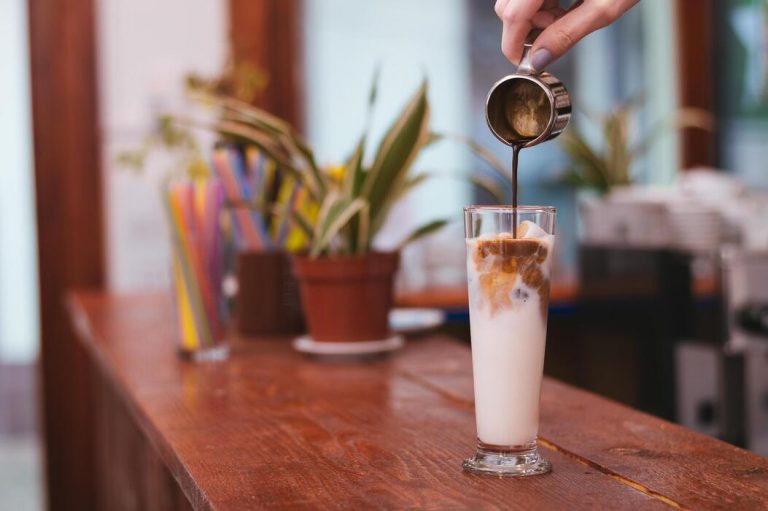
How To Make Cold Coffee Easy
How to make cold coffee easy is the question everyone asks when they want a café-quality iced drink without the hassle. The core problem is avoiding bitterness or weak flavor from rushed methods. You’re in the right place: just combine strong instant coffee, cold water, milk, and sweetener in a jar, shake for 30 seconds, and pour over ice. No brewing, no waiting—just smooth, bold results in minutes.
What You Need for Easy Cold Coffee
Essential ingredients for cold coffee
To make easy cold coffee at home, start with simple, quality ingredients you likely already have. You’ll need milk – whole milk gives the creamiest texture, but any milk or plant-based alternative works.
For sweetness, use simple syrup (equal parts sugar and water, dissolved) or your preferred sweetener like honey or agave. A pinch of salt enhances flavor and reduces bitterness. If you like it indulgent, add vanilla extract or a splash of heavy cream.
For a café-style drink, include ice cubes made from coffee to avoid dilution. You can also experiment with flavored syrups like caramel or hazelnut. The key is balancing the coffee’s strength with the milk and sweetener to suit your taste.
Pre-mix your milk and sweetener before adding coffee to ensure even distribution. This simple ingredient list keeps your cold coffee easy, customizable, and ready in minutes.
Best coffee beans or instant coffee
For the easiest cold coffee, instant coffee is your best friend – it dissolves instantly in cold milk or water, requiring no brewing. Look for high-quality instant coffee like Nescafé Gold or Starbucks VIA for a rich flavor.
If you prefer fresh beans, choose medium to dark roast coffee beans – they have lower acidity and a bolder taste that stands up to milk and ice. Cold brew concentrate is another easy option: steep coarsely ground coffee in cold water for 12-24 hours, then strain.
For a quick hot brew method, use a French press or drip maker with a double-strength ratio (2 tablespoons grounds per 6 oz water), then cool it down. Avoid light roasts as they can taste sour when cold. Whichever you choose, grind beans coarsely for cold brew to prevent over-extraction.
Store unused coffee in an airtight container away from light to maintain freshness. With these options, you can make delicious cold coffee effortlessly.
Must-have tools and equipment
Minimal equipment is needed for easy cold coffee. A sturdy glass or mason jar works perfectly for mixing and serving. If using instant coffee, a spoon or small whisk is enough to stir until dissolved.
For hot brew method, a French press or simple drip coffee maker lets you brew strong coffee quickly. A fine-mesh strainer or cheesecloth is essential if making cold brew to filter out grounds. For iced coffee, ice cube trays are handy – freeze leftover coffee into cubes to avoid dilution.
A measuring spoon ensures consistent coffee-to-water ratios. Optional but helpful: a milk frother for creamy texture (handheld versions are cheap and easy) or a blender for frappé-style drinks. No need for expensive gadgets – just basic tools you likely have. Keep everything clean and dry between uses.
With these simple tools, you can whip up cold coffee in under 5 minutes, anytime.
How to Make Cold Coffee with Instant Coffee

Quick instant cold coffee recipe
To make a quick cold coffee with instant coffee, start by mixing 2 teaspoons of instant coffee with 2 tablespoons of hot water (just enough to dissolve).
Stir until fully dissolved, then add 1 cup of cold milk (dairy or plant-based) and 1-2 teaspoons of sugar or sweetener of your choice. For extra creaminess, add 2 tablespoons of heavy cream or a scoop of vanilla ice cream.
Fill a glass with ice cubes, pour the coffee mixture over the ice, and stir well. Optionally, top with whipped cream and a dusting of cocoa powder or cinnamon. This method takes under 5 minutes and requires no special equipment—just a spoon and a glass.
Adjust the coffee strength by using more or less instant coffee, and feel free to blend all ingredients with ice for a frosty, frappé-style drink. The key is to dissolve the coffee first to avoid gritty bits.
Tips for dissolving instant coffee
Dissolving instant coffee properly is crucial for a smooth cold coffee without lumps. Always start by mixing the instant coffee with a small amount of hot water (about 2-3 tablespoons per 2 teaspoons of coffee). The heat helps the granules dissolve completely.
Stir vigorously with a spoon or use a small whisk or frother to ensure no clumps remain. If you’re in a hurry, you can also dissolve the coffee in hot milk instead of water for a richer flavor.
Avoid adding instant coffee directly to cold milk or ice, as it won’t dissolve well and will leave gritty particles. For an even smoother texture, consider making a coffee syrup by dissolving the coffee in hot water with sugar, then letting it cool before adding to cold milk.
This pre-dissolved syrup also helps the coffee blend seamlessly with cold ingredients.
Adjusting sweetness and creaminess
Tailor your cold coffee’s sweetness and creaminess to your taste with simple adjustments. For sweetness, start with 1-2 teaspoons of sugar or a liquid sweetener like honey, maple syrup, or agave, as these dissolve more easily in cold drinks. You can also use sugar-free alternatives like stevia or monk fruit.
For a richer, creamier texture, add 2-4 tablespoons of heavy cream, half-and-half, or evaporated milk before mixing. Alternatively, blend in a scoop of vanilla ice cream for a thick, dessert-like consistency. If you prefer a lighter drink, use low-fat milk or unsweetened almond milk and skip the cream.
Taste and adjust gradually—add more sweetener if too bitter, or more milk if too strong. For a dairy-free option, coconut cream or oat milk adds natural sweetness and creaminess. Remember, the coffee syrup can be pre-sweetened for even distribution.
How to Make Cold Brew Coffee at Home

Simple cold brew concentrate recipe
Making cold brew at home is incredibly easy and requires just two ingredients: coarsely ground coffee and cold water. Start by combining 1 cup of coarse ground coffee with 4 cups of cold, filtered water in a large jar or pitcher. Stir gently to ensure all grounds are saturated.
Cover the container and let it steep at room temperature for 12 to 24 hours – the longer it steeps, the stronger the concentrate. After steeping, pour the mixture through a fine-mesh sieve lined with a coffee filter or cheesecloth into a clean container. Discard the grounds.
This simple method yields a smooth, low-acid concentrate that can be diluted with water or milk. For an even easier approach, use a cold brew maker or a French press to simplify straining. The result is a delicious, refreshing coffee that’s perfect for hot days and requires no special equipment.
Best coffee-to-water ratio for cold brew
The ideal coffee-to-water ratio for a balanced cold brew concentrate is 1:4 (one part coffee to four parts water). This ratio produces a strong yet smooth concentrate that can be diluted to taste. For a milder brew, use a 1:5 or 1:6 ratio, which reduces the intensity and acidity.
If you prefer a very strong concentrate for mixing with milk or ice, try 1:3. Always use coarse ground coffee – finer grounds can make the brew bitter and cloudy. The type of coffee also matters: medium or dark roasts with chocolate or nutty notes work best.
Experiment with ratios to find your perfect strength, but start with 1:4 for a foolproof result. Remember, the ratio directly affects flavor, so adjust based on your preference. For a single serving, combine 1/4 cup coffee with 1 cup water. For a larger batch, scale up using the same ratio.
Storing and using cold brew
Once your cold brew concentrate is ready, store it in a sealed glass container in the refrigerator. It will stay fresh for up to two weeks, though flavor is best within the first week.
To use, dilute the concentrate with equal parts water, milk, or a milk alternative – adjust to your taste. For a classic iced coffee, fill a glass with ice, add 1/2 cup concentrate, and top with 1/2 cup water or milk.
You can also use cold brew as a base for coffee cocktails, smoothies, or baking (like in brownies or tiramisu). For a quick morning drink, simply pour concentrate over ice and add a splash of cream. Avoid freezing the concentrate, as it can alter the flavor.
To keep it cold without dilution, make coffee ice cubes by freezing leftover concentrate. This way, your drink stays strong and refreshing. Proper storage ensures you have smooth, ready-to-use coffee anytime.
How to Make Iced Coffee Fast
Flash-chilled iced coffee method
For the fastest iced coffee, use the flash-chilling method that cools hot coffee instantly without dilution. Start by brewing a double-strength batch using twice the usual coffee grounds per cup of water. While the coffee is hot, fill a heatproof glass or carafe halfway with ice cubes.
Slowly pour the freshly brewed double-strength coffee directly over the ice, stirring continuously to melt the ice rapidly. The result is a perfectly chilled, concentrated coffee that maintains bold flavor without becoming watery.
For even faster cooling, use a cocktail shaker: combine hot coffee and ice, seal tightly, and shake vigorously for 10–15 seconds. This aerates the coffee, creating a smooth, slightly frothy texture. To avoid bitterness, use medium-roast beans and cool the coffee within 30 seconds of brewing.
This method works with any brew method—drip, pour-over, or French press—and takes under 2 minutes total. Serve immediately over fresh ice or refrigerate for later.
Using ice cubes made from coffee
Prevent watery iced coffee by using coffee ice cubes instead of regular ice. Simply pour leftover or freshly brewed coffee into an ice cube tray and freeze until solid, ideally overnight.
When making iced coffee, fill your glass halfway with these coffee cubes, then pour hot or room-temperature coffee over them. As the cubes melt, they infuse the drink with more coffee flavor instead of diluting it. For added convenience, batch-prepare a tray on weekends so you always have cubes ready.
You can also flavor the cubes by adding a splash of milk, vanilla extract, or cinnamon before freezing. This technique works especially well for cold brew or espresso-based drinks. To speed up the process, use a silicone tray with small cubes for faster freezing and melting.
For a creamy twist, freeze coffee mixed with milk or cream for latte-style cubes. Simply stir and enjoy a consistently strong, non-watery iced coffee every time.
Avoiding watery iced coffee
The main culprit of bland iced coffee is excess dilution from melting ice. Combat this by brewing coffee double-strength—use twice the coffee grounds per water volume—so that even after ice melts, the flavor remains robust.
Additionally, chill your glass beforehand by placing it in the freezer for 10 minutes or filling it with ice water while brewing. Use large ice cubes or reusable silicone cubes, which melt slower than small, flimsy ones.
For maximum control, add ice last after pouring coffee and milk, so the drink cools gradually without shocking the temperature. If using regular ice, reduce the amount by 25% and compensate with chilled coffee or milk.
Another tip: brew coffee directly over ice in a heatproof container, stirring immediately to cool and dilute minimally. Finally, choose a dark roast or cold brew concentrate for naturally lower acidity and stronger flavor that stands up to melting.
With these adjustments, your iced coffee stays bold and refreshing from first sip to last.
Tips for the Best Cold Coffee Flavor

Choosing the right milk or milk alternative
The milk you choose significantly impacts your cold coffee’s flavor and texture. For a rich, creamy base, opt for whole milk or 2% milk, which add body without overpowering the coffee.
If you prefer a dairy-free option, oat milk is an excellent choice due to its naturally sweet and creamy consistency that blends seamlessly. Almond milk offers a lighter, nutty flavor, but opt for the unsweetened vanilla variety to avoid artificial tastes.
For a protein boost, soy milk works well, though it can be slightly bean-like. To enhance flavor, consider barista editions of plant-based milks, as they are formulated to froth and mix better without curdling. Always chill your milk beforehand to maintain the cold coffee’s temperature.
A simple tip: shake your milk container before pouring to ensure even consistency. For a richer drink, use a 1:1 ratio of coffee to milk, adjusting to your taste. Experiment with a splash of coconut milk for a tropical twist, or condensed milk for an indulgent, sweet Vietnamese-style coffee.
Adding flavors like vanilla or caramel
Elevate your cold coffee with simple, homemade flavorings that complement its boldness. Vanilla extract is a classic choice—add ½ teaspoon per cup for a warm, aromatic sweetness that enhances without masking. For a richer taste, use vanilla bean paste or scrape a fresh vanilla pod.
Caramel syrup brings buttery sweetness; make your own by melting 1 cup sugar with ¼ cup water until amber, then stir in ½ cup heavy cream and a pinch of salt. Store in a jar for up to two weeks.
For a quick fix, use store-bought sugar-free syrups in flavors like hazelnut or cinnamon. Honey or agave nectar add natural sweetness and pair well with spices like cinnamon or nutmeg—sprinkle a dash directly into the coffee grounds before brewing for infused flavor.
To avoid clumping, dissolve sweeteners in a small amount of hot water before mixing with cold coffee. For a mocha twist, stir in cocoa powder or melted dark chocolate. Always taste and adjust gradually, as cold dulls sweetness. These simple additions transform your coffee into a personalized treat.
Using whipped cream or ice cream
For an indulgent cold coffee experience, top it with whipped cream or a scoop of ice cream. Whipped cream adds a light, airy texture that balances the coffee’s bitterness.
Use heavy whipping cream (at least 36% fat) for best results—chill the bowl and beaters, then whip until soft peaks form, adding a tablespoon of powdered sugar and a splash of vanilla for sweetness. For a stable topping, use store-bought aerosol cream, but choose brands with real cream.
Ice cream creates a creamy, dessert-like drink; vanilla bean or caramel flavors complement coffee beautifully, while chocolate or mint chip adds a fun twist. Drop a generous scoop directly into your glass or blend it with coffee for a coffee milkshake.
For a healthier option, try frozen yogurt or coconut milk ice cream. To prevent melting too quickly, chill your glass beforehand. For a dramatic effect, drizzle caramel or chocolate sauce over the whipped cream.
These toppings not only enhance flavor but also provide a luxurious texture that makes every sip feel special.
Common Cold Coffee Mistakes to Avoid
Using hot coffee on ice incorrectly
A common shortcut is pouring freshly brewed hot coffee directly over ice, but this often leads to a watery, bitter brew as the ice melts too quickly. To avoid this, brew your coffee double-strength by using twice the usual amount of grounds.
For example, if you normally use 2 tablespoons per cup, use 4. This compensates for the dilution from melting ice. Another key tip: let the hot coffee cool for 5–10 minutes before pouring it over ice to slow melting.
For the best results, consider brewing coffee ice cubes in advance—freeze leftover coffee in an ice tray so they cool without watering down. If you’re in a rush, pour the hot coffee over a full glass of ice but stir immediately and drink quickly.
Skip the urge to add extra ice mid-drink, as this only dilutes further. By controlling the strength and temperature, you’ll get a bold, smooth cold coffee every time.
Overdiluting with too much milk
Adding milk or creamer can create a creamy texture, but pouring too much masks the coffee’s flavor and results in a thin, milky drink. To avoid this, start with a 1:1 ratio of coffee to milk (e.g., ½ cup coffee to ½ cup milk) and adjust from there.
For a stronger taste, reduce milk to ¼ cup. Use whole milk or oat milk for richness without excess liquid—skim milk adds wateriness. Another trick is to add milk gradually while tasting, stopping when the flavor balance is right.
If you prefer sweetness, stir in a flavored syrup or sugar first before adding milk to avoid needing extra milk to mask bitterness. For iced lattes, froth the milk (warm or cold) to incorporate air, making it feel creamier with less volume.
Remember, quality coffee should shine through, so keep milk as a complement, not a flood. This way, your cold coffee stays bold and satisfying.
Not chilling ingredients beforehand
Skipping the pre-chill step leads to rapid ice melt and a lukewarm, diluted drink—a common mistake. Start by refrigerating your brewed coffee for at least 2 hours or overnight.
If you’re short on time, use a cold brew concentrate (made by steeping grounds in cold water for 12–24 hours), which is naturally smooth and less acidic. Chill your milk, creamer, and even your glass in the fridge for 30 minutes before assembling.
For an instant fix, fill your glass with ice cubes first (preferably coffee ice cubes) to maintain temperature. If using a blender for iced coffee, chill the blender pitcher or add ice directly to the mix. Avoid using room-temperature syrups—refrigerate them or stir into hot coffee before cooling.
By ensuring every component is cold, you’ll preserve the coffee’s integrity, reduce dilution, and enjoy a crisp, refreshing cold coffee from the first sip to the last.
Easy Cold Coffee Variations to Try
Vietnamese iced coffee recipe
For a bold, sweet, and creamy iced coffee, try the classic Vietnamese style. Start by adding 2-3 tablespoons of sweetened condensed milk to the bottom of a glass.
Brew 2 tablespoons of dark roast ground coffee using a small Vietnamese phin filter directly over the glass—pour a little hot water to bloom the grounds, then fill the filter and let it drip slowly (about 5 minutes). Once brewed, stir the coffee and condensed milk together until smooth.
Fill the glass with ice cubes and stir again to chill. The result is a rich, indulgent drink that balances strong coffee with milky sweetness. For a twist, use espresso or strong drip coffee if you lack a phin.
This recipe is incredibly simple and satisfying—perfect for a quick afternoon pick-me-up.
Mocha cold coffee with chocolate
Turn your cold coffee into a decadent mocha with just a few ingredients. Brew 1 cup of strong coffee (double-strength if possible) and let it cool. In a separate cup, whisk 2 tablespoons of cocoa powder with 2 tablespoons of hot water until smooth—this prevents clumps.
Add 1-2 tablespoons of sugar or maple syrup and stir. Combine the coffee and chocolate mixture in a tall glass, then add 1/2 cup of milk (dairy or plant-based) and a handful of ice. Shake or stir vigorously for a frothy, chocolatey finish.
For extra indulgence, top with whipped cream and chocolate shavings. This quick and easy variation transforms basic iced coffee into a luxurious treat without needing a blender or special equipment. Adjust sweetness to taste, and try adding a pinch of cinnamon for a warm spice note.
Dairy-free and vegan cold coffee
Creating a creamy, dairy-free cold coffee is simple with plant-based milks. Brew 1 cup of strong coffee and let it cool.
In a shaker or jar, combine the coffee with 1/2 cup of oat milk (for the creamiest texture) or coconut milk (for a tropical hint), plus 1-2 tablespoons of maple syrup or agave. Add a dash of vanilla extract for depth.
Shake vigorously with ice until frothy, then pour into a glass with fresh ice. For a protein boost, blend in 1 frozen banana for a thick, smoothie-like consistency. Oat milk mimics dairy’s richness perfectly, while coconut cream adds a luxurious mouthfeel.
This version is easy to customize—try almond milk for a lighter taste or soy milk for extra protein. Garnish with cacao nibs or cinnamon for a healthy, refreshing iced coffee that’s completely plant-based.
Frequently Asked Questions
What is the easiest way to make cold coffee at home?
The simplest method is to dissolve instant coffee and sugar in a little hot water, then pour it over a glass filled with ice and cold milk. Stir well and enjoy. You can also add a splash of vanilla extract for extra flavor.
Do I need a coffee maker or blender to make cold coffee?
No, you don’t need any special equipment. Just a spoon, a glass, and basic ingredients like instant coffee, milk, sugar, and ice are sufficient. For a frothier texture, you can shake the mixture in a sealed jar or use a whisk.
How do I make cold coffee without instant coffee?
You can use strongly brewed regular coffee that has been cooled to room temperature or chilled. Simply pour it over ice with milk and sweetener. Alternatively, use cold brew concentrate made by steeping coffee grounds in cold water for 12-24 hours.
What is the best ratio of coffee to milk for cold coffee?
A common ratio is 1 to 2 tablespoons of instant coffee dissolved in a little hot water for every 1 cup of cold milk. Adjust based on your taste preference—more coffee for stronger flavor, more milk for a creamier drink.
Can I make cold coffee with milk alternatives?
Yes, you can use almond milk, oat milk, soy milk, or any other plant-based milk. Just note that some alternatives may be thinner, so you might want to use a creamier variety or add a bit of cream for richness.
How do I sweeten cold coffee without sugar?
You can use honey, maple syrup, agave nectar, or a zero-calorie sweetener like stevia or monk fruit. Add it while the coffee is still warm to help it dissolve, then chill and pour over ice.
What can I add to make my cold coffee taste like a café version?
Add a splash of vanilla extract, a pinch of cinnamon, or a dollop of whipped cream on top. For a mocha flavor, mix in a tablespoon of chocolate syrup. Using a frother or shaking the mixture in a jar creates a foam similar to café cold coffee.
Conclusion
Making cold coffee at home is simple: combine strong brewed coffee, milk, sweetener, and ice, then blend or shake. The key is chilling the coffee first to avoid dilution. For a richer flavor, use cold brew steeped overnight. Now you can skip expensive cafés and whip up a refreshing, creamy glass anytime. Experiment with flavors like vanilla or chocolate, and enjoy your perfect homemade iced coffee today.