
How To Make Really Good Iced Coffee
Tired of watered-down drinks that taste like sad coffee water? Learning how to make really good iced coffee at home is easier than you think, and it starts with a few simple pro secrets. Whether you prefer a bold cold brew or a flash-chilled pour-over, we have the perfect solution for you. This guide quickly breaks down the best beans, brewing methods, and ice cube tricks to ensure every sip is rich, smooth, and cafe-quality. Let is get brewing.
The Best Coffee Beans for Iced Drinks
Choosing Between Light and Dark Roasts
When learning how to make really good iced coffee, your choice of roast profile sets the entire foundation for flavor. Dark roasts are traditionally favored for iced preparations because their bold, smoky, and chocolatey notes can withstand the dilution that occurs as ice melts.
These beans provide a robust body that pairs perfectly with milk or sweeteners. However, if you prefer drinking your coffee black, medium or light roasts offer a sophisticated alternative.
Light roasts often feature delicate floral and tea-like qualities that become incredibly refreshing when chilled, though they require a more precise brewing ratio to ensure the flavors aren’t washed away.
Most enthusiasts find that a medium-dark roast provides the best of both worlds, offering enough caramelized sweetness to balance the chill while maintaining a smooth finish.
Experimenting with different roast levels allows you to customize the intensity of your drink, ensuring every sip remains flavorful from the first pour to the final drop.
Why Freshly Ground Beans Matter
The secret to café-quality iced coffee at home lies in the volatile oils trapped within the bean, which begin to dissipate the moment the coffee is ground. To achieve a vibrant and aromatic profile, you should always grind your beans immediately before brewing.
For iced coffee methods like the Japanese flash-brew or cold brew, consistent grind size is paramount to avoiding bitterness or sourness. Cold brew specifically requires a coarse, even grind to facilitate a slow, clean extraction over twelve to twenty-four hours.
Using pre-ground coffee often results in a flat, stale taste because the surface area has been exposed to oxygen for too long. By investing in a burr grinder, you ensure that the complex sugars and acids are preserved, leading to a much brighter and more satisfying iced beverage.
This simple step elevates your drink from a basic caffeine fix to a gourmet experience characterized by depth, clarity, and a lingering sweetness that pre-ground alternatives simply cannot replicate.
Top Regions for Bright Iced Coffee
The origin of your coffee beans significantly influences the final taste of your iced drink, with certain regions excelling in cold formats.
Ethiopian beans are world-renowned for their high acidity and citrus-forward profiles, making them an excellent choice for a crisp, fruit-heavy iced coffee that mimics the brightness of a cold tea. If you prefer a more balanced and nutty profile, look toward Colombian or Guatemalan beans.
These Central and South American varieties typically offer notes of cocoa and stone fruit, providing a reliable sweetness that remains prominent even when served over ice. For those who enjoy a heavier mouthfeel and lower acidity, Sumatran beans offer earthy and spicy undertones that create a unique, savory iced experience.
Selecting beans from these specific high-altitude regions ensures that your coffee possesses the density and flavor complexity needed to shine through the cold temperature. Understanding these regional characteristics helps you select the perfect bean to match your personal palate and preferred brewing method.
How to Make Cold Brew at Home

The Ideal Water-to-Coffee Ratio
To achieve a truly exceptional cold brew that rivals your favorite specialty cafe, mastering the concentration is the first essential step. For a versatile concentrate that holds its flavor profile when poured over ice, we recommend a 1:4 or 1:5 ratio by weight.
This means using approximately one cup of coarsely ground beans for every four cups of filtered water. Using a scale ensures precision, allowing you to replicate the smooth, low-acid profile every time you brew.
If you prefer a ready-to-drink version that doesn’t require dilution, a 1:8 ratio is often the sweet spot. Choosing high-quality, light to medium roast beans will highlight fruity or nutty notes that are often lost in traditional hot brewing methods.
Remember that the grind must be extremely coarse, resembling sea salt, to prevent over-extraction and bitterness. By starting with the correct proportions, you create a robust foundation that ensures your iced coffee remains flavorful and refreshing even as the ice begins to melt in your glass.
Step-by-Step Steeping Guide
Once you have measured your ingredients, combine the coarse grounds and room-temperature filtered water in a large glass jar or dedicated cold brew maker. It is vital to gently stir the mixture to ensure all grounds are fully saturated, but avoid over-agitation which can lead to cloudiness.
Seal the container and let it steep at room temperature or in the refrigerator for 12 to 18 hours. Steeping at room temperature tends to extract brighter, more floral notes, while a cold steep in the fridge results in a richer, chocolatey body.
Avoid exceeding 24 hours, as this can pull woody and bitter tannins from the beans, ruining the characteristic sweetness of the brew. This slow, heat-free process is the secret to why cold brew is significantly less acidic than iced drip coffee, making it easier on the stomach and naturally sweeter.
Finding your personal timing preference within this window is the key to unlocking the perfectly balanced caffeine kick that suits your unique palate and morning routine.
Filtering Techniques for a Clean Cup
The final stage in making premium iced coffee is achieving a sediment-free finish through meticulous filtration. Begin by pouring the steeped mixture through a fine-mesh sieve to remove the largest grounds.
For a professional-grade, crisp mouthfeel, follow this with a second pass through a paper coffee filter or a nut milk bag. This secondary filtration removes the fine silts and oils that can make the coffee taste muddy or heavy.
If you find the process slow, avoid the urge to squeeze the filter, as this forces bitter particulates into your final concentrate. Once filtered, store your clean concentrate in a sealed glass carafe in the refrigerator; it will stay fresh and vibrant for up to two weeks.
When you are ready to serve, pour your concentrate over fresh ice and add water or milk to your liking. This careful attention to the clarity of the brew ensures a refreshing, sophisticated beverage that highlights the complex nuances of the coffee bean without any unpleasant grit or lingering aftertaste.
The Flash Chilling Method for Instant Results
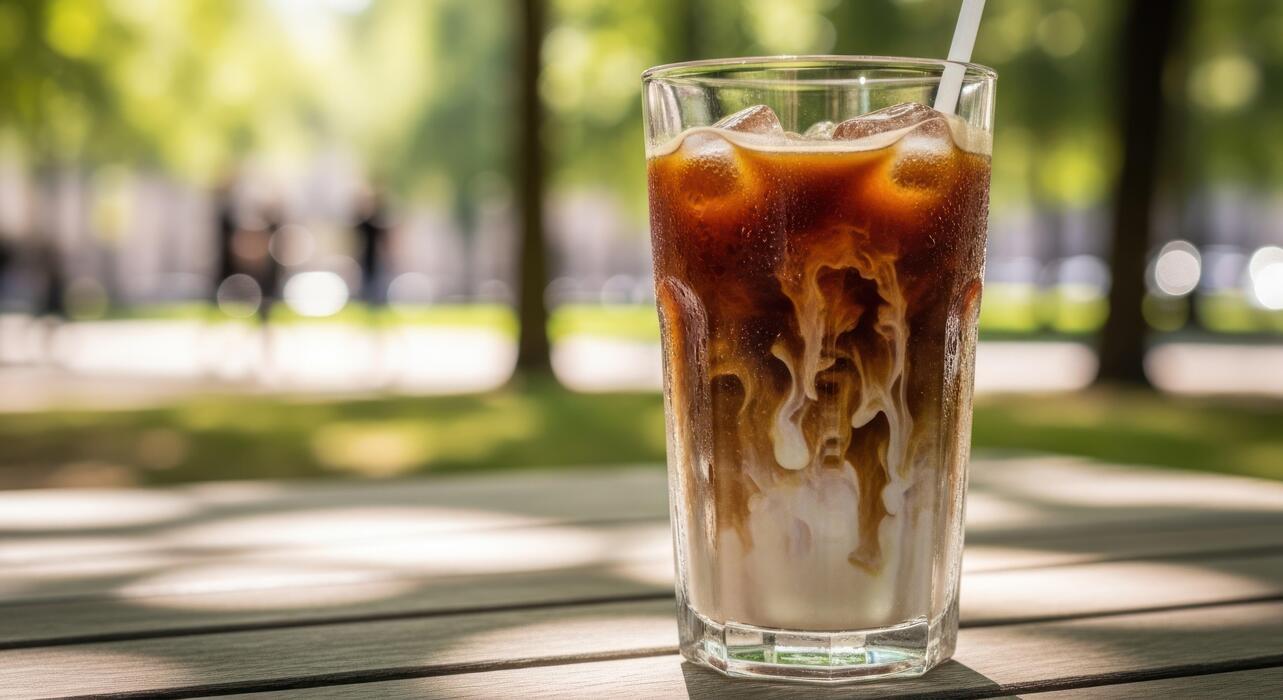
What is Japanese Style Iced Coffee?
Flash chilling, famously known as the Japanese method, is widely considered the gold standard for producing superior iced coffee at home.
Unlike traditional cold brew, which relies on a long immersion process that often results in a heavy, chocolatey profile, this technique uses hot water to extract the full aromatic spectrum of the bean.
By brewing hot, you release the volatile oils and bright acidity that define high-quality coffee, which are then instantly locked in by a bed of ice. This immediate drop in temperature prevents the oxidation that typically makes old coffee taste stale or bitter.
The result is a crisp, vibrant, and incredibly refreshing beverage that highlights the unique floral and fruity notes of your favorite roast. It is the perfect solution for those who want the complexity of a pour-over served at a freezing temperature without the twenty-four-hour wait time required by other methods.
This method ensures your drink is flavorful rather than just cold.
How to Calculate Ice Displacement
The secret to a perfect flash-chilled brew lies in the precise ratio of hot water to frozen ice. To avoid a watery or weak final product, you must replace approximately one-third to one-half of your brewing water with ice cubes.
A standard starting point is a 60:40 ratio; for every 600 grams of total liquid, use 360 grams of hot water for the extraction and 240 grams of ice in the carafe.
This ice displacement calculation ensures that as the hot coffee hits the ice and melts it, the resulting liquid reaches the ideal strength and concentration. Using a digital scale is essential for this process to maintain consistency.
If you find the coffee too strong, simply adjust the ratio next time, but always ensure the total weight of water and ice matches your standard brewing recipe.
Proper displacement prevents the common pitfall of dilution, allowing you to enjoy a bold, full-bodied glass of iced coffee that tastes exactly like a professionally crafted beverage from a high-end specialty cafe.
Brewing Directly Over Ice
To execute this method, place your measured ice directly into your carafe or glass before starting the pour-over process. As you slowly pour the hot water over the coffee grounds, the concentrated liquid will drip onto the ice, chilling the brew instantaneously.
It is vital to use a slightly finer grind than usual to compensate for the smaller volume of hot water, ensuring you still achieve a thorough and balanced extraction.
This rapid cooling technique preserves the delicate acids that are often lost when coffee is left to cool down at room temperature. Once the brewing cycle is complete, give the carafe a gentle swirl to ensure all the remaining ice is integrated and the temperature is uniform.
You will notice the clarity and brightness are significantly higher than standard iced coffee. Serve it immediately in a fresh glass with more ice if desired.
This workflow provides the most efficient way to transform a hot morning ritual into a refreshing afternoon treat while maintaining the highest possible quality standards for your caffeine fix.
Essential Equipment for Professional Results
Best Coffee Makers for Iced Drinks
To achieve professional-grade iced coffee at home, you must choose a brewing method that maximizes flavor extraction. For those who prefer a smooth, low-acid profile, a dedicated cold brew maker is essential as it allows for a long, slow steeping process that highlights chocolatey notes.
If you prefer the crisp, aromatic complexity of the Japanese iced coffee method, a manual pour-over dripper like a Hario V60 or Chemex is the superior choice.
These tools allow you to brew hot coffee directly over ice, instantly locking in delicate floral and fruity aromas that are often lost in traditional cooling methods. Additionally, an AeroPress serves as a versatile alternative, capable of producing a concentrated coffee concentrate that stands up well against melting ice cubes.
Investing in the right vessel ensures that your base liquid is robust enough to maintain its character once diluted, preventing the common pitfall of a weak or watery beverage. Selecting high-quality gear is the foundational step in replicating a premium cafe experience.
Why You Need a Quality Burr Grinder
Uniformity is the secret to exceptional coffee, and a high-quality burr grinder is the only tool that can provide a consistent particle size. Unlike cheap blade grinders that shatter beans into uneven shards and dust, burr grinders use revolving abrasive surfaces to crush coffee into precise dimensions.
This consistency is vital because even extraction prevents bitterness and sourness in your final cup. For cold brew, you require a coarse, even grind similar to sea salt to ensure the long immersion process doesn’t over-extract.
Conversely, for flash-chilled pour-over methods, a medium-fine setting is necessary to create the right resistance for hot water. When every coffee particle is the same size, they all release their flavor at the same rate, resulting in a clean, balanced, and vibrant taste profile.
Owning a burr grinder also allows you to grind fresh immediately before brewing, which preserves the volatile oils and aromatic compounds that give iced coffee its signature refreshing punch and depth of flavor.
Using a Kitchen Scale for Consistency
The difference between a mediocre drink and a masterpiece lies in the precision of your ratios, making a digital kitchen scale an indispensable piece of equipment. Relying on scoops or volume measurements is notoriously inaccurate because different coffee roasts have varying densities.
By measuring both your coffee beans and your water in grams, you can maintain a perfect coffee-to-water ratio every single time you brew. This is particularly critical for iced coffee, where you must account for the dilution caused by melting ice.
For example, when making flash-brewed coffee, you typically replace half of your brewing water with ice by weight; a scale ensures this balance is exact so the drink isn’t too concentrated or too thin.
Furthermore, a scale allows you to replicate your favorite recipes with scientific accuracy, removing the guesswork from your morning routine. Once you find the ‘sweet spot’ for your specific beans, the scale ensures that your professional results are repeatable, providing a reliable framework for experimentation and constant improvement.
Ways to Prevent Watered-Down Coffee

How to Make Coffee Ice Cubes
One of the most effective strategies to prevent a diluted beverage is to replace standard water-based ice with coffee ice cubes. To do this, simply brew a fresh pot of your favorite blend, let it cool to room temperature, and pour it into clean silicone molds.
For an extra layer of flavor, you can even whisk in a touch of vanilla extract or cocoa powder before freezing. Once solid, these cubes act as a flavor reservoir; as they melt, they release more coffee into your glass rather than plain water.
This ensures that the final sip of your drink is just as robust and bold as the very first. It is a simple yet revolutionary step for anyone serious about maintaining optimal caffeine concentration and a consistent flavor profile throughout the duration of their morning ritual.
Keep a dedicated container of these cubes in your freezer so you are always prepared to assemble a professional-grade chilled drink without any risk of unwanted dilution.
Benefits of Using a Cocktail Shaker
Utilizing a cocktail shaker is a professional secret that significantly improves the texture and temperature of your beverage. When you combine hot or room-temperature coffee with ice and shake vigorously for fifteen seconds, you achieve rapid aeration and immediate chilling.
This quick thermal transfer creates a frothy microfoam head and ensures the liquid reaches an icy temperature before the cubes have a chance to melt excessively.
By chilling the liquid instantly, you minimize the time the ice spends sitting in the drink, which effectively prevents the slow melting that leads to a watery mess.
Furthermore, the agitation helps to fully emulsify any added sweeteners or dairy, resulting in a perfectly blended, silky mouthfeel that mimics the quality of high-end cafes.
This method is particularly useful when you are in a rush and cannot wait for a brew to cool naturally, as the mechanical action handles the cooling process with maximum efficiency and flavor preservation.
The Role of Double-Strength Brewing
The foundational rule for a superior chilled drink is to account for inevitable melting by utilizing double-strength brewing techniques. When preparing your base, you should use the same amount of coffee grounds you would normally use but reduce the water volume by half.
This creates a highly concentrated extraction that is specifically designed to be diluted. As you pour this hot concentrate over a glass full of ice, the melting cubes actually serve a purpose: they provide the necessary water to bring the coffee to its ideal flavor balance and drinking strength.
Without this initial concentration, the addition of ice would quickly push the beverage into a weak and unsatisfying state. This proactive approach allows you to enjoy a bold, full-bodied experience even on a hot day.
By mastering the ratio of grounds to water, you ensure that the structural integrity of the flavor remains intact, providing a rich and aromatic profile that stands up to the cooling elements without losing its characteristic punch or complexity.
Syrups and Flavors to Elevate Your Drink
How to Make Simple Syrup at Home
To achieve professional results when learning how to make really good iced coffee, you must master the art of basic sweetener preparation. Granulated sugar often fails to dissolve in cold liquids, leaving a gritty residue at the bottom of your glass.
Instead, you should create a classic simple syrup by combining equal parts granulated sugar and filtered water in a small saucepan. Heat the mixture over medium heat, stirring constantly until the liquid becomes completely clear, which ensures the sugar is fully integrated.
Once cooled, this syrup provides a consistent sweetness throughout the drink without any textural issues. For a deeper, more complex profile, try using brown sugar or demerara to create a rich syrup that complements the roasted notes of your coffee beans.
Storing your homemade syrup in a glass bottle in the refrigerator allows you to quickly customize every glass of iced coffee with a smooth, professional finish that mimics high-end specialty cafes.
Best Milk and Dairy-Free Alternatives
The choice of whitener is a critical component in your quest to discover how to make really good iced coffee at home. While whole milk offers a traditional creamy texture, many enthusiasts are turning to barista-grade oat milk for its natural sweetness and superior frothability.
Oat milk maintains a thick consistency that does not separate when hitting cold ice, making it the premier dairy-free choice. If you prefer a nuttier profile, unsweetened almond milk provides a lighter body that allows the specific notes of your coffee beans to shine through without being overpowered.
For those seeking maximum indulgence, a splash of heavy cream or half-and-half creates a luxurious mouthfeel that balances the natural acidity of a cold brew. Regardless of your preference, always ensure your milk is chilled before adding it to your glass.
This prevents the ice from melting too quickly, which helps to maintain the integrity and strength of your coffee from the first refreshing sip to the very last.
Adding Natural Flavors Like Vanilla and Cinnamon
Elevating your beverage beyond the basics requires experimenting with organic infusions that provide depth without excessive sugar. To truly understand how to make really good iced coffee, try infusing your simple syrup with real vanilla beans or high-quality pure extract.
This adds a fragrant, aromatic layer that complements both light and dark roasts perfectly. Another effective technique involves adding a pinch of ground cinnamon directly to your coffee grounds before brewing.
This method allows the hot water to extract the warm, spicy oils from the bark, resulting in a subtle heat that lingers on the palate.
If you prefer a citrusy twist, a small strip of orange zest expressed over the top of the glass can provide a bright contrast to the bitter notes of the caffeine. Using these natural flavor enhancers ensures your drink remains sophisticated and complex.
By avoiding artificial flavorings, you focus on enhancing the natural profile of the coffee, resulting in a gourmet experience that is both healthy and incredibly satisfying.
Tips for Perfect Serving and Presentation
Choosing the Right Glassware
To elevate your iced coffee experience, start by selecting the perfect vessel. A tall, clear highball glass or a double-walled glass is ideal because it showcases the beautiful gradients of the brew and prevents external heat from melting your ice too quickly.
For a rustic aesthetic, a mason jar with a handle adds charm and provides a sturdy grip for those condensation-heavy mornings. Ensure your glassware is pre-chilled in the freezer for at least ten minutes before serving; this simple step maintains the beverage’s temperature without diluting the flavor profiles.
If you are serving a more concentrated beverage like an iced cortado, choose a smaller rocks glass to maintain the correct ratio.
The clarity of the glass allows you to appreciate the rich color of the coffee against the stark white of the milk, making the drink as visually appealing as it is delicious. Always leave about an inch of space at the top to accommodate stirring and garnishes safely.
How to Layer Milk and Coffee
Achieving that professional, marbled look requires a gentle touch and a basic understanding of liquid density. Begin by filling your glass to the brim with large, solid ice cubes to create a structural scaffold for the liquids.
Pour your chilled coffee or cold brew over the ice until the glass is roughly two-thirds full. To create a distinct layer, take a spoon and hold it upside down just above the surface of the coffee.
Slowly pour your cold milk or heavy cream over the back of the spoon. This technique breaks the fall of the liquid, allowing it to sit delicately on top before it begins its dramatic, slow-motion descent into the dark coffee below.
This visual contrast is not just for show; it allows the drinker to control the flavor by stirring the components themselves. For a thicker consistency, use full-fat dairy or oat milk, as their higher fat content creates more defined and lasting layers during the initial presentation phase.
Garnishing for a Cafe-Style Look
The final touch to any world-class iced coffee is the garnish, which adds both aromatic complexity and visual flair. Start with a dusting of cocoa powder or cinnamon across the top of the foam for an instant gourmet upgrade.
If you want to lean into indulgence, add a dollop of thickly whipped cold foam or a swirl of whipped cream finished with a drizzle of salted caramel.
For a more sophisticated, modern approach, consider adding a sprig of fresh mint or a thin zest of orange peel to highlight the bright, citrusy notes often found in light-roast beans. Another pro tip is to use coffee ice cubes to prevent the drink from becoming watery as you sip.
You can even freeze a few coffee beans inside the cubes for a stunning, artistic effect. These small details transform a standard caffeine fix into a sensory experience that rivals the most expensive boutique coffee shops, ensuring your homemade creation looks just as impressive as it tastes.
Frequently Asked Questions
What is the best coffee-to-water ratio for iced coffee?
To prevent dilution from melting ice, use a 1:8 or 1:10 ratio of coffee to water, which is double the strength of standard drip coffee. This ensures the flavor remains bold and rich even as the ice cubes begin to melt.
How can I prevent my iced coffee from tasting watery?
The most effective trick is to use coffee ice cubes made by freezing leftover coffee in an ice tray. Additionally, brewing your coffee at double strength or using the cold brew method naturally creates a more concentrated base that withstands melting ice.
Is cold brew or chilled drip coffee better for iced coffee?
Cold brew is generally preferred for its smooth, low-acid profile and natural sweetness, while chilled drip coffee offers a brighter, more complex flavor. If using drip coffee, be sure to brew it extra strong and let it cool completely before adding ice to avoid a bitter taste.
What is the best way to sweeten iced coffee?
Granulated sugar does not dissolve well in cold liquids, so it is best to use simple syrup or flavored syrups. You can easily make your own by dissolving equal parts sugar and water over heat, then cooling it before adding it to your drink.
Should I add milk or cream before or after the ice?
You should add your milk or cream after the ice and coffee are already in the glass. This allows you to better judge the color and consistency of the drink, ensuring you don’t over-dilute the coffee flavor with too much dairy.
How do I make ‘flash-chilled’ iced coffee?
Flash-chilling involves brewing hot coffee directly onto ice cubes using a pour-over setup. This method instantly locks in the volatile aromatic compounds of the beans, resulting in a vibrant and flavorful iced coffee that isn’t stale.
Conclusion
Mastering the perfect glass of iced coffee relies on using high-quality beans, the right brewing method, and preventing dilution. Whether you prefer the smoothness of cold brew or the quickness of the flash-chilled technique, remember that coffee ice cubes are a game changer. By focusing on these simple details, you can recreate a premium cafe experience right in your own kitchen. Now, grab your favorite glass and start experimenting with your newfound barista skills today.