How To Make Strong Cold Brew
If you are tired of weak, watered-down coffee, learning how to make strong cold brew is the ultimate game-changer for your morning routine. The secret lies in mastering the coffee-to-water ratio and allowing enough time for a deep, bold extraction. In this guide, we will show you exactly how to achieve that rich, concentrated flavor you crave without any bitterness.
The Science of Strong Cold Brew Coffee
Why cold brew tastes different than iced coffee
Understanding the distinction between cold brew and iced coffee is essential for achieving a robust cup. While iced coffee is brewed quickly with hot water and then poured over ice, cold brew relies on a long immersion process using room temperature or chilled water.
This fundamental difference in chemistry prevents the oxidation of coffee oils that typically occurs at high temperatures. Hot water extracts volatile acids and bitter tannins rapidly, resulting in a sharp profile.
In contrast, the cold extraction method pulls out the natural sugars and chocolate notes, creating a beverage that is naturally lower in acidity and significantly smoother. To make your cold brew stronger without the harshness of traditional coffee, you should focus on a coarse grind size to ensure even saturation.
This slow, gentle process allows for a concentrated essence that maintains its integrity even when diluted. By avoiding heat, you preserve the delicate aromatic compounds that give cold brew its signature velvety mouthfeel and deep, rich flavor profile.
The role of time in caffeine extraction
When learning how to make strong cold brew, time is your most critical variable because it compensates for the lack of heat.
Heat typically acts as a catalyst for extraction, but in cold brewing, you must allow for an extended steep time, usually between 12 to 24 hours, to fully pull caffeine and flavor from the grounds.
Shorter steeping times often result in a weak, tea-like consistency, while exceeding 24 hours can introduce earthy, over-extracted flavors. To maximize potency, aim for a high coffee-to-water ratio, such as 1:4 or 1:5, which creates a potent concentrate.
This concentrated base ensures a higher caffeine content per ounce compared to standard drip coffee. During this lengthy immersion, the water slowly penetrates the dense structure of the coarse grounds, steadily drawing out the stimulant molecules.
By patiently managing the steeping duration, you can control the strength of your brew, ensuring a powerful kick that remains smooth and drinkable regardless of whether you serve it black or with milk.
How temperature affects the final flavor profile
Temperature plays a nuanced role in the science of strong cold brew, dictating which chemical compounds are successfully dissolved into the water. Brewing at room temperature typically accelerates the extraction process slightly compared to brewing in the refrigerator, often yielding a bolder, more rounded flavor.
If you choose to brew in the fridge, you may need to extend your steeping time to achieve the same level of intensity. Maintaining a consistent brewing temperature is vital for preventing the extraction of undesirable bitter compounds that occur when heat is introduced.
Once the extraction is complete, storing your concentrate at a cold temperature helps to lock in the flavor and prevent spoilage or oxidation.
For those seeking the strongest possible profile, starting the steep at room temperature for the first few hours before moving it to the fridge can help jumpstart the extraction of oils.
This careful thermal management ensures that your final beverage is potent and refreshing, providing a clean caffeine delivery that highlights the unique characteristics of your chosen coffee beans.
Best Coffee Beans for a Potent Brew

Choosing between dark and medium roasts
When learning how to make strong cold brew, your choice of roast level serves as the foundation for the entire extraction process.
For those seeking a potent, heavy-bodied cup, dark roasts are traditionally the superior choice because the longer roasting process breaks down the bean’s cellular structure, allowing water to penetrate and extract oils more easily during the long steeping cycle.
These beans typically offer chocolatey, smoky, and nutty notes that hold up exceptionally well when diluted with ice or milk. Conversely, a medium roast provides a balanced strength that highlights more complex acidity and stone fruit undertones without the intense bitterness sometimes found in darker profiles.
If your goal is maximum perceived strength and a syrupy mouthfeel, look for beans labeled as French or Italian roast.
These darker varieties ensure that even after a sixteen-hour soak, the resulting concentrate remains bold enough to provide that signature caffeine kick while maintaining a smooth, low-acid finish that characterizes high-quality cold brew coffee.
Why fresh whole beans matter for strength
The secret to a truly powerful cold brew lies in the volatile oils and aromatic compounds trapped within the bean, which begin to dissipate the moment the coffee is ground.
To achieve maximum potency, you must prioritize fresh whole beans and grind them immediately before brewing to ensure no flavor is lost to oxidation.
Using pre-ground coffee often results in a flat, weak profile because the surface area has been exposed to air for too long, stripping away the intensity you desire. Furthermore, cold brew requires a consistent extra-coarse grind size to allow for a slow, steady extraction over twelve to twenty-four hours.
If the grind is too fine, you risk an over-extracted, muddy mess; if it is uneven, the strength will be inconsistent. By investing in a quality burr grinder and starting with beans roasted within the last two weeks, you guarantee a high concentration of solubles.
This freshness translates directly into a more robust caffeine content and a deeper, more resonant flavor profile that pre-packaged grounds simply cannot replicate.
Top regions for bold cold brew flavors
Geographic origin plays a pivotal role in determining the inherent strength and flavor density of your cold brew concentrate. For a punchy, earth-forward profile that defines a strong brew, beans from Sumatra and Indonesia are world-renowned for their heavy body and low acidity.
These regions produce coffees with deep forest and spicy notes that thrive in a cold-steeping environment, resulting in a brew that feels substantial on the palate.
If you prefer a bold sweetness with a clean finish, Central and South American origins like Brazil or Colombia offer the classic cocoa and caramel notes that most enthusiasts associate with premium cold brew.
Brazilian beans, in particular, are often processed in a way that enhances their natural oils, contributing to a thicker concentrate. For those who want strength paired with a unique floral intensity, an Ethiopian Natural process bean can provide a surprising jolt of berry-like brightness.
Selecting single-origin beans from these specific regions allows you to customize the potency and flavor characteristics of your batch to suit your specific taste preferences.
The Perfect Coffee-to-Water Ratio for Concentrate
Calculating the 1:4 ratio for maximum strength
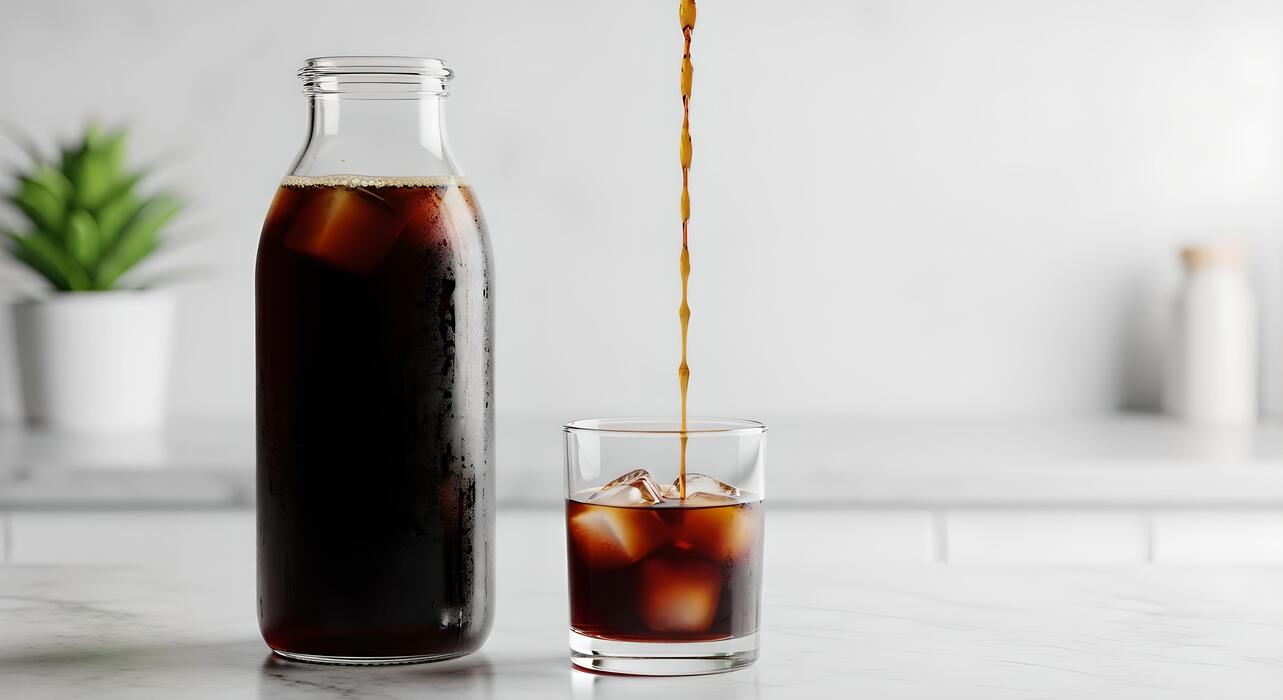
To achieve the ultimate cold brew concentrate that serves as a versatile base for lattes and iced drinks, you must commit to a precise 1:4 coffee-to-water ratio.
This specific measurement is widely considered the gold standard for creating a potent, syrupy extraction that preserves the intricate flavor notes of the bean while delivering a significant caffeine punch.
When you utilize one part coffee to four parts water, you are intentionally oversaturating the liquid to ensure the resulting brew is strong enough to withstand dilution from ice cubes or heavy creamers later on.
To begin this process, simply multiply your coffee weight by four to determine the total water volume required. For instance, using 250 grams of coarsely ground beans will require exactly 1,000 grams of filtered water.
This high-concentration method ensures that the final beverage remains bold and flavorful even after several days of storage in your refrigerator, preventing the common pitfall of a weak or watery cup of coffee.
Measuring by weight vs. volume
For consistent results in every batch, professional baristas strongly recommend measuring your ingredients by weight using a digital kitchen scale rather than relying on volumetric cups or scoops.
Because different coffee roasts vary significantly in density—dark roasts are often puffier and lighter than dense light roasts—a single cup of beans can fluctuate by several grams, leading to unpredictable strength levels.
Utilizing a scale allows you to maintain the exact 1:4 ratio with scientific precision, ensuring your cold brew is consistently strong every single time you brew.
If you absolutely must use volume, a rough guideline is approximately one cup of dry grounds to four cups of water, but be aware that this is far less accurate.
For those seeking a premium, high-strength concentrate, the minor investment in a digital scale pays off immediately by eliminating guesswork and preventing the waste of expensive beans. Accuracy is the foundational secret to mastering the art of cold brew at home and achieving that perfect, robust caffeine kick you desire.
Adjusting ratios for personal taste
While the 1:4 ratio is the industry standard for a heavy concentrate, the beauty of home brewing lies in your ability to fine-tune the strength to match your unique palate.
If you find the 1:4 output too intense or slightly bitter, you can easily pivot to a 1:5 or 1:6 ratio for a beverage that is still strong but more approachable as a standalone drink.
Conversely, if you are a true caffeine enthusiast looking for an extra-strength rocket fuel, experimenting with a 1:3 ratio will produce an incredibly thick and dark liquid.
Remember that the grind size and steeping time also play critical roles alongside your chosen ratio; a coarser grind requires a full 12 to 24 hours to extract properly at these high concentrations. Always document your adjustments in a small notebook so you can replicate your favorite results.
By systematically tweaking these variables, you will eventually discover your own signature cold brew formula that provides the perfect balance of richness, clarity, and bold energy for your morning routine.
How to Grind Coffee for Cold Extraction
Why a coarse grind is essential
To achieve a truly robust and strong cold brew, you must prioritize a coarse, sea salt-like grind size. Because cold extraction relies on a lengthy immersion process rather than heat, the surface area of the coffee particles determines the rate of extraction.
Using a coarse grind allows the water to slowly penetrate the beans over twelve to twenty-four hours, drawing out the deep chocolate and nutty notes without over-extracting the harsh tannins.
If the grind is too fine, the water saturates the coffee too quickly, leading to a muddy concentrate that is difficult to filter. A coarse texture ensures that the water flows freely through the grounds, facilitating a balanced infusion of caffeine and flavor.
This specific texture is the foundation of a high-quality concentrate, providing the necessary body for a drink that remains flavorful even when diluted with milk or ice. Stick to this consistency to ensure your cold brew remains smooth, bold, and powerful.
Avoiding bitter flavors from fine particles
One of the most common mistakes when trying to make strong cold brew is using fine coffee grounds in an attempt to speed up the process. Fine particles have a much larger surface area, which leads to rapid over-extraction and an unpleasant, bitter aftertaste.
These tiny particles, often called ‘fines,’ can also clog your filters, resulting in a cloudy beverage with a gritty mouthfeel. To maintain a clean and crisp profile, it is vital to keep your grind uniform and large.
By avoiding fine dust, you ensure that only the sweetest and most aromatic compounds are extracted during the long steeping period. If you find your coffee is too bitter, check your grind size before adjusting the steeping time.
A consistent, coarse grind prevents the release of acidic oils that usually occur with finer settings. Achieving this balance is the secret to a concentrated brew that is rich in flavor but completely devoid of the astringency typically associated with hot-brewed coffee that has gone cold.
Best grinders for consistent results
Selecting the right equipment is just as important as the beans themselves when aiming for the perfect cold extraction. For the most consistent results, a burr grinder is vastly superior to a blade grinder.
Burr grinders use two revolving abrasive surfaces to crush the beans into uniform pieces, whereas blade grinders chop them into irregular shards and fine dust. This uniformity is critical for cold brew because it ensures that every particle extracts at the same rate.
Look for a grinder that offers a wide range of settings specifically designed for French Press or coarse extraction. Manual hand grinders are excellent for small batches, while electric conical burr grinders are ideal for those making large quantities of concentrate.
Investing in a quality grinder allows you to control the extraction variables with precision, ensuring that your cold brew is consistently strong and delicious every single time.
By utilizing a high-quality burr system, you eliminate the variance that causes sour or overly bitter batches, resulting in a professional-grade coffee experience at home.
Step-by-Step Guide to Making Strong Cold Brew

Mixing your grounds and filtered water
To achieve a truly potent cold brew, the foundation lies in your ratio and water quality. Start with a coarse grind size, similar to sea salt, to prevent over-extraction and bitterness during the long soak. For a robust concentrate, use a 1:4 coffee-to-water ratio by weight.
This high concentration ensures that even after adding ice or milk, the caffeine kick remains substantial. Always use filtered water to ensure that no chlorine or mineral impurities interfere with the delicate oils of the bean.
Place your grounds in a large glass jar or specialized cold brew maker, then pour the water over them in a circular motion. Use a long spoon to gently saturate every ground, ensuring there are no dry pockets left behind.
Do not stir vigorously; simply ensure the coffee is fully submerged to begin the slow extraction process that creates that signature smooth, heavy-bodied profile you desire for a high-energy morning beverage.
The ideal steeping time for high caffeine
Patience is the essential ingredient when you are aiming for maximum strength and flavor depth. For a standard brew, twelve hours might suffice, but for a strong cold brew concentrate, you should aim for a steeping time of 18 to 24 hours.
Leaving the mixture at room temperature during this period accelerates the extraction of caffeine compared to refrigeration. If you prefer to steep in the fridge to maintain a specific flavor profile, you must extend the time toward the full 24-hour mark.
Be careful not to exceed 24 hours, as this can lead to the extraction of woody, bitter tannins that ruin the palate. Keep the container tightly sealed and away from direct sunlight to prevent oxidation.
This extended contact time allows the water to pull the maximum amount of solubles from the coarse grounds, resulting in a syrupy, high-caffeine liquid that serves as a powerful base for any coffee drink you choose to create later.
Proper filtering techniques for a clean finish
Once your steeping window is complete, the final step to a professional-grade strong cold brew is achieving a sediment-free finish. Start by pouring the mixture through a fine-mesh metal sieve to remove the largest spent grounds.
For the most refined texture, follow this with a secondary filtration using a paper filter or a clean flour sack towel. This step is crucial because it removes the fine silty particles and excess oils that can make the coffee taste muddy over time.
Do not squeeze the filter or the grounds, as this forces bitter compounds into your concentrate. Let gravity do the work for a crystal-clear, bold result. Once filtered, store your concentrate in a glass carafe in the refrigerator for up to two weeks.
Because you have created a high-strength concentrate, you can dilute it with equal parts water or milk when serving, ensuring you have a potent, delicious drink that maintains its integrity even when poured over large amounts of ice.
Tips for Increasing Caffeine and Boldness
The benefits of room temperature steeping
To maximize the extraction of caffeine and achieve a robust flavor profile, you should prioritize room temperature steeping over refrigeration during the initial phase. When coffee grounds sit in water at approximately 70°F, the molecular movement is significantly more active than in a cold fridge environment.
This increased kinetic energy allows the water to break down the dense cellular structure of the coffee bean more effectively, pulling out the bold oils and caffeine molecules that characterize a powerful concentrate.
While a cold steep takes longer and often results in a thinner body, room temperature brewing for 12 to 18 hours ensures a heavy mouthfeel and a highly concentrated kick. By avoiding the chill until the brewing process is complete, you prevent the extraction from stalling prematurely.
This specific method ensures that your final cup remains potent enough to stand up to heavy cream or ice without losing its signature intense boldness and depth.
Double-filtering for a smoother concentrate
Once your grounds have finished steeping, the key to a professional-grade strength lies in your filtration technique. Implementing a double-filtering process is essential for removing fine sediment that can lead to over-extraction and bitterness over time.
Start by passing your mixture through a coarse metal mesh to catch the large grounds, then immediately follow up with a high-quality paper filter or a fine cloth nut milk bag.
This secondary step removes the micro-fines that cloud the liquid, resulting in a clean, ultra-smooth concentrate that allows the natural sweetness and caffeine to shine. Because this process removes the gritty residue, you are left with a pure liquid that is much easier to measure for strength.
A cleaner profile also allows you to enjoy a higher coffee-to-water ratio without the harsh aftertaste often associated with poorly filtered brews. This clarity is what differentiates a standard homemade batch from a truly premium and potent cold brew experience.
How to store your brew to maintain potency
The way you handle your finished concentrate directly impacts its long-term strength and chemical stability. To preserve the caffeine content and bold aromatics, always store your cold brew in an airtight glass container, such as a Mason jar or a specialized carafe.
Oxygen is the primary enemy of coffee freshness; exposure to air leads to oxidation, which quickly degrades the complex flavor compounds and dulls the caffeine’s impact. Keep your container in the back of the refrigerator where the temperature is most consistent, as frequent fluctuations can alter the brew’s chemistry.
For the best results, do not dilute the entire batch at once; instead, keep it as a concentrate and only add water or milk immediately before consumption. This practice ensures that the structural integrity of the brew remains intact for up to two weeks.
By protecting your batch from light and air, you guarantee every glass delivers a consistent and powerful caffeine boost every single morning.
Best Ways to Serve and Dilute Your Concentrate
Mixing with milk vs. water
To master the art of making strong cold brew, you must first understand the fundamental 1:1 ratio. When diluting your concentrate, mixing with water is the traditional method to preserve the complex, low-acid flavor profile of the beans.
If you prefer a bold, black coffee experience, start with equal parts water and concentrate, then gradually reduce the water to maintain that punchy caffeine kick. Conversely, mixing with milk or cream creates a luxurious, velvety texture that balances the natural chocolatey notes of the brew.
For those who want the strongest possible result without the bitterness, using a high-fat dairy or oat milk allows the coffee’s intensity to shine through while providing a smooth mouthfeel. Always stir gently to ensure the concentrate fully integrates with your chosen liquid.
Experimenting with different ratios is essential to finding your perfect strength, as the density of the concentrate can vary significantly based on your initial steeping time and the specific coffee roast used during the brewing process.
Using coffee ice cubes to prevent watering down
One of the most effective solutions for maintaining a potent beverage is using coffee ice cubes instead of standard frozen water. As regular ice melts, it inevitably dilutes your drink, turning a robust concentrate into a thin, flavorless liquid.
To prevent this, simply pour some of your extra-strength cold brew into an ice tray and freeze it overnight.
When you serve your drink, these specialized coffee cubes will melt and actually add more coffee flavor back into the glass, ensuring that your last sip is just as powerful as the first. This technique is particularly helpful during hot summer months when rapid melting is unavoidable.
For an even more intense experience, you can freeze the concentrate itself into cubes, allowing you to control the strength as they dissolve into a glass of milk or water.
This proactive approach guarantees that your caffeine intake remains consistent and your flavor profile stays rich, dark, and entirely undiluted throughout the entire time you are enjoying your carefully crafted homemade beverage.
Creative ways to use extra-strong cold brew
If you have mastered the technique of creating an exceptionally powerful concentrate, you can move beyond the glass and explore creative culinary applications.
An extra-strong cold brew serves as an incredible base for coffee-flavored cocktails, such as a refined espresso martini or a coffee-infused old fashioned, where the intensity of the bean needs to stand up against bold spirits.
Furthermore, you can use the undiluted liquid as a secret ingredient in baking, adding it to chocolate cake batters or brownie mixes to deepen the cocoa flavor without adding excessive moisture.
For a refreshing twist, try blending the concentrate with frozen bananas and protein powder to create a high-energy breakfast smoothie that packs a serious punch. You can even use the concentrate to create a savory marinade for meats, as the acidity and roasted notes complement grilled flavors beautifully.
By treating your cold brew as a versatile kitchen staple rather than just a morning drink, you maximize the utility of your brew and ensure that not a single drop of that liquid gold goes to waste.
Frequently Asked Questions
What is the best coffee-to-water ratio for strong cold brew?
For a potent cold brew concentrate, use a ratio of 1:4 or 1:5 (one part coffee to four parts water). This creates a high-strength base that can be diluted with ice, milk, or water to your preferred intensity.
What grind size should I use for strong cold brew?
Always use a very coarse grind, similar to sea salt or breadcrumbs. While finer grinds extract faster, they often lead to over-extraction and bitterness; a coarse grind allows for a long, clean extraction of caffeine and flavor.
How long should I steep cold brew for maximum strength?
To achieve maximum strength, steep your coffee at room temperature for 18 to 24 hours. Steeping for longer than 24 hours is generally discouraged as it can result in woody or overly bitter flavor notes.
Does steeping cold brew in the fridge make it stronger?
Actually, steeping at room temperature extracts compounds faster than in the refrigerator. If you prefer to steep in the fridge, you should extend the brewing time by several hours to achieve the same strength as a room-temperature batch.
Which roast type produces the strongest tasting cold brew?
Dark roasts are typically preferred for strong cold brew because they offer bold, chocolatey, and smoky profiles that hold up well against dilution. However, light roasts can be used if you prefer a high-caffeine content with more floral and acidic notes.
How can I increase the caffeine content in my cold brew?
You can increase caffeine by using a higher coffee-to-water ratio and choosing Robusta beans or light-roasted Arabica beans. Additionally, ensuring a full 24-hour steep time ensures you have extracted the maximum amount of caffeine from the grounds.
Should I stir my cold brew while it is steeping?
You should stir the mixture once at the very beginning to ensure all grounds are fully saturated. Avoid constant stirring during the process, as this can lead to an over-extracted and cloudy final product.
Conclusion
Mastering strong cold brew comes down to the perfect coffee-to-water ratio, a coarse grind, and patient steeping. By using high-quality beans and filtered water, you ensure a bold, smooth concentrate that stays fresh for days. Don’t be afraid to experiment with brewing times to find your ideal flavor profile. Now that you have the tools for success, it is time to start your first batch and enjoy the ultimate homemade caffeine kick.