How To Make Great Iced Coffee
Are you tired of watery, bitter iced coffee that tastes like disappointment? Achieving that perfect cafe-quality glass at home is easier than you think. Whether you prefer a bold cold brew or a quick flash-chilled pour, we have mastered the secrets to the ultimate refreshing brew. This guide will show you exactly how to make great iced coffee by balancing strength and temperature perfectly. Stick with us to discover the simple techniques and essential tips you need today.
Best Coffee Beans for Iced Drinks
Choosing Between Light and Dark Roasts
When making iced coffee, the roast profile determines how the flavor translates through dilution and cold temperatures. Dark roasts are the traditional favorite because their bold, smoky, and chocolatey notes remain distinct even after adding heavy cream or melting ice.
These beans provide a robust backbone that prevents the drink from tasting watered down. Conversely, light roasts are increasingly popular for those who prefer a tea-like consistency and complex acidity. These beans often feature floral and citrus notes that shine when brewed as a flash-chilled pour-over.
For the best results, consider a medium-dark roast if you plan to add milk, as it offers a balanced profile with low acidity and a rich finish. Ultimately, your choice should depend on whether you want a refreshing, crisp beverage or a decadent, dessert-like treat.
Experimenting with different roast levels allows you to customize the intensity of your iced coffee to perfectly match your personal palate and preferred brewing method.
Why Freshly Ground Coffee Matters
The secret to a vibrant glass of iced coffee lies in the volatile oils and aromatics found within the bean, which begin to dissipate immediately after grinding. For a truly professional result, you should grind your beans right before brewing to ensure maximum flavor extraction.
When coffee is pre-ground, it loses the nuanced notes that provide depth to cold drinks, often leaving the final product tasting flat or bitter.
Using a burr grinder is essential for achieving a consistent particle size, which is critical for even extraction whether you are making cold brew or a concentrated drip.
For cold brew, a coarse grind is necessary to prevent over-extraction during the long steeping process, while a medium grind works best for iced lattes. By prioritizing freshness, you capture the peak sweetness of the bean, reducing the need for added sugars or syrups.
This simple step elevates a standard homemade drink into a high-quality cafe experience that highlights the unique characteristics of the specific coffee origin.
Top Regions for Bright and Nutty Flavors
Selecting beans from specific geographic regions can drastically alter the profile of your iced coffee. For those who enjoy a crisp and refreshing drink, African beans from Ethiopia or Kenya are unmatched, offering bright acidity and berry-like undertones that feel incredibly light on a hot day.
These origins are perfect for the Japanese flash-brew method, where the coffee is brewed hot directly over ice to lock in those delicate aromatics.
If you prefer a smoother, more traditional iced coffee with hints of chocolate and toasted nuts, look toward Central and South American origins like Colombia or Guatemala. These beans provide a consistent, mellow sweetness that pairs beautifully with dairy or plant-based milks.
Additionally, Sumatran beans offer an earthy, low-acid alternative for those who want a heavy-bodied cold brew with a lingering finish.
Understanding these regional flavor profiles helps you select the perfect bean to complement your preferred brewing technique, ensuring every glass of iced coffee is balanced, flavorful, and perfectly tailored to your taste.
How to Make Cold Brew at Home
The Perfect Coffee to Water Ratio
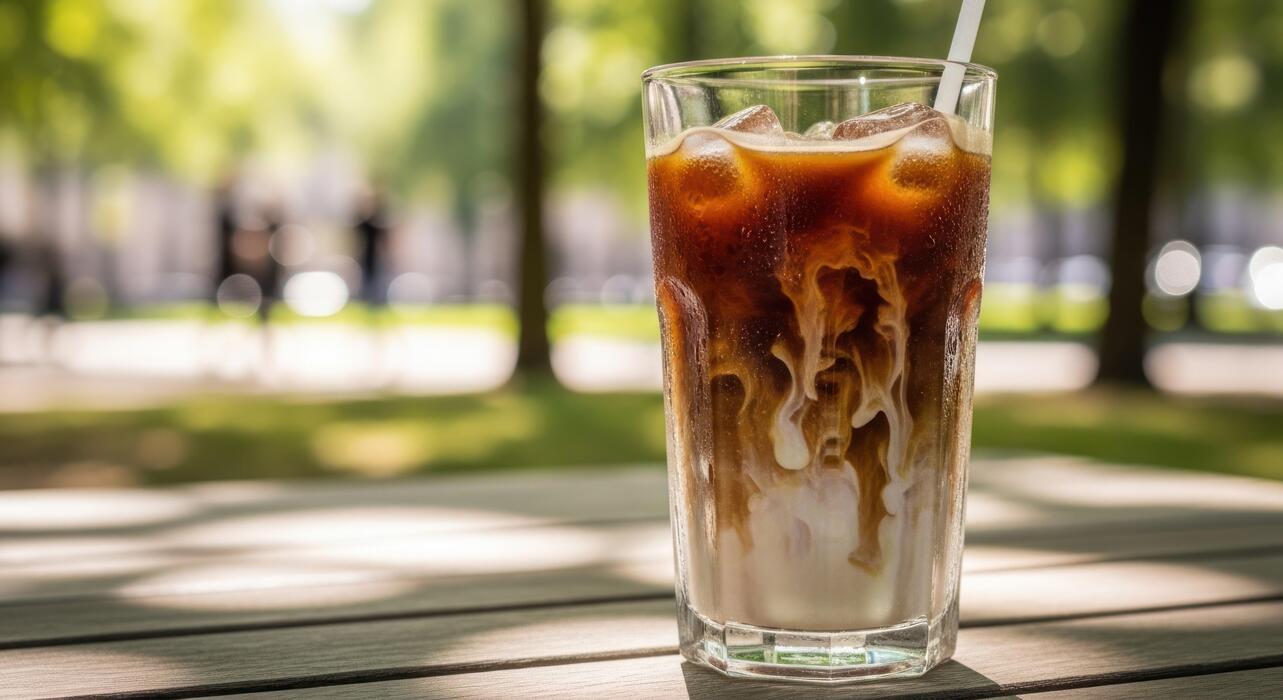
Achieving the ultimate iced coffee experience begins with mastering the concentration of your brew. For a robust cold brew concentrate that stands up well to ice and milk, the golden rule is a 1:4 ratio of coffee to water.
This means using one cup of coarsely ground beans for every four cups of filtered water. If you prefer a lighter, ready-to-drink version, you can adjust this to a 1:8 ratio instead.
Using a coarse grind size, similar to sea salt, is essential because it prevents over-extraction and bitterness during the long soaking period. Always use filtered water to ensure that no mineral tastes or chlorine odors interfere with the natural flavor profile of your selected beans.
By weighing your ingredients with a digital scale rather than using volume measurements, you ensure a consistent flavor profile every time you brew. This precise foundation allows you to customize your final glass by diluting the concentrate to your exact personal preference.
Step-by-Step Steeping Instructions
To begin the process, place your coarse coffee grounds into a large glass jar or dedicated cold brew maker. Slowly pour your room-temperature filtered water over the grounds, ensuring every particle is fully saturated to promote even extraction.
Instead of shaking the container, use a long spoon to gently submerge the crust that forms on top. Once combined, seal the container and let it sit at room temperature or in the refrigerator for a period of 12 to 24 hours.
A longer steep time of 18 to 24 hours typically results in a deeper, more chocolatey flavor profile, while shorter times highlight brighter acidity. Avoid the temptation to stir the mixture frequently, as this can lead to excessive sediment and a muddy mouthfeel.
This low-heat extraction method creates a low-acid beverage that is naturally sweeter and smoother than traditionally brewed hot coffee. Patience is the most critical ingredient here, as the slow infusion process is what develops the signature mellow richness of premium iced coffee.
Filtering Techniques for a Clean Cup
The final stage in crafting great iced coffee is achieving a sediment-free finish through proper filtration. Start by pouring the steeped mixture through a fine-mesh sieve to remove the largest coffee particles.
For a professional, crisp result, perform a second pass using a paper coffee filter or a clean flour sack towel placed inside the strainer. This step is vital because it removes the fine silty particles and oils that can make the coffee taste bitter over time.
If you find the flow slowing down, do not squeeze the filter, as this forces fine dust into your carafe; instead, simply replace the paper filter and continue the process. Once filtered, store your concentrate in a sealed glass bottle in the fridge for up to two weeks.
When you are ready to serve, pour your clean concentrate over fresh ice cubes and add water or your favorite milk. This meticulous filtering ensures a silky-smooth texture and a vibrant taste that remains fresh and delicious from the first sip to the last.
The Flash Chilling Method Explained

How to Brew Hot Coffee Directly Over Ice
To master the flash chilling method, start by placing a specific volume of fresh ice into your glass or carafe before you begin the brewing process. You should use a manual pour-over dripper, such as a V60 or Chemex, to ensure maximum control over the water flow and extraction timing.
As the hot water hits the coffee grounds, it extracts the full range of aromatic compounds and bright acidity that are often lost in the slow cold brewing process.
The freshly brewed coffee then drips directly onto the ice cubes, which results in an instantaneous temperature drop that locks in the delicate flavor profile.
It is essential to pour in a slow, circular motion to saturate all the grounds evenly, allowing the concentrated liquid to melt the ice at a controlled rate.
This technique ensures your drink is chilled immediately, preventing the oxidation that causes bitterness while maintaining a crisp and clean finish that defines high-quality homemade iced coffee.
Adjusting Your Recipe for Dilution
The most critical step in flash chilling is recalibrating your standard coffee-to-water ratio to account for the melting ice. Typically, you should aim to replace approximately one-third to one-half of your total brewing water with ice by weight.
For example, if your recipe calls for 300 grams of water, you might use 150 grams of hot water for the extraction and 150 grams of ice in the vessel.
Because you are using less hot water, you must grind your coffee beans finer than usual to increase the surface area and ensure proper extraction during the shorter contact time. This creates a potent coffee concentrate that reaches the perfect strength once the ice melts into the brew.
Using a digital scale is highly recommended to maintain precision, as balancing the ice-to-water ratio is the secret to avoiding a watery or weak beverage. By concentrating the initial brew, you preserve the structural integrity of the flavor even as the drink becomes refreshingly cold.
Why Japanese Style Iced Coffee Tastes Better
Japanese style iced coffee, or flash chilling, is widely considered superior to traditional cold brew because it utilizes heat to unlock complex acids and oils.
Cold water is incapable of extracting the vibrant fruity and floral notes found in specialty light-roast beans, often resulting in a flavor profile that is heavy, chocolatey, and somewhat one-dimensional. By brewing hot, you capture the dynamic acidity and brightness that make premium coffee varieties unique.
The immediate cooling process then captures these volatile aromatics before they can dissipate into the air or degrade through heat exposure. This creates a beverage with a sparkling clarity and refreshing mouthfeel that mimics the experience of a hot pour-over but in a chilled format.
Furthermore, because it is brewed and served instantly, the coffee tastes much fresher than cold brew, which typically sits for twelve to twenty-four hours. This method offers a sophisticated complexity that highlights the true origin characteristics of the bean, providing a more nuanced and satisfying drinking experience.
Essential Tools for Better Iced Coffee
Best Brewers for Cold Coffee
To achieve a cafe-quality beverage at home, selecting the right equipment is paramount for flavor extraction. For those who prefer the smooth, low-acid profile of cold brew, a dedicated cold brew maker or a large glass carafe with a fine-mesh filter is essential for long steeping times.
If you prefer the bright acidity of the Japanese iced coffee method, a precision pour-over dripper like a V60 or Chemex is the ideal tool. These brewers allow you to flash-chill hot coffee directly over ice, locking in delicate aromatics that are often lost in slower methods.
Additionally, an AeroPress serves as a versatile alternative, creating a concentrated shot that stands up well to dilution. Investing in the right brewer ensures that your base coffee has the body and clarity needed to shine once chilled.
By matching your equipment to your preferred taste profile, you can consistently produce a refreshing drink that rivals your favorite local coffee shop’s signature offerings.
Why You Need a Quality Burr Grinder
The secret to great iced coffee lies in the uniformity of your coffee grounds, which only a high-quality burr grinder can provide. Unlike blade grinders that shatter beans into inconsistent shards, burr grinders use revolving abrasive surfaces to ensure every particle is the same size.
This consistency is vital because even extraction prevents your iced coffee from tasting either unpleasantly bitter or weak and watery. For cold brew, a coarse, even grind is necessary to prevent a muddy texture and over-extraction during the twenty-hour steep.
Conversely, if you are making iced pour-over, a medium-fine setting is required to manage the flow rate over ice. Using a burr grinder allows you to fine-tune your grind size to suit the specific brewing method, ensuring that the natural sweetness and complex notes of the bean are fully realized.
Freshly grinding your beans immediately before brewing also preserves the volatile oils that provide that essential aromatic punch in every chilled sip.
Using Scales for Consistent Results
Precision is the bridge between a lucky cup of coffee and a repeatable masterpiece, making a digital kitchen scale an indispensable tool for your home setup.
When making iced coffee, the ratio of coffee to water and ice is incredibly delicate; even a few grams of discrepancy can lead to a drink that feels thin or overly harsh.
By weighing your coffee beans and water, you eliminate the guesswork inherent in using volumetric scoops, which vary wildly depending on bean density and roast level.
A scale is particularly helpful for the Japanese iced coffee method, where you must precisely split your total water volume between the brewing hot water and the ice in the carafe. This ensures that the final beverage reaches the perfect dilution point exactly as the last ice cube melts.
Maintaining a strict brew ratio allows you to identify what works for your palate and replicate those exact results every single morning, ensuring your iced coffee is consistently bold, balanced, and professional.
Tips to Prevent Watered Down Coffee

How to Make Coffee Ice Cubes
One of the most effective strategies to maintain the integrity of your brew is to replace standard water-based ice with coffee ice cubes. To do this, simply brew an extra pot of your favorite blend and let it reach room temperature before pouring the liquid into silicone ice cube trays.
Using silicone trays allows for easy removal without cracking the cubes. For an added layer of flavor, you can even stir in a small amount of simple syrup or cocoa powder before freezing.
As these specialized cubes melt into your glass, they release more caffeine and flavor rather than diluting the beverage with plain water. This ensures that the very last sip of your drink is just as bold and robust as the first.
It is a simple yet revolutionary step for anyone wondering how to make great iced coffee at home without compromising on the rich profile of the beans, making it a staple technique for coffee enthusiasts.
Using Coffee Concentrates
Utilizing a high-quality coffee concentrate is a professional secret for achieving a punchy flavor that stands up to melting ice. By brewing your coffee at a higher coffee-to-water ratio, such as a 1:4 or 1:8 ratio, you create a dense liquid that is designed to be diluted.
When you pour this potent extract over fresh ice, the initial melting process actually works in your favor by bringing the beverage to a palatable strength rather than making it watery.
Cold brew methods are particularly well-suited for this, as the long steeping time extracts a smooth, low-acid profile that remains consistent even as the temperature changes. If you prefer a quick method, try the Japanese flash-chilling technique where you brew hot coffee at double strength directly over ice.
This instant cooling locks in the volatile aromatics and delicate notes that are often lost in traditional cooling methods, providing a vibrant and complex cup that remains flavorful until the glass is completely empty.
The Role of Temperature Control
Mastering the physics of heat transfer is essential for preventing a diluted mess in your glass. You should always avoid pouring boiling hot liquid directly onto ice, as this causes rapid melting and immediate watering down of the flavor profile.
Instead, allow your brewed coffee to sit at room temperature for at least twenty minutes, or better yet, store a carafe in the refrigerator beforehand.
Using a pre-chilled glass or a double-walled insulated tumbler can also significantly slow down the rate at which the ice melts by minimizing the ambient heat transfer from your hands and the surrounding air.
Furthermore, choosing large, dense ice blocks rather than small crushed ice pieces reduces the total surface area exposed to the liquid, which ensures a slower melt rate.
By maintaining strict temperature control over every element—from the liquid to the vessel—you create an environment where the ice serves its primary purpose of cooling the drink without prematurely turning your premium artisan coffee into a bland, translucent liquid.
Ways to Flavor and Sweeten Your Drink
How to Make Simple Syrup
Granulated sugar often struggles to dissolve in cold liquids, leaving a gritty residue at the bottom of your glass. To ensure a professional finish, you should make a basic simple syrup by heating equal parts water and sugar until the mixture becomes completely clear.
This liquid sweetener integrates instantly into chilled coffee, providing a consistent level of sweetness from the first sip to the last. For a deeper, more complex flavor profile, try using brown sugar or honey as your base, which adds warm molasses notes that pair beautifully with darker roasts.
Once the syrup has cooled, store it in a glass bottle in your refrigerator for up to two weeks. Using a syrup allows you to precisely control the sweetness level without the frustration of undissolved crystals.
It is a fundamental technique used by baristas to maintain texture while enhancing the overall drinkability of iced beverages, making it a vital step for any home coffee enthusiast.
Best Milk and Dairy-Free Alternatives
The choice of whitener significantly impacts the texture and body of your iced coffee. For a classic, indulgent experience, whole milk or half-and-half provides a rich creaminess that balances the natural acidity of cold brew.
However, if you prefer plant-based options, oat milk is the gold standard due to its naturally thick consistency and subtle sweetness that mimics dairy exceptionally well.
Almond milk offers a lighter, nuttier finish but can sometimes separate; to prevent this, look for ‘barista blend’ versions specifically formulated to withstand the acidity of coffee. Coconut milk adds a tropical flair and a silky mouthfeel, though its distinct flavor can be polarizing.
When adding your chosen milk, always pour it in last to create a beautiful swirling effect.
Experimenting with different fat contents and plant bases allows you to customize the richness and caloric density of your drink, ensuring that every glass is tailored exactly to your personal dietary preferences and taste requirements.
Natural Flavor Add-ins Like Cinnamon and Vanilla
Elevating your iced coffee doesn’t require artificial syrups when you can use pure extracts and ground spices for a more sophisticated taste. Adding a few drops of pure vanilla extract provides a fragrant, floral sweetness that enhances the coffee’s natural aromatics without adding extra calories.
If you enjoy warmth and spice, try whisking ground cinnamon or cardamom directly into your coffee grounds before brewing, or stir a small amount into your finished drink. For a refreshing citrus twist, a small strip of orange zest can brighten the heavier notes of a chocolatey roast.
Another professional tip is to infuse your simple syrup with whole spices like star anise or ginger during the heating process for a deeply layered flavor profile. These natural additions allow you to avoid processed chemicals and preservatives found in many commercial flavorings.
By focusing on high-quality, whole ingredients, you create a gourmet beverage that is both healthy and incredibly flavorful, rivaling any high-end coffee shop experience.
Common Mistakes to Avoid
Using the Wrong Grind Size
One of the most frequent errors when making iced coffee, particularly for cold brew methods, is using a grind that is too fine.
When your coffee beans are pulverized into a powder-like consistency, the surface area increases significantly, which often leads to over-extraction and a harsh, bitter taste that ruins the refreshing nature of the drink.
To achieve a smooth and balanced profile, you should aim for a coarse, sea-salt consistency that allows for a slow and steady extraction process.
This is especially vital if you are steeping grounds overnight, as a fine grind will result in a muddy texture and sediment at the bottom of your glass.
By switching to a consistent burr grinder and selecting a coarser setting, you ensure that the water flows through the grounds evenly, capturing the delicate chocolate and fruity notes without the astringency.
Always remember that grind size dictates flavor clarity, so investing a moment to calibrate your equipment will drastically improve your final beverage quality.
Poor Water Quality and Filtration
Since a glass of iced coffee is composed of approximately ninety-eight percent water, the quality of your tap water plays a monumental role in the final flavor profile.
Many enthusiasts overlook this detail, using unfiltered water that may contain high levels of chlorine, minerals, or metallic traces that mask the subtle nuances of premium coffee beans.
To avoid a chemical or flat aftertaste, you should always use filtered or bottled spring water when brewing your concentrate or filling your ice trays. Hard water can prevent the full extraction of flavorful oils, while overly soft water may leave the coffee tasting weak and underdeveloped.
Furthermore, remember that the ice cubes themselves will eventually melt into your drink; therefore, freezing filtered water for your ice is just as important as the water used for the initial brew.
Prioritizing purity and mineral balance in your water source ensures a crisp, clean finish that allows the natural characteristics of the coffee roast to shine through brilliantly in every single sip.
Adding Sugar to Cold Liquid
A common frustration when sweetening iced coffee is finding a layer of undissolved granulated sugar sitting uselessly at the bottom of the cup. Granulated sugar does not dissolve efficiently in cold temperatures, resulting in a drink that is bitter at the top and syrupy at the end.
To solve this, you must incorporate sweeteners while the coffee is hot or, even better, transition to using a simple syrup. A basic simple syrup is made by dissolving equal parts sugar and water over heat, creating a liquid sweetener that integrates instantly and uniformly into cold beverages.
If you prefer natural alternatives, options like agave nectar or maple syrup also blend much more effectively than raw sugar crystals. Avoiding the mistake of adding dry crystals directly to cold liquid ensures a consistent level of sweetness from the first sip to the last.
Taking the extra step to prepare a liquid sweetener or mixing your sugar into the hot concentrate before chilling will elevate your home-brewed iced coffee to a professional, coffeehouse standard.
Frequently Asked Questions
What is the best coffee-to-water ratio for iced coffee?
For a bold flavor that won’t taste watered down, use a 1:8 or 1:10 ratio of coffee to water. This creates a concentrate that maintains its strength once poured over ice and diluted.
How can I prevent my iced coffee from becoming watery?
The most effective method is to use coffee ice cubes made by freezing leftover brewed coffee. Alternatively, you can brew your coffee at double strength so the melting ice brings it to a perfect balance rather than thinning it out.
Is cold brew better than chilled drip coffee for iced drinks?
Cold brew is generally preferred for its smoothness and low acidity, as it is steeped in cold water for 12-24 hours. Chilled drip coffee is faster to make but can sometimes develop a bitter or sour profile if not cooled rapidly.
How do I properly sweeten iced coffee?
Granulated sugar does not dissolve well in cold liquids, so it is best to use a simple syrup or agave nectar. You can also stir sugar into the hot coffee before cooling it to ensure it integrates completely.
What type of roast works best for iced coffee?
Medium to dark roasts are ideal for iced coffee because they possess robust, chocolatey, and nutty notes that stand up well to cream and ice. Light roasts can sometimes taste overly acidic or thin when served cold.
Should I use a cocktail shaker for my iced coffee?
Using a cocktail shaker to aerate your coffee with ice creates a professional, frothy texture and cools the drink instantly. This ‘shakerato’ style results in a creamy mouthfeel without necessarily needing to add dairy.
Conclusion
Mastering great iced coffee is all about balancing strength and temperature. By choosing high-quality beans, experimenting with cold brew or flash-chilling methods, and using coffee ice cubes to prevent dilution, you can achieve cafe-quality results at home. Don’t be afraid to customize your brew with unique syrups or creamy milks to find your perfect flavor profile. Now that you have these expert tips, it is time to start brewing and enjoy your refreshing creation.