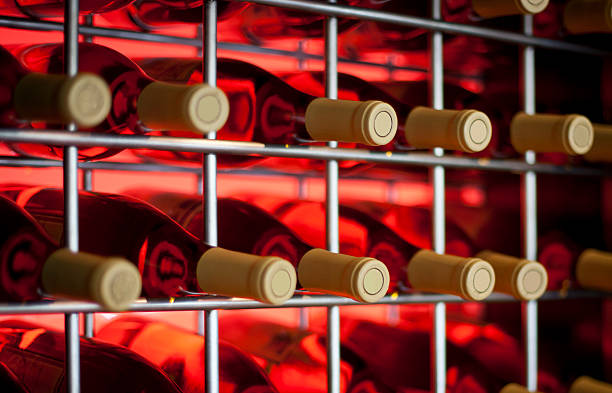
Wine Fridge Temperature Red And White
Wondering what the perfect wine fridge temperature is for your red and white wines? You’re not alone—and getting it right makes all the difference in flavor and enjoyment. The good news: we’ve got the ideal settings sorted. Whether you’re chilling a crisp Chardonnay or aging a bold Cabernet, we’ll break down the best temperatures for both types, plus tips to store them properly. No guesswork, just clear, expert-backed advice to keep every bottle tasting its best. Let’s get your fridge dialed in perfectly.
What Is the Ideal Wine Fridge Temperature for Red Wine
Best Temperature Range for Red Wine Storage
The ideal wine fridge temperature for red wine is between 55°F and 65°F (13°C to 18°C), with most full-bodied reds like Cabernet Sauvignon and Syrah performing best around 60°F to 65°F. Lighter reds such as Pinot Noir are best stored slightly cooler, around 55°F to 60°F.
Maintaining a consistent temperature is crucial—fluctuations can cause corks to expand and contract, leading to oxidation. If you’re storing both red and white wines, consider a dual-zone wine fridge, which allows you to set separate temperatures for each type.
Whites thrive at 45°F to 50°F, so a single-zone fridge set too cold can dull red wine aromas and flavors. Always store bottles horizontally to keep corks moist and airtight. For long-term aging, aim for 55°F with 60–70% humidity to preserve quality over time.
How Temperature Affects Red Wine Flavor
Serving red wine at the correct temperature dramatically impacts its aroma, balance, and mouthfeel. When reds are served too cold, aromatic compounds remain muted, and tannins can taste harsher, making the wine seem overly astringent.
Conversely, serving red wine too warm—above 68°F—amplifies alcohol perception, giving a ‘hot’ sensation that overwhelms subtle flavors. The sweet spot of 60°F to 65°F allows complex notes like dark fruit, spice, and oak to express fully while maintaining structural harmony.
For example, a well-chilled Merlot at 62°F will showcase its plush texture and berry notes, whereas the same wine at 72°F may taste flat and boozy. Temperature also affects how quickly the wine evolves in the glass—properly cooled reds open up gradually, revealing layers with each sip.
Always allow overly chilled reds to sit at room temperature for 10–15 minutes before serving.
Common Mistakes in Red Wine Cooling
One of the most frequent errors is over-chilling red wine, often by storing it in the same zone as white wine or placing it in a standard refrigerator before serving. This masks flavors and stiffens tannins, robbing the wine of its complexity.
Another mistake is using a single-zone wine cooler set too cold, which may be perfect for whites but detrimental to reds. Many also store red wine near the door of the fridge, where temperature fluctuates with each opening. Instead, keep bottles toward the back for stable conditions.
Some assume room temperature means 70°F+, but traditional ‘room temperature’ referred to cooler cellars, not modern heated homes. Lastly, frequent temperature swings from moving bottles in and out of cooling spaces can cause long-term damage.
To avoid these pitfalls, invest in a dual-zone wine fridge and use a wine thermometer to verify serving temps.
What Is the Ideal Wine Fridge Temperature for White Wine
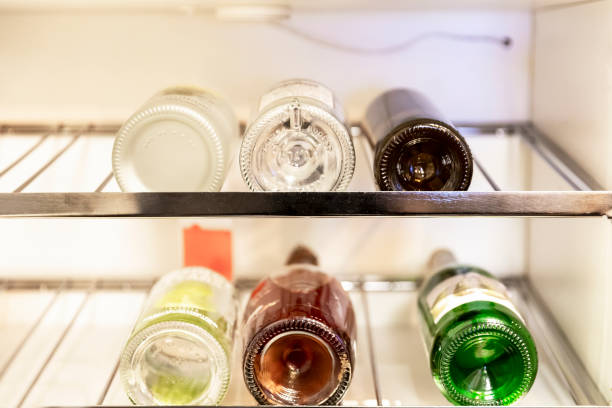
Optimal Serving Temperature for White Wines
The ideal wine fridge temperature for white wine ranges between 45°F and 50°F (7°C to 10°C), ensuring the wine maintains its crisp acidity and aromatic complexity. This range is cooler than room temperature but not excessively cold, allowing flavors like citrus, green apple, and floral notes to shine.
For fuller-bodied whites like Chardonnay, aim for the warmer end of this spectrum—around 50°F—to preserve their creamy texture and oak nuances. Lighter varieties such as Sauvignon Blanc or Pinot Grigio benefit from being served closer to 45°F, enhancing their refreshing qualities.
If your wine fridge allows dual-zone temperature control, set the white wine section within this range while storing reds at 55°F to 65°F. This separate temperature zones approach ensures both red and white wines are stored and served at their best.
Always allow a chilled white wine to sit for a few minutes if it’s too cold upon removal.
Why Chilling Matters for White Varietals
Chilling white wine isn’t just about refreshment—it’s crucial for preserving balance and enhancing flavor expression. Cold temperatures suppress alcohol volatility and highlight acidity, which is essential for the bright, zesty character of most white wines. When served too warm, whites can taste flat or overly alcoholic, masking their delicate aromas.
The ideal fridge temperature for white wine (45°F–50°F) slows oxidation and microbial activity, protecting the wine over time. In contrast, red wines thrive at slightly warmer 55°F–65°F to soften tannins and release complex bouquets. A dual-zone wine fridge allows you to store both types optimally.
Proper chilling also affects mouthfeel: cold temperatures enhance the perception of freshness in crisp varietals like Riesling or Albariño. Ultimately, correct refrigeration ensures that each sip delivers the intended aroma, structure, and finish the winemaker designed, making temperature control a key factor in wine enjoyment.
Avoiding Over-Chilling White Wine
While chilling white wine is essential, over-chilling can dull flavors and aromas, making the wine seem one-dimensional. Serving a white wine straight from a fridge set below 45°F can numb your taste buds, especially for aromatic varieties like Gewürztraminer or Viognier.
The goal is to cool the wine enough to enhance its freshness without freezing its character. If your wine fridge is set too low, allow the bottle to sit at room temperature for 10–15 minutes before serving. This slight warming unlocks subtle notes of fruit, spice, and minerality.
For dual-zone fridges, ensure the white wine compartment isn’t set colder than necessary—45°F to 50°F is ideal. Over-chilled wine may also develop condensation when poured, diluting its taste. Remember, red wines stored in the same unit should be at 55°F to 65°F, so proper zoning prevents accidental over-chilling.
Smart temperature management ensures every glass tastes its best.
Dual Zone vs Single Zone Wine Fridges
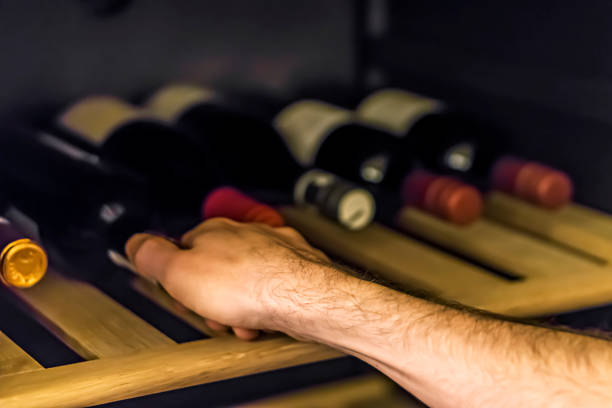
How Dual Zone Fridges Control Red and White Temperatures
Dual zone wine fridges are engineered to store red and white wines at their ideal temperatures simultaneously. These units feature two separate cooling compartments, each with independent temperature controls.
This allows you to set the white wine zone between 45°F and 50°F, preserving crispness and acidity, while the red wine section stays at 60°F to 65°F, maintaining the complexity and smooth tannins of full-bodied reds.
Precise temperature separation prevents flavor transfer and ensures each bottle is served at its peak. Advanced models include digital displays and humidity controls, enhancing storage conditions. Dual zone fridges are especially beneficial for enthusiasts who regularly entertain or maintain a diverse collection.
By maintaining optimal serving temperatures, these fridges elevate the tasting experience and protect your investment in quality wines.
Pros and Cons of Single Zone Models
Single zone wine fridges offer a simplified, cost-effective solution for wine storage, but come with limitations when managing red and white temperature needs. These units maintain one consistent temperature throughout, typically averaging around 55°F, which is a compromise between ideal red and white serving ranges.
While this is suitable for short-term storage or collections dominated by one wine type, it’s less than ideal for precision enthusiasts. A major advantage is affordability and compact size, making them perfect for small spaces or beginners.
However, storing both reds and whites together means one type will always be off-temperature, potentially dulling aromas or over-chilling bold reds. Frequent door opening can also disrupt stability. For those with limited space or budget, a single zone fridge works—but temperature compromise is inevitable.
Choosing the Right Fridge for Your Collection
Selecting between dual and single zone wine fridges depends on your collection size, drinking habits, and storage goals. If you frequently enjoy both red and white wines, a dual zone model is the superior choice, offering precise temperature control for optimal flavor preservation.
These are ideal for serious collectors or entertainers who value serving wines at their best. However, if you primarily drink one type of wine or have limited space and budget, a single zone fridge may suffice, especially if you can temporarily adjust serving temperatures before opening bottles.
Consider future collecting plans—investing in dual zone now may prevent upgrading later. Also, evaluate capacity, noise level, and energy efficiency. Ultimately, match the fridge type to your wine consumption patterns to ensure every bottle is stored and served perfectly.
How to Set and Maintain Correct Wine Fridge Temperatures
Step-by-Step Guide to Adjusting Fridge Settings
To set the correct wine fridge temperature for both red and white wines, start by identifying your fridge’s dual-zone capability—if available. For single-zone units, aim for a middle-ground temperature of 55°F (13°C), which safely preserves both types.
Begin by turning the thermostat to the desired setting and allow 24 hours for the temperature to stabilize before making further adjustments. Red wines are best stored between 60–65°F (15–18°C) to maintain complexity and aging potential, while white wines thrive at cooler 45–50°F (7–10°C) to preserve freshness and acidity.
If your fridge has separate compartments, set each zone accordingly. Always refer to the manufacturer’s manual for precise control instructions. Avoid frequent temperature changes, as fluctuations stress wine and accelerate spoilage. Labeling zones clearly helps maintain consistency, especially in shared environments.
Using Built-In Thermometers Accurately
While most wine fridges come with built-in thermometers, their accuracy can vary—often reading 5–10 degrees off actual internal temperatures. To ensure precision, place an independent, calibrated digital thermometer in each zone and monitor readings over 24 hours. Position thermometers at wine-bottle level, as heat distribution varies within the unit.
Check readings at the same time daily to detect fluctuations. If discrepancies exist, adjust the fridge’s thermostat accordingly rather than relying solely on factory gauges. Avoid placing thermometers near the door or cooling vents, where temperatures fluctuate more. Record daily readings for a week to establish a reliable baseline.
This practice ensures both red and white wines are stored within their ideal ranges—reds at 60–65°F, whites at 45–50°F—and prevents premature aging or muted flavors due to inaccurate settings.
Tips for Temperature Stability and Consistency
Maintaining consistent wine fridge temperatures is critical for long-term wine quality. First, limit door openings and ensure the seal is airtight to prevent warm air infiltration. Install the unit in a climate-controlled room away from direct sunlight, ovens, or HVAC vents.
Allow space around the fridge—at least 2–3 inches—for proper ventilation and heat dissipation. Use thermal mass items like water bottles in empty zones to buffer temperature swings. Avoid overfilling, which restricts airflow, or underfilling, which reduces thermal stability.
For dual-zone fridges, store reds in the warmer lower zone and whites in the cooler upper section. Use a smart plug or temperature monitor with alerts to catch deviations early. These steps ensure reds stay at 60–65°F and whites at 45–50°F, preserving aroma, balance, and aging potential.
Best Practices for Storing Red and White Wine Together
Organizing Bottles by Temperature Needs
To store red and white wine together effectively, organize bottles by their ideal serving temperatures to preserve flavor and aroma. White wines generally thrive between 45°F and 50°F (7°C–10°C), while reds are best at 55°F to 65°F (13°C–18°C).
In a dual-zone wine fridge, use the cooler zone for whites, rosés, and sparkling wines, and the warmer zone for reds. If space is limited in a single-zone unit, store reds toward the top or front, where temperatures are slightly warmer due to frequent door openings.
Group bottles by varietal and intended drinking window to streamline access. Avoid overcrowding, as it restricts airflow and creates uneven cooling. Rotate stock using the ‘first in, first out’ rule to ensure older bottles are enjoyed at their peak.
Proper organization not only maintains ideal conditions but also makes selecting the right bottle effortless for any occasion.
How to Prevent Aroma Transfer Between Wines
Preventing aroma transfer is essential when storing red and white wine together, as volatile compounds from strong-smelling corks or wines can migrate and alter delicate flavors. Always store bottles upright for short periods, but keep them on their sides long-term to keep corks moist and create an airtight seal.
Use wine fridge shelves with dividers or inserts to physically separate reds and whites. Consider placing activated charcoal filters or wine-specific odor absorbers inside the fridge to neutralize airborne compounds. Avoid storing opened bottles or foods nearby, as they increase odor risks.
Additionally, ensure the fridge is well-sealed and ventilated to minimize stagnant air. For extra protection, wrap bottles in breathable cloth or use individual wine sleeves.
These steps preserve each wine’s unique bouquet, especially important for aromatic whites like Riesling or delicate reds like Pinot Noir, ensuring every pour tastes as intended.
Ideal Shelf Placement in a Dual Zone Fridge
Maximize wine quality by leveraging strategic shelf placement within a dual-zone wine fridge based on temperature gradients and usage frequency. In the cooler zone (for whites), place sparkling wines and light whites like Sauvignon Blanc on the bottom shelves, where temperatures are most consistent and coldest.
Reserve middle shelves for rosé and fuller-bodied whites like Chardonnay. In the warmer zone (for reds), store medium-bodied reds like Merlot or Sangiovese on middle shelves, and bolder reds like Cabernet Sauvignon toward the top, where slight warmth enhances complexity. Keep frequently accessed bottles at eye level for convenience.
Avoid placing bottles near the door or cooling vents, where temperature fluctuations occur. Proper placement ensures each wine type ages optimally and is ready to serve at its ideal temperature, enhancing enjoyment and longevity.
Temperature Guidelines for Specific Wine Types
Red Varietals: Cabernet, Pinot Noir, and Merlot
For optimal enjoyment, store red wines like Cabernet Sauvignon, Pinot Noir, and Merlot at 55°F to 65°F (13°C–18°C) in your wine fridge. Cabernet Sauvignon thrives at the warmer end of this range—around 63°F–65°F—to soften tannins and enhance its bold structure.
Pinot Noir, being more delicate, should be chilled slightly cooler at 55°F–60°F to preserve its bright acidity and nuanced red fruit flavors. Merlot falls in the middle, best served at 60°F–63°F, balancing its smooth texture with aromatic complexity.
Avoid storing reds too cold, as this can mute flavors and make tannins seem harsh. Use your wine fridge’s temperature zones to separate reds from whites, or allow bottles to warm slightly before serving if your fridge is set cooler. Consistent temperature prevents premature aging, so avoid fluctuations.
With precise red wine storage, you’ll ensure every pour delivers the full expression of the varietal.
White Varietals: Chardonnay, Sauvignon Blanc, and Riesling
Store white wines between 45°F and 55°F (7°C–13°C) to preserve freshness and acidity. Chardonnay, especially oaked versions, benefits from a slightly warmer 50°F–55°F, allowing its rich, buttery notes to shine without suppressing fruit character. Crisp styles can be served closer to 48°F.
Sauvignon Blanc should be chilled to 45°F–50°F to enhance its zesty citrus and herbal notes—too warm, and it loses vibrancy. Riesling, particularly off-dry or aromatic styles, performs best at 45°F–48°F, intensifying its floral bouquet and balancing sweetness with acidity. Avoid over-chilling, which can numb flavors and aromas.
Use your wine fridge’s lower zone for whites, ensuring they’re consistently cooled but not frozen. Serving at the right temperature highlights each varietal’s distinct profile, making every glass more enjoyable and true to style.
Serving Sparkling and Rosé Wines in the Same Fridge
Sparkling wines and rosé require cooler storage than most reds but shouldn’t be over-chilled. Set a dedicated zone in your wine fridge to 40°F–45°F (4°C–7°C) for sparkling wines like Champagne, Prosecco, and Cava. This range preserves carbonation and highlights crisp acidity and fine bubbles.
Serve immediately after removing to maintain effervescence. Rosé wines do best at 45°F–50°F, cooler than reds but warmer than sparkling—this brings out their berry notes and refreshing finish without dulling aromas. In a dual-zone wine fridge, place sparklings in the coldest section and rosés in the mid-range.
If using a single-zone unit, set it to 45°F and chill sparklings briefly in the refrigerator before serving. Avoid long-term storage below 40°F, which can damage cork seals. With proper zoning or timing, you can perfectly serve both styles from one appliance.
Troubleshooting Common Wine Fridge Temperature Issues
What to Do If Your Fridge Is Too Cold or Too Warm
If your wine fridge shows inconsistent temperatures for red and white wines, start by checking the thermostat settings. Red wines typically thrive between 55°F and 65°F, while whites prefer 45°F to 50°F. If your unit has dual zones, ensure each is calibrated correctly.
Allow 24 hours after adjusting settings to assess stability, as frequent changes disrupt temperature consistency. Use an independent thermometer in each zone to verify accuracy. Avoid overloading the fridge, as poor air circulation leads to hot or cold spots.
If temperatures remain off, clean the condenser coils and check for dust buildup, which can impair cooling efficiency. Ensure the fridge isn’t exposed to direct sunlight or heat sources, as ambient conditions heavily influence internal performance.
Resetting the unit by unplugging it for 10 minutes may resolve electronic glitches affecting temperature control.
How Door Seals and Placement Affect Temperature
Faulty door seals are a leading cause of temperature fluctuations in wine fridges, allowing warm air to enter and cool air to escape. To test the seal, close the door on a piece of paper—if it slides out easily, the gasket needs replacement.
Inspect seals regularly for cracks or warping, especially in high-humidity environments. Placement also plays a critical role: keep your wine fridge away from ovens, dishwashers, or direct sunlight, as external heat forces the compressor to work harder. Ensure at least 2–3 inches of clearance around the unit for proper ventilation.
Install the fridge on a level surface to maintain door alignment and seal integrity. In garages or unconditioned spaces, seasonal temperature swings may exceed the fridge’s capacity to stabilize.
Consider relocating the unit indoors or choosing a model rated for wider ambient temperature ranges to maintain ideal conditions for both red and white wines.
When to Call for Professional Maintenance
If basic troubleshooting fails to resolve temperature issues, it may be time to consult a certified technician. Persistent problems like constant compressor running, unusual noises, or complete cooling failure suggest internal malfunctions such as refrigerant leaks or faulty sensors.
Dual-zone models with inconsistent performance between red and white compartments often require specialized diagnostics. Don’t attempt to disassemble the unit yourself—doing so may void the warranty. Look for error codes on digital displays, as these can help technicians pinpoint issues faster.
If your wine fridge is over five years old and frequently underperforming, aging components may need replacement. Professional maintenance ensures safe, efficient operation and extends the appliance’s lifespan.
Scheduling regular check-ups every 1–2 years can prevent major breakdowns and protect your wine investment by maintaining stable, optimal storage conditions for both red and white varieties.
Frequently Asked Questions
What is the ideal wine fridge temperature for red and white wine?
The ideal temperature for storing white wine is between 45°F and 50°F (7°C to 10°C), while red wine should be kept slightly warmer, between 55°F and 65°F (13°C to 18°C). These ranges preserve flavor profiles and allow each wine type to be served at its best.
Can I store both red and white wine in the same wine fridge?
Yes, dual-zone wine fridges are designed to maintain separate temperature zones for red and white wines. If you have a single-zone fridge, set it to around 50°F–55°F (10°C–13°C) as a compromise, though it won’t be ideal for long-term storage of both types.
Why is temperature important for storing wine?
Proper temperature prevents premature aging and protects the wine’s aroma, flavor, and balance. Fluctuations or extreme temperatures can cause corks to dry out or wine to expand, leading to oxidation or spoilage.
Should I chill red wine before serving?
Yes, many red wines benefit from slight chilling. Lighter reds like Pinot Noir taste best around 55°F (13°C), while fuller-bodied reds can be served up to 65°F (18°C). Avoid serving reds at room temperature if the room is warm.
How long can I keep wine in a wine fridge?
White wines can be stored for 1–3 years, and reds for several years if kept at stable, proper temperatures. Consistent conditions in a wine fridge help preserve quality far better than a regular refrigerator.
Is a wine fridge better than a regular refrigerator?
Yes, wine fridges maintain higher humidity and stable temperatures ideal for long-term storage, unlike regular refrigerators which are too cold and dry. They also reduce vibration, which can disturb aging wine.
Conclusion
Maintaining the right wine fridge temperature for red and white wines ensures optimal flavor and aroma. Whites thrive at 45–50°F, while reds are best at 55–65°F. Proper storage preserves quality and enhances your tasting experience. Whether you’re a casual drinker or a connoisseur, investing time in temperature control makes a noticeable difference. Cheers to perfectly chilled wines and the joy of serving them just right—your palate will thank you.