
What Is Aromatic Wine
Curious about what makes a wine aromatic? You’re not alone. Aromatic wines are known for their bold, expressive scents—think flowers, herbs, tropical fruits, and spices—that leap out of the glass. These characteristics come from natural compounds in certain grape varieties, like Riesling, Gewürztraminer, and Muscat. Whether you’re exploring wine for the first time or looking to refine your palate, understanding aromatic wines can elevate your tasting experience. In this guide, we’ll break down exactly what makes a wine aromatic and highlight top picks to try.
What is Aromatic Wine?
Definition of Aromatic Wine
An aromatic wine is defined by its pronounced and expressive bouquet, often featuring intense floral, fruity, and herbal notes that are immediately noticeable upon smelling the glass.
These wines derive their distinct aromatics primarily from a high concentration of volatile compounds such as terpenes, thiols, and esters, naturally present in certain grape varieties. Unlike subtle or earth-driven wines, aromatic wines are celebrated for their fragrant profiles, making them easy to identify and enjoy.
Common examples include Muscat, Gewürztraminer, Riesling, and Viognier, all known for their perfumed characteristics. The term ‘aromatic’ is not related to added flavors but refers to the grape’s inherent properties and how they express themselves during fermentation and aging.
Understanding this definition helps wine lovers select bottles that emphasize sensory richness and aromatic complexity, ideal for those who appreciate wines with vibrant, layered scents that enhance the overall tasting experience.
How Aromatic Wines Differ from Other Wines
Aromatic wines stand apart from non-aromatic or neutral varieties due to their intense and immediate fragrance, often bursting with scents of rose petals, citrus zest, lychee, or tropical fruit.
While many wines, like Chardonnay or Cabernet Sauvignon, emphasize structure, oak influence, or minerality, aromatic wines prioritize olfactory expression as a core feature. This distinction arises from genetic and biochemical differences in the grapes, which produce higher levels of aroma-inducing compounds.
For instance, Gewürztraminer is known for its lychee and rose notes, while Sauvignon Blanc, though sometimes classified as aromatic, leans more on herbaceous and citrus tones.
Aromatic wines are typically less influenced by oak, preserving their natural perfume, whereas other wines may use barrel aging to develop toast, vanilla, or spice notes.
This contrast makes aromatic wines ideal for pairing with spicy cuisine or aromatic herbs, where their bold scents complement rather than compete with food flavors.
Common Characteristics of Aromatic Varietals
Aromatic grape varietals share distinctive sensory traits, including high fragrance intensity, bright acidity, and often off-dry to sweet palates, though dry styles are also common. These wines frequently exhibit floral notes like jasmine, elderflower, or honeysuckle, alongside vibrant fruit aromas such as peach, mango, lime, or apricot.
Terpenes, the chemical compounds responsible for these scents, are especially concentrated in grapes like Muscat and Riesling. Many aromatic wines have lower tannin levels (especially whites), making them smooth and approachable. They also tend to have moderate alcohol content, preserving balance and drinkability.
Winemakers often use gentle pressing and cool fermentation to retain volatile aromatics, avoiding heavy oak that could mask delicate scents. Serving aromatic wines well-chilled enhances their freshness and aromatic lift.
Recognizing these characteristics helps consumers identify and appreciate these expressive, perfume-driven wines, which excel as aperitifs or pairings with aromatic dishes like Thai, Indian, or Middle Eastern cuisine.
Popular Aromatic Grape Varieties

Muscat: The Classic Aromatic Grape
Muscat is one of the most ancient and widely planted aromatic grape varieties, known for its intense floral and fruity aromas. Wines made from Muscat grapes often exhibit pronounced notes of orange blossom, ripe peach, lychee, and grapey sweetness, making them instantly recognizable.
This versatility allows Muscat to shine in dry, off-dry, and dessert styles, including sparkling wines like Moscato d’Asti. The grape’s natural perfume comes from high levels of monoterpenes, aromatic compounds found in the skin. For wine lovers exploring aromatic profiles, Muscat offers an accessible entry point.
Serve chilled and pair with fruit-based desserts, spicy Asian cuisine, or soft cheeses to enhance its vibrant character. Look for Muscat Blanc à Petits Grains for the highest quality expressions.
Riesling: Floral and Fruity Notes
Riesling is a premier aromatic white grape celebrated for its crisp acidity and complex bouquet of floral, citrus, and stone fruit aromas. Grown predominantly in Germany, Alsace, and Austria, Riesling expresses distinct terroir-driven profiles, ranging from lime and green apple to honey and petrol with age.
Its hallmark is a perfect balance between sweetness and acidity, making even off-dry styles feel refreshing. Riesling’s high concentration of aromatic compounds like linalool and geraniol contributes to its signature perfume. This wine pairs exceptionally well with spicy foods, seafood, and pork.
Choose a Kabinett or Spätlese for aromatic intensity with balanced sugar, while dry Trocken styles showcase minerality and precision. Riesling is ideal for both casual sipping and aging.
Gewürztraminer: Exotic and Spicy Aromas
Gewürztraminer stands out for its intensely aromatic profile, marked by exotic lychee, rose petal, and tropical fruit notes, often accompanied by a hint of spice. Originating in the Alsace region of France, this grape delivers rich, full-bodied wines with low acidity, creating a lush mouthfeel.
The name ‘Gewürz’ means ‘spicy’ in German, reflecting its common notes of ginger, clove, and white pepper. These wines are ideal for adventurous palates seeking bold, perfumed expressions. Due to its low yield and sensitivity to terroir, high-quality Gewürztraminer is often hand-harvested.
Serve slightly chilled and pair with aromatic dishes like Thai curry, smoked salmon, or Middle Eastern spices. Look for Alsace Grand Cru bottlings for the most concentrated and age-worthy versions.
Viognier: Rich and Perfumed
Viognier is a馥郁 white grape known for its lush texture and heady perfume of apricot, peach, and honeysuckle. Originally from France’s Rhône Valley, it produces full-bodied, oil-rich wines with a silky mouthfeel and moderate acidity.
The grape’s aromatic intensity comes from volatile phenols and terpenes, which bloom when harvested at peak ripeness. Viognier thrives in warm climates, where it develops complex layers of floral, fruity, and sometimes nutty characteristics. It’s often bottled as a single varietal or used to co-ferment with Syrah in red blends.
Best enjoyed young, though some premium versions age well. Serve at cool room temperature to unlock its full aromatic potential. Pair with roasted poultry, creamy pasta, or mildly spiced dishes to complement its richness.
How Aromatic Wines Get Their Smell
Role of Terpenes in Wine Aromas
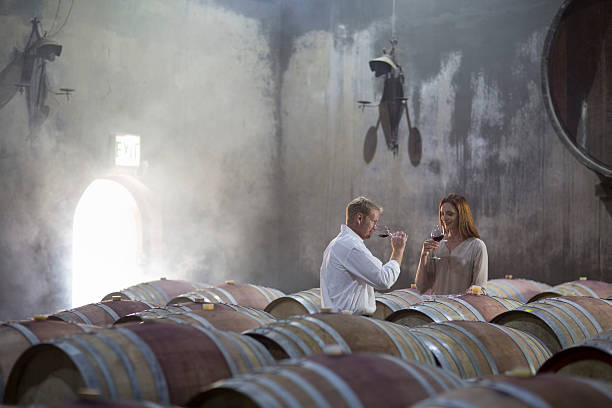
Aromatic wines owe their distinctive scents largely to terpenes, a class of organic compounds found naturally in grape skins. These compounds are responsible for floral, citrus, and herbal notes commonly detected in varieties like Muscat, Gewürztraminer, and Riesling.
Monoterpenes such as linalool and geraniol contribute rose, lavender, and citrus blossom aromas, enhancing the wine’s sensory profile. The concentration of terpenes varies based on grape genetics and ripeness, with riper grapes often expressing more intense aromatic characteristics.
Winemakers carefully monitor harvest timing to capture peak terpene levels without over-ripening, which can dull delicate scents. Understanding terpene chemistry allows producers to highlight natural varietal aromas, creating wines with vivid, expressive bouquets.
For consumers, recognizing terpene-driven notes can deepen appreciation and guide pairings—floral whites, for example, complement spicy Asian cuisines.
Impact of Climate on Aromatic Expression
Climate plays a critical role in shaping the aromatic intensity and profile of wine. Cool-climate regions, such as Germany’s Mosel Valley or New Zealand’s Marlborough, slow grape maturation, preserving crisp acidity and volatile aromatic compounds. This results in wines with pronounced notes of green apple, lime, and fresh herbs.
In contrast, warmer areas can accelerate sugar development while potentially diminishing delicate aromas, though some aromatic varieties thrive with moderate warmth that enhances floral and tropical fruit characteristics. Diurnal temperature variation—cool nights and warm days—is especially beneficial, helping grapes retain aromatic complexity.
Regions with high sunlight exposure and controlled water stress often produce grapes with thicker skins and higher terpene concentrations. By selecting vineyard sites with optimal microclimates, winemakers can maximize the natural aromatic potential of their grapes, ensuring vibrant, expressive wines that reflect their terroir.
Fermentation Techniques That Enhance Aromas
Winemakers use specific fermentation methods to preserve and amplify the delicate aromas in aromatic wines. Cold fermentation, typically conducted at 12–18°C (54–64°F), slows yeast activity, reducing the loss of volatile aromatic compounds and maintaining bright, fresh scents.
The choice of yeast strain is equally crucial—certain cultured yeasts are selected for their ability to enhance varietal character, releasing more terpenes during fermentation. Extended skin contact, though rare in white wines, can intensify aroma in select cases.
Additionally, fermenting in stainless steel tanks—rather than oak—prevents flavor masking, allowing floral and fruity notes to shine. Techniques like aromatic stabilization and minimal post-fermentation handling further protect the wine’s bouquet.
These precision-driven approaches ensure that the wine’s natural fragrance is captured in the bottle, delivering a sensorially rich experience with every glass.
How to Taste and Identify Aromatic Wines
Steps for Proper Wine Smelling Technique
To properly identify aromatic wines, begin by tilting the glass at a 45-degree angle and swirling it gently to release volatile compounds. This motion increases the wine’s surface area, allowing more aromas to rise.
Next, insert your nose deep into the glass and take short, quick sniffs—this helps capture delicate scents that might be missed with a single long inhale. Avoid overwhelming your senses by not swirling too vigorously or smelling too aggressively.
Smell the wine three times: first to detect primary fruit notes, second for floral or herbal hints, and third for deeper, earthy or spicy tones. Let the wine breathe briefly between sniffs if needed.
Practicing this method consistently trains your olfactory memory, making it easier to recognize signature characteristics of aromatic grape varieties like Gewürztraminer or Viognier. With repetition, you’ll develop a sharper ability to distinguish subtle nuances.
Common Aroma Profiles to Look For
Aromatic wines are known for their intense and expressive scent profiles, often bursting with floral, fruity, and spicy notes. Look for floral aromas like rose, elderflower, or honeysuckle, commonly found in varieties such as Muscat and Gewürztraminer. Tropical fruit scents—mango, lychee, and pineapple—are also hallmarks, especially in Viognier and Torrontés.
Citrus notes like grapefruit, lime, and orange zest frequently appear in aromatic whites from cooler climates. Don’t overlook herbal or spice elements, such as lemongrass, ginger, or white pepper, which add complexity. These wines often have higher concentrations of terpenes and thiols, natural compounds responsible for their vibrant bouquet.
Familiarizing yourself with these common profiles helps you quickly identify aromatic varietals during tastings. Keep a scent journal to record what you detect, building a mental library over time. With practice, you’ll begin to distinguish between primary fruit expressions and secondary fermentation-derived aromas, enhancing your overall tasting accuracy.
Tips for Detecting Subtle Notes
To uncover subtle notes in aromatic wines, ensure your tasting environment is free of strong odors—perfumes, food, or cleaning products can mask delicate scents. Use a tulip-shaped glass to concentrate aromas toward your nose.
Begin with a gentle swirl, then pause to smell before and after aeration, noting any evolving nuances. Take your time—aromatic compounds release gradually, so revisit the wine every few minutes. If a note feels elusive, try closing your eyes to heighten focus and minimize visual distractions.
Mentally associate scents with familiar experiences—like fresh-cut grass or ripe peach—to improve recall. Temperature matters: serving wine too cold suppresses aroma, so let it warm slightly in the glass.
For faint floral or mineral notes, try the ‘retro-nasal’ technique: take a small sip, hold it in your mouth, and exhale gently through your nose. This often reveals hidden layers. With consistent practice, your sensitivity to subtleties will grow.
Food Pairings with Aromatic Wines
Best Dishes to Match with Riesling
Riesling is a highly aromatic white wine known for its vibrant floral notes, citrus zest, and balanced acidity, making it incredibly versatile for food pairings. Its spectrum ranges from dry to sweet, allowing it to complement a wide array of dishes.
For dry Rieslings, pair with grilled shrimp, lemon-herb chicken, or roasted vegetables—the wine’s crispness enhances fresh, zesty flavors. Off-dry Rieslings shine with Asian cuisines like Thai or Vietnamese, where the subtle sweetness balances spicy and tangy elements.
The wine’s natural acidity cuts through rich dishes such as pork belly or duck confit, cleansing the palate with each sip. Even seafood like salmon or scallops benefit from Riesling’s aromatic complexity. Avoid overly heavy cream-based sauces, which can dull its bright character.
Ultimately, Riesling’s harmonious balance of fruit, acidity, and minerality makes it a go-to pairing for both simple weeknight meals and elaborate dinners, elevating the dining experience with every bite.
Pairing Gewürztraminer with Spicy Cuisine
Gewürztraminer stands out as an intensely aromatic wine with bold notes of lychee, rose petals, and exotic spices—making it a perfect match for spicy dishes. Its low acidity and slightly off-dry to sweet profile help temper the heat of bold flavors without overwhelming the palate.
This wine excels when paired with Indian curries, Szechuan stir-fries, or Moroccan tagines, where its floral and spicy undertones mirror the complexity of the food. The natural sweetness balances fiery chilies, while its rich texture complements creamy coconut-based sauces.
Avoid pairing it with very acidic or tart dishes, which can clash with its soft acidity. Instead, focus on umami-rich, aromatic meals that enhance its perfume. Gewürztraminer also pairs beautifully with smoked meats or pâté, where its intensity stands up to strong flavors.
For best results, serve slightly chilled to preserve its aromatic bouquet and refreshing finish, creating a harmonious and memorable dining experience.
Muscat with Desserts and Cheese
Muscat is one of the most distinctly aromatic wines, bursting with scents of orange blossom, peach, and grapey sweetness—ideal for dessert and cheese pairings.
Its naturally sweet profile makes it a stellar companion to fruit-based desserts like peach cobbler, lemon tart, or fresh berry pavlova, where the wine’s floral notes echo the fruit’s natural aromas.
For richer desserts, try pairing with almond biscotti or honey-glazed pastries, as Muscat’s sweetness and light body prevent cloying heaviness. When it comes to cheese, opt for blue cheeses like Gorgonzola or Roquefort, where the wine’s sugar balances the salt and funk.
Mild goat cheese or creamy Brie also work well, especially when served with figs or apricots. Avoid overly chocolate-heavy desserts, which can overpower Muscat’s delicate perfume. To enhance the experience, serve well-chilled in small glasses to concentrate its bouquet.
This makes Muscat not just a dessert wine, but a sophisticated finale to any meal.
Where to Buy and How to Choose Aromatic Wines
Reading Labels for Aromatic Clues
When selecting an aromatic wine, reading the label carefully is your first step to identifying the right bottle. Look for varietal names like Riesling, Gewürztraminer, Muscat, or Sauvignon Blanc, as these are known for their intense floral, citrus, or tropical fruit aromas.
If the wine is labeled with a region instead of a grape, research that area’s signature styles—Alsace in France or Marlborough in New Zealand, for example, are renowned for aromatic whites. Check for terms like ‘aromatic’, ‘floral’, ‘botrytized’, or ‘late harvest’, which signal concentrated perfume and sweetness.
Alcohol content can also offer clues; lower-alcohol wines often preserve delicate aromatics. Don’t overlook vintage and producer reputation—consistent winemakers often highlight aromatic expression. Lastly, avoid heavily oaked wines if you’re seeking pure varietal aromatics, as oak can mask delicate scents.
By focusing on these label indicators, you’ll confidently identify aromatic profiles that match your taste.
Top Wine Regions for Aromatic Varietals
Certain wine regions have perfected the art of crafting expressive, aromatic wines due to their ideal climates and terroir. Alsace, France, stands out for its bold, perfumed Rieslings and exotic Gewürztraminers, often with lychee and rose petal notes.
In Germany, the Mosel Valley produces finely balanced Rieslings with high acidity and pronounced floral and stone-fruit aromas. New Zealand’s Marlborough region is world-famous for its zesty, passionfruit-laden Sauvignon Blancs. Moving to Italy, Piedmont offers Moscato d’Asti—a lightly sparkling, floral, and peach-scented delight.
Austria’s Wachau Valley and Hungary’s Tokaj region also excel, producing aromatic wines with complex layers of apricot, honey, and spice, sometimes influenced by noble rot. Exploring bottles from these regions ensures access to authentic aromatic expressions shaped by tradition and terroir.
When shopping, prioritize wines from these provenance-rich areas to experience the full spectrum of aromatic complexity in every glass.
Tips for Selecting Quality Bottles on a Budget
You don’t need to splurge to enjoy high-quality aromatic wines—smart shopping strategies can lead to excellent finds under $20. Start by exploring lesser-known regions that produce similar styles to famous areas, such as Austrian Grüner Veltliner instead of premium Alsatian whites.
Look for importer or retailer house brands, which often source directly and cut out middlemen, offering great value. Wine clubs and sample packs let you taste multiple aromatic varieties without committing to full-priced bottles. Check for vintage charts to identify high-quality but under-the-radar years.
Buy during seasonal sales or at end-of-aisle promotions in stores. Avoid flashy packaging—simple labels often signal a focus on quality over marketing. Finally, ask knowledgeable staff at independent wine shops; they can recommend affordable gems based on your preference for floral, citrus, or spice notes.
With these budget-savvy tips, you’ll discover aromatic wines that delight your senses without straining your wallet.
Storing and Serving Aromatic Wines
Ideal Serving Temperature by Variety
Serving aromatic wines at the correct temperature is essential to preserve their delicate fragrance and balance. Over-chilling can mute the floral and fruity notes, while serving too warm may emphasize alcohol and dull freshness.
Light-bodied whites like Müller-Thurgau and Torrontés shine at 45–50°F (7–10°C), enhancing their bright citrus and rose petal aromas. For medium-bodied varieties such as Gewürztraminer and Viognier, aim for 50–55°F (10–13°C) to support their lush lychee, peach, and spice characteristics without overwhelming the palate.
Even aromatic reds like Pinot Noir and Schiava benefit from a slight chill—55°F (13°C)—to highlight their red berry and violet tones. Use a refrigerator for 2 hours or an ice bucket for 30 minutes before serving.
Consistent temperature control ensures the wine’s aromatic profile unfolds fully with each sip, delivering a more vibrant and enjoyable experience.
Best Glassware for Aromatic Expression
Choosing the right glassware dramatically enhances the aromatic experience of aromatic wines. A tulip-shaped glass with a narrower rim and generous bowl concentrates volatile aromas, directing them toward the nose.
For whites like Riesling, Muscat, and Gewürztraminer, use an aromatic white wine glass that allows swirling without spillage while trapping delicate floral and tropical notes. The shape encourages layered scent detection, from top notes of lime zest to deeper hints of honey or ginger.
For aromatic reds such as Garnacha or Zweigelt, a slightly larger bowl with a tapered opening helps balance fruit intensity and subtle spice. Avoid oversized red wine glasses, which can disperse delicate aromas too quickly.
Glass clarity and thinness also matter—crystal or fine glass enhances perception and allows visual appreciation of hue and clarity. Using dedicated aromatic glasses ensures every nuance is captured and savored.
How Long to Keep Before Drinking
Most aromatic wines are best enjoyed young and fresh, typically within 1–3 years of release, to preserve their vibrant perfume and crisp acidity. Varieties like Muscat, Torrontés, and young Riesling peak early, with their signature floral and citrus notes fading over time.
However, select high-acid, off-dry styles such as German Auslese Riesling or aged Gewürztraminer can improve over 5–10 years, developing complex notes of petrol, dried apricot, and honey. Store bottles horizontally in a cool, dark place at 55°F (13°C) with 70% humidity to maintain cork integrity.
Avoid temperature fluctuations that can prematurely age the wine. Check vintage and producer guidance—some modern aromatic blends are crafted for immediate enjoyment. For optimal results, open and taste a bottle after one year to assess development. Timely consumption ensures you experience the wine as intended: fragrant, lively, and expressive.
Frequently Asked Questions
What is aromatic wine?
Aromatic wine refers to wines made from grape varieties that naturally have intense, perfumed aromas. These wines are characterized by strong floral, fruity, or herbal notes, such as rose, lime, or lychee.
Which grape varieties produce aromatic wines?
Common aromatic grape varieties include Gewürztraminer, Muscat, Riesling, and Torrontés. These grapes have high levels of volatile compounds that contribute to their pronounced scents.
How can I identify an aromatic wine by smell?
You can identify aromatic wines by their bold, expressive aromas like jasmine, orange blossom, peach, or tropical fruit. Swirl the glass and take a deep sniff to detect these intense, often sweet-smelling notes.
Are all aromatic wines sweet?
No, not all aromatic wines are sweet. While some, like certain Muscats or late-harvest Rieslings, are sweet, many aromatic wines can be dry, such as dry Riesling or Sauvignon Blanc.
What foods pair well with aromatic wines?
Aromatic wines pair well with spicy cuisines like Thai, Indian, or Vietnamese dishes due to their fragrance and sweetness. They also complement dishes with herbs, citrus, or floral ingredients.
Can red wines be aromatic?
Yes, some red wines are aromatic, such as Gamay, Grenache, and certain expressions of Pinot Noir, which can exhibit floral, red berry, or spice notes. However, aromatic wines are typically associated with white varieties.
What causes the strong aromas in aromatic wines?
The strong aromas come from high concentrations of aromatic compounds like terpenes, thiols, and esters, which are naturally present in the grape skins and amplified during fermentation.
Conclusion
Aromatic wine is defined by its intense, fragrant bouquet, often featuring floral, fruity, or herbal notes due to high levels of volatile compounds. Varietals like Riesling, Gewürztraminer, and Muscat are renowned for their aromatic profiles. These wines pair beautifully with diverse cuisines and offer a sensory-rich experience. Whether you’re a novice or connoisseur, exploring aromatic wines can deepen your appreciation for wine’s complexity. Embrace the aromas and let your palate discover new delights.