What Prosecco Is Sweet
Wondering what prosecco is sweet? You’re not alone—many wine lovers are curious about its taste before popping the cork. The good news is, most prosecco falls on the sweeter side, especially the popular varieties labeled “Extra Dry” and “Dry,” which actually still have a touch of sweetness. In this article, we’ll break down the sweetness levels, explain the labels, and help you pick the perfect prosecco for your palate—so you can sip with confidence and enjoy every bubbly moment.
What Is Prosecco and How Is It Made?
How Prosecco is produced using the Charmat method
Prosecco is made using the Charmat method, a production process that emphasizes freshness, fruity aromas, and approachable flavors. Unlike Champagne, which undergoes secondary fermentation in the bottle, Prosecco’s second fermentation occurs in large stainless steel tanks.
This method preserves the wine’s vibrant acidity and aromatic profile, resulting in a light, effervescent sparkling wine with notes of green apple, pear, and citrus. The Charmat method also allows for faster production and lower costs, making Prosecco an accessible option for everyday enjoyment.
Most Prosecco is released shortly after fermentation to maintain its youthful character. While Prosecco can vary in sweetness, the majority are produced in the dry (Brut) or off-dry (Extra Dry) styles, with Brut being the most common.
Despite common misconceptions, Prosecco is not inherently sweet—its perceived sweetness often comes from ripe fruit flavors rather than residual sugar.
Key regions where Prosecco is made
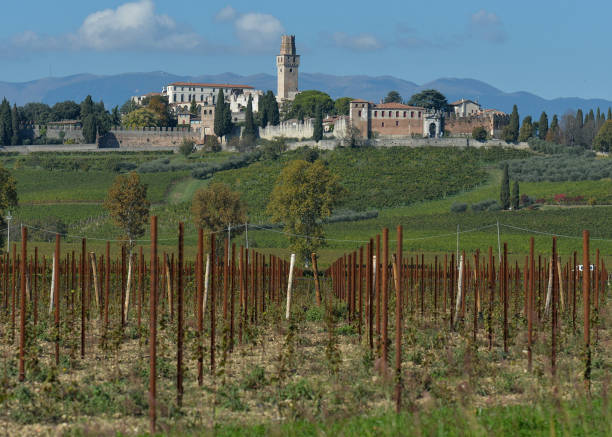
Prosecco is primarily produced in northeastern Italy, with the most prestigious areas located in the Veneto and Friuli Venezia Giulia regions. The Prosecco DOC zone spans across nine provinces, including Treviso, Venice, and Udine, allowing for large-scale production while maintaining quality standards.
Within this area lies the Prosecco Superiore DOCG, a higher-tier designation reserved for wines from the Conegliano-Valdobbiadene and Asolo hills. These hillside vineyards benefit from ideal sun exposure, elevation, and soil composition, producing more complex and structured Proseccos.
The region’s temperate climate and varied terroir contribute to the wine’s aromatic intensity and balanced acidity. While all Prosecco must adhere to strict production regulations, the DOCG areas are known for crafting wines with greater finesse and depth.
Understanding the origin helps clarify that Prosecco’s style—including sweetness level—is influenced by regional winemaking practices, not just grape composition.
Grape varieties used in Prosecco production
The primary grape used in Prosecco is Glera, which must make up at least 85% of the blend to meet DOC and DOCG regulations. Glera is prized for its high acidity, light body, and aromatic profile, delivering scents of white flowers, green apple, and citrus zest.
The remaining 15% may include complementary varieties like Verdiso, Bianchetta Trevigiana, Perera, Chardonnay, Pinot Bianco, or even Pinot Grigio, which add complexity and texture. These supporting grapes can subtly influence the wine’s mouthfeel and aroma, but Glera remains the defining component.
Importantly, the grape’s natural characteristics contribute to Prosecco’s crisp, refreshing style rather than sweetness. Residual sugar levels are controlled during production, with most Proseccos labeled Brut containing less than 12 grams of sugar per liter.
Therefore, while some consumers perceive Prosecco as sweet, the floral and fruity notes come from the Glera grape, not added sugar.
Types of Prosecco and Their Sugar Levels
Brut Nature: The driest Prosecco
Brut Nature is the driest style of Prosecco, containing 0–3 grams of sugar per liter, making it the least sweet option available. This style is ideal for those who prefer a crisp, clean taste with no perceptible sweetness and high acidity.
Because it undergoes minimal intervention during production, Brut Nature highlights the natural freshness of Glera grapes and often features bright citrus, green apple, and mineral notes. Since no additional sugar is added after fermentation, it’s a favorite among health-conscious drinkers and those following low-sugar diets.
However, its stark dryness may be too sharp for those seeking a fruit-forward or rounded flavor. Always check the label for ‘Brut Nature’ or ‘Pas Dosé’ to ensure you’re selecting the driest Prosecco. Serve well-chilled in a tulip glass to concentrate its delicate aromas.
This style pairs exceptionally well with oysters, seafood, or light appetizers where sweetness would overpower the dish.
Brut vs Extra Dry: What’s sweeter?
When comparing Brut and Extra Dry Prosecco, Extra Dry is actually sweeter than Brut, which often confuses consumers due to the naming. Brut contains 0–12 grams of sugar per liter, typically landing around 6–8 g/L, giving it a crisp and mostly dry profile.
Extra Dry, despite its name, has 12–17 grams of sugar per liter, offering a slightly fruitier and more approachable sweetness. This makes Extra Dry a great choice for those new to sparkling wine or who enjoy a hint of softness on the palate without being overtly sweet.
It balances acidity and sugar well, making it versatile for both sipping and pairing. Choose Extra Dry if you prefer a touch of sweetness with notes of pear, apple, and white flowers. For a drier experience, go with Brut.
Both styles are widely available, so taste-testing side by side can help clarify your preference based on sugar levels and flavor balance.
Demi-Sec: The sweetest Prosecco option
Demi-Sec Prosecco is the sweetest category available, with 32–50 grams of sugar per liter, delivering a distinctly rich and fruity flavor profile. This style is less common than Brut or Extra Dry but perfect for those with a sweet tooth or who enjoy dessert wines.
Demi-Sec Prosecco features pronounced notes of honey, ripe peach, apricot, and tropical fruit, making it an excellent accompaniment to desserts like fruit tarts, cheesecake, or biscotti. Its higher sugar content balances well with spicy or salty foods, such as Asian cuisine or blue cheese.
Unlike drier styles, Demi-Sec is not typically used in cocktails like mimosas or spritzes, where sweetness might overwhelm. Look for ‘Dolce’ or ‘Demi-Sec’ on the label to ensure you’re selecting the sweetest Prosecco. Serve chilled but not overly cold to allow the full range of flavors to emerge.
While not traditional for aperitifs, it shines as a dessert or after-dinner drink, offering a luxurious, indulgent experience.
How to Read Prosecco Labels for Sweetness

What terms like Brut and Extra Dry mean
Understanding the sweetness level of Prosecco starts with recognizing key Italian terms on the label. Brut is the most common and indicates a dry Prosecco with less than 12 grams of residual sugar per liter, often tasting crisp and refreshing.
Despite its name, Extra Dry is actually slightly sweeter than Brut, ranging from 12 to 17 grams of sugar per liter, offering a subtle fruitiness that appeals to many palates. Dry** (or *Asciutto*) is even sweeter, with 17–32 grams of sugar, though it’s less commonly found.
The sweetest category is Demi-Sec, which is rare in Prosecco but contains 32–50 grams of sugar, making it dessert-friendly. Always check the term near the brand name, as it’s the most reliable indicator of sweetness.
Knowing these terms helps you match the Prosecco to your taste—whether you prefer a crisp aperitif or a fruity, approachable sip.
Finding residual sugar levels on the bottle
While sweetness terms like Brut or Extra Dry give general guidance, the most accurate way to determine sweetness is by checking the residual sugar (RS) level, usually listed in grams per liter (g/L) on the back label or technical sheet.
Producers sometimes include this data to appeal to informed buyers, especially in export markets. Look for phrases like ‘residual sugar: 10 g/L’—lower numbers mean drier wine. Brut typically falls between 0–12 g/L, while Extra Dry ranges from 12–17 g/L.
If the number isn’t on the bottle, visit the producer’s website or contact customer service for specifications. Some premium labels even list harvest and fermentation details that influence sweetness. Don’t rely solely on taste descriptions like ‘fruity’ or ‘rich,’ as these can be misleading.
By seeking out actual sugar content, you gain precise control over your selection, ensuring the Prosecco matches your preference for dryness or sweetness.
Common labeling mistakes to avoid
Many consumers assume ‘Extra Dry’ means very dry, but in reality, it’s slightly sweet, creating confusion when selecting Prosecco. This misnomer is the most common labeling pitfall—don’t let the name fool you.
Another mistake is focusing only on the brand or price, assuming higher cost means drier or better quality, which isn’t always true. Sweetness isn’t tied to quality—both excellent dry and sweet Proseccos exist across price points.
Also, avoid equating ‘fruity aromas’ with sweetness; Prosecco often smells of ripe apple or pear due to esters, even when technically dry. Labels may use vague terms like ‘balanced’ or ‘smooth’ without clarity on sugar content.
Always verify the official sweetness category—Brut, Extra Dry, etc.—and cross-reference with residual sugar if available. Lastly, beware of non-Italian sparkling wines labeled ‘Prosecco-style,’ which may not follow the same standards. Staying alert to these errors ensures you choose the right Prosecco for your taste.
Taste Profile: Is Prosecco Actually Sweet?
Why some Proseccos taste fruitier than they are
Many people perceive Prosecco as sweet because of its aromatic fruit-forward profile, but this doesn’t necessarily mean it’s high in sugar. Prosecco is made from Glera grapes, which naturally emit vibrant notes of green apple, pear, honeydew melon, and white peach.
These intense fruit aromas can trick the palate into sensing sweetness, even in drier styles. Most Prosecco on the market falls under the *Extra Dry* category, which actually contains 12–17 grams of residual sugar per liter—making it slightly sweeter than *Brut* but not overtly sugary.
The light body and effervescence further enhance the perception of fruitiness, giving a juicy impression without added sweetness. To avoid confusion, always check the label for terms like *Brut*, *Extra Dry*, or *Dry*.
Understanding these terms helps you select a Prosecco that matches your taste preference, whether you enjoy a crisper or slightly fruit-sweeter profile.
How acidity balances sweetness
The reason Prosecco doesn’t taste cloyingly sweet—even when it has moderate sugar—is due to its bright, zesty acidity. This natural acidity cuts through residual sugar, creating a harmonious balance that feels refreshing rather than syrupy.
Wines with high acidity, like Prosecco, stimulate saliva production, which helps cleanse the palate and prevent sweetness from lingering. This interplay is key: a Prosecco labeled *Extra Dry* may have more sugar than a *Brut*, but its crisp, lively acidity makes it taste lighter and drier than it technically is.
Winemakers in Italy’s Veneto region harvest Glera grapes early to preserve this acidity, ensuring the final wine remains vibrant. When tasting, pay attention to how the fizziness and tartness interact with any perceived sweetness—this balance is what makes Prosecco so food-friendly and easy to drink.
Understanding this helps you appreciate its true character beyond just sugar levels.
Comparing Prosecco to other sparkling wines
When evaluating sweetness, it’s helpful to compare Prosecco to other sparkling wines like Champagne, Cava, or Moscato. Most Prosecco is made in *Brut* or *Extra Dry* styles, with *Extra Dry* being slightly sweeter—unlike the naming suggests.
In contrast, Champagne is typically drier, with most labeled *Brut* containing less than 12 g/L of sugar. Cava tends to mirror Champagne’s dryness, while Moscato d’Asti is genuinely sweet, often exceeding 100 g/L of residual sugar and served as a dessert wine.
Prosecco’s sweetness level sits in the middle: sweeter than Brut Champagne but drier than Moscato. Its affordability and approachable fruitiness make it a popular choice for casual sipping.
Knowing these differences allows you to choose the right sparkling wine for your occasion—whether you’re toasting with a crisp, dry option or enjoying a fruity, slightly sweet pour. Always read the label to confirm the style.
Best Sweet Prosecco Brands to Try
Top-rated Demi-Sec Prosecco brands
If you’re exploring what Prosecco is sweet, start with Demi-Sec varieties, which offer a balanced sweetness perfect for dessert pairings or sipping solo.
Brands like Ruffino Prosecco Demi-Sec and Bottega Gold deliver rich, honeyed notes of ripe pear, apricot, and candied citrus, making them ideal for those who prefer a noticeably sweet profile without overwhelming cloyingness.
These Proseccos typically have 33–50 grams of residual sugar per liter, placing them on the sweeter end of the spectrum while maintaining vibrant acidity. La Marca’s Dolce is another standout, blending Glera grapes with a touch of Moscato to enhance its floral sweetness.
Look for Demi-Sec or Dolce labels when shopping to ensure you’re selecting a sweet style. These Proseccos shine when served well-chilled in tulip glasses to preserve their effervescence and aroma.
For special occasions or gifting, Bottega Gold’s luxurious packaging and smooth finish make it a top choice among sweet Prosecco lovers.
Affordable sweet sparkling options
Enjoying sweet Prosecco doesn’t have to break the bank—several budget-friendly sparkling wines deliver delightful sweetness at accessible prices. Brands like Rex Cellars Prosecco Rosé and Cinzano Bicerin Moscato & Prosecco Blend offer approachable sweetness with flavors of peach, mango, and jasmine, typically priced under $15.
These blends often mix Glera with Moscato or other aromatic grapes to enhance their fruity, dessert-like character. Martini & Rossi’s Fruity & Sweet Sparkling is another wallet-friendly option, crafted specifically for those who love light effervescence with a sugary finish. These wines are perfect for brunch, cocktails, or casual gatherings.
Always check the label for terms like ‘Dolce’ or ‘Semi-Sweet’ to ensure you’re selecting a sweet style. Many of these affordable picks are available at major grocery chains, big-box stores, or local liquor retailers, making it easy to find a tasty, sweet sparkling wine without overspending.
Where to buy sweet Prosecco online
Finding sweet Prosecco has never been easier thanks to reliable online wine retailers that specialize in curated selections. Websites like Wine.com, Total Wine & More, and Drizly offer extensive filters to search by sweetness level, allowing you to quickly locate Demi-Sec or Dolce Prosecco varieties.
These platforms often provide customer reviews, food pairing suggestions, and detailed tasting notes to help you make an informed choice. Vivino is another excellent option, combining a wine marketplace with a community-driven rating system that highlights top-rated sweet Proseccos.
Many online stores also offer subscription services or bundle deals, perfect for trying multiple brands. For international selections, Master of Malt and The Wine Society carry rare or imported sweet sparkling wines.
Always verify shipping availability in your state and look for promotional discounts or free shipping thresholds to maximize value when purchasing sweet Prosecco online.
When to Serve Sweet Prosecco
Pairing sweet Prosecco with desserts
Sweet Prosecco, typically labeled as Demi-Sec or Dry, enhances desserts by balancing richness with its bright acidity and gentle sweetness. The key is matching the wine’s sugar level to the dessert—serve Demi-Sec with fruit tarts, lemon cakes, or biscotti for a harmonious blend.
Avoid pairing with overly sweet treats like chocolate mousse unless the Prosecco is equally rich, as it may taste flat. Instead, opt for desserts with tart or citrus notes to contrast and elevate the wine’s fruity profile—think apple pie or key lime tart.
For creamy desserts like panna cotta, add a berry compote to cut through the fat and highlight Prosecco’s effervescence. Always serve in flutes to preserve bubbles and concentrate aromas. This pairing strategy ensures each sip and bite complement rather than compete, turning dessert into a refined experience.
Sweet Prosecco’s versatility makes it a standout choice for after-dinner indulgence.
Using sweet Prosecco in cocktails
Sweet Prosecco adds a luscious, fruity sparkle to cocktails, making it ideal for brunches, celebrations, or summer gatherings. Its natural sweetness reduces the need for added syrups, helping create balanced, refreshing drinks with less sugar.
Try a Prosecco Spritz by mixing sweet Prosecco with a splash of orange liqueur and soda water—serve over ice with an orange slice. For a fruity twist, blend with pureed strawberries or peach nectar for a Bellini variation.
It also pairs well with herbal liqueurs like St-Germain for an Elderflower Prosecco Fizz. Avoid vigorous shaking to preserve carbonation—gently stir or build directly in the glass. Use chilled ingredients to maintain temperature and fizz.
Sweet Prosecco’s low alcohol content makes it perfect for light, sessionable cocktails that won’t overwhelm the palate. With creativity, it transforms into a versatile cocktail base that delights guests with every bubbly sip.
Serving temperature tips for best flavor
To fully enjoy sweet Prosecco, serve it well-chilled between 40–45°F (4–7°C)—this temperature range preserves its bubbles and highlights its aromatic sweetness without dulling flavors. Over-chilling can mute the fruity notes, while serving too warm causes rapid fizz loss and accentuates alcohol.
Refrigerate for at least 4 hours before serving, or use an ice bucket with equal parts ice and water for 20–30 minutes. Avoid freezing, as it may damage the bottle or alter texture.
Once opened, keep it in the fridge upright with a proper sparkling wine stopper to retain carbonation for up to 2 days. Serve in tulip-shaped glasses or flutes to capture aromas and showcase the steady stream of bubbles. Pour slowly down the side of the glass to minimize foam.
Proper temperature control ensures the delicate balance of sweetness and acidity shines, delivering a consistently refreshing experience sip after sip.
Tips for Choosing the Right Prosecco
How to pick Prosecco based on sweetness preference
When selecting a Prosecco that matches your sweetness preference, check the label for sweetness terms like ‘Brut,’ ‘Extra Dry,’ or ‘Demi-Sec.’ Contrary to what the name suggests, ‘Extra Dry’ is slightly sweeter than ‘Brut,’ making it a great middle ground for those who enjoy a touch of sweetness without it being overpowering.
‘Brut’ is the driest commonly available style, ideal for those who prefer crisp, less sweet sparkling wine. If you’re looking for a noticeably sweet Prosecco, opt for ‘Demi-Sec,’ which offers a richer, fruit-forward profile perfect for dessert pairings.
For most palates, ‘Extra Dry’ strikes the best balance—light, refreshing, and subtly sweet. Always look for the Italian term on the bottle, as labeling standards are consistent across producers.
Sampling small bottles or splits can help you experiment without commitment, ensuring you find the ideal sweetness level for your taste or occasion.
Reading between the lines on wine reviews
Wine reviews can be a goldmine of insight when choosing the right Prosecco, but you need to decode the language to understand sweetness levels. Descriptors like ‘crisp,’ ‘lean,’ or ‘zesty’ often signal a drier style, typically indicating a ‘Brut’ Prosecco.
Conversely, terms such as ‘fruity,’ ‘honeyed,’ ‘floral,’ or ’round on the palate’ suggest noticeable sweetness, pointing to an ‘Extra Dry’ or ‘Demi-Sec’ bottling. Pay attention to mentions of residual sugar or comparisons to other sweet wines, as these clues reveal the actual taste profile.
Reviews that highlight apple, pear, or citrus notes often refer to drier styles, while peach, apricot, or tropical fruit notes lean sweeter. Don’t rely solely on the reviewer’s overall rating—focus on flavor descriptions that align with your preference.
Trusted wine apps and critics often include sweetness scales, making it easier to filter choices and avoid surprises.
Avoiding overly dry or sweet bottles by mistake
One of the most common mistakes when buying Prosecco is misjudging sweetness due to confusing labeling terms. Remember, ‘Extra Dry’ is not dry—it contains 12–17 grams of sugar per liter, making it perceptibly sweeter than ‘Brut,’ which has only 0–12 grams.
If you dislike sweetness, stick to ‘Brut’ or ‘Brut Nature’ (the latter being the driest, with no added sugar). On the flip side, if you enjoy a sweeter sip, avoid ‘Brut’ and instead choose ‘Demi-Sec,’ which can have up to 50 grams of sugar per liter.
To avoid confusion, always verify the sweetness category printed on the back or front label. When shopping online, check technical sheets or product details for residual sugar content. Tasting before buying—when possible—or choosing well-reviewed brands with consistent profiles can also prevent disappointment.
Being mindful of these distinctions ensures you get the Prosecco experience you truly want.
Frequently Asked Questions
What is Prosecco and is it sweet?
Prosecco is an Italian sparkling wine made from Glera grapes, primarily produced in the Veneto and Friuli regions. While it can range from dry to sweet, many popular Prosecco wines are labeled as ‘Dry’ or ‘Extra Dry,’ which still have a hint of sweetness due to residual sugar.
How do Prosecco sweetness levels vary by label?
Prosecco labels indicate sweetness levels: ‘Brut’ is the driest (least sweet), ‘Extra Dry’ is slightly sweet, and ‘Dry’ is noticeably sweeter. Knowing these terms helps you choose the right Prosecco based on your sweetness preference.
Is Prosecco sweeter than Champagne?
Generally, Prosecco tends to be fruitier and slightly sweeter than most Champagnes, which are typically drier. However, sweetness depends on the specific style, so always check the label for terms like ‘Brut’ or ‘Dry’.
Which Prosecco is best for someone who likes sweet wine?
If you prefer sweet wine, choose a Prosecco labeled ‘Dry’ or ‘Demi-Sec,’ as these styles have higher residual sugar and a noticeably sweeter taste compared to ‘Brut’ or ‘Extra Dry’ versions.
Why does Prosecco taste sweet even when labeled ‘Extra Dry’?
Even ‘Extra Dry’ Prosecco contains a small amount of residual sugar (12–17 g/L), which gives it a slightly sweet, fruity flavor. The term ‘Dry’ can be misleading, as it’s actually sweeter than ‘Brut.’
Can Prosecco be completely dry?
Yes, Prosecco labeled ‘Brut’ is the driest style, with less than 12 grams of residual sugar per liter. It has minimal sweetness and a crisp, refreshing taste.
What foods pair well with sweet Prosecco?
Sweet Prosecco pairs well with fruit-based desserts, creamy pastries, and spicy Asian dishes. Its light sweetness balances rich or spicy flavors, making it a versatile pairing choice.
Conclusion
Prosecco ranges from dry to sweet, with labels like Brut and Extra Dry indicating sugar levels. Understanding these terms helps you choose your preferred style. While many associate Prosecco with sweetness, drier versions are popular for their crisp, refreshing taste. Explore different varieties to discover what suits your palate. Don’t be afraid to experiment—Prosecco offers something for everyone, making it a delightful choice for celebrations or casual sipping.