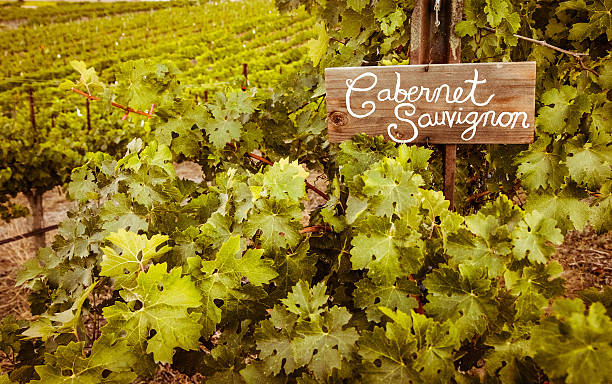
What Wine Goes With Pad Thai
If you’re wondering which wine pairs best with Pad Thai, you’re in the right place. We’ll quickly guide you through a few tasty options that balance the dish’s sweet, tangy, and spicy notes. Think crisp whites, aromatic rosés, and even a light, fruity red that won’t overwhelm the flavors. In the next few lines you’ll discover the perfect sip to elevate your Thai favorite without any guesswork. We’ll also suggest a quick serving tip so you can impress guests effortlessly today.
Best Wine Types for Pad Thai
Light White Wines
Choose a crisp, citrus‑forward white such as Sauvignon Blanc, Pinot Grigio, or Albariño to match Pad Thai’s bright sweet‑sour sauce. High acidity cuts through the dish’s oil and peanuts, while light body lets the aromatic herbs and lime shine without overwhelming spice.
Serve the wine well‑chilled at 45‑50°F and pour a modest 5‑6 oz glass to keep the palate fresh between bites.
Look for wines with subtle tropical fruit notes that echo the tamarind and pineapple flavors, and avoid heavy oak or buttery styles that can mask the delicate balance of the noodles. Pairing this style of wine enhances the dish’s freshness and keeps the overall meal lively and enjoyable.
Try a Sauvignon Blanc from New Zealand for pronounced grapefruit zest, or an Italian Pinot Grigio for a cleaner mineral edge that mirrors the cilantro. If you prefer a slightly richer profile, a dry Albariño from Rías Baixas offers a salty minerality that complements the fish sauce.
Keep the wine’s alcohol around 11‑12% to avoid amplifying the dish’s heat. Finally, store the bottle in the refrigerator for at least 30 minutes before serving to ensure optimal crispness.
Off‑Dry Riesling
Select an off‑dry Riesling from Germany’s Mosel or Alsace to balance Pad Thai’s sweet‑sour and spicy notes. Gentle residual sugar softens the heat from chili while bright acidity lifts the tamarind and lime, creating a harmonious contrast.
Look for flavors of peach, apricot, and honeyed citrus that echo the dish’s nutty peanuts and fresh bean sprouts. Serve the wine slightly cooler than typical whites, around 48‑52°F, in a tulip‑shaped glass to concentrate the aromatic profile.
Pair a Riesling with 5‑7 oz pours to keep the palate lively without overwhelming the subtle flavors of shrimp or tofu Pad Thai. When the wine’s alcohol sits near 9‑10%, it adds a silky texture that rounds out the sauce’s complexity.
This pairing enhances both the wine’s fruitiness and the dish’s layered taste, making each bite more vivid. For an extra aromatic lift, choose a Riesling aged on its lees, which imparts a faint brioche note that pairs beautifully with the dish’s toasted peanuts.
Keep the bottle refrigerated for at least an hour before opening to preserve its crispness.
Sparkling Wine
Opt for a dry or extra‑dry sparkling wine, such as Brut Champagne, Prosecco, or a Spanish Cava, to complement Pad Thai’s vibrant flavors. Effervescent bubbles cleanse the palate between bites, while crisp acidity balances the dish’s sweet tamarind and salty fish sauce.
Look for notes of green apple, citrus zest, and subtle almond that mirror the lime, peanuts, and cilantro in the noodles. Serve the sparkling wine well‑chilled at 45‑48°F in a flute to preserve the carbonation and focus the aromatics.
A 4‑5 oz pour is ideal, providing enough fizz to lift the flavors without drowning the delicate herbs. Choose a wine with moderate alcohol (around 11‑12%) to ensure it doesn’t amplify the heat from the chili flakes.
This pairing adds a celebratory sparkle that heightens the overall dining experience, making each spoonful feel fresh and lively.
How to Match Wine Acidity with Pad Thai Flavors
Balancing Sweet and Sour
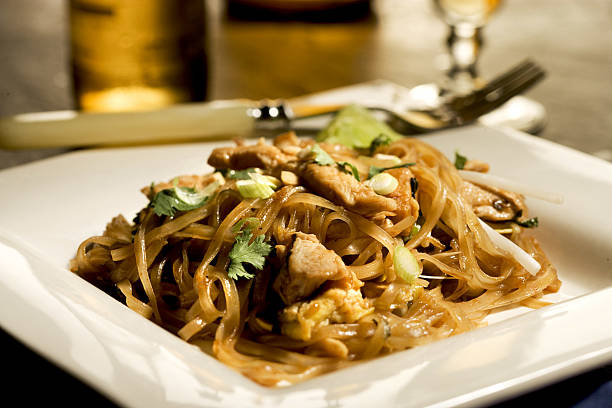
Pad Thai’s signature dance of sweet palm sugar and tangy tamarind creates a bright, slightly acidic base that can overwhelm a wine lacking enough fruit acidity. Choose a white with crisp, lively acidity—such as a Riesling (off‑dry) or a Vinho Verde—to mirror the dish’s sweet‑sour rhythm.
The subtle residual sugar in an off‑dry Riesling softens the heat from the chili while its bright citrus notes echo the lime garnish. Vinho Verde, with its light body and zesty green apple flavor, lifts the noodles without adding weight, keeping the palate refreshed between bites.
Key tip: Serve the wine chilled at 45‑50 °F to preserve its acidity, and sip after each forkful to let the wine’s acidity reset the palate, ensuring the sweet and sour components stay in harmony throughout the meal.
Pairing this way also highlights the subtle nuttiness of the peanuts, creating a cohesive flavor experience.
Complementing Tamarind
Tamarind’s deep, sour‑sweet profile is the heart of Pad Thai, delivering a lingering tang that can clash with overly fruity wines. Opt for a wine that offers bright acidity and restrained fruit, such as a dry Chenin Blanc or a crisp Albariño.
Chenin Blanc from the Loire Valley brings a mineral edge and green apple acidity that mirrors the tamarind’s sourness while its subtle honeyed notes complement the dish’s caramelized peanuts.
Albariño, with its saline minerality and stone‑fruit aromas, echoes the sea‑salted soy sauce and balances the tamarind’s tartness without competing for attention.
Pro tip: Decant a young Albariño for a few minutes to open its aromatics, and serve at 50 °F to keep the acidity sharp, allowing the wine to act as a bridge between the tamarind’s zing and the dish’s savory depth today.
Enhancing Lime Notes
Lime juice finishes Pad Thai with a bright, aromatic pop that lifts the entire flavor stack. To amplify this citrus sparkle, select a wine that showcases vibrant lime or grapefruit zest, such as a Sauvignon Blanc from New Zealand or an unoaked Chardonnay from California’s cooler regions.
New Zealand Sauvignon Blanc bursts with tropical passionfruit, green herb, and pronounced lime rind aromatics that echo the dish’s final squeeze, while its crisp acidity cuts through the richness of the egg and peanuts.
An unoaked Chardonnay offers a clean, buttery‑free palate with subtle lemon‑grass nuances that complement the lime without overwhelming it.
Serving suggestion: Pour the wine into a chilled glass and give it a gentle swirl before each sip to release its citrus aromatics, letting the lime‑enhanced palate dance in sync with every bite of Pad Thai for a memorable experience.
Tips for Serving Temperature
Chilling White Wines
Pad Thai’s sweet‑tangy sauce and bright herbs shine when paired with a crisp, chilled white wine. Aim for a serving temperature of 45‑50°F (7‑10°C) to keep acidity lively and fruit forward.
Choose a semi‑sweet Riesling from Germany or Australia; its honeyed notes balance the dish’s tamarind and peanut flavors while its bright acidity cuts through spice. Gewürztraminer offers aromatic spice and a touch of residual sugar that mirrors the dish’s herbal lemongrass and chili heat.
For a dryer option, a Sauvignon Blanc from New Zealand, chilled to the lower end of the range, provides citrus zest and green‑herb freshness that echo the lime and cilantro.
Serve the wine in a white‑wine glass, allowing a thin rim of ice in the bucket if needed, and avoid over‑chilling, which can mute the aromatic profile and make the wine taste flat.
Serving Sparkling at the Right Chill
Sparkling wines bring effervescence that lifts Pad Thai’s rich sauce and adds a festive touch. Serve them well chilled at 40‑45°F (4‑7°C) to preserve lively bubbles and crisp acidity.
Prosecco from Italy, especially a dry (Brut) style, offers bright apple and pear notes that complement the dish’s sweet tamarind while its gentle fizz cleanses the palate between bites. Champagne or quality Blanc de Blancs provides higher acidity and fine mousse, echoing the lime zest and balancing the peanut richness.
For a more aromatic profile, try an Australian Sparkling Riesling, chilled to the lower end of the range, which adds floral citrus aromas that mirror the fresh herbs. Keep the bottle in an ice‑water bucket for precise temperature control and pour into a flute to concentrate the bubbles.
Avoid letting the wine sit too long after opening, as warmth will flatten the effervescence and diminish the pairing’s vibrancy.
Avoid Over‑Cooling Red Wines
Red wines are less traditional with Pad Thai, but a lightly chilled, fruit‑forward red can work when the temperature is managed correctly. Aim for a serving temperature of 55‑60°F (13‑16°C), just cool enough to soften tannins without muting aromatics.
Beaujolais Nouveau or a light‑bodied Gamay offers bright red‑fruit flavors and low tannin that complement the dish’s sweet‑sour profile while standing up to the peanuts.
Pinot Noir from a cooler climate, served at the lower end of the range, provides subtle earth and cherry notes that echo the cilantro and lime without overwhelming spice.
Chill the bottle in a wine sleeve for 10‑15 minutes rather than an ice bucket, then let it sit for a minute before pouring. Do not over‑cool; temperatures below 50°F (10°C) will make the wine taste closed, dulling the fruit and reducing its ability to balance the dish’s bold flavors.
What Not to Pair: Wines to Skip
Heavy Reds
When it comes to Pad Thai, the bright, tangy flavors of tamarind, lime, peanuts, and fresh herbs demand a wine that can match acidity without overwhelming the dish’s sweet‑sour balance.
Heavy reds such as Cabernet Sauvignon, Syrah, or Malbec are too tannic and full‑bodied, often leaving a metallic aftertaste that clashes with the dish’s sweet‑sour balance. Their deep fruit and oak notes drown the subtle spice and herbaceous notes, making the noodles taste flat.
To avoid this mismatch, skip any wine with high tannin levels, intense dark fruit, or strong oak integration. Instead, opt for lighter, more acidic options that can refresh the palate between bites.
These wines also tend to linger on the palate, creating a heavy mouthfeel that interferes with the dish’s crisp textures. By steering clear of heavy reds, you keep the dining experience lively and ensure each bite remains bright and enjoyable.
Highly Oaked Whites
Pad Thai’s lively combination of sweet tamarind, salty fish sauce, and fresh lime calls for a wine that can echo its acidity without adding overwhelming oak flavors.
Highly oaked whites such as heavily barrel‑aged Chardonnay, Viognier, or White Rioja bring buttery, vanilla, and smoky notes that can mask the dish’s bright citrus and herb profile.
The pronounced creaminess and oak integration often clash with the light, noodle‑based texture, making the sauce feel heavier and the peanuts less crisp. To prevent this, avoid wines with strong oak influence, high residual sugar, or a full‑bodied mouthfeel.
Instead, choose a crisp, unoaked or lightly oaked white that offers clean fruit and zesty acidity. Keeping the wine’s profile restrained allows the fresh ingredients of Pad Thai to shine, preserving the balance between sweet, sour, and salty elements.
A lightly chilled serving also helps maintain the refreshing contrast, ensuring the wine does not become a weighty companion to the dish.
Very Sweet Dessert Wines
While the sweet component of Pad Thai might suggest a dessert wine, the overall flavor profile is more complex, balancing sour lime, salty fish sauce, and nutty crunch.
Very sweet dessert wines such as Sauternes, Tokaji, or late‑harvest Riesling bring high residual sugar and honeyed aromatics that can overpower the subtle spice and acidity of the dish. Their syrupy texture often competes with the tamarind glaze, making the noodles taste cloyingly sweet and dulling the fresh herbs.
To avoid this clash, steer clear of wines with pronounced sweetness, viscous body, or strong botrytis notes. Instead, opt for a dry or off‑dry wine that offers bright acidity and a hint of fruit without dominating the palate.
By selecting a restrained style, you let the nuanced layers of Pad Thai remain the star, with the wine acting as a bright, palate‑cleansing partner rather than a sugary mask.
Regional Pairings: Thai Ingredients and Wine
Peanut Sauce Pairings
To complement the creamy, nutty peanut sauce in Pad Thai, choose a wine that balances richness with bright acidity. Off‑dry Riesling from Germany or Alsace offers a touch of sweetness that tames the sauce’s saltiness while its crisp acidity lifts the dish.
Gewürztraminer provides aromatic spice notes that echo the cilantro and lime, creating a harmonious flavor bridge. If you prefer reds, a light‑bodied Pinot Noir with low tannins and bright red fruit can work, especially when the sauce is less sweet.
Serve the wine slightly chilled (10‑12 °C) to enhance its refreshing character. Avoid heavy, oak‑driven reds, as they will overwhelm the delicate noodles and peanuts. Pairing these wines with Pad Thai ensures each bite feels lively, the sauce feels mellowed, and the overall dining experience remains balanced and enjoyable.
A glass of these wines also pairs well with the customary lime wedges and crushed peanuts sprinkled on top, completing the flavor cycle.
Shrimp and Seafood Pairings
Shrimp‑laden Pad Thai calls for a wine that highlights the oceanic sweetness while standing up to the dish’s tamarind‑sweet balance. Sauvignon Blanc from New Zealand delivers zesty citrus, green‑herb aromatics, and a crisp minerality that mirrors the lime and fish sauce, sharpening each bite of shrimp.
For a slightly richer profile, a Muscadet from the Loire Valley offers subtle saline notes and bright acidity, echoing the briny seafood without masking the noodles.
If you enjoy whites with a touch of fruit, an Albariño from Spain provides stone‑fruit flavors and a saline finish that complements both the shrimp and the peanut garnish. Serve these whites chilled (8‑10 °C) to keep the palate refreshed.
Avoid overly buttery Chardonnay, as its roundness can dull the bright tamarind tang. By matching the wine’s acidity and mineral edge with the shrimp’s sweetness, the pairing elevates the entire Pad Thai experience, making each forkful feel cohesive and vibrant.
Vegetarian Pad Thai Pairings
Vegetarian Pad Thai, featuring tofu, bean sprouts, and a tangy tamarind glaze, thrives with wines that provide freshness without overwhelming plant‑based textures. Dry Rosé from Provence delivers red‑fruit purity, subtle floral notes, and a crisp finish that accentuates the lime and crushed peanuts while keeping the tofu light.
An Italian Pinot Grigio offers bright acidity, green apple nuances, and a mineral backbone that mirrors the dish’s herbaceous cilantro and keeps the broth lively.
For those who enjoy a touch of spice, an Australian Grenache Blanc presents gentle honeyed warmth and a hint of white pepper that pairs nicely with the mild heat of chili flakes. Serve all options slightly chilled (9‑11 °C) to maintain vibrancy.
Steer clear of heavy, oak‑influenced whites, as they can mask the delicate balance of sweet‑sour flavors. These wine choices enhance the crunch of sprouts, the silkiness of tofu, and the overall harmony of the vegetarian Pad Thai.
How to Choose a Wine on a Budget
Value‑Driven White Selections
Pad Thai’s sweet‑tangy sauce and bright herbs call for a wine that can match its acidity without overwhelming the spice. Choose a crisp, fruit‑forward white such as a Sauvignon Blanc from Chile or a New Zealand Pinot Gris, both typically under $15.
These wines offer lively citrus notes and a clean finish that echo the lime and tamarind flavors, while their moderate alcohol keeps the dish feeling light. Look for bottles labeled “value” or “reserve” to snag extra quality at a lower price.
If you prefer a slightly richer profile, an off‑dry Riesling from the Alsace region provides a touch of sweetness that balances the heat, and many affordable options sit around $12‑$18.
Remember to serve the wine chilled, around 45‑50°F, to enhance its refreshing character and keep the palate ready for each bite of noodles, peanuts, and shrimp.
Affordable Sparkling Options
Sparkling wine adds a lively fizz that cuts through Pad Thai’s richness and highlights its aromatic herbs. Opt for an extra‑dry Prosecco or a Cava that you can find for $8‑$14 per bottle.
These bubbles bring bright acidity and subtle apple or pear flavors that mirror the dish’s tamarind‑sweetness while cleansing the palate between bites of crunchy peanuts and tofu. When shopping, compare the “DOC” or “Reserva” labels to ensure consistent quality without paying premium prices.
A well‑chilled glass at 40‑45°F maximizes the effervescence, making the wine feel lighter and more refreshing. If you enjoy a touch of sweetness, a slightly off‑dry Lambrusco from Italy offers a fruity backdrop and still stays under $12.
Pairing a budget sparkling wine with Pad Thai not only elevates the meal but also adds a celebratory feel without breaking the bank.
Finding Deals in Stores
Scoring a great wine for Pad Thai on a tight budget starts with smart shopping. Check the weekly circulars of large retailers such as Trader Joe’s, Costco, or your local grocery chain; they often feature 2‑for‑1 or discounted cases of white and sparkling wines that pair well with Asian flavors.
Look for “value” sections where producers from South America, Australia, or Eastern Europe list bottles under $10 with solid acidity and fruit that complement the dish’s lime‑ginger notes.
Don’t overlook clearance aisles—sometimes a higher‑rated vintage is marked down after a new release, giving you premium quality for a fraction of the price. Use price‑comparison apps to scan barcodes and see if a store’s sale beats online listings.
Finally, consider buying in bulk and storing extra bottles in a cool, dark place; a well‑sealed wine can age gracefully for several months, turning a budget purchase into a long‑term pantry staple for future Pad Thai nights.
Best Ways to Store and Open Your Wine for Pad Thai Night
Proper Bottle Storage
Store your chosen wine for Pad Thai in a cool, dark place where the temperature stays between 45–55 °F (7–13 °C). Consistent temperature prevents premature aging and preserves the bright acidity that balances the dish’s sweet‑sour sauce.
Keep bottles on their side if they have a cork; this keeps the cork moist and prevents air from entering. For screw‑cap bottles, upright storage is fine, but avoid shaking them. Aim for 60–70 % relative humidity to stop the cork from drying out while avoiding mold.
Avoid vibrations from appliances and keep the wine away from strong odors, as cork can absorb them.
If you’re short on space, a small wine refrigerator set to the same range works well and lets you pull the bottle straight to the table, ensuring the wine is ready to complement the tangy, spicy flavors of Pad Thai.
Using a Wine Opener
Choosing the right opener ensures you can serve the wine without breaking the cork, which is crucial for preserving the fresh fruit notes that pair with Pad Thai’s tamarind and lime.
Two‑step corkscrews are reliable: first, insert the worm straight into the center, then twist the lever to extract the cork smoothly. For screw‑cap bottles, a simple twist‑off motion is all that’s needed; just grip the cap firmly and turn clockwise.
If you prefer a more elegant tool, a lever‑style wine key provides extra torque and reduces hand strain, especially useful when opening multiple bottles for a dinner party. Always wipe the cork’s top with a clean cloth before removal to avoid dust falling into the wine.
After the cork is out, give the bottle a gentle shake to release any trapped gases, then let it sit for a minute so the wine can settle before pouring over your Pad Thai.
Decanting vs. No Decant
Most white wines that complement Pad Thai—such as off‑dry Riesling, aromatic Gewürztraminer, or a crisp Pinot Gris—do not need decanting; they are best enjoyed straight from the bottle to preserve their lively acidity and subtle floral aromas.
No decant means you can serve the wine immediately after opening, which is ideal for a quick dinner night.
However, if you choose a fuller‑bodied rosé or a lightly oaked Chardonnay, a short 30‑second swirl in the glass can open up the palate‑enhancing fruit flavors without the hassle of a decanter.
Reserve decanting for older reds that have developed sediment, as the process helps separate the wine from particles and softens tannins, but these are rarely paired with Pad Thai.
In most cases, simply letting the wine breathe for a minute after opening is sufficient to bring out the bright notes that balance the dish’s sweet‑spicy profile.
Frequently Asked Questions
What type of wine pairs best with Pad Thai?
A crisp, off‑dry white wine such as Riesling or Gewürztraminer works well, balancing the dish’s sweet, sour, and spicy flavors.
Can I pair red wine with Pad Thai?
Light‑bodied reds like Pinot Noir or Gamay can work if you prefer red, but choose one with low tannins to avoid clashing with the dish’s acidity.
Is sparkling wine a good match for Pad Thai?
Yes, sparkling wines like Prosecco or Brut Champagne add refreshing acidity and bubbles that cleanse the palate between bites.
Should I choose a dry or slightly sweet wine with Pad Thai?
A slightly off‑dry wine is ideal; the hint of sweetness complements the tamarind and palm sugar in the sauce while soothing any heat.
What about rosé? Does it work with Pad Thai?
Dry rosé, especially those with bright fruit notes, pairs nicely, offering enough acidity to match the dish without overwhelming it.
Are there any non‑wine alternatives that pair well with Pad Thai?
If you prefer non‑wine options, try a cold sake, a light lager, or a citrusy craft cider, all of which complement the dish’s flavor profile.
Conclusion
Pairing Pad Thai with wine works best when you choose bright acidity, gentle sweetness, and light fruit to balance the dish’s sweet‑sour, spicy profile. A crisp Riesling, off‑dry Gewürztraminer, chilled rosé, or a sparkling Prosecco all shine, while a soft Pinot Noir can work for those preferring red. Remember to match the wine’s intensity to the sauce, and feel free to experiment—your perfect match awaits!