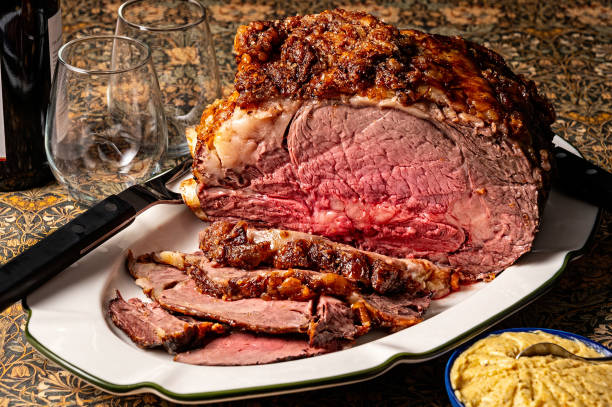
What Wine Pairs With Prime Rib
Looking for the perfect wine to elevate your prime rib dinner? You’ve come to the right place. In the next few lines we’ll cut through the confusion and pinpoint the ideal reds that complement the rich, juicy flavors of prime rib. Expect quick, clear recommendations—whether you prefer a bold Cabernet, a silky Merlot, or a nuanced Syrah. Grab a glass, and let’s match your steak with the wine it truly deserves. We’ll also suggest a few food‑friendly serving tips today.
How to Choose the Right Wine for Prime Rib
Assessing flavor intensity
Begin by evaluating the depth of the prime rib’s flavor. A well‑marbled cut cooked to medium‑rare delivers rich, beefy notes with a subtle buttery finish, while a longer roast develops deeper caramelized edges. Identify the dominant taste profile—whether it leans toward savory umami, sweet char, or herb‑infused seasoning.
This assessment guides you toward wines that can either complement or contrast those flavors. For robust, beef‑forward ribs, opt for a wine with ample body and fruit intensity, such as a Cabernet Sauvignon or a Bordeaux blend.
If the rib is seasoned with rosemary or garlic, a Syrah with peppery spice can echo those aromatics. By matching the wine’s flavor intensity to the meat’s, you ensure neither component overwhelms the other, creating a harmonious dining experience.
Taste a sip before serving to confirm the balance and adjust if necessary.
Matching tannin levels
Next, focus on the wine’s tannin structure, which interacts directly with the protein and fat in prime rib. Select a wine whose tannins are firm yet refined to cut through the meat’s richness without creating a harsh, drying sensation.
A classic choice is a Napa Valley Cabernet Sauvignon, whose robust tannins are softened by ripe blackcurrant and oak, offering a clean palate cleanse between bites. For those preferring a slightly lighter profile, a Merlot with velvety tannins and plum notes can provide smooth integration.
If the rib is served with a red wine reduction sauce, consider a Rhône‑style Syrah whose peppery tannins complement the sauce’s depth. Balancing tannin levels ensures the wine lifts the meat’s flavor while maintaining a pleasant mouthfeel throughout the meal.
Serve the wine slightly chilled to enhance its acidity and further refine the tannic impression.
Considering meat preparation
Finally, take into account how the prime rib is seasoned and cooked, as these factors dictate the ideal wine companion. Identify the dominant herbs, spices, or sauces used—whether it’s a simple salt‑and‑pepper crust, a garlic‑herb rub, or a rich horseradish glaze.
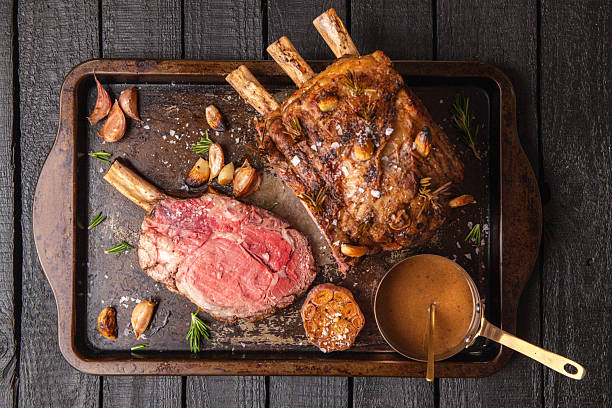
For a classic herb‑crusted rib, a Bordeaux blend with earthy cassis and subtle cedar notes will echo the aromatics while providing enough structure.
If the meat is glazed with a sweet‑spicy barbecue sauce, a Zinfandel featuring jammy fruit and gentle spice can mirror the sweetness and stand up to the heat.
When the rib is served rare, the softer texture pairs well with a Pinot Noir whose bright acidity and red‑berry profile brighten the palate without overpowering the delicate beef. Tailoring the wine to the preparation method ensures each bite is complemented by a harmonious sip.
Best Red Wines for Classic Prime Rib
Cabernet Sauvignon
Cabernet Sauvignon is the classic partner for prime rib because its full body and firm tannins cut through the meat’s richness while its dark fruit and oak‑spiced notes echo the roast’s caramelized crust.
Choose a bottle with 13‑15% alcohol to balance the fat without overwhelming the palate, and look for flavors of blackcurrant, cedar, and a hint of vanilla. Serve the wine slightly below room temperature, around 60‑65°F, to keep the tannins supple.
Decant for 30‑45 minutes to let the aromas open up and to soften any edge. Pair it with a simple herb‑butter rub or a red‑wine reduction sauce for a harmonious match that highlights both the wine’s structure and the beef’s depth.
Consider a Napa Valley or Chilean Cabernet for a richer profile, and avoid overly oaky styles that can mask the meat’s natural flavors.
Merlot
Merlot offers a softer, fruit‑forward alternative that still stands up to prime rib’s juicy texture. Its plush mouthfeel, lower tannin level, and notes of plum, black cherry, and subtle chocolate complement the beef without overwhelming it.
Select a Merlot aged in French oak for a touch of spice that mirrors a pepper‑crusted rub, and aim for an alcohol content around 13‑14% to keep the pairing elegant. Serve the wine at 58‑62°F, slightly cooler than full‑bodied reds, to preserve its bright fruit character.
Give it 15‑20 minutes of breathing time in the glass to release its aromatic layers. Pair with a mushroom‑and‑shallot sauce or a light herb glaze, letting the wine’s silky texture enhance the meat’s tenderness and bring out the subtle sweet‑spicy notes.
A well‑balanced California Merlot can also work nicely, providing a ripe berry finish that brightens the overall dining experience.
Syrah/Shiraz
Syrah, known as Shiraz in warmer climates, brings peppery spice, dark fruit, and a smoky backbone that pairs beautifully with the robust flavor of classic prime rib.
Its medium‑to‑full body and firm tannins cut through the meat’s marbling, while notes of blackberry, smoked paprika, and a hint of licorice echo a herb‑laden rub or a charred crust.
Choose a bottle with 13.5‑14.5% alcohol and a balance of fruit and earth, preferably from the Rhône Valley or a premium Australian Shiraz. Serve at 60‑64°F and allow 20‑30 minutes of aeration to let the complex aromatics develop.
Pair with a rosemary‑garlic butter or a demi‑glace infused with red wine, letting the wine’s peppery edge lift the savory richness of the beef. A cooler climate Syrah from the Northern Rhône adds a mineral crispness that can further enhance the meat’s juiciness and provide a refined finish.
Top White and Rosé Options for Prime Rib
Full‑bodied Chardonnay
Choose a full‑bodied Chardonnay with buttery texture and subtle oak to complement the rich marbling of prime rib. Look for 13‑14% alcohol and a creamy mouthfeel that mirrors the meat’s juiciness.
The wine’s bright acidity cuts through the fat, while notes of ripe apple, toasted vanilla, and a hint of buttery toast enhance the herb‑crusted crust. Serve it slightly chilled at 55‑57°F to preserve freshness without dulling flavor.
Pair it with a classic horseradish sauce or a red‑wine reduction; the Chardonnay’s subtle fruit will balance the sauce’s heat. For a seamless match, select a California or Burgundy‑style Chardonnay that has undergone malolactic fermentation, delivering that smooth, rounded finish that echoes the tenderness of the rib.
Consider aging the wine for a year to develop richer nutty nuances, which will echo the caramelized exterior of the steak. If you prefer a cooler climate expression, a white Burgundy from Côte de Beaune offers minerality that brightens the palate and lifts the savory depth of the prime rib.
Either choice creates a harmonious dialogue between wine and meat, ensuring each bite is supported by a complementary sip.
Dry Rosé
Select a dry rosé with crisp acidity and a touch of red fruit to stand up to the bold flavor of prime rib. Aim for a 12‑13% ABV and a pale salmon hue that signals freshness.
The wine’s strawberry, watermelon, and subtle herbaceous notes provide a lively contrast to the meat’s savory richness, while its clean finish prevents the palate from feeling overwhelmed. Serve the rosé well‑chilled at 50‑52°F to keep its vibrancy intact.
Pair it with a light peppercorn crust or a rosemary‑garlic rub; the rosé’s acidity will cut through the fat, and its fruitiness will echo the aromatic herbs.
Opt for Provençal rosés from Bandol or Côtes de Provence, which often exhibit a mineral backbone and a hint of citrus that lifts the beef’s depth.
For an American twist, a dry rosé from California’s Central Coast offers brighter berry flavors that complement the caramelized sear without competing with the meat’s natural juices. A glass served alongside each plate ensures the wine’s refreshing profile continually cleanses the palate, enhancing each bite of the succulent rib.
Viognier
Turn to Viognet for a richer, aromatic white that can hold its own against prime rib’s intensity. Target a 13‑14% alcohol level and a golden‑yellow color that hints at its lush mouthfeel.
Viognier offers stone‑fruit aromas—apricot, peach, and a whisper of honeysuckle—paired with a creamy texture that mirrors the meat’s buttery tenderness. Its moderate acidity balances the rib’s fattiness while the subtle spice notes echo any peppery rubs.
Serve Viognier slightly warmer than typical whites, around 58‑60°F, to fully express its floral and tropical character. Pair it with a mustard‑based sauce or a side of roasted root vegetables; the wine’s natural sweetness will complement the caramelized edges of the beef, and its aromatic profile will enhance herbaceous seasonings.
Look for bottles from the Rhône Valley, especially Condrieu, where the terroir imparts a mineral edge that lifts the dish. If you prefer New World options, a Viognier from Washington State provides a fuller body and ripe fruit intensity that stands up to the prime rib’s robust flavor.
Tips for Pairing Wine with Different Prime Rib Cuts
Ribeye vs. standing rib roast
When you choose between a ribeye steak and a whole standing rib roast, the wine you serve should reflect the texture and fat content of each cut.
Ribeye’s marbling creates a buttery mouthfeel, so a full‑bodied red with soft tannins, such as a Napa Cabernet Sauvignon or a Merlot, will complement without overwhelming.
The standing rib roast, especially when cooked bone‑in, develops richer, beefy flavors and a firmer bite; here a structured wine with firm tannins—think a Bordeaux blend or a Syrah from the Rhône—helps cut through the meat’s density.
Match the wine’s acidity to the roast’s seasoning; a subtle herb rub pairs nicely with a Chianti Classico, while a pepper‑crusted roast shines alongside a spicy Zinfandel.
By aligning the cut’s fat level and texture with the wine’s body and tannic backbone, you create a balanced tasting experience that highlights both the meat and the bottle.
Bone‑in vs. boneless
Bone‑in prime rib carries the marrow’s mineral richness, while boneless portions lean more on pure beef flavor.
To honor the bone‑in’s depth, choose a wine that can echo its earthy undertones—a Pinot Noir from Oregon or a Grenache‑based GSM blend works well, offering bright acidity and subtle spice without drowning the subtle marrow notes.
For boneless cuts, the focus shifts to the meat’s succulence; a richer, fruit‑forward red like an Australian Shiraz or a Californian Zinfandel provides the necessary weight to match the juicy texture.
Consider the sauce or glaze: a red‑wine reduction pairs beautifully with the bone‑in, enhancing the umami, whereas a sweet‑spicy glaze on a boneless roast shines with a slightly off‑dry Riesling or a fruit‑laden Malbec.
By aligning the presence of bone with the wine’s earthiness and the cut’s juiciness with the wine’s fruit intensity, you ensure each bite is supported by a complementary sip.
Cooking level (rare to well‑done)
The doneness of prime rib dramatically influences the wine choice because the flavor profile shifts from delicate to robust.
A rare or medium‑rare roast retains a soft, buttery interior; light‑to‑medium reds with gentle tannins, such as a Barbera d’Asti or a young Rioja, accentuate the subtle beef sweetness without masking it.
As the meat moves toward medium‑well or well‑done, the proteins tighten and the crust deepens, demanding a wine with greater structure—think a Cabernet Franc, a classic Bordeaux, or an aged Tempranillo that can stand up to the intensified caramelized notes.
Balance acidity with the meat’s firmness; higher‑acid wines like a Chianti or a Sangiovese keep the palate refreshed when the roast is heavily cooked. If you prefer a smoky, char‑kissed finish, a smoky Syrah or a robust Malbec mirrors those flavors.
Matching the wine’s body and tannic grip to the roast’s cooking level ensures every sip reinforces the meat’s texture and taste.
How to Serve Wine with Prime Rib
Ideal serving temperature
To showcase the rich, beefy flavors of prime rib, serve a full‑bodied red wine at the right temperature. Aim for 60‑65°F (15‑18°C) for Cabernet Sauvignon, Bordeaux blends, or Syrah; this slight chill softens tannins and highlights fruit without muting the wine’s structure.
If the wine is stored in a refrigerator, remove it 30‑45 minutes before serving to allow it to warm gently. Use a wine thermometer for precision, especially in warmer kitchens. Avoid serving too warm, as excess heat can make alcohol taste sharp and overwhelm the meat’s savory notes.
Conversely, overly cold wine will mask the complexity of both the wine and the prime rib. Adjust the temperature based on the specific varietal: lighter reds like Pinot Noir can be a few degrees cooler, while robust reds benefit from the higher end of the range.
Decanting guidelines
Decanting a robust red before pairing it with prime rib can unlock deeper aromas and soften firm tannins, creating a smoother mouthfeel that complements the meat’s marbling. Allow 30‑45 minutes of decanting for younger Cabernets or Syrahs, and up to an hour for more structured Bordeaux blends.
Pour the wine slowly into a decanter, letting it glide down the sides to increase surface exposure. This aeration releases volatile compounds, enhancing notes of blackcurrant, tobacco, and spice that echo the herb crust on the rib.
If you lack a decanter, a large, clean pitcher works as a substitute; just give the wine a gentle swirl every few minutes. Avoid over‑decanting, especially with older bottles, as excessive exposure can evaporate delicate fruit flavors and leave the wine flat.
Taste the wine after the initial period and decide whether a few more minutes will improve balance.
Glassware selection
The right glass can amplify the synergy between prime rib and a full‑bodied red, directing aromas to the nose and guiding the wine onto the palate.
Choose a large, bowl‑shaped Bordeaux glass with a slightly tapered rim; its ample cavity encourages swirling, releasing the wine’s complex layers of dark fruit, oak, and pepper. For Syrah or Shiraz, a slightly narrower bowl helps concentrate smoky notes while still allowing enough airflow.
Hold the glass by the stem to avoid warming the bowl, and position the rim just above the lips for optimal sip control. If serving multiple wines, keep a separate set of smaller, more upright glasses for lighter reds like Pinot Noir, which benefit from a tighter opening.
Avoid thin, narrow glasses, as they restrict aeration and mute the bold character needed to stand up to the richness of prime rib.
Common Pairing Mistakes to Avoid
Overpowering the meat
One of the most common errors is letting the wine dominate the prime rib instead of complementing it. Heavy, high‑alcohol reds with aggressive tannins can mask the beef’s natural richness and make the pairing feel unbalanced.
Aim for wines that provide moderate tannins and mid‑range alcohol so the meat’s savory juices remain front and center. A well‑structured Cabernet Sauvignon, a classic Bordeaux blend, or a Syrah with soft, peppery notes offers enough backbone to stand up to the rib without overwhelming it.
Pay attention to the wine’s balanced acidity, which should lift the fat without creating a sharp contrast. By selecting a wine that mirrors the rib’s depth rather than eclipsing it, you create a harmonious dining experience where both components shine.
Consider the cooking method as well; a rib roasted with a herb crust benefits from a wine that has subtle herbal undertones, while a simple salt‑only preparation pairs nicely with a fruit‑forward profile. This nuanced approach ensures the wine supports the meat’s texture and flavor layers without competing for attention.
Choosing overly acidic wines
Choosing a wine that is too acidic is a frequent pitfall when pairing with prime rib. High‑acid whites such as Sauvignon Blanc or overly tart reds like a young Pinot Noir can clash with the beef’s buttery fat, creating a sour bite that distracts from the meat’s richness.
Opt for wines that exhibit soft acidity and a round mouthfeel, allowing the fat to soften the wine’s edge rather than be cut by it. A ripe Merlot, a plush Malbec, or a Zinfandel with gentle fruit notes provides the right balance of fruit and acidity.
Look for smooth fruit characteristics that echo the caramelized crust, and harmonious mouthfeel that glides over the palate. By tempering the acidity, you let the prime rib’s savory depth shine while the wine adds complementary layers of flavor without overwhelming the dish.
Ignoring personal palate
Many diners overlook their own taste preferences, assuming that textbook pairings are the only option for prime rib. Ignoring personal palate can lead to a mismatch that feels forced rather than enjoyable.
Start with a taste test: pour a small glass of a suggested wine and sample a bite of the rib, noting how the flavors interact.
Adjust for any sauces or rubs; a horseradish cream sauce may benefit from a wine with a hint of peppery spice, while a simple garlic‑herb crust pairs well with a fruit‑forward profile.
Emphasize personal enjoyment over strict rules, and remember that the best pairing is the one that makes you want to take another sip. By actively involving your palate in the decision, you create a more satisfying experience that respects both the wine’s character and the prime rib’s richness.
Frequently Asked Questions About Wine and Prime Rib
Can I pair sparkling wine?
Sparkling wine can be an unexpected but delightful partner for prime rib. The high acidity and fine bubbles cut through the rich, fatty meat, refreshing the palate between bites.
Look for a Brut or Extra‑Dry style, such as Champagne, Cava, or a quality American sparkling wine, because the dryness balances the savory juices. Choose a wine with enough body—a Pinot Noir‑based sparkling or a richer Blanc de Noirs will stand up to the beef’s intensity without being overpowered.
Avoid overly sweet varieties, which can clash with the meat’s umami. Serve the wine well chilled, around 45‑50°F, to maximize its crispness. Pairing a sparkling wine with prime rib also adds a celebratory feel to the meal, making it suitable for holidays or special occasions.
Experiment with a few options to discover the texture contrast that best suits your taste.
What about budget-friendly choices?
When you’re watching your grocery bill, there are plenty of affordable wines that still shine alongside prime rib.
Look for a well‑made Cabernet Sauvignon or Merlot from emerging regions such as Chile, Uruguay, or Languedoc‑Roussillon; these often deliver ripe fruit, moderate tannins, and a touch of spice for under $15 per bottle.
Opt for a wine with a solid structure—even a budget Zinfandel or a Malbec can provide the depth needed to match the meat’s richness. Avoid ultra‑cheap blends that lack acidity, as they may feel flat against the fatty crust.
Check the label for a vintage no older than five years; younger wines retain fresher fruit that balances the savory sauce. Buying in bulk or during sales, and storing the bottles in a cool, dark place, can stretch your budget further.
With a little research, you can enjoy a satisfying pairing without breaking the bank.
How long can the wine be stored after opening?
Once a bottle of wine has been uncorked, its lifespan depends on the style, storage conditions, and how it’s resealed.
Red wines that pair well with prime rib—such as Cabernet Sauvignon, Syrah, or a robust Merlot—generally stay fresh for three to five days if kept in a cool, dark spot and sealed with a proper stopper.
Preserve the wine’s oxygen exposure by using a vacuum pump or inert gas system; this slows oxidation and keeps flavors vibrant longer. White or rosé options, if you prefer a lighter contrast, tend to last slightly less, about two to four days.
Store the opened bottle upright to reduce the surface area exposed to air. If you notice a dull aroma, muted fruit, or a sour edge, the wine has likely passed its prime.
For longer storage, consider transferring the remaining wine to a smaller container to limit air contact, or freeze it in ice‑cube trays for future cooking uses.
Frequently Asked Questions
What type of red wine best complements the rich flavor of prime rib?
A full‑bodied red wine with firm tannins, such as Cabernet Sauvignon or Bordeaux blend, balances the meat’s juiciness and enhances its savory notes.
Can a lighter red wine work with prime rib, or should I stick to bold reds?
While bold reds are classic, a medium‑bodied wine like Merlot or a Syrah can also work if you prefer softer tannins and a fruit‑forward profile.
Is a white wine ever a good match for prime rib?
A rich, oaked white such as Chardonnay can pair surprisingly well, especially if the rib is served with a creamy horseradish sauce, as the wine’s buttery texture mirrors the sauce’s richness.
How does the cooking method (roasted vs. grilled) affect wine selection for prime rib?
Roasting brings out deep, caramelized flavors that pair nicely with tannic reds, while grilling adds smoky notes that can be complemented by a slightly spicier wine like a Zinfandel.
Should I consider the sauce or seasoning when choosing a wine for prime rib?
Yes—herb‑based or peppercorn sauces pair nicely with Cabernet Sauvignon, while a sweet‑spicy glaze may be enhanced by a fruitier wine such as a Malbec or a medium‑bodied Syrah.
What non‑alcoholic beverage can mimic the pairing experience for prime rib?
A robust, tannin‑free grape juice or a sparkling pomegranate drink offers a fruity acidity that cuts through the meat’s richness, providing a similar balance to a red wine.
Conclusion
Prime rib shines with bold, structured reds—think Cabernet Sauvignon, Bordeaux blends, or a full‑bodied Syrah—while a velvety Malbec or a ripe Zinfandel adds fruit‑forward spice. For a lighter touch, a balanced Merlot or a nuanced Pinot Noir works beautifully. Remember to match the wine’s acidity and tannins to the meat’s richness, and enjoy experimenting to find your perfect pairing. Cheers to unforgettable meals!