How Long Do Wines Last
Wondering how long your favorite wines last once opened—or even unopened? You’re not alone. The truth is, wine doesn’t last forever, but the timeline depends on the type, storage, and whether the bottle is open. From crisp whites to bold reds and sparkling favorites, each has a different shelf life. In this guide, we’ll break it down simply so you can enjoy every glass at its best—no more guessing, just clear, practical tips to keep your wine tasting fresh.
How Long Do Unopened Wines Last?
Red Wine Shelf Life Before Opening
Unopened red wines typically last 3 to 5 years on average, but high-quality bottles can age gracefully for 10 to 20 years or more under proper conditions.
The key factors influencing longevity include tannin levels, acidity, and grape variety—wines like Cabernet Sauvignon, Nebbiolo, and Syrah are known for their aging potential. To maximize shelf life, store bottles horizontally in a cool, dark place with a consistent temperature around 55°F (13°C) and humidity levels of 70%.
Avoid exposure to heat, light, and temperature fluctuations, which can prematurely age or spoil the wine. Check the vintage date and research specific wine profiles to determine optimal drinking windows. Most everyday reds are meant for early consumption and won’t benefit from extended aging.
White Wine Storage Duration Unopened
Most unopened white wines last 1 to 3 years before their peak freshness begins to decline, though select high-acid or full-bodied styles like Chardonnay or Riesling can age for 5 to 7 years. Unlike reds, whites generally have lower tannins, making them less suited for long-term aging.
To preserve quality, store bottles upright in a cool, dark environment to prevent cork drying and UV damage. Consistent temperature around 45–55°F (7–13°C) is ideal. Avoid kitchen storage near heat sources or light, as this accelerates deterioration.
Aromatic whites like Sauvignon Blanc and Pinot Grigio are best consumed young to enjoy their vibrant fruit and crisp acidity. Always check for signs of spoilage—such as a pushed-out cork or discolored wine—before opening aged bottles.
Sparkling Wine Longevity in the Bottle
Unopened sparkling wines, including Champagne, Prosecco, and Cava, typically remain fresh for 3 to 5 years, though vintage Champagnes can age up to 10 years. Non-vintage sparklings are best enjoyed within 3 years to preserve their effervescence and bright flavor profile.
The high pressure inside the bottle helps maintain freshness, but prolonged storage can lead to loss of bubbles and muted aromas. Store bottles upright in a cool, dark place at around 45–50°F (7–10°C) to minimize cork degradation and pressure loss. Avoid shaking or moving bottles frequently to preserve carbonation.
Prosecco, in particular, is not intended for aging and should be consumed within 18 to 24 months of purchase. Always inspect for leaks or a loose cork, which indicate compromised quality.
Dessert Wine Aging Potential
Dessert wines, such as Sauternes, Tokaji, and late-harvest Rieslings, have exceptional aging potential due to their high sugar and acid content, which act as natural preservatives. Most unopened dessert wines can last 10 to 20 years, with top-tier examples aging gracefully for 30 years or more.
Fortified wines like Port and Madeira can remain stable for several decades, even over a century in rare cases. Store these bottles upright in a cool, dark location with minimal temperature fluctuations—around 55°F (13°C) is ideal.
The sugar content protects against oxidation, allowing complex flavors of honey, dried fruit, and spice to develop over time. Vintage-dated bottles often have the greatest longevity. Always consult producer guidelines or vintage charts to determine peak drinking windows for optimal enjoyment.
How Long Can Opened Wines Last?

Red Wine Freshness After Opening
Most red wines last 3 to 5 days after opening when stored properly. To maximize freshness, recork the bottle and store it in a cool, dark place or the refrigerator.
Lighter reds like Pinot Noir are more delicate and may degrade faster, while fuller-bodied reds like Cabernet Sauvignon or Syrah can maintain quality for up to 5 days. Exposure to oxygen begins altering the wine’s flavor and aroma immediately, so minimizing air contact is key.
Using a wine preserver like argon gas or a vacuum pump can extend life. If the wine starts to taste flat, sour, or overly bitter, it’s past its prime. Always taste before serving to assess quality. Proper storage helps preserve complexity and balance.
White Wine Lifespan in the Fridge
Opened white wines typically last 5 to 7 days when stored in the refrigerator. The cooler temperature slows oxidation and microbial growth, helping preserve freshness. Always recork or use a wine stopper to minimize air exposure.
Light, crisp whites like Sauvignon Blanc and Pinot Grigio benefit most from cold storage and retain their bright acidity longer. Creamier whites like oaked Chardonnay may begin to lose nuanced flavors after 4–5 days. Avoid storing whites at room temperature, as heat accelerates spoilage.
For extended freshness, consider using a wine preservation system. If the wine develops a vinegary smell or dull taste, it should be discarded. Refrigeration is the simplest and most effective method to extend a white wine’s life after opening.
Keeping Sparkling Wine Fresh After Opening
Sparkling wines like Champagne, Prosecco, and Cava begin losing their fizz immediately after opening, but you can extend their freshness to 1 to 3 days with the right tools. The key is using a specialized sparkling wine stopper designed to seal under pressure. Regular corks or stoppers won’t retain carbonation.
Always refrigerate immediately after resealing. Sweeter styles may last slightly longer due to higher sugar content acting as a preservative. While the bubbles will diminish over time, the wine often remains enjoyable for sipping or in cocktails. Avoid leaving opened sparkling wine at room temperature.
Chilling and proper sealing are essential. For best quality, consume within 24–48 hours for optimal effervescence and flavor.
Oxidation and Its Effect on Opened Wine
Oxidation is the primary reason opened wine degrades over time. When wine is exposed to air, oxygen reacts with its compounds, altering flavor, aroma, and color. Reds may turn brownish and taste flat or nutty, while whites darken and develop a stale, sherry-like profile.
While a small amount of oxidation can enhance complexity initially, prolonged exposure leads to spoilage. Minimizing headspace in the bottle and using inert gas sprays can slow this process. Refrigeration also helps by reducing reaction rates. Wines with higher tannin or acidity tend to resist oxidation longer.
If a wine smells off or tastes sour or dull, it’s likely over-oxidized. Trust your senses—if it doesn’t taste good, it’s time to pour a fresh glass.
Best Ways to Store Unopened Wine

Ideal Temperature for Wine Storage
Maintaining a consistent temperature is crucial for preserving unopened wine. The ideal range is between 45°F and 65°F (7°C to 18°C), with 55°F (13°C) widely considered optimal.
Fluctuations in temperature can cause wine to expand and contract, potentially pushing the cork out slightly and allowing oxygen to enter, which leads to premature aging or spoilage. Avoid storing wine near appliances like ovens, dishwashers, or refrigerators that generate heat.
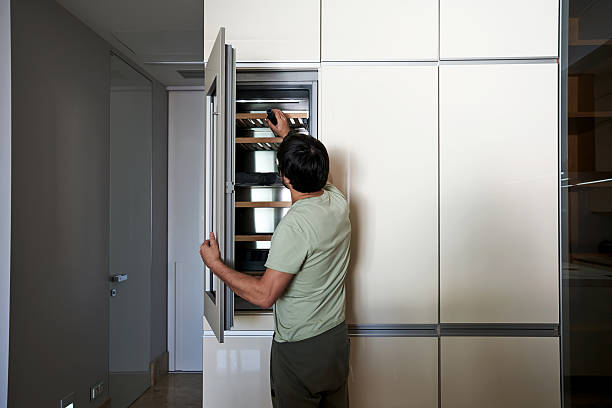
A dedicated wine cooler or a basement away from direct heat sources provides stable conditions. Whether you’re storing reds, whites, or sparkling wines, temperature stability protects flavor and aroma integrity, ensuring your wine ages gracefully and remains enjoyable for years.
Humidity and Light Considerations
Proper humidity levels between 50% and 80% help prevent corks from drying out, which could allow air to seep into the bottle and oxidize the wine. Too little humidity risks cork shrinkage, while too much may damage labels or encourage mold.
Store wine in a dark environment because UV light degrades wine compounds, leading to ‘light strike,’ which causes unpleasant aromas and flat flavors. Avoid clear glass cabinets or sunlit areas. Use opaque storage or wine racks in dark rooms. Basements or climate-controlled cellars naturally offer low light and stable humidity.
If using a wine fridge, ensure it has UV-resistant glass. Protecting wine from light and maintaining balanced humidity ensures long-term quality and prevents premature spoilage.
Position: Should Wine Be Stored Upright or on Its Side?
For long-term storage, wine bottles with natural corks should be stored on their side to keep the cork moist and swollen, forming an airtight seal. A dried-out cork can shrink, allowing oxygen to enter and spoil the wine.
Sparkling wines, Champagne, and wines sealed with screw caps or synthetic corks can be stored upright without risk, as they don’t rely on moisture to maintain the seal. If storing for less than six months, upright storage is generally acceptable even for corked wines.
Consistency in storage position prevents sediment disturbance in aged wines. Always avoid frequent movement and ensure bottles remain still. Choosing the correct position based on closure type is key to preserving freshness and aging potential.
Avoiding Vibration and Strong Odors
Wine should be stored in a vibration-free environment because constant movement can disturb sediment and interfere with the aging process, affecting clarity and flavor development. Avoid placing wine near appliances, washing machines, or high-traffic areas that generate frequent vibrations.
Additionally, strong odors can permeate corks over time, especially in porous natural cork, leading to off-flavors in the wine. Keep wine away from paint, cleaning supplies, or pungent foods. A quiet, isolated space like a basement or dedicated wine cabinet provides ideal conditions.
Minimizing exposure to movement and airborne contaminants helps preserve the wine’s intended bouquet and taste profile. Stability in both environment and air quality supports optimal aging and longevity.
How to Extend the Life of Opened Wine
Using Wine Stoppers to Preserve Freshness
After opening a bottle of wine, immediately reseal it with a high-quality wine stopper to minimize oxidation. Standard corks may not provide an airtight seal once removed, so investing in reusable silicone or stainless steel stoppers ensures a tighter fit.
These stoppers work especially well when combined with refrigeration, helping to slow down the degradation process. For best results, insert the stopper firmly into the bottle neck immediately after pouring to prevent air exposure. Avoid using makeshift covers like plastic wrap and rubber bands, as they are less effective.
A proper seal can help preserve the wine’s aroma and flavor for several days beyond opening, making this a simple yet crucial step in extending wine life.
Refrigeration Tips for Red and White Wines
Contrary to popular belief, both red and white wines benefit from refrigeration after opening. While white wines are typically served chilled, reds also slow their oxidation process when cooled.
Store opened wine in the fridge regardless of variety, but remember to let reds return to their ideal serving temperature before pouring. Use a thermometer to ensure your refrigerator is set between 45–50°F (7–10°C), the optimal range for preserving wine. Avoid placing bottles near the door where temperatures fluctuate.
For reds, allow 20–30 minutes at room temperature before serving. Refrigeration can extend the life of opened wine by 3–5 days, maintaining its structure and preventing premature spoilage when paired with a good seal.
Vacuum Pumps and Inert Gas Sprays
To significantly extend the life of opened wine, use vacuum pumps or inert gas sprays to reduce oxygen exposure. Vacuum pumps remove air from the bottle, creating a partial vacuum that slows oxidation and preserves freshness for up to 5–7 days.
Inert gas sprays, like argon or nitrogen, work by displacing oxygen with a heavier, non-reactive gas that forms a protective layer over the wine. These sprays are especially effective for wines stored upright. While vacuum systems are budget-friendly, inert gas preserves delicate aromas better.
Combine either method with refrigeration for maximum effectiveness. Both tools are easy to use and offer reliable results, making them essential for frequent wine drinkers who don’t finish bottles in one sitting.
When to Transfer Wine to Smaller Bottles
Transferring leftover wine to a smaller bottle is a highly effective method to limit air exposure when you have only a small amount remaining. As wine ages post-opening, the increased headspace (air inside the bottle) accelerates oxidation.
By decanting into a half-bottle or 375ml container, you minimize oxygen contact and preserve quality. Use a clean, airtight container—preferably glass with a secure cap or cork. This method works well in combination with refrigeration and inert gas sprays.
Ideally, transfer wine immediately after opening if you know you won’t finish it soon. This technique can extend the drinkability of wine by up to a week, especially for delicate whites and rosés, making it a smart, low-cost preservation strategy.
Signs Your Wine Has Gone Bad
Smell: Detecting Off Odors in Wine
A wine that has gone bad often emits distinct off odors you can easily identify. Fresh wine should smell fruity, floral, or earthy, depending on the varietal, but spoiled wine may give off a vinegar-like aroma, which indicates oxidation or bacterial contamination.
Other red flags include a wet cardboard or musty smell, a sign of cork taint caused by TCA (2,4,6-trichloroanisole). You might also detect notes of rotten eggs, burnt rubber, or nail polish remover—indications of reduction or chemical spoilage.
If the wine smells sharply sour, like sherry or vinegar, it’s likely oxidized. Trust your nose: if something feels off, it probably is. Smelling your wine before tasting is a crucial first step in detecting spoilage, especially in opened or aged bottles.
Color Changes That Signal Spoilage
Changes in wine color can be a clear visual clue that it has deteriorated. For white wines, a deep golden or amber hue—especially in younger bottles—may signal excessive oxidation.
Red wines that have turned brownish or brick-red at the rim may also be oxidized, particularly if the change happens rapidly after opening. However, some color evolution is natural in aged wines; the key is context and timing.
A young red turning brown within hours of opening is a red flag. Fizziness in still wine or cloudiness not present at bottling can also indicate microbial spoilage. Always inspect your wine under good lighting.
If the color seems dull, flat, or inconsistent with the wine’s age and type, it may no longer be safe or enjoyable to drink.
Taste: When Wine Turns Sour or Flat
If your wine tastes sharply sour, vinegary, or flat, it has likely gone bad. Fresh wine should have a balanced profile of acidity, fruit, and tannin, but spoiled wine often loses its vibrancy. Oxidation is a common culprit, turning wine into something resembling vinegar due to prolonged air exposure.
Microbial contamination can also produce off-flavors like wet wool, medicine, or burnt rubber. Flatness in sparkling wine—where bubbles are weak or absent—is another sign of degradation. While slight changes in taste after opening are normal, drastic or unpleasant shifts mean it’s time to discard the bottle.
Never ignore a sour or chemical aftertaste—it’s your palate’s way of warning you. When in doubt, pour it out and open a fresh bottle.
Cork Condition and Leakage Clues
The condition of the cork can reveal important clues about a wine’s longevity and storage. A dry, crumbly, or sunken cork may indicate poor storage or oxidation, especially in wines meant to age. Conversely, a bulging or pushed-up cork could signal microbial activity or heat damage.
Wine stains or leakage around the cork suggest the seal has failed, allowing air in and accelerating spoilage. For older bottles, check for seepage at the capsule—this often means the wine has expanded due to temperature fluctuations.
A loose or protruding cork in a recently stored bottle is a red flag. Properly stored wine should have a firm, moist cork. Inspect before opening: if the cork looks compromised, the wine inside may already be spoiled, regardless of its age.
Wine Types That Age Well Over Time
Red Wines Known for Long Aging Potential
Certain red wines age exceptionally well due to high tannin, acidity, and concentrated flavors. Varietals like Cabernet Sauvignon, Nebbiolo, and Syrah are top choices for long-term aging, often improving over 10–30 years when stored properly. Tannins act as natural preservatives, softening over time and integrating with fruit and oak characteristics.
Bordeaux blends and Barolo are renowned for their decades-long evolution. Store bottles horizontally in a cool, dark, and humid environment (ideally 55°F and 70% humidity) to prevent cork drying. Not all reds benefit from aging—most should be consumed within 3–5 years.
Always research the specific wine and vintage to determine optimal aging potential and avoid over-aging.
White Wines That Improve With Age
While most white wines are best enjoyed young, select types develop complexity with age. Riesling, Chenin Blanc, and white Burgundy (Chardonnay) can age beautifully for 10–20 years. High acidity and residual sugar in wines like German Riesling preserve freshness and balance evolving honeyed, petrol-like notes.
Properly aged Chardonnay from Burgundy gains nutty, toasted flavors while maintaining structure. Avoid storing oxidizable whites like Pinot Grigio long-term. Ideal conditions include consistent temperature (55°F), darkness, and minimal vibration. Check bottle integrity—cork-sealed wines are more age-worthy than screwcaps unless designed for aging.
Tasting periodically helps determine peak maturity, as aged whites can decline quickly after their prime.
Fortified Wines and Their Longevity
Fortified wines, such as Port, Sherry, and Madeira, are among the longest-lasting wines due to added spirits that boost alcohol and stability. Vintage Port can age 30–50 years or more, developing silky textures and deep tertiary notes.
Tawny Port and Oloroso Sherry thrive with decades of oxidation, gaining rich caramel and nutty complexity. Madeira is nearly indestructible, often lasting over a century thanks to heat exposure during production. Store upright in a cool, dark place—cork integrity is less critical for many fortified styles.
Once opened, they remain drinkable for weeks. Their resilience makes them ideal for collectors seeking long-term cellaring with minimal risk of spoilage.
Vintage vs. Non-Vintage Aging Differences
Understanding vintage vs. non-vintage (NV) wines is crucial for aging decisions. Vintage wines reflect a single year’s harvest and are often crafted for aging, especially in premium reds and Ports. They offer a snapshot of climatic conditions and can evolve significantly over decades.
In contrast, non-vintage wines are blended across years to ensure consistency and are typically meant for early consumption. Exceptions include NV Champagne, which can age 5–15 years due to high acidity and bottle fermentation. Most NV wines lack the structure for long aging.
Always check producer notes—some modern NV bottlings are designed for short-term enjoyment only. For aging, vintage-dated bottles from reputable producers offer the best potential.
Common Wine Storage Mistakes to Avoid
Leaving Opened Wine at Room Temperature
Leaving opened wine at room temperature significantly shortens its shelf life. Once exposed to air, oxidation begins immediately, degrading the wine’s flavor and aroma within hours. Red wines last 3–5 days when recorked and refrigerated, while whites and rosés last 5–7 days under the same conditions.
At room temperature, this window shrinks to 1–2 days before the wine turns sour or flat. To maximize longevity, always transfer opened wine to the refrigerator and use a vacuum stopper to limit oxygen exposure. Sparkling wines degrade even faster—consume within 1–2 days with a proper sparkling wine stopper.
Avoid leaving any opened bottle on the counter, even if you plan to finish it soon. Consistent, cool storage is key to preserving opened wine quality.
Storing Wine in the Kitchen Cabinet
Storing wine in a kitchen cabinet may seem convenient, but it’s one of the worst places for long-term preservation. Kitchens often experience temperature fluctuations from cooking appliances, dishwashers, and sunlight through windows, all of which accelerate aging and spoilage. Additionally, vibrations from appliances can disturb sediment and affect wine chemistry.
For optimal shelf life, wines should be stored at a consistent 55°F (13°C) with moderate humidity. Most kitchen cabinets fail to meet these conditions, reducing wine longevity from years to mere months. Instead, use a dedicated wine cooler or a dark, temperature-stable basement.
Short-term storage (up to a week) may be acceptable, but never rely on kitchen cabinets for aging or preserving fine wines.
Exposure to Sunlight and Heat Fluctuations
Direct sunlight and heat fluctuations are major threats to wine stability. UV rays can degrade organic compounds in wine, causing ‘light strike,’ which results in unpleasant, wet-cardboard aromas. Temperatures above 70°F (21°C) speed up chemical reactions, leading to premature aging and flat flavors.
Ideally, wine should be stored in a cool, dark place with minimal temperature variation—no more than 5°F (3°C) daily fluctuation. Even brief exposure to high heat, like leaving a bottle in a hot car, can permanently damage wine. For long-term aging, avoid attics, garages, or near windows.
Proper storage ensures reds last 2–10+ years, whites 1–5 years, and sparkling wines 2–3 years. Consistent, dark, cool conditions are essential for preserving wine quality over time.
Using the Wrong Type of Wine Stopper
Using the wrong wine stopper can drastically reduce how long wine lasts after opening. Standard cork closures or flimsy plastic stoppers often fail to create an airtight seal, allowing oxygen to seep in and spoil the wine.
Vacuum pumps with rubber stoppers or inert gas preservers are far more effective, extending the life of opened wine by limiting oxidation. For sparkling wines, specially designed champagne stoppers are essential to maintain pressure and fizz. Avoid repurposing corks or using mismatched stoppers, as they can crack or leak.
A proper seal can extend the life of opened wine by several extra days. Investing in quality stoppers is a simple, cost-effective way to preserve flavor and aroma, ensuring every glass tastes as intended.
Frequently Asked Questions
How long does unopened wine last?
Unopened wine can last 1 to 20 years depending on the type. Most table wines are best within 3 to 5 years, while high-quality reds like Cabernet Sauvignon or aging-worthy whites like Riesling can improve over decades when stored properly.
How long does opened wine last?
Opened wine typically lasts 3 to 5 days if stored in the refrigerator with a cork or stopper. Sparkling wines last 1 to 3 days, while fortified wines like Port can last several weeks due to higher alcohol content.
Does red wine last longer than white wine after opening?
Red wine generally lasts slightly longer than white wine after opening, up to 5 days when refrigerated. The tannins in red wine act as natural preservatives, slowing oxidation compared to lighter white wines.
Can you drink wine past its expiration date?
Yes, you can often drink wine past its printed expiration date if it has been unopened and stored properly. While it may not be at peak quality, it’s usually safe to consume for years beyond the date, especially with red and fortified wines.
How should I store wine to make it last longer?
Store unopened wine in a cool, dark place on its side to keep the cork moist. After opening, reseal the bottle and refrigerate it to slow oxidation and preserve flavor for a few extra days.
Do all wines get better with age?
No, only a small percentage of wines improve with aging. Most wines are meant to be consumed within 5 years of production. Aging potential depends on factors like acidity, tannin, sugar, and alcohol levels.
How can I tell if wine has gone bad?
Signs of spoiled wine include a vinegar-like smell, dull or brownish color, flat or sour taste, and a pushed-out cork. If the wine smells or tastes off, it’s best not to drink it.
Conclusion
Wines vary in shelf life depending on type, with most whites lasting 1–3 years and reds 2–5 years, while fine wines can age longer. Proper storage—cool, dark, and horizontal—preserves quality. Once opened, wines last 3–7 days. Understanding labels and storage helps maximize enjoyment. Don’t fear aging wine—experiment wisely and savor each bottle at its best. Cheers to discovering your perfect pour!